REVIEW · OUARZAZATE
From Marrakech: 3-Day Merzouga and Sahara Desert Camel Trip
Book on GetYourGuide →Operated by City Tours Sahara sarl · Bookable on GetYourGuide
A three-day desert hit, minus the luxury sticker shock. This route takes you from Marrakech over the High Atlas, past UNESCO-famous Ait Ben Haddou, and out to Merzouga’s Erg Chebbi dunes with a camel trek at sunset. I like that you get a real change of scenery each day, not just one long drive and a photo stop.
Two things I’d call out: the Erg Chebbi camel sunset/sunrise experience and the fact you’re sleeping in a desert camp with dinner and music. One drawback to plan for is logistics: you can spend a lot of time in the van, and a small hiccup (reservation mix-up, driver running late, or a hotel that isn’t the same standard as the others) can happen.
In This Review
- Key Highlights You’ll Care About
- Why This 3-Day Marrakech to Merzouga Route Makes Sense
- Day 1: Marrakech to Ait Ben Haddou and Dades Valley
- Day 2: Todgha Gorges, Merzouga, and Erg Chebbi Camel Time
- The Desert Camp Setup: What Standard vs Luxury Really Changes
- Tinghir Stop and Kasbah Context: Small Adds That Matter
- Day 3: Optional Sunrise, Then the Long Return to Marrakech
- Price and What You Actually Get for the Money
- Comfort, Reliability, and the Human Factor
- Smart Tips: What to Pack and How to Avoid Common Friction
- Who This Tour Fits Best (and Who Should Skip It)
- Should You Book This 3-Day Merzouga Trip?
- FAQ
- How long is the return trip to Marrakech on Day 3?
- Is sunrise included, or is it optional?
- What’s the difference between the standard and deluxe desert camps?
- Are meals included in the tour price?
- Do I need cash for lunch?
- Can I cancel for a full refund?
Key Highlights You’ll Care About
- Ait Ben Haddou time built into Day 1, with an option for a local guide (extra fee)
- Dades Valley scenery and a night at Kasbah Amazigh or Hotel Chems
- Todgha Gorges on the way to Merzouga, plus a stop that includes the Jewish district in Tinghir
- Erg Chebbi camel trek for sunset (with an optional sunrise on Day 3)
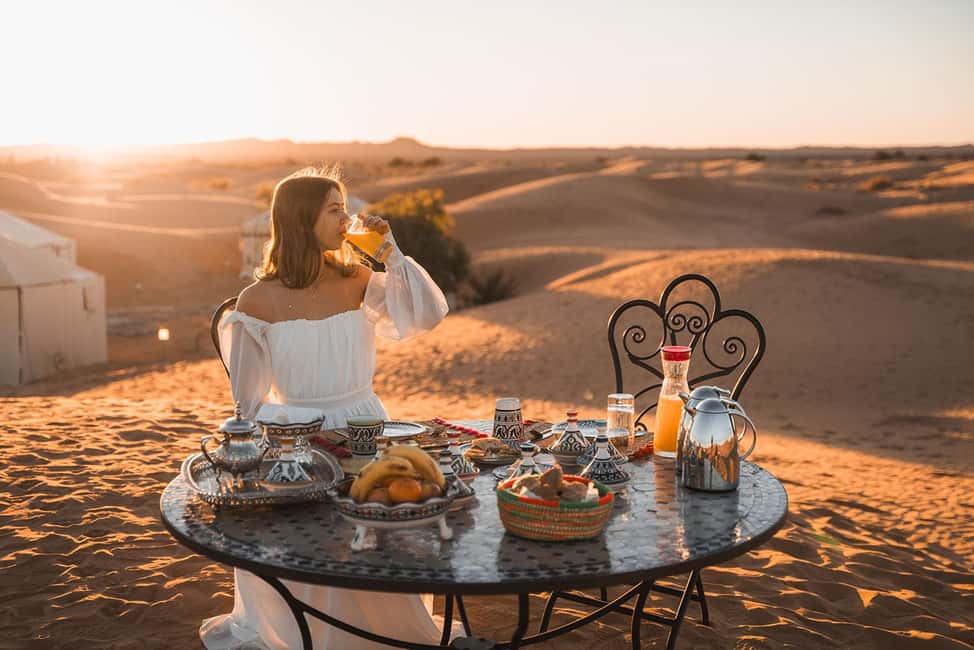
- Bedouin-style camp dinner with Berber drumming and music
- Shared-bath setup in standard camp, with luxury ensuite tents available for an upgrade
Why This 3-Day Marrakech to Merzouga Route Makes Sense
This trip is built for people who want the Sahara without taking a week off work. You do serious driving, yes, but you also hit the big visual hits: Atlas Mountains, kasbah country, and then the dunes of Merzouga.
I like the value angle here. For around $87 per person, you’re paying for transport, two breakfasts, two dinners, a camel trek at Erg Chebbi, and overnight stays. That’s not just “getting to the dunes”—it’s a full itinerary where the stops matter.
The biggest practical thing: plan your expectations around the van time. Day 3 is roughly 10 hours back to Marrakech, so this isn’t a slow, strolling type of trip.
A few more Ouarzazate tours and experiences worth a look
Day 1: Marrakech to Ait Ben Haddou and Dades Valley
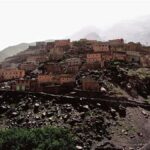
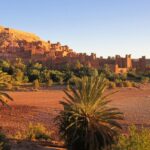
Day 1 is all about getting out of city mode and into kasbah country. You cross the High Atlas Mountains and then reach Ait Ben Haddou, the UNESCO site with its iconic earthen village look. You’ll get leisure time and lunch, which is key because you want a bit of breathing room here—this place is easier to enjoy when you’re not rushing.
After that, the route continues through Ouarzazate. This matters because the region’s kasbahs and desert edges feel like they belong to the same story, not random roadside scenery. You then push on to Boumalne Dades in time for the night.
Dinner and sleeping happen in the Dades area at Kasbah Amazigh or Hotel Chems. This is one of those “read the room” situations: you’re not booking a city hotel, you’re booking a mountain stop that’s convenient for the next day’s gorges and dunes.
Practical tip: if you want a professional guide at Ait Ben Haddou in English or French, it’s an extra €3 per person. If you’re the kind of person who likes context, that fee is worth considering.
Day 2: Todgha Gorges, Merzouga, and Erg Chebbi Camel Time
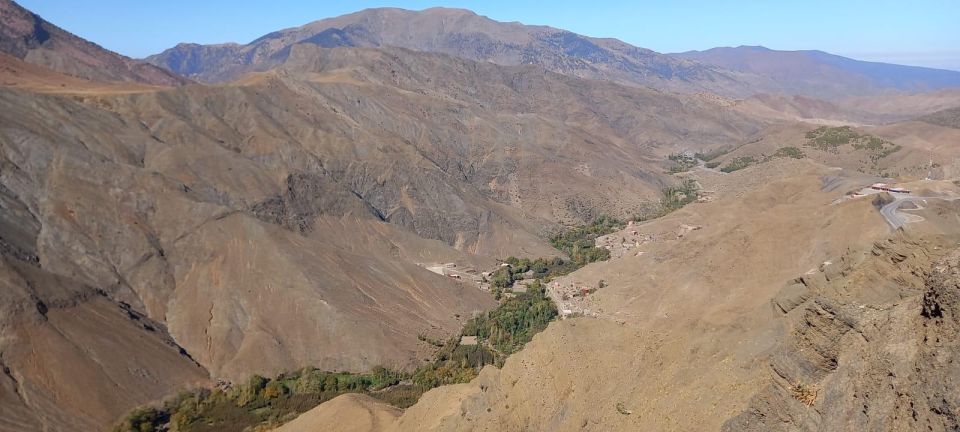
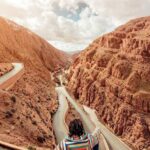
Day 2 starts with Todgha Gorges after breakfast. These are dramatic, and the walking feel here is different from the kasbah stop. You’re moving from architecture to rock walls, and it helps you understand why the route is popular: it’s a true day-by-day change in scenery.
Lunch is at a local cafe. Keep some cash ready because it’s paid locally (the tour notes lunch is roughly 8€ to 12€ per person).
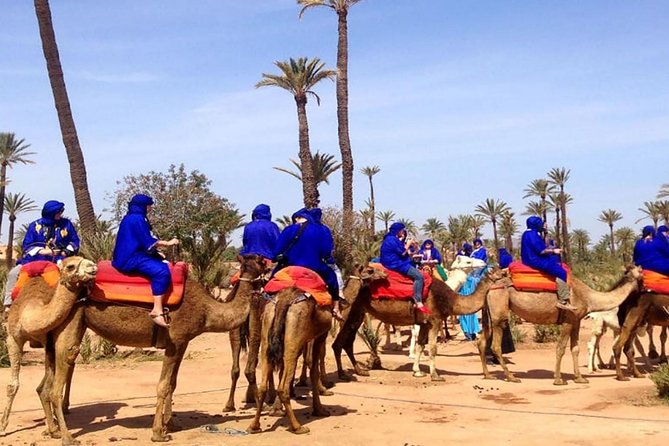
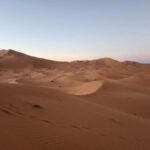
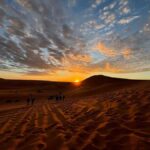
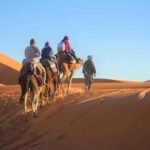
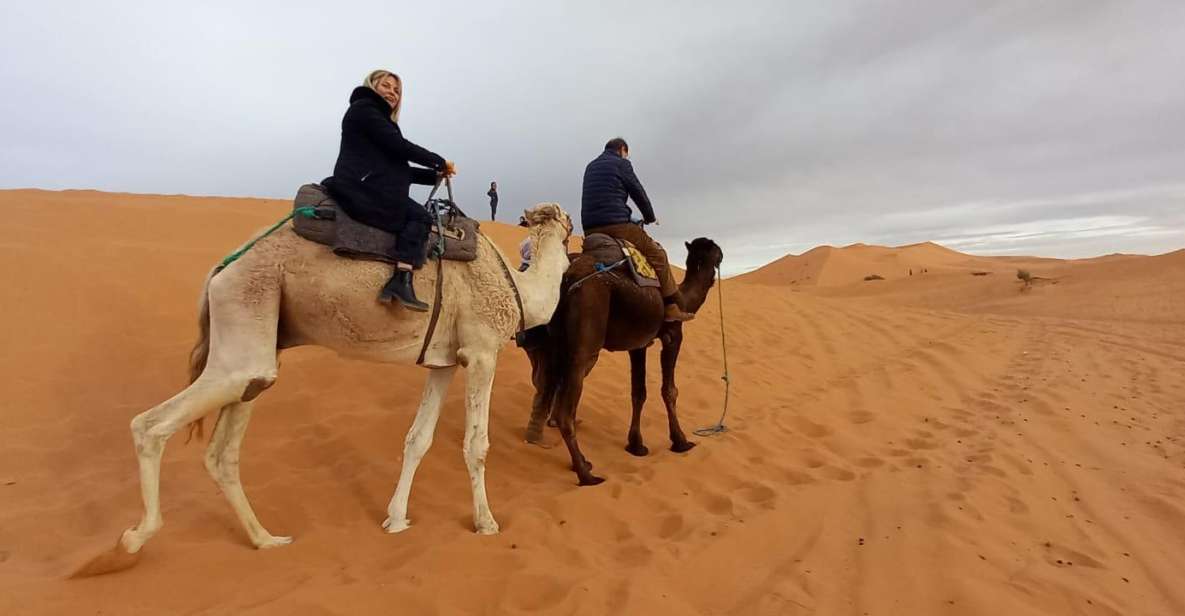
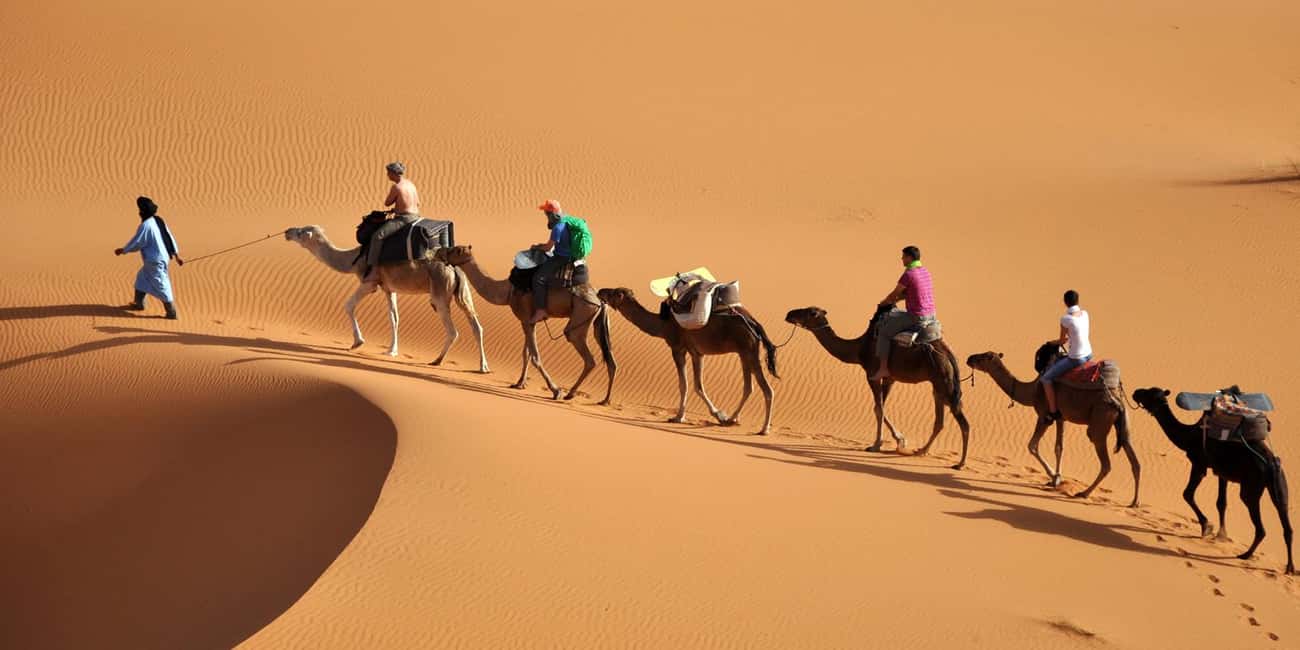
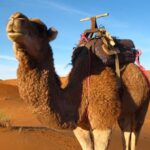
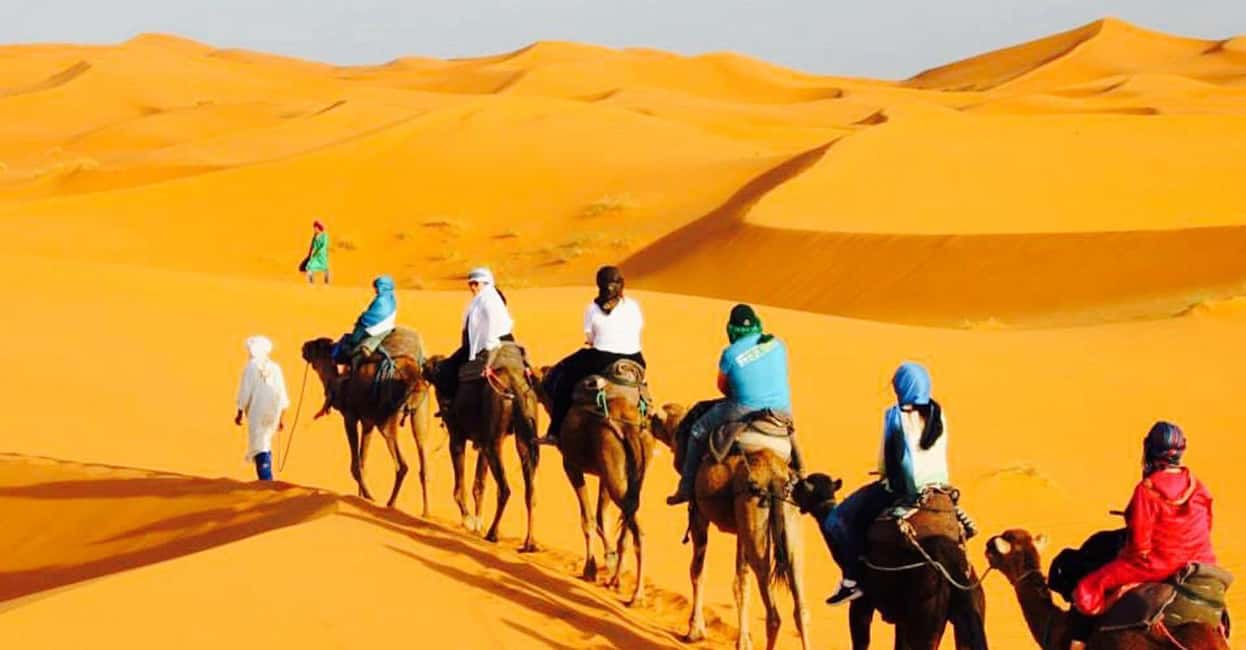
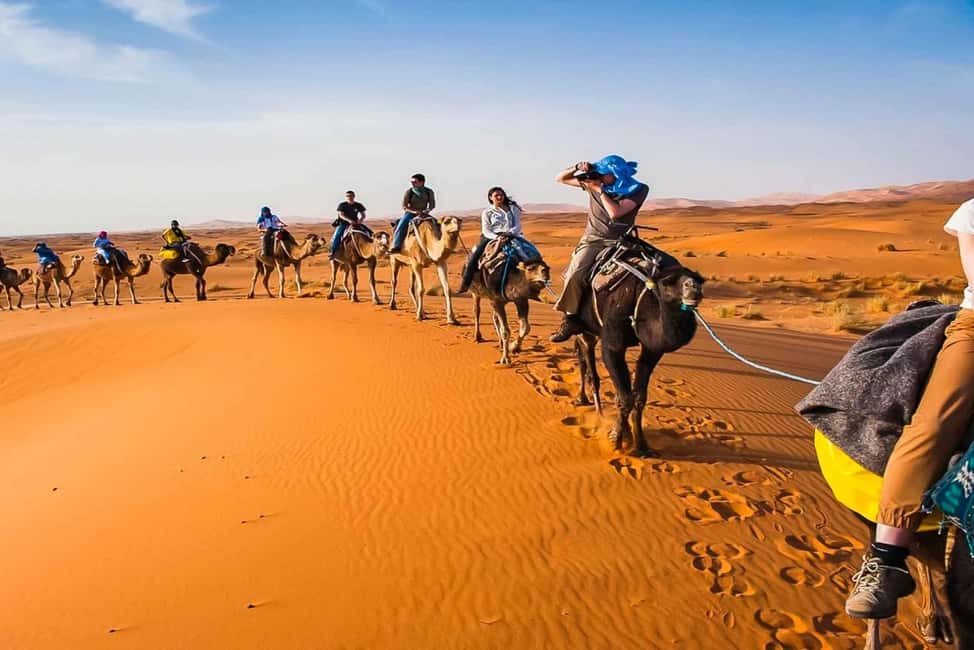
Then comes the big shift: you reach Merzouga and meet your camel caravan. The camel ride is the heart of the day—especially the sunset trek across the Erg Chebbi dunes. When the light softens, the dunes look less like a desert postcard and more like a living, shifting surface. This is the moment that makes the drive feel worth it.
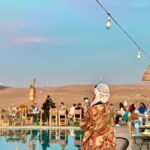
At the camp, you eat dinner outdoors and then get entertainment like Berber drumming and music. The camp setup gives you that Sahara rhythm: eat, watch the sky, and accept that your phone won’t be the star of the show.
One note from real-world experience: camel rides are straightforward, but you should still wear comfortable shoes and sun protection. You’ll be exposed, especially if the day is bright and dry.
The Desert Camp Setup: What Standard vs Luxury Really Changes
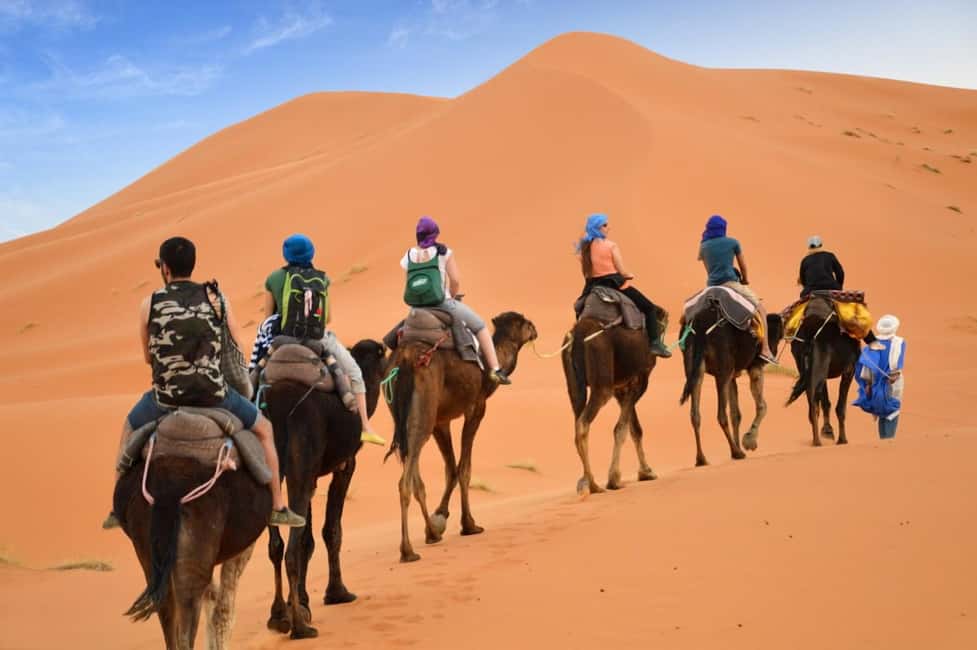
You’ll sleep one night in a desert camp, and the difference between standard and luxury is real.
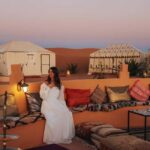
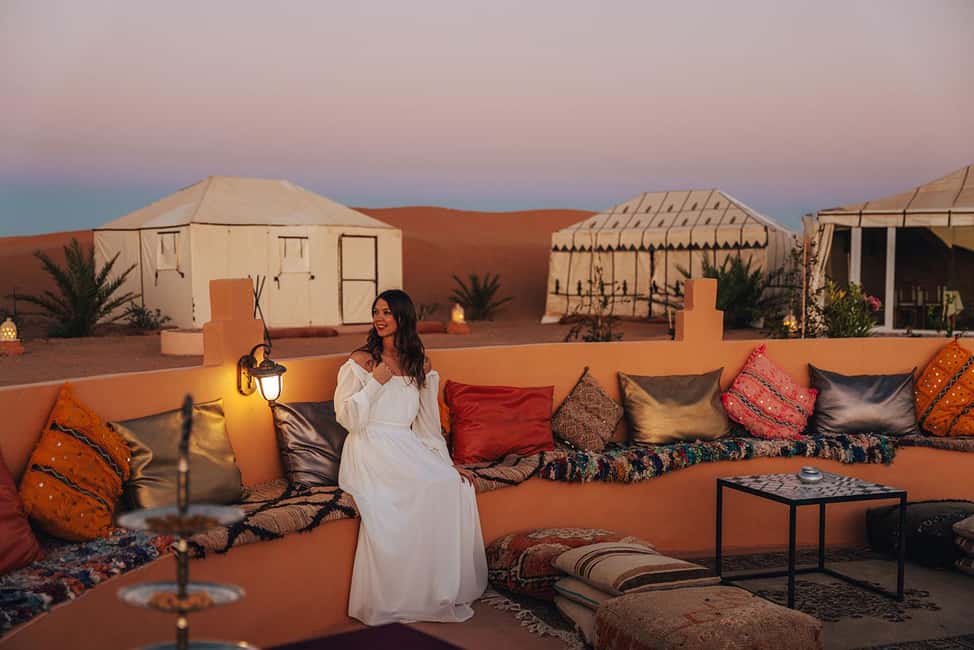
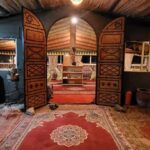
In the standard camp, your tent is private, but bathrooms are shared. The standard option also places you about 200 yards (200 meters) from the included hotel area, where the outdoor bathroom is separate from the tent. That means a short walk at night—fine if you’re okay with it, annoying if you hate the idea of stepping out in the dark.
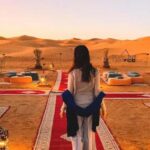
In the luxury desert camp, the tents are located in the middle of the dunes and each tent has its own bathroom and shower. The tour describes luxury as 5-star amenities with private ensuite facilities. If privacy and comfort matter to you, this upgrade can turn the night from a “nice experience” into a “wow, I could stay longer.”
Either way, dinner and music are included. This is important: the camp isn’t just a bed spot. It’s part of the show.
Quick reality check: the standard option still beats the “day trip” model because you get the desert night. If you’re choosing between a cheap and a luxury upgrade, think about how you handle basic bathroom logistics after a long day.
Tinghir Stop and Kasbah Context: Small Adds That Matter
Some desert tours feel like a checklist. This one tries to give you extra human context along the road.
The itinerary includes time to discover the Jewish district in Tinghir. Even if you keep it brief, it helps connect the region beyond dunes. It also gives your Day 2 a more layered feel—gorges, then desert, then a glimpse of how communities shaped this landscape.
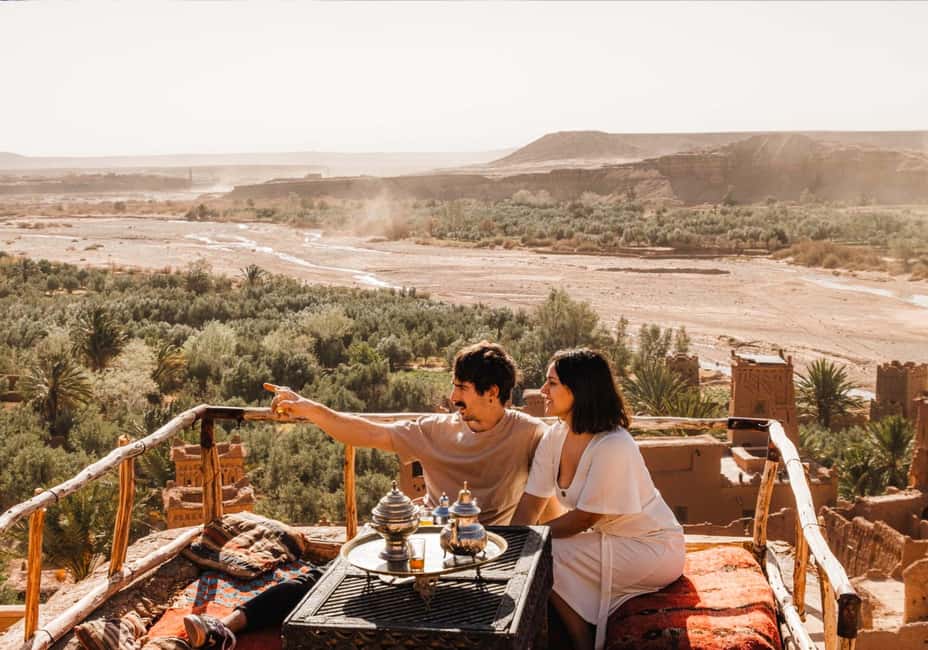
Kasbah time matters too. Ait Ben Haddou isn’t the only “kasbah moment,” but it’s the big one. Even if you don’t book the optional guide, being in that spot gives you a visual reference point for what you’ll keep seeing around Ouarzazate.
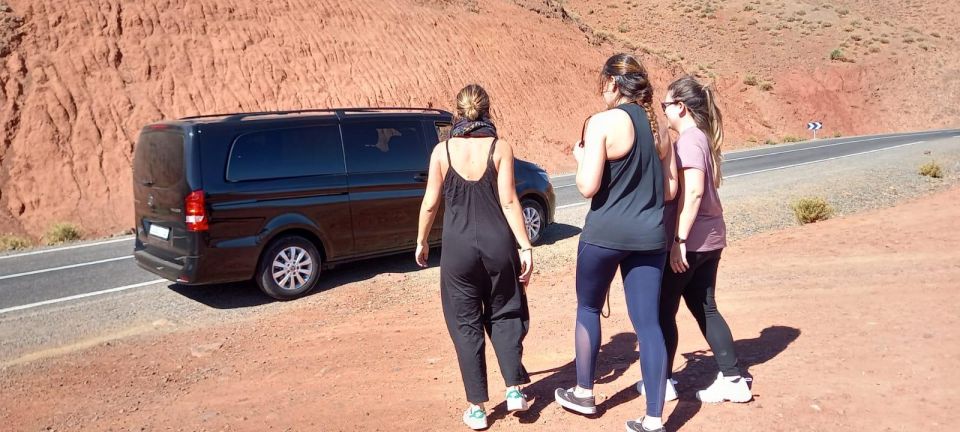
And on the driving side: the trip uses a modern air-conditioned minibus for up to 16 seats, which helps on long stretches. It won’t feel like a cozy van tour, but at least you’re not sweating your way across the Atlas.

Day 3: Optional Sunrise, Then the Long Return to Marrakech
Day 3 begins with an optional sunrise experience before breakfast. If you can manage the early start, this is the payoff for staying overnight. The dunes at sunrise have a different mood than sunset: quieter, sharper, and less about celebration.
After breakfast, you head back toward Marrakech. You stop for lunch en route, and you’re aiming to arrive around 8 PM at your original departure point or around Djemaa El Fna.
Driving time is long—around 10 hours back to Marrakech. This is when you’ll feel any fatigue from the earlier days. The good part is that the route includes stops, and those breaks keep the trip from feeling like a single unbroken punishment. If you tend to get restless in vehicles, plan to bring your patience, not just your camera.
Price and What You Actually Get for the Money
At $87 per person, the value is strongest if you use what’s included.
Included items you should actively plan around:
- Riad/hotel pickup and drop-off (with notes about extra cost outside the city center)
- Air-conditioned minibus transport with an English/French-speaking driver
- 1 night in a private, air-conditioned room at a hotel (Day 1)
- 1 night in a private tent at the desert camp (shared bathrooms on standard)
- 2 dinners and 2 breakfasts
- Sunset camel trek in Erg Chebbi
- Berber drumming and music at camp
Not included items to budget for:
- The optional professional local guide at Ait Ben Haddou is an extra €3 per person
- Lunches are paid locally (roughly 8€ to 12€)
- Pickup may have a small extra if your hotel is outside the center (the tour notes extra costs for pickup over 7 km outside the city center, and also notes pickup from a hotel 5 km away isn’t included)
So what’s the value? If you want a structured route that covers major sites plus the camel-and-camp night, this price makes sense. If you’re hoping to do the dunes with no long driving or no camp-style sleep, look for a different format or be ready to upgrade to luxury camp.
Comfort, Reliability, and the Human Factor
This is where I want to be very practical. The itinerary is solid on paper, but real-world execution depends on the driver and how smoothly your booking is handled.
A common theme in feedback is that drivers can be very friendly, but sometimes not very talkative, especially while they’re driving or managing logistics. One driver named Safanie is specifically mentioned as very nice, and that kind of personality can make the long hours feel less tiring.
Language can also vary in the field. There was an issue where an Italian-speaking guest expected an Italian guide but the service ended up being English instead. The tour notes languages like English/French/Arabic, and the driver is fluent in English/French—so if you want a specific language for a specific site, it’s smart to confirm early.
Then there are the “don’t ignore this” booking moments. One group had a reservation number mix-up and ended up in a different hotel for the first night. Another experience described a return drop-off in a small town without explanations, followed by a later pickup.
What to do with this? You can’t control everything, but you can reduce stress:
- Double-check your reservation details (names and number of people)
- Have your phone set for offline maps and keep backup contact info
- Don’t rely on WhatsApp help as your only lifeline; treat it as a secondary option
Smart Tips: What to Pack and How to Avoid Common Friction
Bring sun protection and footwear because the Sahara route is not “light and airy.” The tour suggests comfortable shoes, sunglasses, a sun hat, and sunscreen, and that’s exactly what you should plan around. Wear breathable layers; mornings and nights can feel cooler than you expect after hot daytime driving.
Clothing matters too. You’ll be in the van for long stretches, then on dunes and around camp at night. Comfortable clothes beat fashion.
Luggage is also handled in a simple way: you can bring extra luggage and leave it on the minibus. That helps because you don’t want to drag bags into the dunes or camp area.
One more practical note: pets aren’t allowed.
Finally, if you’re traveling solo or prefer privacy, consider the luxury camp upgrade. Standard camp can be totally fine, but if shared bathrooms at night sound like a hassle, pay for comfort upfront.
Who This Tour Fits Best (and Who Should Skip It)
This is a good match for:
- People who want a true desert night with camel trekking
- Travelers okay with long driving days and daytime touring stops
- Anyone who likes structured routing: Ait Ben Haddou, Dades, Todgha, then Merzouga
It’s not a great match for:
- People who need wheelchair access (not suitable)
- People who are pregnant (not suitable)
- People over 70 (not suitable)
If you’re traveling with mobility concerns, this tour isn’t built to be flexible around that.
Also, be honest with yourself about heat and walking. Even if the camel ride is the main event, you’ll still be moving around gorges, kasbah areas, and camp.
Should You Book This 3-Day Merzouga Trip?
If you want a classic Sahara experience with Erg Chebbi dunes, camel sunset, and one desert night, I think this tour is worth considering—especially at this price. The included dinners, music, and overnight camp time make it more than a quick “drive-by desert” stop.
You should book only if you’re comfortable with two trade-offs:
1) Long road time and a late return day
2) Camp comfort level depends on whether you choose standard or luxury
If you’re booking, do two things right away: confirm your reservation details, and decide whether the luxury camp upgrade is worth it for your comfort. If you do that, this trip can deliver the kind of desert memory that sticks—sun on sand, music in the night, and a route that actually moves you through Morocco instead of circling the same few sights.
FAQ
How long is the return trip to Marrakech on Day 3?
The travel time back to Marrakech is about 10 hours, and you’ll typically arrive around 8 PM at your original departure point or around Djemaa El Fna.
Is sunrise included, or is it optional?
Sunrise on the dunes is optional on the last day. You can choose to do it before breakfast.
What’s the difference between the standard and deluxe desert camps?
Standard camp offers private tents with shared bathrooms. Deluxe camp provides private tents located in the dunes with its own bathroom and shower, described as 5-star amenities.
Are meals included in the tour price?
Yes. The tour includes 2 breakfasts and 2 dinners.
Do I need cash for lunch?
Yes. Lunch isn’t included and is paid locally in cash, roughly between 8€ and 12€ per person.
Can I cancel for a full refund?
Yes. You can cancel up to 24 hours in advance for a full refund.