REVIEW · OUARZAZATE
Zagora Sahara Desert Overnight Trip from Ouarzazate
Book on GetYourGuide →Operated by Mystery History · Bookable on GetYourGuide
Camel steps start the best kind of night. This overnight trip strings together the big Southern Morocco hits in one go: Tinghir’s oasis area, the 1000 Kasbahs Road, and then a real night in a Berber tent near Zagora. You’ll end up with that classic Sahara rhythm—camel at sunset, stars after dinner, and camel again at sunrise.
I love how the day builds from lush to rugged, with palm-lined Wadi Todgha and Kasbah country before you ever reach the dunes. I also love the human side: in camp, hosts and camel handlers help you settle in, and you may even end up in a small music-and-story get-together under the sky.
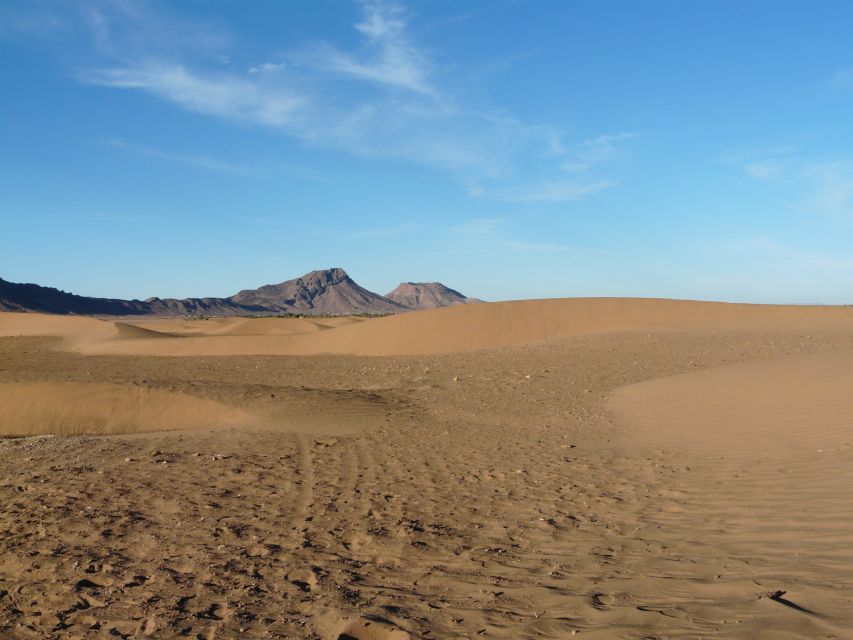
One heads-up: the desert here may not match movie-perfect sand dunes. Some nights feel more rocky with only small dune pockets, so I’d treat the trip as a desert experience first, not a postcard dune safari.
In This Review
- Key highlights at a glance
- A One-Night Sahara Reset From Ouarzazate
- The Ouarzazate to Zagora Drive: Tinghir, Wadi Todgha, and Oasis Time
- The 1000 Kasbahs Road and Draa Valley: Fortress Villages on the Way In
- Atlas Mountains and Ait Ben Haddou: The Cultural Morocco Stops
- Getting to Zagora and Settling Into Camp Mode
- The Sunset Camel Ride: Real Camel Time, Not a Photo-Op Only
- Dinner Under the Stars and Night at Camp
- Sunrise Camel Ride Through Dunes: Morning Magic With a Schedule
- Food, Comfort, and Small Reality Checks (The Stuff That Changes Your Mood)
- Price and Value: What $111 Buys You in the Sahara
- Who This Trip Is Best For (And Who Might Feel Shortchanged)
- Should You Book This Zagora Overnight Trip?
- FAQ
- How long is the tour and when does it start?
- What is included in the price?
- Is lunch included?
- How many camel rides are there?
- What kind of tent stay should I expect?
- Are there toilets or showers at the campsite?
- Can the camp handle special diets like vegan meals?
Key highlights at a glance
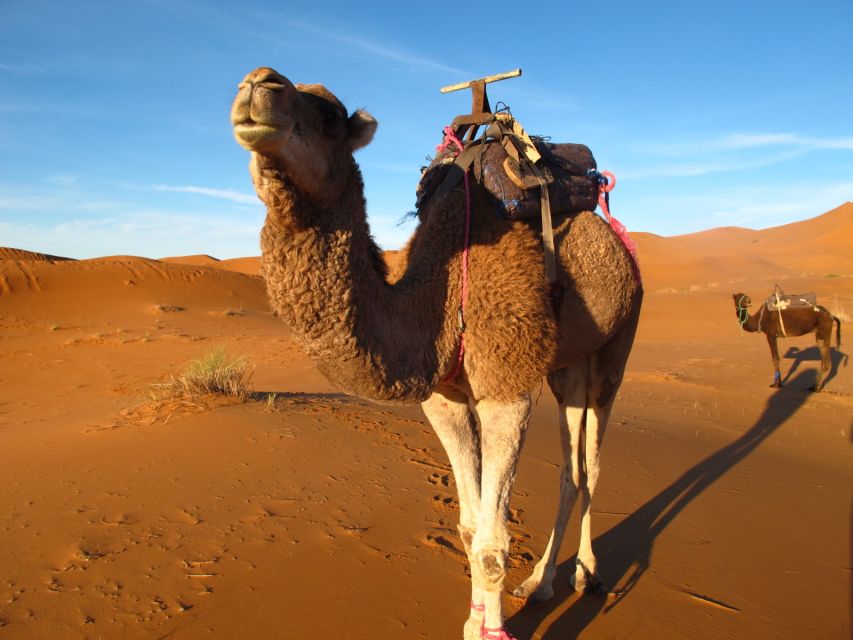
- Two camel rides: one at sunset and one at sunrise, so you get light changes and cooler morning air
- Wadi Todgha palms: a long stretch of greenery along the gorge area near Tinghir
- 1000 Kasbahs Road and Ksour: you pass and stop for views of traditional fortress-like villages
- Berber tent sleep: a one-night stay that actually puts you in camp mode
- Campsite dinner + breakfast: included meals, served in a simple, traditional style
- Early start + overnight timing: a full day of driving before and after the desert night
A One-Night Sahara Reset From Ouarzazate
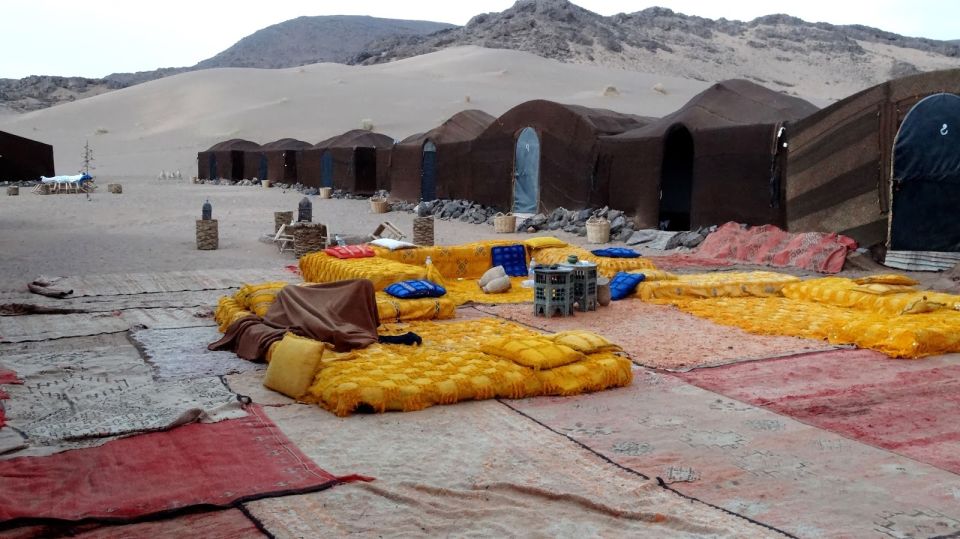
This is the kind of trip that works when you want the Sahara without burning multiple days on logistics. You start at 11:00 AM in Ouarzazate and return the next day through the High Atlas Mountains, so you’re always moving through different scenery zones instead of sitting still.
The itinerary is built around contrast. First you’re in fertile oasis country around Tinghir and Wadi Todgha, then you shift into Kasbah-and-valley territory, and finally you get your desert night near Zagora. That arc matters because it makes the Sahara feel earned, not random.
The value question comes down to how you like your travel. If you’re after a comfortable, resort-style overnight, this won’t be that. If you want simple camp living, camel time, and real Moroccan road travel, it’s a strong match.
You can also read our reviews of more tours and experiences in Ouarzazate.
The Ouarzazate to Zagora Drive: Tinghir, Wadi Todgha, and Oasis Time
The trip kicks off with pickup and drop-off included, then a long scenic drive toward Zagora via the road to Tinghir. One of the best “in-between” moments is the stop around Tinghit at the center of an oasis area in southern Morocco.
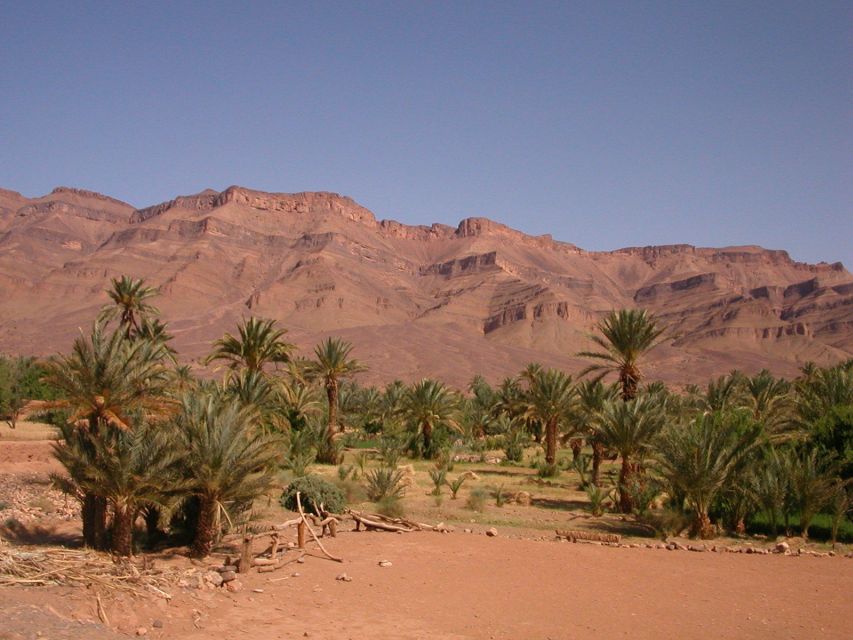
Then comes Wadi Todgha, famous here for its palm growth along the gorge: palms reach for about 30 miles along 500-meter-wide tracts. Even if you’ve seen oases before, this stretch feels different because it’s tied to water and the shape of the valley, not just scattered palms in the sand.
Practical tip: wear sun protection and bring water for the ride day. Even with stops, you’ll feel that southern Morocco heat, especially if you’re traveling in peak summer temperatures.
The 1000 Kasbahs Road and Draa Valley: Fortress Villages on the Way In
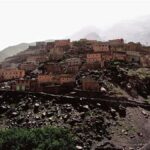
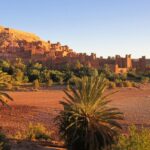
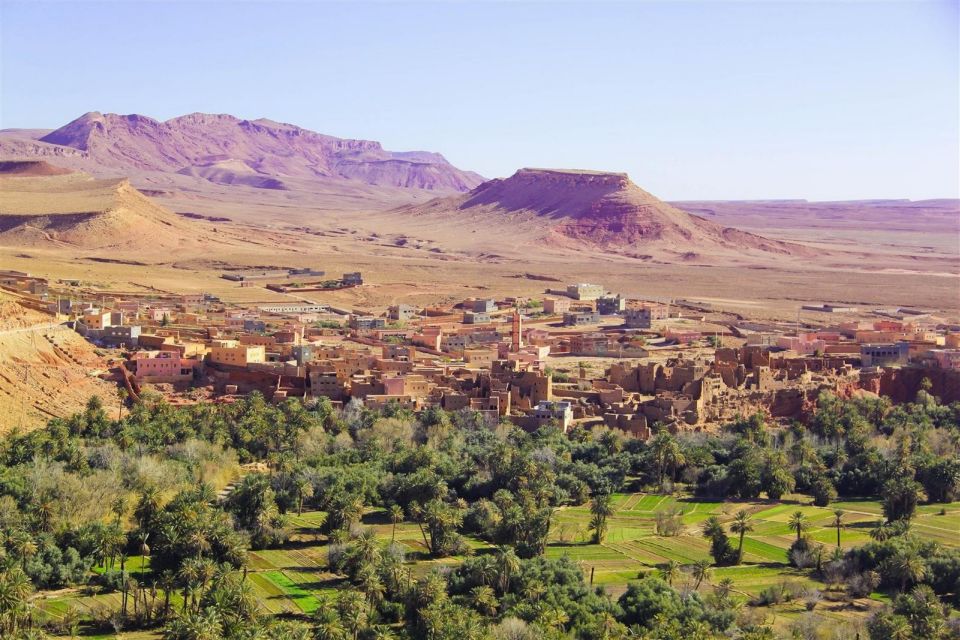
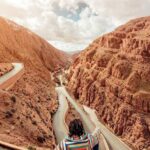
On the way, you’ll hit the 1000 Kasbahs Road and stop to see old buildings and authentic Berber villages. These Kasbah clusters are worth your attention because they explain how people historically lived here—fortified structures that reflect both social life and practical survival.
Next is the Draa Valley, known for Ksour and Kasbah. This is where the region’s identity becomes obvious: you see how settlements formed along routes and resources, and you start noticing the repeating shapes—mud-brick walls, towers, and tight village layouts.
This is also where timing can make or break your experience. You’ll be in transit for much of the day, so if your personal travel style demands lots of slow wandering, keep expectations realistic. You’ll get views and stops, but not unlimited free time.
Atlas Mountains and Ait Ben Haddou: The Cultural Morocco Stops
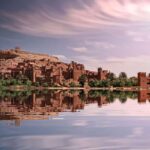
The highlights include exploring the Atlas Mountains, Ouarzazate, and Ait Ben Haddou. Even if you’ve seen pictures online, the real thing lands differently because you’re watching how the hills and valleys frame the architecture.
What I like about including this portion is that it gives context to the rest of the trip. After you’ve seen how dramatic the mountains are, and how villages cling to the route, the desert night feels like the next chapter rather than a jump to a separate world.
Ait Ben Haddou is especially good for travelers who enjoy heritage architecture and don’t mind that tours can move quickly. If you’re the type who likes to take photos slowly and linger, plan to do your deep photo time during the most relaxed stop windows.
Getting to Zagora and Settling Into Camp Mode
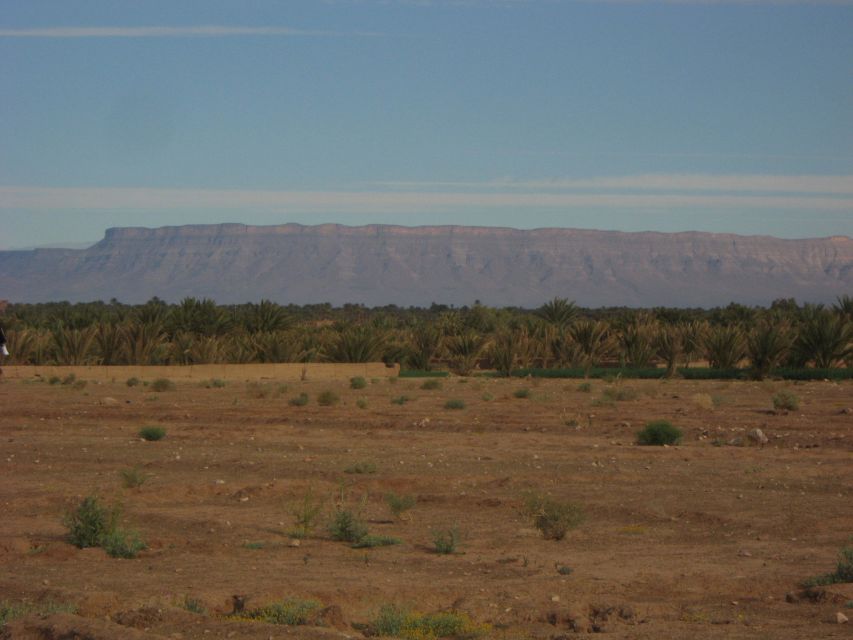
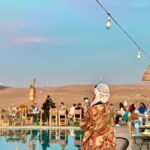
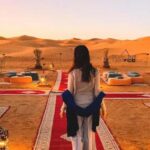
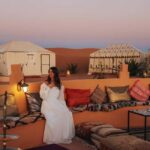
Once you reach Zagora, the schedule shifts from sightseeing to experience. The focus becomes the camp: a campsite setting designed for an overnight with tents and evening dining.
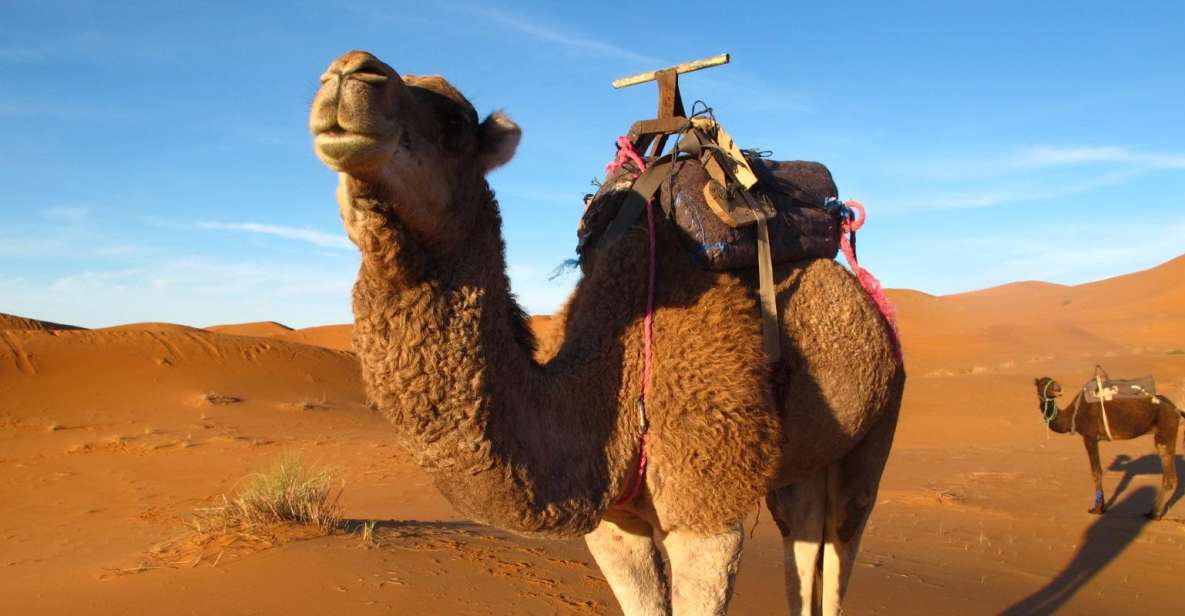
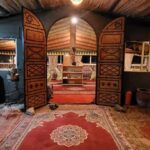
You’ll admire the sunset during a 1-hour camel ride, then return for dinner at the campsite under the stars. In camp, you can usually expect basic facilities like toilets and showers—but don’t expect spa-level water pressure. One traveler noted the water pressure wasn’t strong, so plan to keep showers quick and simple.
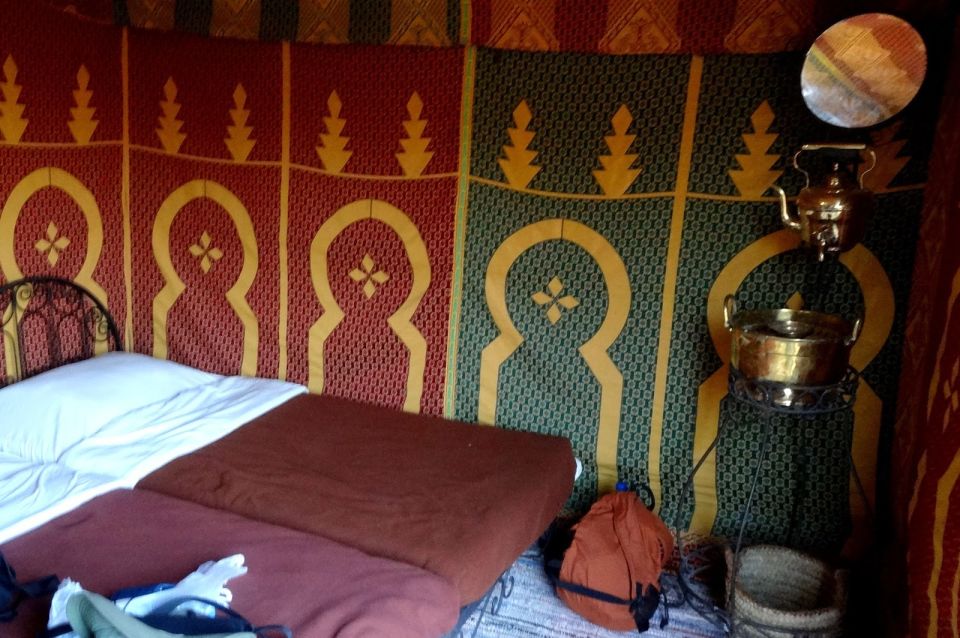
If you’re trying to sleep well, remember this: nights under desert sky can be stunning, but tents can feel very hot. If you’re sensitive to heat while sleeping, bring a light sleep layer and set expectations for warm conditions.

The Sunset Camel Ride: Real Camel Time, Not a Photo-Op Only
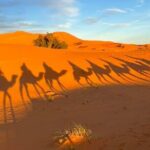
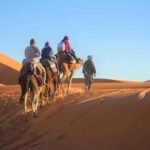
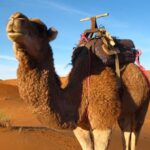
The camel ride happens as the light changes. That matters because it makes the experience feel alive rather than staged. You get that slow, steady pace while the sky cools and the shadows stretch across the ground.
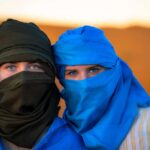
Wear practical clothing here. Camel rides can mean hours of sitting and adjusting your posture, and you’ll be more comfortable in loose, comfortable bottoms rather than tight jeans. I’d also bring a small scarf for dust and sun, plus sunglasses if you’ll be out near the horizon.
One important expectation-setting note: the desert experience may be less like a single sea of dunes. Some riders found the area rockier, with only a few smaller dune pockets. You can still get great sunset color and photos, but don’t plan this as a guaranteed mega-dune spectacle.
Dinner Under the Stars and Night at Camp
Dinner is included, and it’s typically a traditional campsite meal. In one case, dinner was described as boiled vegetables with chicken, while another traveler said the food was great and that special diets were handled for a vegan guest. The consistent theme: expect simple, hearty meals, not fine dining.
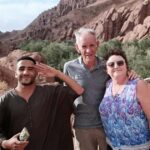
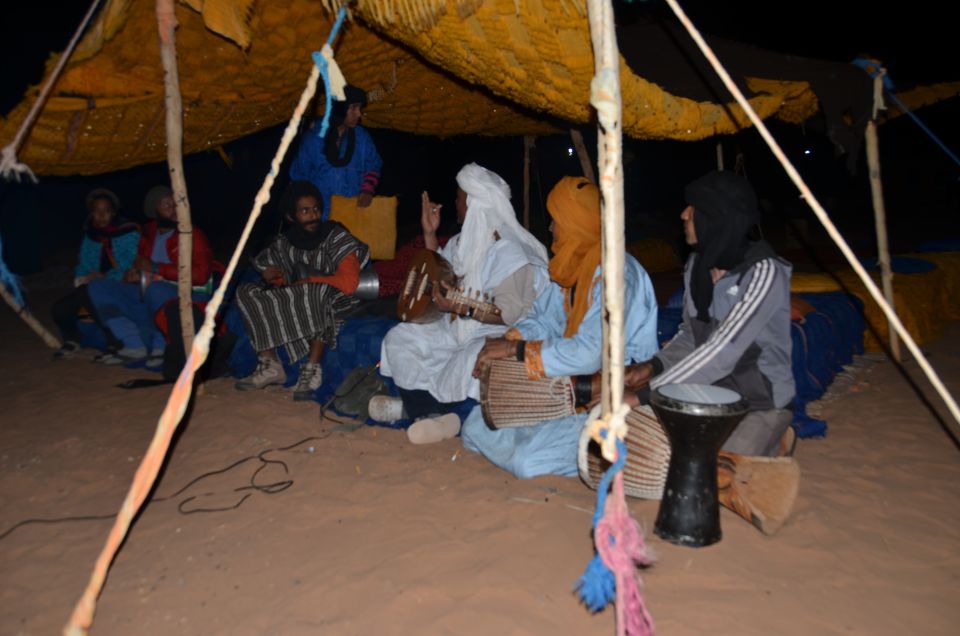
After dinner, there’s often time in camp that feels more communal. You might hear singing, share stories with other people, and spend time looking up at the night sky. One traveler remembered a small gathering and the feeling of sharing the moment with a group from different countries—exactly the kind of evening desert travel can create when everyone’s in the same quiet mood.
If you’re the kind of person who loves stargazing, this is the best time to slow down. Even if the night is a bit chilly, the stars can be memorable.
Sunrise Camel Ride Through Dunes: Morning Magic With a Schedule
The next morning starts with a typical Berber breakfast in Zagora, then you head out for the sunrise camel ride through the dunes. Sunrise is where this tour earns extra points because mornings are calmer and the light is kinder.
This ride can also feel long, and your comfort matters. If your first night sleep is minimal, you’ll still need your legs steady for the ride. That means the same clothing rule from sunset applies: prioritize comfort over style.
As for what you’ll see at sunrise, remember the earlier caveat. The dunes may be smaller or mixed with rocky ground. You’ll still be riding in a desert setting, with that quiet sunrise feeling, but your photos might look more “texture and terrain” than “endless sand.”
Food, Comfort, and Small Reality Checks (The Stuff That Changes Your Mood)
Here’s what I’d plan around, based on the range of experiences:
- Transport comfort can vary. One traveler mentioned an uncomfortable van and that the AC wasn’t working well in outdoor heat around 40°C. If you run hot, expect the ride day to be warm.
- Camel ride time is real. Even when the experience is wonderful, the rides can be quite long, so dress for sitting and dust.
- Meals are basic but flexible. You should expect traditional cooking styles. A vegan traveler said their diet was catered for, which suggests the camp can handle requests when you communicate ahead of time.
- Facilities exist, but don’t over-idealize. Toilets and showers may be available, but water pressure might be weak.
Also keep an eye on timing. The tour can pack a lot into a tight schedule. If delays happen, you might arrive later than ideal for sunset photos. The desert night is still the main event, but your timing can affect how dramatic the sunset feels.
Price and Value: What $111 Buys You in the Sahara
At $111 per person for an overnight experience from Ouarzazate, the value comes from three things: you get two camel rides, a Berber tent night, and dinner + breakfast, plus pickup and drop-off.
If you tried to build this yourself, you’d likely spend similar or more once you add transport out to Zagora, guide/camel logistics, and at least one night in a camp setup. What you’re paying for is convenience plus a full “desert day” structure: road-to-camp, experience on-site, then return.
That said, you’re also buying an experience that’s inherently simple. The tour is not promising luxury tent comfort, and the desert terrain may not be the single iconic dune scene you expect from movies. If you can accept that trade, $111 starts to look fair for what you get.
Who This Trip Is Best For (And Who Might Feel Shortchanged)
This fits best if you want:
- a one-night Sahara break without a multi-day ordeal
- genuine Morocco road travel, not just jumping between attractions
- a camel ride with morning and evening light
- camp dining and the social night vibe under the stars
It may feel less satisfying if you:
- expect massive, cinematic sand dunes every time
- hate schedules and want lots of free walking time
- need consistently strong climate control during long rides
If you’re okay with “real desert, real heat, simple camp,” you’ll likely feel happy at the end of the trip.
Should You Book This Zagora Overnight Trip?
I’d book it if you’re craving a true overnight desert moment with two camel rides and a Berber tent night, and if you can accept that desert scenery can be rocky and mixed. This is the kind of trip that works even better when you travel with flexibility and focus on the experience, not the perfection.
I’d think twice if you’re very sensitive to ride comfort or you’re traveling with a strict need for a movie-style dune panorama. In that case, it’s worth comparing other Sahara options before you decide, especially if you know you get cranky when timing slips.
If you do book: pack for heat, wear comfortable pants for camel time, and bring a simple mindset. The stars, the camp night, and the sunrise ride are where the trip pays off.
FAQ
How long is the tour and when does it start?
The tour starts at 11:00 AM from Ouarzazate and includes one overnight night, with the return happening the next day through the High Atlas Mountains.
What is included in the price?
It includes pickup and drop-off, camel rides, dinner and breakfast, and one-night accommodation in a Berber tent.
Is lunch included?
No, lunch is not included.
How many camel rides are there?
There are camel rides at sunset (about a 1-hour ride) and again at sunrise.
What kind of tent stay should I expect?
You’ll sleep one night in a typical Berber tent at the campsite.
Are there toilets or showers at the campsite?
Toilets and showers are available at the campsite, though water pressure may be limited.
Can the camp handle special diets like vegan meals?
A vegan guest reported that the camp catered for their diet when traveling on the tour.