REVIEW · OUARZAZATE
From Marrakech: 5-Days Tour to Chefchaouen & Merzouga Desert
Book on GetYourGuide →Operated by Come With Us Tour · Bookable on GetYourGuide
Morocco hits hard—in the best way. In five days you’ll cross the High Atlas, spot kasbahs at Ait Ben Haddou, then end with an Erg Chebbi camel trek and a star-filled luxury Sahara camp.
I especially love the mix of big-name sights and real local texture: Fes Medina with a guide at your side, and the Blue City of Chefchaouen without feeling rushed. One possible drawback: the driving days are long, and you may get pulled into a few stop-and-shop moments along the route.
In This Review
- Key points at a glance
- Crossing the High Atlas: Tizi n’Tichka and first mountain views
- Ait Ben Haddou kasbahs and Valley of Roses: UNESCO meets everyday life
- Dades Gorges: the rock corridor night with private comfort
- Todra Gorges to Erfoud to Merzouga: from rock walls to desert edges
- Camel sunset at Erg Chebbi: the part that feels like a movie
- Sunrise and sandboarding: the early start you’ll actually enjoy
- Ziz Valley and Ifrane on the way to Fes: changing Morocco climates
- Guided Fes Medina: Al-Qarawiyyin Mosque and souks with meaning
- Chefchaouen Blue City walk: riad night and Rif mountain charm
- The value question: is $849 per person worth it?
- A few “know this first” notes that can save your trip
- Should you book this 5-day Marrakech to Chefchaouen and Merzouga tour?
- FAQ
- What’s included in the tour?
- Are lunch and monument tickets included?
- Do I get a camel ride and time in the desert camp?
- Is there a guided tour in Fes and Chefchaouen?
- What language options do guides use?
- How does pickup work in Marrakech?
- What should I pack for this trip?
Key points at a glance
- Tizi n’Tichka pass views that make the long drive worth it
- UNESCO Ait Ben Haddou kasbahs plus rose cooperative time in the Valley of Roses
- Todragorges and Dades gorges for dramatic rock walls and easy photo stops
- Erg Chebbi camel ride + sandboarding with Berber music in camp
- Guided Fes and Chefchaouen so you don’t just walk, you understand
- Private comfort with an air-conditioned vehicle and a bilingual driver
Crossing the High Atlas: Tizi n’Tichka and first mountain views
Your trip starts in Marrakech, then quickly turns into mountain driving. The big moment is crossing the High Atlas via the Tizi n’Tichka pass, where the scenery opens up fast and you get those panoramic pull-over-and-shoot views. It’s the kind of start that gets you out of city mode and into Morocco mode.
This matters more than it sounds. When you do the trip in one organized loop, you don’t waste energy negotiating transit, timing, or connections. You can just show up, enjoy the views, and let the route do the heavy lifting.
Practical note: bring sunglasses and sunscreen early. Even when it’s not hot, the brightness on mountain roads is not subtle.
You can also read our reviews of more tours and experiences in Ouarzazate.
Ait Ben Haddou kasbahs and Valley of Roses: UNESCO meets everyday life
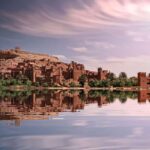
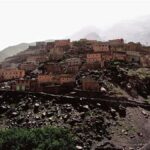
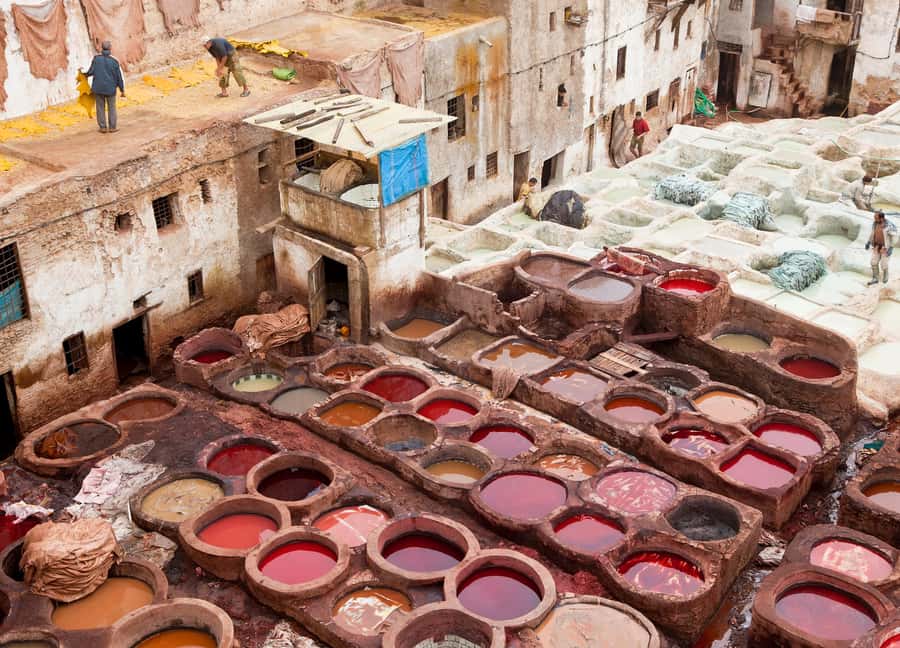
Ait Ben Haddou is the star here. You’ll visit the UNESCO World Heritage site—an ancient fortified village known for its kasbahs and for showing up in films. The place has that instantly recognizable “old Morocco” look, but what makes it worth your time is how physical it feels: earthen walls, tight streets, and a sense of how communities used to defend and sustain themselves.
Then you head to the Valley of Roses, known for rose cultivation and the annual Rose Festival. This is where you get beyond the postcard. You also get time connected to the women’s cooperative side of things, which is a good use of the stop. It’s one of those moments that turns a location into a relationship—someone explains what they grow, how it’s used, and why it matters.
A heads-up: you’ll likely want comfortable shoes for uneven ground and stairs. Ait Ben Haddou is not built for flip-flops.
Dades Gorges: the rock corridor night with private comfort
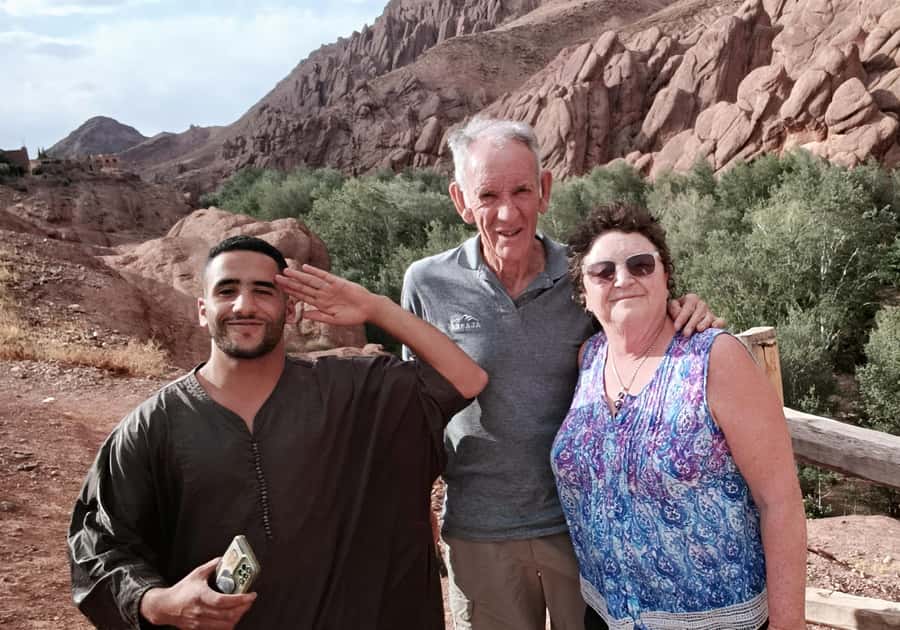
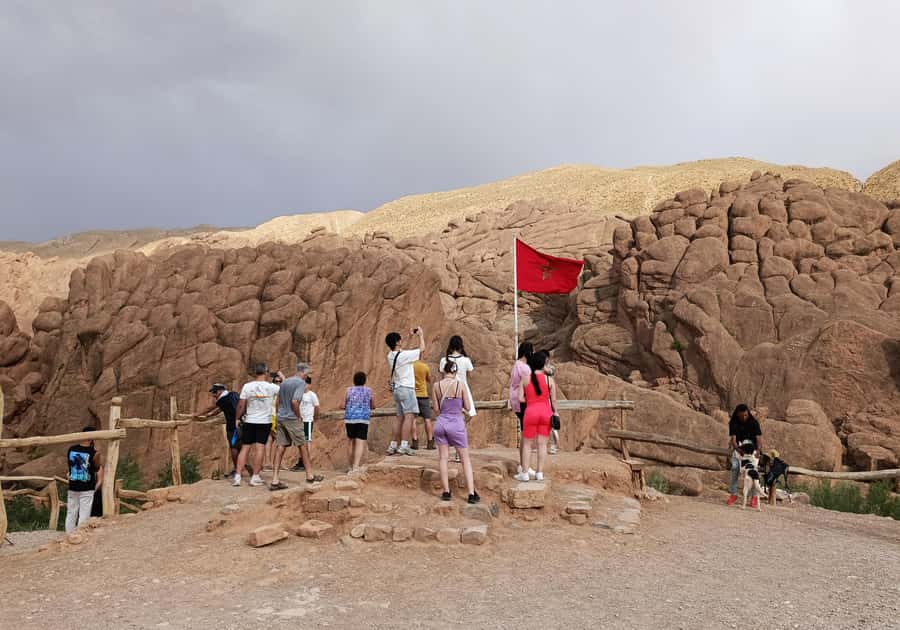
After the Atlas crossing, you’ll reach Dades Gorges, one of Morocco’s dramatic rock regions. The day is built for scenery: viewpoints, tight valleys, and towering formations that make the road feel like it’s threading through a giant natural set.
You’ll spend the night in a guesthouse in Dades with a private bathroom. That private bathroom detail is more important than luxury snobs might admit—after long travel hours, you’ll be grateful to skip the “where do I wash up” guessing game.
What I like about this portion is the pacing. You’re not only driving to the next big headline. You get an actual stop-and-stay night in a place that feels like it belongs to the route, not just a scheduled checkbox.
Todra Gorges to Erfoud to Merzouga: from rock walls to desert edges
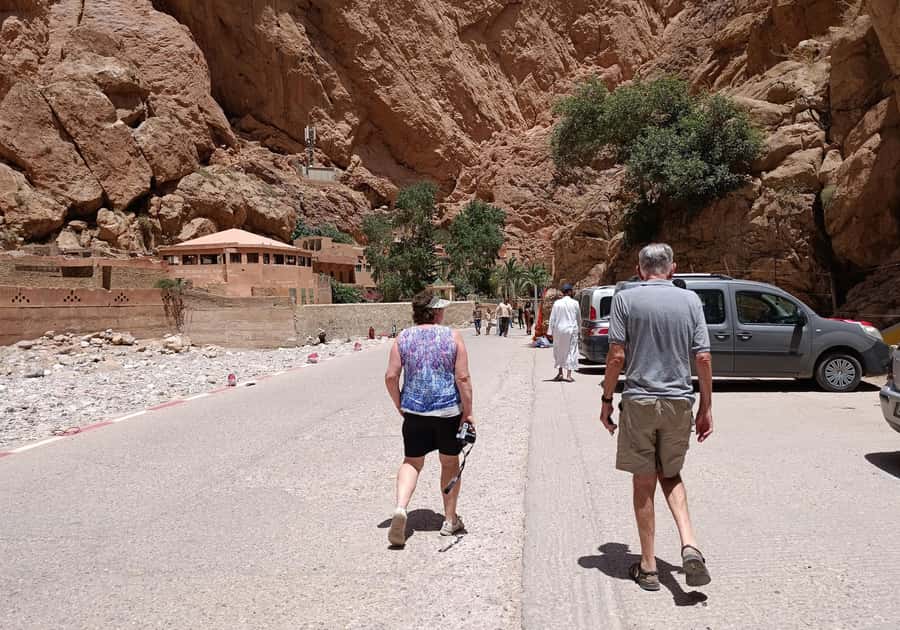
Next comes Todra Gorges, famous for towering rock walls. This is the section where you can stretch your legs a bit and look up—really up. The towering cliffs are perfect for photos, but also for simple hiking and exploring on foot if you feel like it.
From there, the route transitions toward the desert. You pass through Erfoud, a town known for fossils and date palms. That combination is a nice reminder that you’re not just traveling from one view to another—you’re crossing different “Morocco worlds” that each have their own story.
By late afternoon you reach Merzouga, and you switch gears from road travel to desert travel. That timing is smart because it builds anticipation. You arrive, get set up, then head into the dunes when the light turns forgiving.
Camel sunset at Erg Chebbi: the part that feels like a movie
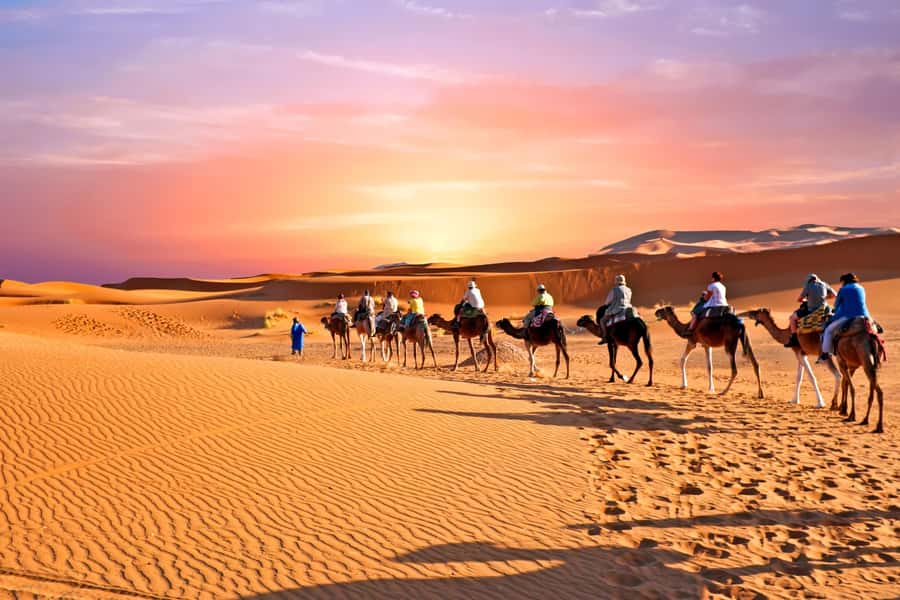
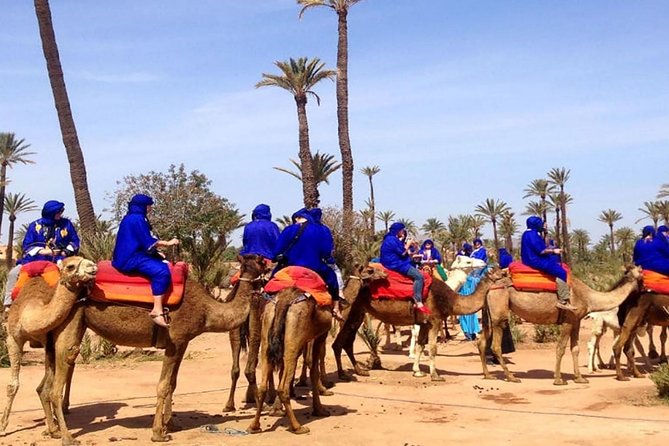
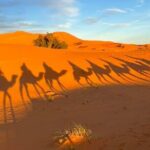
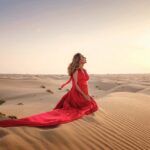
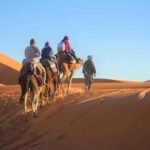
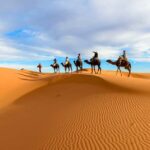
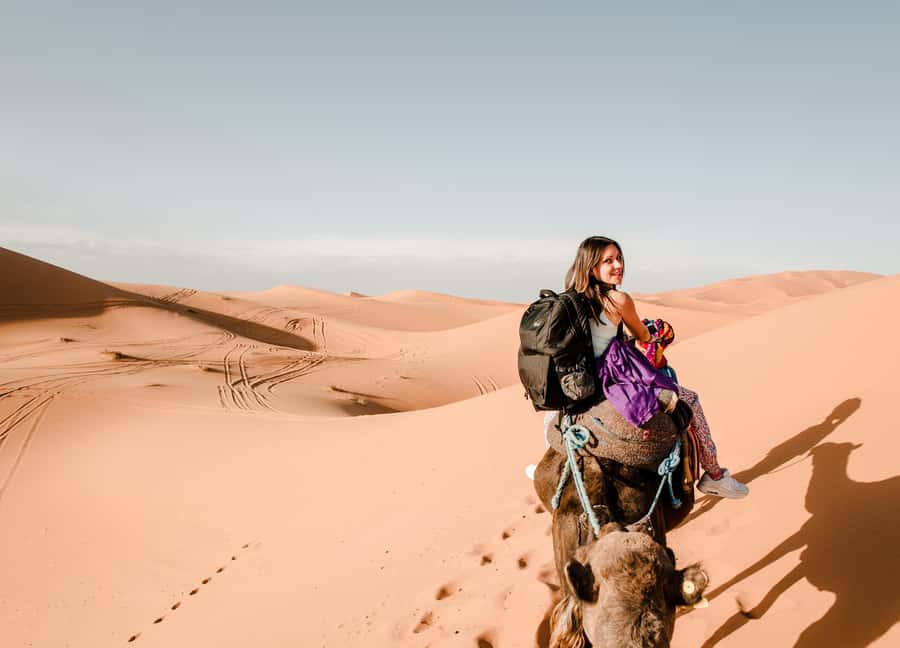
The desert portion is the reason many people book this trip, and it’s handled in a classic, practical way: camel ride into the Sahara for the sunset over the dunes of Erg Chebbi.
Camel rides have two sides. One is the romance—the slow rhythm and the way the dunes seem to breathe in changing light. The other is physical reality: you’ll want comfortable layers and you should accept that you’ll feel it in your legs. Bring water and be ready for the gentle-but-real ride time.
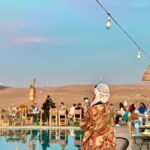
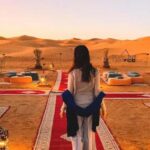
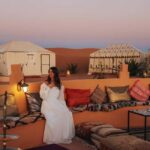
Once you reach the luxury desert camp in Merzouga, you get dinner and breakfast, plus camp touches like Berber drumming and music. There are also warm showers and toilets, which is a big quality-of-life upgrade for a desert camp. You’ll also have WiFi, so you can post a dune sunset without waiting two days.
And yes: the stars. Even with clouds, the sky can feel huge out there. If you’re traveling during colder months, pack warm sleep layers—winter nights can drop close to 0°C, and blankets are provided, but your body will appreciate extra warmth.
Sunrise and sandboarding: the early start you’ll actually enjoy
On the next morning, you’ll go for sunrise over the Erg Chebbi dunes. You’ll also ride back to Merzouga on camels after breakfast. This early timing is a trade: you give up some sleep, then you get one of the most dramatic light changes of the trip.
After that, there’s 4WD sunrise transfer from the desert camp to the meeting point with your driver. Translation: you’re not walking forever in sand just to start the next leg.
Also included is sandboarding. If you’ve never done it, it’s a fast way to burn energy and then feel pleasantly tired in a way that makes the rest of the day easier.
Ziz Valley and Ifrane on the way to Fes: changing Morocco climates
After the desert, the drive shifts north through Ziz Valley, known for palm groves and fortified villages. It’s a calmer, greener feel compared with the dunes. Even if you’re just viewing from the vehicle, it helps your brain understand how big the country is.
Then you’ll pass Ifrane, often called the Switzerland of Morocco because of its alpine-style look and cooler climate. The temperature change can be noticeable. It’s a small reminder that “Morocco” isn’t one vibe; it’s a stack of regions that each do their own thing.
Arriving in Fes late afternoon gives you time to recover. You check in, then you can relax before the guided day. In Fes, that rest matters—old medinas are fun, but your feet will start negotiating by day two.
Guided Fes Medina: Al-Qarawiyyin Mosque and souks with meaning
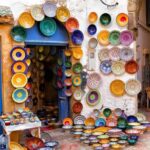
Fes is where this trip becomes more than scenery. You’ll have a local guide for a guided tour focused on key cultural landmarks like the Al-Qarawiyyin Mosque and the medina. You’ll also spend time in the souks.
Here’s what I like about having a guide in Fes: the city is famous for being “busy” and confusing. With a guide, you don’t just see stalls—you learn why places exist, what crafts connect to, and what the main landmarks represent. It turns a maze into an organized story you can follow.
You should still expect walking and some narrow streets. Wear shoes you trust. And if you like taking photos, you’ll have plenty of angles, but remember you’re moving through everyday life, not a theme park.
Chefchaouen Blue City walk: riad night and Rif mountain charm
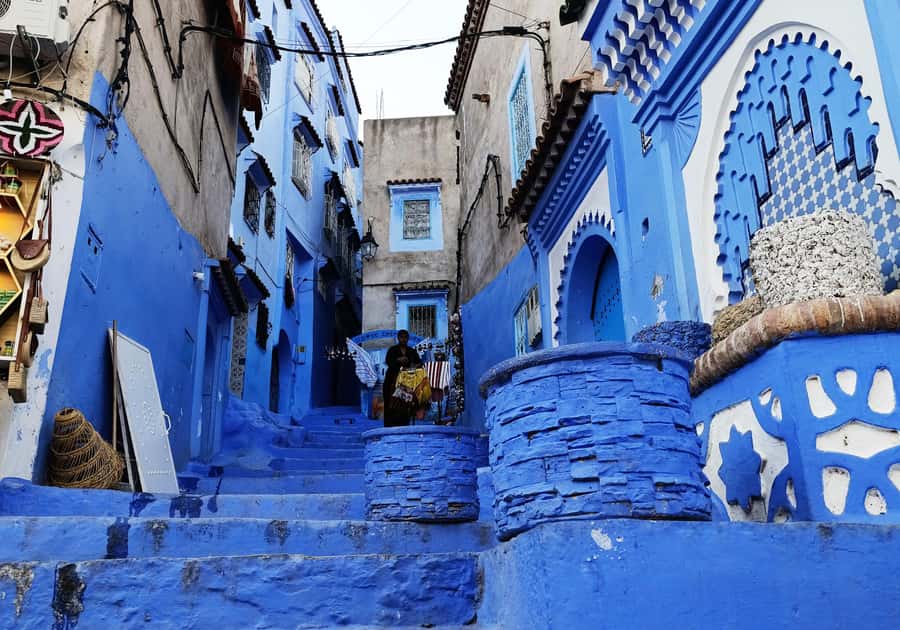
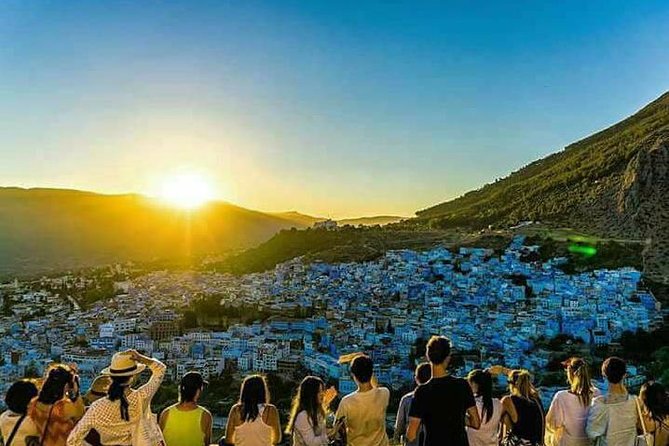
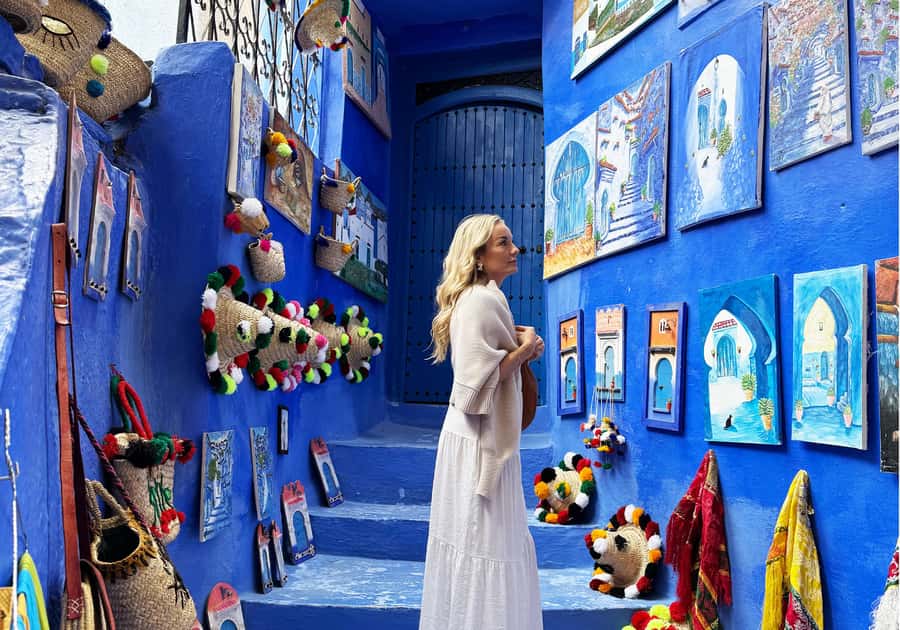
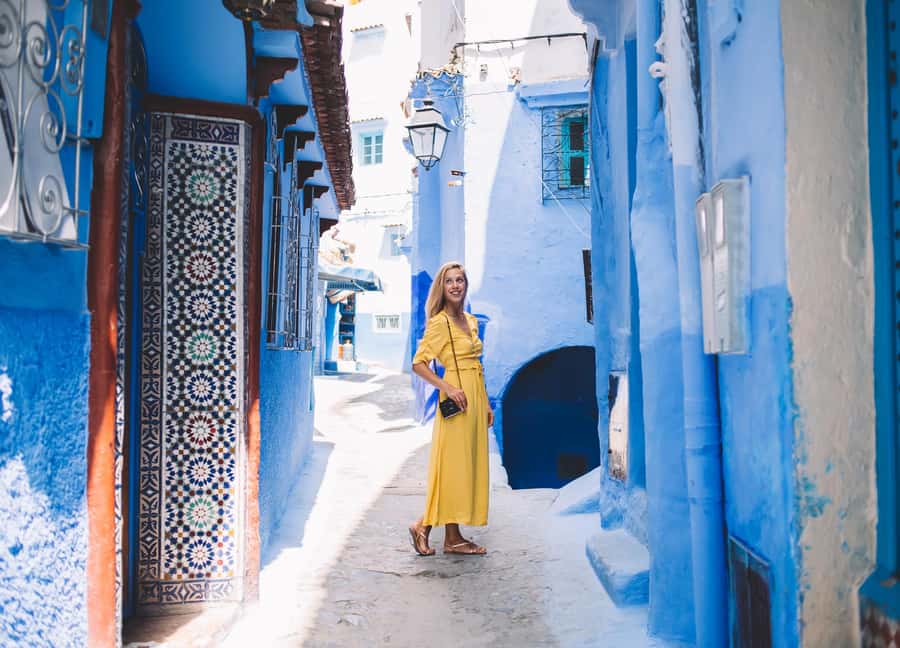
After Fes, you drive to Chefchaouen, famous for its blue streets in the Rif Mountains. You’ll spend the night in a traditional riad. Riads can be a little variable in feel, but the key here is that you’re in the town itself, so you can enjoy the colors as day turns into evening.
The next day you get a guided walking tour of Chefchaouen. Expect blue alleys, markets, and viewpoint stops. The best part of this section is that Chefchaouen is visually strong, but also socially easy—you can slow down and absorb details without feeling you’ve missed the “main event.”
Winter can get cold in the mountains, so bring warm clothing. The photos are worth it, but you don’t want to shiver your way through them.
The value question: is $849 per person worth it?
At $849 per person for five days, you’re paying for a specific mix: long-route logistics plus multiple paid experiences plus several quality lodging nights.
Here’s how I think about value on a trip like this:
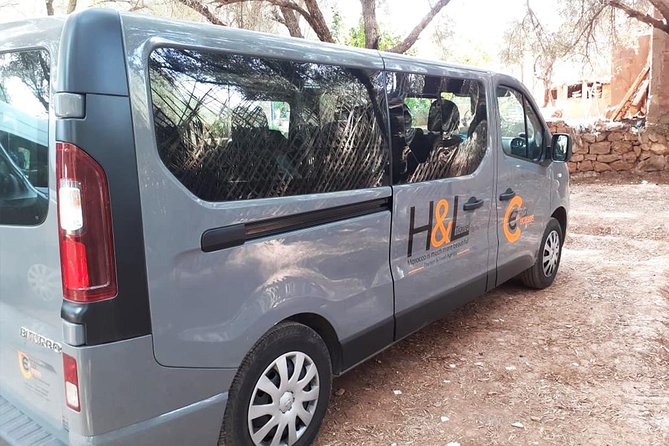
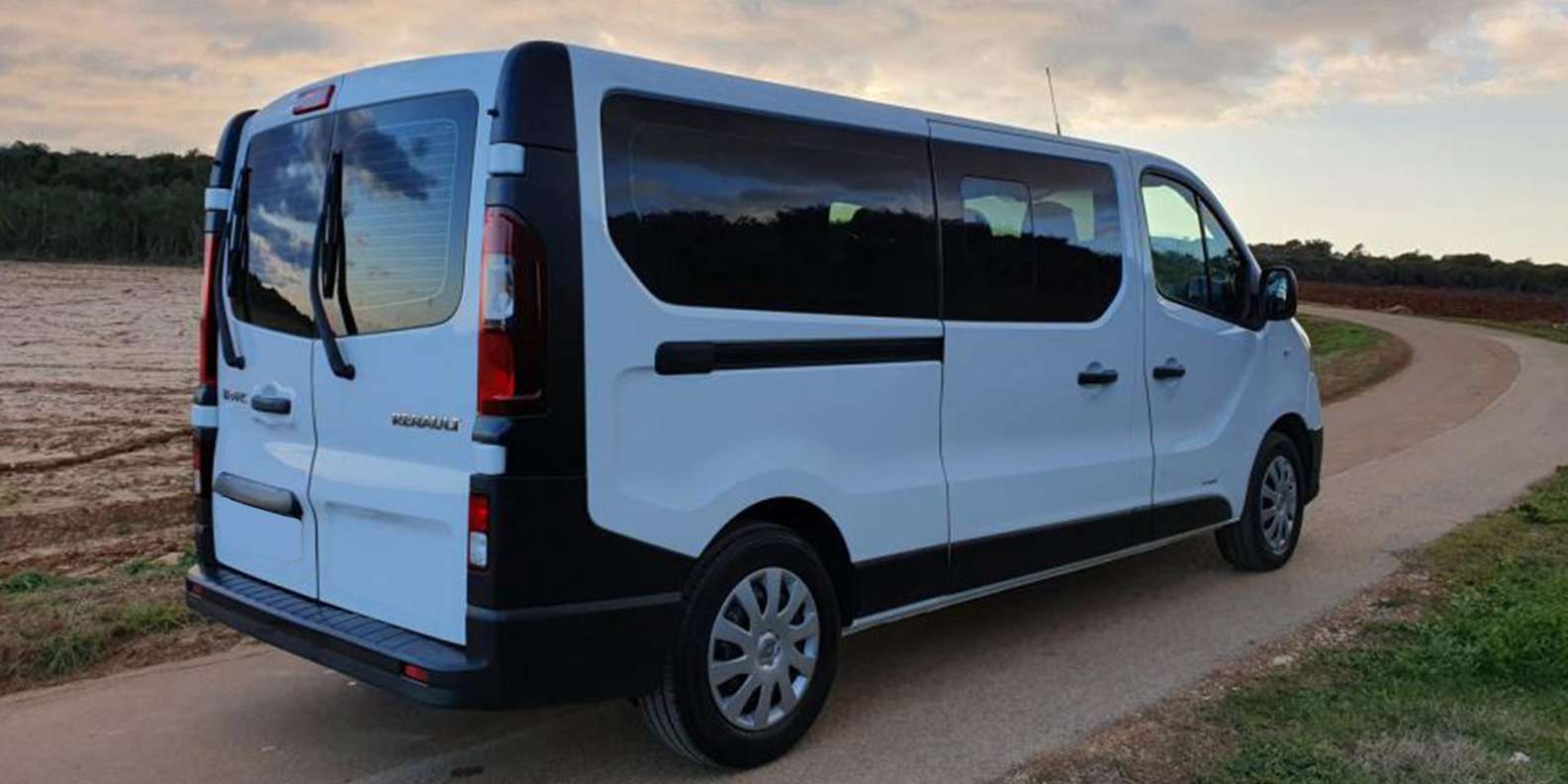
- You get a private, air-conditioned vehicle with a professional bilingual driver, which reduces stress a lot when roads are long.
- The desert part includes a camel trek, sunset and sunrise timing, sandboarding, and a luxury camp with dinner and breakfast. That cluster of inclusions is hard to reproduce cheaply if you try to DIY it.
- You also get local guides in Fes and Chefchaouen, plus warm amenities in camp like warm showers and toilets, and WiFi.
What’s not included is also clear: lunches and monument tickets. That means you should budget extra day-to-day for food and any entry fees you encounter.
So is it expensive? It’s on the mid-to-higher end, yes. But if you want one guided loop, private driving, and desert sleep without the planning headache, the price starts to make sense. In other words: you’re paying to have less friction and more wow per day.
A few “know this first” notes that can save your trip
A couple things can affect your experience even when the itinerary is well designed.
One is driving time. This route covers a lot of ground, and you should expect long hours in the vehicle on travel days. If you get cranky easily in cars, pack your comfort items (water, snacks if you like, and a plan for music/podcasts).
Another is shop stops. One note from past guests is that some tours may include time in tourist-oriented shops where prices can feel inflated. If you want to minimize that, you can still be polite but firm. Ask your driver/guide to prioritize photo stops and keep shopping optional.
Also, the tour isn’t suitable for everyone. It’s listed as not ideal for people with back problems, and it’s also not suited for people over 95 years. If that’s you, it’s worth choosing a less seat-heavy option.
Should you book this 5-day Marrakech to Chefchaouen and Merzouga tour?
I’d book it if you want a first-time-friendly loop that checks the big Morocco boxes while still giving you time in places that feel real. You get the Atlas crossing, Ait Ben Haddou, gorges, Erg Chebbi camel time with sandboarding and camp music, then guided learning in Fes and a blue-street day in Chefchaouen.
I wouldn’t book it if you hate long driving days or if you’re very sensitive to being taken through optional shop stops. Also, if you’re traveling with mobility limits, pay attention to the notes about back problems.
If you go with the right expectations—comfortable shoes, warm layers for nights and Chefchaouen season, and patience for road time—you’ll come away with stories that don’t feel like standard checklists.
FAQ
What’s included in the tour?
The tour includes a private comfortable air-conditioned vehicle, hotel pickup and drop-off, a professional bilingual driver, transportation insurance, a camel trek and sunset adventure in the desert, sandboarding, 4 breakfasts and 4 dinners, local guides in Fes and Chefchaouen, multiple overnight stays (Dades guesthouse, Fes riad, Chefchaouen riad, and a luxury desert camp in Merzouga with dinner and breakfast), Berber drumming and music experience, 4WD sunrise transfer from the desert camp to the meeting point, warm showers and toilets, and WiFi.
Are lunch and monument tickets included?
No. Lunches and monument tickets are not included.
Do I get a camel ride and time in the desert camp?
Yes. You’ll ride camels and spend the night in a luxury desert camp in Merzouga with dinner and breakfast, plus you’ll have a sunset camel trekking adventure. You’ll also have sunrise over the dunes and return by camel.
Is there a guided tour in Fes and Chefchaouen?
Yes. There’s a local guide in Fes and another local guide in Chefchaouen, including walking through the medina and key cultural landmarks in Fes and a guided walking tour in Chefchaouen.
What language options do guides use?
The tour offers English, French, Spanish, and Arabic.
How does pickup work in Marrakech?
Pickup is included from Marrakech hotels. For riads that can’t be reached by car, pickup will be at the nearest accessible point, with a short walk from there. The exact pickup time and location are confirmed about one day before the tour, around 3 PM.
What should I pack for this trip?
Bring your passport or ID card, comfortable shoes, sunglasses, sun hat, camera, sunscreen, and comfortable clothes. For colder months, bring warm sleeping clothes since temperatures can drop to around 0°C, and pack warm clothing for Chefchaouen as well.