REVIEW · MARRAKECH
Marrakech: Jewish Quarter, Bahia Palace, Handicraft, Jemaa fna
Book on Viator →Operated by White Camel Morocco · Bookable on Viator
A 70-meter minaret gets you started. Then the tour turns into a calm, practical walk through Marrakech’s most storied neighborhoods, led by Redone, who grew up in the Medina. You’ll cover Bahia Palace, the Jewish Quarter (Mellah), artisan workshops, and the energy around Jemaa el-Fnaa—without the usual stampede chaos.
I especially like two things: the pace feels unhurried, so you can actually look up at details (not just keep moving), and the guide’s local tips make shopping and photos much easier. I also like that the route mixes big sights with smaller lanes, so Marrakech feels like a place people live in—not just a checklist.
One consideration: Bahia Palace entrance isn’t included, so you’ll want to budget extra on the day. Also, this is a walking tour in the Medina, so if you hate uneven stones and tight turns, plan your footwear accordingly.
In This Review
- Key highlights worth your attention
- Starting in the Medina: where this tour wins on practicality
- Koutoubia Mosque: the 70-meter minaret quick hit
- The Mellah (Jewish Quarter): walking through centuries without a museum lecture
- Bahia Palace: royal rooms, cool courtyards, and zellige details
- Souq Semmarine: artisan workshops with a built-in filter
- Jemaa el-Fnaa: the square’s day mode (and why timing matters)
- Tea, olives, and a guide who keeps things smooth
- Tickets, fees, and the real value of $15
- Who should book this Marrakech walk—and who might not love it
- Should you book this Marrakech Jewish Quarter, Bahia Palace, and Jemaa el-Fnaa tour?
- FAQ
- How long is the Marrakech walk?
- How much does the tour cost?
- What’s included in the price?
- Are monument entrance fees included?
- Is hotel pickup included?
- Where does the tour start and end?
- How big is the group?
- Is the tour difficult for people with mobility concerns?
- Is a service animal allowed?
- Will I have help with language and directions?
Key highlights worth your attention
- Redone’s Medina upbringing means you get context and daily-life explanations, not just dates and facts
- Bahia Palace courtyards and cedarwood details are a visual payoff during a manageable 40 minutes
- Mellah Jewish Quarter visit connects trade, community life, and the 16th-century origins in a walkable way
- Souq Semmarine lanes with smart shopping advice helps you avoid overpaying and tourist traps
- Tea/coffee, bottled water, and olive tasting keep the tour comfortable for a 3–4 hour session
- Small groups up to 16 make it feel coordinated rather than chaotic
Starting in the Medina: where this tour wins on practicality

This is a classic Marrakech format: meet in the Medina, walk, see the main anchors, then circle back to the same meeting spot. The tour duration is listed at 3 to 4 hours, which is a sweet spot when you want history and atmosphere but still want time afterward to wander on your own.
Because it’s a guided walk, you’re not stuck figuring out how to move through the Medina’s maze of lanes. The tour also includes bottled water and coffee and/or tea, plus tasting different flavors of olives—small touches, but they matter when your day is mostly footsteps.
Also worth noting: the tour says pickup is offered, while the exclusions say hotel pickup and drop-off aren’t included. In plain terms, you might be able to meet closer to where you’re staying, but don’t assume it’s guaranteed. If you have a hotel outside the Medina, confirm the meeting plan when you book.
You can also read our reviews of more tours and experiences in Marrakech.



Koutoubia Mosque: the 70-meter minaret quick hit
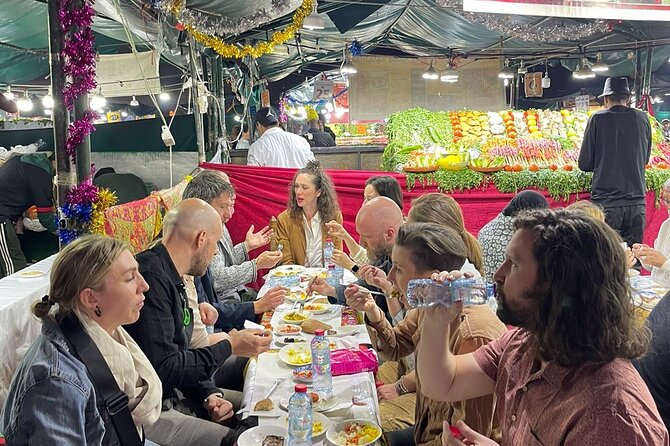
The tour starts at Koutoubia Mosque, described as the largest and oldest mosque in Marrakech, with a minaret rising to about 70 meters. This first stop is a smart move: you get an immediate sense of Marrakech’s skyline and religious architecture before heading into tighter neighborhoods.
The visit is about 20 minutes, and the admission ticket is included. That means you can spend your time actually looking at the minaret and surroundings, rather than negotiating entry fees and waiting around.
What I like about this stop is how it sets a visual anchor. Even if you only see part of the exterior during a short visit, it gives you something to orient around later when you feel like the Medina is one long hallway.
The Mellah (Jewish Quarter): walking through centuries without a museum lecture
Next comes the Mellah, Marrakech’s Jewish Quarter. You’ll spend around 20 minutes here, and again, the admission ticket is included.
What makes this stop meaningful is the way the area’s story is explained as more than a label on a map. The Mellah was established in the 16th century during Sultan Ahmad al-Mansour’s reign. It was created to house a growing Jewish community involved in trade, craftsmanship, and medicine. Jews had been present in Morocco for centuries, but in Marrakech the Mellah became the center of community life—synagogues, schools, and businesses.
You also get the more modern arc: many Jews emigrated in the 20th century, especially after Morocco gained independence in 1956. Even with a smaller community today, the Mellah remains an important symbol of Jewish history in Marrakech and a key tourist destination.
Practical tip: this is a walking area with tight streets and quiet corners. I’d treat it like a respectful neighborhood visit. Keep your voice down, move with patience, and let the guide set the tone if you’re unsure about photography.
Bahia Palace: royal rooms, cool courtyards, and zellige details
Then the tour shifts from neighborhood history to imperial architecture at Bahia Palace. This stop is about 40 minutes, and this is the one place where you should expect a separate cost: Bahia Palace entrance is not included, and the listed fee is 100 DH per adult.
Why Bahia Palace is worth the extra budget: it’s designed around light, shade, and movement—so even during a short visit you can feel how the palace functioned as a world of courtyards, fountains, and living spaces.
You’ll see feature fountains, gardens, and shady courtyards, along with parts of the residence tied to the Vizier. The guide also explains the grounds as you walk, including the areas that are closed to the public (so you understand what you’re looking at, even if you can’t enter everything).
The tour also includes entry into apartments connected to the Vizier’s favorite concubine and the council chamber, where you can admire the illuminated cedarwood ceiling and tiled walls. The highlight is the expansive marbled central courtyard, with multiple fountains and zellige tilework.
A quick reality check: Bahia Palace is visually dense. If you’re the type who wants to photograph everything, you may feel a little rushed in 40 minutes. The upside is that a guide’s pacing helps you focus on the features that actually matter.
Souq Semmarine: artisan workshops with a built-in filter
After Bahia Palace, the tour heads near the vast Djemaa el-Fna area, where Souq Semmarine is a lively row of artisan shops. This is where you can have either a great time—or an expensive one.
The tour description is clear: prices can be considerably higher here, so you need a strategy. The guide helps you by pointing you toward the right approach and explaining how to navigate entry from Jemaa el-Fna toward the Great Bazaar through smaller alleys.
What I like about having a guide at this moment is not just the shopping help. It’s also the cultural etiquette and daily-life context. You learn how people expect to interact, how bargaining works in this environment, and how to handle yourself if a shop offer feels too pushy.
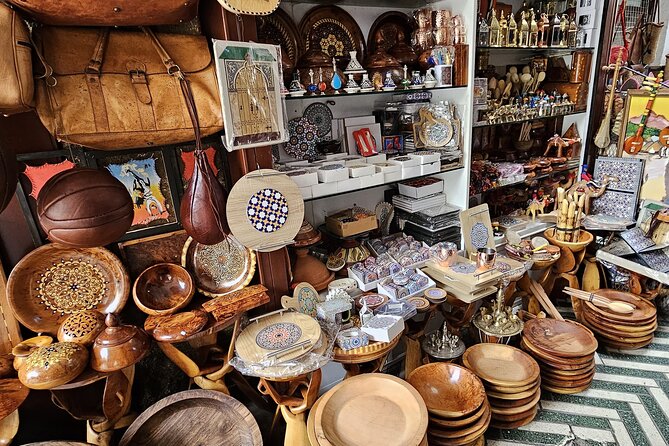
Shopping truth you should plan for: you’ll see a lot. Even if you buy nothing, you’ll come away with a better sense of what you’re looking at—leatherwork, textiles, and artisan-made items—so you can shop smarter later if you return on your own.


Jemaa el-Fnaa: the square’s day mode (and why timing matters)
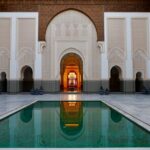
The final anchor is Jemaa el-Fnaa (spelled in the listing as Djemaa el-Fnaa). You get about 20 minutes, and the admission ticket is included.
This square is famous because it’s a magnet for everyday performance: storytellers, musicians, snake charmers, acrobats, jugglers, and performers of all sorts. Even in a short visit, it’s the part of Marrakech that feels instantly recognizable.
If you’re into photos, this is also where your guide’s help shows up. The tour mentions local tips on photos, plus cultural etiquette and daily life—exactly the kind of guidance that prevents you from standing in the wrong spot or annoying performers.
One more thing: this tour keeps it relatively short here. That’s not a mistake. It gives you time afterward to decide whether you want to linger, wander into side streets, or head for dinner without feeling trapped in the loudest area.
Tea, olives, and a guide who keeps things smooth
A walking tour lives or dies by how you feel in the middle of it. This one includes coffee and/or tea and bottled water, plus the olive tasting. That’s a practical trio for Medina walking, because you’ll likely be a bit dusty and a bit hungry by the time you hit the souks.
The guide is also a big part of the value. The tour is led by Redone, described as born and raised in the Medina, and the included support includes Arabic help and real-time support with directions. In the reviews, people highlight how Redone is friendly, organized, and full of context. One common theme: the information makes the sights easier to read.
I also saw a mention of a sand coffee pause in one of the experiences. It’s not listed as a guaranteed stop in the itinerary, so I wouldn’t treat it like a promise—but it’s a reminder that the tour format can include small local breaks if time and flow allow.
Group size is capped at 16 travelers, and there are group discounts mentioned. Smaller groups tend to move better through tight lanes—especially when you want everyone to regroup after each entry.
Tickets, fees, and the real value of $15
The listed price is $15.00 per person, and the tour is typically booked about 7 days in advance. For a 3–4 hour Medina walk that includes a licensed guide, tea/coffee, water, and olive tasting, that’s strong value on paper.
The part to watch is monument cost. The tour lists an overall monument ticket guideline of 10 Euros and specifically calls out Bahia Palace entrance: 100 DH per adult as not included. Meanwhile, the entry tickets for Koutoubia, Mellah, and Jemaa el-Fnaa are marked as included in the time blocks.
So your day’s cost isn’t just the $15. It’s $15 plus Bahia Palace entrance (likely the biggest extra line item). If you’re trying to keep spending tight, you can still justify it because Bahia Palace is the only clearly separated fee, and the rest of the main stops have entry handled for you.
If you’re the kind of traveler who prefers to avoid surprise payments, do this math early. Once you know Bahia Palace is separate, you can budget calmly and enjoy the walk instead of doing currency mental gymnastics every time you reach a gate.
Who should book this Marrakech walk—and who might not love it
This tour is best for you if you want a guided route through Marrakech’s key areas in a short time, with practical help for navigation, photos, and shopping. It’s especially good for people who find the Medina overwhelming and would rather have a plan for where to go and how to behave in the right places.
You’ll also enjoy it if you like a mix of big sights and neighborhood feel:
- a mosque stop that anchors the skyline,
- a meaningful walk in the Mellah,
- an architecture-focused pause at Bahia Palace,
- a souk area where your guide helps you manage prices,
- and a final taste of the performance energy at Jemaa el-Fnaa.
Where it might not be ideal: if you want a slow, sit-down tour with lots of time inside major buildings, the pace may feel a bit tight. The stops are timeboxed, and Bahia Palace is only 40 minutes. Also, this is a walking tour with Medina streets—so good shoes matter.
That said, the tour description says most travelers can participate and service animals are allowed, which makes it broadly workable for many visitors.
Should you book this Marrakech Jewish Quarter, Bahia Palace, and Jemaa el-Fnaa tour?
Yes—if you want a guided Medina loop that hits the essentials in 3–4 hours, includes comfort breaks like tea and water, and focuses on local know-how for both history and shopping.
I’d particularly recommend it when:
- you’re short on time in Marrakech,
- you want a smoother route through the souks,
- and you care about understanding what you’re seeing, not just taking photos.
Before you book, do one quick check: plan for Bahia Palace entrance (100 DH) since it isn’t included, and confirm whether pickup close to your hotel is actually available for your date.
If that fits your style, this is a solid, cost-effective way to experience the Mellah, the Bahia Palace courtyards, the craft lanes near Souq Semmarine, and the energy of Jemaa el-Fnaa—with a guide who knows how to move through the Medina without drama.
FAQ
How long is the Marrakech walk?
It runs about 3 to 4 hours, with short time blocks at each main stop.
How much does the tour cost?
The price is listed as $15.00 per person.
What’s included in the price?
You get a licensed/professional tour guide, coffee and/or tea, bottled water, and an olive tasting.
Are monument entrance fees included?
Tickets are included for Koutoubia Mosque, the Mellah, and Jemaa el-Fnaa. Bahia Palace entrance fees are not included, and Bahia Palace is listed as 100 DH per adult.
Is hotel pickup included?
Hotel pickup and drop-off are listed as not included, even though pickup is mentioned in the tour summary. Best move: confirm the exact meeting arrangement at booking.
Where does the tour start and end?
It starts at the Medina, Marrakesh 40000, and ends back at the meeting point.
How big is the group?
The tour has a maximum of 16 travelers.
Is the tour difficult for people with mobility concerns?
The information says most travelers can participate, but it is a walking tour in the Medina, so comfortable shoes help.
Is a service animal allowed?
Yes, service animals are allowed.
Will I have help with language and directions?
Yes. The tour mentions real-time support with Arabic, directions, and more.