REVIEW · FEZ
3 Days 2 Nights Desert Trip to Marrakech from Fes
Book on Viator →Operated by Luxury Holidays Morocco · Bookable on Viator
Camel tracks and cedar monkeys in one sweep. This 3-day desert trip from Fes to Marrakech works like a greatest-hits route: French-style Ifrane, cedar forests in Azrou with playful monkeys, then the Erg Chebbi dunes at sunset with a luxury Berber-tent night. I love how the desert part feels treated with respect and comfort, not rushed or rough.
I also like the way the days are structured for real variety. One day you’re in souqs and kasbahs (Rissani and Taourirt), another you’re walking through the dramatic Todra Gorge, and you still make time for big-name photo stops like Ait Ben Haddou. A strong part of the experience is the professional driver-guide; guides such as Hassan, Mohammed, Soufiane, Zaki, and Hamza come up often for making the drive feel organized and for sharing practical context along the way.
The main thing to consider is time and extras: it’s a long road journey (plan on long driving hours), and entrance fees, lunch, drinks, and tips are not included. Also, the tour needs good weather, so there’s a chance of a date change if conditions aren’t right.
In This Review
- Key highlights to look for on this desert route
- What makes this Fes to Marrakech desert trip feel luxurious
- Day 1: Ifrane, Azrou cedars monkeys, and the Erg Chebbi camel sunset
- Day 2: Rissani souqs, Todra Gorge walking, and staying the second night comfortably
- Day 3: Taourirt Kasbah, Atlas Film Studio (ticket not included), and Ait Ben Haddou UNESCO
- Transport, timing, and group size: what changes with max 15 people
- Food, drinks, and what’s actually included (and what you’ll pay for)
- Who this tour is best for (and who should look elsewhere)
- Price and value: does $499.43 make sense for what you get?
- Should you book this Fes to Marrakech desert tour?
- FAQ
- What is the duration of this tour?
- Where does the tour start?
- What’s included in the price?
- Are camel rides included?
- Where do you sleep?
- Are entrance fees included?
- Is the Atlas Film Studio ticket included?
- What kind of cancellations are allowed?
Key highlights to look for on this desert route
- Erg Chebbi sunset camel ride and a night in a Berber tent setup with dinner and star-watching
- Ifrane + Azrou cedars forest stop for Swiss-village vibes and a chance to see monkeys
- Rissani souqs + Todra Gorge walk for markets by day and canyon views by foot
- Ait Ben Haddou UNESCO kasbah on the film-famous route to Marrakech
- Professional driver-guide service in an air-conditioned SUV/minivan
- Small group size (max 15) to keep the pacing calmer and more flexible
What makes this Fes to Marrakech desert trip feel luxurious
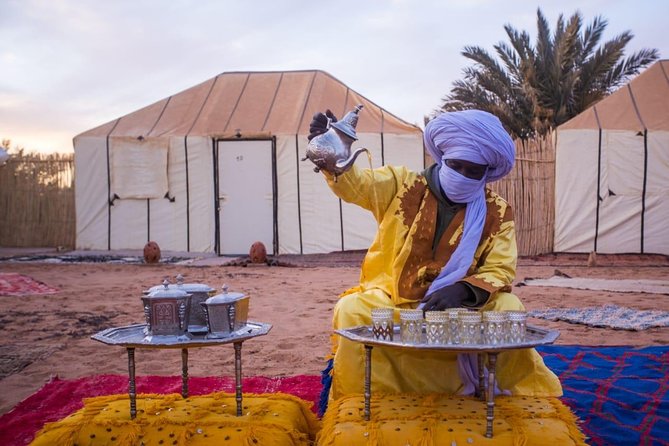
This isn’t just a transport-and-hope kind of desert day. The core idea is simple: you cover big distance with comfort, then you’re rewarded at the end with a desert camp night that’s meant to feel special.
You’ll travel in a luxury SUV or minivan with air conditioning, guided by a professional driver-guide. That matters on a route where the scenery is great, but the hours add up. It also keeps the logistics smoother when you’re switching between towns, viewpoints, and short walking stops.
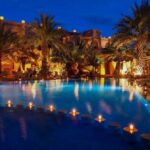
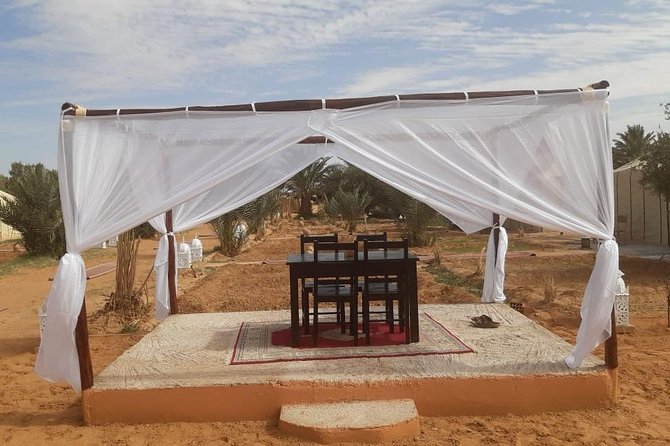
Then you get the part everyone cares about: the desert. The overnight is in a Berber-style tent at the camp in the Erg Chebbi area, with dinner included and time set aside for stars after sunset. From the praise in the reviews, the camp staff and the cleanliness of the accommodations are recurring themes, and that’s a big deal when you want comfort without losing the feeling of being out in the sand.
If you’re sensitive to long travel days, I’d plan to treat this as a full-road-and-sights experience. You’ll likely spend around 6 to 8 hours in the car across the journey, depending on stops and pacing. It’s normal for this route, but it’s worth knowing before you commit.
A few more Fez tours and experiences worth a look
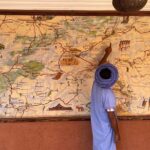
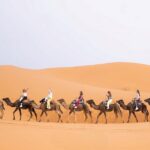
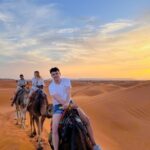
Day 1: Ifrane, Azrou cedars monkeys, and the Erg Chebbi camel sunset
Day 1 is a clever warm-up. You start with Ifrane National Park and the Ifrane vibe—think a winter ski town feel that came through French planning in the 1930s, which is totally unlike the typical Morocco you might expect. There’s no admission ticket required for this stop, and it’s a fun contrast right away.
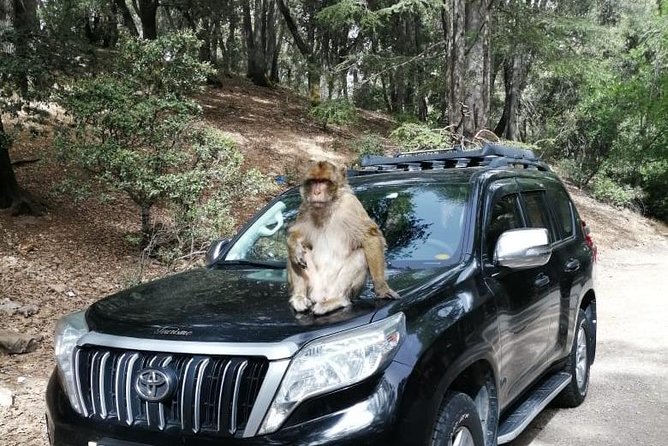
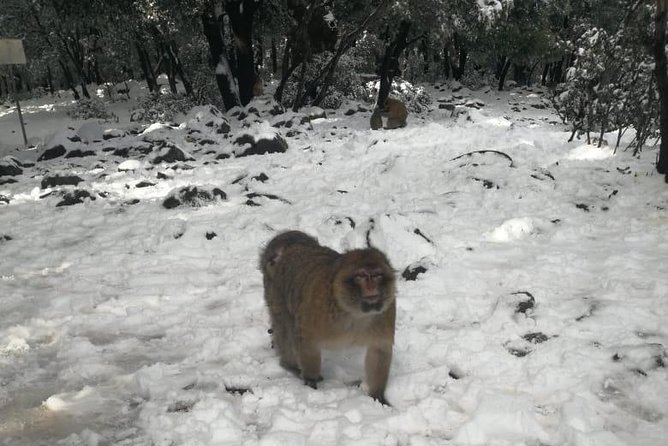
Next comes Azrou’s cedar forest area. This is where you have a real shot at seeing monkeys in the trees. It’s one of those Morocco moments that feels both natural and a little surreal, especially right after you’ve been in the tidy, European-leaning Ifrane mood.
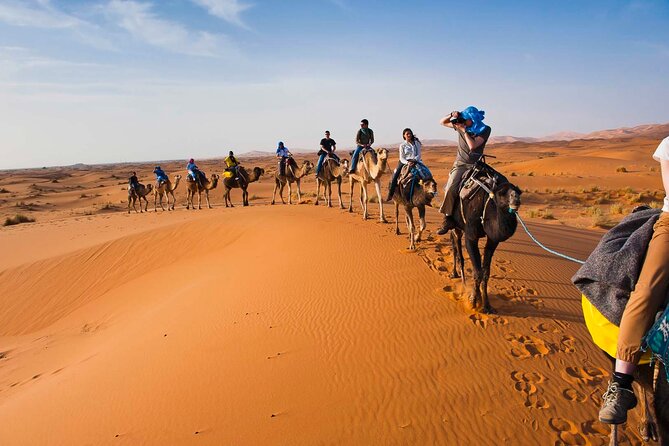
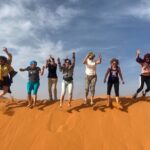
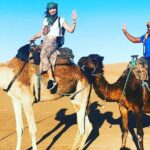
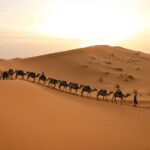
Then the day pivots toward the desert. After rest, mint tea, and time for your guide to set you up, the camels take over. You’ll do a camel ride across the sandy dunes of Erg Chebbi, timed for sunset. The typical pace described is about an hour on camel, with the goal of arriving at the camp as the light drops.
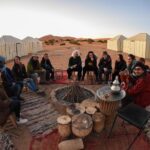
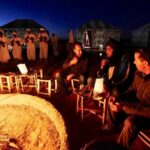
At the desert shelter/camp, your camels are hobbled and mint tea is served. Dinner follows, and then the night shifts into slower mode: you get to watch the stars and sleep in a Berber tent. The dinner and breakfasts are included, so you’re not juggling meals on your first desert night.
Practical note: the camel ride and the camp night are the big physical moments on Day 1. Wear comfortable shoes for walking around stops, and keep a layer handy even if the day is warm—desert evenings can feel cooler fast.
Day 2: Rissani souqs, Todra Gorge walking, and staying the second night comfortably
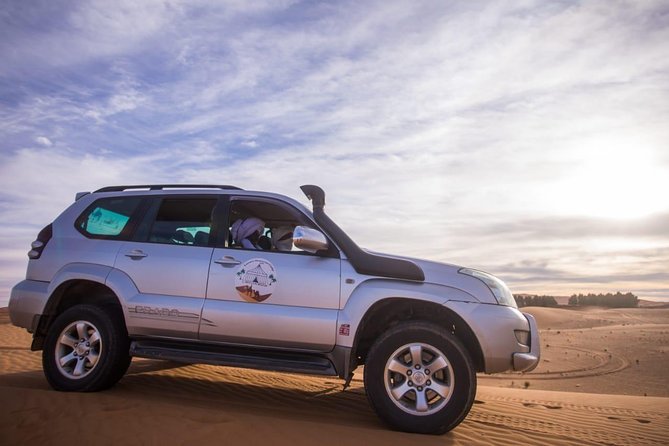
Day 2 keeps the pace varied instead of just repeating desert time.
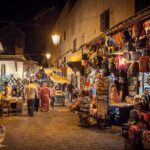
You start with the Souqs of Rissani, including visits tied to the area’s history—Rissani is described as the first capital of the Alaouite dynasty, plus you’ll see historical kasbahs and the market atmosphere. This stop is about an hour, and it’s designed to show you Morocco not as a set of monuments, but as a place where people still shop, trade, and live.
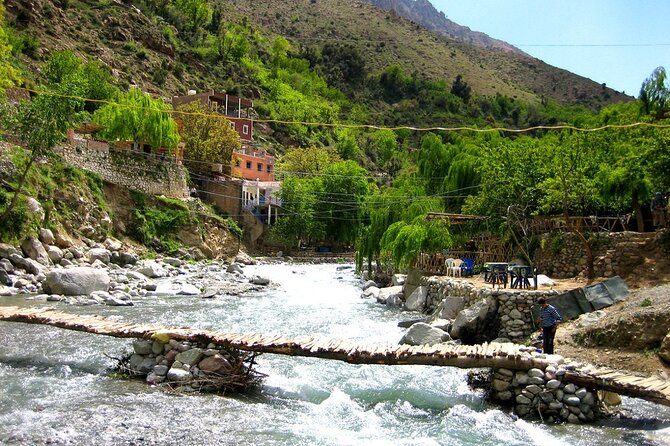
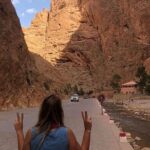
Then you head to Todra Gorge. This is where you switch from “market energy” to “canyon drama.” You’ll do a walk through the gorge (about 45 minutes), which is short enough to be manageable but long enough to feel the scale up close. The included walking time also helps break up the long driving day so you’re not stuck sitting the whole time.
After that, you head toward your second-night lodging. The tour includes 2 nights accommodation total—one night is the desert tent, and the other is in a hotel. Reviews highlight that the second hotel often feels clean and well cared for, with genuinely good service. That’s a smart pairing: the desert is the headline, but the hotel night is what helps you recover for the final day.
Day 2 is also the day where you’ll likely feel the rhythm of the group format. With a max group size of 15 travelers, you typically don’t have dozens of people competing for the same viewpoint or restroom window. It’s a small detail, but it affects how calm the whole day feels.
Day 3: Taourirt Kasbah, Atlas Film Studio (ticket not included), and Ait Ben Haddou UNESCO
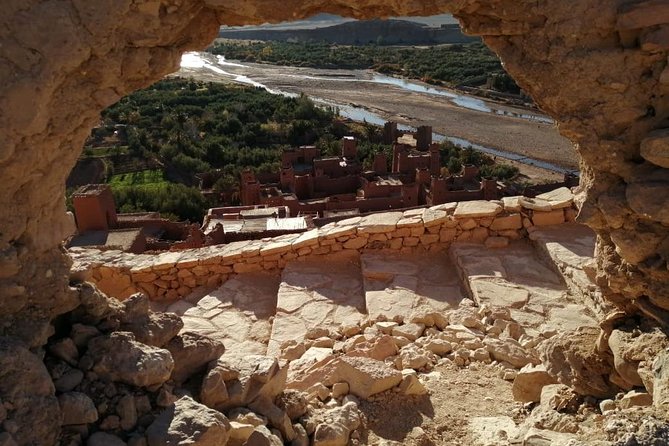
Day 3 is the big visual payoff before Marrakech.
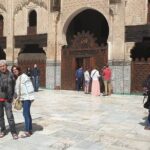
You’ll stop at Taourirt Kasbah, one of the famous kasbahs in the area, built by Glaoui. It’s a shorter visit (around 20 minutes), so treat it like a focused look: photos first, a quick walk through the best angles, then move on. Short kasbah visits can feel a bit rushed—so if you love architecture, take a minute at the start to decide what you want to capture.
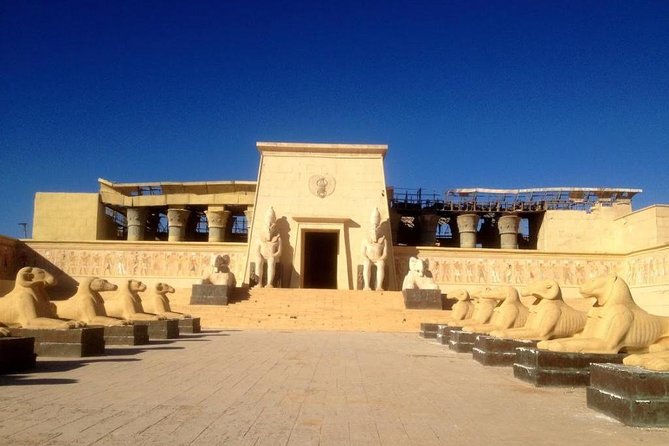
Next is Atlas Film Studio, listed as the world’s largest film studio, with a stop time of about 40 minutes. The key thing: the admission ticket is not included, so you’ll want to budget for it if you choose to go inside. If you prefer to stick to outdoor views, you can also use this stop for the break and photo moments, then rejoin the group.
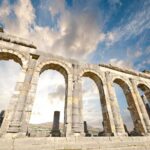
Finally, you reach Ait Ben Haddou, the UNESCO World Heritage kasbah that has been used as a filming location for movies like Gladiator, Babel, and Lawrence of Arabia. You’ll have about an hour here. This is one of those places where the setting itself does the storytelling: walls, passages, and courtyards explain why filmmakers kept coming back.
If you’re pressed for time, aim for the best photo angles early. One hour goes fast once you’re walking the compound and scanning for the shot you want. Comfortable shoes help, because kasbah ground can be uneven.
Transport, timing, and group size: what changes with max 15 people
This route is long. The comfort comes from the way it’s packaged: air-conditioned luxury SUV or minivan plus a driver-guide whose job is to keep the day moving with organized stops.
Group size matters. With a maximum of 15 travelers, you’re less likely to feel like you’re watching a herd move through each location. That translates into more breathing room for toilet stops, panoramic pauses, and short moments of independence (some groups get a bit of time to explore nearby on their own while still having the guide close by).
Pickup is offered, and there’s a mobile ticket. Those sound like small logistics, but they reduce your stress when you’re dealing with a different city in Morocco and you don’t know where you’re headed next.
One more timing reality: a few people noted pickup can run a little late. Nothing unusual on the road, but it’s smart to keep your first-day nerves down. Plan a loose schedule for that pickup window and bring patience.

Food, drinks, and what’s actually included (and what you’ll pay for)
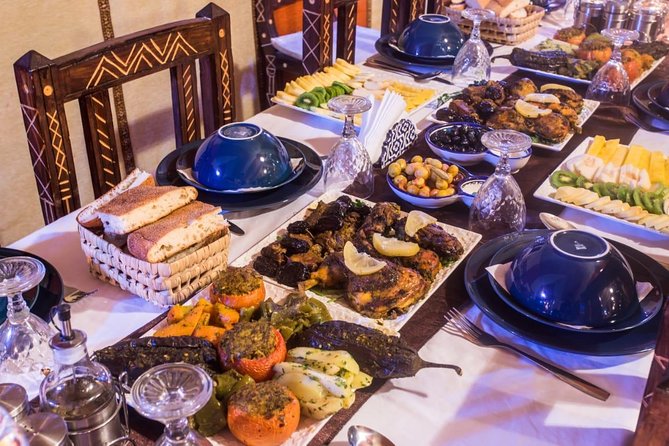
The tour includes breakfasts (3) and dinners (2). Dinner is included both times you’re staying overnight—one dinner at the desert camp and another included dinner during the second night’s lodging.
Lunch is not included, and drinks are not included. That means you’ll want some cash or card readiness for bottled water and quick lunch stops along the way. Since you’re in remote parts of the route, it’s not always a walk-from-your-hotel situation. When you see a stop with food options, take the chance to grab what you need rather than assuming the next one will be easier.
Entrance fees are not included either. Some stops are listed as free (like Ifrane National Park, Erg Chebbi, and several kasbah/gorge points), but other sights may have their own fees. Atlas Film Studio specifically notes ticket not included.
Tips to the driver are also not included. In Morocco, tipping is common for good service, especially on a multi-day ride where the driver-guide is handling navigation, timing, and explanations. If you want to be extra prepared, set aside a small tip budget before you go.
Who this tour is best for (and who should look elsewhere)
This tour fits best if you want the classic Morocco desert route but you don’t want to give up comfort. It’s ideal for couples, small groups of friends, and solo travelers who like meeting people without the big-tour chaos.
It also suits people who enjoy a mix of styles: European-influenced Ifrane, cedar-forest nature, desert dunes, canyon walking, and UNESCO kasbah architecture. If you only want desert time and nothing else, you might feel the days are too diversified. But if you want the full story from Fes toward Marrakech, this route is built for that.
A note on physical comfort: the tour lists moderate physical fitness. That’s mostly about short walks like Todra Gorge and moving around kasbah sites, not about hiking for hours. Still, bring shoes that can handle uneven ground.
Price and value: does $499.43 make sense for what you get?
At $499.43 per person, you’re paying for three big things that would cost more if you booked separately:
1) Transport over multiple days in an air-conditioned luxury SUV/minivan
2) Two nights of lodging, including a desert camp tent night at Erg Chebbi
3) Camel ride plus included meals (breakfasts and two dinners)
If you tried to arrange transport, desert lodging, and a guided route on your own, you’d still spend time coordinating. Here, you get a package with a professional driver-guide and a small group limit, which can be worth real money on a route that’s hard to manage day by day.
What you should budget for separately: entrance fees (varies by stop), lunch, drinks, any optional add-ons, and tips. Also, the Atlas Film Studio ticket is not included. If you add those extras, your all-in cost rises.
Bottom line: the price makes sense if you want someone to handle the driving, timing, and the desert night comforts for you. If you’re traveling super light and you plan to do everything cheap, you could find lower-cost options—but you’d give up part of the comfort and organization that makes this trip work.
Should you book this Fes to Marrakech desert tour?
I’d book it if your priority is a well-timed Erg Chebbi sunset camel ride and a comfortable night in a luxury-style desert camp, while still getting major stops like Todra Gorge and Ait Ben Haddou along the way. The strongest promise here is not just the desert—it’s the way the route is paced with stops that change the scenery every day.
Skip it or look closely if you hate long driving days. Even with comfortable transport, this is a road-heavy trip, and you’ll spend a lot of time in the vehicle. Also, if you don’t want to pay extra for entrance tickets, lunches, drinks, and tips, plan your budget ahead.
If the weather is the concern, remember the tour requires good weather. If conditions are poor, you may be offered a different date or a full refund.
FAQ
What is the duration of this tour?
It’s listed as a 3-day experience with 2 nights, traveling from Fez toward Marrakech.
Where does the tour start?
The location is Fez, Morocco, and pickup is offered.
What’s included in the price?
Included items are transport in an air-conditioned luxury SUV or minivan, a professional driver-guide, 2 nights accommodation (tent + hotel), a camel ride, and meals: 2 dinners and 3 breakfasts.
Are camel rides included?
Yes. The itinerary includes a camel ride across the Erg Chebbi dunes, and the camel ride is part of what’s included.
Where do you sleep?
You sleep for one night in a Berber tent at the desert camp (luxury tent setup) and for one night in a hotel.
Are entrance fees included?
No. Entrance fees are listed as not included, though some stops are free in the itinerary.
Is the Atlas Film Studio ticket included?
No. The Atlas Film Studio stop is listed as not included for the admission ticket.
What kind of cancellations are allowed?
Free cancellation is available up to 24 hours before the experience starts for a full refund, and the tour needs good weather (if canceled due to poor weather, you’ll be offered a different date or a full refund).