REVIEW · MARRAKESH
Marrakech Guided Souks Tour with a Local Insider
Book on GetYourGuide →Operated by Marrakech Local Guided Tours · Bookable on GetYourGuide
The medina maze makes sense fast. This 3-hour guided Marrakech souks walk with a local insider turns the noise of Jamaa el-Fna into something you can follow, with stops in the craft lanes and merchant corridors.
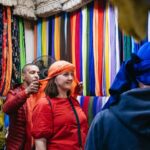
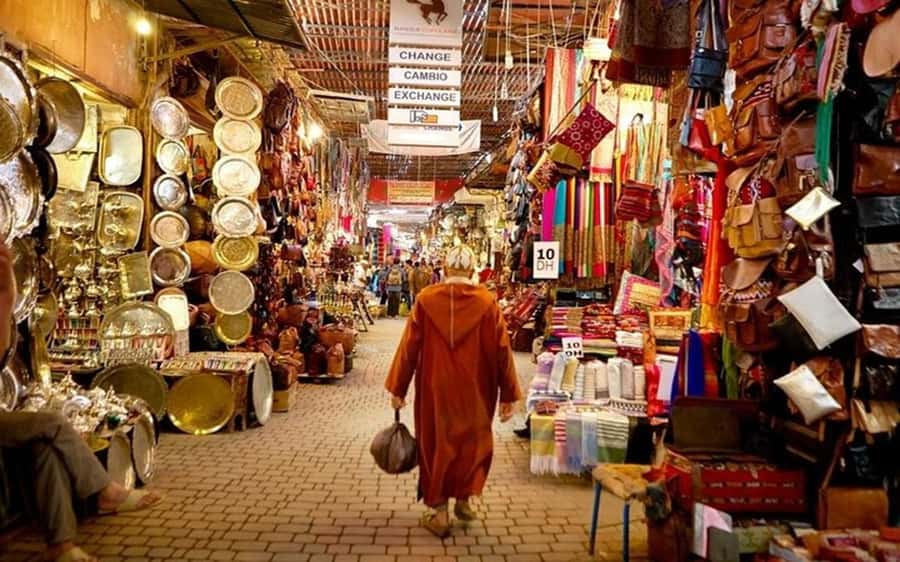
I love how the guide explains how the souks are organized by trade—spices, textiles, leather, metalwork, and traditional tools—so you understand what you’re looking at, not just what it costs. I also like the stories tied to the foundouks, old merchant inns that help you see the medina as a working commercial system, not a museum.
One drawback to plan for: it’s also a shopping route. If you want a totally no-pressure experience, tell your guide you’re browsing only (and the private option is usually the best fit).
In This Review
- Key Things I’d Put on Your Radar
- Hitting the Ground Running: Café de France and Jamaa el-Fna
- How the Souks Actually Work (and Why You’ll Notice More)
- Foundouks: Merchant Inns You’d Walk Past Without a Guide
- Souk Semmarine: Where Shopping Meets Street-Learning
- Souk Cherifia and the Craft Trade Logic
- Medina Backstreets, Photo Stops, and a Bit of Breathing Room
- Shopping Without the Headache: Bargaining Etiquette and Quality Checks
- Price, Time, and Value: Is $19 Worth 3 Hours?
- What You’ll Get From the Guide (Names You Might Hear)
- Who Should Book This Souks Tour?
- Should You Book This Marrakech Guided Souks Tour?
- FAQ
- How long is the Marrakech Guided Souks Tour?
- Where does the tour meet?
- What languages is the guide available in?
- Is there an option for a private tour?
- Is hotel pickup included?
- Is food and drinks included?
- What areas do you visit during the tour?
- Does the tour include shopping help?
- What’s the cancellation policy?
Key Things I’d Put on Your Radar
- Meeting at Café de France in Jamaa el-Fna: easy landmark, straight into the medina action.
- Craft-by-craft orientation: you learn what each part of the souks specializes in.
- Foundouks and trade stories: history that explains why the market is laid out this way.
- Smart shopping advice: help recognizing authentic handmade products and bargaining etiquette.
- Private or shared formats: you can choose the pace and attention level.
- Good guide variety: people like Mohammed, Charif, Abdel, and Atman show up in past groups with strong local context.
Hitting the Ground Running: Café de France and Jamaa el-Fna
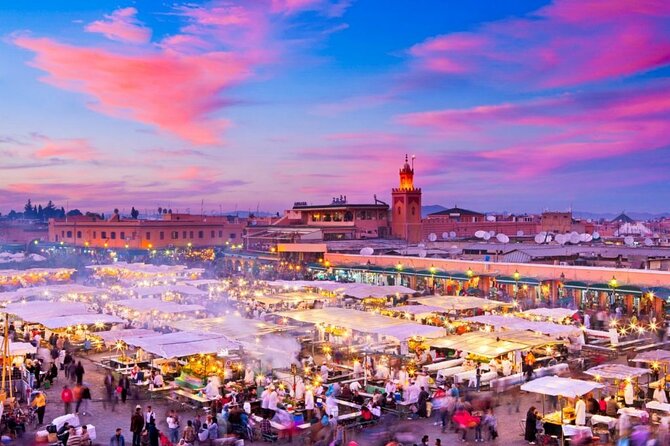
Your tour starts at Café de France in the main square, Jamaa el-Fna. That matters more than you’d think. The medina can feel like a design flaw until you get oriented, and Jamaa el-Fna is the easiest anchor point to rally around.
From there, you walk into the souks with a local insider leading the way. This is the part that saves you time and headaches—your guide helps you avoid the zigzag confusion of narrow streets and crowded crosswalks where it’s easy to lose your bearings. Even if you’re comfortable walking alone, a guided start helps you learn the medina’s logic fast: where lanes change, where you’ll see certain crafts grouped together, and what you should pay attention to.
Timing-wise, the experience is set up as a 3-hour walk. That’s a sweet spot for Marrakech. You get meaningful market time without ending up exhausted or stuck in your feet-for-hours zone.
You can also read our reviews of more guided tours in Marrakesh


How the Souks Actually Work (and Why You’ll Notice More)
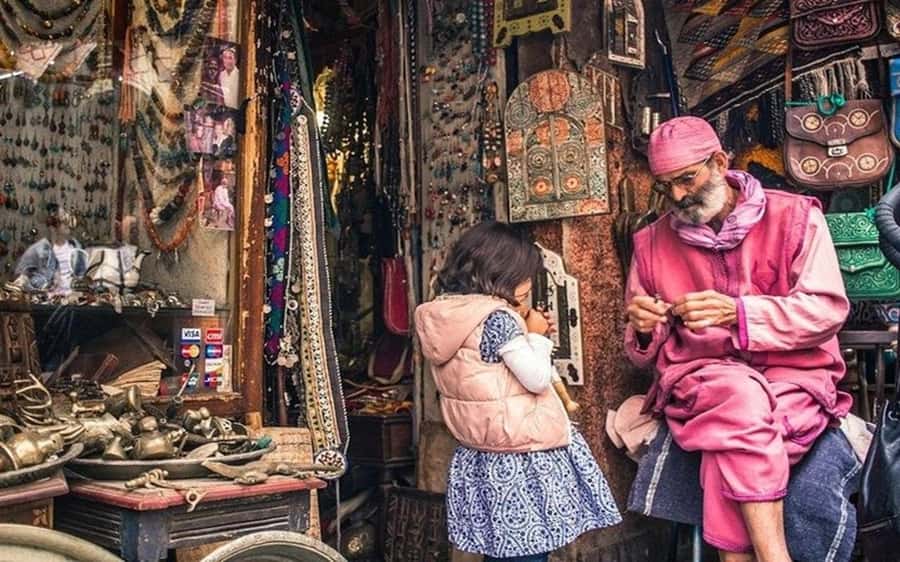
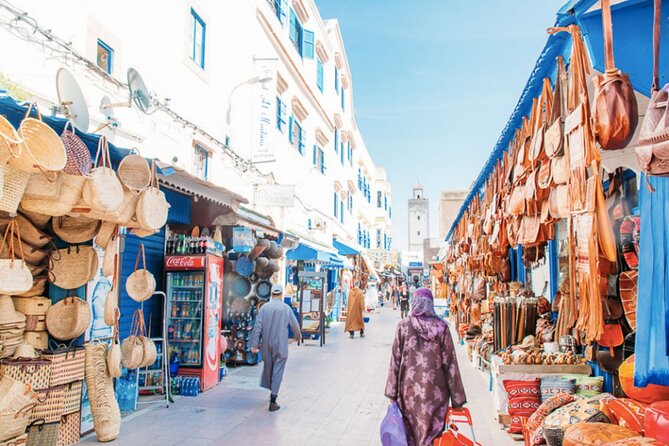
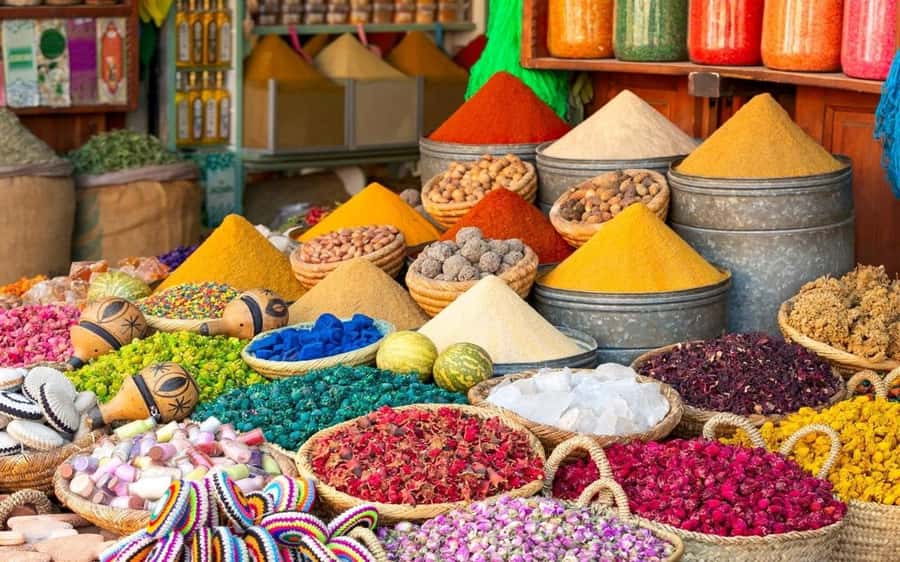
The biggest payoff here is learning that the souks aren’t just random rows of shops. They’re organized by trade, and your guide walks you through that structure step by step. You’ll move through different areas where categories line up with what you’re looking for—spices and textiles, plus trades like leather, metalwork, and traditional tools.
This changes everything for your shopping brain. Instead of asking, Where do I find the thing I want?, you start thinking, What kind of street is this and what does it produce? That’s why people come away feeling more confident. They aren’t just seeing stalls. They’re learning the market’s map.
One reason the tour earns high marks is that guides tailor the route. Past groups mention stopping based on what they wanted to see, and even getting food recommendations along the way. That flexibility is useful because Marrakech’s medina can pull you in ten directions. When your guide steers, you see more of what matters to you.
If you’re the type who likes crafts as a topic—how things are made, not just how they look—this is where you’ll start to connect the dots. You learn the practical “what happens where” that you’d otherwise discover the hard way.
Foundouks: Merchant Inns You’d Walk Past Without a Guide
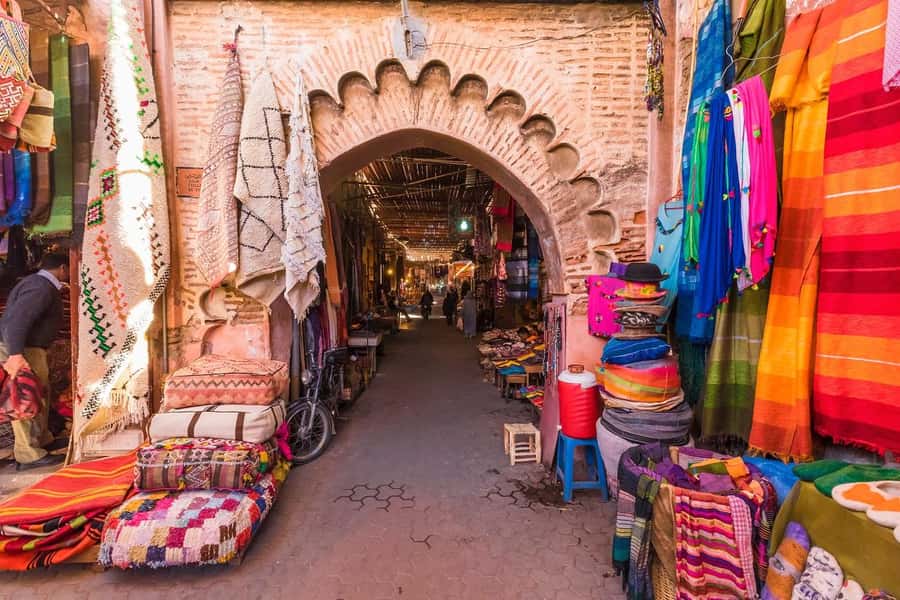
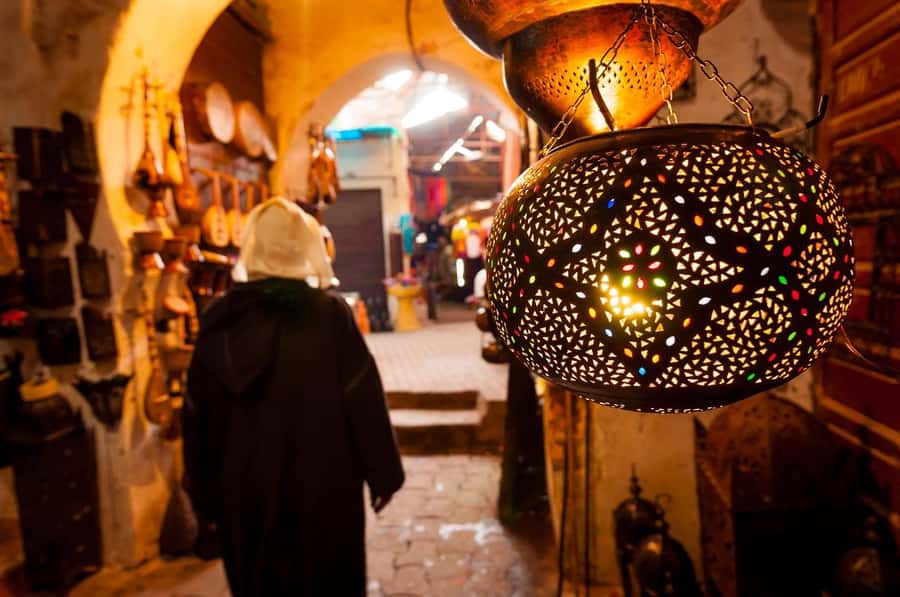
A key part of this tour is the visit to foundouks—historic merchant inns that once welcomed traders arriving from distant regions. Even the word foundouk feels like a footnote if you don’t know the role these spaces played.
On this walk, your insider explains that these weren’t just pretty old buildings. They were commercial infrastructure: places tied to trade, storage, and the movement of goods. Understanding that context gives you a different lens as you pass through older passageways. You start noticing the architecture and layout because you understand why those spaces existed.
This also helps you read the medina socially. Souks aren’t only about products. They’re about relationships, repeat customers, and artisans working under specific pressures and timelines. When you hear the stories tied to the foundouks, you get the sense of an economy built on ongoing trade—something you can feel in the way stalls and workshops operate.
Souk Semmarine: Where Shopping Meets Street-Learning
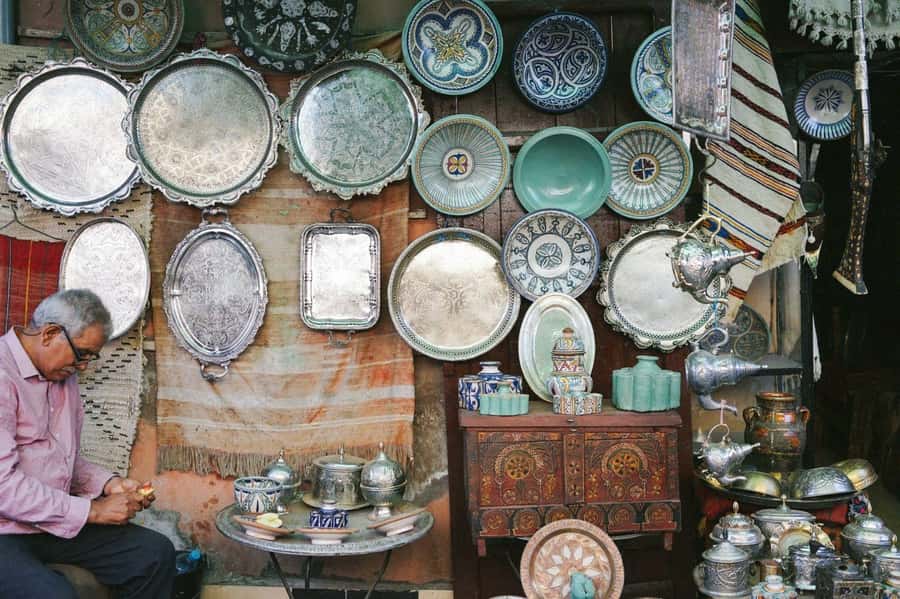
You spend significant time in Souk Semmarine, with a guided walk and time for shopping plus a photo stop. This is one of those market zones where your guide’s value becomes obvious quickly: you’re not just wandering—you’re moving with purpose.
If you like the idea of shopping but don’t want to get overwhelmed, this part helps you build a plan. Your guide points out how the medina divides by craft areas and what you can realistically expect to find where. That means fewer backtrack spirals and fewer moments of staring at dozens of stalls wondering what’s comparable.
Your guide also shares practical custom advice. In Marrakech, politeness, pace, and how you engage with merchants can make a difference. People mention learning the do’s and don’ts in the souks, plus bargaining etiquette. Even if you’re not planning to buy today, those tips help you feel calmer and less pressured.
And yes, some past experiences include stops for coffee or tea, sometimes described as traditional (like coffee prepared in sand). Just note: food and drinks aren’t listed as included, so treat tastings and café stops as optional add-ons your guide might suggest rather than a guaranteed program meal.
Souk Cherifia and the Craft Trade Logic
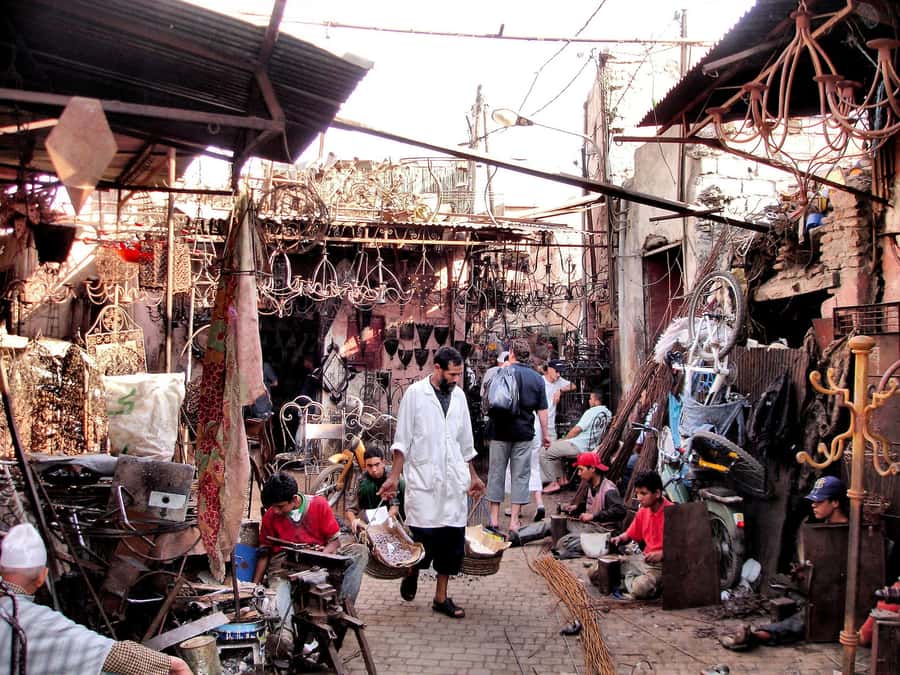
After Semmarine, the tour continues toward Souk Cherifia, with time to visit and guided walking. This is where you see the medina’s “specialization” in action: different sections tend to focus on different product categories, and your guide helps you notice those patterns.
One of the best pieces of advice you’ll get here is how to watch for authentic craftsmanship. The tour emphasizes learning how to recognize genuine handmade products. That matters because Marrakech attracts a lot of buyers—and with demand comes a wide range of quality. Your insider’s perspective can help you avoid wasting money on items that look right at a glance but don’t hold up in materials or finish.
Past groups also describe being shown where certain trades happen in everyday life, like areas connected to leather work and the processes around wool dyeing. Even if your exact path varies with the day and your interests, the tour is built to bring those working details into view.




Medina Backstreets, Photo Stops, and a Bit of Breathing Room
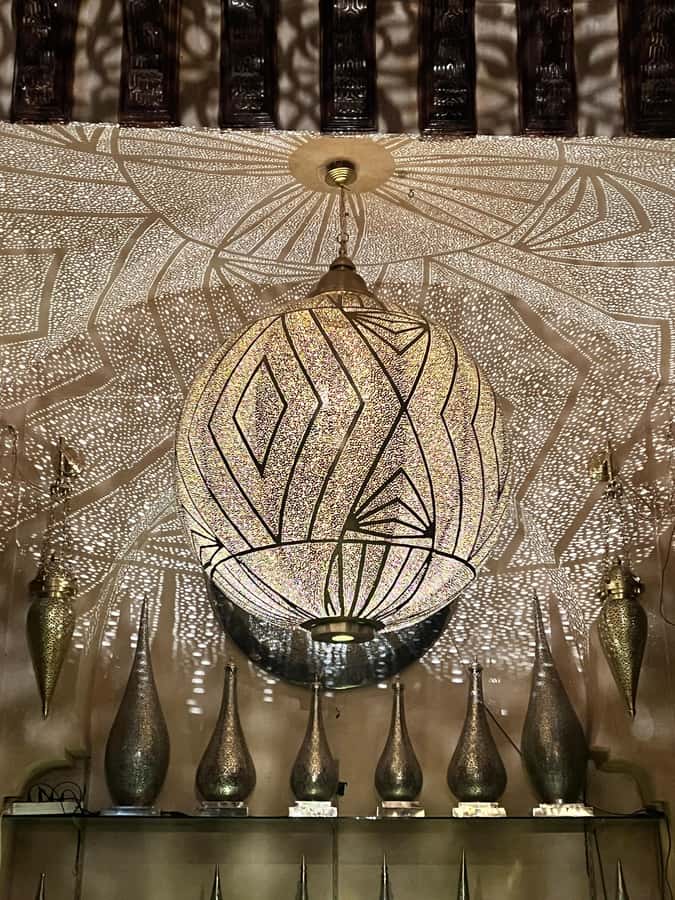
The tour then moves into the Medina area again for additional guided time, another photo stop, and some free time. This is an important sequence shift. After you’ve learned the market’s structure and craft categories, you get a little space to process what you’ve seen and decide what you want to do next.
That free time can be useful in two ways:
1) You can circle back on something your guide pointed out.
2) You can just walk and absorb the rhythms without feeling like you’re constantly asking, Where are we going?
Keep your expectations realistic. A walking tour inside the medina is not a museum stroll. You’ll navigate narrow passages, crowded areas, and constant activity. If you’re prone to sensory overload, go easy on the pace during the free time and focus on one goal—like finding that one type of craft you liked earlier.
Shopping Without the Headache: Bargaining Etiquette and Quality Checks
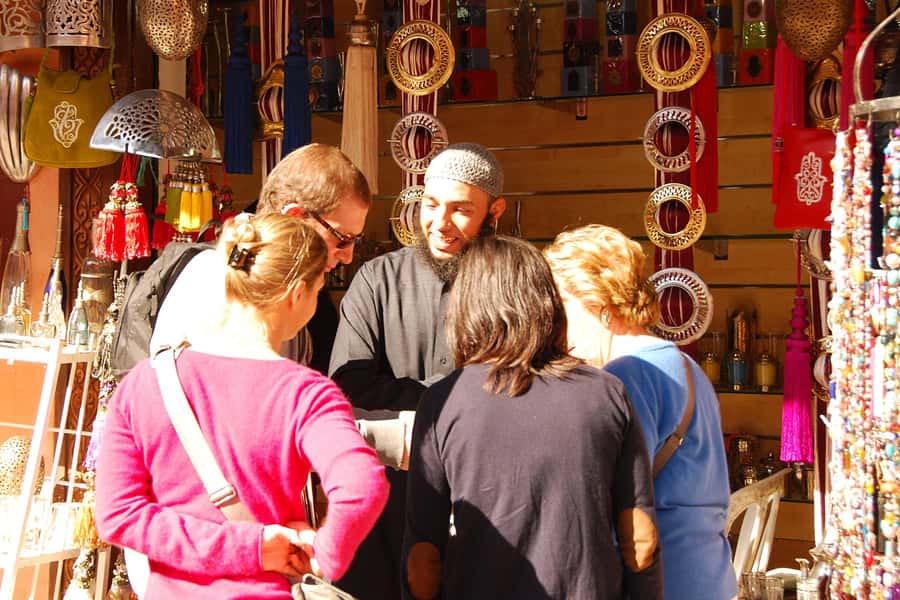
This tour is clearly set up for people who want to buy with confidence—or at least shop without getting jerked around. Your guide offers smart shopping advice and helps with bartering etiquette, including how to approach negotiations respectfully.
From past experiences, guides don’t just point you to shops. They help you compare and shop smarter, often steering you away from pure pressure selling. Some mentions include avoiding people who mainly want money and focusing instead on merchants who are interested in their craft. That’s the difference between “I bought something” and “I feel good about what I bought.”
Here are the practical ways this tour helps you shop:
- You’ll understand which craft areas are best suited for certain products, so you don’t waste effort.
- You’ll learn how to talk prices and intentions in a way that fits local norms.
- You’ll get guidance on what counts as handmade and how to spot the difference.
One caution from a past experience: for some people, it can feel more like a personalized shopping session than a pure sightseeing tour, especially if your group’s focus is on purchases. If you want history first and shopping second, say so upfront. If you want to shop, you’re in the right place.
Price, Time, and Value: Is $19 Worth 3 Hours?
At about $19 per person for a 3-hour guided walking experience, the value is mostly in the guide’s job: orientation, storytelling, and helping you shop intelligently.
A self-guided souk walk can be fun, but it’s also inefficient. Without local context, you end up spending time figuring out what’s where, what things cost, and which stalls sell real craftsmanship. Paying for a guide compresses that learning curve into a single afternoon—so you don’t just wander longer. You understand faster.
Also, you have options that affect value:
- Shared group or private walking tour: private is ideal if you want the guide’s full attention and a route tailored to your pace.
- Hotel pickup available if selected: that helps on arrival days when you don’t want to hunt down the meeting spot.
- English or French: communication is straightforward.
One more practical note: the tour ends with drop-off back at Hôtel Restaurant Café de France. That makes the wrap-up smoother because you’re not stuck trying to find your way out of the medina at the end of a walk.
What You’ll Get From the Guide (Names You Might Hear)
Several guides have been praised by name in past groups, including Mohammed (often called Mo), Charif, Abdel, Atman, and Ishmail. While you can’t pick your guide in every setup, it’s a good sign that the people running these walks tend to bring strong English or French ability, humor, and real familiarity with day-to-day medina life.
A common theme in the feedback is that guides do more than recite facts. They help you navigate socially—how to interact, where to stand, when to move, and how to avoid getting stuck in one shop pitch. People also mention guides tailoring routes to interests like leather, wool dyeing, and crafts you wouldn’t find on your own.
You’ll also hear local history threaded into what you’re seeing, including how Marrakech developed as a trade center. That’s part of why foundouk visits feel more meaningful than they look from the street.
Who Should Book This Souks Tour?
I think this tour is a great fit if you:
- want a guided path through the souks without getting lost
- care about crafts and how markets are organized by trade
- want help with bargaining etiquette and recognizing authentic handmade items
- plan to do at least some shopping, even if it’s small
It might be less ideal if you:
- want a quiet, pure architecture-and-history walk with minimal market focus
- strongly dislike any sales energy at all (tell the guide your browsing intentions early)
If you’re traveling with limited time in Marrakech, the 3-hour format also makes it manageable. You can still do other sights afterward without feeling like your whole day is consumed by the medina.
Should You Book This Marrakech Guided Souks Tour?
If your goal is to leave Marrakech’s souks feeling like you understand what you saw—and where you want to go next—this is an easy yes. The combination of foundouk storytelling, trade-focused routing, and shopping guidance gives you practical confidence, not just pictures.
Book it if you want to shop with a plan, learn the market layout by craft, and navigate the medina with a local insider who can answer questions in English or French. Skip or choose a more history-first approach only if you’re avoiding shopping entirely and don’t want any negotiation talk.
FAQ
How long is the Marrakech Guided Souks Tour?
The tour lasts about 3 hours.
Where does the tour meet?
The meeting point is in front of Café de France, in the main square Jamaa el-Fna.
What languages is the guide available in?
The live tour guide is available in English and French.
Is there an option for a private tour?
Yes. You can choose a shared group or a private walking tour.
Is hotel pickup included?
Hotel pickup is available only if you select the option that includes pickup. If you don’t select it, you’ll meet at Café de France.
Is food and drinks included?
No. Food and drinks are not included.
What areas do you visit during the tour?
You’ll spend time around Souk Semmarine and Souk Cherifia, plus guided time in the Medina, including photo stops and free time.
Does the tour include shopping help?
Yes. The tour includes practical advice for shopping, including how the souks are organized and tips for recognizing authentic handmade products and bargaining etiquette.
What’s the cancellation policy?
You can cancel up to 24 hours in advance for a full refund.