REVIEW · MARRAKECH
Marrakech guided city tour
Book on Viator →Operated by Reiseführer Abdoo · Bookable on Viator
Marrakech makes sense fast with a great guide. This 3–4 hour route stitches together major medina sights and real-life context on Moroccan culture, faith, family traditions, and everyday habits. I love that the certified guide keeps the pace practical and points out details you’d miss on your own, and I love the way the tour connects the Koutoubia Mosque area to the energy of Jemaa el-Fnaa. One thing to plan for: Bahia Palace and Medersa Ben Youssef have entrance fees not included.
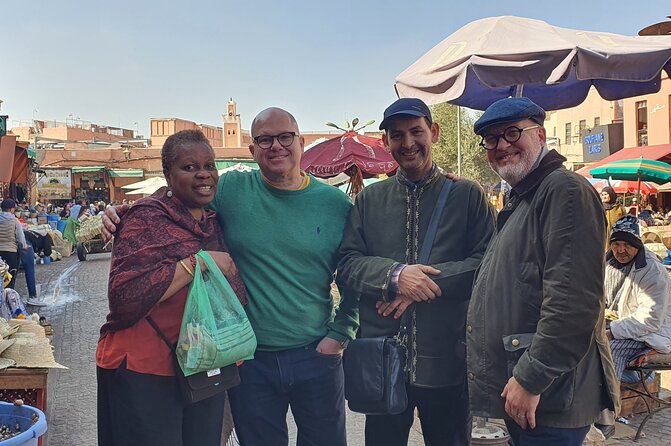
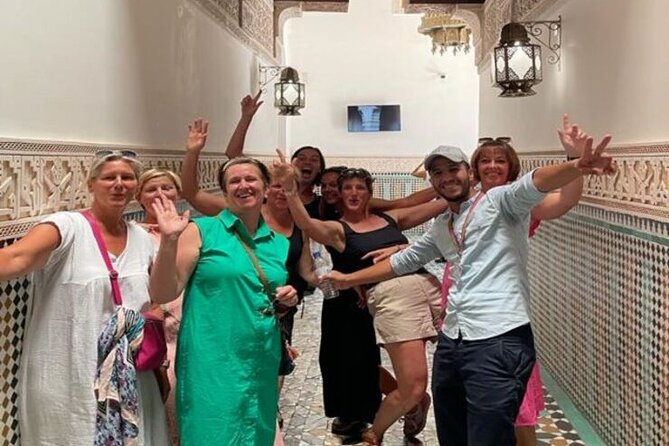
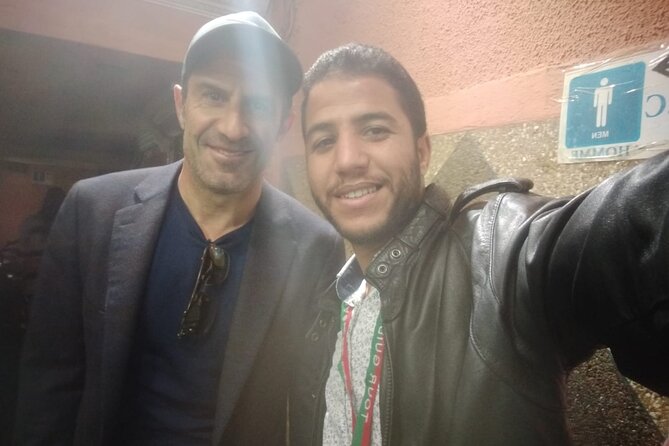
I also like that the group stays small (max 22), so you can actually hear the guide and ask questions when something feels confusing. In particular, guides such as Abdoo, Khalid, and Abdul are described as friendly, funny, and quick to explain things, including religion and social customs in plain terms. Expect some photo moments too, since at least one guide is known for taking pictures for the group.
Finally, you’ll want to arrive ready to walk. Even though it’s a short tour, parts of the medina are tight and a bit chaotic, and you’ll get the most out of it if you’re comfortable moving through narrow lanes with others. Good news: bottled water is included, and you start and end right near Jemaa el-Fnaa (so you’re not stranded on the far edges of town).
In This Review
- Key Things I’d Focus On Before You Go
- A Short Guided Walk That Helps You Read the Medina
- Price and Logistics: What You’re Really Paying For
- Where the Tour Starts Near Jemaa el-Fnaa
- Stop 1: Koutoubia Mosque and Why It’s a Marrakech Anchor
- Stop 2: Bahia Palace for Architecture, Power, and Daily Life
- Stop 3: Medersa Ben Youssef and the Beauty of a School
- Stop 4: Souk Semmarine for Crafts, Materials, and Real Shopping Energy
- Stop 5: Jemaa el-Fnaa for Senses, Stories, and a First Taste of the City
- The Guide Makes This Tour: Humor, Clear Answers, and Cultural Context
- How Much Walking Will You Do?
- Who This Tour Is Best For
- Should You Book This Marrakech Guided City Tour?
- FAQ
- How long is the Marrakech guided city tour?
- What does it cost per person?
- What’s included in the tour price?
- Do I need to pay entrance fees during the tour?
- Which stops are free to enter?
- Where do I meet the guide?
- Where does the tour end?
- How large is the group?
- Is this tour ticket digital?
- Can I bring a service animal?
- Is there free cancellation?
Key Things I’d Focus On Before You Go
- Small group, easy pace: Max 22 people, designed to stay manageable in the medina’s narrow streets.
- Stories beyond monuments: You’ll get practical cultural context (family, faith, language, food habits, education, politics).
- A mix of free and ticketed stops: Koutoubia Mosque, Souk Semmarine, and Jemaa el-Fnaa are free; Bahia Palace and Ben Youssef aren’t.
- Real guide energy: Multiple guides (like Abdoo and Khalid) are praised for humor, clear explanations, and answering questions.
- Workshop-style shopping time: Souk Semmarine is organized around stalls and artisan work, not just wandering.
- Convenient meeting area: You begin at a specific spot near Jemaa el-Fnaa and return there.
A Short Guided Walk That Helps You Read the Medina
Marrakech can feel like a maze at first, and that’s exactly why a guided city tour works so well. In a few hours, you’re not just checking boxes—you’re learning what you’re looking at, and what those places mean to locals. The guide’s job here is to connect the landmarks to everyday life, so you leave with names, context, and a sense of how the city runs.
The format also fits how most people travel. This isn’t a half-day lecture or a “hurry, hurry” sprint. You’ll hit five major areas—mosque, palace, madrasa, souk, and Jemaa el-Fnaa—while the guide fills in the “why” behind the architecture and customs. If you’re the kind of traveler who loves understanding culture rather than just collecting photos, this tour is built for that.
You can also read our reviews of more guided tours in Marrakech

Price and Logistics: What You’re Really Paying For
At $29.04 per person, the headline price looks like a bargain. The real value comes from what’s included: bottled water and a certified tour guide. Those two things matter more than they sound. Water saves you from the cost-and-convenience shuffle, and a certified guide reduces the guessing game when you’re moving through the medina.
What’s not included is the entrance fees for some big sites:
- Bahia Palace entrance fee (not included)
- Medersa Ben Youssef entrance fee (not included)
- The Saadian graves entrance fee is listed as not included (even if your day’s route may focus on the other stops)
So you should budget a bit extra for tickets on the palace/school side of the route. The tour still includes several free stops—Koutoubia Mosque, Souk Semmarine, and Jemaa el-Fnaa—so you’re not paying full price for every segment.
Also, plan on a small-group experience: max 22 travelers. That’s important. In places like the medina, group size affects how well you can hear explanations and how smoothly you can move.
Where the Tour Starts Near Jemaa el-Fnaa
You’ll meet near Jemaa el-Fnaa at Argana (Number 18, Znikat Rahba, Marrakech 40000). The meeting point is very specific, and that’s a good thing here. In Marrakech, getting “close” is not always enough—streets can look similar, and landmarks can shift block to block.
The tour ends back at the same meeting point. That matters because you won’t have to figure out your way back afterward, especially if you’re tired or you want to keep exploring right where the action is.
One practical note: the tour runs close to public transportation. That can help if you’re combining this with other parts of your itinerary.
Stop 1: Koutoubia Mosque and Why It’s a Marrakech Anchor
You start with Koutoubia Mosque, with about 15 minutes at the site. Admission here is listed as free, so this is a low-friction way to begin—no ticket stress right at the start.
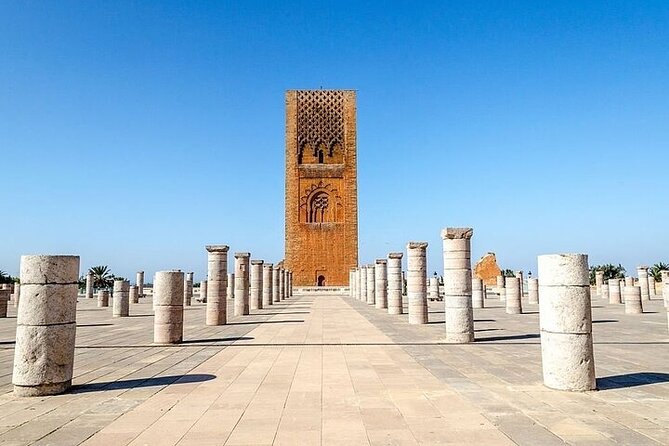
What makes Koutoubia a strong opening stop is how it functions as an anchor in the city’s landscape. The guide gives a detailed explanation of the mosque and the surrounding area, including the minaret’s significance as a landmark. Even if you’ve seen photos, a short guided orientation helps you understand what you’re looking at and why locals treat the space as meaningful.
This first stop also sets the tone for the rest of the tour. Once you understand the mosque’s role and the idea behind Islamic landmarks, the later architecture stops (palace and madrasa) land with more impact.
Stop 2: Bahia Palace for Architecture, Power, and Daily Life
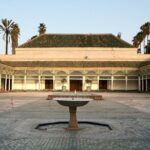
Bahia Palace is the longer, ticketed stop on the route, with about 1 hour on site. The entrance fee is not included, so it’s smart to have your payment ready in advance.
Why I like this stop on a guided itinerary: it’s not just pretty walls. The palace gives you a window into social structure and the artistic choices that come with power and status. While you’re there, the tour’s framing connects the past with the place’s present-day reality—so it doesn’t stay stuck in museum mode.
Practical tip: with only one hour, you won’t see every corner in total detail. You should use the time to focus on the spaces the guide highlights and ask questions while you’re still on-site.
Potential drawback: because the ticket isn’t included, you’ll need to plan for an extra cost here. If you’re traveling on a tight budget, this is the main place where the tour price can start to feel incomplete.
You can also read our reviews of more city tours in Marrakech


Stop 3: Medersa Ben Youssef and the Beauty of a School
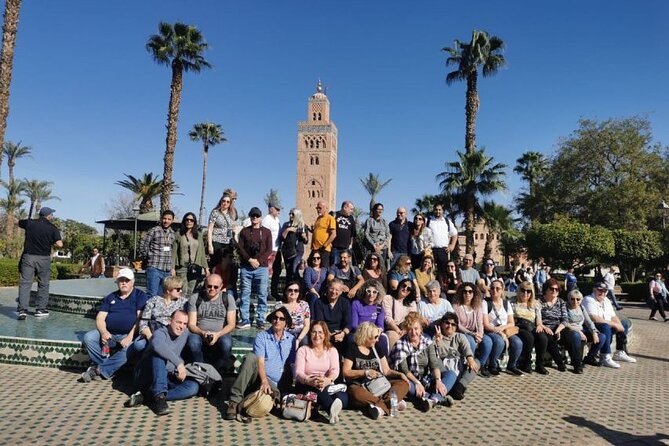
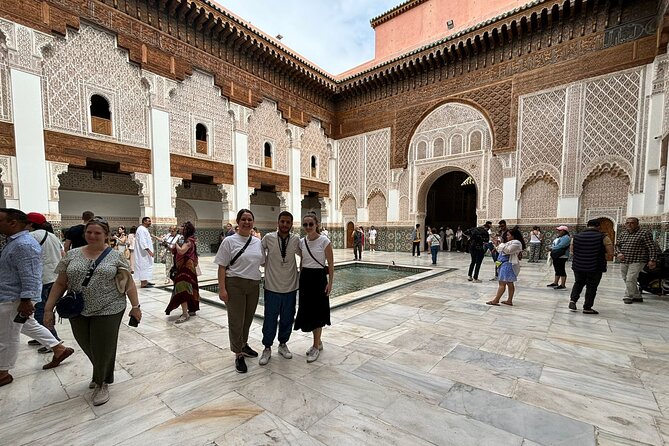
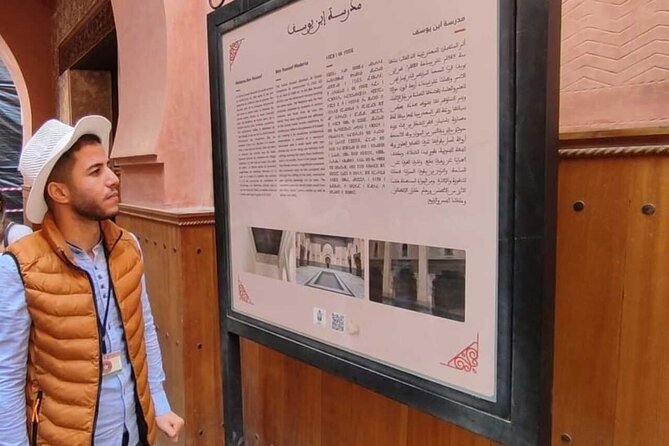
Medersa Ben Youssef is one of the architecture highlights, with around 40 minutes at the madrasa. Entrance fee is not included, so again, plan for an extra ticket cost.
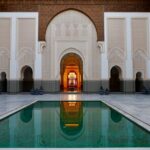
This stop is especially strong if you like Islamic art and built detail. The guide explains it as a masterpiece and emphasizes the cultural, political, and historical value of the building. That kind of framing makes the structure more than a backdrop—it turns it into evidence of how education and power worked in earlier Marrakech.
Also, it helps that this is not just an “outside photo” stop. A madrasa has design elements meant for learning and community life, so even a shorter visit can feel like you’re stepping into a real function, not just sightseeing.
Stop 4: Souk Semmarine for Crafts, Materials, and Real Shopping Energy
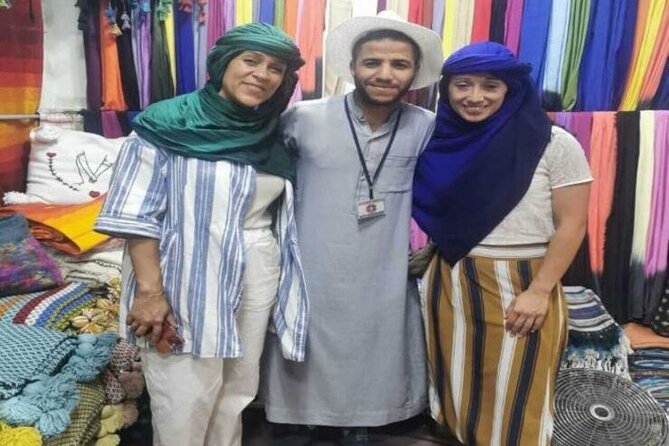
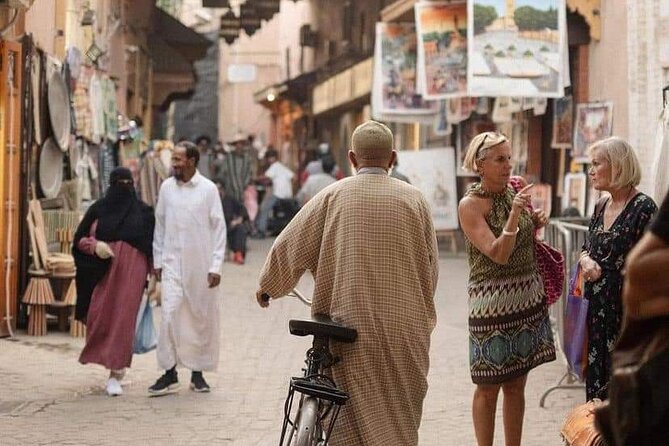
Souk Semmarine is about 40 minutes and admission is free. This is where the tour shifts from major monuments to everyday work—shops, workshops, and trades you can see right in front of you.
You’ll walk through a market area described as packed with departments tied to craft and material: iron, wood, wool, ceramics, and spices. It’s a good moment to slow down and think of the souk as a supply chain, not just a tourist street. Artisans don’t only sell objects; they use and shape materials that tell you something about local life.
If you like souvenirs, this is the place to start. And if you don’t, it still helps to learn how Moroccan craftsmanship shows up in practical objects—because that knowledge will make the rest of your shopping (or museum visits later) feel smarter and less random.
One consideration: markets can be crowded and tempting. If you get uncomfortable with shopping pressure, go with the mindset of “look first,” and buy only if something feels worth it.
Stop 5: Jemaa el-Fnaa for Senses, Stories, and a First Taste of the City
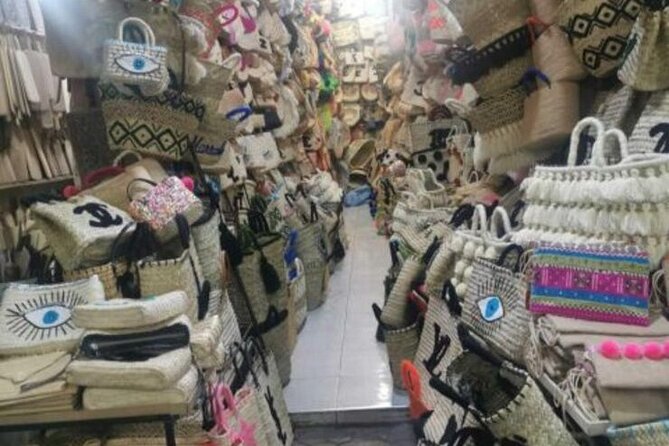
Jemaa el-Fnaa is the showpiece, with about 25 minutes and free access. This is where Marrakech hits you on all fronts—sound, movement, smells, and that constant feeling that something is happening everywhere.
A qualified guide makes a real difference here. You’re not just standing in a square; you’re learning what you’re seeing and how the area connects to the city’s history. The tour experience is designed to help you connect the moment with context, not just spectacle.
I also like ending here because it gives you options afterward. Once you return near the square, you can keep wandering at your own pace, use what you learned to orient yourself, or plan your next meal with a clearer idea of where you are.
The Guide Makes This Tour: Humor, Clear Answers, and Cultural Context
The standout theme across the experience is the guide. Several named guides are mentioned as friendly and able to explain Moroccan culture, religion, country, and people in a way that feels approachable. Abdul and Abdoo are called out for humor and strong fact-sharing, and Khalid is praised for being attentive and adding a light touch while teaching.
There’s a practical reason this matters. In Marrakech, it’s easy to collect random facts that don’t connect. A good guide turns the connections into a story you can remember—like how family and marriage traditions shape community life, or how religion affects everyday rhythms, or why languages and education matter in modern Morocco.
In your short time, that kind of context is what makes the sights feel like they belong to the same city, not separate stops.
How Much Walking Will You Do?
You’re on your feet for a few hours, moving between five different areas across the medina. The exact distance isn’t stated, but the route includes tight lanes, and the experience is designed for guided movement through those narrower streets.
So if you’re sensitive to crowds or stairs, you might want to plan breaks into your day elsewhere. But if you’re comfortable walking and you don’t mind a bit of medina chaos, the tour’s structure makes it manageable rather than overwhelming.
Who This Tour Is Best For
This guided city tour fits best if you:
- Want a fast, organized way to understand Marrakech in one sitting
- Enjoy cultural explanations (religion, family customs, everyday habits), not just monuments
- Prefer a small group where you can hear your guide and ask questions
- Are visiting for the first time and want your bearings quickly
It’s also a good option as a time-filler at the beginning of your trip. After this, you’ll recognize the major landmarks more easily as you explore on your own.
Should You Book This Marrakech Guided City Tour?
I’d book it if you want a guided route that mixes major landmarks with real cultural context, in a short, manageable time window. The value is strongest when you factor in the certified guide and bottled water, plus the fact that several stops are free, so you’re not paying entrance fees everywhere.
But you should decide with eyes open about tickets. Bahia Palace and Medersa Ben Youssef have entrance fees not included, and that’s the main additional cost you should expect. If you hate surprise costs, look for that in your planning before you go.
If you like learning from a guide who brings humor and clear answers, this tour is a solid way to get Marrakech off your “photos only” list and into your “I understand what I’m seeing” category.
FAQ
How long is the Marrakech guided city tour?
It runs about 3 to 4 hours.
What does it cost per person?
The price is $29.04 per person.
What’s included in the tour price?
Bottled water and a certified tour guide are included.
Do I need to pay entrance fees during the tour?
Some stops are free, but entrance fees are not included for Bahia Palace and Medersa Ben Youssef. Saadian graves entrance fee is also listed as not included.
Which stops are free to enter?
Koutoubia Mosque, Souk Semmarine, and Jemaa el-Fnaa are listed as free.
Where do I meet the guide?
Meet at Argana (Number 18, Znikat Rahba, Marrakech 40000, Morocco), near the Jemaa el-Fnaa area.
Where does the tour end?
The tour ends back at the same meeting point.
How large is the group?
The maximum group size is 22 travelers.
Is this tour ticket digital?
Yes, it uses a mobile ticket.
Can I bring a service animal?
Yes, service animals are allowed.
Is there free cancellation?
Free cancellation is available if you cancel up to 24 hours before the experience start time for a full refund.