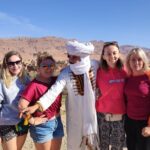
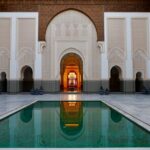
Gnawa music hits you in the chest. This Marrakech ticket pairs a small museum visit with live performance and hands-on music time, so you’re not just watching from the sidelines. You get Gnawa culture context and the sound experience in one evening.
I especially like the hands-on workshops where you can learn traditional instruments and join music sessions. I also love the personal, story-driven hosting of Mr. Oussama and Mr. Younes, who connect what you’re seeing to African history and Gnawa practice.
One thing to consider: it starts at 5:00 pm, and the experience notes a good-weather requirement, so plan a flexible evening in Marrakech.
In This Review
- Key highlights you’ll feel right away
- Marrakech’s Dar Gnawa Museum: a music evening with real context
- What you actually do during the visit (not just watch)
- The Gnawa music background you’ll hear (and why UNESCO matters)
- Live performance inside Dar Gnawa: how the show feels in a museum setting
- Hands-on workshops: where the ticket pays off for non-musicians
- Meet the hosts: Mr. Oussama and Mr. Younes bring the story
- Timing and location: planning an easy 5:00 pm start in Marrakech
- Price and value: is $29.88 worth it?
- Who should book this (and who might skip)
- Small practical tips to make your evening smoother
- What if the weather changes or plans slip?
- Should you book Dar Gnawa Museum for your Marrakech trip?
- FAQ
- What time does the Marrakesh Dar Gnawa Museum live performance start?
- How long does the experience last?
- How much is the ticket?
- Do I get a mobile ticket?
- Will I receive confirmation after booking?
- Where is it located?
- What will I do during the visit?
- Who hosts the experience?
- Is the experience refundable if plans change?
- What happens if the weather is poor?
Key highlights you’ll feel right away
- Live Gnawa performance tied to explanations, not just a stage show
- Hands-on instrument time and chances to join music sessions
- Film projections and presentations that set the cultural context
- Gracious hosting by Mr. Oussama and Mr. Younes, with strong historical grounding
- A small, calm museum setting that keeps the mood relaxed and personal
Marrakech’s Dar Gnawa Museum: a music evening with real context
If you want Marrakech after-dark without the usual tourist noise, this is a strong pick. Dar Gnawa Museum is built around Gnawa music and the traditions that surround it. The format is simple and effective: you spend about 2 hours at the museum, starting at 5:00 pm, with live performance plus talks and visuals. Then the sound stays in your head long after you leave.
What makes it work is that the experience doesn’t treat Gnawa music like a museum artifact behind glass. Instead, it turns the evening into a shared activity—watching, listening, learning a bit, and hearing how the tradition connects to spirituality and history. That combination is why it tends to land for people who normally think they don’t “do” cultural shows.
And yes, you’re paying for a ticket to a guided cultural program. But when it’s done well, the value is in how much you actually take in during the time you’re there.
A few more Marrakech tours and experiences worth a look


What you actually do during the visit (not just watch)
Your ticket gets you admission to Dar Gnawa Museum and the live performance program. Expect a mix of formats rather than one long performance with no explanation.
Here’s what the evening generally feels like:
1) Museum time with presentations and visuals
You’ll move through the museum’s focus on Gnawa music and tradition. The program includes live performances, and it also uses film projections and presentations to explain where the music comes from and why it matters. This is where you get the “what you’re hearing” and “why it’s meaningful” part.
2) Interactive sections and hands-on participation
This is a big part of the appeal. The experience includes workshops and opportunities to learn traditional instruments and participate in music sessions. Even if your musical skills are zero, the structure is designed for non-experts. Think more like guided participation than formal lessons.
3) The live performance portion
The live performance happens inside the museum setting. The setting is intimate enough that you feel the rhythms as much as you hear them. One review-style theme you’ll see again and again in feedback is that the show has dramatic moments and emotional weight, not just background entertainment.
One practical consideration: because the main time block is fixed around 5:00 pm and runs about 2 hours, try to avoid stacking your schedule too tightly. Marrakech evenings are wonderful, but pacing matters.
The Gnawa music background you’ll hear (and why UNESCO matters)
Gnawa music isn’t just catchy rhythm. It’s tied to African rhythms, Sufi traditions, and spiritual practices, all threaded into performance and community life. In fact, the tradition received UNESCO recognition in 2019 as an Intangible Cultural Heritage of Humanity.
What that means for your visit is simple: the program’s explanations aren’t random trivia. The talks and presentations are there so the performance makes more sense, especially if you’re hearing instruments and singing in a style you’ve never encountered.
If you like cultural experiences that give you a foothold—like learning what certain patterns represent or how musical practice connects to beliefs—this is a good fit. You’re not just leaving with photos. You’re leaving with language and context for what you heard.
Live performance inside Dar Gnawa: how the show feels in a museum setting
Live performance is the headline, and it’s not treated like a generic stage show. The show happens in the museum space, which keeps the energy close and personal. You’re not watching from a far distance, and that changes the feel of the music.
A few things you can reasonably expect from the way people describe the evening:
- High energy without needing translation for everything: you’ll get explanations, but the rhythms work even if you don’t know the vocabulary.
- Emotional arcs: several mentions highlight that there are dramatic moments, not just a steady loop of sound.
- A performance that connects to the “why”: live music comes with explanation of origins and significance, so it lands better than a pure spectacle.
If your travel style is more “I want to understand what I’m seeing” than “I just want something fun,” this format fits well.
Hands-on workshops: where the ticket pays off for non-musicians
This is where the ticket becomes more than an entry fee. The program includes workshops where you can learn to play traditional instruments and take part in music sessions.
Now, a quick reality check that helps you set expectations: you’re not going to master Gnawa instrumentation in 2 hours. But you can absolutely come away knowing what the instruments do, how the rhythms lock together, and what you’re supposed to listen for.
For many people, that hands-on moment is the difference between a “nice show” and an experience that feels personal. If you’re the type who likes to participate instead of just observe, you’ll probably enjoy the structure a lot.
Also, hands-on time tends to break the ice in a good way—especially in a small museum setting. You’re moving from watching to doing, and the group energy usually lifts from there.
You can also read our reviews of more museum experiences in Marrakech

Meet the hosts: Mr. Oussama and Mr. Younes bring the story
One of the strongest reasons this experience earns praise is the human side. Reviews specifically mention the hosts Mr. Oussama and Mr. Younes as gracious, caring, and deeply invested in Gnawa traditions.
What you should take from that: the guidance isn’t scripted and cold. People highlight Oussama’s knowledge of African history and heritage, and they also mention the care and love shown toward the practices being shared.
In practical terms, this means you’ll get explanations that help you connect the dots between instruments, songs, and cultural meaning. If you value a host who can answer the feeling-level questions—why this matters, what this practice represents—this is the kind of evening that tends to convert skeptics into fans.
Timing and location: planning an easy 5:00 pm start in Marrakech
The program starts at 5:00 pm and runs about 2 hours. That timing is smart for Marrakech. You get a cultural activity before the late-night rush, and you’re still free afterward to wander the Medina or grab dinner at a human pace.
The museum is noted as being near public transportation, which matters when you’re trying not to fight for your life through traffic. That “easy to reach” factor helps you keep your evening calm instead of stressed.
My tip for planning: if you’re doing Marrakech in one trip, avoid scheduling anything that depends on exact timing right before 5:00 pm. Give yourself a buffer. You’ll appreciate the show more when you arrive without running.
Price and value: is $29.88 worth it?
At $29.88 per person, you’re paying for a packaged cultural evening: museum admission plus performance and a program that includes talks and workshops. For Marrakech, that price usually lands in the “worth it if you’ll actually participate” category.
Here’s why it can be good value:
- You’re getting multiple formats in one ticket: live performance + film projections + presentations + hands-on workshops.
- The experience emphasizes participation, not passive watching.
- The host team is a real part of the value, with attention to history and meaning, not just showmanship.
Could it be overpriced for some people? Yes—if you only want entertainment and don’t care about cultural context, you might prefer a cheaper, less structured option. But if you like your music tied to story, this ticket structure justifies the cost.
Who should book this (and who might skip)
This fits best if:
- you want live music but also want to understand what you’re hearing
- you’re curious about Gnawa culture and its spiritual connections
- you like interactive experiences—learning an instrument for a few minutes beats standing around waiting for the show
- you enjoy small, personal-feeling programs more than huge production shows
You might want to think twice if:
- you’re only looking for a quick, casual performance with zero time for explanations
- you hate fixed-time events (the start is set at 5:00 pm and the visit is about 2 hours)
- you’re traveling with a tight weather-dependent plan (the experience notes a good-weather requirement)
Small practical tips to make your evening smoother
These won’t magically change Marrakech, but they help.
- Arrive a few minutes early. With the Medina vibe and timing around 5:00 pm, early arrival helps you get settled without rushing.
- Bring an open attitude. If you’re willing to listen and try a small hands-on moment, the experience clicks.
- If your schedule allows, consider a Saturday evening. One recommendation specifically suggests Saturday nights for the live performance, so aligning with that day may improve your odds of catching the show’s fullest schedule.
- Plan dinner after. With about 2 hours on the clock, you’ll want a meal afterward rather than squeezing it in before the museum starts.
What if the weather changes or plans slip?
The experience notes a good weather requirement. If it’s canceled due to poor weather, you’ll be offered a different date or a full refund.
It also notes a minimum number of travelers. If that minimum isn’t met, you’ll be offered a different date/experience or a full refund. That’s not unusual for smaller cultural programs, and it’s another reason to keep your evening plan flexible.
Should you book Dar Gnawa Museum for your Marrakech trip?
Yes, if you want a music experience that comes with meaning and participation. Dar Gnawa Museum is especially appealing if you’re drawn to live performance, you like cultural context, and you’re willing to join in during the hands-on sections.
Book it if:
- you’re in Marrakech around the 5:00 pm slot
- you enjoy learning something new in a short, friendly setting
- you want a program focused on Gnawa traditions rather than generic entertainment
Skip it if:
- you’re only hunting for the cheapest option and don’t care about workshops or explanations
- you can’t handle fixed timing or you’re scheduling your entire evening minute-by-minute
If you fall into the first group, this is one of those Marrakech evenings that leaves you with more than photos. You leave with rhythm in your body and context in your head.
FAQ
What time does the Marrakesh Dar Gnawa Museum live performance start?
The experience starts at 5:00 pm.
How long does the experience last?
It lasts about 2 hours.
How much is the ticket?
The price is $29.88 per person.
Do I get a mobile ticket?
Yes, the ticket is issued as a mobile ticket.
Will I receive confirmation after booking?
You’ll receive confirmation at the time of booking.
Where is it located?
It’s in Marrakech, Morocco, and the meeting point is noted as being near public transportation.
What will I do during the visit?
You’ll visit Dar Gnawa Museum, watch live performances, and take part in presentations and workshops. The experience also includes chances to learn instruments and join music sessions.
Who hosts the experience?
The experience is hosted by Dar Gnawa Museum, and reviews specifically mention Mr. Oussama and Mr. Younes.
Is the experience refundable if plans change?
Yes. It offers free cancellation, and you can cancel up to 24 hours in advance for a full refund.
What happens if the weather is poor?
It requires good weather. If it’s canceled due to poor weather, you’ll be offered a different date or a full refund.