REVIEW · MARRAKECH
Marrakech: Atlas Mountains & Villages, Waterfalls, Camel Ride
Book on Viator →Operated by Art de Cuivre Travel · Bookable on Viator
Faith, camels, and waterfalls in one packed morning. I love how this trip mixes Marrakech’s faith stops with real mountain village time, so you get more than pretty views. I also love the camel ride plus the walk up toward Armed village, then a home-style Berber lunch with Mt. Toubkal in sight.
One thing to plan for: the lunch stop may require cash, and at least one lunch place doesn’t take card. Names that come up in the guide team include Ayoub, Redouane, Mohamed Larbi, Ahmed, Maria, and Lahcen Mansour, and they’re part of why the day often feels well-paced.
In This Review
- Quick Highlights
- Faith Stops in Marrakech Before the Mountains
- High Atlas Camel Ride and Argan Oil at the Berber Cooperative
- Imlil and the Hike to Armed Village (2,000m Options Included)
- Berber Home Lunch With Mt. Toubkal Views
- Ourika Valley Walk and the Naqab Waterfall
- Getting There: Private Vehicle, Pickup Timing, and Group Size
- Guides Who Can Explain What You’re Seeing
- Price Value Check for $17.45 and What’s Included
- What to Pack and Small Practical Tips
- Who Should Book This Atlas and Villages Tour
- Should You Book? A Simple Decision Guide
- FAQ
- How long is the Marrakech Atlas Mountains and villages tour?
- What time does pickup usually happen in Marrakech?
- Is the camel ride included?
- Are entry fees included in the price?
- Where does lunch happen during the mountain part of the day?
- Do I need cash for lunch?
- How much walking is involved, and is there any help on the climb?
- What is the waterfall stop called?
- What is the group size limit?
- Is there free cancellation?
Quick Highlights
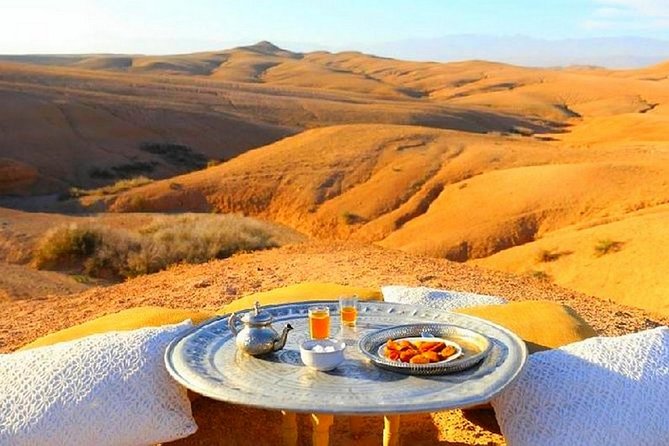
- Faith visits in Marrakech for a practical look at Islam, Judaism, and Christianity in Morocco
- High Atlas camel ride on a short, scenic segment near the mountains
- Argan oil cooperative visit with a traditional Berber tea break
- Imlil hike to Armed village (2,000m) with mule help if you need it
- Naqab Waterfall and Ourika Valley on the return walk and drive
- Max 15 travelers with pickup from your Marrakech accommodation
Faith Stops in Marrakech Before the Mountains
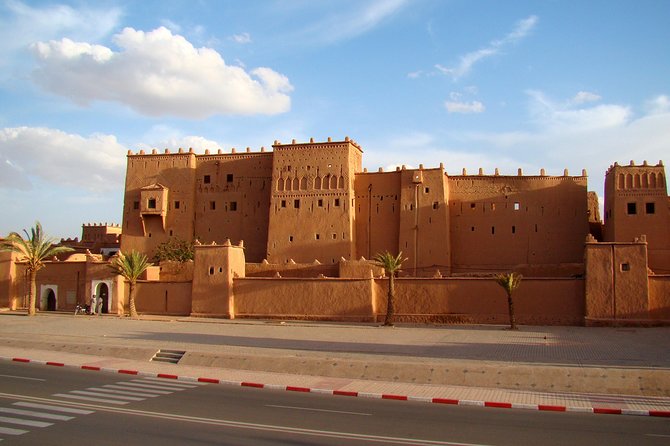
This day works for you if you like seeing how people actually live and worship, not just touring buildings from the outside. The program is built around faith in Morocco, and it includes a mix of Islam, Judaism, and Christianity: you’ll visit a major mosque in the description, spend time in the old quarter’s Jewish area, and also stop at a church (Notre Dame de Lourdes) plus a Museum of Moroccan Judaism.
One smart part of this structure is that it’s not only about dramatic landmarks. You also get a smaller, more human-feeling stop: a private museum inside a local home. That kind of stop often turns into good conversation—how communities remember, teach, and carry identity through daily life.
Then, after the city side of the day, the trip shifts toward the Atlas Mountains. Your time gets a change of pace: fewer alleys, more air, more walking trails, and a village lunch that feels like a pause instead of a rushed meal.
If you’re hoping for a heavy religious lecture, this won’t be that. But if you want a grounded, on-the-ground day—then yes, it delivers.
You can also read our reviews of more tours and experiences in Marrakech.
High Atlas Camel Ride and Argan Oil at the Berber Cooperative
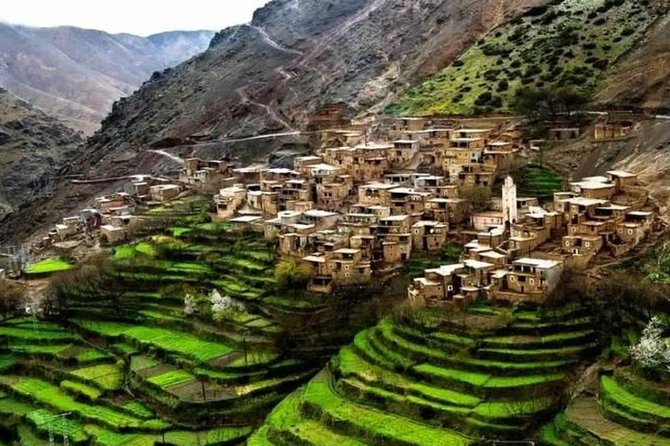
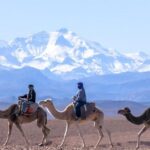
The mountain portion starts with a short drive out of Marrakech, and then you hit the fun immediately: a camel ride through the mountain scenery. The ride itself is typically short (one account describes it around 20 minutes), so it’s more of an experience button than a long trek.
Before or after the ride, you visit a Berber women’s argan oil cooperative. This is where the day becomes useful, not just scenic. You’ll see how argan oil is produced in a more traditional way, and you’ll also have a tea break with a local Berber family. Tea stops matter in Morocco for a reason. It gives you a moment to slow down, ask questions, and get past the “tour mode.”
A practical note for your shopping instincts: if you’re planning to buy argan products, compare prices. One write-up says the cooperative pricing felt higher than in Medina shops. That doesn’t make the cooperative experience wrong—it just means you should shop with open eyes, not automatic trust.
This is a great segment for first-time visitors who want “Atlas time” without committing to a full-day hard hike before lunch.
Imlil and the Hike to Armed Village (2,000m Options Included)
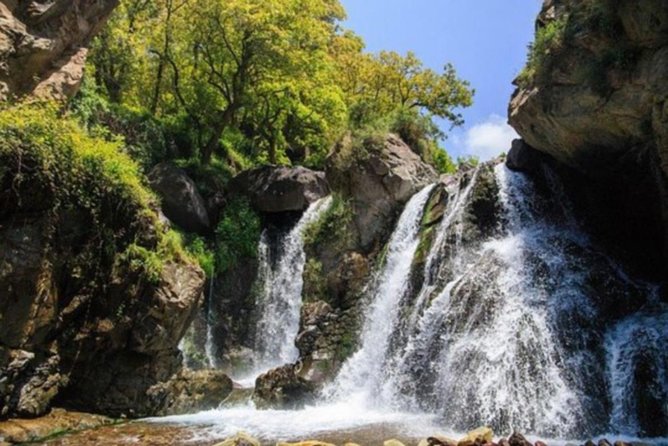
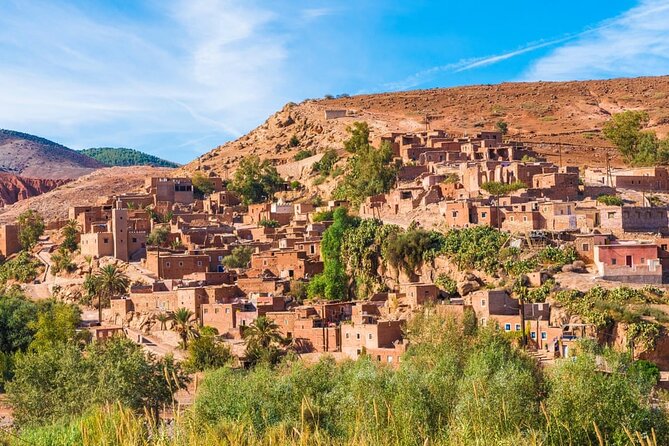
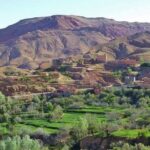
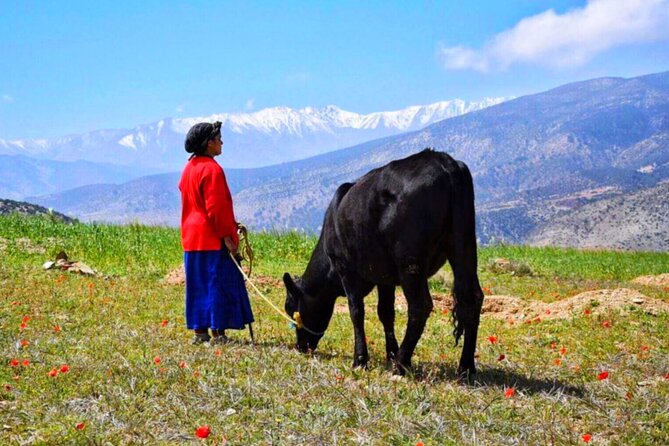
After the tea and mountainside moments, you head to Imlil, a popular base town for Atlas walking. From there, you start a guided walk through the valley toward Armed village at about 2,000 meters.
What I like about this setup is the built-in flexibility. The walk is part of the plan, but if you need help with the climb, a mule can take you up. That matters because the Atlas can feel steeper than it looks from town.
The hike time in the schedule is about 2 hours, and the route focuses on valley walking rather than technical terrain. Still, plan for real outdoors steps. Even if you’re fit, bring shoes that won’t complain on rocky ground.
Along the way, your guide can make the walking make sense. You’re not just moving from point A to point B; you’re learning how the valley connects villages, farmland, and mountain routes—simple things that help you understand what you’re seeing once you’re back in Marrakech.
This is one of the best parts of the day if you want the Atlas to feel close, not distant.
Berber Home Lunch With Mt. Toubkal Views
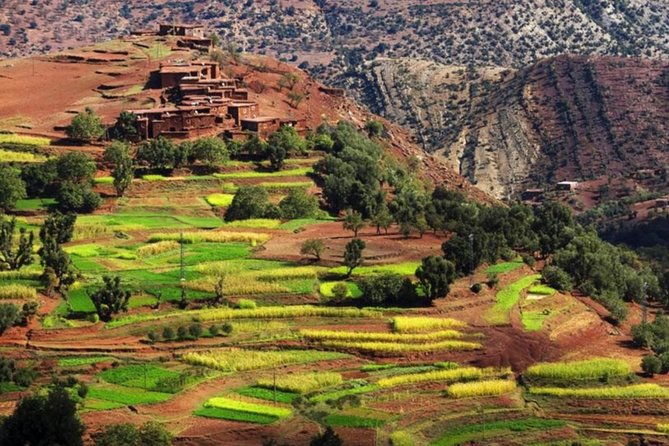
Lunch is where this tour starts feeling like Morocco, not just Morocco-shaped scenery. You’ll eat a homemade lunch in a Berber home, with views toward Mt. Toubkal and its sister peaks.
If you like food that comes with context, this is a good stop. The schedule includes time for you to try Berber cooking, not just watch it pass by. And because lunch is tied to the walking part, it feels earned without feeling punishing.
Here’s the practical caution: bring cash for lunch. One account says the lunch place didn’t accept card, so you don’t want to discover that after you sit down and everyone’s waiting.
Also, if you’re sensitive to altitude or sun, plan your pace. You’re going up to around 2,000m, and even on clear days, the sun can be strong. Water helps, and so does a little patience with the climb.
Bottom line: if you only care about camel rides and waterfalls, you may under-appreciate the lunch. If you like meeting people through food, you’ll likely remember this table.
Ourika Valley Walk and the Naqab Waterfall
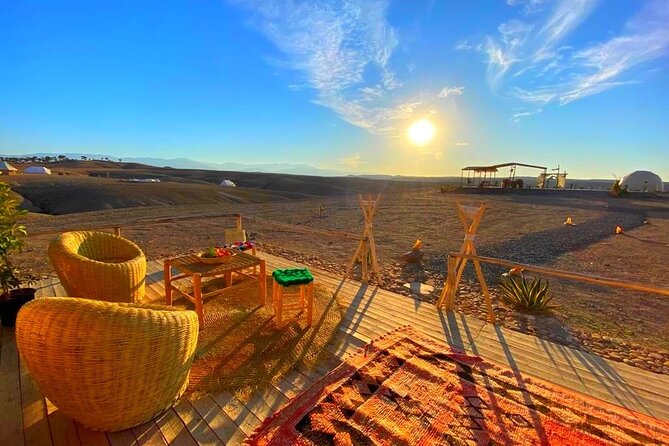
After lunch, the plan brings you back through the valley. You’ll walk toward the Naqab Waterfall, and the route includes time among old walnut trees, which gives the valley a cooler, greener feel than you might expect in this region.
The waterfall stop is the visual payoff of the valley portion. It’s not marketed as a giant theme-park moment, so don’t show up expecting crowds and infrastructure. Instead, think of it as a natural pause: quick photos, a little stretching, and a few minutes to take in the sound and the view.
Then you return to Imlil to meet your driver. From there, you ride back toward Marrakech, passing through the Ourika Valley on the drive. You’re typically dropped back around 4:00 PM, which helps if you still want dinner plans afterward.
This is a strong segment for couples, families, and solo travelers who want nature without the all-day grind. It also pairs well with the earlier city faith stops, because you finish with movement and light instead of ending in a museum.
Getting There: Private Vehicle, Pickup Timing, and Group Size
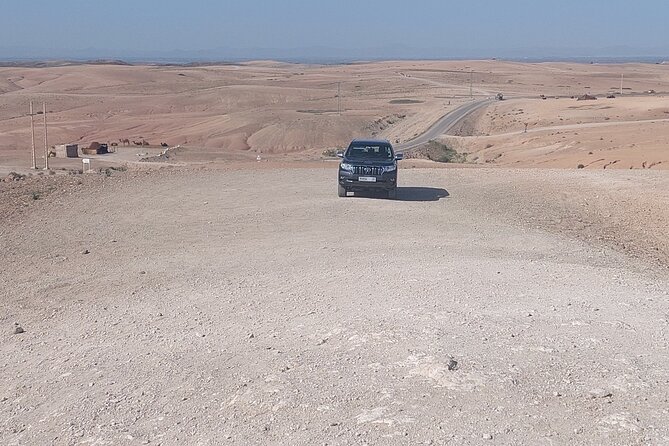
Logistics can make or break a day trip, and this one does a lot right on paper. You get pickup in Marrakech from your accommodation between 9:00 AM and 9:30 AM, and the tour uses a private vehicle. The group size is capped at 15 travelers, which is big enough to feel social, but small enough that your guide can usually stay engaged.
You’ll also have a mobile ticket, and entry fees are included. Those details matter more than they sound. Fewer surprises means you spend your energy on the day, not on lines and last-minute payments.
One caution: if you paid for a VIP or exclusive arrangement, confirm the vehicle details before you go. There was at least one reported mix-up about who was on the van. That isn’t the standard you should assume, but it’s worth checking so your expectations match what shows up at pickup.
If you want a day that doesn’t feel like a bus tour, this small-group setup helps.
Guides Who Can Explain What You’re Seeing
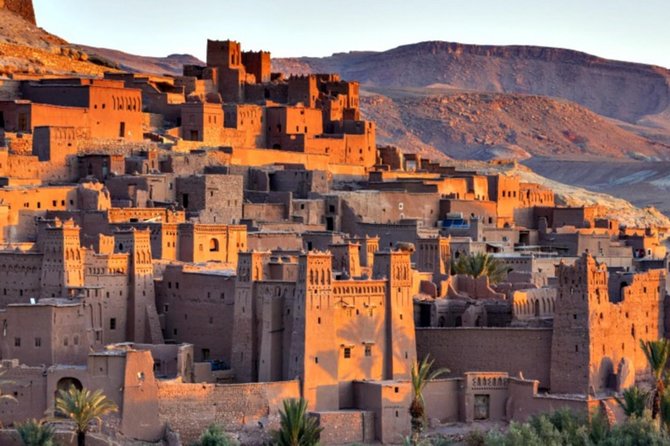
The guide experience is a major reason this tour earns a high rating. You’ll have a local English-speaking guide, and the names that show up most often in the feedback include Ayoub, Redouane, Mohamed Larbi, and Ahmed. Another name that comes up is Lahcen Mansour, plus Maria and others.
What those different guides have in common is how they connect the stops. They explain what you’re looking at—argan production, valley life around Imlil and Armed, why the Naqab Waterfall matters as a landmark, and how the city’s faith sites reflect Morocco’s mix of traditions.
Even the “small” moments land better with a good guide: the tea break becomes conversation, and the mule option feels like a supportive choice rather than a backup plan. If you care about understanding more than just photographing, this is where you’ll feel the value.
The one thing to keep in mind: the guide experience can vary by day. But based on the pattern of feedback and the consistent praise for warmth and attentiveness, you’re likely in good hands.
Price Value Check for $17.45 and What’s Included
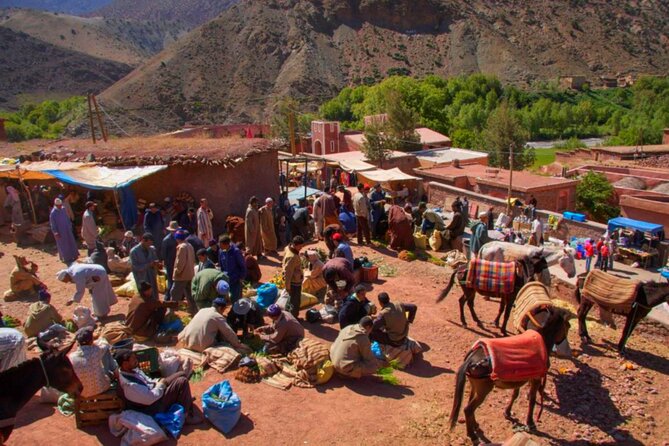
At about $17.45 per person, this is priced like a budget-friendly day trip. That price is the kind that makes you wonder what you’re giving up—unless you look closely at what’s included.
Here’s the value picture: pickup is offered, the group stays small, travel is in a private vehicle, and entry fees are included. You also get the camel ride and the full mountain village day: Imlil, a guided walk to Armed village, and a Berber home lunch. Then you add the Ourika Valley drive and the Naqab Waterfall walk.
In real terms, the tour saves you the time and hassle of stitching together transport, tickets, and a guide. You’re paying for coordination more than for luxury.
What you should watch: any optional spending like argan products purchases, and your lunch payment method if you want to avoid surprises. One lunch stop apparently didn’t accept card, so keep cash handy even if everything else feels “included.”
If your goal is to pack a meaningful Atlas day into limited time in Marrakech, this price feels like a smart deal.
What to Pack and Small Practical Tips
To enjoy this day comfortably, plan for both city time and mountain time. Here’s what you’ll actually need.
First: comfortable walking shoes. You’ll do a guided walk toward Armed village and another walk toward Naqab Waterfall. Even if the terrain is manageable, you’re still on foot for a few hours total.
Second: sun and layers. High Atlas air can feel cool in the morning and then warm up quickly once you’re walking. Light layers help.
Third: bring cash. Based on a reported lunch stop, card may not work. Also, if you want to buy argan oil products, cash is useful for smaller purchases.
Fourth: a small water bottle. You’ll have tea, but you still want water for the walk.
Finally: if you’re curious about the camel ride, note that at least one experience included dressing up in traditional outfits. You might get a similar touch, so don’t wear your most precious clothes.
This is a day where a little preparation buys you a lot of calm.
Who Should Book This Atlas and Villages Tour
Book this if you want a day that mixes faith context in Marrakech with real Atlas walking and village life. It fits well for:
- first-time Marrakech visitors who want more variety than markets and museums
- couples and friends who like guided explanation
- families with mixed fitness, because there’s a mule option for the climb
It’s not the best match if you want zero walking or if you get stressed by tight schedules. Even with the mule option, this is still an active half-day in the mountains, followed by a return drive.
If you’re especially sensitive about altitude, take it slow on the climb and consider your comfort level before committing.
For most people, though, the schedule is built around participation: you’re walking, eating, and seeing, not racing.
Should You Book? A Simple Decision Guide
I’d book this tour if you want your Marrakech time to include Atlas Mountains villages and a guided walk that ends with a Berber home lunch. The small-group size, pickup, included entry fees, and included camel ride make it a strong “one day, lots of value” choice.
I’d think twice only if you hate walking, dislike bringing cash for meal stops, or you’re counting on a very specific private/VIP vehicle setup. If that’s your situation, confirm the exact vehicle roster at pickup.
If you like practical culture as much as scenic views, this is a day that gives you both.
FAQ
How long is the Marrakech Atlas Mountains and villages tour?
It runs for about 7 hours.
What time does pickup usually happen in Marrakech?
Pickup from your accommodation is scheduled between 9:00 AM and 9:30 AM.
Is the camel ride included?
Yes, a camel ride activity is included.
Are entry fees included in the price?
Yes, all entry fees are included.
Where does lunch happen during the mountain part of the day?
Lunch is served in a Berber home after the guided walk toward Armed village.
Do I need cash for lunch?
Plan to bring cash. One lunch stop described in the information didn’t accept card.
How much walking is involved, and is there any help on the climb?
You’ll do a guided walk toward Armed village, and a mule can take you up if needed.
What is the waterfall stop called?
The walk includes a stop at Naqab Waterfall.
What is the group size limit?
The tour has a maximum of 15 travelers.
Is there free cancellation?
Yes. You can cancel up to 24 hours in advance for a full refund.