REVIEW · MARRAKESH
Marrakech: 3-Day Desert Tour to Zagora Desert via Ouarzazate
Book on GetYourGuide →Operated by Ando Travel Ltd · Bookable on GetYourGuide
Camel light meets Atlas roads. This 3-day Marrakech to Zagora desert trip mixes UNESCO history with real rural Morocco, then finishes with the kind of sunrise you remember for years. I like how the day-by-day pace balances driving time with actual stops, especially the guided visit to Kasbah Ait Benhaddou and the cultural stop at the Tamegroute Library.
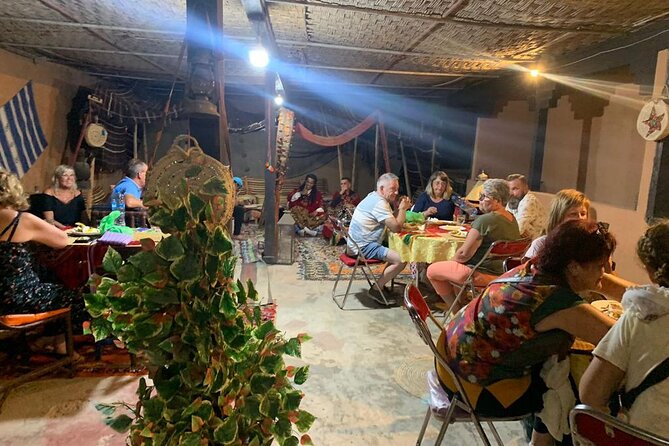
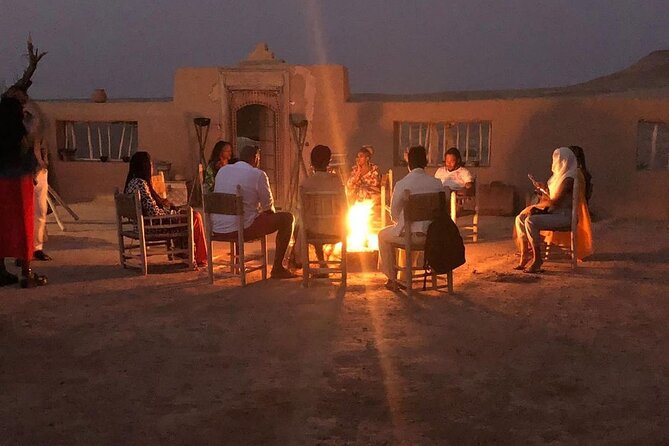
I also like that the experience doesn’t just point you at a camel and walk away. You get both sunset and sunrise camel treks, plus dinner and breakfast at a Berber-style desert camp in the Zagora area, which makes the desert feel like a place you live in for a night, not a photo stop.
One consideration: the trip is long on the road (Atlas Mountains one day, then Draa Valley the next), so if you hate car time, this won’t magically fix that. Pack for temperature swings and bring your patience—Morocco rewards it.
In This Review
- Key highlights worth planning around
- Marrakech to Ait Benhaddou: UNESCO kasbah, Atlas bends, and first-day energy
- Ouarzazate stop: film-studio energy and a real base before the desert
- Draa Valley and Tamegroute: palms, pottery workshops, and manuscripts
- Zagora camel trek and desert camp: sunset, sunrise, and the comfort surprises
- Is $117 per person worth it for Marrakech to Zagora?
- Timing, road reality, and how to avoid the common annoyances
- What to pack for a Zagora desert night (and why it matters)
- Who this tour suits best (and who should choose another plan)
- Should you book the Marrakech to Zagora 3-day tour via Ouarzazate?
- FAQ
- What does the tour price include?
- Are meals like lunch and drinks included?
- What sites do we visit on the way to Zagora?
- What should I wear or bring for the desert?
- What days does the tour depart, and when do we return?
- Is the tour wheelchair accessible?
Key highlights worth planning around
- UNESCO Kasbah Ait Benhaddou guided tour with time to understand the mud-brick architecture
- Ouarzazate stop in the Sahara “gateway” region, with a real feel for local city life
- Tamegroute Library visit tied to rare manuscripts dating back to the 1500s
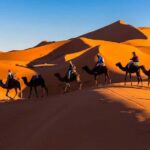
- Camel trek to the Zagora dunes with both sunset and early sunrise timing
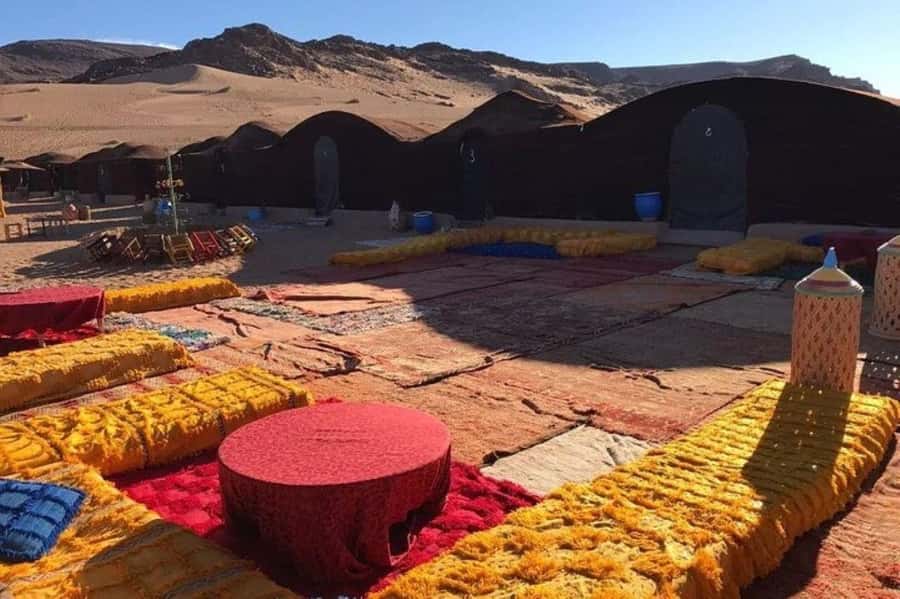
- Desert camp with private tent and dinner plus breakfast included
- Driver flexibility in rough weather, including route adjustments when the Atlas pass is blocked by storms
Marrakech to Ait Benhaddou: UNESCO kasbah, Atlas bends, and first-day energy
Day 1 starts with pickup from your hotel or riad in Marrakech. If your riad is tucked inside the Medina and vehicles can’t reach it, you’ll walk a short distance to where the car can pick you up—worth planning for with shoes that won’t punish your feet after a few hours of driving.
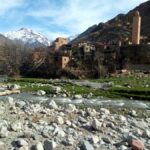
From Marrakech, the route climbs toward the Atlas Mountains. Expect rugged views, winding mountain roads, and villages that look like they’ve been there forever. The drive itself is part of the payoff because it sets expectations: the desert tour isn’t just one long line to sand; it’s a gradual change in scenery and way of life.
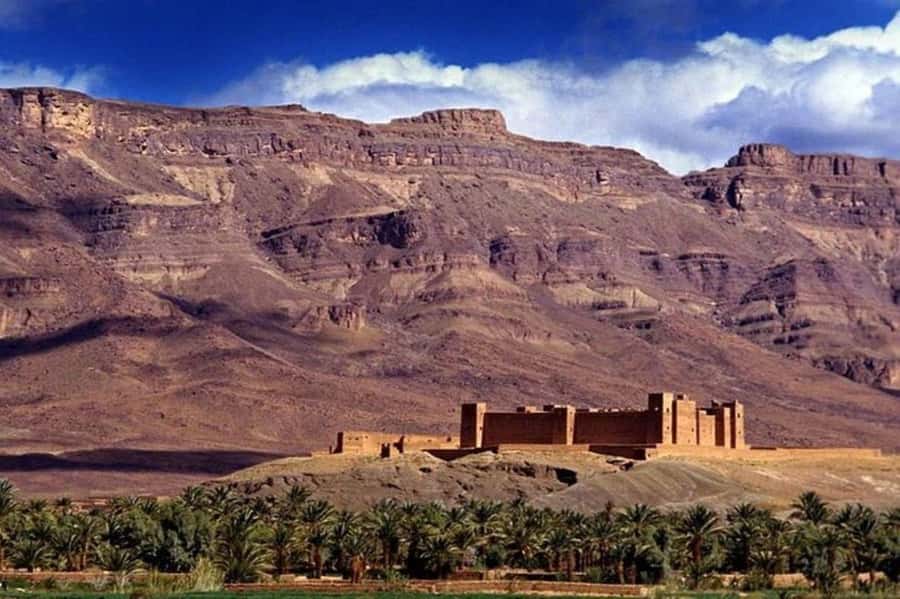
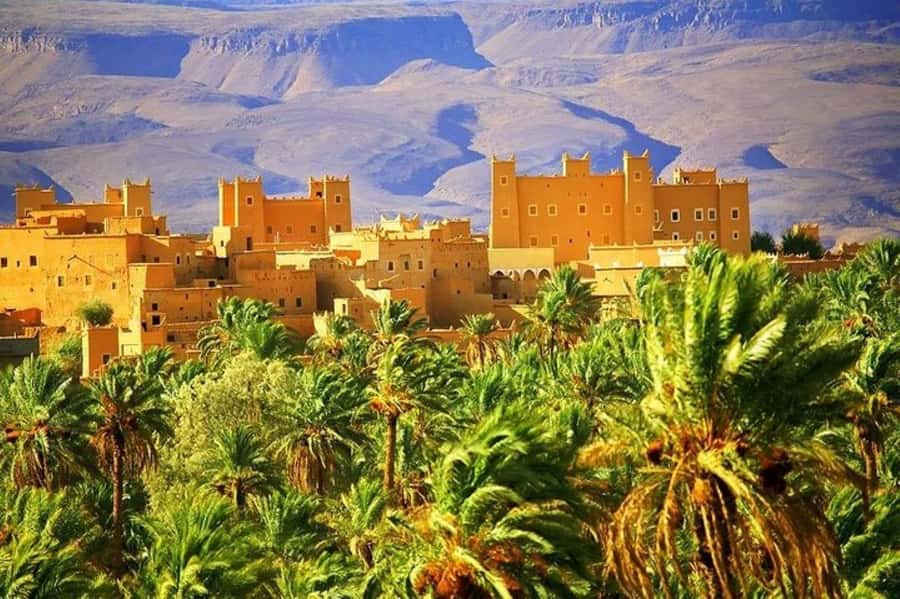
Then comes Kasbah Ait Benhaddou, the UNESCO-listed fortified settlement. A guided visit here matters. You’ll see how the mud-brick buildings are laid out and how the architecture was built to survive harsh conditions. Ait Benhaddou also has a famous film background, so even if you’re not a movie buff, you’ll likely recognize the look. The best part is getting context instead of just walking through a set.
After lunch, you continue on toward Ouarzazate, often called the Gateway to the Sahara. This is also where Moroccan road time becomes more practical: long stretches can feel repetitive unless you’re ready to enjoy small roadside moments—views, villages, and the shifting colors of the mountains.
For the night, you’ll sleep either in Ait Benhaddou village or in Ouarzazate city, depending on logistics and availability. Dinner is included, and that first meal is usually a good reset after travel—simple, warming, and very much Moroccan.
A few more Marrakesh tours and experiences worth a look

Ouarzazate stop: film-studio energy and a real base before the desert
Ouarzazate can feel like a crossroads town, and that’s exactly why it’s a smart stop on a Zagora desert itinerary. The region is tied to film studios, but you don’t just see industry—you also get a practical sense of daily life in the south. It’s a place where you can stretch your legs, grab a slower moment, and mentally shift from Marrakech rhythm to Sahara rhythm.
Your driver is English-speaking (and in some cases also French or Arabic). That makes the difference when you want explanations about what you’re seeing—especially at the kasbah, the valley stops, and when timing changes.
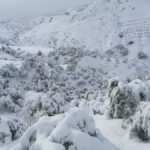
If weather turns ugly, this tour also has real-world flexibility. One driver, Mustapha Fadli, has handled situations where the Atlas pass was closed due to a snowstorm and the group ended up waiting in a village and adapting the plan. That’s not something you want to happen, but it’s reassuring to know the trip doesn’t fall apart if the road gets blocked. The Sahara doesn’t care about schedules; Morocco drivers do.
Draa Valley and Tamegroute: palms, pottery workshops, and manuscripts
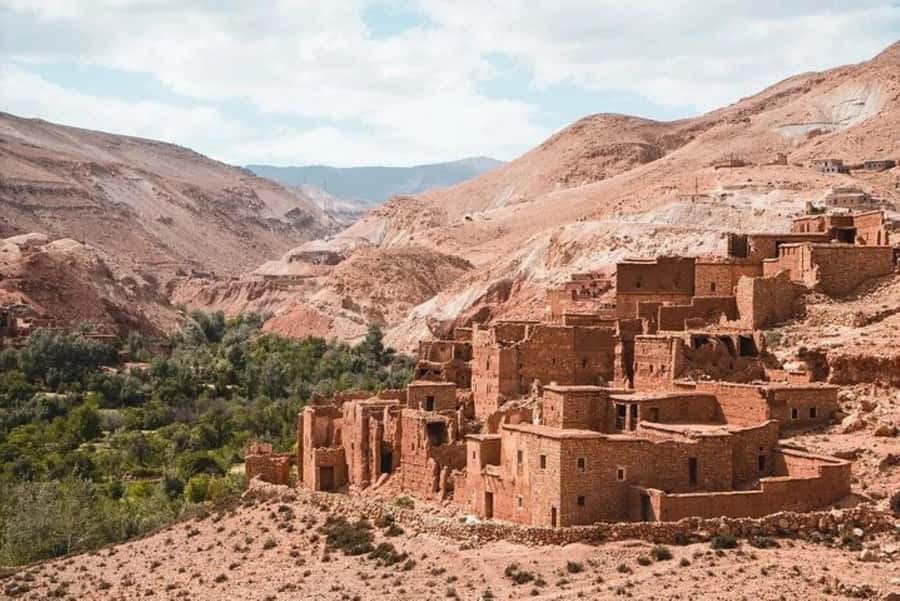
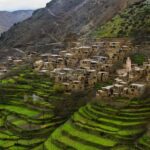
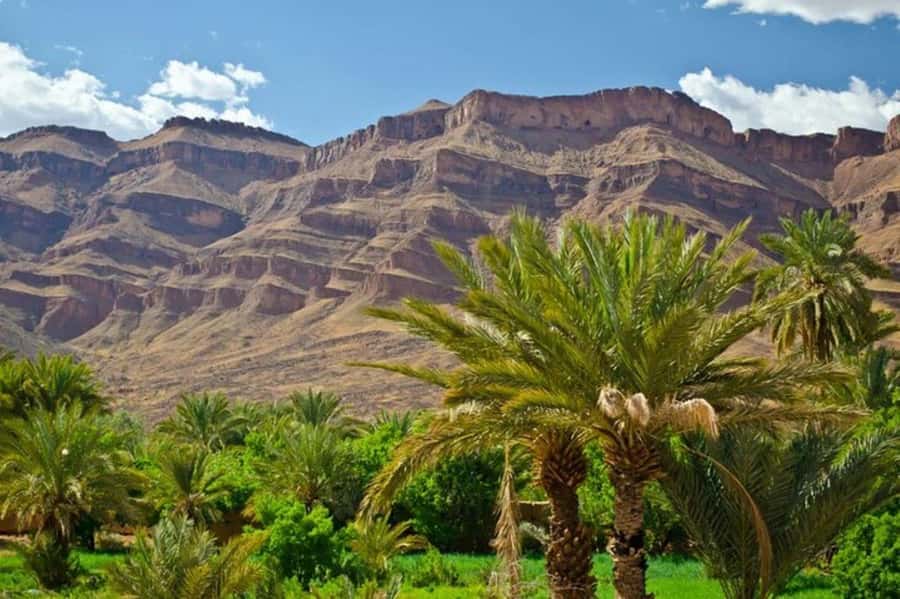
Day 2 shifts from mountains to the Draa Valley, with palm groves, kasbahs, and small villages along the route. This is one of those drives that feels more lived-in than dramatic. You’ll be watching for how communities use the land—especially where palms grow in rows and where older mud-brick forts sit like quiet sentries.
After breakfast, you stop at Tamegroute, known for cultural heritage and traditional craftsmanship. The centerpiece is the historic Tamegroute Library, where you can learn about rare manuscripts and books—some dating back to the 16th century. This isn’t just a “museum stop.” It gives you a sense of how knowledge moved through Morocco long before the modern world arrived with screens and fast Wi-Fi.
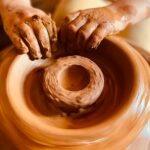
Then you’ll also see green pottery traditions. Tamegroute is known for traditional green pottery, and you can visit a local workshop to watch artisans working. For me, the workshop is the part where the trip stops being abstract. Watching the process helps you understand why these crafts survive: people are still making things, still passing on techniques.
Lunch is not included, so keep a little flexibility in your expectations for timing. If you get hungry, ask your driver what’s nearby. A small plan helps avoid the stress of “when do we eat?” during a long day.
After Tamegroute, you continue toward Zagora, sometimes called another kind of Sahara gateway. The road keeps going, but your mental focus shifts: today, the desert camp is no longer a concept. It’s the next stop on the map.
Zagora camel trek and desert camp: sunset, sunrise, and the comfort surprises
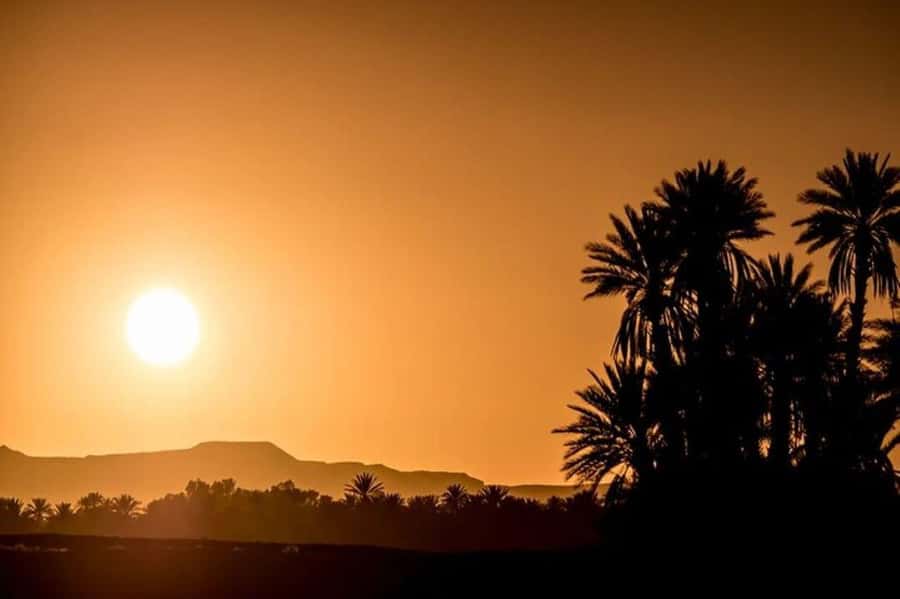
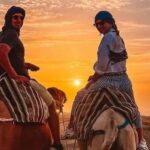
In Zagora, you’ll do a camel trek to reach your desert camp. The key detail here is that you get both sunset and sunrise camel experiences. That timing is the whole point. Midday desert can be harsh; early light is softer and makes the dunes look more sculpted.
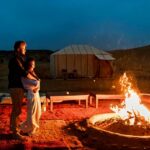
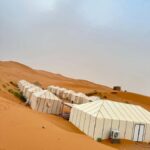
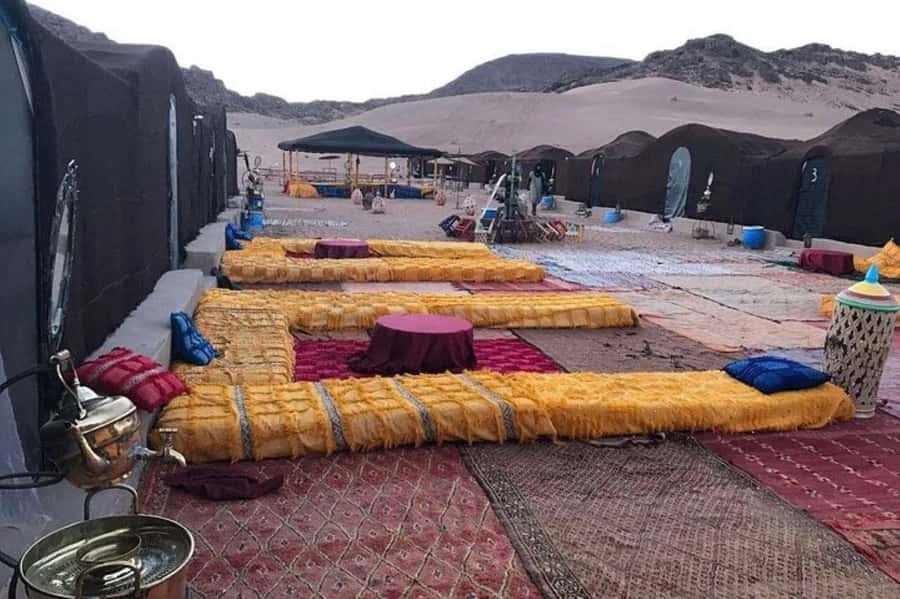
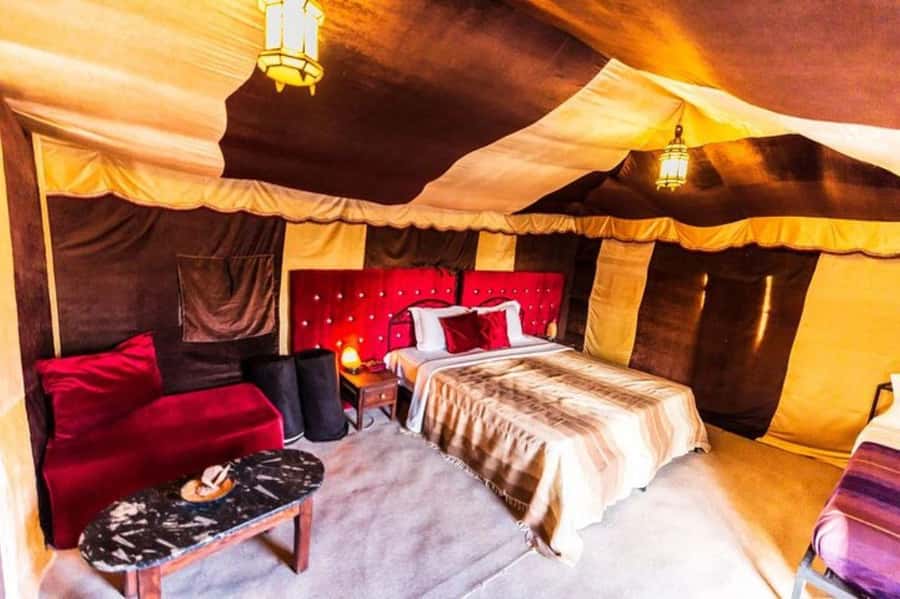
At the camp, you’ll have a private tent and included dinner. Nights in the desert sound romantic, and they can be. But they’re also practical. Even when the day is warm, evenings can be chilly fast. Bring warm clothing, and don’t treat a light layer as a joke.
Dinner is included, and it’s often one of the highlights because it’s traditional and served in a way that feels connected to the setting. One group described the flavors as an explosion, which matches my general rule: food travels well in the desert. Your appetite wakes up fast.
Before your tent check-in, you might get a small comfort setup depending on camp logistics. In one account, the group was shown into an air-conditioned apartment first so they weren’t waiting in the heat before moving to the tent. Camps can vary, but it’s smart to know that comfort can happen before you head into the more basic desert setup.
One note that matters for expectations: the dunes around Zagora are impressive, but they may not stretch to the horizon like some Sahara postcards. What you do get are interesting rock formations, and in some areas you can even climb them. That’s a good reminder: don’t only aim your camera at sand. Keep your eyes open for terrain features.
On the final day, you’ll wake up early for sunrise, then have breakfast at camp before heading back. The return is long—Draa Valley again, Atlas Mountains again—so sunrise is both a view and a reality check: the trip is almost over.
Is $117 per person worth it for Marrakech to Zagora?
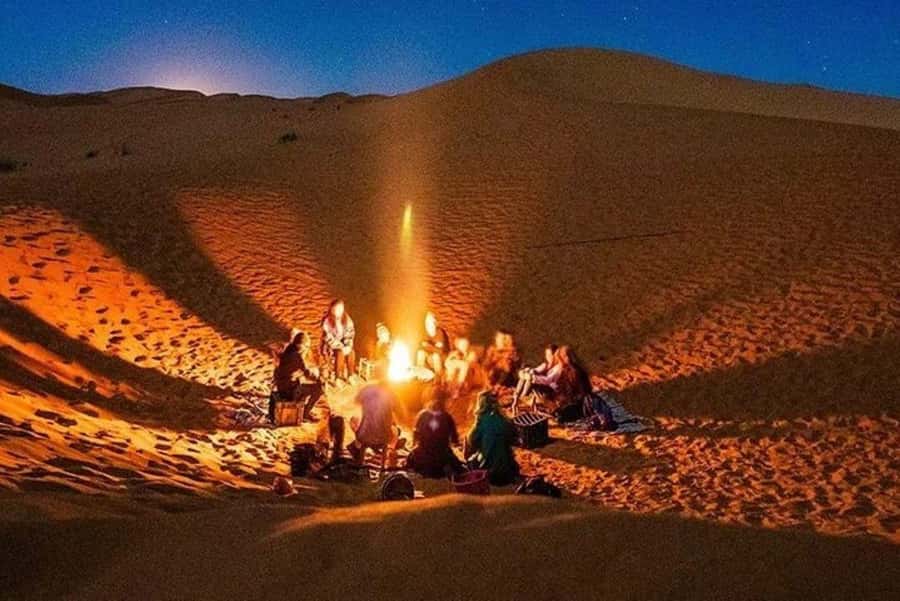
At $117 per person for 3 days, this falls into a mid-range category for a desert tour that includes transport, camp, and meals. The value comes from what’s bundled:
- Hotel/riad pickup and drop-off in Marrakech
- Air-conditioned minibus or 4×4 transport
- 1 night in Ouarzazate or Ait Benhaddou with half board
- Camel trek at sunset and sunrise
- Private tent at a Berber-style camp
- Dinner and breakfast included
What pushes it up toward good value is the inclusion of two meals packages (half board for the first night and full camp dinner/breakfast), plus the transport and camel treks. What can change your out-of-pocket total is what’s not included: lunches, drinks, bottled water, and optional local guides (recommended at about €3 per person). If you snack and buy extra drinks along the way, your spending rises quickly—so treat water like a “must budget” item.
Also, you’re not paying extra for a “big shopping day.” Instead you’re paying for driving time, guided time at key sites, and an actual desert night. That’s the kind of value that tends to feel fair after the trip, not just before it.

Timing, road reality, and how to avoid the common annoyances
This tour runs every Thursday and Friday only. If you’re visiting Marrakech midweek, you’ll need to line up around those departure days.
Return timing is typically around 8:30 pm back near Djemaa El Fna. That’s late enough that it’s smart not to schedule a heavy dinner appointment immediately afterward. Plan for a simple meal near your riad or hotel, then sleep.
Your driver is English-speaking and transportation is by air-conditioned minibus or 4×4. For a road trip through Morocco’s mountains and valleys, air-conditioning helps, but what really matters is comfort over time: sit back, drink water (if you have it), and take in the view during stops rather than trying to memorize everything from the moving car.
A small but real logistics detail: the pickup is from accessible locations. If you’re inside the Medina, you’ll likely walk to meet the vehicle. That walk can be longer than you expect if your riad is far in. I’d ask your hotel for the nearest vehicle-accessible point before you go to avoid confusion.
Finally: no smoking, no littering, and no alcoholic drinks in the vehicle. That’s not just rules for rules’ sake. It’s part of keeping the ride comfortable for everyone.
What to pack for a Zagora desert night (and why it matters)
Desert tours punish “I’ll just wear whatever” logic. Bring:
- Comfortable shoes for uneven paths and short walks in towns and at stops
- Warm clothing for evenings
- Sun hat, sunscreen, and sunglasses (the sun can be intense even when the air is cool)
- Water, plus extra snacks if you’re a slow eater
- Camera (and extra battery—cold can drain power)
Temperatures vary across the Atlas and desert nights, so dress in layers. That way you can handle the cool morning, warm day, and colder night without feeling trapped in one outfit.
Also, bring cash for personal expenses. ATMs may not be readily available out on the route, so it’s easier to manage spending when you already have some money in hand.
Who this tour suits best (and who should choose another plan)
This is a strong fit if you:
- Want a classic Morocco route from Marrakech toward the Sahara
- Like a mix of guided culture (Ait Benhaddou, Tamegroute) and outdoor time (camel trek, camp)
- Prefer small-group or private-style attention rather than a chaotic cattle-car experience
It’s not suitable for wheelchair users based on the tour details provided.
If you hate long driving days, you might feel the road stretches your energy. You can still do it, but go in with realistic expectations.
Should you book the Marrakech to Zagora 3-day tour via Ouarzazate?
I think you should book this tour if you want the full Moroccan “story arc” in a tight 3 days: Atlas mornings, UNESCO kasbah time, a meaningful cultural stop at Tamegroute, then desert sunset and sunrise with a real overnight at camp.
Skip it (or choose a different format) if you’re looking for a short, easy trip with minimal time on the road. This one is about journey as much as it is destination.
If you do book, message your operator with your hotel or riad details early so pickup runs smoothly. And pack for cold nights—because in the desert, comfort is the difference between a great memory and a quick shiver.
FAQ
What does the tour price include?
The tour includes Marrakech hotel/riad pickup and drop-off, air-conditioned transport (minibus or 4×4), an English-speaking driver, one night in Ouarzazate or Ait Benhaddou with half board, camel trek at sunset and sunrise, a private tent at a Berber desert camp, plus dinner and breakfast.
Are meals like lunch and drinks included?
Lunches are not included, and drinks are not included. Bottled water is also not included.
What sites do we visit on the way to Zagora?
You’ll visit UNESCO-listed Kasbah of Ait Benhaddou with a guided visit, stop in Ouarzazate, visit the Tamegroute Library, and explore Tamegroute’s traditional green pottery workshop before continuing to Zagora.
What should I wear or bring for the desert?
Bring comfortable shoes, warm clothing for evenings, a sun hat, sunscreen, and a camera. Water is also important since bottled water isn’t included.
What days does the tour depart, and when do we return?
Departure is every Thursday and Friday only. The return is around 8:30 pm near Djemaa El Fna.
Is the tour wheelchair accessible?
No. The tour is not suitable for wheelchair users.