REVIEW · MARRAKESH
Marrakech: 3-Day Atlas Mountains Berber Villages Trek
Book on GetYourGuide →Operated by Marrakech Day Trips - Tours · Bookable on GetYourGuide
Three days, slow time, huge views.
This High Atlas trek from Marrakech focuses on village life in the Berber countryside, with overnight stays in family guesthouses and daily hiking that keeps you moving through dramatic mountain valleys. I especially like how the route avoids the big summit push and instead rewards you with real rural rhythms—walking paths between homes, tea stops, and the kind of hospitality that feels personal rather than staged. One thing to keep in mind: it is not set up for everyone, since it is not suitable for pregnant travelers or people with mobility impairments.
I also love the way the trip runs on practical support. You get hotel pickup and drop-off, a licensed local guide, mule assistance for extra bags, and all meals included, so you can hike without hauling your whole life uphill. And the cultural context is not just a few sentences on a bus—guides like Mohamed, Abdul, Hussein, Ismail, Mustapha, and Ibrahim (all named by guests in their accounts) tend to explain village history and how life has changed.
The possible drawback is what you should expect from the mountains: basic accommodations and some steep ups and downs. Even when the hiking is described as not technically difficult, the altitude (often around 2000m, with passes higher) and mountain weather can make the pace feel tougher than you expect, so checking conditions before you go is smart.
In This Review
- Key Things That Make This Trek Worth It
- Why This Atlas Trek Feels Like Real Berber Life
- Trekking Levels and Altitude: What You Can Expect on Foot
- Day 1: Imlil to Tizi n’ Tamaterte, Then Tachdirt
- Day 2: Oudit Pass at 2200m and the Optional Hamam at Ait Aissa
- Day 3: Azib Tamsoulte Waterfalls, Mzik Pass 2500m, and Back to Marrakech
- Meals, Guesthouses, and the Real Reason You Stay Put
- Guides, Safety, and the Small-Group Pace
- Packing Tips That Actually Help in the High Atlas
- Price and Value: Is $159 Fair for Three Days?
- Who Should Book This Trek (and Who Should Skip It)
- Should You Book This 3-Day Marrakech Atlas Mountains Trek?
- FAQ
- Where do they pick me up in Marrakech?
- How long is the trek each day?
- Is this trek suitable for beginners?
- What’s the highest altitude on the route?
- Do meals and lodging come with the price?
- Do I need to carry everything myself?
- Is there a hamam during the trip?
- Are there waterfall stops?
- What languages can the guide speak?
- What should I bring?
Key Things That Make This Trek Worth It
- Three valley days with Berber village time, not a Toubkal summit grind
- Licensed guide care, with names like Mohamed, Hussein, and Ismail often mentioned
- Mule support so you hike lighter and enjoy the views more
- Overnight stays in family guesthouses and simple refuges with included meals
- Waterfall time plus high passes, including Mzik Pass at 2500m
Why This Atlas Trek Feels Like Real Berber Life
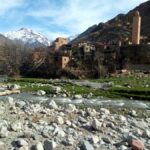
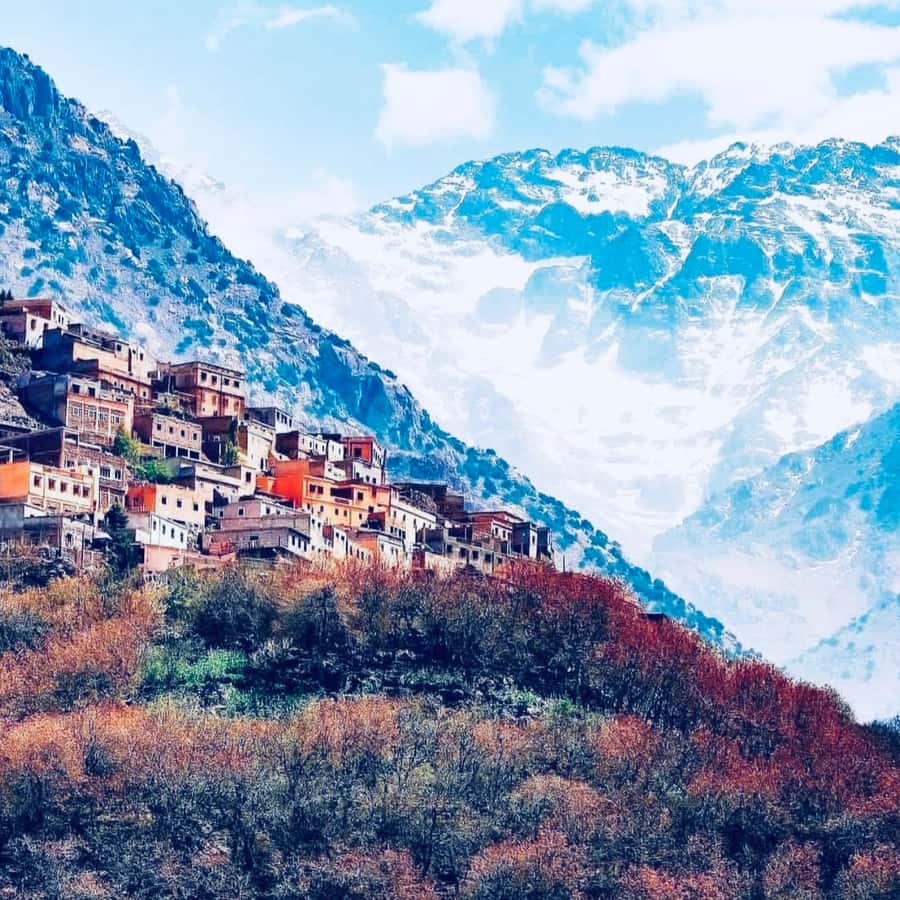
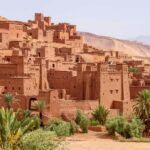
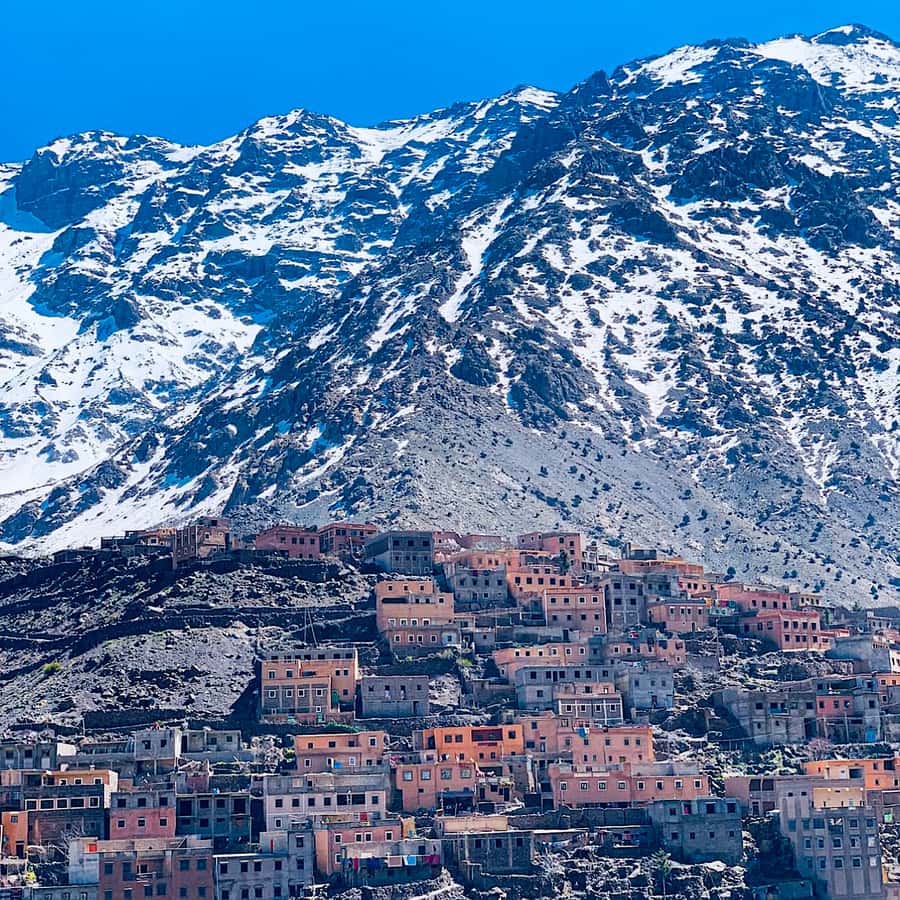
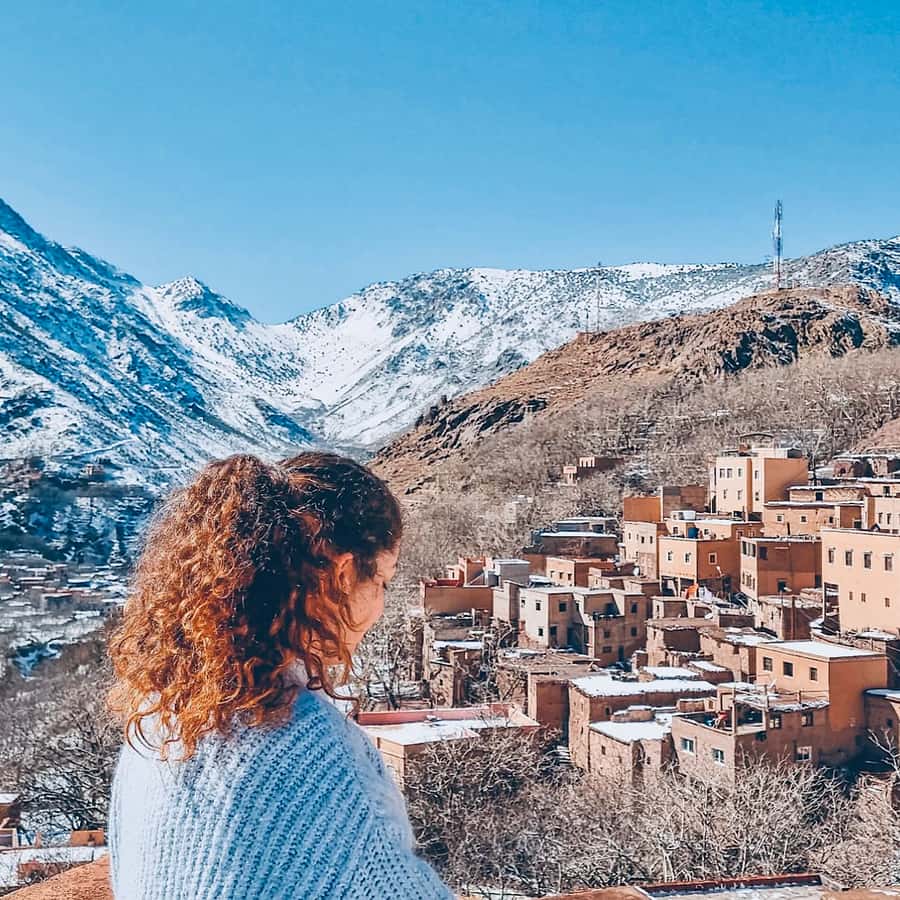
This is the kind of Morocco trek that trades postcard intensity for everyday authenticity. The focus is the Berber villages of the High Atlas—small places where stone houses, terraced fields, and daily routines matter more than ticking off dramatic landmarks.
You also avoid the usual “summit-or-nothing” mentality. Instead of training for Jebel Toubkal, the trail keeps turning toward villages, valley walking, river banks, and waterfall moments—so your days feel varied, human, and grounded in the countryside.
And you feel the people behind the welcome. One of the biggest repeat themes in guide stories is how much time guides spend explaining village life and change over the years, not just walking directions. If you like learning while you move—without feeling lectured—you’ll enjoy this style.
You can also read our reviews of more hiking tours in Marrakesh
Trekking Levels and Altitude: What You Can Expect on Foot
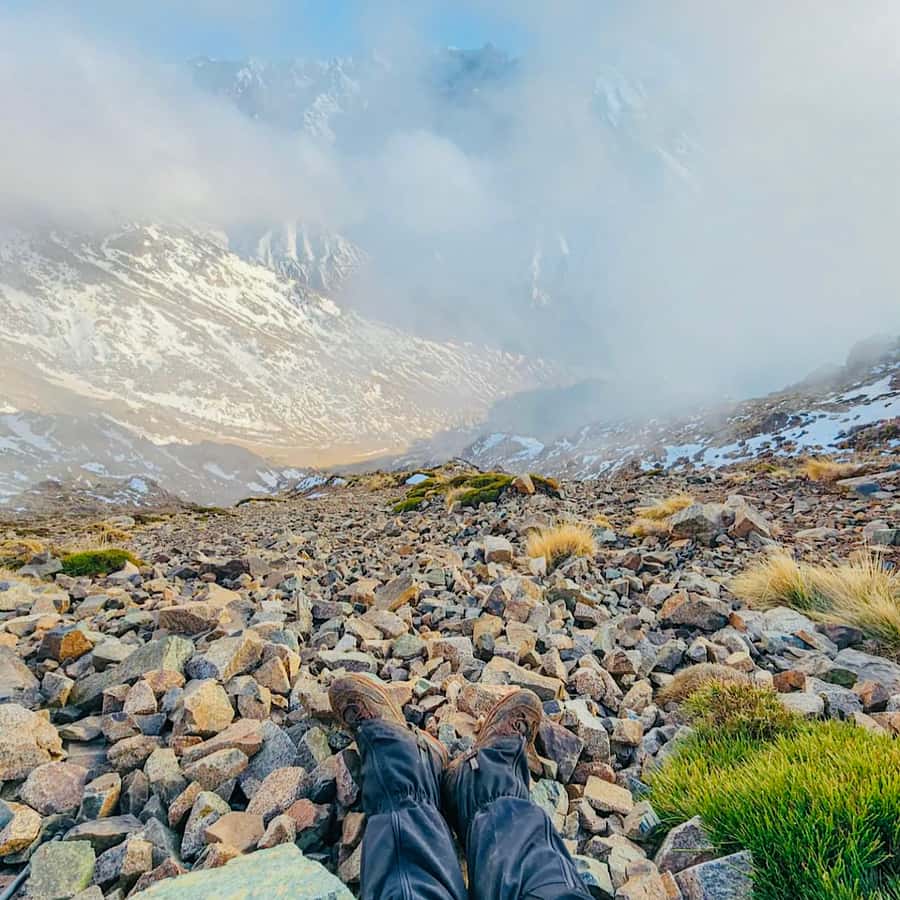
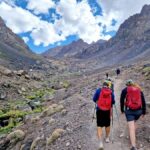
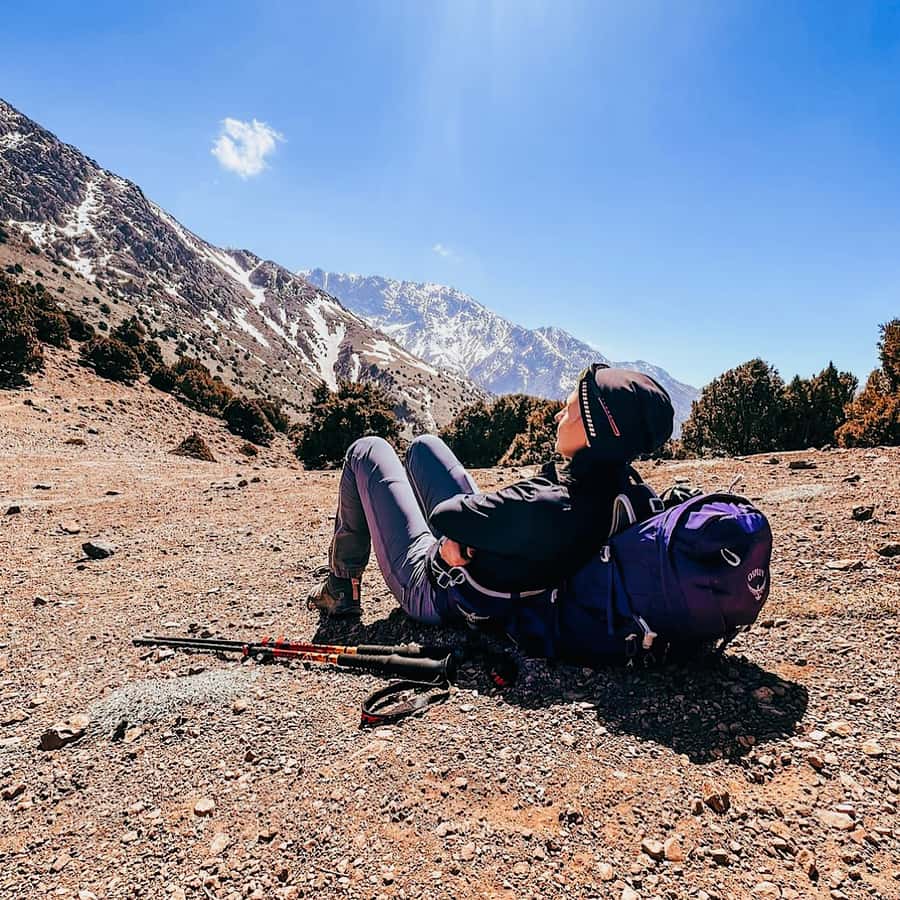
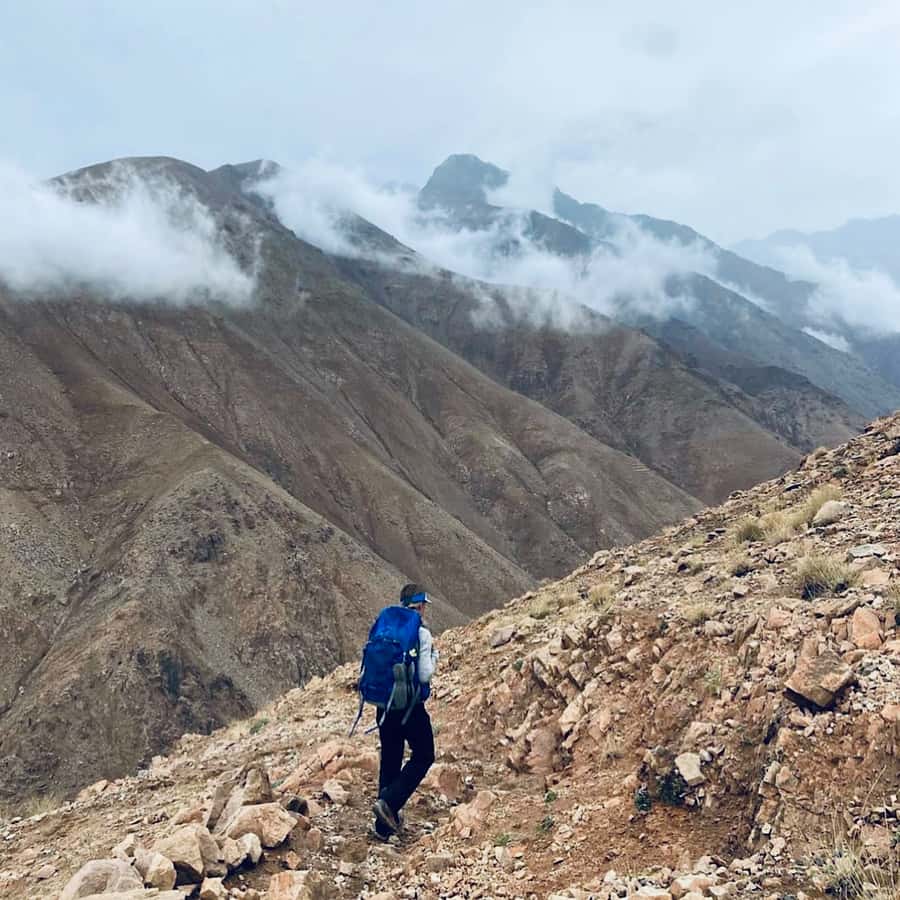
This trek is described as not technically difficult, and you do not need previous mountaineering experience. Still, it is hiking at altitude with regular climbs and descents, so you’ll want comfortable control on uneven paths.
The hiking height is usually around 2000m, and the route climbs to passes that reach 2300m, 2200m, and 2500m. That means the air can feel thinner on the higher sections, and you may slow down for a better rhythm rather than rushing.
Each day has its own “effort shape”:
- Day 1 is shorter but still a meaningful climb to a high pass.
- Day 2 includes another higher pass and longer hiking time.
- Day 3 mixes a waterfall visit with a very high viewpoint pass before the descent.
If you’re fit enough to hike for 5–7 hours and you’re okay with steep moments, this fits well.
Day 1: Imlil to Tizi n’ Tamaterte, Then Tachdirt
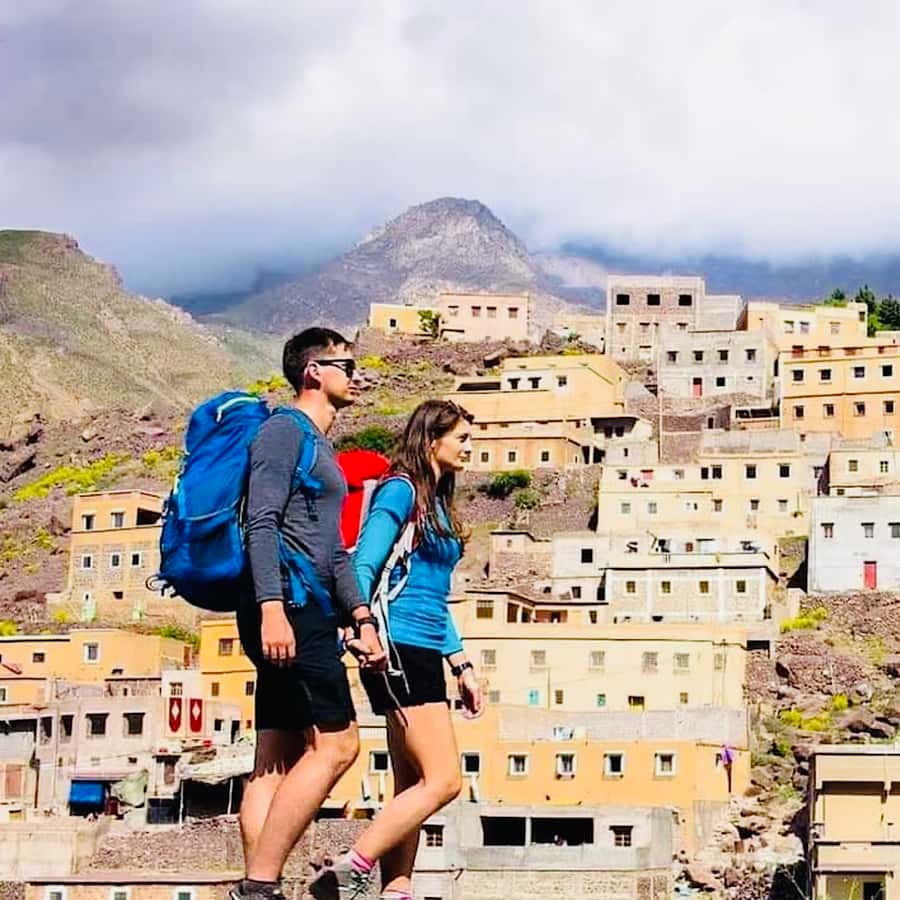
You start from Imlil (1740m) and head toward the first big altitude moment: Tizi n’ Tamaterte (2300m). The first day is about 5–6 hours walking, with a lunch stop on the pass after you cross that high point.
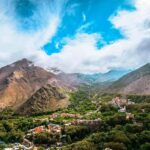
This is a great day for settling into the trail. You’ll feel the shift from the easier valley stretches into the steeper climb, and once you reach the pass you get that classic High Atlas reward: open views across mountain ridges and down into the plains.
After lunch, the trail continues to the last village of the day, Tachdirt (sometimes described as Tinghourine depending on the exact village naming). You finish in the early evening with overnight stay at a guesthouse—simple, family-run, and the kind of place where the mountain day ends with warmth rather than fuss.
Practical bonus: at the start you can usually lighten your load. One guest described dropping bags you don’t need for the hike, with the mule carrying them onward to the next accommodation. That’s a real quality-of-life upgrade.
Day 2: Oudit Pass at 2200m and the Optional Hamam at Ait Aissa
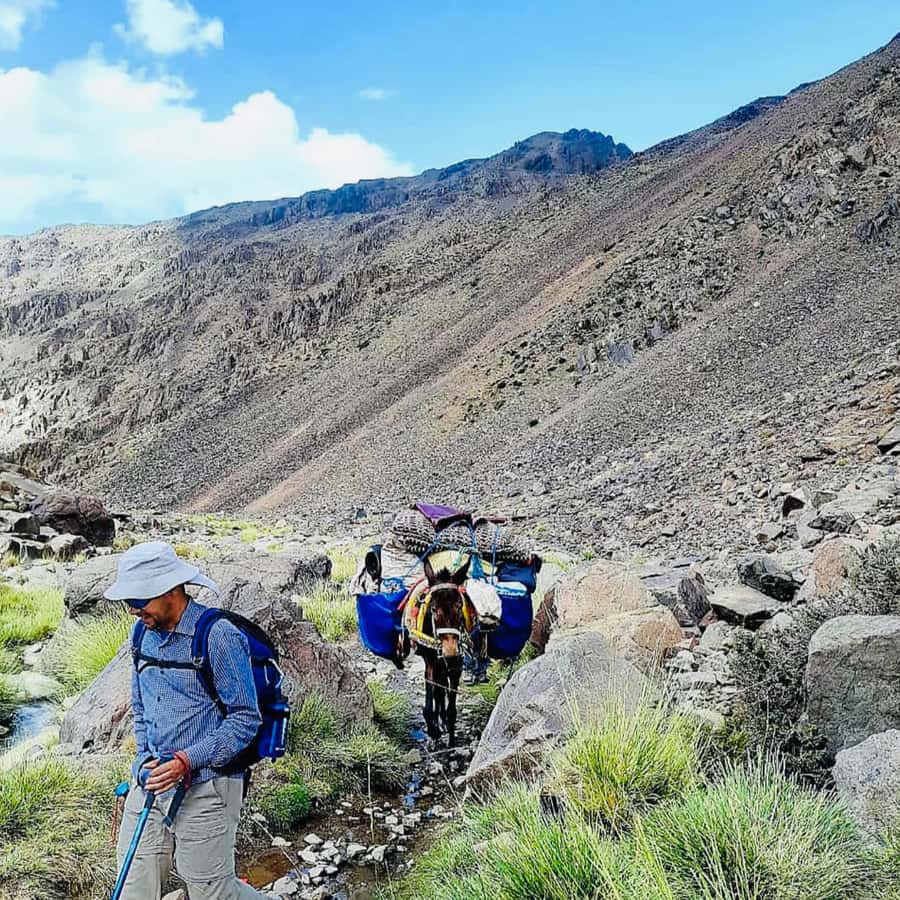
Day 2 runs about 6–7 hours and takes you through more villages and viewpoints. You move from Tinghourin/Tachdirt toward Ikkis and then to Aguersiwal (2100m), followed by Matat, and onward to Ait Aissa.
The trail passes the Oudit Pass at 2200m, which is where you’ll likely feel both the altitude and the open-air views most. This is also the day where the hike starts to feel less like a route and more like a slow connection through the countryside—homes, paths, and small valley scenes that make the trek feel local.
In the evening, Ait Aissa is where you get the chance to reset. You stay in a gite, and there’s an optional hamam (steam bath) if you would like it. Even if you skip it, the idea is good: you’ll have a real place to recover after a full hiking day.
Accommodation here tends to be basic but functional. The value comes from the included meals and the family setting—not hotel comforts.
Day 3: Azib Tamsoulte Waterfalls, Mzik Pass 2500m, and Back to Marrakech
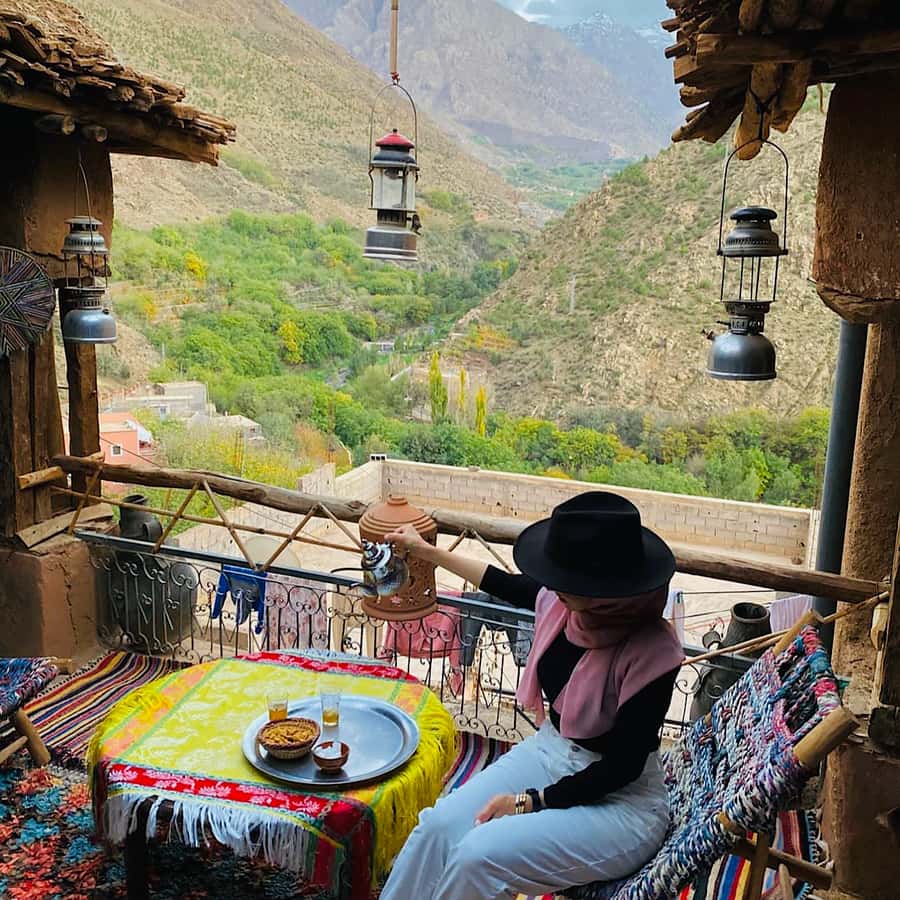
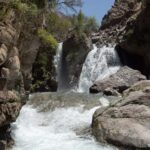
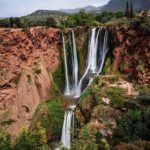
The final day starts with water. You visit the biggest waterfalls in the area inside Toubkal National Park, and the experience is tied to highlights like the waterfall at Azib Tamsoulte. If you’ve been hiking for days, a waterfall stop feels like a reset button—cool air, a different soundscape, and a chance to take photos without pushing pace.
After that, you join the path over Mzik Pass at 2500m. The viewpoint here looks over the Ait Mizan valley, and it’s one of those moments where you understand why this route keeps pulling people upward even when the trail feels steep.
You’ll have lunch in Mzzik, then trek down to Imlil for the end of the hiking portion. From there, there’s a transfer back to Marrakech, so your day ends with less scrambling and more practical closure.
This day is about 6 hours total hiking. It’s the “finish strong” day—worth treating as the last big effort rather than a casual stroll.
A few more Marrakesh tours and experiences worth a look
Meals, Guesthouses, and the Real Reason You Stay Put
All meals are included, and that matters more than it sounds. On multi-day hikes, meal planning can either feel like an afterthought or part of the rhythm—and here it’s built in from the start.
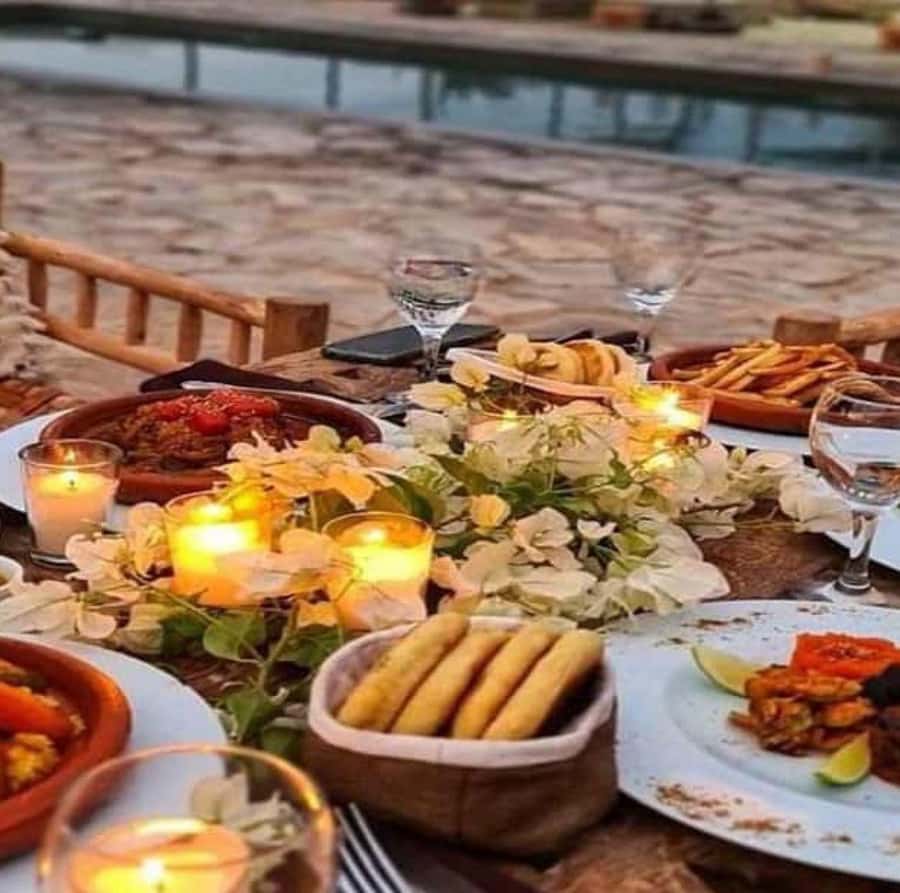
The cooking is described as delicious, and the guesthouse setting helps the food feel like part of the community rather than a packaged lunch hour. Expect simple meals that fit the altitude and the workload, not fancy restaurant-style presentation.
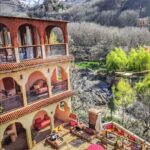
Sleeping is also part of the deal. You’re not getting a modern hotel; you’re staying in family guesthouses and mountain refuges/gites. Based on accounts shared by guests, accommodations are often clean and in beautiful locations, but they stay basic. That is not a flaw if you came for mountains and village life.
If you like washing up and getting cozy, the optional hamam at Ait Aissa is one of the nicer touches. If you don’t use it, just plan on being grateful for a warm drink and a dry layer when you reach your overnight spot.
Guides, Safety, and the Small-Group Pace
The trip is led by a local guide who is described as licensed and experienced. The pace is designed for small groups—limited to 16 participants—which tends to make it easier to move together without feeling rushed.
What stood out in named guide stories is how much care goes into explaining and watching the group. Guides such as Mohamed, Abdul, Hussein, Ismail, and Mustapha are repeatedly mentioned for clear communication and respect toward the landscape and village routines.
Safety is also part of the message. The trail has steep accents and descents, but the emphasis in guidance is on staying safe and keeping everyone comfortable on the path. That matters most when you’re tired and the ground gets uneven.
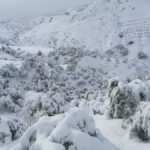
One more practical note: sometimes conditions force changes. Snow has led to adjusted routes, and when that happens, groups can merge so you may end up with a full group size. It’s smart to be flexible and let your guide handle the plan.
Packing Tips That Actually Help in the High Atlas
You’ll want to pack for hiking days with altitude and changing weather. The provided list is a good start:
- passport
- comfortable shoes
- hiking shoes
- hiking pants
- camera
A small extra tip that came up in guide-and-guest advice: bring quick-dry towels and some loo roll. When you’re sleeping in mountain guesthouses, having your own small comforts can save you from minor stress.
Also, check the weather before you book. The trek notes specifically recommend it, and you should take that seriously. Mountain conditions can impact which sections are practical or safe.
If you hate surprises, use the weather check to set expectations and then plan mentally for route adjustments. A good guide will handle it; your job is to show up ready for the mountains.
Price and Value: Is $159 Fair for Three Days?
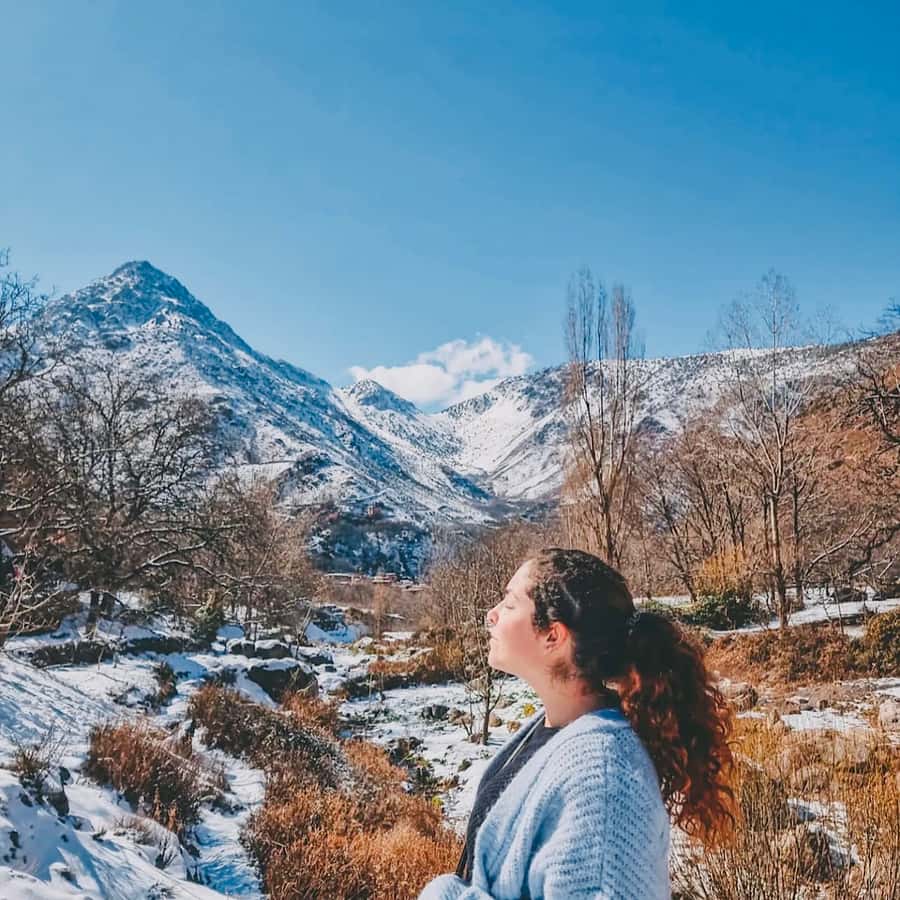
At $159 per person for a 3-day trek, the value sits in what’s included. You’re paying for the full package: hotel pickup and drop-off, a local guide, mule support, all meals, and accommodation for the nights.
For many people, the biggest cost headache on multi-day treks is figuring out logistics: where you sleep, what you eat, and who guides you between remote villages. This trip bundles that work into one price, which is exactly what makes it feel reasonable for three days.
You’re also getting a trade-off that I think is worth it. Instead of spending money on a short day excursion that barely gets you beyond the first valley, you’re paying for time deeper into the High Atlas—more walking hours, more village encounters, and a more relaxed rhythm between places.
Who Should Book This Trek (and Who Should Skip It)
This fits best if you:
- want a village-focused Atlas trek rather than a summit chase
- enjoy hiking between rural communities and not just viewpoints
- like having your meals handled and sleeping arranged
- want a guided experience with communication in several languages (Arabic, French, Dutch, English, Spanish, German)
Skip it if:
- you are pregnant (explicitly not suitable)
- you have mobility impairments (explicitly not suitable)
- you want hotel-style comfort or easy walking all day long
If you’re an average hiker with steady legs and you’re comfortable spending several hours on your feet, you’re in the right zone.
Should You Book This 3-Day Marrakech Atlas Mountains Trek?
I’d book it if your ideal Morocco trip includes Berber village life, honest guesthouse stays, and a trail that balances passes with cultural countryside walking. It’s a smart choice when you want distance from traffic and crowds but still want good structure: guide, meals, mule help, and daily routes that stay manageable.
I would think twice if your priority is summit achievement or if you need fully accessible terrain. Also be realistic about weather: conditions can force route changes, and mountain days don’t run like clockwork city tours.
If you like walking, learning from your guide, and letting the day slow down, this trek is an easy yes.
FAQ
Where do they pick me up in Marrakech?
Hotel pickup and drop-off are included. If you stay at a riad in the medina where cars cannot reach, the team contacts you via WhatsApp or email about 24 hours before to confirm the meeting point.
How long is the trek each day?
Day 1 is about 5–6 hours walking. Day 2 is about 6–7 hours, and Day 3 is about 6 hours.
Is this trek suitable for beginners?
Yes, it is described as technically not difficult, and you do not need previous mountaineering experience.
What’s the highest altitude on the route?
You’ll hike mainly around 2000m, with passes reaching 2300m on Day 1, 2200m on Day 2, and 2500m on Day 3.
Do meals and lodging come with the price?
Yes. The tour includes all meals and accommodation for the nights.
Do I need to carry everything myself?
No. There is a mule included, and you can keep extra bags off the hiking route so you travel lighter.
Is there a hamam during the trip?
Yes. On the evening in Ait Aissa, there is a steam bath (hamam) available if you would like to use it.
Are there waterfall stops?
Yes. The experience includes a waterfall at Azib Tamsoulte, and Day 3 includes visiting the biggest waterfalls in Toubkal National Park.
What languages can the guide speak?
The live guide is available in Arabic, French, Dutch, English, Spanish, and German.
What should I bring?
Bring a passport, comfortable shoes, hiking shoes, hiking pants, and a camera. The trek also recommends checking the weather before you book.