Atlas gorges and Berber villages, far from crowds. This guided day outing in the Central High Atlas pairs Imi-n-Ifri Natural Bridge geology with a real Tassaout canyon walk and traditional village life you don’t usually see on quick Marrakech excursions.
I also like that it feels human-scale: you spend meaningful time in the places themselves, including Demnate and the Tassaout area, then you get a home-style meal moment in Toufrine with mint tea and local food. The main drawback is simple: it’s a long 10 to 11 hour day, so you’ll want to be comfortable with a moderate fitness level and a decent amount of time on the move.
In This Review
- Key highlights you should care about
- Getting out of Marrakech: Demnate and the High Atlas rhythm
- Imi-n-Ifri Natural Bridge: geology you can actually see up close
- Demnate basics: where the day trip takes its cultural footing
- Tassaout village and the Magdaz architecture lesson
- Canyon walking and the ATV return: how the afternoon is handled
- Toufrine lunch with a Berber family: the one-hour human moment
- Price and value: why $127.81 can make sense
- Who this tour fits best (and who might not love it)
- Guide care, organization, and the kind of attention you’ll feel
- Should you book the Guided Day Tour in Tassaout Valley?
- FAQ
- Where does the tour start and end?
- How long is the Guided Day Tour in Tassaout Valley?
- Is the tour private or shared?
- What are the main stops during the day?
- Are any admission tickets included?
- What happens during the Tassaout part of the tour?
- What is lunch in Toufrine like?
- What kind of fitness level do I need?
- What if the weather is bad?
Key highlights you should care about
- Imi-n-Ifri Natural Bridge: a natural formation near Demnate, plus free admission.
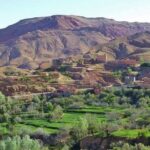
- Tassaout Magdaz village visit: dry-stone architecture and fortified structures on multiple levels.
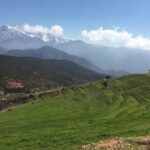
- Canyon walking time: views from above the grand Tassaout canyon and village-to-village scenery.
- Toufrine family lunch: mint tea and a Berber meal like tagine or couscous with seven vegetables.
- ATV return to Marrakech: you hike in the valley, then shift gears back in the afternoon.
Getting out of Marrakech: Demnate and the High Atlas rhythm
Starting from Jemaa el-Fnaa, you’ll drive out toward the Central High Atlas foothills and the town of Demnate (about 110 km east of Marrakech). The ride matters here. It’s how you go from city noise to a mountain pace—so don’t treat this as a “grab-and-go” day. Plan to be present and let the scenery change slowly.
Demnate is a Berber-speaking area (Tashelheit), where you’ll also hear Darija and some French. That mix is useful to keep in mind if you’re nervous about language. Even if your French or Darija is rusty, this trip is guided, and the structure of the day keeps you from feeling lost.
This tour runs roughly 10 to 11 hours, and the plan is paced to include a lot without exhausting you into silence. If you’re the type who likes a full day with stops that actually make sense—rather than a checklist—this format fits well.
You can also read our reviews of more guided tours in Marrakech
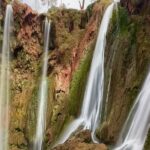
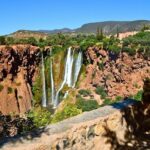
Imi-n-Ifri Natural Bridge: geology you can actually see up close
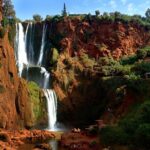
One of the first stops is the Imi-n-Ifri Natural Bridge formation, about 6 km from Demnate to the east of Marrakech. This is not just a photo stop. The point is to see a real outcrop and understand that the High Atlas isn’t only about views—it’s about ancient time, exposed in stone.
Here’s a detail worth remembering: the formation is tied to the Sinemurian geologic layer, and fossil ornithopod tracks have been reported from the area. You don’t need to be a geology expert to appreciate it. It gives the stop an extra layer of meaning, like you’re standing on something that predates the whole idea of Marrakech.
Admission is listed as free for this stop, which is a quiet value win. More importantly, you get a focused window—about 2 hours—so you can look, ask questions, and then move on without feeling rushed.
Practical note: because it’s an outdoor nature stop, you’ll want sun protection. Even in mountain areas, daylight can be intense.
Demnate basics: where the day trip takes its cultural footing
You pass through and base yourself around Demnate, and that choice isn’t random. Demnate sits at the foot of the High Atlas, and the daily language reality is Berber in daily life. That matters for visitors because it signals you’re not just traveling to scenery. You’re traveling to a living region.
If you’re wondering how much of the day is “city logistics” versus “mountain experience,” Demnate is your midpoint: a place that helps you understand the setting before you head into the more remote Tassaout Valley.
And because you’re with a guide, you won’t be stuck interpreting everything alone. The day flows from the natural bridge into the Berber architecture part of the trip, which makes the cultural context stick.
Tassaout village and the Magdaz architecture lesson
Tassaout is built around Berber architectural work often described in terms of Magdaz. This is the heart of the day, because you spend about 7 hours here and you don’t just walk around at street level.
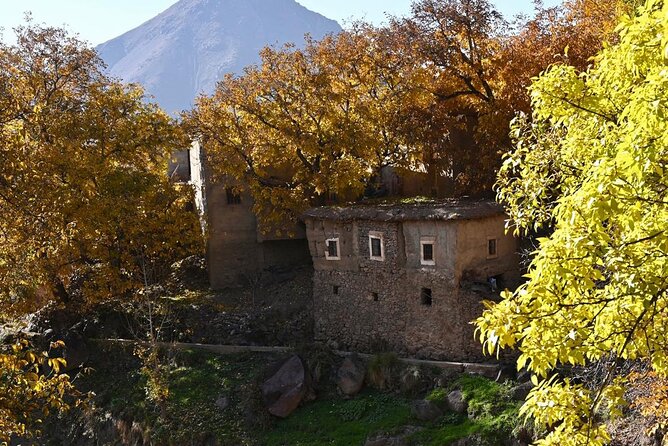
You’ll start with a village visit that includes the attics and floors—so you can grasp how multi-level homes function in dry climates. You also see fortified structures made with dry stone, including “centenarians,” which is a reminder that these builds were meant for long-term survival, not quick tourism convenience.
What I like about this stop is that it’s not only about what the buildings look like. It’s about how they work: materials, stacking, and design that fit the terrain and weather. When the guide explains what you’re seeing, the architecture turns from “interesting buildings” into a practical response to living in the mountains.
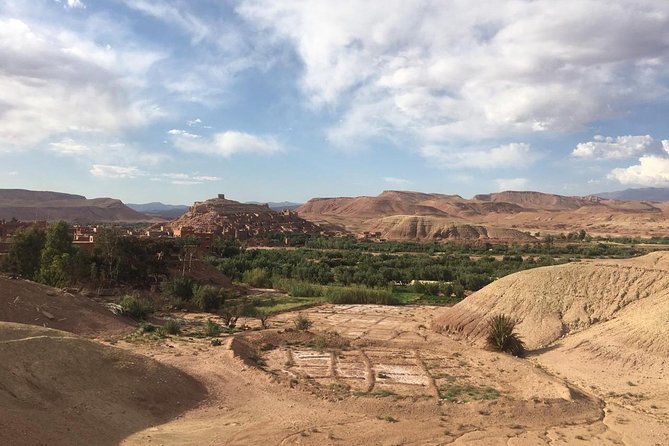
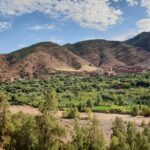
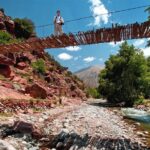
Then comes the move from village walls to open air. After lunch (timing within the day depends on the route flow), you head to walk along the grand canyon of the Tassaout Valley. You’ll look down into the gorge and see other villages along the upper edges—so you’re not just walking; you’re reading the valley.
Possible drawback to consider: this part is a walking experience. It’s not described as extreme, and the tour calls for moderate fitness, but you’ll still want shoes with grip and you should expect some uneven ground.
Canyon walking and the ATV return: how the afternoon is handled
A key detail of this tour is the switch in transportation. You don’t spend the whole afternoon hiking. Mid-afternoon, you leave the upper Tassaout valley and take all-terrain vehicles back toward Marrakech.
That choice is smart for two reasons:
- You get real walking time for views and the canyon experience.
- You avoid turning the day into a punishing marathon.
The total pacing supports a “do a lot, feel okay” style of travel. For many people, that’s the difference between enjoying a mountain day and simply surviving it.
Still, plan mentally for a long day. Even with the ATV segment, your body is doing something for hours: walking, standing in viewpoints, and then traveling again. Bring water, and don’t wait until you feel thirsty.
Also remember that canyon walking makes weather matter more. The operator notes that the experience requires good weather. If conditions are bad, the day can be canceled and you’re offered another date or a full refund. That’s not a small detail—it’s what keeps the canyon portion safe and enjoyable.



Toufrine lunch with a Berber family: the one-hour human moment
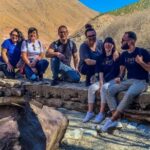
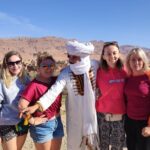
After the architecture and valley walking, Toufrine is where the trip becomes emotional in a very grounded way. You’ll have lunch with a Berber family from the High Atlas area, arriving to mint tea first.
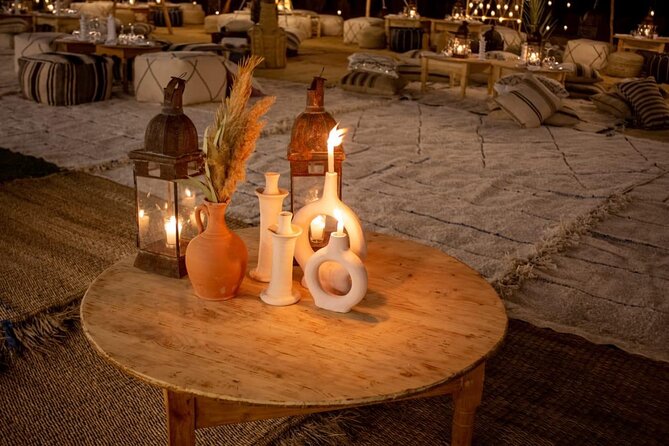
Tea is more than a drink here. It’s a meeting ritual: a moment to slow down, share space, and get a feel for daily life. Then you eat local gastronomy—either tagine or Berber couscous with seven vegetables.
This is the kind of meal that makes sense in a day trip because it gives you something beyond scenery. You taste what the region cooks, and you do it in a home setting rather than a restaurant designed for passing busloads.
It’s also time-boxed: about 1 hour. That’s long enough to eat well and feel welcomed, and short enough to keep the whole day from dragging into the evening.
If you have dietary needs, this is the moment to flag them early—since the lunch is part of a family visit, menus can be traditional. The tour data doesn’t list alternatives, so it’s best to plan ahead.
Price and value: why $127.81 can make sense
At $127.81 per person, you’re paying for a full mountain day that includes guided visits, a structured itinerary, and time in areas around Demnate, Tassaout, and Toufrine.
Here’s how I’d think about value:
- Long time in fewer places: You’re not sprinting through a dozen short stops. The day has depth, especially in Tassaout.
- Free admissions at major nature/culture stops: Imi-n-Ifri and Tassaout and the meal stop are marked with admission ticket free, which reduces add-on costs.
- Transport that matches the terrain: The ATV return from the upper valley is built into the day plan, saving you from arranging it yourself.
- A private group setup: The tour is described as private, meaning only your group participates. That can make the experience feel more personal even in a day-trip time frame.
There’s also practical value in the mobile ticket. For a day trip, small friction counts—less paper, fewer steps.
Who might hesitate? If you want only major famous sights or you prefer fully guided walking without any vehicle changes, this style may feel different. But if you enjoy authentic mountain pacing—canyon views, Berber villages, and a family meal—this price can be fair.
Who this tour fits best (and who might not love it)
This trip suits you if:
- You want a guided day outside Marrakech that still feels real and local.
- You like architecture explanations, not just photo angles.
- You want an actual walk in a canyon setting, with a return plan.
- You’re okay with moderate physical effort and long hours.
It might be less ideal if:
- You’re sensitive to a long day with many transitions.
- You hate uneven terrain and prefer flat walking only.
- You want a fully urban-style convenience itinerary.
Group discounts are mentioned, so if you’re traveling with friends or family, ask about bundling to reduce per-person cost.
Guide care, organization, and the kind of attention you’ll feel
One theme that comes up in how people describe this experience is the team’s attentiveness and organization. Names like Abdou show up in the operator’s communications, and that matters because a good guide can turn a mountain day from “busy schedule” into “understanding what you’re seeing.”
The day is built with timing: natural bridge, then village and canyon walking, then a structured family lunch. That reduces guesswork for you. You’re not figuring out where to go next or how to connect transport between remote areas.
Also, the tour emphasizes moderate fitness rather than extreme trekking. That doesn’t mean it’s effortless—it means the team expects a broad range of visitors and structures the experience accordingly.
If you’re on your first hike in Morocco, that kind of guided pacing is often the difference between enjoying the place and feeling overwhelmed.
Should you book the Guided Day Tour in Tassaout Valley?
Book it if you want a high-altitude day trip that mixes geology, Berber village architecture, and a family lunch in a way that feels grounded and not touristy. The itinerary is long, but it’s not random. It’s designed so you get enough time to understand what you’re seeing, then go back to Marrakech without turning the day into a grind.
Skip it (or at least think twice) if you know you can’t handle a 10 to 11 hour day with walking and uneven ground. Also factor in weather: this experience needs good conditions, and the canyon portion is weather-sensitive.
If your goal is to go beyond Marrakech and actually touch the Central High Atlas, this tour gives you a strong shot at doing it in one day.
FAQ
Where does the tour start and end?
The tour starts at Jemaa el-Fnaa in Marrakesh and ends back at the same meeting point.
How long is the Guided Day Tour in Tassaout Valley?
It runs about 10 to 11 hours.
Is the tour private or shared?
It’s described as private, meaning only your group will participate.
What are the main stops during the day?
You’ll visit Imi-n-Ifri Natural Bridge, spend time around Tassaout (including a village visit and canyon walking), and have lunch in Toufrine with a Berber family.
Are any admission tickets included?
Admission tickets are listed as free for the Imi-n-Ifri Natural Bridge stop, the Tassaout stop, and the Toufrine lunch stop.
What happens during the Tassaout part of the tour?
You’ll visit a Berber village tied to Magdaz architecture, including attics and floors, then go for a walk along the Tassaout canyon with views of other villages above the gorge.
What is lunch in Toufrine like?
You’ll be welcomed with mint tea and then eat local gastronomy such as tagine or Berber couscous with seven vegetables.
What kind of fitness level do I need?
The tour asks for moderate physical fitness.
What if the weather is bad?
The experience requires good weather. If it’s canceled due to poor weather, you’ll be offered a different date or a full refund.