REVIEW · MARRAKECH
Full-Day Atlas Mountains & Imlil Valley Adventure from Marrakech
Book on Viator →Operated by Imlil Guide · Bookable on Viator
Atlas air beats Marrakech heat. This full-day trip packs Berber villages, an argan oil stop, and a guided walk through the High Atlas into one clean schedule. I especially like the included breakfast and lunch with tea breaks, because you actually get time to slow down and talk with locals. I also like that the route is structured for variety: market + co-op learning in the morning, then valleys, waterfalls, and mountain scenery in the afternoon. One drawback to plan for: the day depends on good weather, and storms in the Atlas area can trigger cancellation or date changes.
If you want a true Atlas day trip (not just a quick photo stop), this one is built for that. You’ll travel by air-conditioned vehicle, move with a guide, and keep group size small—up to 12 travelers—so the day feels manageable. Just keep expectations realistic: some parts are more walking than sightseeing, and the hiking calls for moderate physical fitness.
In This Review
- Key Things to Know Before You Go
- A Day Trip That Actually Feels Like Atlas Country
- Getting From Marrakech: Pickup, Timing, and What to Expect
- Stop 1 Near the Medina: Berber Farmers Market and Argan Cooperatives
- Mount Toubkal Area: Valleys, Nine Berber Villages, Tea, and Waterfalls
- High Atlas Mountains: Views, Idraren Draren Context, and Mountain Culture Cues
- Food Breaks That Make the Long Day Feel Worth It
- Price and Value: Why This One Costs So Little
- Who Should Book This (and Who Might Not Love It)
- Weather and Real-World Logistics: The Day Plan Depends on the Atlas
- Should You Book This Atlas Mountains & Imlil Valley Adventure?
- FAQ
- FAQ
- How long is the Full-Day Atlas Mountains & Imlil Valley Adventure?
- Do you pick me up from my hotel or riad in Marrakech?
- What meals and drinks are included?
- What fitness level do I need for the hike?
- Is a camel ride included in this tour?
- What happens if the tour is canceled due to bad weather?
Key Things to Know Before You Go
- Private guide feel with a small group (max 12), so you get more direct attention on cultural stops and the hike.
- Berber market or museum option depending on the day, so you don’t show up to a closed door.
- Argan oil co-ops where you learn how Morocco’s liquid gold is made by women using a labor-intensive process.
- Imlil and nearby valleys plus tea with a Berber family, which helps you connect faces to the landscape.
- Weather-dependent routing in the High Atlas, so build in a flexible mindset.
A Day Trip That Actually Feels Like Atlas Country
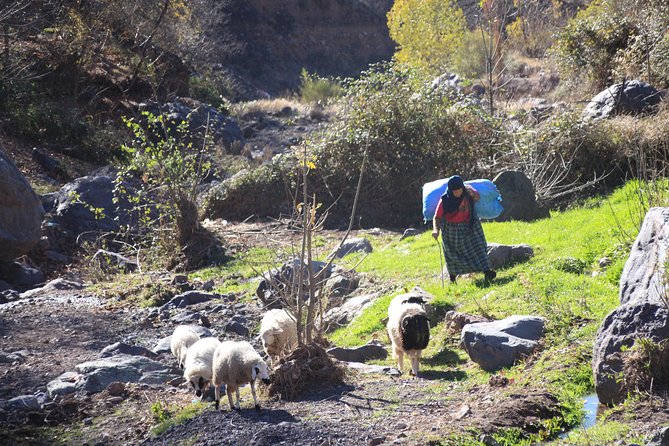
The Atlas Mountains can feel far from Marrakech, until you spend a day moving through valleys and Berber villages. This tour is designed to keep you out of the city enough to feel the change in air and altitude, without turning the day into a multi-day expedition. You get a full arc: morning culture and shopping stops, then a walk through valleys and mountains later.
I like that it’s not only about views. You’ll also learn through visits—first to a Berber farmers market area and an argan cooperative, then to Berber villages where you can see how daily life connects to the mountain environment. That matters because it turns a scenic day into something you’ll remember in conversations.
The other thing I value is pacing. Yes, there’s hiking, but it’s broken up with tea and lunch, and the guide keeps the rhythm practical. If you’re the type who hates long stretches of “stand and wait,” you’ll likely feel better on this format.
A few more Marrakech tours and experiences worth a look

Getting From Marrakech: Pickup, Timing, and What to Expect
This experience starts early. The day trip runs from around 9:00 AM and you’re back in Marrakech by about 5:00 PM (listed as approx. 8 hours). Pickup is offered directly from your hotel, riad, or guesthouse, and if your exact location can’t be reached by car, a nearby meeting point is arranged.
That setup is great for minimizing wasted time. You won’t have to solve transportation yourself or hunt for a meeting place at the last minute. Still, do yourself a favor: be ready at the pickup time and double-check the meeting instructions if you’re staying somewhere narrow or hard for a vehicle to access.
Comfort matters more than you’d think. You’ll be walking through villages and valleys, and you’ll likely spend hours outdoors. Wear shoes with solid grip, bring water (you get bottled water on the tour), and pack a light layer—mountain weather can shift.
Stop 1 Near the Medina: Berber Farmers Market and Argan Cooperatives
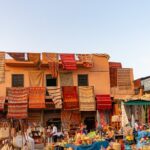
The morning begins close to Marrakech with a first stop tied to local food and trade: a Berber village farmers market. The schedule varies by day, and this is one of those details that can make or break your enjoyment. The market runs on Sundays, Mondays, Tuesdays, Thursdays, Fridays, and Saturday afternoons. On days when the market isn’t happening, you may visit a local Berber heritage museum instead.
This is valuable because you’re not just looking at countryside—you’re seeing how people organize daily life. Market time also gives you an easy entry point for conversation. You can watch what locals buy and ask simple questions, and your guide can translate the cultural meaning behind common products.
After that, the tour shifts to Morocco’s “liquid gold” moment: an argan oil cooperative. You’ll learn how argan oil is hand-produced through a labor-intensive process—produced by women, in a way that’s tied to both skin care and food. The tour description also points to the oil’s use as a flavor in cooking and baking, which is a nice reminder that argan isn’t only a souvenir ingredient.
One practical note: if you’re hoping for a shopping-only stop, you might feel the difference. This is more about understanding and seeing production steps than rushing through stalls. If you like structured learning, it’s a good fit.
Mount Toubkal Area: Valleys, Nine Berber Villages, Tea, and Waterfalls
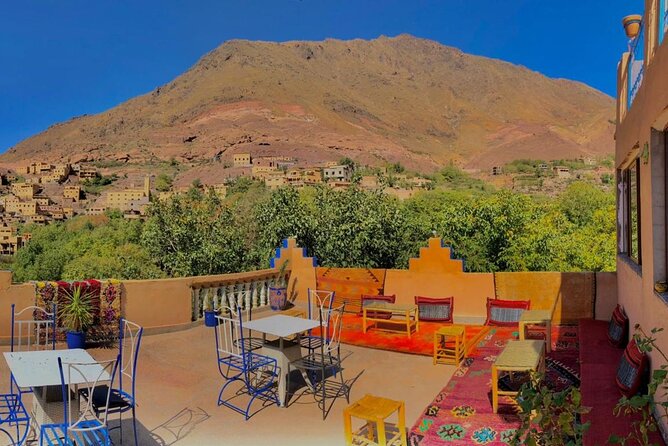
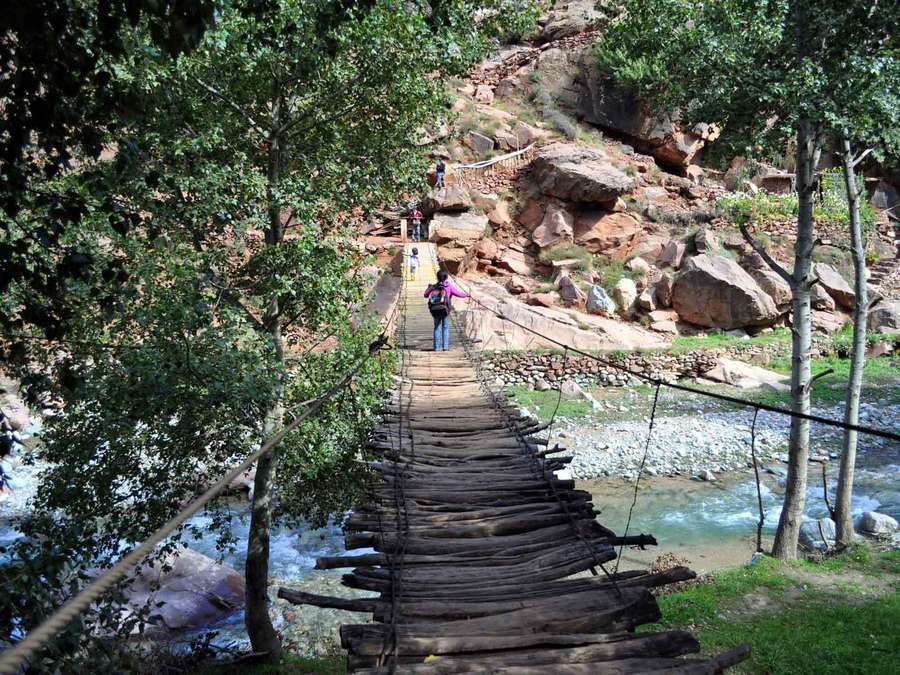
From there, the day opens up into the mountains around Mount Toubkal. The tour spending here is listed at about 3 hours, and it focuses on valleys and village life rather than long technical trekking. You’ll explore Imlil, Asni, and Amizmiz valleys, which is a smart choice if you want variety without needing to change bases.
You also visit 9 traditional Berber villages, with time for tea with a Berber family. That kind of stop matters because it adds context—people aren’t just scenery. It’s also where you get a better sense of how villages function in mountainous terrain: where paths connect, how community life is shaped by the seasons, and why certain areas feel more connected than others.
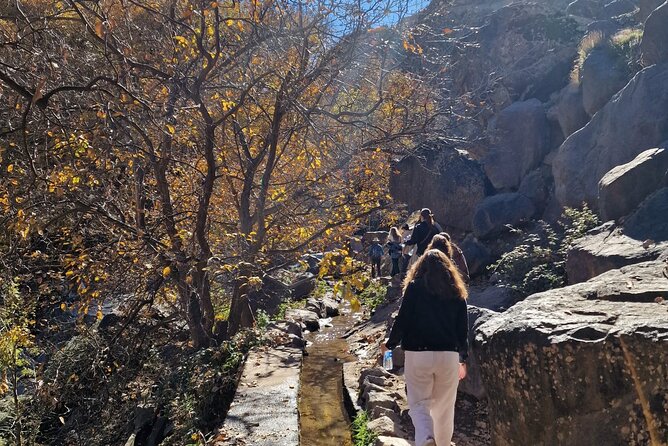
A highlight here is the hike to waterfalls. Water in the Atlas is visually rewarding, and it tends to break up the walk with a goal you can look forward to. The tour also includes an argan women’s cooperative visit again in this area, reinforcing the theme rather than making it a one-time stop.
What I’d watch for is intensity. The tour does include hiking, but the exact length and steepness aren’t spelled out in the details you have. If you’re unsure, the safe move is to assume you’ll be walking on uneven surfaces at least part of the time.
High Atlas Mountains: Views, Idraren Draren Context, and Mountain Culture Cues
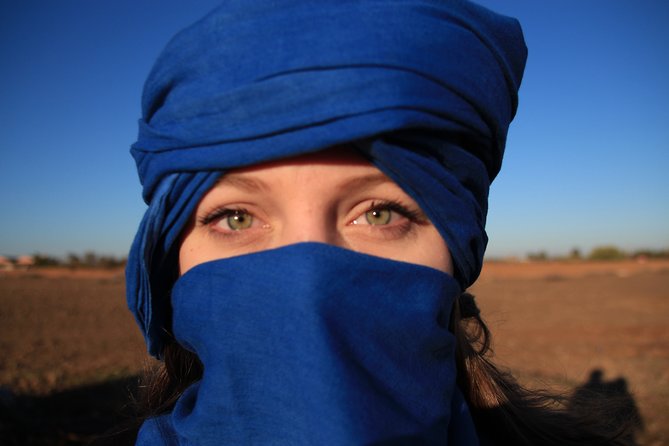
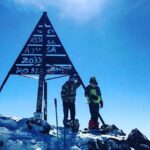
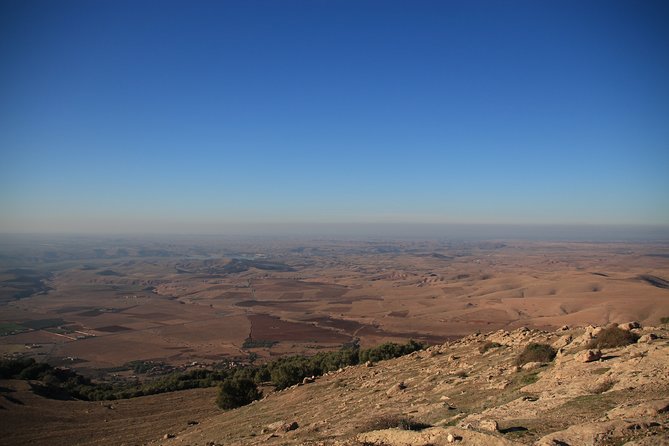
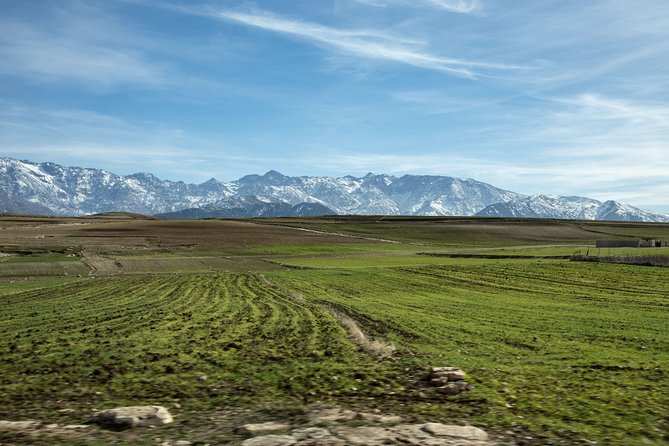
Later, you spend time in the High Atlas Mountains, listed again as about 3 hours. You’ll learn some context for what you’re seeing, including the High Atlas being North Africa’s highest mountain range—referred to as Idraren Draren, or Mountains of Mountains. The guide frames the region as a natural barrier between climates, which helps the day feel more meaningful than “just a hike.”
This is where the scenery can shift fast. The tour description mentions winter sports around Oukaimeden and fertile valleys such as Zat, Ourika, and Mizane. Even if you aren’t there in peak snow season, knowing those places exist gives you a better map in your head. You start to see why the area matters year-round.
There’s also a cultural layer. The region connects to Berber traditions and the Tamazight language, and the tour description points to places where those traditions continue beyond the most famous valleys. You may not hit every named area, but it signals that the guide is watching for cultural as well as scenic moments.
If you’re a photo person, this section is usually where you’ll get the payoff. If you’re a walker who wants a little structure, you’ll also likely appreciate having a route with destinations rather than wandering.
Food Breaks That Make the Long Day Feel Worth It
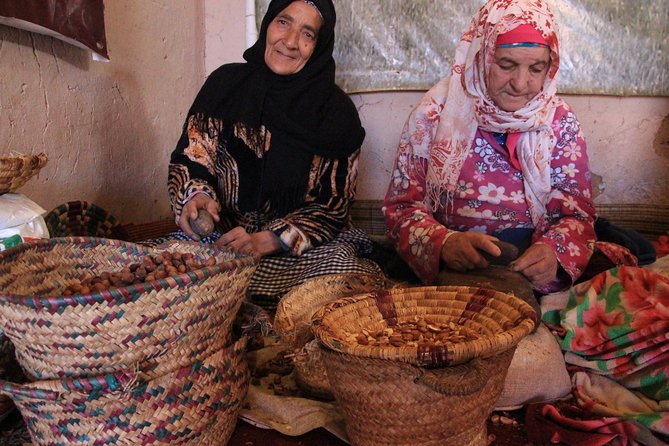
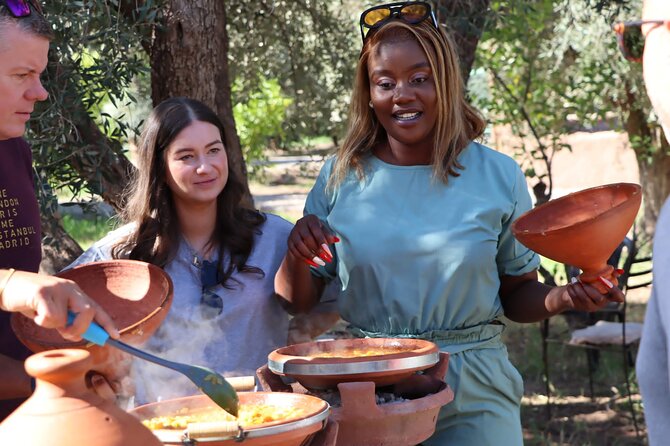
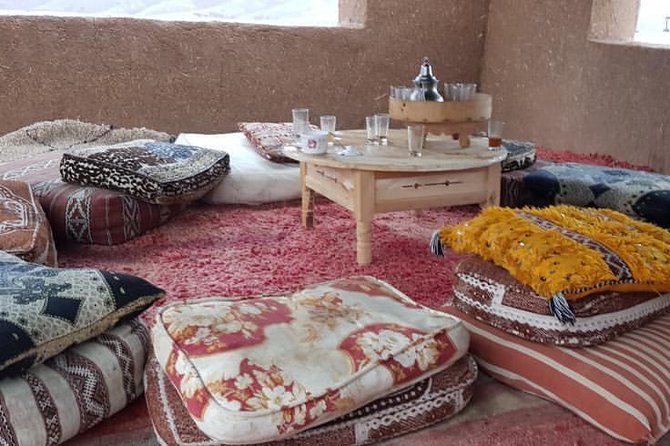
Meals are one of the strongest reasons to pick a tour like this. The experience includes a local breakfast, plus Moroccan lunch, and tea breaks at the cultural stops. You’ll also get coffee and/or tea, which sounds small until you’re standing outside in mountain air for hours.
I like the way food is built into the day so it doesn’t feel like an afterthought. Instead of eating quickly and rushing back out, the lunch and tea moments give you time to reset, ask questions, and see how hospitality works in Berber village settings. That’s usually when you learn the most, because people talk more when the table is set.
The breakfast is described as tied to a Berber woman’s visit, and tea is included with a Berber family during the village portion. That matters because it’s not only about what you eat—it’s who shares it and how normal life is integrated with visitor time.
One practical tip: go to lunch a little hungry. Because tea and snack stops are part of the rhythm, you may not feel like eating at a sit-down restaurant later. Plan to treat lunch as the main meal of the day.
Price and Value: Why This One Costs So Little
The listed price is $16.26 per person, which is striking for a full-day guided trip with an air-conditioned vehicle and multiple cultural stops. Even allowing for typical tourism pricing, this is in the budget-friendly zone. The value is strongest when you weigh what’s included: guided transportation, a tour guide, bottled water, and multiple meal components.
Included items also add up: breakfast, coffee and/or tea, plus lunch, and tea with a Berber family. That reduces the money you’d normally spend on food during a do-it-yourself day trip. You also get admission tickets included at some points (the details say admission ticket included at the early stop and at the Mount Toubkal section), though the High Atlas portion notes admission ticket not included.
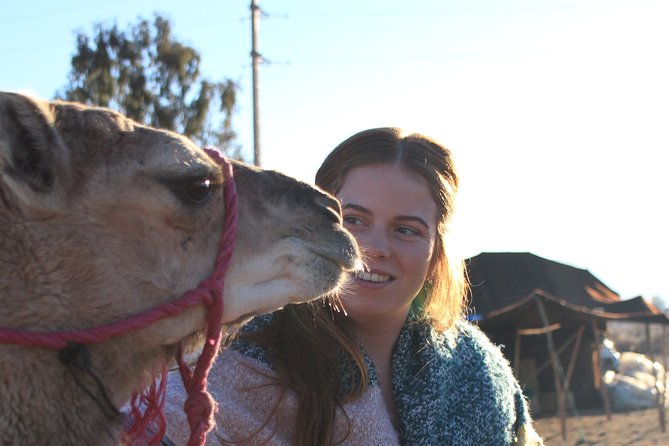
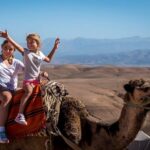
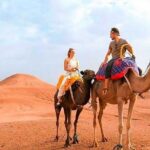
What’s not included is simple: a camel ride is mentioned as not included. If you want that extra experience, budget for it separately or skip it and spend your time on the walk.
Bottom line: you’re paying for a guided, food-included mountain day with cultural stops. If you want maximum comfort at every step, a luxury private car and premium hiking guide might cost more. But for what you get here, this looks like strong value.
Who Should Book This (and Who Might Not Love It)
This tour is a good match if you want a structured day trip that includes culture, learning, and hiking without requiring a super technical skill set. The experience explicitly calls for moderate physical fitness, which usually means you should be comfortable walking for stretches and standing outdoors.
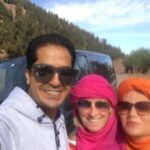
It’s also suitable if you enjoy meeting local people in settings like tea with a Berber family and visiting cooperatives. You’re not stuck only in viewpoints; you’re getting interaction points that can make the day feel human.
If you hate uneven ground, long outdoor waits, or you’re worried about storms, you might want to think twice. The operation is weather-dependent because it’s in the mountains, and bad conditions can interrupt the plan.
Finally, the small group size (max 12 travelers) helps. It’s not a huge bus scene where you lose track of your guide. It feels more like a day with a plan.
Weather and Real-World Logistics: The Day Plan Depends on the Atlas
Here’s the part you should respect: this area is not always predictable. The tour notes that it requires good weather, and if it’s canceled due to poor conditions, you’ll be offered another date or receive a full refund.
That’s not just a fine-print detail—it affects your expectations for the day. If your Marrakech trip has only one morning available and you can’t risk a cancellation, consider booking earlier in your timeline so you have backup options.
Also watch pickup details. Some accommodations aren’t accessible by car, and the tour assigns a convenient meeting point nearby. If you’re staying in a narrow riad lane, assume you may walk a few minutes to reach the closest pickup spot.
A simple practical move: keep your phone accessible around pickup time and be reachable when you receive confirmation. Mountain days reward people who stay flexible and ready.
Should You Book This Atlas Mountains & Imlil Valley Adventure?
If you want an Atlas day trip that combines Berber village visits, argan oil learning, and a hike with waterfall scenery, this tour is a strong choice. The included meals are a real value boost, and the small group size keeps the experience from feeling rushed or chaotic. I also like that the morning is designed to be different depending on the day, with a market or museum option.
You might choose a different plan if you’re very weather-sensitive, have limited mobility, or only have one day available and can’t handle possible cancellations from storms. In the Atlas, nature runs the schedule.
FAQ
FAQ
How long is the Full-Day Atlas Mountains & Imlil Valley Adventure?
The tour is listed as about 8 hours. It starts around 9:00 AM and returns to Marrakech by about 5:00 PM.
Do you pick me up from my hotel or riad in Marrakech?
Yes, pickup is offered directly from your hotel, riad, or guesthouse. If your location isn’t accessible by car, a nearby meeting spot will be designated.
What meals and drinks are included?
You get a breakfast associated with a Berber woman’s visit, plus coffee and/or tea. Moroccan lunch and tea are also included during the day’s cultural stops.
What fitness level do I need for the hike?
The experience is best for travelers with moderate physical fitness. You should expect walking as part of the day, including valley and mountain routes.
Is a camel ride included in this tour?
No. A camel ride is listed as not included.
What happens if the tour is canceled due to bad weather?
The tour requires good weather. If it’s canceled due to poor weather, you’ll be offered a different date or a full refund.