REVIEW · MARRAKESH
From Marrakesh: 3-Day Trip to Berber Villages
Book on GetYourGuide →Operated by Desert Trips Morocco · Bookable on GetYourGuide
Three days, serious mountain air, zero flash. This trek south of Marrakesh pushes into the High Atlas with Berber villages and big Mount Toubkal views, not glossy tour-stops. You also get the reality check: it’s real hiking, and the nights can be cold with basic lodge comfort.
What I like most is how the trip stays human-sized. With a small group capped at 10, and a local guide who can match your pace, the days feel steady instead of rushed. Add a chef who cooks while you’re working up an appetite, and you’ll understand why this route often becomes a highlight.
In This Review
- Key Things You’ll Actually Notice on This Trek
- High Atlas Trek Basics: Marrakesh, Imlil, and a Very Morocco Welcome
- Day 1: Imlil to Tinerhourhine via Tamatert and the Tizi ’n Tamatert Pass
- Day 2: Imnane Valley, Ikkiss, and Mount Toubkal View Moments
- Day 3: Aït Aïssa to Imlil Through Tizi Oussem, Tizi Mzik, and Mzik Village
- Guides, Chef, and the Mule Plan That Keeps the Hike Enjoyable
- The Food Is Part of the Point (Not Just Included)
- Berber Lodges and Inns: Basic, Real, and Worth Packing for Cold Nights
- Price and Value: Why $353 Can Be a Deal for This Level of Support
- Who This Trek Is Perfect For (and Who Should Choose Another Option)
- Should You Book This Marrakesh-to-Berber-Villages Trek?
- FAQ
- How long is the trek?
- What’s the starting point from Marrakesh?
- What type of group size is it?
- What language is the guide available in?
- Is food included?
- Where do we sleep?
- Do I need a sleeping bag?
- Is there help carrying luggage?
- Will we be taken back to Marrakesh at the end?
- What’s the cancellation policy?
Key Things You’ll Actually Notice on This Trek
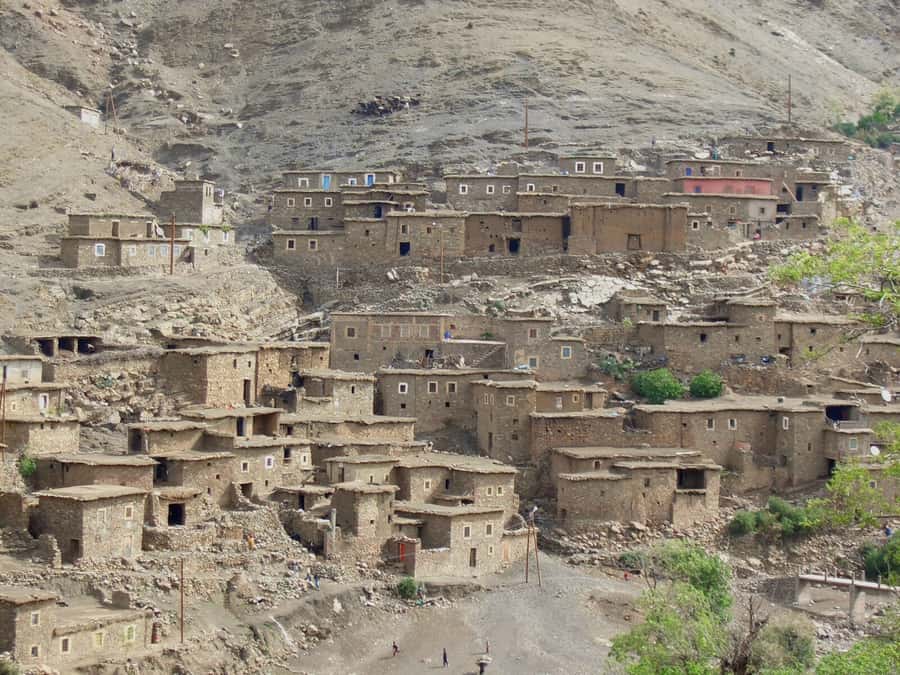
- Tizi ’n Tamatert pass lunch: a mountain meal break at altitude, not in a parking-lot.
- Real Berber village time: sleeping in local inns and moving through villages like Ikkiss, Mzik, and more.
- Mount Toubkal viewpoints without the circus: impressive sightlines along the Imnane Valley route.
- Mule support for luggage: your legs do the walking; the mule does the hauling.
- Food handled by a chef: hearty cooking plus tea breaks, even in remote spots.
- Simple lodging, sometimes limited electricity: plan for warm layers, not hotel amenities.
High Atlas Trek Basics: Marrakesh, Imlil, and a Very Morocco Welcome
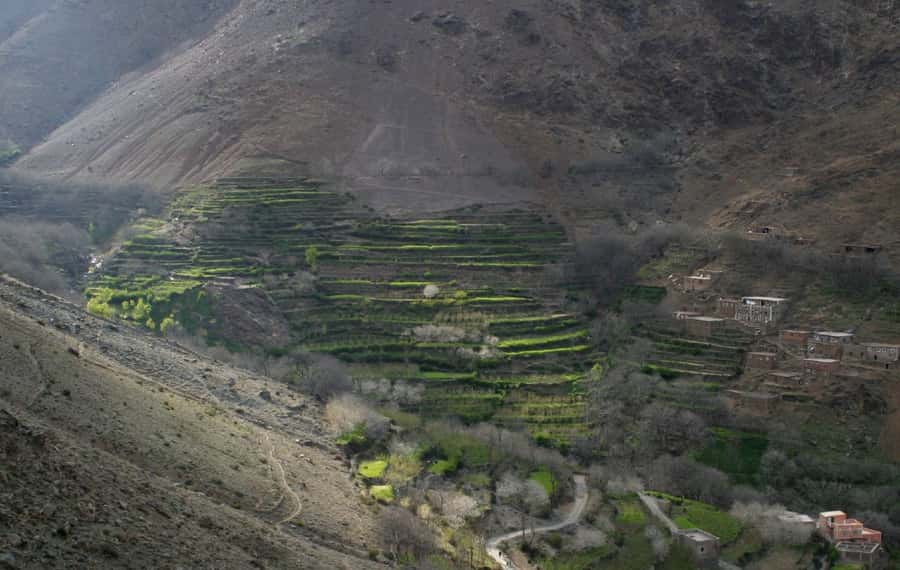
This is a 3-day trek in the High Atlas Mountains south of Marrakesh, built around walking between village valleys and ridge paths. You start with private transportation from your Marrakesh hotel area, then head to Imlil—the usual jump-off point for mountain routes in this region.
The tour is structured as a guided experience, not a self-guided stroll. You’ll have a local guide, a chef and cooking setup, and even a mule to carry your luggage, which makes a real difference on a multi-day hike. The small-group size matters too; it helps you avoid that “herding cats” feeling you sometimes get on group treks.
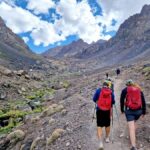
The big practical consideration is effort. Expect 4 hours of walking on day 1, 6 to 7 hours on day 2, and about 4 hours on day 3. The trails are rocky in places, and you’re moving through mountain passes and valleys, not flat paths.
A few more Marrakesh tours and experiences worth a look
Day 1: Imlil to Tinerhourhine via Tamatert and the Tizi ’n Tamatert Pass
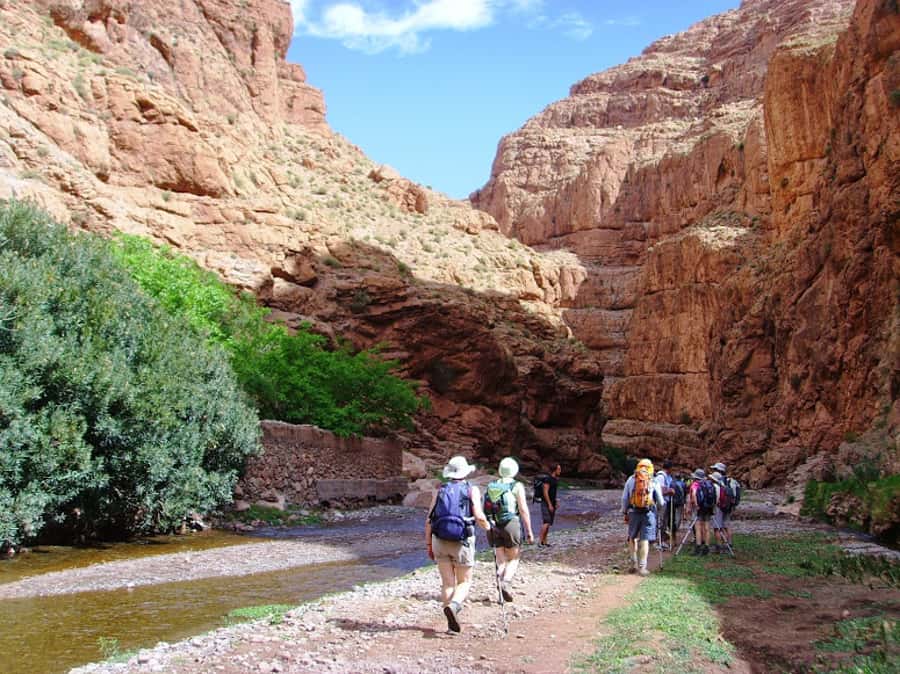
Day 1 starts with transfer to the village of Imlil, then you begin walking toward Tinerhourhine. The route runs through Tamatert, and you’ll stop for lunch on the high mountain pass of Tizi ’n Tamatert—the kind of lunch break where the air is thinner and every sip of tea tastes better than it should.
After lunch, the trail continues toward Ouanesekra-Tamguist, and you end the day at Tinerhourhine, where you’ll sleep in a local inn. Plan on about 4 hours of walking, but the pass itself can feel punchy even when the total walking time isn’t huge.
This first day does something important: it sets your rhythm. One review experience described a guide who took walking pace seriously—especially helpful if you want a calmer hike and not constant pressure. If you’re sensitive to altitude or just want to conserve energy, day 1 is the day to settle in.
Day 2: Imnane Valley, Ikkiss, and Mount Toubkal View Moments
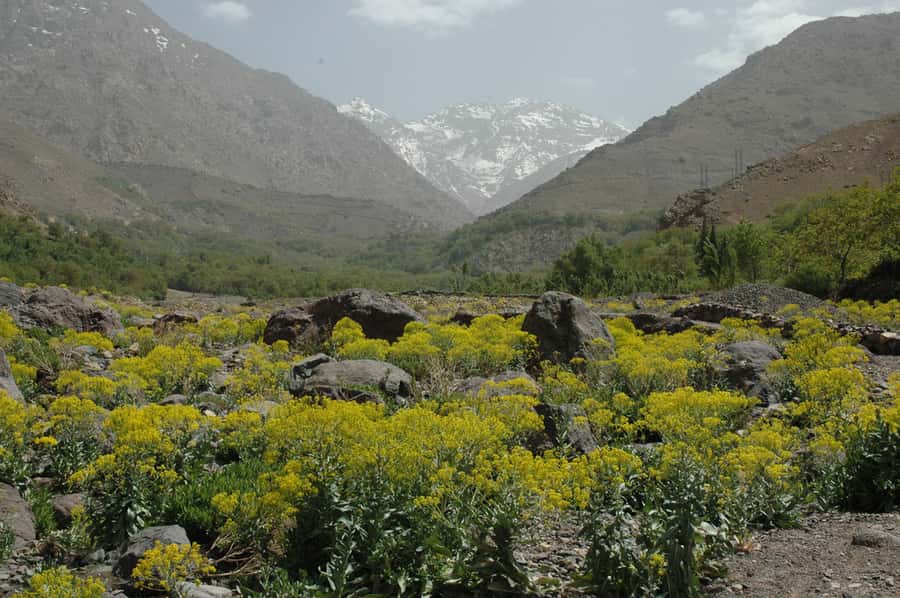
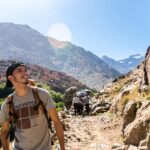
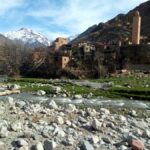
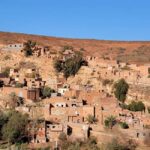
Day 2 is the longer day, so it’s where the trek earns its reputation. You depart from Tinerhourhine and walk along the Imnane Valley, passing the Berber village of Ikkiss along the way.
Then comes the part most people remember: views from Mount Toubkal, Morocco’s highest peak. You don’t need to be a peak-bagger to appreciate these moments. The trek route is designed so you catch the mountain in compelling sightlines while you’re moving through valleys and terraces.
You’ll continue to Tizi n’ Aguersioual and have lunch at Matate, then finish the walking day by arriving in Aït Aïssa for the night in a local inn. Expect 6 to 7 hours of walking.
This is also where the guide-and-team vibe really shows. Some trips run with guides like Hassan or Ibrahim, and you may find the cooking team to be part of the experience, not just a support role. In at least one example, the chef prepared meals at the right time so lunch was ready when the group arrived—so you’re not standing around hungry while the food figures itself out.
Day 3: Aït Aïssa to Imlil Through Tizi Oussem, Tizi Mzik, and Mzik Village
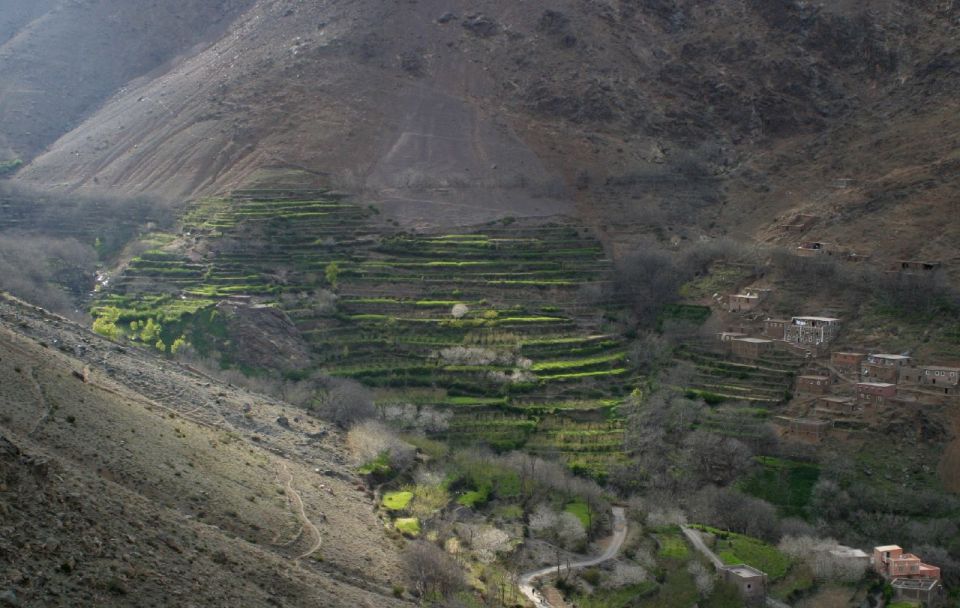
On day 3 you head out from Aït Aïssa toward Tizi Oussem. The walking continues through Tizi Mzik and the village of Mzik, then you loop back to Imlil to end the trek.
This is about 4 hours of walking, which makes day 3 feel like a finish line rather than another grind. You still get village context as you pass through settlements and see how daily life connects to mountain terrain.
Once you return to Imlil, you’ll be taken back to your hotel in Marrakesh. After three days of walking and tea breaks, that final transfer feels like the most comfortable thing you’ll do all week.
Guides, Chef, and the Mule Plan That Keeps the Hike Enjoyable
Here’s the quiet magic of this trek: a lot of the hard work is handled for you.
- Local guide: A live guide is included (English, French, and Spanish). Based on real examples, guides like Hassan and Ibrahim can explain customs and keep the pace steady.
- Chef and cooking equipment: Food is included, and you’re not stuck with plain sandwiches. Meals are prepared with a chef and equipment, including lunch in remote mountain areas.
- Mule for luggage: You’ll walk with less burden. One example included an additional mule handler, Hamid, managing the animal and helping keep things running smoothly.
If you’re wondering why people rate this experience so highly, the answer is simple: you spend energy on the trail and views, and the team handles the logistics of food and luggage. That matters more than it sounds.
A few more Marrakesh tours and experiences worth a look
The Food Is Part of the Point (Not Just Included)
This trek includes food—and it’s one of those “it’s included, so it could be basic” setups that turns out to be the opposite. Lunch is prepared in mountain settings, and there are breaks for tea. It’s the kind of rhythm that makes long days feel manageable.
Some meals are cooked mid-route, not only at lodges. A common detail from real trek experiences is that lunch time coordination worked well: the cooking team lined things up so the group arrived to eat rather than waiting indefinitely.
You should still plan like you’re in the mountains. Soft drinks and mineral water are not included, so decide in advance how you want to handle hydration and what you’ll buy on the ground. Since the trek is multi-day, it’s smart to bring or budget for water you can manage comfortably.
Berber Lodges and Inns: Basic, Real, and Worth Packing for Cold Nights
Accommodation is included at Berber lodges and local inns. This is not the type of trip where you expect constant electricity, hot showers, or luxury bedding.
From real examples, rooms can be simple, and in some cases there may be limited or no electricity. Warm water isn’t something you should assume in every place, and heating can be nonexistent. In winter conditions, nights can get very cold.
So you’ll want to pack with the mountain in mind:
- Wear layers for evening and early morning.
- Bring proper footwear with grip. The trails include rocky paths and uneven ground.
- Since sleeping bags are not included, you may need to think about how you’ll stay warm inside your lodging setup.
One practical tip that came up in real trek guidance: bring toilet paper, since it’s not guaranteed in basic mountain lodges.
If you want the feel of the region, this is one of the ways the trip stays authentic. If you want Western-style comfort on demand, it might frustrate you.
Price and Value: Why $353 Can Be a Deal for This Level of Support
The price is $353 per person for a 3-day trek with private transport, guide, chef, lodging, and a mule. On paper, that might look like a standard rate until you price each component separately.
You’re not only paying for a guide. You’re getting:
- Private transportation from and back to Marrakesh
- Local guide (English/French/Spanish)
- Chef + cooking equipment + food
- Accommodation in Berber lodges/in a local inn
- A mule for luggage
That combination is usually what makes these treks feel easier. Less stress means more enjoyment—especially on day 2, the longest walking day.
So the value question is less about the number and more about what you’re avoiding: you’re avoiding the admin, the food planning, and the “how do we carry everything” problem. For a trek of this length in remote terrain, that support is the point.
Who This Trek Is Perfect For (and Who Should Choose Another Option)
This trek fits best if you:
- Want a guided High Atlas hiking experience that connects to village life.
- Like meeting local people and passing through Berber settlements like Ikkiss and Mzik.
- Enjoy good food and tea breaks in remote places.
- Want a small-group feel instead of a large herd.
You might want to look elsewhere if you:
- Need guaranteed hotel comfort or heated rooms.
- Don’t like rocky uneven trails.
- Want lots of downtime between walking days.
Also, if you’re traveling in winter, bring serious warmth. One example described December conditions as sunny in daytime but freezing at night, with thick covering needed inside the lodges.
Should You Book This Marrakesh-to-Berber-Villages Trek?
I’d book it if your idea of a great trip is simple: walk through mountain villages, eat well without planning the logistics, and catch Toubkal views without turning the day into a checklist.
Skip it if you want modern amenities, lots of quiet time in a comfortable room, and minimal physical effort. This is a hiking experience with basic lodging and real mountain conditions—exactly what it advertises, and exactly what makes it memorable.
If you’re on the fence, think about one question: can you enjoy a trip where the most important comforts are hot tea, good shoes, and a well-timed meal?
FAQ
How long is the trek?
It’s a 3-day experience with about 4 hours of walking on day 1, 6 to 7 hours on day 2, and about 4 hours on day 3.
What’s the starting point from Marrakesh?
You get private transportation from/to Marrakesh. The trek begins in the village of Imlil.
What type of group size is it?
It’s a small group limited to 10 participants.
What language is the guide available in?
The live guide is available in English, French, and Spanish.
Is food included?
Yes. Food is included, and the trek includes a chef and cooking equipment. Soft drinks and mineral water are not included.
Where do we sleep?
Accommodation is at Berber lodges and local inns during the trek.
Do I need a sleeping bag?
Yes. Sleeping bags are not included, so you’ll want to plan for that.
Is there help carrying luggage?
Yes. A mule is provided to carry your luggage.
Will we be taken back to Marrakesh at the end?
Yes. You’ll be taken back to your hotel after the tour finishes.
What’s the cancellation policy?
You get free cancellation up to 24 hours in advance for a full refund.