REVIEW · MARRAKECH
From Marrakech : Day Trip to Atlas Mountains with Camel Ride
Book on Viator →Operated by Biking in Marrakech · Bookable on Viator
That camel ride in the Atlas feels like another world. From Marrakech, you get two 30-minute camel rides plus a scenic village walk to a small waterfall in the High Atlas, then lunch in a Berber family home. I also like how the day mixes simple mountain life with real-world stops like Tahnaout and Asni souks, so you’re not just staring out the window in a bus.
The one thing to plan around is the walking: you should expect a real trek segment of about 2.5 hours, and the route can be a bit demanding if your legs get tired.
In This Review
- Quick hits before you go
- Why This Marrakech-to-Imlil Day Feels Different
- Getting to the High Atlas: the Drive That Sets Expectations
- Tahnaout and Asni: Market Stops That Don’t Feel Like Stuffing
- Tahnaout (Tuesday Souk Energy)
- Asni (Saturday Farmers Souk)
- Imlil: Your Cooler, Quieter Mountain Base
- The Waterfall Walk Through Small Berber Villages
- Lunch in a Berber Family Home: Where the Day Becomes Real
- Camel Ride on Oued Ghighaya: Fun, Calm, and a Little Wild
- Price and Value: Is $40.65 Fair?
- What to Pack (So the Day Feels Easy)
- Booking, Group Size, and the Reality of Weather
- Who Should Book This Atlas Day Trip?
- Should You Book This Marrakech Atlas Mountains Camel Ride?
- FAQ
- FAQ
- How long is the Atlas Mountains day trip?
- What time does the tour start from Marrakech?
- Is hotel or riad pickup included?
- Are camel rides included, and how long are they?
- Is lunch included?
- Do I need a certain physical fitness level?
- Which places do you visit besides Imlil?
- What’s the group size like?
- What happens if weather is bad?
Quick hits before you go
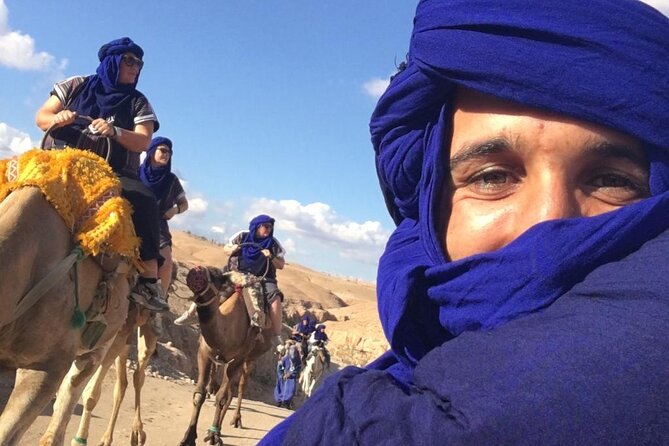
- Two camel rides on Oued Ghighaya (30 minutes each way) instead of a quick photo stop
- A Berber family lunch in a home setting, not a tourist restaurant
- Imlil as your mountain reset: cooler, quieter, and a common starting point for Atlas hikes
- Souk time in Tahnaout and Asni for local rhythm and market energy
- A guide who walks with you on the scenic path toward a waterfall
- Hotel pickup and air-conditioned transport to make the day trip feel smoother
Why This Marrakech-to-Imlil Day Feels Different
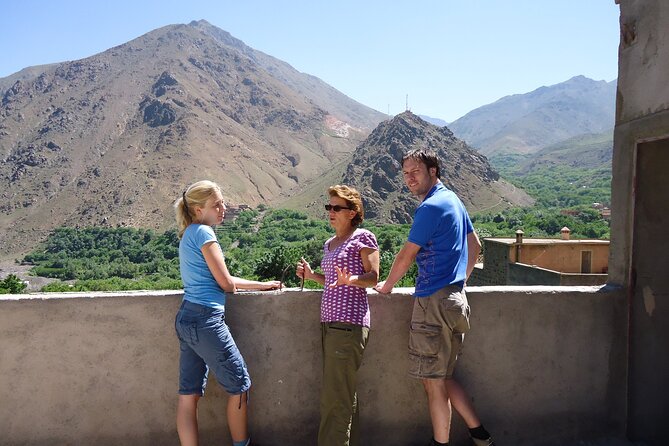
If your Marrakesh trip leaves you craving quiet and fresh air, this is a strong fix. The moment you trade the city for the High Atlas foothills, the pace changes. You still get structure, but the day has enough “on foot” time that you actually feel the mountain rhythm.
I love that the experience is built around people, not just “views.” You’ll spend time with a local Berber guide and eat lunch in a family home, which is where the day becomes personal fast. And I love the fact that the camel ride isn’t a random add-on. You get a calm, slow ride along the riverbed of Oued Ghighaya, then you come back for a second ride on the return.
The trade-off is physical effort. Even with a moderate fitness level requirement, this is not a sit-and-sip outing. You’ll walk as part of the waterfall path, and comfort shoes matter.
A few more Marrakech tours and experiences worth a look
Getting to the High Atlas: the Drive That Sets Expectations
You start at 9:30 am, and you’ll be picked up from your riad/hotel. The transport is air-conditioned, which is a real plus on a long Morocco day, especially if you’re coming straight from the heat and traffic feel of Marrakesh.
The timing matters because you want your first mountain moments to land while you still have energy. The day runs about 7 hours 30 minutes, and the schedule is designed so you’re not just “driving all day.” The vehicle gets you between areas; the walking and food are what fill your day.
This is also a small-group style trip, with a maximum of 50 travelers. That doesn’t guarantee a private vibe, but it usually keeps things from feeling chaotic. You’ll also have time for pictures, which is important because the scenery and village details are the point, not a bonus.
Tahnaout and Asni: Market Stops That Don’t Feel Like Stuffing
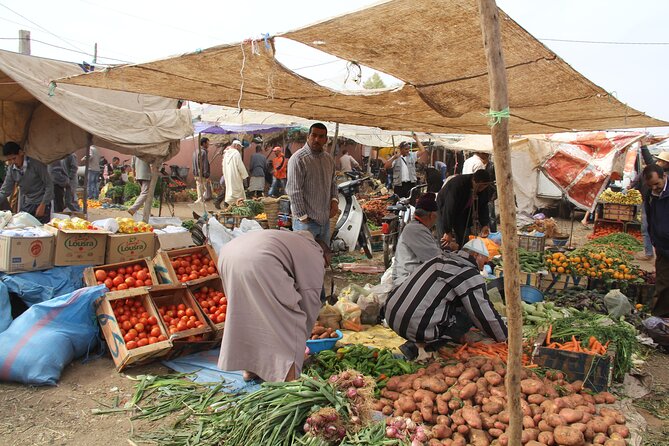
One of the smartest parts of the day is that you don’t only see mountains. You get a little local daily life first.
Tahnaout (Tuesday Souk Energy)
Tahnaout sits in the foothills south of Marrakesh. You’ll have about 45 minutes here, plus it’s known for a weekly souk on Tuesday. Even if the market isn’t the only thing going on that day, this stop helps you shift from the “tourist Marrakesh” mindset to “this is a real region with routine.”
What I like about a quick souk stop is that it trains your eyes. You start spotting how people move through the area, what they buy, and how the villages function without needing any museum labels.
Asni (Saturday Farmers Souk)
Then comes Asni, another foothills stop about 50 km from Marrakesh. It’s connected by road to areas like Imlil, and it also has a weekly farmers souk on Saturday.
This is another 45-minute window, so it’s not long enough to become “shopping therapy.” Instead, it’s enough time to pick up atmosphere. If you like markets, you’ll probably enjoy the rhythm; if you don’t, you can use the stop to simply watch and take a few photos.
Imlil: Your Cooler, Quieter Mountain Base
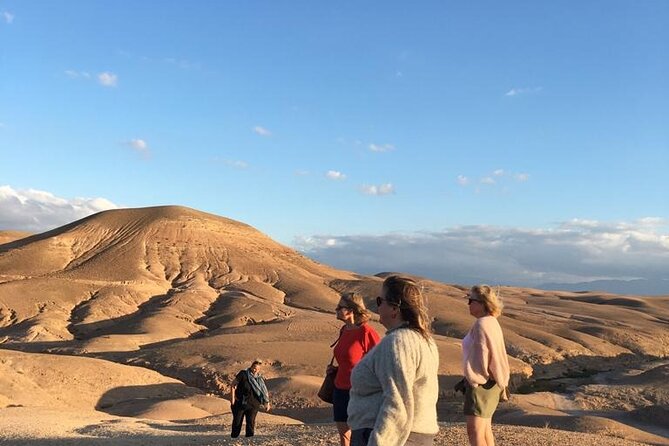
Imlil is where the air and the mood noticeably change. It’s a common starting place for hikes in the area, and it’s also known as the kind of mountain stop that feels calmer than Marrakesh.
You’ll spend about 3 hours in Imlil. This is a good stretch of time to:
- get your bearings in a mountain village setting
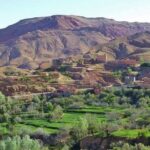
- take in the valley feel
- prepare for the walking part of the day
If you’re the type who likes to step away from the main road and just watch life happen, Imlil gives you that chance. It’s also practical. Many mountain routes in the High Atlas go through this region, so it helps you understand what you’re looking at for the rest of the day.
The Waterfall Walk Through Small Berber Villages
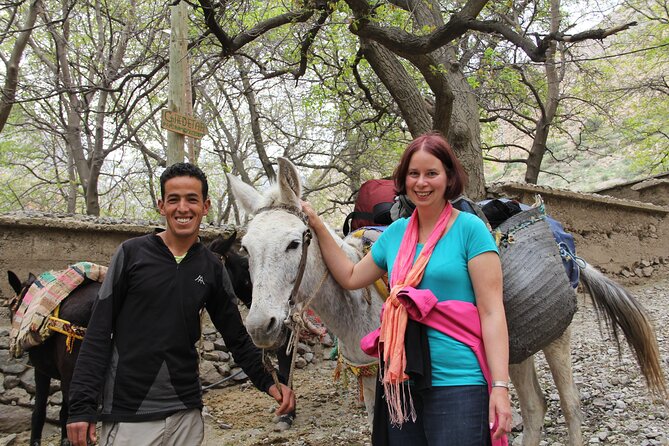
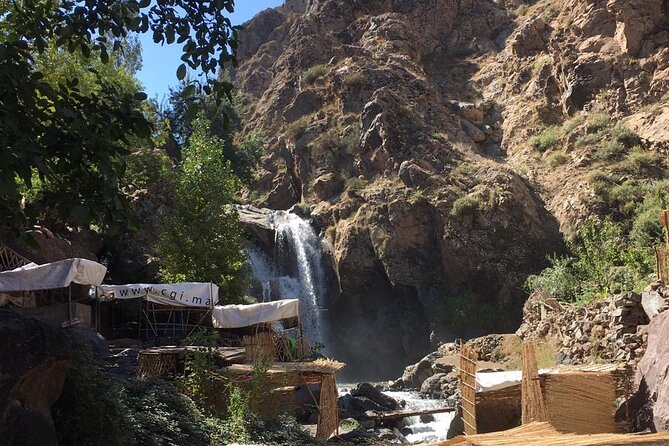
This is the heart of the trip: a small walk of about 2.5 hours along Berber villages and on to a small waterfall. Expect a scenic path rather than a high-intensity climb, but it’s still time on your feet.
This part is where the local guide really matters. A guide isn’t just for pointing out landmarks; they help you understand what you’re seeing and when to pause for views. The day includes time to take pictures, and you’ll also reach a highest point on the walk with strong views over the Berber valleys.
One practical note: in this region, animals used for riding can be strong and lively. People often say donkey, but in mountain operations you might encounter mules or a mix of animal types for riding. Either way, you’ll want to stay balanced and follow your guide’s instructions.
Lunch in a Berber Family Home: Where the Day Becomes Real
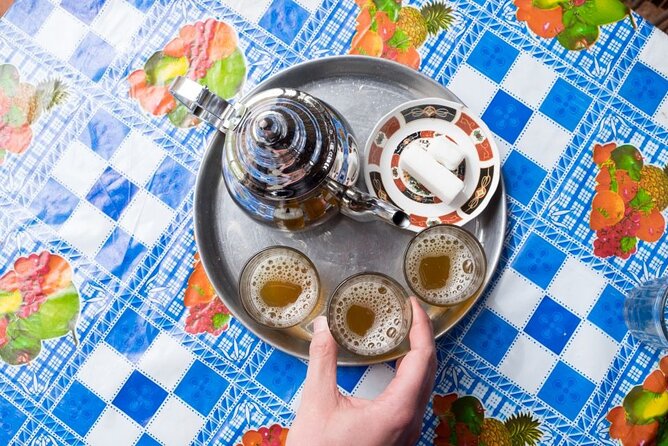
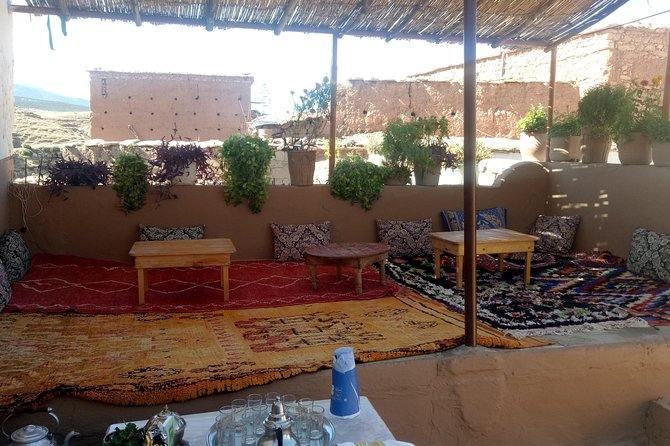
Lunch is included, and it happens in a traditional Berber family home. You’ll share the meal with the people running the household, and it’s not “tour bus food.” The tour also includes mint tea as the welcome drink (coffee/tea is included).
I like this arrangement because it changes how you read the day. After hours in villages and after seeing daily life, lunch feels like a continuation, not a break in the middle. It’s also the kind of experience that’s hard to fake in a standard restaurant.
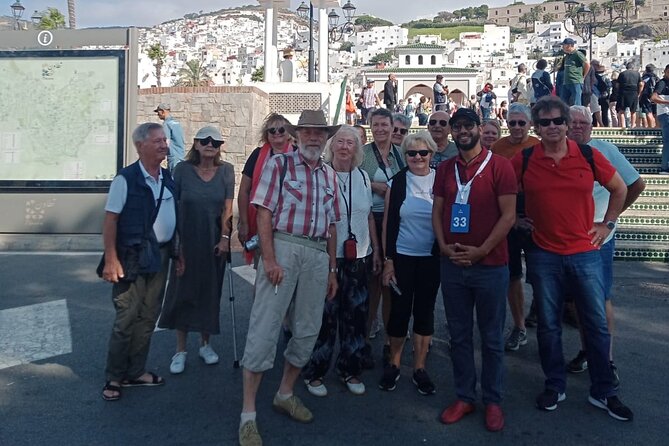
From the names that come up with these guides, you may end up with someone like Radouane or Sarah as your local guide. On some days you might go with guides like Kamal or Mohammed. Having a local guide with a connection to their community is a big part of why the lunch feels personal rather than staged.
Food note: other soft drinks and mineral water are not included, so if you tend to drink a lot, plan on buying water during the day.
Camel Ride on Oued Ghighaya: Fun, Calm, and a Little Wild
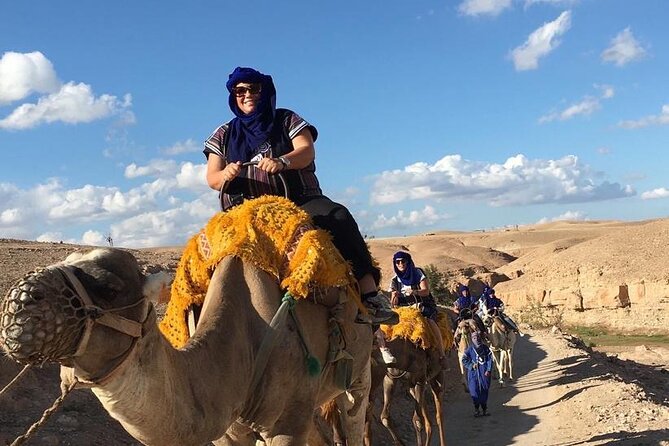
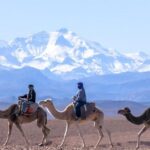
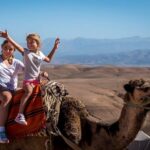
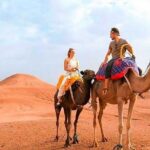
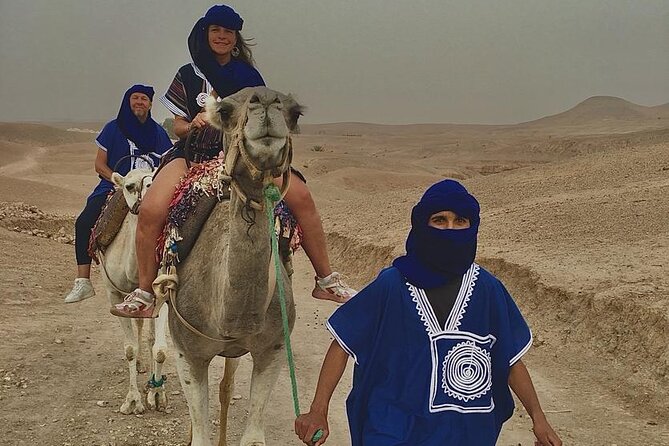
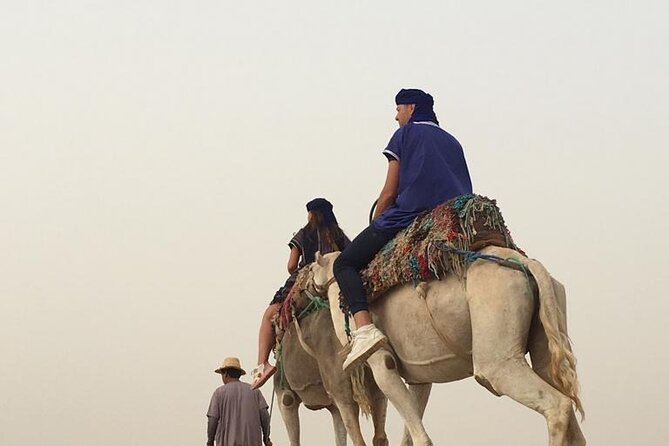
This trip includes a 30-minute camel ride along the riverbed of Oued Ghighaya, then you do another 30-minute ride on the way back to Marrakesh. That double ride is a major value piece here. It’s not just a one-way novelty.
How it feels: the pace is slow, and the rhythm is steady. You get time to look around rather than holding your phone the whole time. It’s a great break from the walking, and it also adds a sense of “we’re doing something in the region” rather than only passing through.
How to ride comfortably:
- Wear shoes you can stay confident in if your footing shifts a bit
- Listen when the guide adjusts your mount
- If you’re short or have balance issues, let the guide know right away
This is one of those experiences that feels simple but depends on your comfort. If you’re nervous around animals, take it steady and don’t pretend you’re fine.
Price and Value: Is $40.65 Fair?
At $40.65 per person, this is priced like a solid day tour, not a luxury excursion. The reason it can feel like good value is that your day includes several major cost components that add up fast in Morocco: hotel pickup, air-conditioned transport, a local guide, a included lunch, tea/coffee, and camel rides.
What you’re paying for is not just transportation to the mountains. You’re paying for:
- guided time (so you don’t feel lost in the villages)
- a home-cooked lunch experience
- two camel rides (a meaningful add-on)
- the structure to cover foothills stops plus Imlil plus the waterfall walk
What isn’t included is also important. Tipping is not included (and tipping is common in Morocco). Also, soft drinks/mineral water aren’t included, so if you want extra drinks, budget for that.
What to Pack (So the Day Feels Easy)
This is a day trip where comfort makes the difference between a good day and a great day.
Bring:
- Good walking shoes with grip (this is a walk segment, about 2.5 hours)
- A light layer for mountain air changes
- Sun protection (you’ll be outside a lot)
- Small cash for any extra drinks or tips
I’d also pack a simple plan for the camel ride photos. You can take pictures, but you’ll still want to stay focused on balance and safety. Keep your phone secure and don’t try to film while you’re readjusting.
Booking, Group Size, and the Reality of Weather
This trip is described as operating with a maximum of 50 travelers, and it often gets booked about 10 days in advance on average. That means earlier planning can help your schedule, especially in busy seasons.
The experience also requires good weather. If weather is poor, it may be canceled, and you’ll typically be offered a different date or a full refund. In Morocco, conditions can change fast in mountainous areas, so build in flexibility.
Who Should Book This Atlas Day Trip?
This tour fits best if you want:
- a mountain day without needing to book separate hikes
- culture through daily life, including a Berber family lunch
- a mix of walking and an animal experience (camel rides)
- time in Imlil plus a waterfall goal
It’s not ideal if you:
- hate walking on uneven paths
- want a totally low-effort itinerary
- expect everything to be flat and paved
If you’re coming for a Marrakech city break and want one day that feels like Morocco beyond the medina, this is one of the best “one-day” choices because it combines foothills markets, mountain village life, and included meals.
Should You Book This Marrakech Atlas Mountains Camel Ride?
I think you should book if you want a day that feels like you’re meeting the High Atlas, not just passing by it. The standout value is the combination of two camel rides, a waterfall walk through Berber villages, and lunch in a family home—all wrapped up in pickup, transport, and a local guide.
Don’t book if you want a mostly seated day or you’re struggling with longer walking segments. But if you can handle a hike-style portion and you like real local contact, this is exactly the kind of day trip that adds depth to your Marrakech trip.
FAQ
FAQ
How long is the Atlas Mountains day trip?
It’s about 7 hours 30 minutes.
What time does the tour start from Marrakech?
The start time is 9:30 am.
Is hotel or riad pickup included?
Yes, pickup is included from your riad/hotel.
Are camel rides included, and how long are they?
Yes. You get camel rides of about 30 minutes along Oued Ghighaya, and another 30-minute camel ride on the return.
Is lunch included?
Yes. Lunch is included in a traditional Berber family home, and mint tea is included as the welcome drink.
Do I need a certain physical fitness level?
You should have moderate physical fitness level, since there is a walking segment of about 2.5 hours.
Which places do you visit besides Imlil?
You also stop in Tahnaout and Asni (with souk/market days noted for Tuesday and Saturday), then spend time in Imlil before the village walk.
What’s the group size like?
This experience has a maximum of 50 travelers.
What happens if weather is bad?
The experience requires good weather. If it’s canceled due to poor weather, you’ll be offered a different date or a full refund.