REVIEW · MARRAKECH
Excursion to the Ourika Valley and Berber villages
Book on Viator →Operated by Marrakech Day Trips · Bookable on Viator
One day in the Atlas beats a dozen photos. I love the mix of Berber village life and the women-run argan oil cooperative, and then the day turns physical at the Setti Fatma area and the 7 Cascades. The only real drawback is simple: it’s a full day out of Marrakech, so you’ll want comfortable shoes and a flexible plan if weather slows the hike.
This is a private group trip (up to 7) with pickup and a friendly driver/escort, often with local know-how from the likes of Youssef, plus an on-the-ground mountain guide for the waterfalls. You get private, air-conditioned transport, WiFi onboard, and admission tickets included for the key parts of the day.
What you’re paying for is more than a ride. You’re buying time back from logistics, plus a guided stretch in the mountains, plus access to places you’d likely skip or struggle to find on your own. If you hate walking when it’s slippery near water, consider whether the cascade hike fits your comfort level.
In This Review
- Key moments worth planning your day for
- Price and logistics: what $223.82 per group really buys
- Leaving Marrakech for the High Atlas, without the stress
- Ourika Valley: Berber houses, souks, and the women’s argan oil cooperative
- The Setti Fatma area and 7 Cascades d’ourika: where the day turns active
- Lunch by the river: tasty timing, and how to pay for it
- Timing for a 7-hour day: how to keep it enjoyable
- Who this tour is best for (and who might want a different day)
- Service quality: why guides and drivers matter more than people think
- Should you book this Ourika Valley and Berber villages trip?
- FAQ
- How long is the Ourika Valley and Berber villages excursion?
- What is the group size limit for this tour?
- Do I get picked up from Marrakech?
- Is admission included for the key stops?
- Will I have a guide for the mountain hike?
- Is lunch included in the price?
- What about transportation and comfort?
- What should I know about weather?
- Is this suitable for most fitness levels?
Key moments worth planning your day for
- Women-run argan oil production you can actually watch, not just hear about
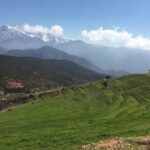
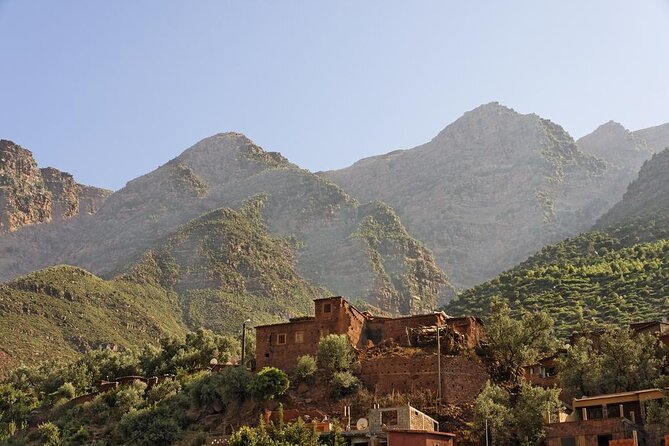
- High Atlas Berber villages with small houses and a local rhythm that feels real
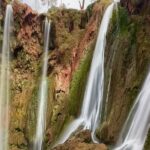
- A guided hike in the Ourika area toward the 7 Cascades d’ourika
- Cooling off at waterfalls around Setti Fatma and along the cascade route
- Admission tickets included, so you’re not hunting for entry fees mid-day
Price and logistics: what $223.82 per group really buys
At $223.82 per group (up to 7 people), this day trip can work out well if you’re traveling as a small group or with family. The value isn’t only the low-ish headline price. It’s the structure: private transportation, admission tickets included, a mountain guide for the hike, and WiFi onboard.
For 1–2 people, the per-person cost can feel higher, but you’re still paying for fewer hassles. You’re not coordinating multiple rides, trying to interpret directions in the Atlas, or worrying about how you’ll get back to Marrakech on time. And because it’s private, your timing is more flexible than a big group bus tour.
One thing to keep in mind: lunch is not included. You’ll pay on site (around 10 euros), so plan a little extra in your budget and bring cash or a card that works where you eat.
You can also read our reviews of more tours and experiences in Marrakech.
Leaving Marrakech for the High Atlas, without the stress
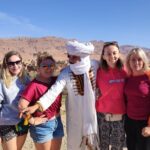
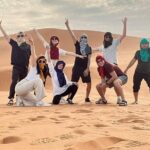
Marrakech-to-the-Ourika Valley days can be chaotic if you DIY them. The biggest advantage here is that the day starts with a plan and a vehicle that’s already waiting for you. Pickup is offered, and you travel in an air-conditioned car, which matters once the day heats up.
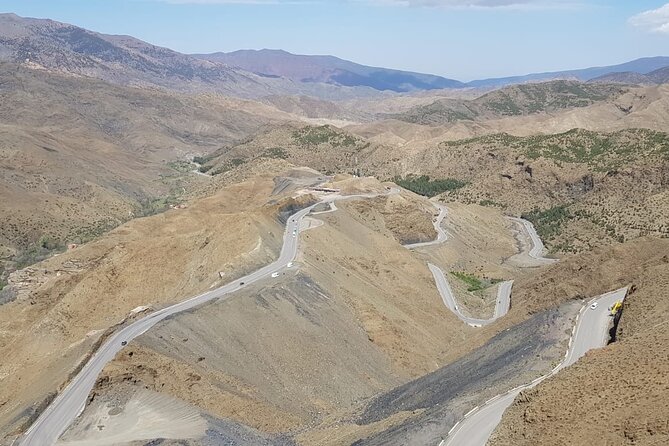
The drive itself is part of the payoff. You’re moving from the energy of Marrakech toward the High Atlas, and the scenery shifts as the road climbs. On trips like this, the best part of having a good local escort is context. Youssef-type drivers are often the ones who help smooth out the day, answer questions, and keep things running on schedule.
Also: WiFi onboard sounds like a small detail, but it helps when you want to look up trail conditions, check maps, or just send a quick message before you lose phone signal near the waterfalls.
Ourika Valley: Berber houses, souks, and the women’s argan oil cooperative
The Ourika Valley is the cultural warm-up act. Before you tackle the waterfalls, you get a look at everyday life in the valley—small Berber houses clinging to the hillside, plus local stops that explain how people live with the Atlas right outside their doors.
You’ll spend time discovering Berber village settings and likely see the kind of informal shopping that makes Moroccan valleys feel grounded. Souks show up in the day’s flow for a reason: this isn’t just sightseeing. It’s a window into commerce, craft, and local food rhythms.
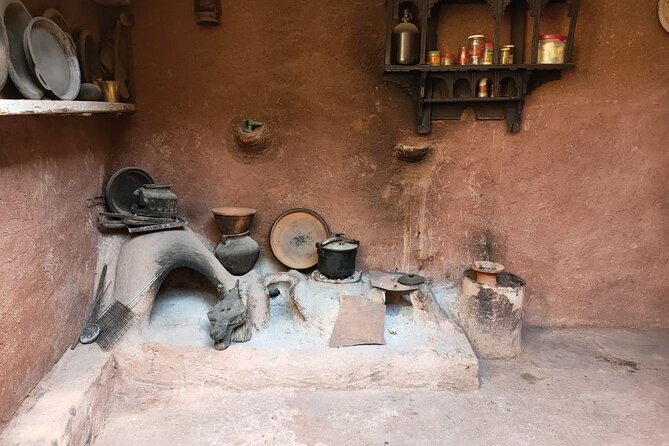
Then there’s the women’s argan oil cooperative, and this is the part I’d prioritize in your mind. It’s not presented as a distant factory tour. You visit the cooperative and see on-site production. That matters because it turns argan oil from a souvenir story into a process story—how the raw materials become a product people use and sell.
Practical tip: go in with questions. Ask how the cooperative works, what women do day to day, and what products they make. If your guide is the talkative type (and many are), you’ll walk away with more than a sample bottle.
What to watch for: these cooperatives often sell products. I’m not saying avoid it. I’m saying buy only if it’s something you’ll use. Argan oil is one of those items people feel obligated to purchase. If you don’t cook or use skincare, you might be better off treating it as a one-time gift buy.
The Setti Fatma area and 7 Cascades d’ourika: where the day turns active
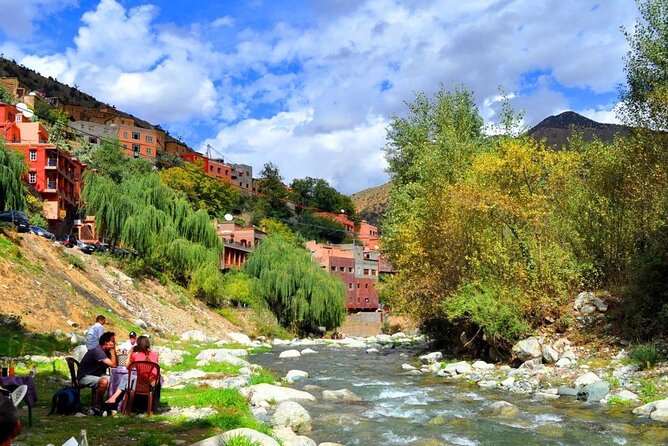
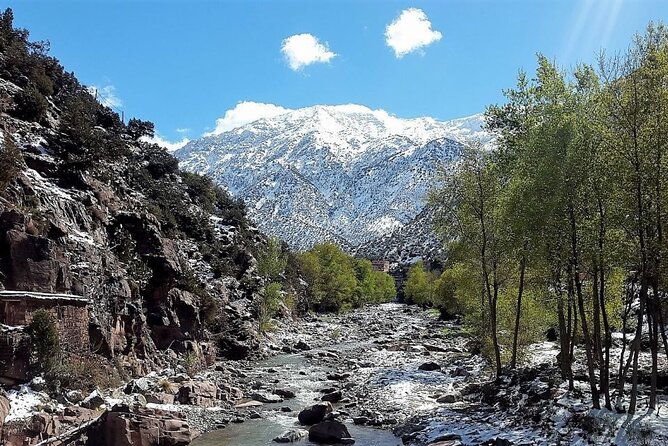
After your valley introduction, the trip takes a more active turn with the hike toward the 7 Cascades d’ourika. This is the centerpiece if you like moving through places rather than just looking at them from a car window.
The route is paired with visits that keep the cultural thread going. You’ll see a Berber house again as part of the day’s flow, which helps you connect what you saw in the valley with how life adapts to the mountains.
Then comes the hike. You’ll have an experienced mountain guide, which is exactly what you want on uneven paths near water. A guide helps with pacing, footing, and knowing where the views and accessible points are. It also gives you someone to ask about what you’re seeing—plants, water, rock, and how seasonal changes affect the valley.
I’ve found that waterfall hikes feel easy on paper and trickier in real life. That’s why the guide matters: you’re less likely to slip, and you’re more likely to get to the best parts without racing.
If you’re visiting with kids or older adults, this is the portion where you should judge your group’s comfort level. Most travelers can participate, but you’ll still want to be realistic about stairs, rocks, and damp surfaces.
Lunch by the river: tasty timing, and how to pay for it
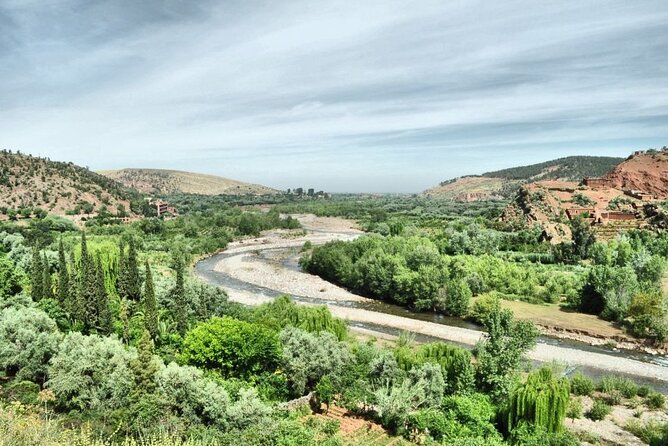
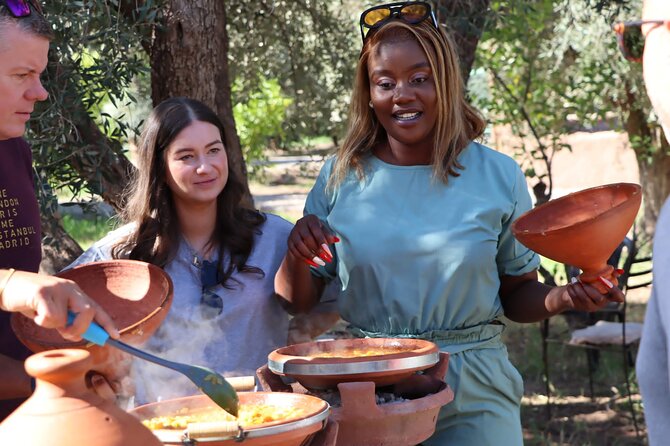
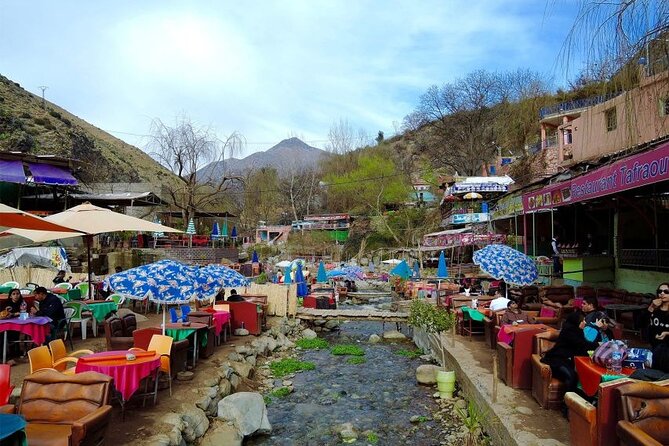
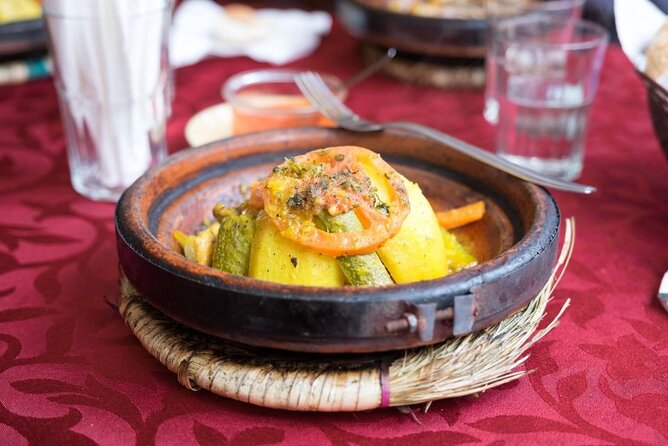
Lunch happens at a traditional restaurant by the river. That setting is a big part of why this day works. You’re not eating in a parking lot or rushing through a quick bite. You’re taking a break in the valley, letting the pace reset after the walk.
The catch is cost: lunch is not included. The tour notes say around 10 euros to be paid on site. That’s a pretty normal “local meal” add-on for a day like this, but I always recommend you show up with a little extra cash just in case.
What to order? If you see familiar Moroccan staples, go with what you can pronounce and what looks fresh. If the menu feels too complex, ask your guide for a recommendation. When you’re near rivers, meals can be heavy, so plan hydration too.
If your stomach is sensitive, keep it simple: rice-based or chicken-based dishes tend to be safer bets than anything too spicy.
Timing for a 7-hour day: how to keep it enjoyable
This experience runs about 7 hours, so the key is not trying to do this like a slow museum visit. It’s a structured day with multiple parts, and the waterfalls are time-and-feet dependent.
To keep it enjoyable:
- Start the day early in your mindset. Once you’re out of Marrakech, your schedule fills fast.
- Save energy for the hike. The cooperative and village stops are worth it, but the big workout is later.
- Bring a small bag for water and a layer. Even in warmer months, the air near water can feel cooler once you’re moving.
One more timing note: the day depends on weather. Bad weather can change plans, so keep your expectations flexible if skies turn ugly.
Who this tour is best for (and who might want a different day)
This is a strong fit if you want more than a quick splash at a landmark. You’ll get Berber culture, a hands-on look at argan oil production, and a guided mountain hike. If you’re the type who likes asking questions and connecting craft to daily life, you’ll enjoy the way the day is built around people, not just scenery.
It’s also good for small groups. Private transport for up to 7 keeps the day comfortable and cuts the waiting.
You might choose another option if:
- You dislike walking on uneven ground, even with a guide.
- You want a purely relaxed day with zero physical effort.
- You’re on a very tight budget for every meal add-on.
Service quality: why guides and drivers matter more than people think
In mountain valley days, the guide is half the trip. You’ll get a mountain guide for the hike, and your driver/escort can make a difference in pacing, communication, and problem-solving.
The reviews you provided point to reliable, on-time service from Youssef, and they also mention mountain guidance from someone like Redouan. That’s a good sign because it suggests two things: the transportation side runs smoothly, and the hiking side isn’t left to chance.
For you, that means fewer moments of confusion. You’ll spend more time actually enjoying the valley rather than waiting, searching, or trying to translate signs while getting wetter and grumpier.
Should you book this Ourika Valley and Berber villages trip?
Book it if you want a day that mixes culture and movement in a smart order: valley first, argan cooperative and Berber life in the middle, then waterfalls with real mountain guidance. The value is strongest for small groups because the private transport plus included admissions and guided hike are baked into the price.
Pass or pick a gentler alternative if you know you’ll struggle with hiking on rocky, damp paths. Also, factor in lunch spending on site around 10 euros and plan your day with weather in mind.
If you want my quick decision rule: choose this when you’re curious about how people live and work in the Atlas, and you’re willing to trade comfortable city walking for a guided waterfall hike.
FAQ
How long is the Ourika Valley and Berber villages excursion?
It runs about 7 hours.
What is the group size limit for this tour?
It’s priced per group up to 7 people, and it’s a private tour for your group.
Do I get picked up from Marrakech?
Yes, pickup is offered.
Is admission included for the key stops?
Yes, admission tickets are included for the Ourika Valley portion and the 7 Cascades d’ourika portion.
Will I have a guide for the mountain hike?
Yes, the experience includes a mountain guide.
Is lunch included in the price?
No. Lunch is around 10 euros and is paid on site.
What about transportation and comfort?
The tour includes private transportation in an air-conditioned vehicle, plus WiFi onboard.
What should I know about weather?
This experience requires good weather. If it’s canceled due to poor weather, you’ll be offered a different date or a full refund.
Is this suitable for most fitness levels?
The tour notes say most travelers can participate.