REVIEW · FES
From Fez: Middle Atlas Mountains Day Trip
Book on GetYourGuide →Operated by El ouarti voyagistes & tourisme · Bookable on GetYourGuide
Fez is great, but the Middle Atlas hits different. This day trip pairs Barbary macaques in the cedar forest with Moroccan tea in a traditional cave home, all wrapped in an easy, hotel-to-hotel route. My only caution: lunch and cave entry aren’t included, so you’ll want to budget a bit extra once you’re out in the mountains.
What makes it work so well is the rhythm: city pickup, countryside stops with photo windows, and a few well-chosen cultural moments rather than one long scramble. The tone can vary by driver/host, too—some people get a true guide vibe, while others (like Soufiane in one review) focused more on driving but still shared lots of practical local info.
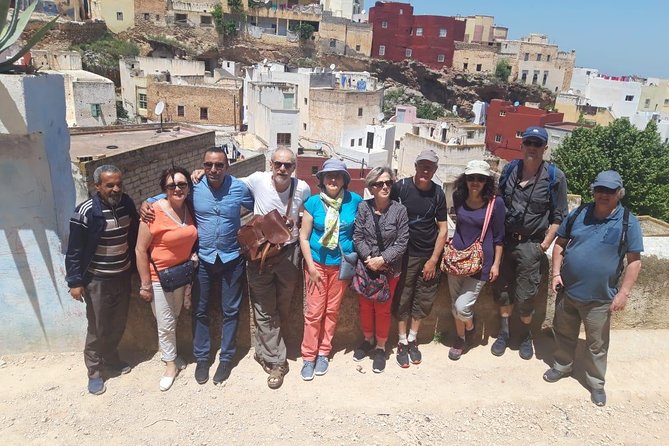
You’ll likely be in a small group with plenty of chances to step out and look around. In one case, the group was small enough for an SUV, which made the day feel more personal and comfortable.
In This Review
- Key moments you’ll remember
- From Fez pickup to the Middle Atlas: the part that sets the tone
- Immouzar and its cave homes: culture you can see, not just read about
- Ifrane’s French streets and the stone lion: why this town feels unusual
- Ifrane National Park: cedar forest, monkeys, and how to time your viewing
- Lunch timing: plan for what’s not included
- Azrou at 4,100 feet: flocks, flour, and carpentry in action
- Tea in a cave house: the most personal (and honest) finish
- Guides and drivers: the human factor that makes or breaks the day
- Price and value: why $17 is a solid deal (with one catch)
- Who this trip suits best (and who might want a different option)
- Should you book the Middle Atlas day trip from Fez?
- FAQ
- How long is the Middle Atlas day trip from Fez?
- Is hotel pickup and drop-off included?
- What animal do you look for during the trip?
- Are any entry fees included?
- Is lunch included in the price?
- Is the tour wheelchair accessible?
Key moments you’ll remember
- Barbary macaques in cedar trees at Ifrane National Park
- Immouzar’s cave homes and the story tied to the September apple festival
- Ifrane’s French architecture plus a famous stone lion in town
- Azrou at 4,100 feet with Berber flocks and hands-on craft scenes
- Tea with a Berber family in a cave house setting
From Fez pickup to the Middle Atlas: the part that sets the tone
I like starting a day trip from Fez because it keeps your morning simple. You get hotel pickup and drop-off, then a comfortable air-conditioned ride heading into the Middle Atlas. The person in the front seat matters here: reviews include drivers who were praised for calm, safe driving (Soufiane is one name that came up), and others who blended driving with explanations (Samir, Momo, and Othmane were singled out for friendly, informative talk).
You should expect the ride to feel like a string of short discoveries. There’s a stop for a scenic photo moment at Ain Vital before you reach Ifrane, so it’s not just highway time. When roads start climbing, the air changes, and the day starts feeling “real Morocco” instead of just “Morocco-adjacent.”
One practical note: if you’re hoping for a highly detailed lecture the whole way, the experience may depend on who you get. Some hosts are more driver-first, even if they still share plenty of context.
A few more Fes tours and experiences worth a look
Immouzar and its cave homes: culture you can see, not just read about
Immouzar is where the day turns human-scale. This is the place where you get a look at the traditional cave homes of a local Berber community, with the added cultural backdrop of the September apple festival. The caves aren’t a museum display here; they’re part of how people live, and that difference shows.
The tour includes time to stroll and learn, and you’ll also understand why the setting works for community life. Cave housing ties into the environment, and it also keeps the day from feeling like a checklist. If you want one “wow, I get it now” moment in the first half of the trip, this is usually it.
One small budgeting detail: there is a cave entry fee (2 euros). It’s not a deal-breaker, but it is something to plan for so you aren’t scrambling with cash at the wrong moment.
Ifrane’s French streets and the stone lion: why this town feels unusual
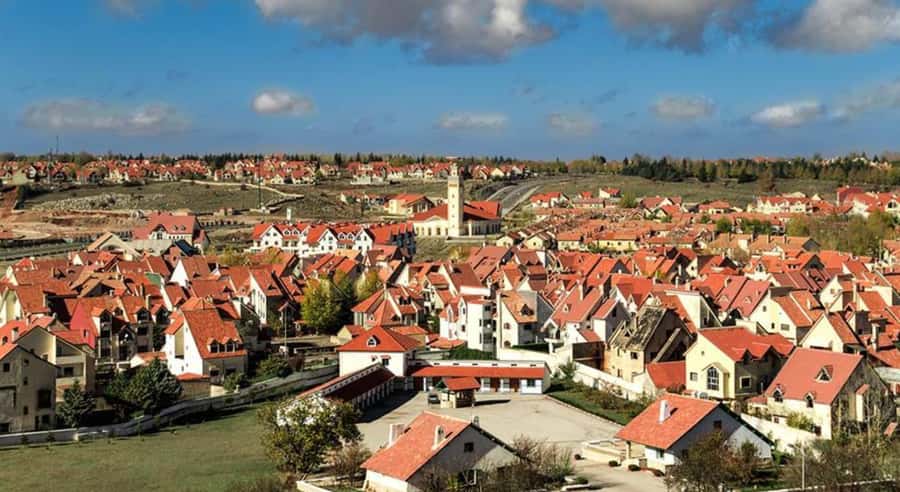
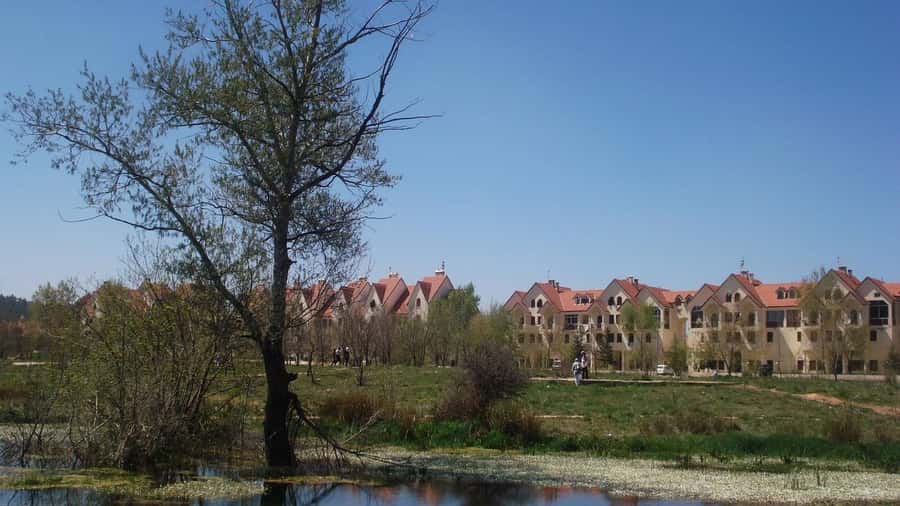
Then comes Ifrane, the town that seems almost misplaced in the Middle Atlas. It was founded in 1930 by French immigrants, and you can see the influence in the French-inspired architecture and the way the streets feel more European than you might expect. I love moments like this because they remind you Morocco isn’t one single look or one single story.
In town, you’ll walk through alleys lined with those familiar design touches and spend time seeing the landmarks. One standout is the massive stone lion, the kind of public sculpture that works as both an easy photo stop and a real memory marker for the day.
Here’s my practical consideration: time in Ifrane can feel long if you’re mostly there for nature. One helpful tip from the experience itself is to be mindful about how long you linger in town if you care most about the cedars and animals. If you’re comfortable with pace, enjoy the stroll. If you’re not, keep your priorities close.
Ifrane National Park: cedar forest, monkeys, and how to time your viewing
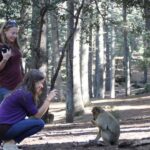
After Ifrane, the best part of the day moves into the mountains. The tour heads into Ifrane National Park and drives through cedar forest where you can look for the endangered Barbary macaques in the trees. This is the moment that many people book for, and it’s easy to see why: watching monkeys in real habitat is different from zoo-style viewing.
What you’ll want in this segment is patience more than speed. The macaques don’t perform on a schedule, so I recommend staying alert, looking upward, and giving the guides/drivers a little trust when they say to pause and wait for movement.
Safety and respect matter too. Keep your distance, avoid sudden gestures, and follow what your driver or guide suggests. The day feels more rewarding when you treat it like a shared living space rather than a stage.
A quick bonus: the experience includes enough time for multiple look angles from the road/forest areas, so you’re not stuck seeing everything from one single spot.
Lunch timing: plan for what’s not included
Right after the park, the tour includes a stop for lunch that isn’t included. That means you’ll either pay out of pocket or choose something quick near where you’re dropped. I like to keep this simple: carry a little extra cash (or ensure your payment method works) so you can focus on the day rather than the math.
If you’re sensitive to timing, this is the point where you can adjust your expectations. You won’t leave the tour hungry for sure, but you might not get the “included meal” comfort you’re used to on some group tours.

Azrou at 4,100 feet: flocks, flour, and carpentry in action
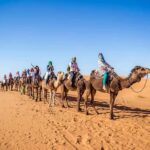
Next up is Azrou, a Berber village set high in the Middle Atlas at about 4,100 feet. This part of the day slows down in a good way because you’re not just looking at buildings—you’re watching daily life. You’ll see traditional houses and spend time observing Berber men with their flocks, plus glimpses of grinding flour and other work.
One of the coolest details here is the mention of carpentry as a practiced trade. It gives you a sense of skill and routine, not just scenery. Azrou can feel like a “this is how people work and live” stop, which is exactly what I want from a day trip when I’m already traveling.
You might also notice how the high altitude changes the feel of the day. It can feel fresher and cooler than Fez, and it makes the cedar-forest segment and the village segment feel like one continuous highland story.
Tea in a cave house: the most personal (and honest) finish
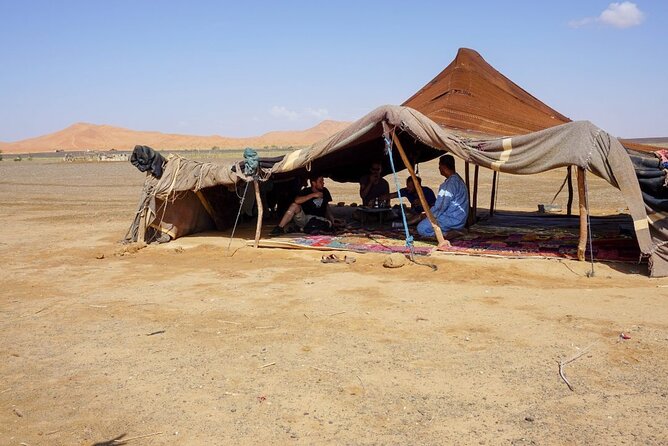
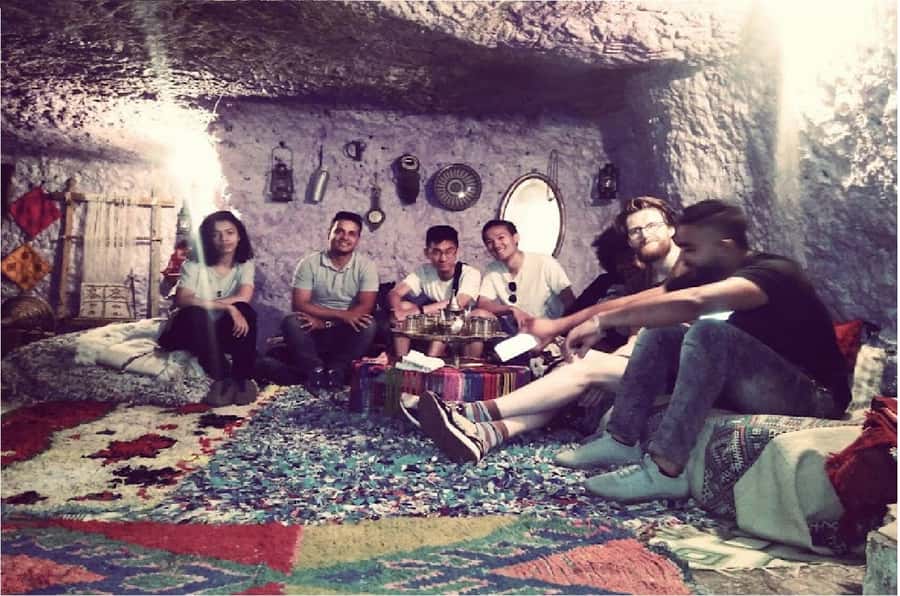
The last stop is one of the day’s best ideas: a visit to a Berber family living in a traditional cave house for Moroccan tea. This is where the tour becomes less about seeing “things” and more about meeting people’s routines. You get a cup of hot tea, a chance to ask questions, and an introduction to Berber culture and traditions in a real living setting.
In terms of emotional value, this ending tends to beat another museum stop every time. Tea is small, but it’s also a social language. Even if your questions are simple—where they live, what the day is like—you’ll usually feel the warmth right away.
If you’re wondering about the cave fee again, remember that the tour notes entry fees for the cave. So this is the moment where you’ll either pay or confirm what’s already covered. Either way, it’s worth it because it turns the day’s story into something you carry home.
Guides and drivers: the human factor that makes or breaks the day
The biggest recurring theme across the experience is comfort through good people. Many reviews praised hosts for being friendly, accommodating, and safe on the road, with names like Samir, Fahran, Momo, Abdul, Ismail, Hamza, Munir, Othmane, Mehdi, Usman, Mohamed, and Mounir showing up. Some were praised for excellent English; one person specifically noted Othmane speaking English, Spanish, and French.
I recommend treating the guide/driver as your “day manager.” If you want more time in the forest, ask politely when there’s a decision point. If you want the clearest monkey viewing, ask where they’ve seen activity. Most of the praised hosts clearly liked questions and didn’t rush answers.
One more useful reality: a few hosts are more driver-focused while still sharing plenty of context. That’s not bad—it just changes what you should expect in terms of storytelling. If your priority is movement plus a few key conversations, you’ll likely be happy.
Price and value: why $17 is a solid deal (with one catch)
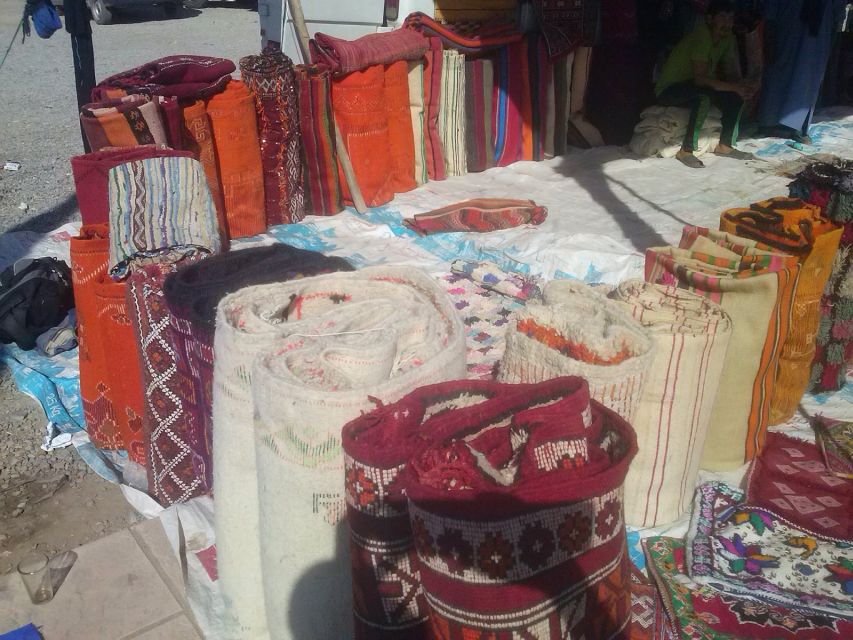
At $17 per person for about 7 hours, this is priced like a budget-friendly way to get out of Fez. You’re getting hotel pickup and drop-off plus a professional driver, which are the two pieces that often cost more when booked separately.
The trade-off is that not everything is included. You should expect:
- 2 euros for the cave entry
- Lunch not included
- Food and drinks not included
That’s the one catch. The good news is the added costs are limited, and they’re easy to manage. If you come prepared with a few extra coins/bills and a lunch budget, the overall value stays strong.
Also, the day covers multiple environments—city-edge culture (Immouzar), alpine town architecture (Ifrane), cedar-forest wildlife (National Park), and highland village life (Azrou). For a single-day itinerary, that’s a lot of variety for the money.
Who this trip suits best (and who might want a different option)
This tour is a strong fit if you want a mix of nature + culture without complicated planning. It’s also a good match for families and people traveling with kids, since some praised hosts were specifically described as great with children (Usman is one of the names mentioned).
You might especially enjoy it if:
- you want Barbary macaques in the wild, not just “a stop at an attraction”
- you like seeing Berber life beyond the city walls
- you prefer a guided route that handles the drive
You may prefer a different setup if you’re after very deep, slow storytelling at each stop. This is still a day trip with a schedule, and even with plenty of chances to get out, you won’t linger all day in any single location.
Should you book the Middle Atlas day trip from Fez?
Yes, book it if you want a clean, budget-friendly way to experience the Middle Atlas in one day. The combination of cedar-forest monkeys, Ifrane’s unusual French-influenced town vibe, and the ending with tea in a cave house gives the day real balance.
Just do two things before you go: bring a little cash for the cave entry and set aside a lunch budget. If you do, this becomes one of those Fez add-ons that actually changes your trip rhythm, not just your calendar.
FAQ
How long is the Middle Atlas day trip from Fez?
The tour lasts about 7 hours.
Is hotel pickup and drop-off included?
Yes. The tour includes pickup from your hotel in Fez and drop-off afterward.
What animal do you look for during the trip?
You’ll visit Ifrane National Park to see Barbary macaque apes in the cedar trees.
Are any entry fees included?
No. Entry fees aren’t included, and there is a cave entry fee listed at 2 euros.
Is lunch included in the price?
No. Lunch isn’t included.
Is the tour wheelchair accessible?
Yes, it is listed as wheelchair accessible.