Food in Fes tastes like street-level theater. This private foodie tour starts at Bab Boujloud and turns the old city into an easy-to-follow tasting route with a guide who keeps you moving through real backstreets, not set-and-forget stops. I especially like the mix of breads, sweets, and savory dishes that you simply would not line up on your own, plus the way the guide explains what you’re eating and why it matters in daily life. One consideration: you’ll likely finish feeling very full, because the pacing includes several tasting pauses close together.
What makes this one practical is that it stays tight to a roughly 3-hour window, then leaves the rest of your day open. I also like that you get soft drinks included, so you’re not constantly searching for refreshments while you’re in the medina maze. Your main trade-off is that it’s on your feet in the old city, with no transportation included—so comfy shoes help more than you might think.
The tastings center on classic Fes flavors, including faran cooked in the communal underground oven, baghrir (Moroccan pancake) in morning or snack timing, chabakiya sweets with sesame and honey, harira soup, and juicy charcoal-grilled lamb kefta. If you go during a day with bad weather, expect changes or a refund offer, since good conditions matter for this walking-focused experience.
Key highlights at a glance
- Meet right at Bab Boujloud so you can get your bearings fast
- Faran at the communal oven gives you more than a bite; you see how it’s made
- Baghrir tasting pause hits breakfast and also works as the snack locals call casse la croute
- Chabakiya + harira pairs a Ramadan-style sweet cookie with Morocco’s most famous soup
- Charcoal lamb kefta is the savory finish that feels like a proper meal
- Private group attention means the guide can adjust to what you can actually eat
In This Review
- Meet at Bab Boujloud and Get Your Day Rolling
- 3 Hours in the Old Medina: Walking Pace, Food Pace
- Faran at the Communal Oven: The Flavor Starts Underground
- Baghrir Pause: Morocco’s Pancake Rhythm for Morning or Snack Time
- Chabakiya Cookies and the Sweet-Savory Story of Ramadan
- Harira Soup and Charcoal Lamb Kefta: Comfort Meets Charcoal Heat
- Price and Value: What $75.05 Buys You in Fez
- Who Should Book This Food Tour (and Who Might Skip It)
- Should You Book Fes Food Tour?
- FAQ
- Where is the tour meeting point?
- How long does the Fes Food Tour last?
- What food tastings are included?
- Are soft drinks included?
- Is transportation included?
- Is this tour private?
- What type of fitness level is needed?
- What if the weather is bad?
- Are tips included?
Meet at Bab Boujloud and Get Your Day Rolling
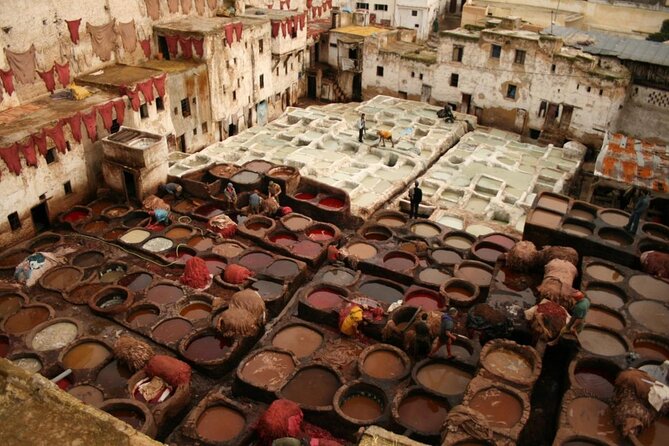
Starting at Bab Boujloud is a big deal in Fez. The medina is compact but confusing, and having a clear meeting spot right by a famous gate reduces stress before you even start. You’ll meet at فندق باب بوجلود49, kasbat boujloud place boujloud, Fes, Morocco, and the tour also ends back at the meeting point. That round-trip structure is handy: once you finish, you’re already where you can continue exploring with less backtracking.
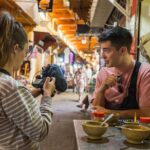
This tour is also private, so you’re not sharing your guide with a wandering group that moves at a different pace. In practice, that means you can slow down when something smells great, ask why a dish is served a certain way, or take a breather if the alleyways feel tight. Guides named Hakim and Fatima have been praised for being generous with time and flexible about what you want to try, which matters a lot on food tours where appetite and comfort levels vary.
One more small but real advantage: the route is designed for backstreet eating. That’s the difference between “I found food” and “I understood what I ate.” You’re not just buying bites; you’re learning what each dish is for—breakfast timing, snack rhythm, and Ramadan-style meals—so you leave with better context than a list of dishes.
3 Hours in the Old Medina: Walking Pace, Food Pace
This tour runs about 3 hours, and after that you’re free to roam the rest of the day on your own. That is a smart setup for Fez, because the medina is best when you can wander afterward without feeling you have to hit a schedule.
Do note what this means for your body. The tour includes backstreets and alleyways where local people eat. You should have a moderate physical fitness level, and you’ll want shoes that can handle uneven pavement. Transportation isn’t included, so you’ll arrive near the meeting spot and stay within that walking orbit while the guide leads the way.
The tour also runs on a simple tasting format: you’ll stop, taste, then move on. That sounds easy until you realize how filling these dishes can be. If you tend to eat slowly, drink water between tastings, or you know you don’t handle a lot at once, tell your guide early. Private attention helps here because you’re not stuck powering through.
One more practical note: the tour requires good weather. If conditions aren’t right, you’ll be offered another date or a full refund. That’s worth planning around if you’ve built your day around a specific time window.
You can also read our reviews of more food & drink experiences in Fez
Faran at the Communal Oven: The Flavor Starts Underground
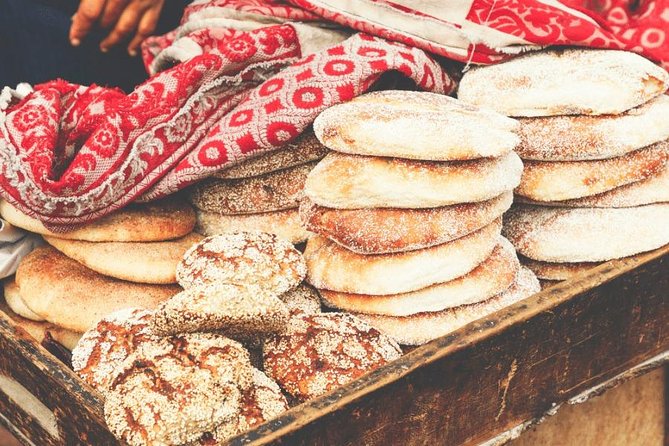
One of the most memorable parts is the faran stop, also called the communal oven. This is a traditional underground wood-fire oven where local families bring dough on trays to be cooked for a small fee.
Why this matters: Faran isn’t just a bread you get to eat. It’s a window into how food is made in Fez, and how community shows up in everyday meals. When you see dough going into a shared oven, it changes your whole mindset about bread—from something produced in isolation to something tied to neighborhood routines.
You’ll taste the results of that process as part of the tour’s lineup. Even if you’re only there for a few hours, the faran stop gives you a baseline for understanding the rest of what you eat: Morocco has strong bread culture, and the medina’s food economy leans on techniques like this that work in dense neighborhoods.
A small consideration: since this is an oven-based stop, the experience can depend on how everything is set up at that moment. If you’re very time-sensitive, keep a bit of flexibility in your schedule—this tour is designed for the food rhythm, not a strict drive-by checklist.
Baghrir Pause: Morocco’s Pancake Rhythm for Morning or Snack Time
Next comes a baghrir pause, the Moroccan pancake version. It’s often served in the morning as breakfast, but it also fits early evening snack timing—locals call it casse la croute, meaning snack time.
Baghrir is one of those dishes that feels like it belongs to Fez no matter the hour. The texture and flavor are different from what many people expect from a typical pancake, and the fact that it can show up in both morning and evening says a lot about Moroccan meal structure. Food isn’t always tied to a formal three-meals-a-day schedule. Sometimes it’s about getting something warm and satisfying when life calls for it.
If you go with an open mind, this pause helps you pace the rest of the tour. It’s easier to digest than some heavier dishes, and it creates a bridge between bread culture (like faran) and the sweeter course that can follow.
One practical tip: take a breath before the next stop and sip your soft drink slowly. That keeps you comfortable for what comes after, especially when you’re heading toward sweets and soup.
Chabakiya Cookies and the Sweet-Savory Story of Ramadan
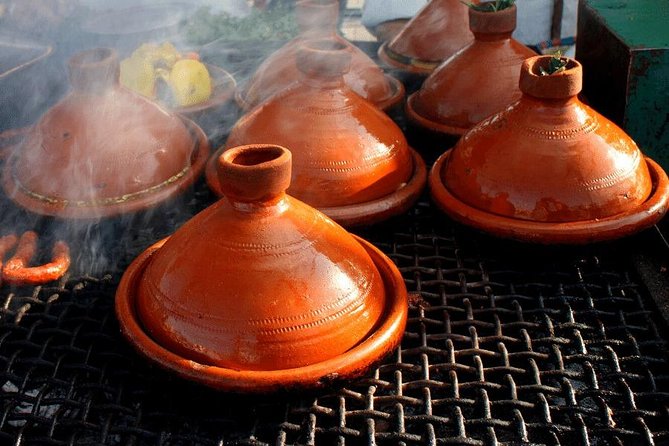
Then you’ll hit the sweets and pastries pause, including chabakiya. This is a famous chewy yet crunchy cookie flavored with sesame, honey, and turmeric, and it’s traditionally served during Ramadan main meals.
Even if you’re not traveling during Ramadan, chabakiya is a helpful “map” for understanding Moroccan flavor habits. Sesame and honey show up often for a reason: they bring warmth, perfume, and stick-to-your-palate sweetness. Turmeric adds that distinct golden note and aroma.
This stop can feel like more than a snack because it’s often part of a larger rhythm of dishes that share a sweet-savory connection. And there’s another reason it works well on a guided tour: you get to hear what chabakiya is doing in the meal pattern—where it fits, when it shows up, and why it’s memorable to locals.
If you prefer food-only, keep in mind that some stops may include a short presentation before tasting. It usually adds context, but it can also stretch the moment if you just want to eat right away. Private means you can still ask questions, and you can ask the guide to keep things focused.
Harira Soup and Charcoal Lamb Kefta: Comfort Meets Charcoal Heat
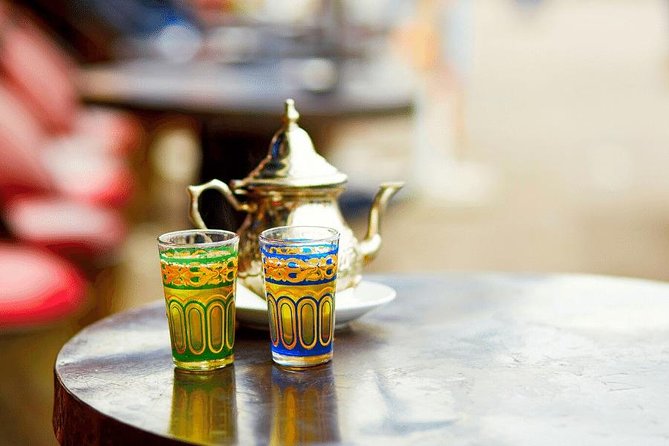
The savory centerpiece is harira, Morocco’s most famous soup. It’s described as velvety and chunky, made with tomatoes, herbs, pulses, and meat, and it’s also a Ramadan main dish. Harira is often served alongside chabakiya, so this tour’s structure makes sense: sweet cookie first, then the soup that balances it with warmth and heft.
This is a great stop for two reasons. First, soup is a reset for your appetite as you move through multiple tastings. Second, harira tells you something real about Morocco: herbs and spice aren’t just for color; they build layers of flavor that feel comforting, not flashy.
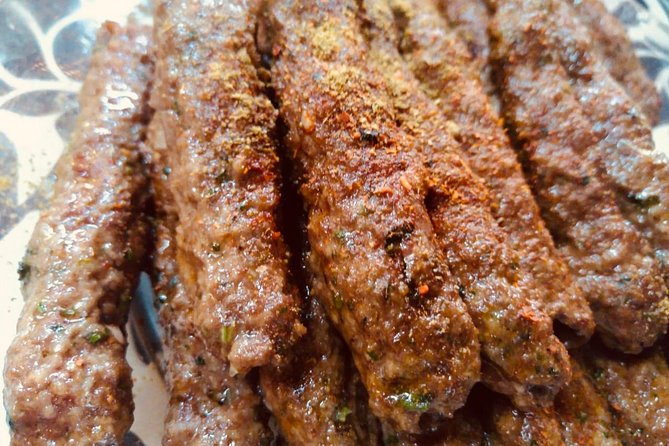
After harira, the tour finishes with Morocco grilled lamb kefta, grounded meat seasoned Moroccan-style and cooked on charcoal. This is where the tour shifts from spoon-and-bite to the feeling of an actual meal. Charcoal heat brings a smoky note that you don’t get from most indoor cooking, and kefta is juicy enough to make you forget you’ve been walking for hours.
If you’re picky about doneness or spice level, mention it early. Since this is a private tour, the guide can often keep you comfortable. And because included tastings are set, the “fit” is about how you handle traditional flavors—especially since meat is part of the menu and harira includes meat in its described ingredients.

Price and Value: What $75.05 Buys You in Fez
At $75.05 per person for about three hours, this is priced for a guided, food-focused experience rather than a do-it-yourself snack hunt. The value comes from three things you feel right away:
- You’re paying for direction. The medina is maze-like. A guide helps you find places that don’t rely on tourist foot traffic, and you don’t lose time wandering without a plan.
- You’re paying for variety. The tasting lineup spans communal oven bread (faran), baghrir pancakes, chabakiya sweets, harira soup, and charcoal lamb kefta. That kind of range is hard to replicate solo without turning the day into a research project.
- You’re paying for context. It’s not just sampling; the guide shares the method of preparation and the significance of each meal. That transforms “I ate X” into “I understand what X is for.”
Included items help too: snacks/food tasting fees at different stops and soft drinks, plus a local guide. What’s not included is transportation and hotel pickup/drop-off, so you’ll want to plan how you’ll reach the Bab Boujloud meeting area on your own.
Also keep in mind there’s a mobile ticket, and group discounts may apply depending on how you book. If you’re traveling with family or friends, ask about pricing options for additional people.
Who Should Book This Food Tour (and Who Might Skip It)
This tour is a strong pick if you:
- Want a private guide who leads you through real eating lanes in Fez
- Like learning how food is made, not just tasting it
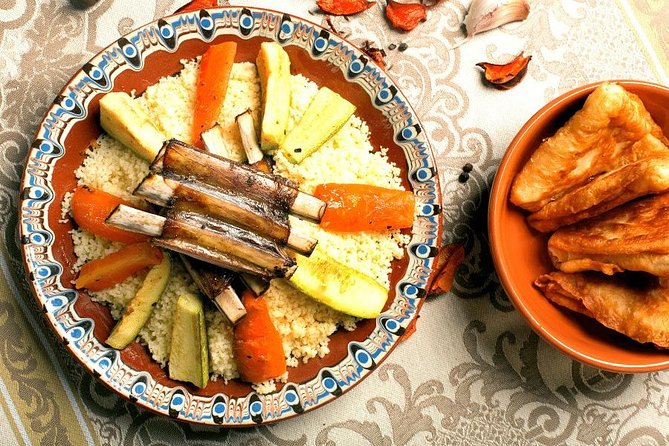
- Are excited by classic Moroccan dishes like harira and charcoal kefta
- Want a structured activity that still leaves you free time afterward
It may be less ideal if you:
- Don’t want to eat meat-based dishes (harira and lamb kefta are part of the menu)
- Get uncomfortable walking for a few hours in alleyways and uneven old-city streets
- Have trouble with very full meals, since multiple tastings add up
If you’re visiting Fez for the first time, this kind of tasting tour is also a shortcut to better independent wandering. Once you’ve tasted and learned what you’re seeing, you can spot food culture faster when you go back out on your own.
Should You Book Fes Food Tour?
Yes, if you want a guided, private tasting route that focuses on how Fez people actually eat. The start at Bab Boujloud keeps logistics simple, the three-hour format keeps your day flexible, and the lineup hits memorable staples—faran, baghrir, chabakiya, harira, and charcoal lamb kefta—that feel genuinely Moroccan rather than generic.
I’d book it when you’re ready for a full-food experience and you appreciate context along the way. Skip it only if you hate walking, don’t eat meat-based dishes, or want a lighter snack schedule. If that’s your vibe, you’ll still enjoy Fez, but this particular format may feel too food-dense for your style.
FAQ
Where is the tour meeting point?
The tour starts at فندق باب بوجلود49, kasbat boujloud place boujloud, Fes, Morocco. It ends back at the same meeting point.
How long does the Fes Food Tour last?
It lasts about 3 hours.
What food tastings are included?
You’ll try faran (communal oven), baghrir, sweets and pastries including chabakiya, harira, and Morocco grilled lamb kefta, with snacks/food tasting fees included.
Are soft drinks included?
Yes. Soft drinks are included.
Is transportation included?
No. Transportation is not included, and there is no hotel pick up or drop off.
Is this tour private?
Yes. It’s private, and only your group will participate.
What type of fitness level is needed?
You should have a moderate physical fitness level, since the tour involves walking through backstreets and alleyways.
What if the weather is bad?
The tour requires good weather. If canceled due to poor weather, you’ll be offered a different date or a full refund.
Are tips included?
Gratuities are not included, if applicable.