REVIEW · MARRAKECH
Excursion to the Ourika valleys from Marrakech
Book on Viator →Operated by HCTours · Bookable on Viator
A morning drive into the Atlas feels like a reset. This day trip into Morocco’s Ourika Valley mixes panoramic views with hands-on culture, and I really like the chance to see argan oil traditions firsthand at a women’s cooperative. It’s built as a smooth half-day flow, starting early and ending near the famous falls.
You’ll also get a look at how people actually live, not just what they sell. The stops are designed around the valley’s clay-and-straw Berber architecture and daily customs, with a real visit to a Berber home to meet the owners and ask questions.
One possible drawback: the day can include shop stops (like an argan oil stop and often a carpet showroom), so if you hate any sales pressure at all, go in with a calm, polite mindset and decide in advance whether you’ll browse or skip.
In This Review
- Key highlights worth planning for
- The 8:00 am Atlas road: how the day starts
- Stop 1 in Ourika: farmland views and village atmosphere
- The argan oil cooperative: learning the hand-crack method
- Berber house visit: meeting owners and asking real questions
- Setti Fatma waterfalls: the final nature payoff
- Guides and the small touches that make the day flow
- Price and value: why $48.78 can make sense here
- Timing tips that help you enjoy the whole day
- Who this Ourika Valley trip is best for
- Should you book this Ourika Valley excursion?
- FAQ
- How long is the Ourika Valleys excursion from Marrakech?
- What time does the tour start?
- Is pickup included?
- What stops are included during the day?
- How much does it cost?
- What if the weather is bad?
Key highlights worth planning for
- Early 8:00 am start with pickup from Marrakech keeps the day from feeling rushed
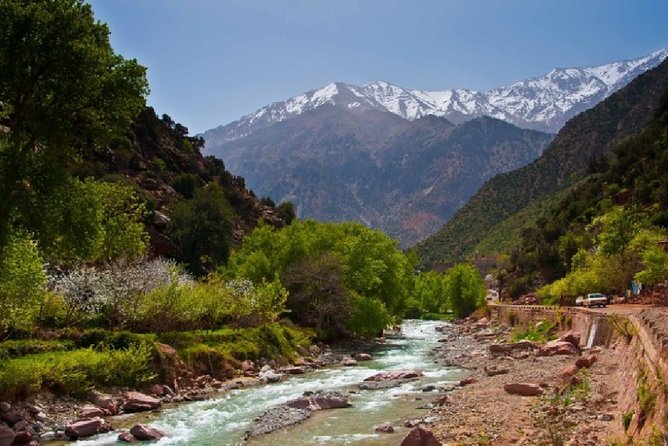
- Ourika viewpoints give you a quick sense of the valley’s farmland and village rhythm
- Women’s argan oil cooperative demo shows nut-cracking by hand using stones
- Berber house visit lets you meet owners and understand daily life
- Setti Fatma waterfalls are the big payoff when conditions are right
The 8:00 am Atlas road: how the day starts
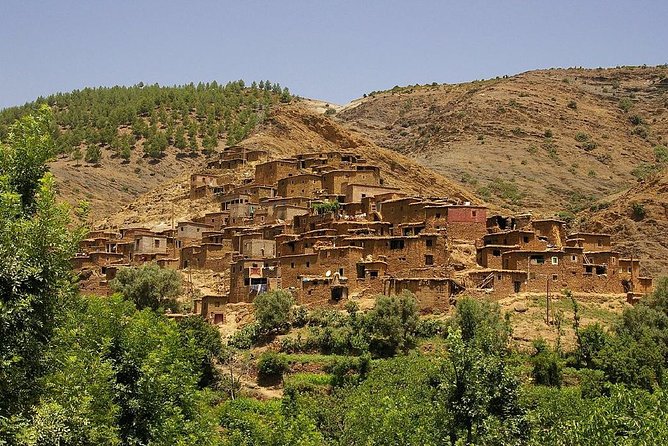
This excursion begins at 8:00 am, and pickup is offered, so you avoid the morning scramble of figuring out transport on your own. The drive out from Marrakech is part of the experience: you’ll move from city heat into wider open valley views, and you’ll often get background context from your guide while en route.
What I like about starting early is the timing. You get to see the Ourika region while the light is still pleasant and the day hasn’t turned into a full crush of tour groups. It also helps you keep the day at a comfortable 6 to 7 hours total, which is long enough to feel like you left Marrakech, but short enough that you can still enjoy the rest of your trip.
If you’re the type who likes a bit of structure, this fits. Your time is chunked into a few meaningful stops rather than a long, vague drive with random turn-offs.
You can also read our reviews of more tours and experiences in Marrakech.

Stop 1 in Ourika: farmland views and village atmosphere
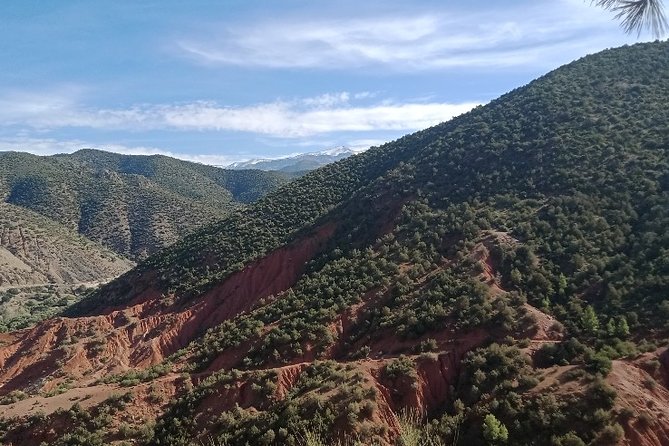
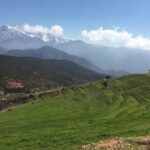
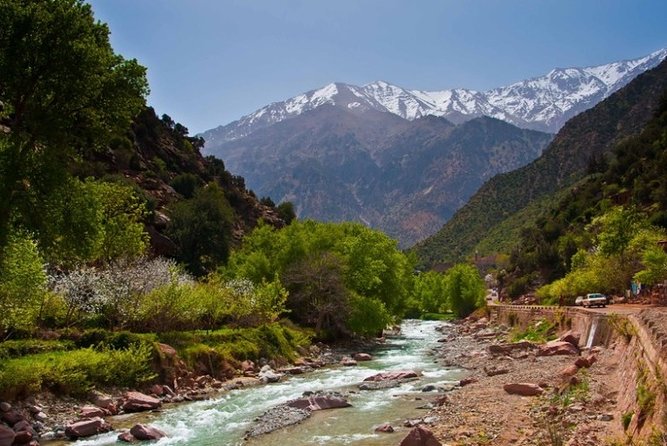
The first main stop centers on Ourika itself, with about 3 hours dedicated to this part of the valley. You’ll get an extraordinary panoramic view over fields that are the backbone of the region: vegetables and cereals, plus fodder and olives. Even if you don’t know anything about Moroccan farming, you can read the landscape pretty quickly—irrigation, terracing where it fits, and the way villages grow where the land supports them.
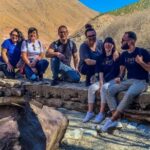
This is also a good place to understand the valley’s age-old human story. The Ourika area is known for fortified clay-and-straw houses and for a Berber community that has been present in Morocco for thousands of years, with traditions that have stayed intact. You don’t need a lecture to get it; the architecture and village layout do the talking.
Possible consideration: a viewpoint stop can feel short if you want a lot of walking. Plan for some standing and photos, and if you want a longer stroll, keep your expectations realistic for a half-day tour.
The argan oil cooperative: learning the hand-crack method
One of the most memorable parts is the visit to an Argan Oil Cooperative. This is where you get the explanation behind a craft that’s often reduced to souvenir bottles—except here, you get the human work behind it.
The key technique you’ll learn about is how Berber women crack argan nuts by hand, clamping them between two special stones. That’s the moment that makes it feel real. It’s physical, slow, and skilled, and once you see the process, you stop thinking of argan oil as just a product and start thinking of it as a long-standing way of turning local resources into something valuable.
A practical note for your day: cooperatives and craft stops can move at a conversational pace. You’ll probably spend time listening, watching, and asking questions. If you prefer quiet sightseeing, you might want to take brief breaks and use photos sparingly so you don’t feel like you’re constantly being guided through a pitch.
Value check: this stop is exactly why the tour is worth considering for the price. You’re paying not just for transport, but for access—being guided to a place where the process is explained in a cultural context.
Berber house visit: meeting owners and asking real questions
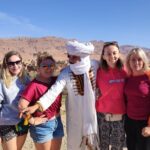
After the cooperative, the tour shifts into a more intimate moment: a visit to a Berber house. Instead of only seeing buildings from outside, you get the chance to meet the owners and get a sense of everyday life.
This part matters because it’s about context. When you see clay-and-straw fortified homes, it’s easy to treat them as scenery. A home visit gives you the chance to connect the architecture to daily customs: family life, traditional routines, and what those houses mean beyond aesthetics.
What I’d do in your place: come with a few simple, respectful questions in mind. Things like what daily life looks like, how traditions are passed along, and what changes over time are most noticeable. You don’t need deep research to have a meaningful conversation—you just need curiosity and patience.
Drawback to consider: home visits can be more structured than a casual hangout. You may have limited time inside, depending on the flow of the day, so keep your questions short and focus on what you want to understand most.
Setti Fatma waterfalls: the final nature payoff
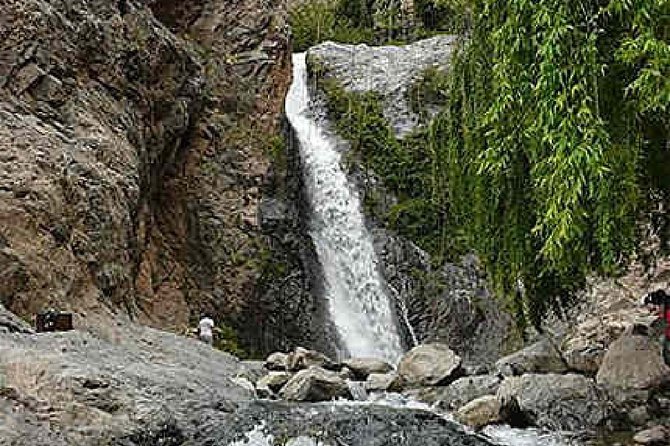
The day ends by heading to the waterfalls of Setti Fatma. This is typically the most emotional payoff of the trip because it’s where the valley’s water and greenery become the focus. After earlier stops centered on farming and craft, you finally get movement, mist, and that fresh-feeling shift that makes a valley trip feel complete.
There’s one big practical factor: the experience requires good weather. Even if you’ve got the best guide and the best plan, bad conditions can reduce what you’ll enjoy, especially around waterfall areas. If you’re flexible with dates, it’s worth paying attention to forecasts so you don’t roll into a damp, frustrating day where the views are muted.
Also, waterfalls tend to mean uneven ground and slippery spots near water. Comfortable shoes matter more than fashion. If you want photos, take your time near the safer edges and don’t rush for the best angle.


Guides and the small touches that make the day flow
A lot of the best moments are about the people guiding the day. The tour is operated by HCTours, and guides named Hicham (often spelled Hicham, Icham, or Hachim in reviews) and Ahmed show up across different experiences. For the Ourika Valley day, Hicham is specifically praised for being professional, steady on the road, and making sure everyone is comfortable and happy.
One consistent theme in the feedback is the way the drive isn’t dead time. Guides share local context while you’re traveling between stops. That turns the day from a checklist into something more like a guided story—Atlas road to valley farmland to cooperatives to a Berber home to Setti Fatma.
If you like conversation, you may get plenty of it. If you’re more quiet, the experience still works because the tour structure keeps you moving and gives you clear moments to enjoy.
Price and value: why $48.78 can make sense here
At $48.78 per person, this isn’t a premium, luxury day—but it also isn’t a bare-bones bus outing. The value comes from the mix of elements you get in one package:
- Pickup and organized routing so you don’t spend your morning figuring out transport
- Multiple stops that each have a different focus: views, cooperative craft work, home life, and waterfalls
- Time efficiency (6 to 7 hours total) compared with trying to design this route yourself
- Mobile ticket and group discount potential, which can lower the cost if you’re traveling with others
If your goal is to hit a classic Atlas countryside experience with a cultural layer, this price point can be fair. If your goal is only waterfalls and you hate any craft or shop stops, you might feel the day is longer than you need. For most people, though, the variety is the point—and it’s what makes the day feel worth the drive.
Timing tips that help you enjoy the whole day
This is an early-start, half-day format, so you’ll get the best results if you plan for a few basics:
- Bring water for the day, especially if you’re spending time near viewpoints and waterfall areas
- Wear shoes with grip for Setti Fatma terrain
- Have cash or small change ready if you want to buy something from the argan or carpet stops, but don’t feel obligated
- If your schedule includes a Monday, you may even get a stop at a souk by the road. That’s a fun bonus if you like seeing everyday market life.
Also, aim to keep your expectations simple: you’re seeing a slice of the valley in a limited time. That’s a feature, not a flaw. It helps you sample the region without needing a full overnight trip.
Who this Ourika Valley trip is best for
This tour is a strong match if you want:
- a first trip out of Marrakech into the Atlas countryside
- culture you can see with your eyes and ask about with your guide
- a day that balances views + people + nature
It’s also good for couples, solo travelers, and groups who prefer a private setup where only your group participates. If you’re traveling with kids, you might still enjoy it, but keep an eye on walking time and let the kid-energy factor guide your pace.
If you hate structured stops and want total freedom to roam, this might feel too planned. But if you like having someone else handle the routing, it’s a comfortable way to do Ourika.
Should you book this Ourika Valley excursion?
I’d book it if you want a tidy, well-paced day trip that gives you both scenery and cultural context—plus the big finish at Setti Fatma waterfalls. The standout value is the chance to see the argan process, especially the hand-cracking technique using stones, and then compare that craft work with what life looks like inside a Berber home.
I’d skip or adjust expectations if you’re very anti-shop stops. This type of experience often includes places to buy or browse, and you’ll want to go in ready to politely say no.
FAQ
How long is the Ourika Valleys excursion from Marrakech?
It runs about 6 to 7 hours total.
What time does the tour start?
The start time is 8:00 am.
Is pickup included?
Yes, pickup is offered.
What stops are included during the day?
You visit Ourika for a panoramic view, an Argan Oil Cooperative, a Berber house to meet the owners, and then the Setti Fatma waterfalls.
How much does it cost?
The price is $48.78 per person.
What if the weather is bad?
This experience requires good weather. If it’s canceled due to poor weather, you’ll be offered a different date or a full refund.