Atlas villages beat the tourist circuit. This two-day Berber villages excursion from Marrakech pairs Hamid Ouljid’s local guidance with Atlas Mountain viewpoints, so you get the story behind the scenery instead of a checklist.
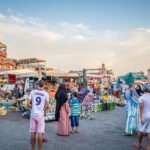
I love the small-group cap (12 max) and the way the guide handles the logistics, starting with a 9:30 AM pickup at Jemaa el-Fna and ending back there. You’ll also get real add-ons: a meal with tea, a camel ride, and a visit to see argan oil production up close.
One thing to plan for: the route depends on weather, and you should expect long stretches in the vehicle plus some time on your feet, even with a flexible pace.
In This Review
- Key highlights before you go
- Why this Berber villages trip feels different from a normal day tour
- Starting at Jemaa el-Fna at 9:30 AM, then heading into the Atlas
- Day 1: Atlas views, Berber village wandering, and a cascade-or-park style choice
- Argan co-operative and oil production: what you’ll learn and why it’s worth it
- Camel ride and tea lunch: small moments that make the day feel human
- Day 2: guided Atlas time with flexible route options
- What to expect on the ground: pace, walking, and photo planning
- Price and value at about $70.85 per person for two days
- Who should book this Atlas Berber villages excursion
- Should you book Hamid Ouljid’s Berber villages excursion?
- FAQ
- How long is the excursion from Marrakech?
- Where does the tour start in Marrakech?
- What’s included in the price?
- Is this a private tour, and how many people are there?
- Can the route change during the trip?
- What happens if the weather is bad?
- Is there free cancellation?
Key highlights before you go
- Hamid Ouljid’s local connections make it easier to reach villages and see daily life beyond the main roads.
- Argan oil in action: you’ll visit an argan co-operative and/or an oil production stop to see how the process works.
- Camel ride included, built into a route that mixes views, villages, and nature stops.
- Route choice on the day: you can head toward a cascade or toward national-park style areas (the greener circuits).
- Jemaa el-Fna as both start and end keeps logistics simple in Marrakech.
- A small max of 12 keeps questions, conversations, and photo stops from feeling rushed.
Why this Berber villages trip feels different from a normal day tour
This experience is built around one idea: see the Atlas and Berber villages with a guide who knows where to turn and what to ask. Hamid Ouljid runs the show, and that matters because the Atlas is not just a view you park next to. It’s a chain of small places, viewpoints, and family-run routines where timing and connections can make or break the day.
What I like is the mix. You get mountain panoramas, but you also get people and food. The route isn’t only scenic; it includes an argan oil visit and chances to interact in villages, which is usually what people are actually hoping for when they book a Morocco “culture” trip.
A possible tradeoff: because it’s designed to be flexible (and because the Atlas can be unpredictable), the exact feel of the day depends on conditions. If weather turns, you might shift the nature stop. That’s normal here, but it’s still something to keep in mind.
You can also read our reviews of more tours and experiences in Marrakech.
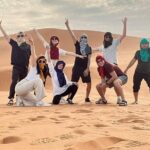
Starting at Jemaa el-Fna at 9:30 AM, then heading into the Atlas
Your day begins at Jemaa el-Fna in Marrakech. The departure time listed for the main day is 9:30 AM, and the tour returns you to the same meeting point in the end. That loop is underrated: after a long trip, it’s nice not to figure out a second transport puzzle in the evening.
The tour is arranged as a private outing, but the group size is capped at 12 people. Practically, that often means the guide can still pause for questions and adjust for different comfort levels. It also tends to keep conversations easy, especially when you’re moving through villages where the pace is not “tour bus fast.”
You’ll likely travel by vehicle for long stretches to reach the Atlas. That’s part of the value: you buy a guide plus transport, and you don’t waste half the day negotiating local rides or trying to piece together rural routes yourself.
Day 1: Atlas views, Berber village wandering, and a cascade-or-park style choice
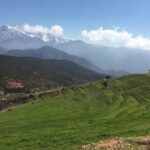
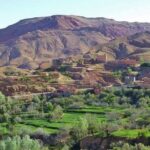
The first big theme is altitude and access. You start with an Atlas Mountains viewpoint stop, the kind where you can look out and understand why Marrakech folk talk about these mountains like they’re a world of their own.
From there, the route is designed to bring you through Berber villages along the way, not just arrive for a quick photo. Expect to walk through village areas with time to look around and ask questions. This is where a guide matters most. Hamid’s years of guiding show in how smoothly the day flows: he knows when to pause, which turns to take, and how to keep you moving without feeling like you’re being rushed.
Then comes the nature decision. The day can go toward:
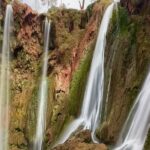
- a cascade stop (great for cooling breaks and photos), or
- a national-park style area, described as the greener circuits.
Here’s the practical consideration. Cascades can be stunning, but water and access can vary with season and conditions. National-park areas can mean more open air and longer scenic stretches. Either way, the goal stays the same: get away from the main Marrakech rhythm and into a quieter Atlas pace.
At some point on day 1, you’ll also connect with two classic anchors of this trip: an argan co-operative visit and a camel ride stop. Those activities help break up the day so it doesn’t feel like only riding and only walking.
Argan co-operative and oil production: what you’ll learn and why it’s worth it
Argan oil is one of those Morocco topics that can sound abstract until you see it. This excursion includes a visit to an argan co-operative and an argan oil production stop, where you can see how the oil is made.
What I find valuable here is that you’re not just hearing a marketing story. You’re watching the basic process and learning how the resource fits into local work and family income. That context turns argan oil from something you buy at a shop into something tied to real landscapes, local hands, and traditional knowledge.
Also, the co-operative approach is a chance to see how groups organize around production. Even if you don’t speak much Arabic or French, a good guide turns this into plain language: what happens first, what comes next, and why certain steps matter.
One more practical note: plan your timing around the shop side too. You’ll probably have opportunities to ask about products and pricing, and it’s smart to do that with a guide nearby so you can compare what’s being described.
Camel ride and tea lunch: small moments that make the day feel human
This trip includes a meal with tea, plus a camel ride. For many people, that’s the fun part they remember. For me, it’s more than entertainment. It’s how the day becomes “yours,” not just a route you watch from a car.
The tea is a big deal in Berber and Moroccan hospitality, and here it’s part of the cultural timing of the meal. You’ll get the pause to sit, eat, and slow down. In mountain areas, that break can also be the moment where the temperature feels comfortable again after travel.
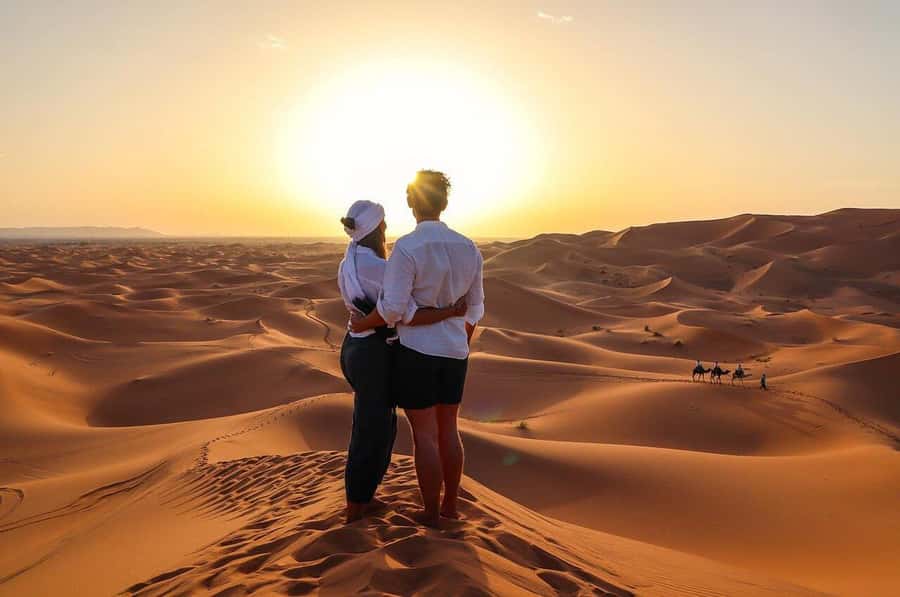
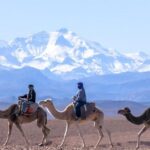
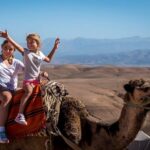
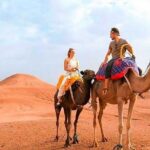
The camel ride adds a different kind of sense. You’re moving at an animal’s pace, which changes your photo angles and your awareness of space. And because your guide is managing it, you’re not stuck trying to figure out how it works on your own.
Then there’s the warmth factor. In the feedback pattern I saw, Hamid’s family style of hosting gets attention, including very practical comforts like warm blankets when conditions call for it. That matters in the Atlas because mornings can feel cooler than you expect, even when Marrakech is hot.
Day 2: guided Atlas time with flexible route options
Day 2 is built around more guided time in the Atlas Mountains, with the same overall focus: viewpoints, Berber village life, and the key “anchors” that define the trip.
The guiding style described is practical: Hamid and the local team take care of logistics so you can focus on the experience. That’s especially helpful on day 2 because fatigue can set in. You want someone who knows where you’ll get the best views and the most meaningful stops without burning hours.
This day also supports the same flexibility idea. Depending on the day’s conditions, you may follow routes that lean toward greener national-park type areas or toward cascade-style options. The big point is that it’s not locked into one rigid script.
If you’re the type who likes your travel to feel like a real conversation (ask a question, get an answer, move on), a smaller group and a local guide usually help a lot. If you want purely scenic photography with zero village interaction, this may feel too “people-centered.” But if you want to understand Morocco as lived-in culture, this is exactly the right balance.
What to expect on the ground: pace, walking, and photo planning
Even with a guide, this kind of Atlas route has real-world demands. You’ll spend time in a vehicle, and you’ll also have moments of walking through village paths and nature areas. The good news is that the tour is described as flexible, so you’re not forced into an all-or-nothing rhythm.
If you’re hoping for perfect photos, plan to treat the day like a series of mini-sessions. Views often come when you arrive at a spot, not when you plan from your hotel desk. Your guide can help you time stops for the best angles and the least crowd pressure.
For clothing, think layers. Mountain weather can shift quickly, and warm blankets have been mentioned in the hosting side. Bring comfortable shoes because village paths and nature edges can be uneven.
And bring patience for the fact that rural routes move differently than city travel. The value here isn’t speed. It’s access, explanation, and the chance to meet Berber families in the areas you’re passing through.
Price and value at about $70.85 per person for two days
The listed price is $70.85 per person, and the value is in what’s included rather than what’s optional.
This excursion includes:
- transport from Marrakech and back to Jemaa el-Fna,
- a guided route with a specialist local guide,
- a meal with tea,
- a camel ride,
- and visits tied to argan oil production (co-operative and production stop).
For rural Atlas travel, transport + guide + multiple activities is usually the expensive part. Here, that bundle is part of the deal, which is why it can feel good even if you’re comparing against “cheaper” one-day trips that don’t include as much.
Where you should be honest with yourself: you’re paying for a guided experience that depends on conditions. If the weather is poor and the cascade or park access changes, the trip may feel different than you pictured. But that flexibility is also what helps you keep moving instead of cancelling everything.
Also, you’re not dealing with a huge crowd. A max of 12 makes the day easier to manage, and it supports the whole point of interacting with locals rather than only watching from a distance.
Who should book this Atlas Berber villages excursion
Book it if you want:
- Berber village life rather than only scenic viewpoints,
- an argan oil stop where you actually see production,
- included “experience extras” like camel ride and tea lunch,
- and a guide who takes care of logistics so you can focus on the day.
Consider another style of tour if you need:
- a fully fixed itinerary with no route changes,
- a low-walking day with minimal time on uneven paths,
- or strict timing where every stop is scheduled to the minute.
In general, most people can participate, and service animals are allowed. If you have mobility concerns, tell the operator clearly when booking so the guide can adjust your pace and stops.
Should you book Hamid Ouljid’s Berber villages excursion?
My take: this is a strong choice if you’re coming to Marrakech and you want your Atlas trip to feel like real Morocco, not a factory of quick photo stops. The combination of Berber villages, argan oil production, and the camel ride + tea meal gives you variety, and Hamid’s long guiding experience shows in how smoothly the day runs.
I’d book it if you’re flexible about the day’s nature choice (cascade vs greener circuit) and you’re okay with a day that’s more about people and access than only scenery. If weather is good, you’ll likely love the whole rhythm. If weather shifts, you’ll still have a guided Atlas day with meaningful stops.
If you want, tell me your travel dates and whether you prefer waterfalls or more hiking-style nature, and I’ll help you think through which kind of day you’re likely to enjoy most.
FAQ
How long is the excursion from Marrakech?
It’s planned as a two-day experience (approx.). Day 1 is listed as about 7 hours, and day 2 includes a guided Atlas Mountains segment.
Where does the tour start in Marrakech?
The meeting point is Jemaa el-Fna in Marrakech, and the tour ends back at the same meeting point.
What’s included in the price?
The experience includes a meal with tea, a camel ride, and a visit connected to argan oil production. Transport/logistics with a local guide are part of what you’re paying for.
Is this a private tour, and how many people are there?
It’s described as a private tour, with a maximum of 12 travelers.
Can the route change during the trip?
Yes. The route is described as flexible, and you can choose between options such as a cascade or greener national-park style circuits.
What happens if the weather is bad?
The experience requires good weather. If it’s canceled due to poor weather, you’ll be offered a different date or a full refund.
Is there free cancellation?
Yes. You can cancel up to 24 hours in advance for a full refund. Mobile ticket is also provided.