REVIEW · MARRAKESH
Day trip to Ourika valley lunch + guid + activité included
Book on GetYourGuide →Operated by HOLIDAY SERVICE TRIPS SARL AU · Bookable on GetYourGuide
Waterfalls and Berber villages in one day. This Ourika Valley trip pairs an Atlas Mountains drive with a real Berber house breakfast, then builds in time to see the Setti Fatma Waterfalls with a local mountain guide. I love how the day mixes scenery with hands-on culture, and I love the gentle care you get on the walk, which matters if you’re hiking on uneven ground. The one consideration: the waterfall hike is optional but still involves a real trek, so it’s not suitable for people with back problems or for pregnant women.
I also like the simple logistics: pickup and drop-off from your Marrakech accommodation, plus air-conditioned transport that makes the mountain road feel manageable. And the meal is thoughtfully placed at the end of the active part, with a riverside lunch in a local restaurant where vegetarian options are available. You’ll still want to plan for one small thing: drinks are not included.
Pack for changing weather. Bring comfortable shoes because you’ll be walking, and add warm clothing since the Atlas area can feel cooler than the city, especially around early mornings and shaded sections.
In This Review
- Key highlights you’ll feel right away
- Why the Ourika Valley day trip feels like Morocco, not a checklist
- Marrakech to the High Atlas: how the drive sets you up
- Berber house breakfast: the cultural start that changes how you see everything next
- Argan oil cooperative: why the stop is more valuable than a souvenir shop
- Ourika Valley villages and rivers: the in-between moments you’ll remember
- Setti Fatma waterfalls hike: the highlight, with the real-world footing to plan for
- Riverside lunch: vegetarian options and a calm finish after the walk
- Price and value: why $20 can make sense on a day trip like this
- What to bring for a smooth Ourika Valley day
- Suitability: who this trip fits, and who should skip it
- Should you book this Ourika Valley day trip?
- FAQ
- What’s included in the Ourika Valley day trip from Marrakech?
- Is the Setti Fatma waterfalls hike optional?
- Are drinks included with lunch or the tour?
- What should I bring?
- What languages do the guides speak?
- Is the tour suitable for pregnant women or people with back problems?
- How much does it cost?
Key highlights you’ll feel right away
- High Atlas views from planned stops: you get panoramic photo moments without turning the day into a long, boring transfer.
- Breakfast in a traditional Berber house: not just a drive-by culture stop, but a start that sets the tone for the valley.
- Women’s argan oil cooperative: you see how the oil is traditionally made, not just a store pitch.
- Setti Fatma waterfalls with a local mountain guide: guided so you know where you’re going and what to expect on the walk.
- Time at the falls plus riverside lunch: activity first, comfort after, with vegetarian-friendly options.
Why the Ourika Valley day trip feels like Morocco, not a checklist
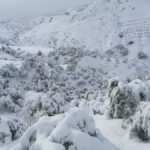
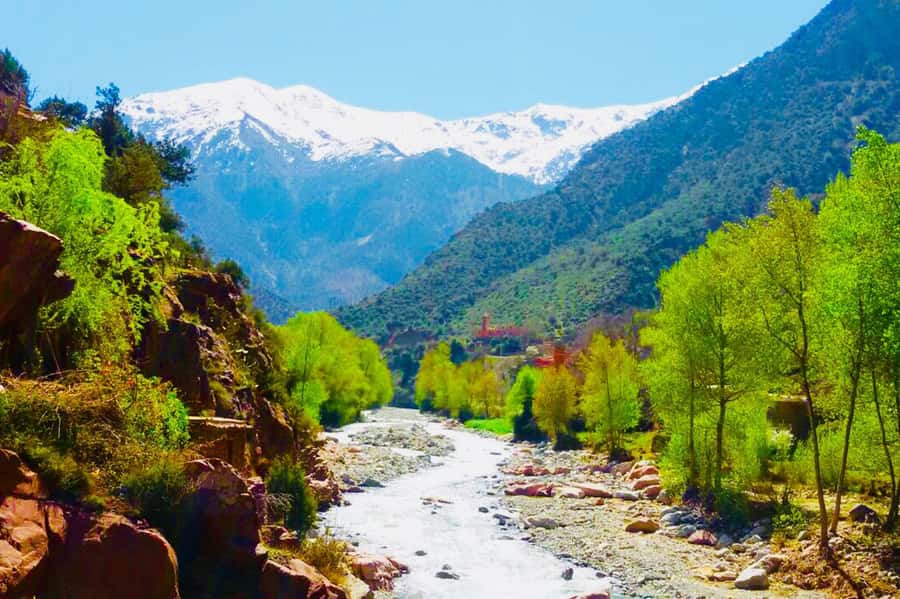
Ourika Valley works because it hits the right balance: mountains, villages, and food, all in one day without you doing the heavy lifting. You leave Marrakech in a comfortable vehicle, then slowly shift from city pace to Atlas pace, where rivers and green valleys start to take over.
I like that the day isn’t only about the final waterfalls. You begin with a traditional Berber house breakfast, then you add a visit to a women’s argan oil cooperative, which gives you context for what you’ll see and buy later. The waterfalls part stays the peak moment, but the cultural stops keep it from feeling like a single big photo stop.
One more thing that keeps the tone human: the tour is guided, and English, Spanish, French, Arabic, and Italian are available. In the feedback, guide Larbi Urika comes up again and again for being friendly, available, and particularly good at speaking Italian while looking after people during the hike.
A few more Marrakesh tours and experiences worth a look
Marrakech to the High Atlas: how the drive sets you up
This is a day trip, so the mountain road matters. The tour includes transport by air-conditioned vehicle, and that’s not a small detail in Morocco. Heat and long stretches can drain your energy; having comfortable transit means you arrive ready to enjoy the stops.
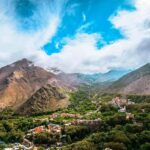
You also get stops along the way for panoramic views of the High Atlas peaks. That’s a smarter approach than just passing viewpoints at speed. You get to slow down, look out, take pictures, and reset your brain before you start walking and exploring.
The rhythm typically feels like this: drive, short viewpoint pause, drive again. It keeps you from feeling stuck inside the bus for hours straight. And once you reach the valley, the change is noticeable: rivers, green areas, and traditional villages make the day feel like it’s moving forward, not looping.
Berber house breakfast: the cultural start that changes how you see everything next
One of the best parts is the early meal in a traditional Berber house. It’s included, and that matters because it anchors the day. Instead of “arrive, look, leave,” you start by experiencing everyday life in a setting that’s meant for visitors to understand local routines.
You should expect this to be more than just pastries and coffee. The tour includes a guided element tied to Berber lifestyle and customs, so you’re not only looking at buildings. You’re learning what daily life can look like in the region and how that shapes what the valley communities prioritize.
In the feedback, the guide experience is described as welcoming and helpful, and that matches what you want here. If you arrive with questions about why things are done a certain way, a good guide turns a meal into real understanding.
Practical note: you’ll still be active later, so eat steadily, not messily. Comfortable clothes are key, and you’ll want to keep your camera and small items ready without cluttering your hands.
Argan oil cooperative: why the stop is more valuable than a souvenir shop
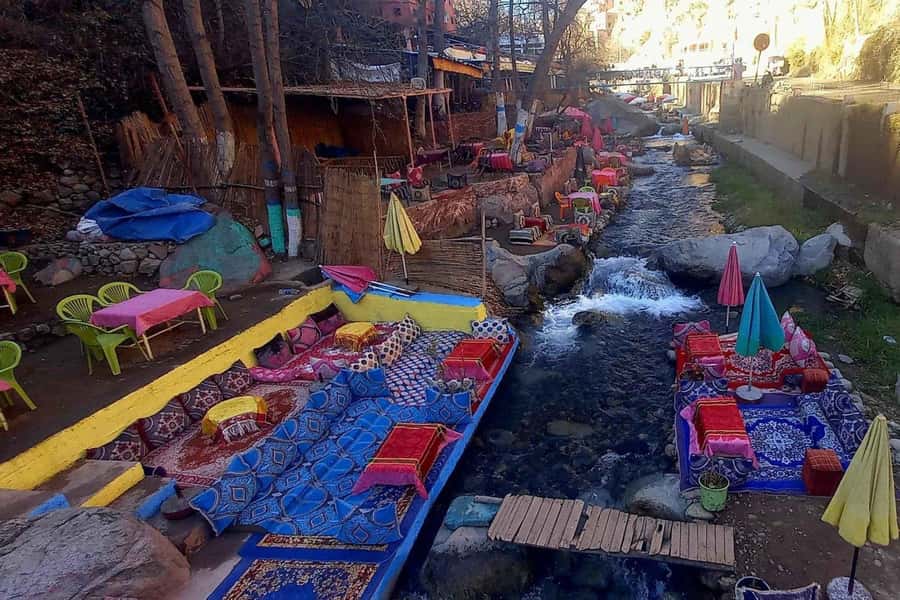
A women’s argan oil cooperative stop is included, and it’s one of those tourism moments that can either feel staged or actually informative. Here, the point is specifically to see how this precious oil is traditionally made.
That matters because argan oil can sound like just a brand. In a cooperative setting, it becomes a craft and a process tied to local work. You get to connect the story behind the product to the people producing it, which is a better way to shop later if you decide to.
This stop also adds variety. After mountain views and village atmosphere, you shift to a workshop-type environment. It’s a mental reset before you head deeper into the valley and spend time outdoors near the river.
If you’re sensitive to timing, keep in mind this is part of a structured day. Plan not to wander off; the group moves along a route, and the guide helps keep everything flowing.
Ourika Valley villages and rivers: the in-between moments you’ll remember
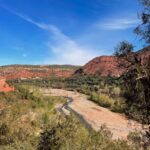
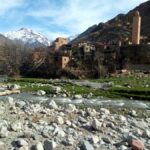
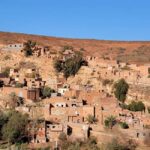
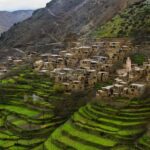
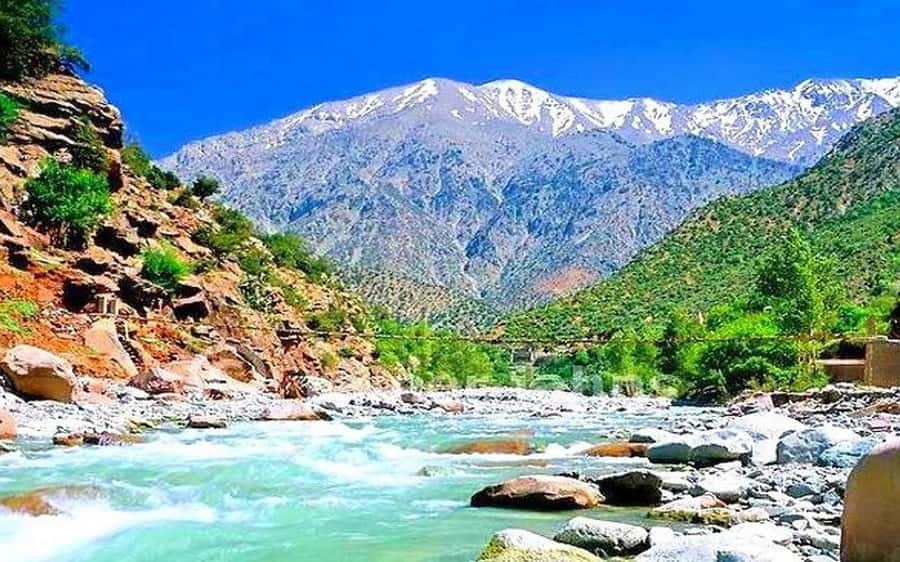
Between the cooperative stop and the waterfalls, you’ll explore charming villages along the Ourika Valley. This is where the trip starts to feel slower and more local.
You’ll notice small details: how the river shapes the area, how homes and paths fit into the terrain, and how the valley feels like a lived-in system rather than a destination built for outsiders. Even when you’re not stopping at a formal site, you’re moving through the valley’s everyday fabric.
This is also the section that benefits most from having a guide. A local guide can point out what to look for and what not to stress about. And since languages include English, Spanish, French, Arabic, and Italian, you can ask questions without the trip turning into guesswork.
If you’re the kind of person who likes photos, this is your runway. But don’t rush it. Take a few slow minutes, look toward the mountains and the water, and you’ll get better pictures because you’re actually noticing the scene.
A few more Marrakesh tours and experiences worth a look
Setti Fatma waterfalls hike: the highlight, with the real-world footing to plan for
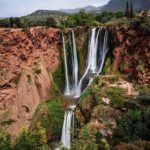
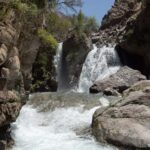
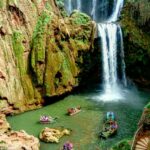
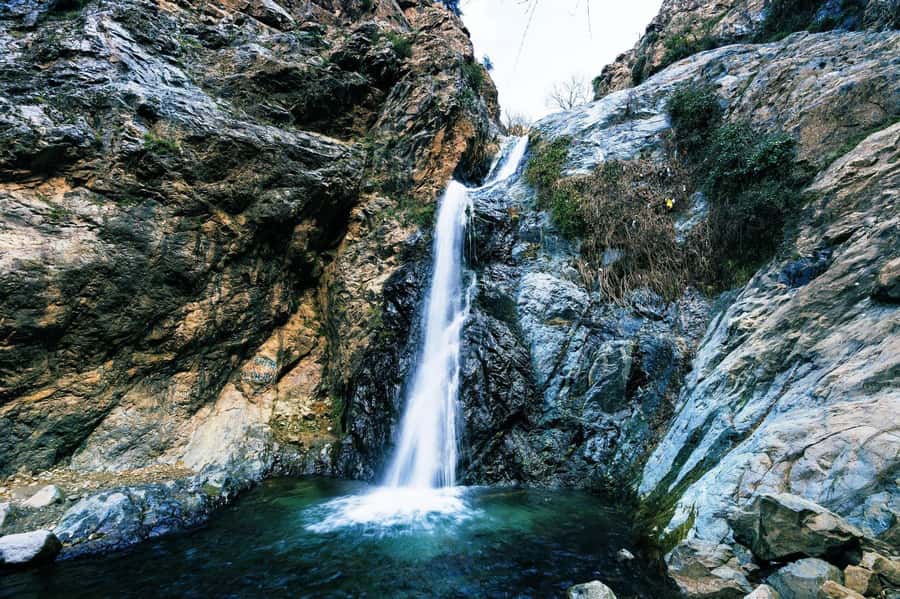
The Setti Fatma waterfalls are the main event, and you’ll have two ways to enjoy them: a guided walk with a local mountain guide, plus free time to explore once you arrive. The hike is described as optional depending on guest preference, so you can match it to your comfort level.
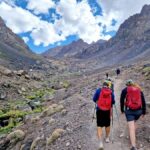
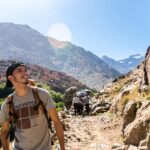
Here’s what you need to plan for realistically. The walk involves getting to the falls and can include rocky, uneven ground. One piece of feedback specifically calls out reaching the waterfall over stones, and that fits the typical reality of waterfall approaches. If your footing is shaky, bring solid shoes and take your time.
Good news: the guide support is part of the package. The feedback highlights guides looking after everyone during the hike, and that’s especially reassuring for families. One review notes that even small children managed the hike, which suggests the group pace and guidance help a lot.
If you want the best experience:
- Wear sturdy footwear with grip.
- Keep your hat and sunscreen handy, even if it feels cooler in the valley.
- Bring a camera, but also pause often. Water near waterfalls changes the light fast, and the best shots usually come when you stop rushing.
The free time at Setti Fatma is where you slow down. You can linger, take photos, and enjoy the sound and spray without feeling like you’re on a ticking clock.
Riverside lunch: vegetarian options and a calm finish after the walk
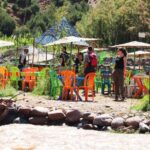
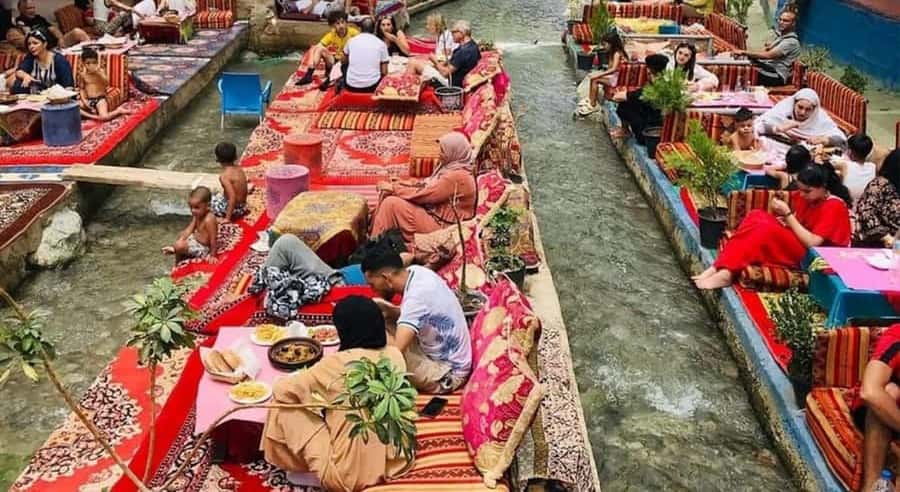
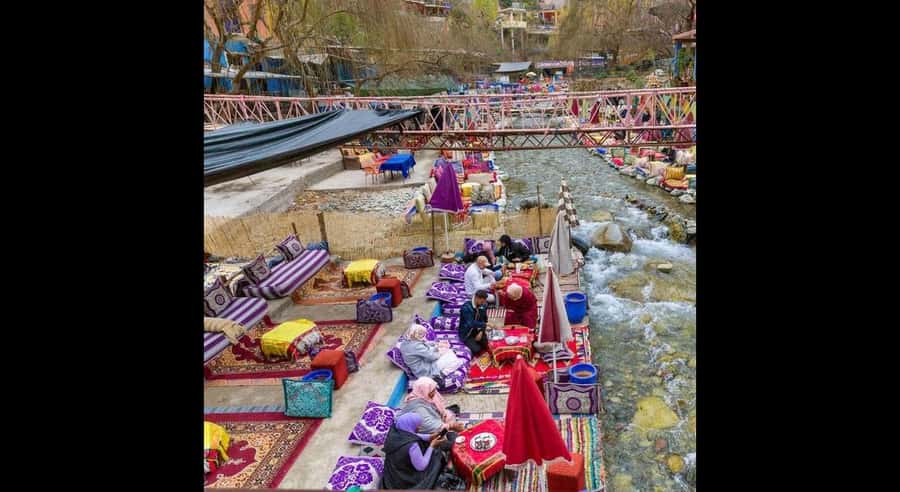
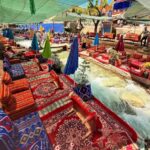
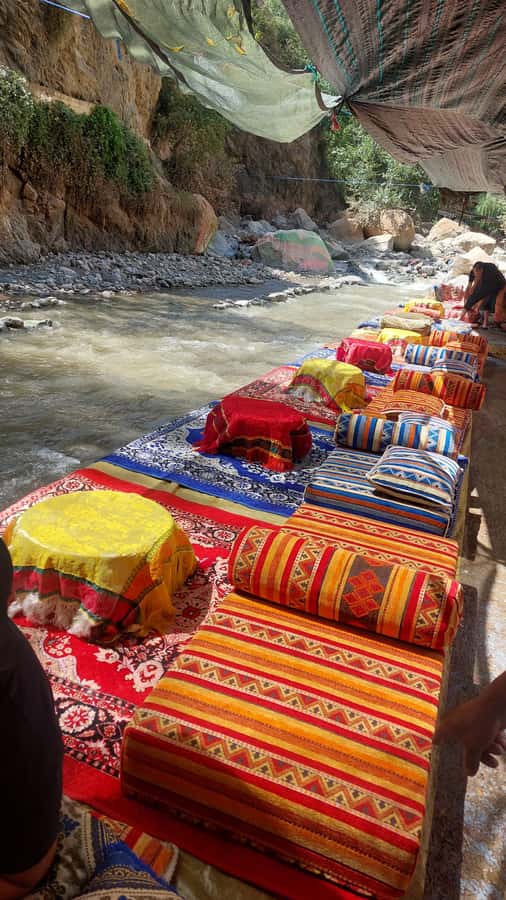
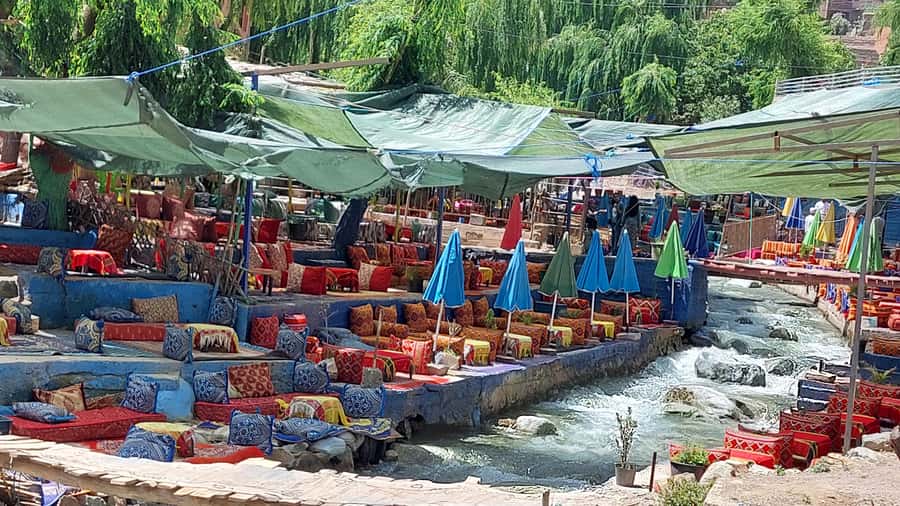
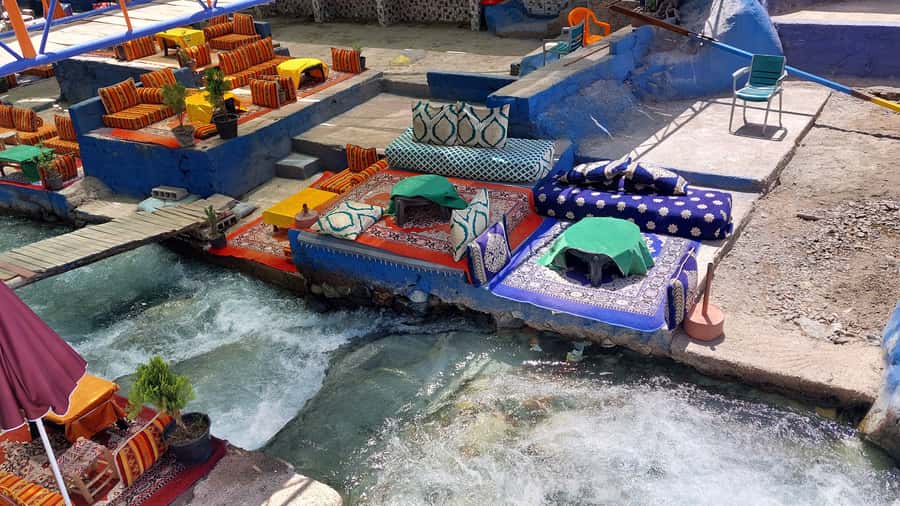
After the active part, lunch is served at a riverside restaurant along the Ourika. It’s included, and vegetarian options are available, which is a real plus if you’re traveling with someone who doesn’t eat meat.
I like this placement. Eating near the water gives you a chance to decompress while still staying in the valley atmosphere. It’s also a natural moment to compare notes with your group: who took the full hike, who opted for a shorter route, and which views were worth the effort.
The tour also includes breakfast earlier in the day, so you won’t be relying on snacks alone. Still, remember one detail: drinks are not included. Bring water if you think you’ll need it during the day, especially if you’re walking to the falls.
If you’re traveling with kids, this lunch stop can be the difference between a day that feels fun versus one that feels like a nonstop mission. After that kind of scenery and walking, a proper sit-down meal helps everyone reset.
Price and value: why $20 can make sense on a day trip like this
At around $20 per person, this is positioned as a budget-friendly way to see the Atlas foothills and get cultural stops in, without renting a car. The value comes from what’s bundled: pickup and drop-off in Marrakech, air-conditioned transport, breakfast, guided walking time, and lunch.
A lot of day trips look cheap until you add in the pieces you still have to pay for on your own: guide time, entrance costs, and the extra hours of planning and transport. Here, the day is already stitched together. Even the hiking support is included through the local mountain guide and the planned free time at the waterfalls.
If you’re trying to compare options, think in terms of total effort saved. You get a full program without having to coordinate who drives, where you eat, and how you find the right spots in a valley that can feel confusing if you’re doing it alone.
The only trade-off is that it’s still a full day. You’re trading your freedom to explore at your own pace for a set route and set timing. If you prefer total independence, a self-guided plan might suit you better. If you prefer a smooth, guided experience, the price is easy to justify.
What to bring for a smooth Ourika Valley day
The list provided for this trip is spot-on for a mountain valley outing. Plan around walking and possible cooler weather.
Bring:
- Comfortable shoes (and hiking shoes if you have them)
- Warm clothing
- Hat
- Camera
- Sunscreen
- Comfortable clothes
You’ll be glad you packed warm layers if the shaded river sections feel colder than the sunny viewpoints. And sunscreen is essential if you’ll be exposed on the way to Setti Fatma.
One more small tip: keep valuables secure and easy to access. You’ll want your phone or camera ready for quick photo moments, but you also don’t want to fumble with bags while you’re on uneven ground.
Suitability: who this trip fits, and who should skip it
This day trip is not suitable for pregnant women and people with back problems. That matters because the waterfall approach and the general walking around the valley can require stability and careful footing.
If you’re generally healthy and your feet are okay, this tour can work well for families too. The feedback notes that even young kids handled the hike with help and guidance. Still, judge based on your child’s comfort with uneven terrain and your own ability to move at a mountain pace.
Who this suits best:
- You want an easy way to see the Ourika Valley from Marrakech.
- You like a guided day with a mix of culture and nature.
- You appreciate a cooperative stop that explains a real local craft (argan oil).
Who might not love it:
- You hate any hiking, even optional.
- You strongly dislike rocky footing or uneven paths.
- You need a fully accessible route with no walking demands.
Should you book this Ourika Valley day trip?
I think it’s a smart pick if you want a guided day that connects Marrakech to the Atlas Mountains and gives you time at the Setti Fatma waterfalls. The biggest strengths are the included meal rhythm (Berber house breakfast, then riverside lunch), the cooperative cultural stop, and the fact that the guide experience is repeatedly highlighted as caring and organized, including by name (Larbi Urika).
Book it if you’re comfortable with a real outdoor walk and you can follow a guide’s pace. Skip it if you’re dealing with back issues or if you’re pregnant, since the hike demands aren’t compatible with the tour’s suitability rules.
If you’re ready for a full day of mountain air, river sounds, and Berber village life, this is one of the most practical ways to do it without stress.
FAQ
What’s included in the Ourika Valley day trip from Marrakech?
The tour includes pick-up and drop-off from your accommodation in Marrakech, air-conditioned transport, breakfast in a traditional Berber house, a guided walk with a local mountain guide, lunch at a riverside restaurant (vegetarian options available), and free time to explore the waterfalls of Setti Fatma.
Is the Setti Fatma waterfalls hike optional?
Yes. The hike to the waterfalls of Setti Fatma is described as optional depending on guest preference, and you’ll also have free time there.
Are drinks included with lunch or the tour?
No. Drinks are not included.
What should I bring?
Bring comfortable shoes (and hiking shoes if you have them), warm clothing, a hat, a camera, and sunscreen. Comfortable clothes are also recommended.
What languages do the guides speak?
The tour is available in English, Spanish, French, Arabic, and Italian.
Is the tour suitable for pregnant women or people with back problems?
No. It is not suitable for pregnant women and not suitable for people with back problems.
How much does it cost?
The price is listed as $20 per person.