REVIEW · MERZOUGA
5-Day Desert Hiking Adventure from Merzouga
Book on Viator →Operated by Berber Adventure Tours · Bookable on Viator
Waking up in silence is the point here. This 5-day Sahara hiking adventure out of Merzouga takes you beyond the usual one-night dune camps and into quieter spots most people never find on their own. I especially like that you get real time on foot, not just a photo walk, and that you’re provided with tents, mattresses, and full meal support so you’re free to focus on the walk and the views. One consideration: you’ll need moderate fitness, because most days are steady hiking through sand and rough terrain.
What makes it feel special is the rhythm: hike after breakfast, pause for lunch in a natural setting, then spend evenings at camp with time to settle in (and often help set up and pack down). I also like the “small-world” feel—your group stays private, and the guiding team is built around people like Eva and Hassan, with a real focus on getting the experience to fit you rather than forcing a one-size plan. Still, this isn’t the kind of trek where you roll out of bed and sleepwalk to comfort; if you hate walking, or if you’re not okay with limited comforts far from towns, you’ll feel it quickly.
In This Review
- Key highlights to know before you go
- The Sahara on foot, with the quiet parts included
- Value check: what you pay for at $2,093.83 per person
- How camp life works (and why helping out matters)
- Day-by-day: what you’ll actually experience from dunes to old mines
- Day 1: Merzouga to oasis lunch and your first dunes camp
- Day 2: Dry river bed hiking toward Hassi Begaa
- Day 3: Local mountains, a climb for sunset, and repeating camp comfort
- Day 4: Erg Znigui crossing, an abandoned village, and old mines
- Day 5: Erg Chebbi again and back to Merzouga
- Who this trek is perfect for (and who should pick something else)
- Practical planning: what to pack and what to expect
- Booking fit: should you book this 5-day Merzouga desert hike?
- FAQ
- Where does the tour start and when?
- Is pickup available?
- What’s included for meals and camping?
- Do I need a sleeping bag?
- How physically demanding is it?
- Is this tour private?
- What happens if I cancel?
Key highlights to know before you go
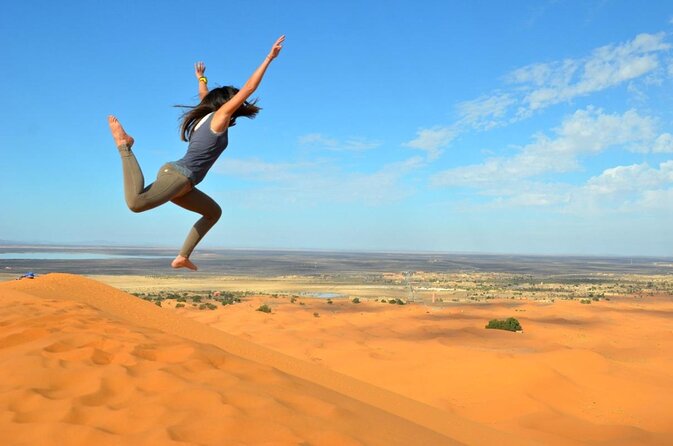
- Dunes plus geology: You’ll walk across sand, dry river beds, and bare mountains with visible layers that look ancient.
- Nomad-area camping: You sleep in camps set behind the dunes, including time near a nomad village.
- Guided sunrise-to-sunset pacing: Days are built around mornings on foot, outdoor lunches, and sunset viewing time.
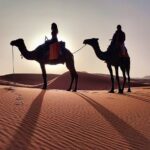
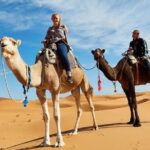
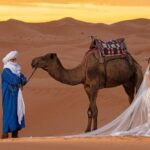
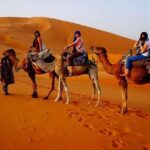
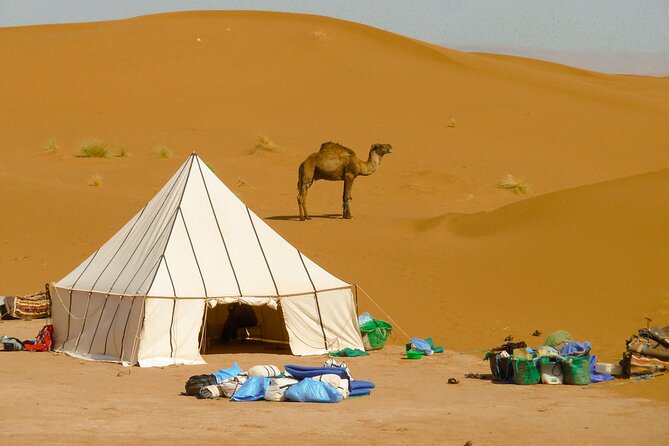
- Camel support for luggage: Camels handle luggage transport so you can hike with what you truly need.
- Meals that make the trek work: Breakfast, lunch, and multiple dinners are included, plus water and tea throughout.
The Sahara on foot, with the quiet parts included
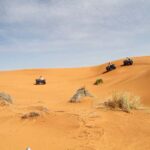
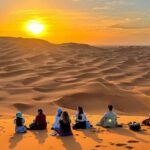
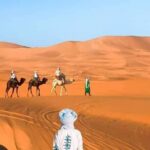
If your mental picture of Merzouga is just towering dunes and a standard overnight camp, this trek reframes it. You still get the Sahara’s big visual moments, but you also get the in-between stuff that makes the desert feel real: dry channels where water once ran, stretches of sand that look endless until you crest a dune, and small camps where the sky does all the talking.
You’ll start your day early (the tour starts at 8:30 am), which matters. In the morning the light is softer, temperatures are kinder, and the dunes look different every hour. By afternoon, you’re usually deep enough into the terrain that your brain stops trying to compare it to anything back home. That shift is why people say this kind of hiking is a highlight of Morocco, even if they weren’t “desert people” before.
You can also read our reviews of more hiking tours in Merzouga
Value check: what you pay for at $2,093.83 per person
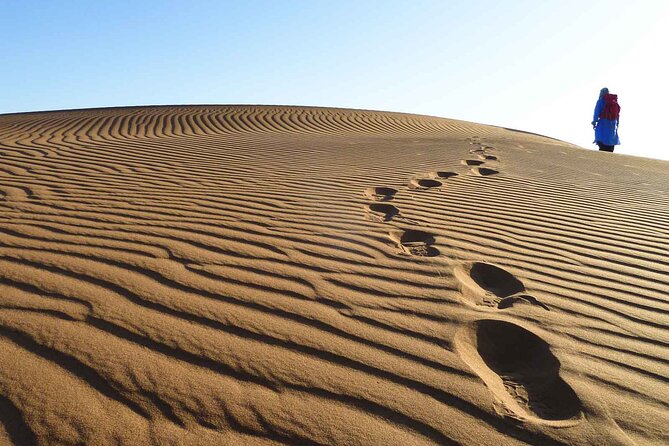
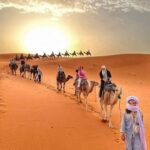
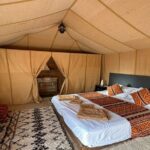
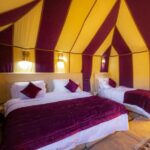
At $2,093.83 per person, this isn’t a budget day trip. But you are paying for the stuff that costs real money in the desert: guiding, remote camp logistics, sleeping setup (tents and mattresses), and the manpower/animals needed to move gear. The price includes tents and mattresses, camels for luggage transport, and water, tea, plus 5 lunches and 4 breakfasts and 4 dinners.
Where the cost might feel easiest to swallow is when you compare it to doing this independently. Getting a guide, camp setup, food, and desert access all sorted is the hard part. Even then, you should know what isn’t included: transport to/from Merzouga, visa and insurance, and a sleeping bag. If you already have a sleeping bag and you’re okay arranging your own arrival and departure, you’ll likely feel good about the value. If you still need to buy a sleeping bag or you’re adding expensive transport, the total trip cost can climb fast.
Also note: the tour offers pickup, plus group discounts. If you’re flexible with dates and travel with at least a small group, you can sometimes lower the overall bite.
How camp life works (and why helping out matters)
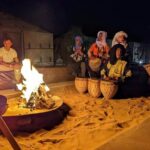
This trek runs on a simple desert routine. After breakfast you hike. Lunch usually happens outdoors—often under a tree or in a natural pause—then you keep moving until the day’s end. Evenings are for camp life: time to look around, settle in, and enjoy sunset, with the possibility of a campfire depending on weather conditions (the idea of baking bread with the team may happen at night).
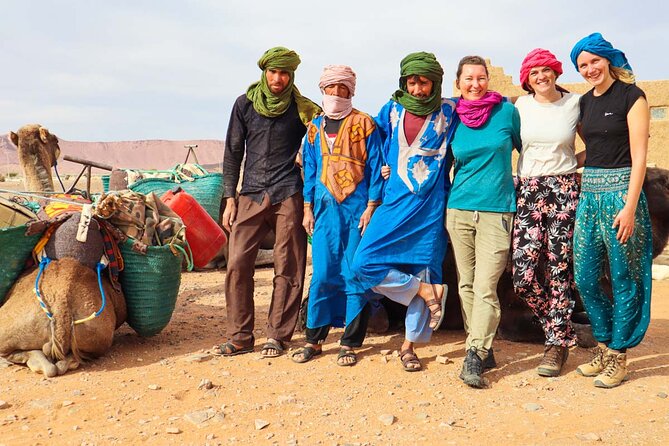
You’ll also be asked to participate in basic camp tasks: helping with setting up camp and then packing up in the morning. That’s not just “work for the sake of work.” It keeps the operation running smoothly and helps you feel connected to what’s happening rather than watching it like a show. If you prefer a completely hands-off experience, this is the wrong style. If you’re the kind of traveler who likes simple involvement, it becomes part of the fun.
And while tents and mattresses are provided, remember: the desert can cool down. Since a sleeping bag is not included, plan for real night temperatures, not the idea of warm desert nights you’ve seen in postcards.
Day-by-day: what you’ll actually experience from dunes to old mines
Day 1: Merzouga to oasis lunch and your first dunes camp
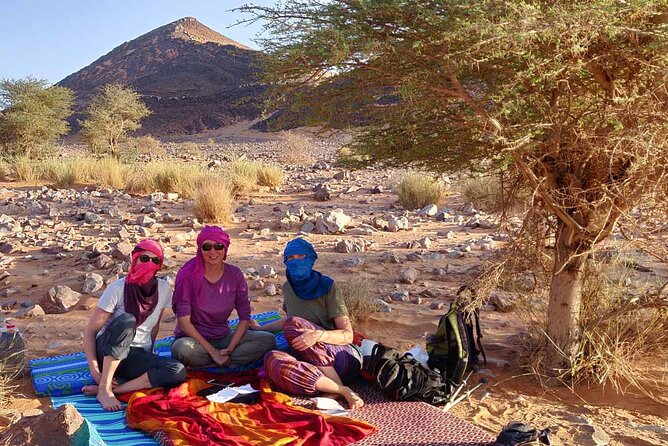
You leave Merzouga after breakfast and start hiking on mostly sand, crossing dunes and moving through a quieter stretch than most people see. Lunch happens in an oasis setting, which is a helpful contrast. It’s the desert’s “proof of life” moment—green enough to feel surprising, still wild enough to feel remote.
By evening, you set up camp behind the dunes, with an optional luxury-camp style mentioned for this first night. The key value of Day 1 is that you get acclimated to the desert rhythm while still stacking in the big scenery right away: sand dunes, dried-up river-bed vibes, and bare mountains in layers that look ancient up close.
A small practical note: the sand will feel different after a couple hours. Your stride changes. Your feet ask you to slow down. That’s normal. Treat Day 1 as your warm-up, even if you’re eager to push.
Day 2: Dry river bed hiking toward Hassi Begaa
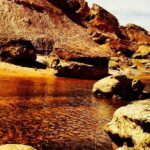
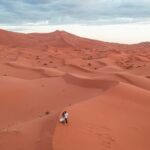
Today you shift from “pure dunes day” into a longer visual day. You’ll hike along a dry river bed with views of the dunes in sight for much of the day. Even when it’s not “pretty-green,” a dry river channel gives you a sense of the desert’s history and scale. The ground tends to guide your walking in a different way than open sand.
You’ll set up camp close to Hassi Begaa. Staying near a named location matters here: it suggests a plan, not random wandering. And the second night usually feels more grounded because you already know what camp life looks like.
If you like variety, Day 2 is where you’ll feel the trek stop being repetitive. It’s still the Sahara, but it’s the Sahara with layers.
Day 3: Local mountains, a climb for sunset, and repeating camp comfort
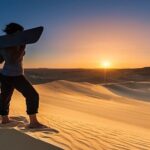
Day 3 brings local mountains into the mix. You’ll explore and climb up for an amazing sunset view, then return to the same camp as the prior night near Hassi Begaa.
This is the day that often makes people go quiet. Not because it’s boring, but because you realize how different desert light is once you’re up high. The dunes and the surrounding terrain change color and shape as the sun drops. From a camp perspective, it’s also a practical win: you don’t have to re-pack your whole world, and you can spend your time on the climb and the view instead of constantly breaking camp.
Day 4: Erg Znigui crossing, an abandoned village, and old mines
Day 4 is for the “how do people even find this?” feeling. You’ll cross Erg Znigui and the surrounding hills, then visit an abandoned village and old mines.
This is where the trek becomes more than scenery. Abandoned places in the desert can feel eerie, but also honest. They remind you that desert life has always been about adaptation, not conquering nature. The mines add another layer of human history—industries tried, moved, and left behind.
You’ll camp in a nomad village behind the dunes. That’s a different vibe than a standard camp site: it’s closer to the idea of living patterns, even though you’re still sleeping in a tent and living by the trek’s rhythm. If you like authentic contact with local ways of moving through the land, this is likely one of your favorite nights.
Day 5: Erg Chebbi again and back to Merzouga
On the final day you cross Erg Chebbi once more and hike back toward Merzouga, returning to the meeting point where you started.
Crossing the dunes on a last day has a funny emotional effect. At first you feel like you’re losing something, then the experience flips into appreciation. You start noticing details you missed earlier: how wind smooths sand, where the dune line shifts after a ridge, and how the horizon changes as you approach town.
It’s also a logical finish. You get a proper trek ending without an extra “random transfer day” that eats half your vacation.
Who this trek is perfect for (and who should pick something else)
This is best for you if:
- You’re okay with walking most of the day and hiking over sand and rougher ground.
- You want the desert experience that feels like travel, not just a short stop for photos.
- You enjoy camp life and are willing to help with the setup/pack-down routine.
- You like a guided experience where the guiding team (including Eva and Hassan) can adapt the trip so it fits what you’re looking for.
It’s probably not ideal if:
- You want a lounging vacation with minimal physical effort.
- You need a fully private guide-carrying-your-every-need setup. This is private for your group, but it still runs as a hiking operation with real desert work involved.
- You don’t want to bring or arrange a sleeping bag, since it’s not provided.
Practical planning: what to pack and what to expect
Based on how this trek runs, you should plan for:
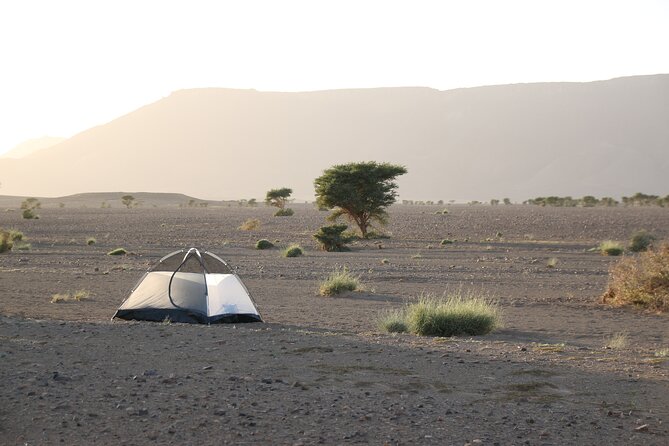
- Your own sleeping bag (not included).
- Layering for temperature swings at night and early mornings.
- Comfortable hiking shoes that handle sand and dust. Your feet will do the negotiating every day.
- A daypack with what you need between breakfast and lunch (water and tea are provided, but you still want your essentials handy).
Also, think about how you’ll arrive and leave. Transport to/from Merzouga isn’t included, though pickup is offered, and the activity is near public transportation. If you’re flying into Morocco and building an itinerary, you’ll want to schedule your arrival so you can realistically meet the 8:30 am start.
Finally, remember the vibe: this is a remote walking trip. Phones work only when you get lucky. That’s not a complaint—it’s part of why the desert feels so quiet.
Booking fit: should you book this 5-day Merzouga desert hike?
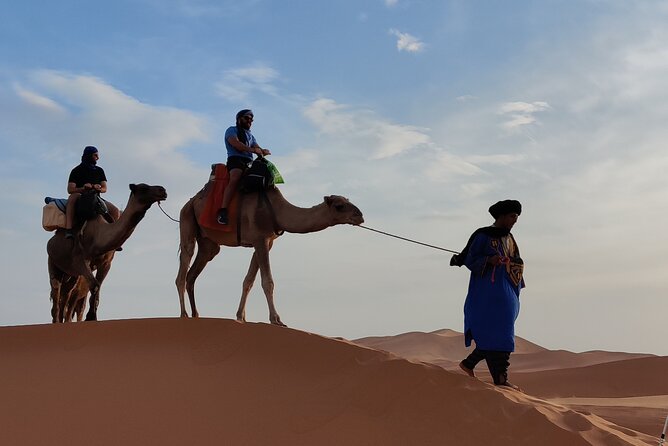
I’d book it if you want a Sahara trek that leans hard into the walking, the changing terrain, and camp nights that feel away from the typical tourist loop. The included setup (tents, mattresses, meals) plus camel luggage transport makes it practical, and the itinerary gives you real variety: dunes, dry river beds, mountain climbs for sunset, and a day that includes abandoned village and old mines.
Skip it if you’re hoping for a mostly comfortable, low-effort experience with everything handled start to finish. You’ll be doing real hiking and basic camp work, and you need to bring a sleeping bag to sleep well.
If you’re the kind of traveler who likes the desert for its silence and scale, this is the kind of trip that tends to stick with you long after you leave Merzouga.
FAQ
Where does the tour start and when?
The trek starts back at the meeting point in Merzouga, near 3XVV+56 Merzouga. The start time is 8:30 am.
Is pickup available?
Pickup is offered, but transport to/from Merzouga is not included. If you need to get to the meeting point, plan for how you’ll arrive.
What’s included for meals and camping?
You’ll have tents and mattresses, water and tea, plus 4 breakfasts, 5 lunches, and 4 dinners. Camels are used for luggage transport.
Do I need a sleeping bag?
Yes. A sleeping bag is not included, so you’ll need to bring or arrange one.
How physically demanding is it?
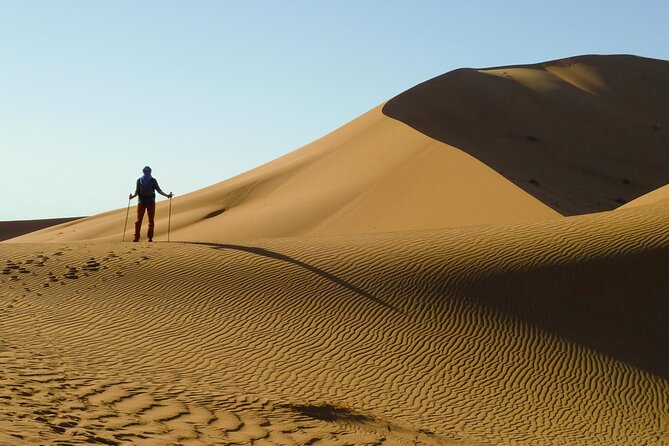
The tour asks for moderate physical fitness. Expect hiking most days, including sand and dry river-bed terrain.
Is this tour private?
Yes. It’s described as a private tour/activity, meaning only your group participates.
What happens if I cancel?
This experience is non-refundable and cannot be changed for any reason. If you cancel, the amount you paid is not refunded.