REVIEW · MARRAKECH
Day Trip to Ourika Valley & Atlas Mountains from Marrakech
Book on Viator →Operated by morocco desert activities · Bookable on Viator
This day trip trades Marrakech traffic for Ourika Valley riverside calm under the Atlas Mountains. You start early, roll through mountain viewpoints, then spend the heart of the day walking near the Setti Fatma waterfalls in a landscape that feels a world away. It’s also built around meeting real Berber village life, not just scenery.
I love how the itinerary mixes easy walking with hands-on culture, especially the Berber breakfast in a local home and the stop at an argan oil association where you see the traditional process. I also like that the waterfalls plan isn’t just a photo stop; you get a real stretch of time to follow trails along the water and river views. And if you’ve had a long day in Marrakech already, this gives you a reset without adding a full travel day’s stress.
One thing to consider: the whole outing is about 6 to 7 hours, so Setti Fatma is roughly a 2-hour window. If you want a slow, deep hike, you’ll have to be selective about how long you stay at each viewpoint and how far you push along the cascades.
In This Review
- Key highlights at a glance
- Marrakech to Ourika Valley: that 90-minute drive is part of the experience
- Tnine Ourika viewpoint: short stop, big photo payoff
- Berber village breakfast: where the day turns from tour to human-scale
- Argan oil association visit: practical culture with real everyday value
- Setti Fatma and the 7 Cascades: trails, viewpoints, and time to cool off
- The return trip and photo stops: keep your momentum, not your stress
- Value for the money: why a day trip here can be worth it
- Who this trip suits best (and who should pick something else)
- Tips that make the day smoother
- Should you book this Ourika Valley and Atlas day trip?
Key highlights at a glance
- Early start + quick “mountain change of pace” keeps the day moving and gives you cooler hours
- Panoramic viewpoint at Tnine Ourika for quick Atlas and valley photos
- Berber breakfast in a home setting gives you a better feel for local flavors and hospitality
- Argan oil association visit shows how the oil is made and why it matters
- Setti Fatma trails and river cooling gives you time to walk, photograph, and optionally swim
Marrakech to Ourika Valley: that 90-minute drive is part of the experience
The day starts at 8:30 am, and you’ll be picked up from your hotel or riad. The ride out of Marrakech takes about 1.5 hours, and that timing matters. Morning traffic is easier, and you’re more likely to arrive while the valley feels fresh rather than late-afternoon hot.
As you head toward the Ourika Valley, the terrain gradually shifts from city density to open mountain air. Even with just a simple viewpoint stop later, that transition sets the tone: this is a day trip where the “in-between” moments—the roads, the first big valley views, the light on the mountains—help you enjoy the destination more when you arrive.
One practical note: the tour uses private air-conditioned minivan options when selected, and the vehicle is comfortable enough for a morning of riding. Still, Morocco roads can feel lively. If you’re prone to motion sickness, bring whatever you normally use, because the drive includes curves and changes in altitude.
A few more Marrakech tours and experiences worth a look
Tnine Ourika viewpoint: short stop, big photo payoff
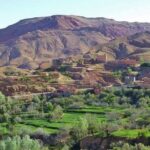
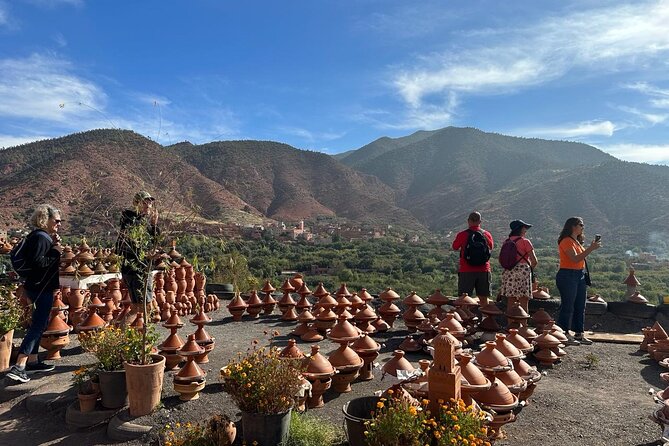
Right after you set out, you’ll get a 15-minute break at a panoramic viewpoint at Tnine Ourika. This is the kind of stop that makes the rest of the day click: suddenly you can see how the valley folds back into the Atlas range, and you get a clear sense of where the Ourika River and villages sit in relation to the mountains.
Because the stop is brief, treat it like a “get your bearings fast” moment. Go with an easy plan:
- Pick one main angle for photos
- Snap a couple wide shots (for context) and a couple close ones (for detail)
- Don’t wait until you’re done to decide what to photograph
This is also where your expectations get calibrated. If you love mountain views, you’ll likely enjoy the rest of the walk at Setti Fatma more, because you’ll recognize what you’re looking at.
Berber village breakfast: where the day turns from tour to human-scale
One of the best parts of this day trip is the stop in a Berber village for a traditional breakfast in a Berber house. It’s scheduled for about 30 minutes, which sounds short—until you realize it’s not trying to turn a home into a restaurant meal. You’re there to taste what a local morning can feel like and to experience hospitality in a quieter setting.
The breakfast includes familiar basics with that unmistakably local feel: fresh Moroccan bread, honey, olives, goat cheese, and mint tea. Those items might sound simple, but they’re exactly what makes this stop memorable. It’s not a fancy buffet; it’s a small window into how food, land, and routine connect in the valley.
This is also where the tour design does something smart. You’re not just stopping “for a snack.” You’re stopping at the rhythm of village life—then leaving on time to keep your day comfortable.
If you’re the type who likes to ask questions, this is your moment. Just stay respectful and keep it simple: ask what’s made locally, how the flavors are chosen, or what everyday mornings look like. In reviews, guides such as Azdine and Aicha are praised for making that cultural information feel natural rather than forced.
Argan oil association visit: practical culture with real everyday value
After breakfast, you head to a local association dedicated to the production and marketing of argan oil. You get about 1 hour here, and that hour can be more interesting than it sounds, because argan oil isn’t just a souvenir theme in Morocco. It’s a locally meaningful product used for both cooking and cosmetics.
This stop is valuable in two ways:
- You see traditional techniques (not just a generic talk).
- You learn why people care about it, which makes later mentions of argan oil feel less like marketing.
You’ll also start connecting what you’ve already seen—villages, valleys, local homes—to something that supports livelihoods. That link is what turns a “cultural visit” into an understanding of daily life.
Based on guide feedback, people often appreciate a calm, patient explanation during this kind of stop. Guides like Azadin and Ilyas show up in reviews as attentive and warm, and that kind of guide energy really matters here. If you’ve ever sat through an experience where you’re just standing near a sales pitch, you’ll be happy to know this one is framed around production and process, not just shopping.
Setti Fatma and the 7 Cascades: trails, viewpoints, and time to cool off
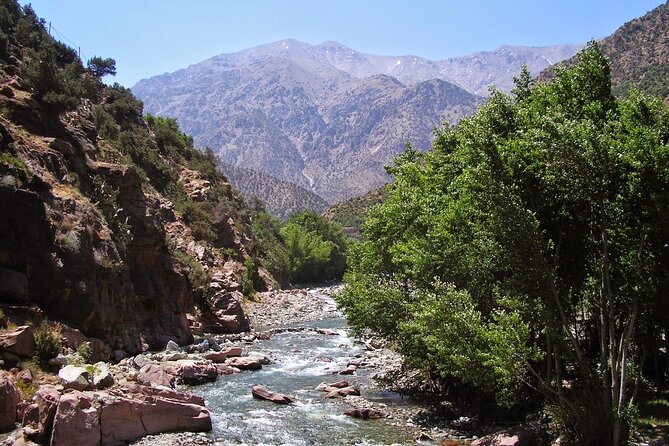
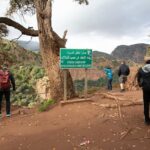
This is the main event. You’ll reach Setti Fatma and the area often referred to as the 7 Cascades, with about 2 hours for walking the well-maintained trails around the waterfalls.
Here’s what that time usually feels like in practice:
- You’ll have multiple chances for panoramic viewpoints as you follow paths by the water
- You’ll likely pass spots where the sound of the falls gets louder as you get closer
- You’ll have enough time to take photos without racing, but not enough time to turn it into an all-day hike
The tour suggests bringing a swimsuit if you’d like to cool off. That’s one of those details that can change the whole feel of your day. If the weather is warm and you’re comfortable around slippery rocks, a quick dip can make the waterfalls section feel like a true break, not just a trek.
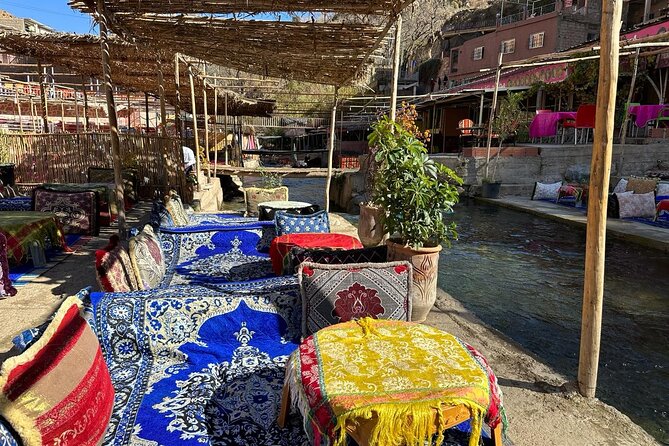
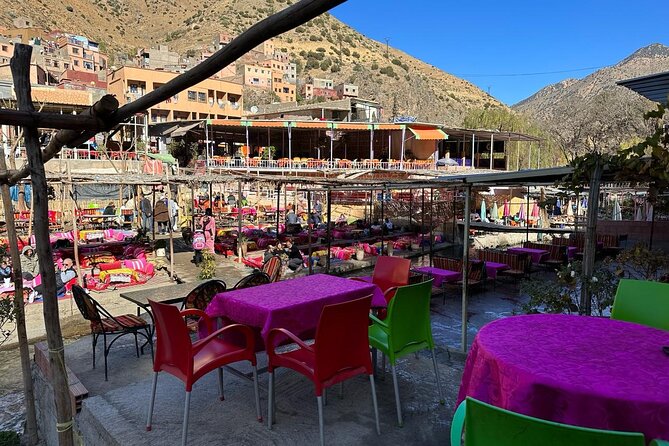
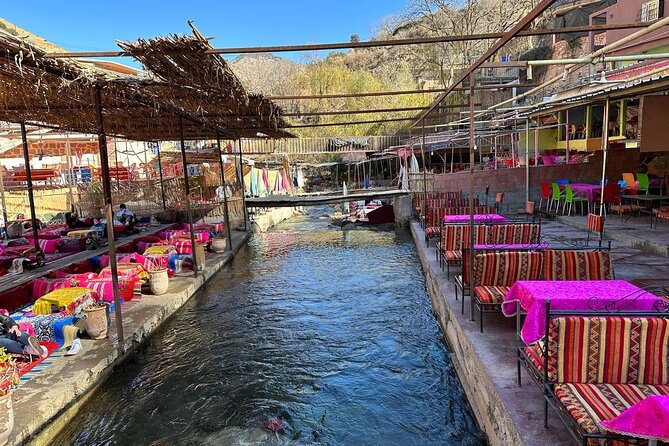
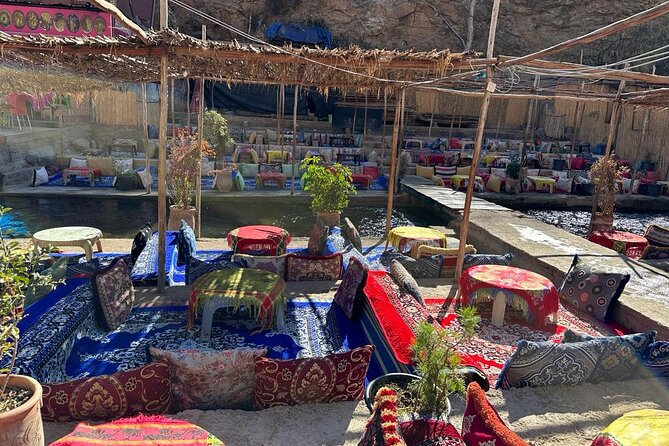
For lunch, the tour includes time to eat at local restaurants near the river area with views. Just remember: personal expenses aren’t included, so you’ll need to handle your own lunch and any snacks or drinks.
Also, keep shoes in mind. Even with maintained trails, waterfall areas can be damp. If you’re wearing fashion sneakers, bring a backup mindset: traction matters.
In reviews, people consistently mention the organization and the guide’s attention during the Setti Fatma portion. That’s important because waterfall timing can get chaotic if you’re trying to find the best path by yourself.



The return trip and photo stops: keep your momentum, not your stress
In the early afternoon, you start heading back toward Marrakech. The day is designed to fit into a comfortable window—long enough to see the valley and waterfalls, short enough that you’re not arriving at night.
The itinerary notes additional scenic/photo moments on the way back, including a panoramic viewpoint and a mention of Ouzoud Waterfalls. Because the exact timing is always subject to road conditions, I’d treat this part as a bonus: expect at least some scenic breaks, but don’t plan on it being the highlight. The main highlight is already behind you at Setti Fatma.
This is also where your early start pays off. If you went later in the day, you’d fight traffic and harsher light. With an 8:30 am departure, you’re more likely to enjoy the valley in better conditions and still return in daylight.
Value for the money: why a day trip here can be worth it
The price is listed at $20.94 per person, and that’s what makes this tour stand out for many first-time visitors. You’re paying for:
- hotel/riad pickup and drop-off
- air-conditioned transport
- a guide (when you choose that option)
- a full day’s worth of stops that connect the dots between Marrakech and the Atlas region
For this kind of itinerary, transportation plus guide time can usually be the biggest cost driver. So when the total is close to about $21, it’s a good deal if you want the “high points” without renting your own car or arranging separate guides.
That said, cheap tours can sometimes cut corners. Here, the stop structure helps: it’s not one long bus ride with nothing to show for it. You get:
- a viewpoint stop
- a breakfast experience
- an argan oil process visit
- the Setti Fatma trails
The 6 to 7 hour timing is also part of the value. You get a lot without losing a full day to logistics.
If you’re traveling with kids or want an efficient day outside the city, this kind of pacing tends to work well. Reviews also mention guides being patient with families, which is a good sign if you want a calmer experience rather than a strict hurry-through.
Who this trip suits best (and who should pick something else)
This tour is a strong fit if you want:
- a taste of Berber village life through food and local production
- a waterfall walking experience without booking a dedicated multi-day trek
- an easy plan with pickup, transport, and guided context
It’s less ideal if you want:
- a long, slow hike with zero time pressure
- lots of unstructured free time for wandering
- a deep focus on one single location (because you’re moving between four major stops)
Because the group can be as large as 99 travelers, you’ll still experience the “organized day trip” rhythm. That doesn’t mean it’s crowded the whole time, but it does mean you should accept that some moments will feel more scheduled than personal.
If you care most about one thing—like waterfalls—you’ll still get it. Just go in ready to manage your time: decide what you want most at Setti Fatma and don’t try to do everything.
Tips that make the day smoother
A day trip like this is all about small choices. Here’s what helps:
- Wear comfortable shoes with grip for damp waterfall trails.
- Bring a swimsuit if you want the option to cool off.
- Carry a hat and sunscreen for the valley and viewpoint time.
- Plan for your own lunch and extras, since only the tour basics are included.
- If you get motion sickness, consider preparation for the winding mountain drive.
And one more tip: if you get a guide like Bahadi, Yassine, or Azadin (names that appear in reviews), lean into their explanations during the argan oil and village stops. That’s where you’ll pick up the kind of context that makes the day feel connected instead of random.
Should you book this Ourika Valley and Atlas day trip?
I think you should book this if you want an efficient, culturally focused Marrakech day trip that actually changes your scenery for real. The combination of Berber breakfast, argan oil process, and Setti Fatma trails hits multiple “Morocco moments” without demanding serious planning.
Skip it if you only want waterfalls and nothing else, because you’ll still spend real time on cultural stops. Also, if you’re the kind of traveler who needs total control of timing, a 6 to 7 hour guided schedule may feel too structured.
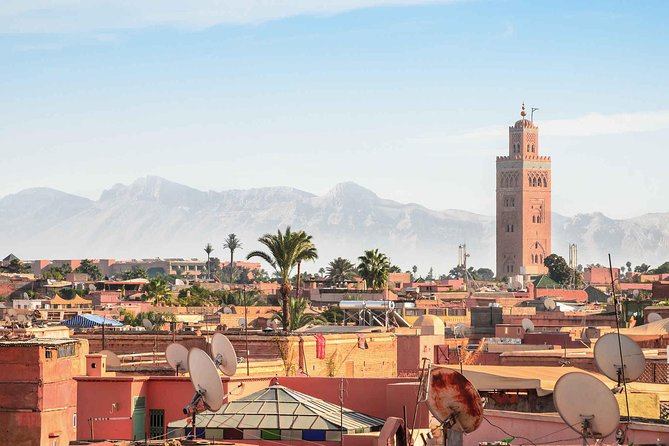
If you’re a first-time visitor trying to see more than Marrakech rooftops, this is a solid, good-value choice. It’s the kind of day where you leave with photos, yes—but also with a better sense of how valley life works, from food to oil to hospitality.