REVIEW · RABAT
Cultural immersion for travelers
Book on GetYourGuide →Operated by Amazing Amazigh Trs · Bookable on GetYourGuide
Rabat makes sense on foot. This 3-hour walking tour gives you Rabat medina vibes plus a clear, human explanation of Morocco’s Amazigh roots and the way different communities shaped the country. With the English guide Youness from Amazing Amazigh Trs, the pacing feels thoughtful, and the stops are chosen to connect stories to real places like Nouzhat Hassan Park and the Mellah.
One thing to consider: it’s rain or shine, and food and drinks are not included—so you’ll want to plan for a dry moment (or bring a small rain layer) and a little snack strategy before or after the tour.
In This Review
- Key takeaways before you go
- A 3-hour route that explains Rabat at street level
- Starting at Le jardin Nouzhat Hassan: where Moroccan history begins
- Saint Peter’s Cathedral: a quick stop that changes your perspective
- Murals and ornament details in the medina: art you can read
- The Mellah and a real market: seeing daily life, not staged sights
- Kasbah of Oudaya and the Rabat-Sale view before Hassan Tower
- Price and value: is $79 for 3 hours fair?
- Weather-ready walking and how to pace yourself
- Who this tour suits best (and who should skip it)
- A note on reliability
- Should you book this Rabat cultural walk?
- FAQ
- How long is the Rabat cultural immersion walk?
- Where does the tour start?
- Is the tour private or shared?
- What language is the tour guide?
- Does the tour run in bad weather?
- What’s included in the price?
- Are food and drinks included?
- What’s the cancellation policy?
Key takeaways before you go
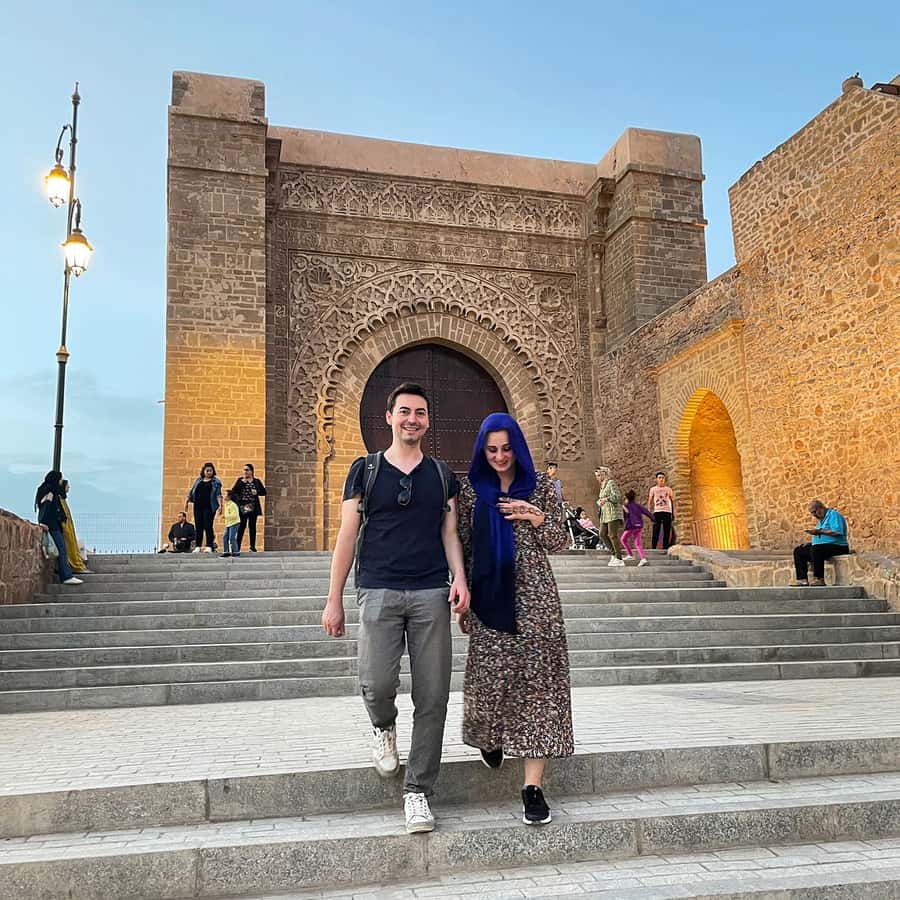
- Nouzhat Hassan Park history walk: Moroccan history, Berber Amazigh identity, and cultural crossovers explained on site
- Saint Peter’s Cathedral stop: a quick, meaningful pause in the city center to break up the medina walking
- Murals and ornament spotting: street art and architectural details that help you read Rabat’s style
- Mellah (Jewish neighborhood) market time: see a local, authentic market in the medina atmosphere
- Rabat-Sale river viewpoint: Kasbah of Oudaya and the river separation give instant geography context
- End near Hassan Tower: you finish with easy access for your own exploring
A 3-hour route that explains Rabat at street level
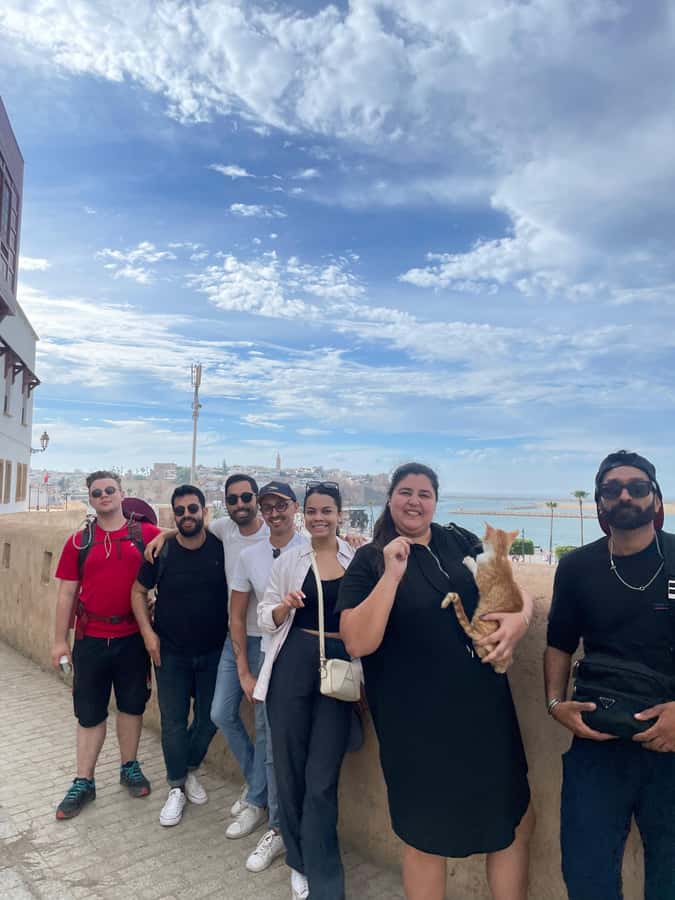
This isn’t a checklist tour. The best part is how it strings together Rabat’s big themes—identity, religion, art, and city design—so you understand what you’re seeing while you’re seeing it. The format is simple: walk, pause, look closely, ask questions, and keep moving.
You’ll cover a compact slice of the capital: starting near the medina walls, working through park space, then heading into the medina and the Mellah, and finally ending near Hassan Tower. For first-timers, that’s a smart way to get your bearings fast. For repeat visitors, it’s still useful because the emphasis stays on interpretation, not just photos.
Group style is private, and the guide is English-speaking. Based on feedback tied to this experience, Youness also tends to stay flexible—when something changes, he adjusts in real time so the tour stays worthwhile.
You can also read our reviews of more tours and experiences in Rabat.



Starting at Le jardin Nouzhat Hassan: where Moroccan history begins
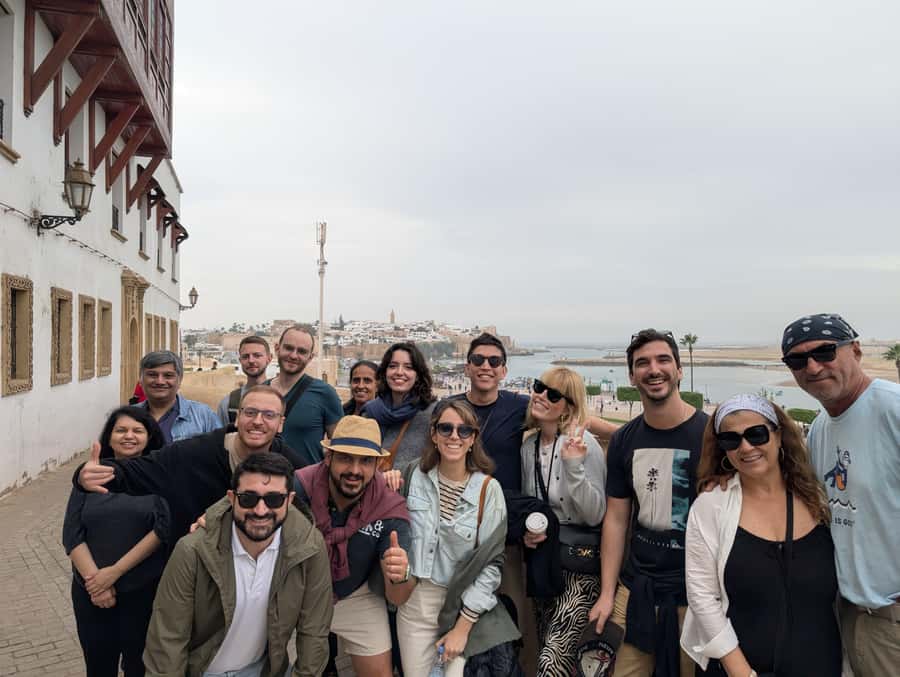
The tour meets in front of the entrance of Le jardin Nouzhat Hassan, on the side opposite the medina walls. That location choice matters. You’re right at the boundary between the quieter park feeling and the older city world, so the transition from “city” to “story” happens naturally.
From there, you start with a slow walk through the park, and the guide uses it as your foundation for understanding Morocco. You’ll hear about:
- Moroccan history in plain terms
- the native Berber Amazigh identity
- the presence of Jewish life and Arabic culture
- how those influences shaped Amazigh culture over time
What I like about this setup is that it doesn’t treat history like a lecture. It’s timed for when you can actually look around and relate ideas to place. When you later step into the medina and the Mellah, the background stories you heard in the park help you notice details you’d otherwise miss.
Saint Peter’s Cathedral: a quick stop that changes your perspective
After the park, the tour pauses to see Saint Peter’s Cathedral in the city center. It’s the kind of stop that can easily feel like just another landmark—unless your guide frames it.
Here, it acts as a reset moment in the route. You catch a different architectural and cultural signal from what you’ll see next, and it helps you understand Rabat as a city with layers, not just one style or one era.
The practical value is also real: it breaks up the walking rhythm so the rest of the day doesn’t feel like constant movement. If you like tours that keep energy steady, this is one of those “good timing” moments.
Murals and ornament details in the medina: art you can read
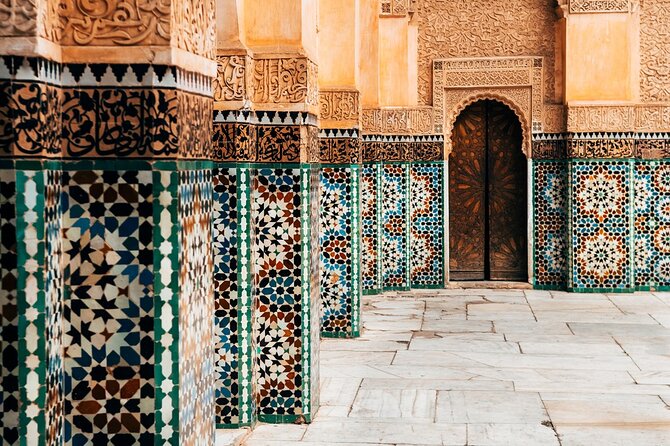
Next comes Rabat’s street level. You’ll pass murals and notice architectural ornaments that the guide connects back to the city’s character—often described as a place of lights and culture. Even if you’re not an art expert, you’ll leave with a simple habit: look for patterns and meaning, not just color.
This part works well because it’s visual and interactive. The guide points things out as you walk, so you’re not stuck trying to interpret from memory later. If you enjoy wandering but hate feeling lost, this is the middle ground: you get structure, but you still get room to notice.
One small consideration: medina streets can feel tight and uneven. Comfortable shoes matter, and you’ll likely do more standing and looking than you would on a car-based tour.
The Mellah and a real market: seeing daily life, not staged sights
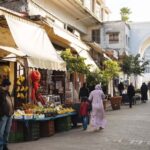
The tour’s next main destination is the Mellah, the Jewish neighborhood. This is where the experience shifts from “history explanation” to “daily life you can sense.”
You’ll visit a local and authentic market in the medina. The key here is that the stop is for observation and understanding, not shopping pressure. You’re there to see the rhythm of the place and how community life is expressed through everyday commerce.
From the strongest reviews tied to this tour, the market portion stands out because it feels grounded—less tourist route, more real neighborhood atmosphere. The guide Youness is described as engaging and enthusiastic, and importantly, welcoming of questions. That matters in the Mellah, where context helps you appreciate what you’re looking at rather than turning it into a quick photo stop.
If you want a tour that shows you how Rabat works on an ordinary day, this is the part that delivers.




Kasbah of Oudaya and the Rabat-Sale view before Hassan Tower
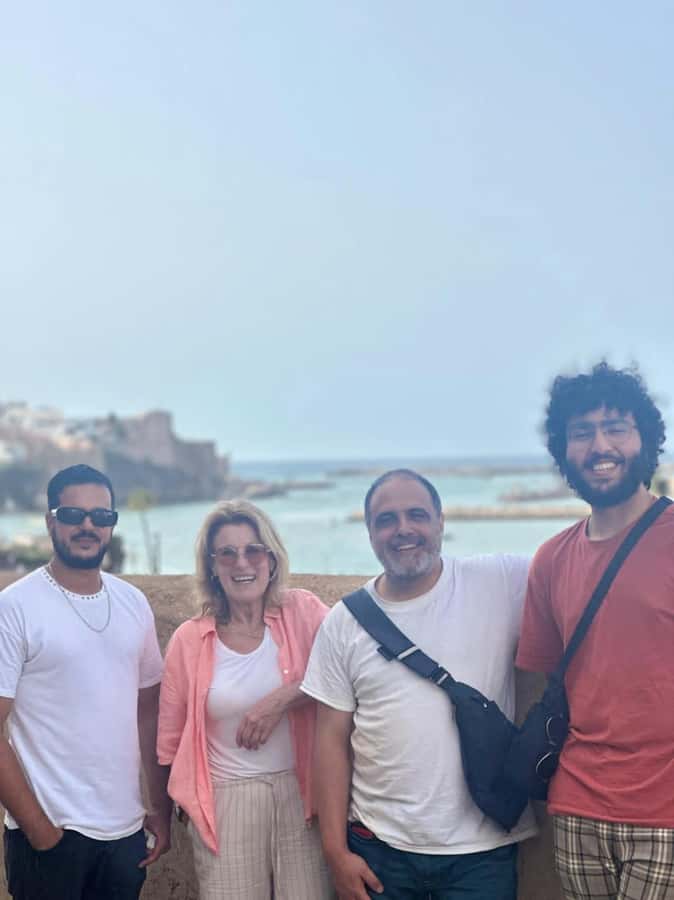
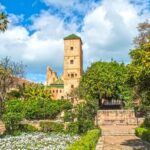
After the market stop, the tour includes a viewpoint moment: you’ll enjoy the view of the Kasbah of Oudaya and the river separating Rabat and Sale.
This is a smart stop because it gives you instant geography. Rabat and Sale are often seen together on maps, but the view makes the separation feel obvious—like the city’s relationship to water is built into its identity. It’s also a good chance to slow down, take photos, and let the morning’s history and medina walking sink in.
Finally, the tour ends near Hassan Tower, which is a practical landing spot. It means you’re not dropped somewhere inconvenient. You finish in an area where you can keep exploring independently, building on what your guide just explained.
Price and value: is $79 for 3 hours fair?
At $79 per person for a 3-hour guided walk, the value comes from a few specific things:
- You’re paying for an English-speaking guide who connects history to what you see
- entry tickets are included (so you’re not stuck paying extra on the spot)
- the route covers multiple meaningful zones: park history, cathedral pause, medina art, Mellah market, and the Oudaya river viewpoint
- the tour is private, which usually makes question time and pacing smoother than big-group formats
This isn’t a “cheap entry” kind of tour. It’s closer to paying for interpretation and local context. If you prefer cultural context over ticking off sites, the cost makes sense.
One caution: food and drinks are not included. So think of this as a guided walk you pair with your own meal plan. If you’re hungry, you might want a snack buffer before you start.
Weather-ready walking and how to pace yourself
The tour is scheduled to run rain or shine. That’s great for reliability, but it does mean you should dress for walking conditions. In the medina, surfaces can get slick, and crowds plus rain can slow your movement.
The good news is that the itinerary includes pauses: park time, a cathedral stop, and a viewpoint near Oudaya. That helps you avoid that “constant marching” feeling some walking tours have.
Also, the park portion is described as a slow walk, which suggests a comfortable pacing rather than a forced hustle. If you like tours that give you moments to actually look and ask questions, this one matches that style.
Who this tour suits best (and who should skip it)

This experience is a strong fit if you:
- want a cultural explanation alongside sightseeing
- like walking tours that connect history (Amazigh, Jewish life, Arabic influence) to visible parts of Rabat
- enjoy street-level details like murals and architectural ornaments
- want a guide who answers questions and keeps the tone friendly and human
It may be less ideal if you:
- can’t do 3 hours of walking in the medina area
- need food or drink included (since it isn’t)
- get thrown by rain and don’t want to carry even a small rain layer
A note on reliability
Most feedback for this tour is very positive, and the guide Youness is repeatedly praised for professionalism and cultural fluency, plus the ability to customize the walk and adjust calmly when plans change. One negative review reports a last-minute cancellation due to illness, with the traveler seeking a refund after losing time. That’s rare, but it’s worth knowing before you plan tight schedules.
If your itinerary is packed, build in some flexibility around the start time and consider having a backup plan for the rest of your day.
Should you book this Rabat cultural walk?
If you’re the type of traveler who wants meaning, not just landmarks, I’d book it. The route is compact, the guide approach sounds focused on real context, and the stops hit the sweet spots: park history, city center architecture, medina art, Mellah market daily life, and that Oudaya river viewpoint before Hassan Tower.
Book it especially if you want to understand how Morocco’s Amazigh identity connects with broader cultural threads like Jewish and Arabic influence. If that kind of context makes your travel days feel richer, this tour is designed for you.
FAQ
How long is the Rabat cultural immersion walk?
It lasts 3 hours.
Where does the tour start?
It starts in front of the entrance of Le jardin Nouzhat Hassan, opposite the medina walls. The activity info also lists pickup included with the meeting point in front of the central market in the medina, so double-check the exact spot in your confirmation.
Is the tour private or shared?
It’s a private group.
What language is the tour guide?
The tour is guided in English.
Does the tour run in bad weather?
Yes. It takes place rain or shine.
What’s included in the price?
Entry tickets are included.
Are food and drinks included?
No. Food and drinks are not included.
What’s the cancellation policy?
You can cancel up to 24 hours in advance for a full refund.