REVIEW · FEZ
Cooking Local Tajine Class in Fez
Book on Viator →Operated by Days in Fez · Bookable on Viator
Fez smells like a cooking lesson. This private 3 hours 20 minutes tajine class takes you from the old medina souk to a Moroccan home where you cook and eat together. You start with quick historic context, then spend time in the market picking ingredients the way locals do.
What I liked most: you get hands-on cooking guidance from Moufid (and you may also meet other friendly guides like Amin), and you learn key ingredients as you shop, including their Arabic names. One thing to consider: breakfast isn’t included, so plan your day with that in mind.
I also love how the market isn’t a random photo stop. You walk through focused sections like vegetables, meats and chickens, fruits, and even a coffee shop, inside shops that are over 350 years old. It feels practical, because you’re buying the building blocks for what you’ll cook next.
Here’s the main drawback: since it ends back at the same meeting point and runs about a half-day window, you’ll want to keep the rest of your schedule flexible. If you’re the type who needs a long sit-down meal before activities, plan a separate breakfast or a light early bite.
In This Review
- Key moments you’ll care about
- Market Walk Through Fez’s Souk Sections That Actually Matter
- Meet Your Chef at RCIF and Shop With a Purpose
- Cooking in a Traditional Moroccan Home: Tajine, Harira, and B’stella
- What You’re Really Learning When You Shop, Season, and Taste
- The Courtyard Feast: Eating What You Cook (With People, Not Just Plates)
- Price and Logistics for a 3h20 Private Tajine Class in Fez
- Who Should Book This Fez Cooking Class (and Who Might Skip It)
- Should You Book This Tajine Class in Fez?
- FAQ
- Where does the cooking class start?
- How long is the experience?
- Is pickup available?
- Is this a private tour?
- What is included in the price?
- Is breakfast included?
- What kinds of dishes might we cook?
- Do we shop for ingredients during the class?
- Where does the tour end?
- What are the operating hours?
- Can I cancel and get a full refund?
Key moments you’ll care about

- 350-year-old souk shopping across vegetables, meats and chickens, fruits, and a coffee shop
- Chef-led cooking with guidance and culture questions answered during the process
- Ingredient learning in Arabic while you shop for the tajine or soup base
- A real Moroccan home and courtyard meal instead of a classroom setup
- Finish with spice shopping time in the old medina square area
Market Walk Through Fez’s Souk Sections That Actually Matter
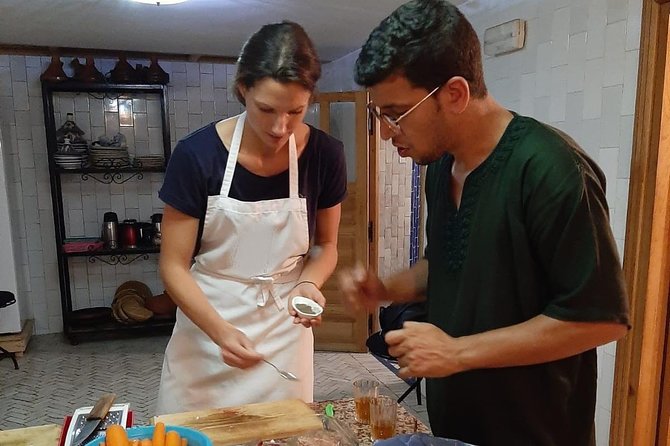
Your class starts at Boulevard Ben Mohammed El Alaoui in Fez. From the first moments, you’re not thrown into chaos. You’ll get some historic context about the region, and then your group heads into the medina to start discovering the day’s ingredients.
What makes this part feel special is the structure. You visit traditional market areas broken down by what people are buying. First, you’ll focus on produce—the vegetables area where you can pick up what will shape the texture and flavor of your final dish. Then you move through meats and chickens, which sets the tone for a tagine that’s hearty rather than just saucy.
You also make a stop for fruits, and yes, the sweet contrast matters for Moroccan cooking culture. You’ll see locally grown ingredients like olives, mint, saffron, and citrus fruit. Those names come up again later when you’re cooking, so the market walk becomes more than sightseeing.
A small detail with big value: the shops you pass through are traditional old stores over 350 years old. You’re not just buying spices—you’re stepping into the same commercial rhythm that has shaped Fez meals for generations. That history isn’t a speech. It’s built into how the market is organized.
You can also read our reviews of more cooking classes in Fez



Meet Your Chef at RCIF and Shop With a Purpose
After you meet your chef (the experience is run with a chef at rcif), the plan shifts from wandering to shopping with intent. This is where you start learning how Moroccan cooking is built from a mix of spices, fresh herbs, and balanced ingredients.
You’ll shop for what you’ll cook that day, including things like:
- olives
- mint
- saffron
- citrus fruit
- and the meat and vegetables needed for your main
You’ll also learn the Arabic words for key ingredients as you go. That’s one of those things you’ll feel immediately, because you can use the names again when you’re chopping, seasoning, and tasting. It helps you turn a dish you tried once into one you can recognize and recreate.
In the reviews, a recurring theme is that the chef isn’t just cooking alongside you. Moufid is described as a chef and guide who explains anything you want to know, and Amin is noted as being especially helpful—also good at keeping things lively. That matters because the market can be overwhelming if you’re there alone. With a guide, you get clarity fast.
Practical tip: if you’re prone to strong scents, remember this is a working market. You’ll smell herbs and spices up close. Take your time, breathe, and don’t rush your questions.
Cooking in a Traditional Moroccan Home: Tajine, Harira, and B’stella
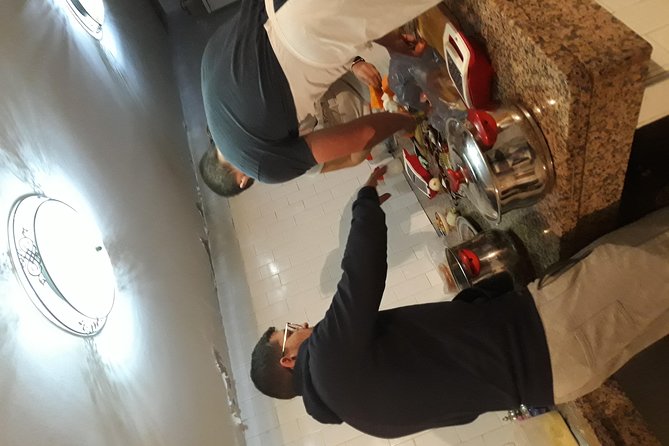
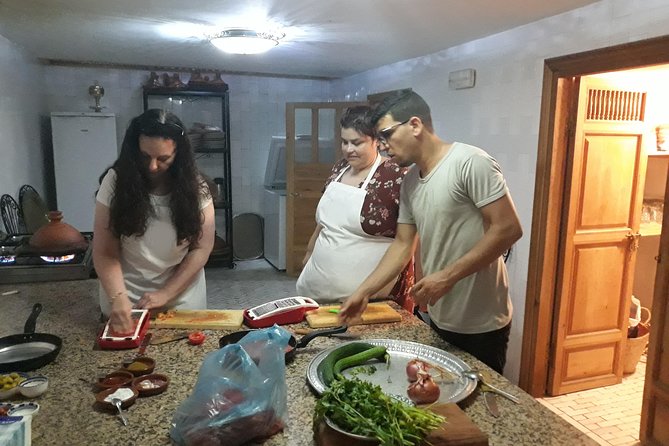
The experience moves from shopping to real cooking in a traditional Moroccan home. You meet a family there, which changes the energy from tourist activity to shared meal prep. This is one of the best ways to understand Moroccan food: you see how it’s cooked as part of home life, not only for performance.
Once you start cooking, you’ll prepare a main dish. The menu style is flexible based on what’s available and what the class chooses, but you can expect options like:
- Tagine with vegetables and meat
- Harira, a hearty soup served with dates
- B’stella
You’ll work with the flavors you bought in the souk—vegetables, meat or chicken, herbs, and spice blends. Tagine-style cooking in Morocco isn’t only about the final dish. It’s about seasoning and balance, and the way ingredients come together while you cook.
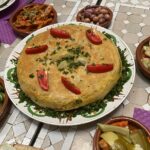
From the feedback, some dishes people really remember include harira and couscous tajine, plus chicken lemon tagine and Moroccan salads. That lines up with what you’ll likely be tasting while you cook: bright citrus, warm spices, and a mix of fresh herbs that make everything feel layered.
One more subtle benefit: the courtyard setup. When it’s time to cook and then eat, the space supports lingering. You’re not hustled through a meal in a hurry. You sit, share, and keep the conversation going while you taste what you made.
What You’re Really Learning When You Shop, Season, and Taste
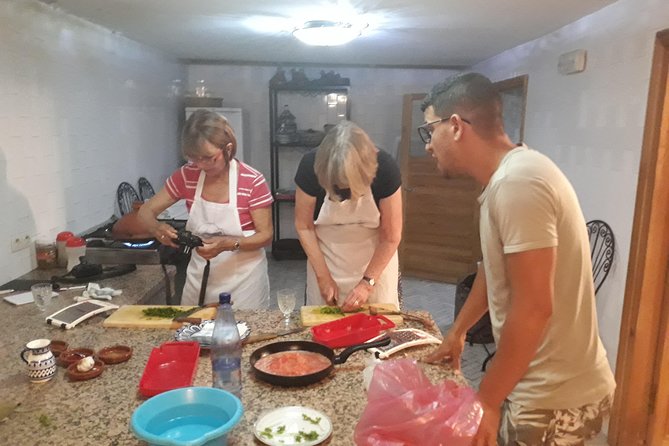
This class works because it teaches you the logic behind the food—not just the steps. When you pick up olives, mint, saffron, and citrus, you’re building a flavor map. You start to understand how Moroccan dishes often balance:
- warm spice notes
- fresh herbal lift
- and slow-cooked depth from meat or vegetables
Learning ingredient names in Arabic also helps you connect what you tasted to what you can buy later. If you’ve ever tried to recreate a dish at home but didn’t know what to ask for, you’ll appreciate this. You’re not memorizing a recipe in isolation—you’re learning how ingredients are talked about and recognized locally.
And because you’re cooking in a home environment, you get small practical guidance that tends to stick:
- how to adjust seasoning as flavors develop
- how to combine vegetables and meat for tagine-style cooking
- how a soup like harira can feel both hearty and fresh depending on what’s inside
If you want more than just a meal, this is the part that delivers.
The Courtyard Feast: Eating What You Cook (With People, Not Just Plates)
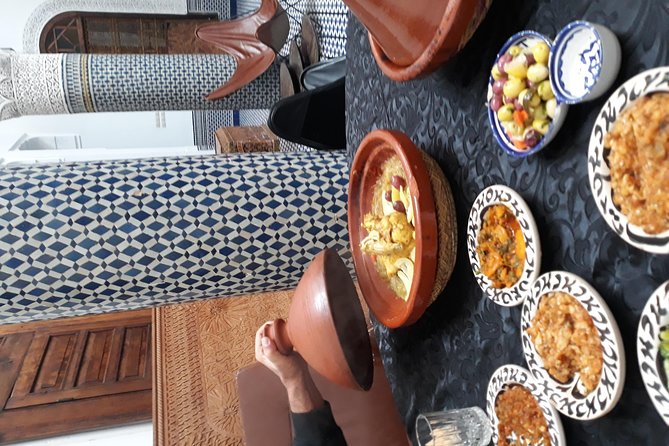
Once your food is ready, you share the meal in the courtyard with your group, friends, or family. This is where the experience becomes more than a class. You’re eating what you made while the chef can still explain things you notice—like why certain spice combinations work or how harira’s ingredients create that rich comfort.
You might see the meal shift depending on the day’s cooking plan, but the structure stays the same: cook together, then sit together. It’s a simple format that helps you relax and actually enjoy what you’ve worked on.
In the reviews, several people mention how much they enjoyed the lunch itself—especially dishes like harira and tagine variations, plus sides like salads. That’s a good sign: you’re not just “taking home knowledge.” You’re taking home satisfaction too.
If you’re cooking with friends or family, you’ll likely get more fun out of it, because you’ll remember tasting and laughing together. If you’re solo, it still works, since the chef and guide can help you feel included. Amin is specifically mentioned as available and entertaining, which is exactly what makes the class feel welcoming.
A few more Fez tours and experiences worth a look



Price and Logistics for a 3h20 Private Tajine Class in Fez
At $58.90 per person for about 3 hours 20 minutes, you’re paying for more than a recipe. You’re paying for a full flow: market time, chef guidance, cooking at a home, and a shared meal. That’s why the value feels solid compared with options that are mostly eating and minimal cooking.
Included items are practical: coffee and/or tea, snacks, and bottled water. Not included: breakfast. So if you’re arriving hungry, consider eating something light before you go, especially if you booked a time on the later side of the day.
Logistics are straightforward:
- Pickup is offered (so you don’t have to wrestle with medina streets right away).
- The tour starts at Boulevard Ben Mohammed El Alaoui and ends back at the meeting point.
- It’s private, meaning only your group participates.
Because it’s near public transportation, you’re not locked into only one access method. Still, if you don’t want to navigate the medina before cooking, take the pickup if it’s available for your time slot.
One more value note: you’re getting market education plus a meal. That combination is the sweet spot for travel learning. If you like food culture, this turns into something you can talk about at home—without needing to pretend you understand every Moroccan term on day one.
Who Should Book This Fez Cooking Class (and Who Might Skip It)
Book this class if you:
- love hands-on cooking and want ingredient-level learning
- want to connect medina shopping with real home-style food
- enjoy learning culture through everyday choices like spices, herbs, and how meals are shared
- travel with friends, family, or even solo and want a chef who guides you through questions
Skip or rethink it if you:
- are strictly looking for a quick tasting tour (this is a cooking-focused experience)
- need a breakfast-included morning plan
- prefer purely independent exploration without a guided market route
This is a good fit for people who like structure but still want authenticity: you’re not stuck in a kitchen studio. You move through the market, cook in a home, and eat together in the courtyard.
Should You Book This Tajine Class in Fez?
Yes—if you want the most useful kind of souvenir: a meal you helped make. The combination of souks shopping, learning ingredient names, cooking with a chef like Moufid, and eating in a Moroccan home is exactly the kind of experience that turns travel into skill, not just photos.
I’d book it if:
- you’re curious about tagine beyond the name
- you want to taste harira properly, not just read about it
- you want spice knowledge you can actually use later
Just plan around the fact that breakfast isn’t included, and keep your schedule loose enough for a relaxing meal afterward.
If you’re ready for a hands-on day in Fez that feels local in how it moves, this one is worth your time.
FAQ
Where does the cooking class start?
It starts at Boulevard Ben Mohammed El Alaoui, Fes, Morocco.
How long is the experience?
It lasts about 3 hours 20 minutes.
Is pickup available?
Yes, pickup is offered.
Is this a private tour?
Yes. It’s private, and only your group will participate.
What is included in the price?
Coffee and/or tea, snacks, and bottled water are included.
Is breakfast included?
No, breakfast is not included.
What kinds of dishes might we cook?
You can cook a main such as tagine with vegetables and meat, harira (served with dates), or B’stella.
Do we shop for ingredients during the class?
Yes. You’ll head into the historic medina to shop for the day’s ingredients.
Where does the tour end?
It ends back at the meeting point (Boulevard Ben Mohammed El Alaoui).
What are the operating hours?
The experience runs daily from 9:30 AM to 8:00 PM.
Can I cancel and get a full refund?
Yes. Free cancellation is available, and you can cancel up to 24 hours in advance for a full refund.