REVIEW · FEZ
Cooking Class with Bread Workshop and Pastry in Fes
Book on Viator →Operated by Bless Munatas · Bookable on Viator
Bread starts at a market in Fez. This cooking class pairs a traditional market tour with hands-on Moroccan bread and pastry making, plus Moroccan tea and the meal you cook. It’s the kind of experience that turns ingredients you recognize into dishes you can actually recreate later.
I especially liked how personal the instruction feels in a small group (maximum 20), and how the lesson doesn’t stop at recipes—it ends with sitting down together for tea and pastries. One heads-up: it’s about 2 hours, so you’ll learn a lot, but you won’t get long, slow cooking time for anything that needs all-day attention.
In This Review
- Key things to know before you go
- Market tour first: picking ingredients like a local
- Bread workshop and pastry in Fez: hands-on, not just watch-and-learn
- Your menu choice drives the cooking steps
- Moroccan tea with pastries: the lesson’s payoff
- Where it happens in Fez: Dhar Richa and a home-style setup
- Group size and attention: why smaller matters
- Price and value: what $46.53 buys you
- Who should book this Fez bread and pastry class
- Should you book this cooking class in Fes?
- FAQ
- Where does the cooking class start?
- How long is the class?
- What is included besides cooking?
- Can I choose what I cook?
- How big is the group?
- What’s the price per person?
- Is the class affected by weather?
- What is the cancellation window?
- When is this experience available?
- Is there a mobile ticket?
Key things to know before you go
- Market tour for your ingredients before you cook, so your meal starts with real choices.
- Bread workshop and pastry options, with hands-on guidance from the instructor.
- Moroccan tea lesson, including tea service and a tea moment with pastries.
- Small group size (up to 20), which usually means more attention while you cook.
- Hosted at the meeting base in Fez (and often in the instructor’s home setup).
- Weather-dependent, so keep an eye on conditions on the day.
Market tour first: picking ingredients like a local
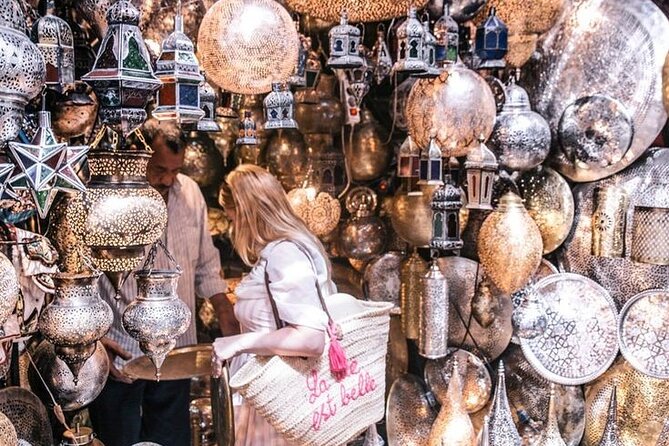
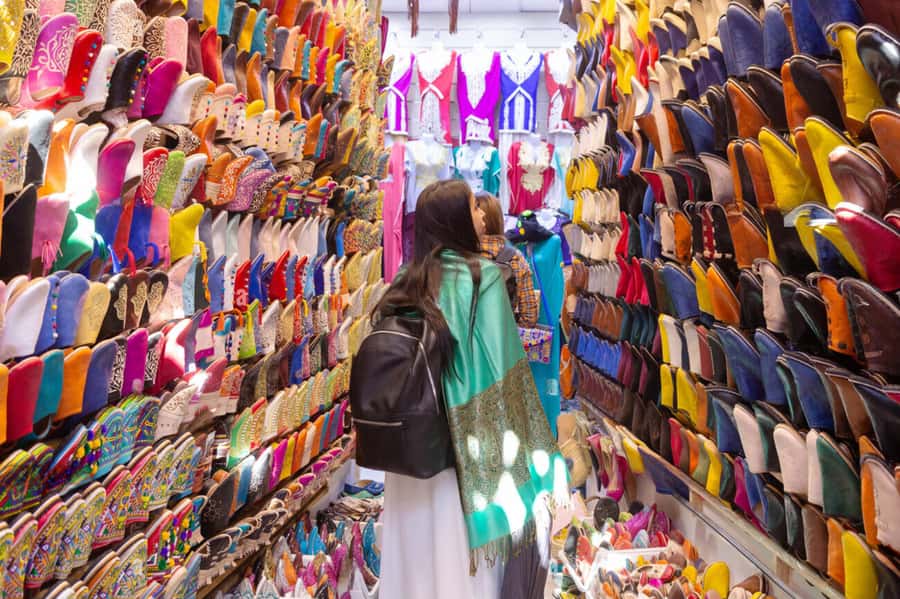
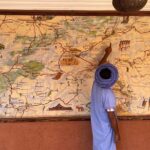
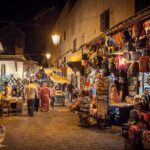
In Fez, the class begins at Dhar Richa and starts with a traditional market walk. The point isn’t just to look around. You’ll be shown the ingredients and told what they’re for, which helps you understand the flavor logic behind Moroccan cooking.
This first stop matters because Moroccan dishes rely on a mix of spices and pantry staples that can look similar in a shop. When you hear what each ingredient does, you’re less likely to end up with a spice basket that feels like clutter later. You’re also more likely to remember what to ask for when you try to cook again at home.
You’ll head back to the class location after the ingredient shopping and get right into cooking. The pace is practical: no long sightseeing breaks, and no waiting around after you’ve picked the food that will become your meal.
One realistic consideration: you’re fitting your cooking class into Fez time. Opening hours listed for the activity window run from 9:00 AM to 11:00 PM, and the experience itself runs about 2 hours, so it’s not something to stretch into an entire afternoon.
You can also read our reviews of more cooking classes in Fez
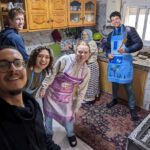
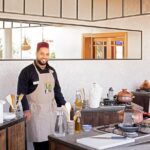
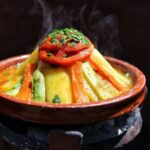
Bread workshop and pastry in Fez: hands-on, not just watch-and-learn
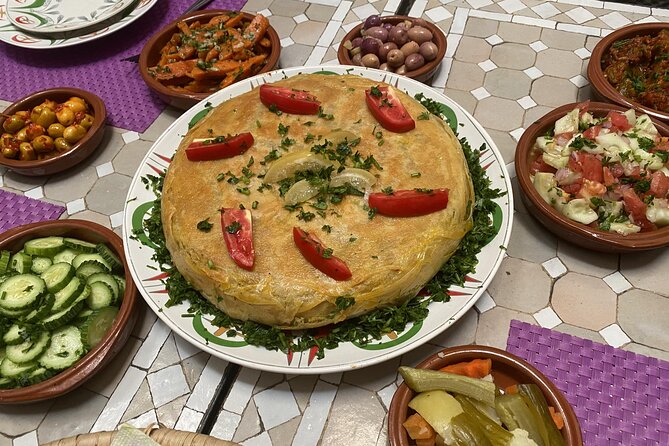
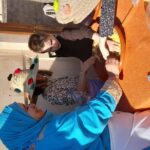
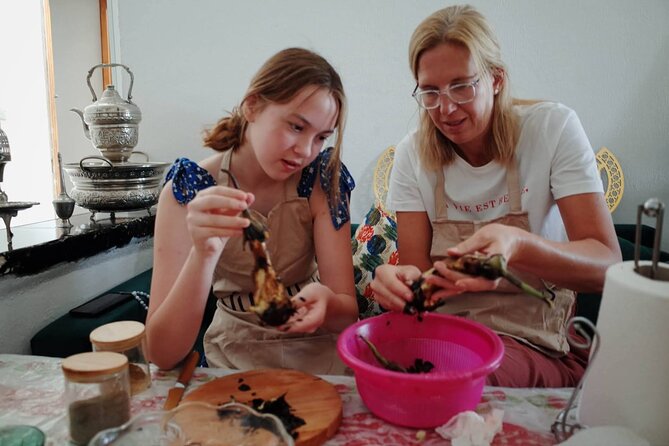
You can choose from workshop options that focus on bread making and traditional Moroccan sweets. The class format is hands-on, which is the difference between taking photos and actually learning steps you can repeat.
Instructors like Bliss Munatas have taught bread and pastry in a very interactive way, with close guidance while you work. The same goes for classes hosted by Chaimae, where the teaching style is described as hands-on and instructive. That combination matters because Moroccan bread and pastries often turn on small technique differences—how dough feels, how you handle shaping, and how heat is managed.
Even if you don’t pick the bread workshop, you’re still likely to learn basics that show up everywhere in Moroccan cooking: how ingredient choices affect texture, how sweetness is balanced in pastries, and how tea fits into the meal rhythm. And because the class includes pastries as part of the shared finish, you get to compare what you made with what’s served at the table.
What you should watch for is this: since the class includes menu choice (and workshop choice), the exact items you make can vary by what’s available and what you select. The core structure stays the same—ingredients first, then cooking, then tea and pastries—but your final plate depends on your choices for the day.
Your menu choice drives the cooking steps
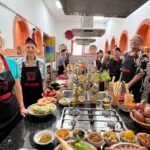
After the market, the class moves to cooking the menu you choose. You’ll get instructions, and then you start preparing while the instructor talks through different points along the way. That’s helpful because you’re not just memorizing a list of steps. You’re learning what to pay attention to while you cook.
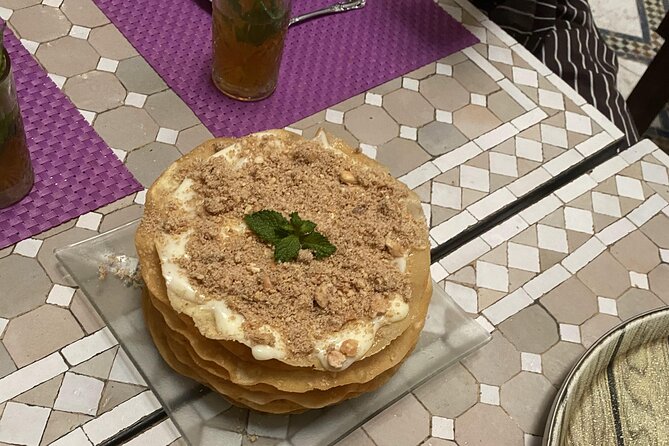
One pattern you can expect in this style of class is that the menu includes a mix of Moroccan staples and special-occasion dishes. For example, one class experience focused on Chicken Tajine and Pastilla—two dishes that feel different on the plate, yet share the same Moroccan backbone of spices, aromatics, and careful cooking.
That menu-first approach has real value. It keeps you from learning the wrong thing. If you care about bread and pastry, you can focus there. If you want a fuller Moroccan meal that includes something like tajine and pastilla, you can choose toward that. Either way, the lesson connects ingredients to finished food instead of treating bread and sweets as separate worlds.
Another benefit of the small group setup (maximum 20) is that you’re more likely to get corrections or clarifications while you’re cooking, not after. When you’re actively working, quick feedback makes a big difference.
Moroccan tea with pastries: the lesson’s payoff
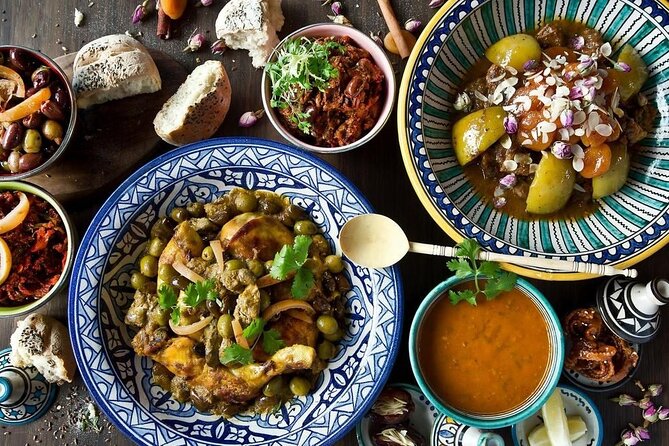
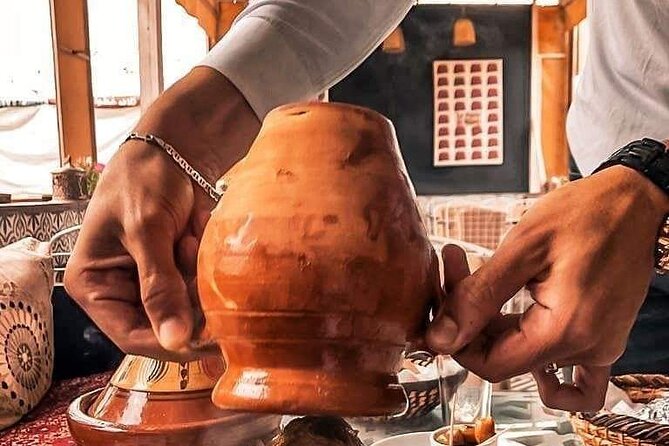
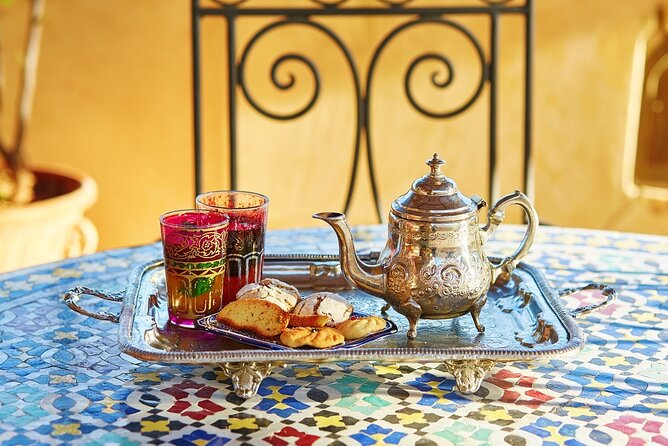
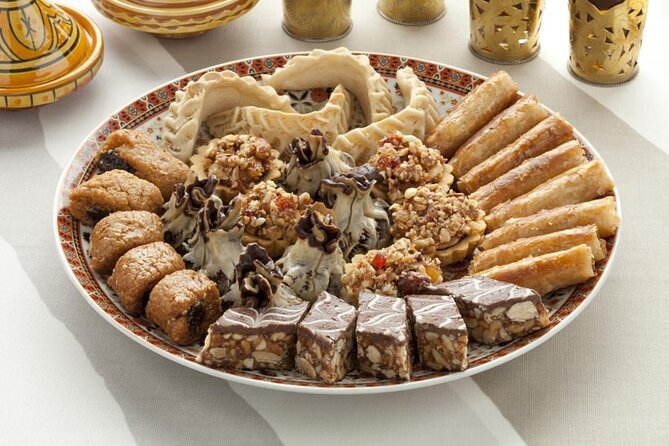
Moroccan tea isn’t just a drink here. It’s part of the experience flow, with Moroccan tea served alongside pastries. The class includes a tea moment described like a live show with Moroccan pastries, and that’s where things click emotionally.
If you’ve had mint tea in Morocco, you know it’s part of hospitality. In this setting, you’ll see how the serving fits the meal, and you’ll learn the art of making Moroccan tea. The class structure turns tea into a mini-lesson, not an afterthought.
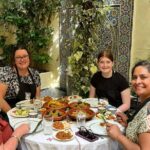
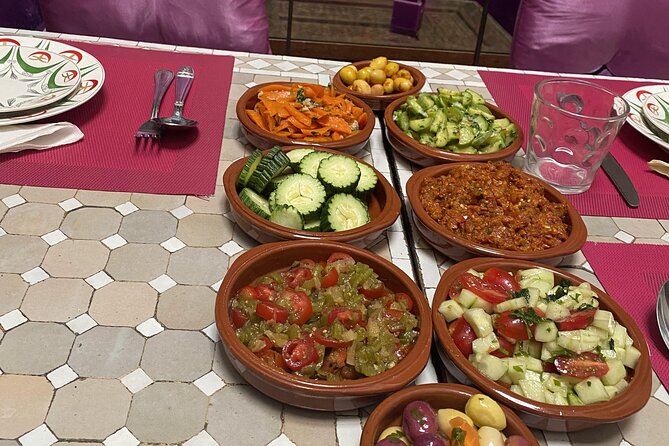
And then you eat what you made together. Sharing the table is where you realize what you learned during cooking. You’re not only tasting spices and sweetness—you’re tasting the choices you made at the market and the techniques you followed in the kitchen.
There’s also a practical side to this ending. If you’re trying to decide what to prioritize in Fez food experiences, a class that ends with a full tea-and-pastry moment gives you a clear, satisfying finish. You get both the learning and the payoff in one block.
Where it happens in Fez: Dhar Richa and a home-style setup
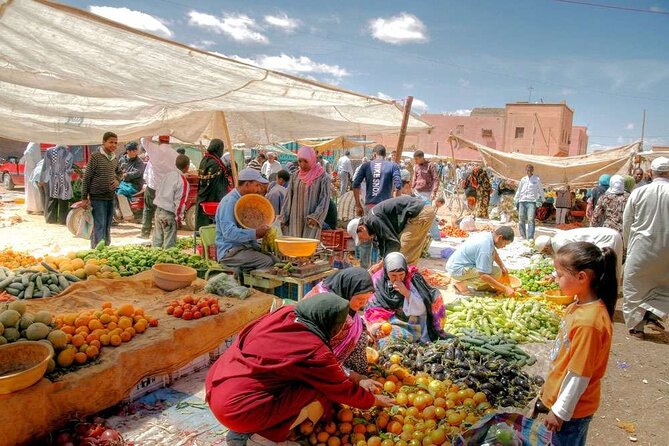
The class starts at Dhar Richa in Fez and ends back at the meeting point. The experience is described as near public transportation, which is handy in a city where walking every route can get tiring.
A big part of what makes this class feel real is the setting. Some sessions are hosted in the instructor’s home setup in Fez. That changes the feel from a commercial cooking school where everything is polished and uniform. Here, you’re stepping into a lived-in rhythm: cook, talk, and eat together.
That said, a home-style location can mean the experience is more dependent on the day-of conditions than a large venue would be. Weather is specifically listed as a factor, and the class may be canceled due to poor weather. If you’re traveling with tight plans, build in some flexibility around your chosen cooking time.
A few more Fez tours and experiences worth a look

Group size and attention: why smaller matters
This experience has a maximum of 20 travelers. For a cooking class, that number matters because it affects how often you can get help while you’re doing the work.
When the group is limited, instructors can spend more time explaining ingredient roles and cooking technique details. It also helps you feel less like a spectator. With hands-on instruction, small-group interaction is what turns a good class into a memorable one.
You can also expect that the instructor will guide you through the menu you choose. That’s where feedback matters: if you’re shaping bread or working on pastry steps, you don’t want to guess for long.
The class ends after about 2 hours, so the timing is tight. Smaller groups help make that short window count.
Price and value: what $46.53 buys you
At $46.53 per person, this class can look “reasonable” or “a bit pricey” depending on what you compare it to. The real question is what’s included and how much you get for the time.
Here’s what the price is effectively covering based on the experience details:
- A market tour where ingredients are selected and explained
- Hands-on cooking instruction for the menu you choose
- Moroccan tea making and tea service as part of the experience
- A meal together, plus Moroccan pastries served
When you compare that to a typical dinner, you’re getting education and a structured meal at the same time. You’re also not just eating in a restaurant—you’re learning the ingredient logic behind Moroccan flavors.
It’s also worth noting how often people book this type of class in advance: on average, it’s booked about 31 days ahead. That suggests it has steady demand, so if you want a specific workshop style (bread vs. pastry-focused), it’s smarter to book earlier rather than waiting until the last minute.
Who should book this Fez bread and pastry class
This is a good fit if you want Moroccan food learning that’s practical and tactile. You’ll enjoy it most if you like the idea of:
- choosing ingredients at a traditional market
- cooking with step-by-step guidance
- finishing with Moroccan tea and a shared table meal
It’s also a solid option if you’re the type of traveler who gets more satisfaction from doing than watching. The class is built around hands-on steps, and the small group setup supports real interaction.
If you’re only looking for quick sightseeing in Fez, this probably won’t replace a full day of medina wandering. But if you’re hungry for an authentic food experience that teaches you how the meal comes together, it’s a strong use of your time.
Should you book this cooking class in Fes?
I think you should book if your priority is learning Moroccan cooking basics through bread workshop and pastry, plus Moroccan tea as part of the experience. The combination of market shopping, hands-on instruction, and a shared tea-and-pastry finish makes the 2-hour format feel efficient instead of rushed.
Book it sooner rather than later if you want your preferred workshop style. And choose your timing with weather in mind, since the experience is explicitly weather-dependent.
If you’re someone who wants endless time in the kitchen or a long, slow cooking deep lesson, this may feel short. But if you want a high-impact taste of Moroccan cooking with real take-home understanding, it’s an easy yes for Fez.
FAQ
Where does the cooking class start?
The experience starts at Dhar Richa, Fez, Morocco.
How long is the class?
The duration is about 2 hours.
What is included besides cooking?
It includes a traditional market tour for ingredient selection and an experience with Moroccan tea. You also share a meal together, with Moroccan pastries served.
Can I choose what I cook?
Yes. You choose the menu for the day, and you can select workshops such as bread making and pastry classes for traditional sweets.
How big is the group?
The group size is limited to a maximum of 20 travelers.
What’s the price per person?
The price is $46.53 per person.
Is the class affected by weather?
Yes. The experience requires good weather. If it’s canceled due to poor weather, you’ll be offered a different date or a full refund.
What is the cancellation window?
You can cancel up to 24 hours in advance for a full refund. If you cancel less than 24 hours before the start time, the amount paid is not refunded.
When is this experience available?
The listed opening hours for the activity run Monday through Sunday from 9:00 AM to 11:00 PM.
Is there a mobile ticket?
Yes. The experience includes a mobile ticket.