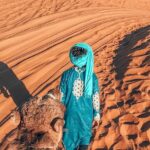
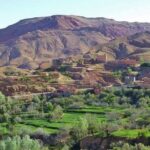
REVIEW · MARRAKECH
12 Days 11 Nights The best of Morocco (starts and end in Marrakesh)
Book on Viator →Operated by Gboo Morocco Tours · Bookable on Viator
Morocco throws a lot at you, fast, in a good way. I love the private-guided format (you’re not stuck waiting on other people) and the Sahara night with a camel ride. You’ll also get a real sense of Morocco’s mix of history, craft, and scenery, not just a photo run.
One drawback to plan for: you’ll spend plenty of time in the car. Some days are long, and the medinas mean lots of walking and stairs. If that’s not your thing, this tour can still work, but you’ll want a good pace mindset.
In This Review
- Quick hits you’ll feel on the ground
- Marrakech arrival: riad life and getting your bearings
- Medina highlights day: palaces, gardens, and iconic tiles
- High Atlas day trip: Tizi n’Tichka views and kasbah film vibes
- Todra to Merzouga: gorges, fossils, and your first desert night
- Sunrise in the dunes: the most memorable hour of the trip
- Fez el-Bali: medersas, fountains, and the no-turning-back feeling of the medina
- Chefchaouen’s blue houses: a mountain reset after Fez
- Asilah and Tetouan: art on the walls plus sea breezes nearby
- Rabat and Casablanca: royal monuments and a mosque with sea views
- El Jadida and Essaouira: UNESCO coast stops with easy wandering
- Afous Argan cooperative and the ride back into Marrakech
- Day 12 departure: smooth airport transfer
- Price and value: what $2,903.64 buys you (and what it doesn’t)
- Who should book this Morocco route
- Booking verdict: should you take it?
- FAQ
- What cities and regions are included on this 12-day tour?
- Is airport pickup in Marrakech included?
- What meals are included?
- Is this a private tour?
- Are attraction tickets included?
- What’s included in the Sahara Desert experience?
- Can I get a refund if I cancel?
Quick hits you’ll feel on the ground
- Private tour, real pacing: pickup, guided stops in the medina, and a driver who handles the route while your guide focuses on the story.
- Sahara with sunrise: you’re not just sleeping in the desert; you get that early dune moment and a camel return at the start of the next day.
- UNESCO-heavy route: the itinerary hits six UNESCO areas, including the old medinas of Marrakech and Fez, plus the desert-epic town of Aït Benhaddou, and Atlantic coast heritage stops.
- Atlas Mountains viewpoint time: the Tizi n’Tichka pass comes with picture stops for the big panoramas and Berber villages.
- Fez medina focus (the long way around): you’ll tour classic sites like Attarine and Bou Inania Medersas, plus Moulay Idriss and Karaouine.
- Atlantic coast contrast: after the desert and imperial cities, you get Rabat, Casablanca, then El Jadida and Essaouira for sea air and slow wandering.
Marrakech arrival: riad life and getting your bearings
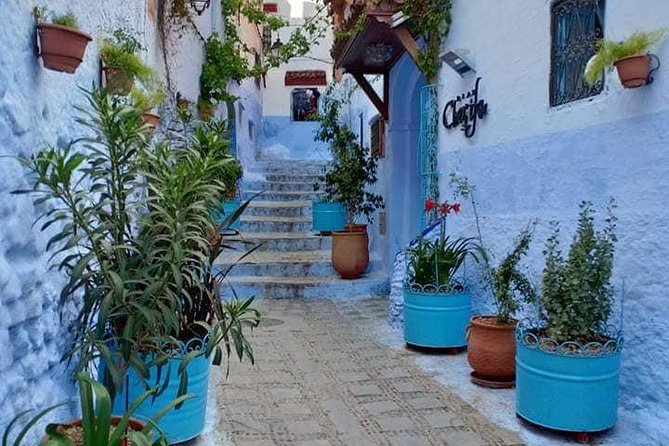
Day 1 starts easy: your driver picks you up from Menara Airport (Marrakech) and takes you into the medina, where your hotel/riad is located. This matters. Staying in or near the old center is the difference between seeing Marrakech and actually getting used to Marrakech.
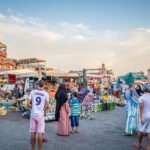
Your afternoon is yours to decompress and get oriented. You’ll have time for Jemaa el-Fnaa, the huge main square that turns into a performance stage at all hours. Expect snake charmers, street entertainers, and henna artists who are… very committed. Then there are the souks, where you’ll see how Morocco sells by conversations, not just prices.
Tip: Marrakech medina streets can be tight and busy. If you have sore feet, consider planning one slow loop instead of sprinting from shop to shop. You’ll have guided time the next day anyway.
You can also read our reviews of more tours and experiences in Marrakech.

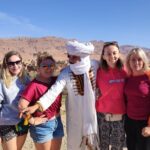

Medina highlights day: palaces, gardens, and iconic tiles
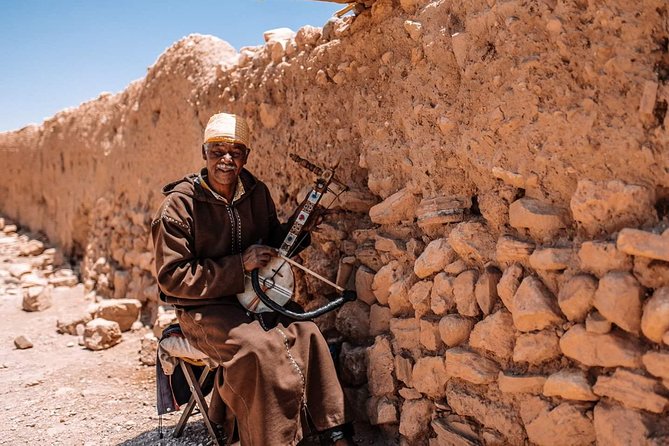
Day 2 is packed, but it’s the good kind of packed—structured, guided, and timed so you’re not guessing.
First up: Koutoubia Mosque. You’ll view it with a private guide, and while admission isn’t included, the value is in understanding what you’re looking at and why it’s famous.
Then it’s palace time with Bahia Palace (150 rooms, with zellige tilework and carved stucco). This one is a favorite for a reason: the details feel like they were meant for lingering, not rushing. Next comes El Badi Palace, the dramatic ruins set in gardens with ramparts and views over the medina.
After that big history sweep, you’ll hit Jemaa el-Fnaa again as a UNESCO central experience. It’s the heart of the medina energy: lots of street life, lots of senses going at once.
You finish the day in a different lane: Jardin Majorelle and the nearby Musée Yves Saint Laurent Marrakech. Majorelle is known for its many cacti and that signature indigo-blue art deco house as the focal point. Then the museum gives you Yves Saint Laurent’s Marrakech connection and fashion history. Expect at least an hour for both, and don’t try to speed-read it.
Practical heads-up: Most major entries here list admission as not included. Build a small budget for tickets, or plan to prioritize which two or three “paid moments” you care about most.
High Atlas day trip: Tizi n’Tichka views and kasbah film vibes
On Day 3, you leave Marrakech early and head into the High Atlas Mountains. You’ll go through the Tizi n’Tichka pass, with stops for panoramic views and chances to photograph Berber villages that blend into the landscape.
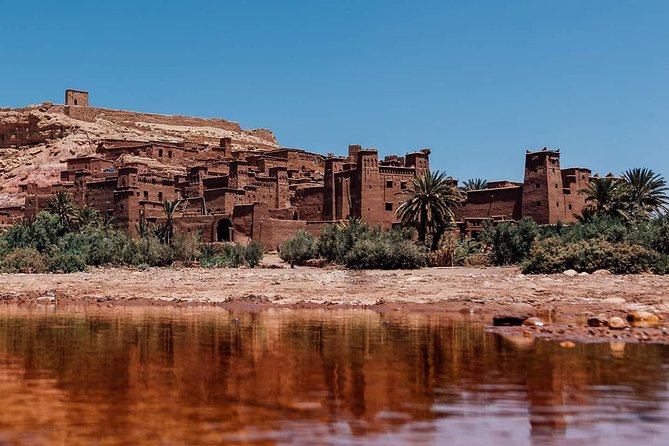
Then you arrive at Aït Benhaddou, the UNESCO-protected kasbah that looks like it belongs in a movie set. The itinerary specifically notes famous films shot there, including Gladiator and The Mummy. Even if you don’t remember every title, you’ll feel the “film magic” in the architecture: tight passageways, layered walls, and a dramatic sense of place.
After Aït Benhaddou you pass through Ouarzazate and visit Taourirt Kasbah, often described as one of the most spectacular ksars in Morocco. Then you’ll drive through Skoura and the Vallee des Roses (Rose Valley). The itinerary notes damascenes roses grown here for rosewater, and that the Rose Festival happens annually in May. Even if you’re not there in May, the context helps you understand why the valley matters beyond postcards.
Finally, you reach Boumalne Dades for the night. This is one of those “no big ticket item, just scenery and mountain calm” stops, which is exactly what keeps the trip from feeling like nonstop sightseeing.
Todra to Merzouga: gorges, fossils, and your first desert night
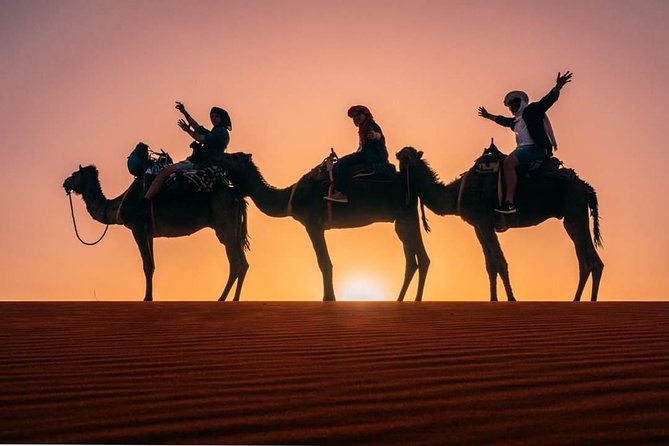
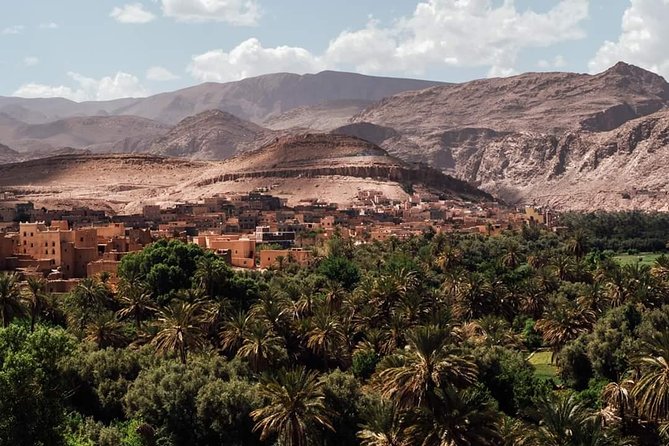
Day 4 starts with Todra River and rock formations. The itinerary mentions monkey toes, plus the still-standing Aït Yul kasbah (19th century). Then you continue toward Tinghir and the Todra Gorges, where you’ll walk under a cliff described as about 300 meters high.
There’s also a practical angle here: people live in this area, and the adobe villages make the gorge feel less like a theme park and more like a real place. And yes, climbers come here, so you’ll notice the rock-sport energy around the area.
Next is Erfoud/Rissani area, including a stop at Fossiles d’Erfoud. Since the itinerary lists it as a stop but doesn’t specify what you’ll do inside, treat it as a short structured visit—enough to add context and maybe browse, not enough to derail the day.
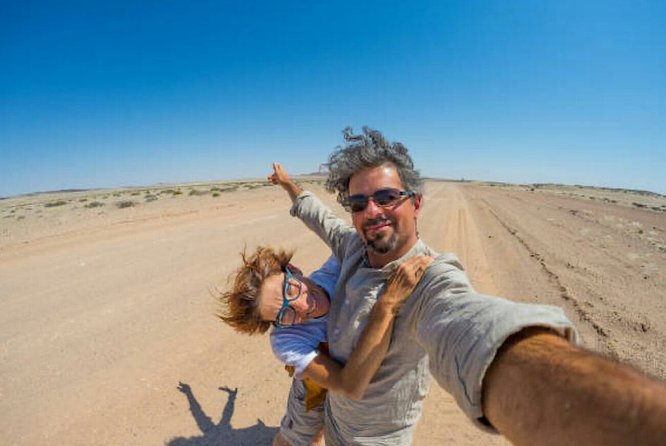
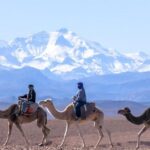
Then you’re headed for Merzouga and Erg-Chebbi. This is where the trip pivots from mountains to sand. You’ll ride camels with an experienced camel handler, explore the sand sea, and sleep either under the stars or in a traditional Berber nomad tent. Dinner is served in the tent.
What I’d watch for: nights in the desert can cool down fast. Bring layers even if the day felt warm.
Sunrise in the dunes: the most memorable hour of the trip
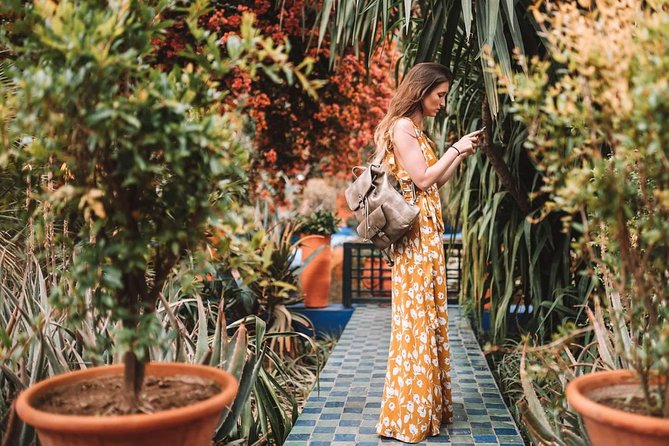
Day 5 begins early with a “date with the sunrise.” You’ll climb to a dune near the camp, watch sunrise over the desert, then return to Merzouga on camels.
After that, the itinerary shifts into palm-and-valley geography:
- Through the Tafilalet palm grove, described as the biggest in the world, with about 20 km of palm-lined road.
- A stop in the Ziz Valley, including a viewpoint over the valley and the town of Aoufous.
Then there are two “break the drive” stops:
- Midelt for lunch and rest.
- Azrou Cedar Forest, where you might spot monkeys if you’re lucky.
You also visit Ifrane, nicknamed Moroccan Switzerland for its cleanliness, gardens, and architecture. The itinerary also notes a ski resort called Michlifen, which helps explain why parts of Ifrane feel different from the rest of Morocco.
That day ends in Fez, arriving around 6 pm and checking into your hotel/riad.


Fez el-Bali: medersas, fountains, and the no-turning-back feeling of the medina
Day 6 is the big Fez day. You’ll meet a local guide and explore Fez el-Bali, described as the most ancient and holy of the imperial cities, with a labyrinth of streets, markets, and craftsmen.
You’ll visit:
- Attarine and Bou Anania Medersas (Islamic universities)
- Nejjarine fountain
- Moulay Idriss Mausoleum
- Karaouine Mosque
- then move to Fes Jdid and the Merenid Tombs for a panoramic view at the end
One special detail: Al Quaraouiyine, built in 859 BCE by Fatima al-Fihri. The itinerary explains that non-Muslims can’t enter the mosque, but the library is open to the public. You can still see tilework from the area near nearby restaurants. That’s exactly the kind of practical explanation that keeps you from showing up expecting an interior visit you can’t do.
After the major religious sites, the itinerary adds crafts and daily life:
- Chouara Tannery, where leather-making still runs with medieval-style methods. The smell can be intense, so plan for a scarf over your nose (and yes, they may offer mint leaves to rub under it).
- Bou Inania Medersa (more mosaics, plaster, and carved cedar lattice screens)
- Art D’Argile, a ceramic factory stop
Movement reality check: the climb to the Marinid Tombs is worth it for the view, but after nightfall the descent can be difficult. Since the itinerary suggests going and viewing at sunset, you’ll likely keep things manageable, but still bring comfortable shoes.
Chefchaouen’s blue houses: a mountain reset after Fez
Day 7 is a long drive, but it’s a relief drive. You leave Fez and go to Chefchaouen through the Rif Mountains. Chefchaouen is famous for its vivid blue houses, and the timing works: you’ve had imperial-city intensity in Fez, and now you get a slower mood.
You’ll arrive with enough energy to explore on your own. Since this stop is more about atmosphere than structured museum hopping, don’t overplan. Wander, take photos, then pick one viewpoint where you can sit and watch the light change on the blue walls.
Asilah and Tetouan: art on the walls plus sea breezes nearby
Day 8 moves north. After breakfast you drive to Tetouan and stop for coffee, then continue through the landscape in the direction of Asilah while passing by Tangier.
Asilah is known for an annual art festival where many medina walls are painted by artists from around the world. That makes your wandering feel like you’re walking through an outdoor gallery. You’ll also visit the Skalla fortress, where you’ll get views over the medina and the ocean.
Then check into your accommodation in Asilah. This is another “slow down” night that helps the trip feel human instead of just logistical.
Rabat and Casablanca: royal monuments and a mosque with sea views
Day 9 transitions you to the Atlantic side of Morocco’s story.
First stop: Rabat, the capital. You’ll see:
- Hassan Tower, described as split in half (it was never completed), with intricate design work.
- The tomb of King Mohammad V and his two sons, noted as open even to non-Muslims.
- Kasbah des Oudaias, in Rabat’s oldest area, with peaceful streets and views over river and ocean.
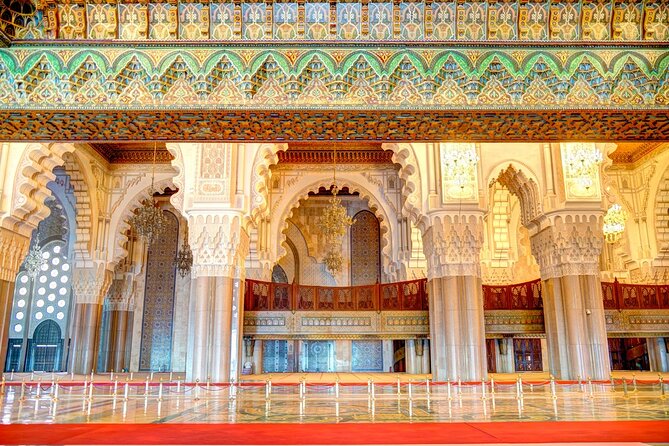
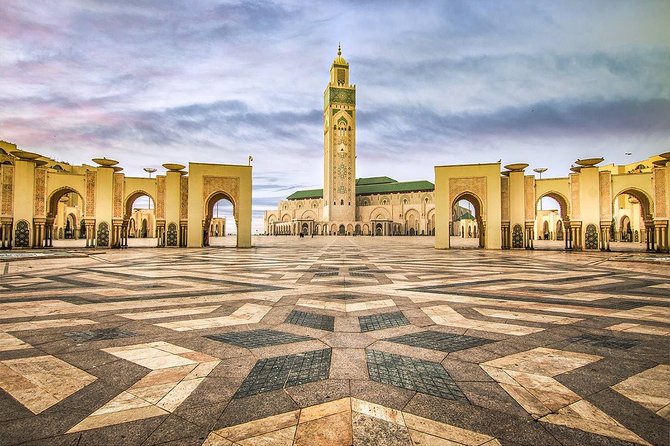
Then you head to Casablanca for Hassan II Mosque. Built in 1993 by over 6,000 craftsmen, it’s a major statement on the shoreline. The itinerary also notes that foreigners are allowed to enter, which is useful to know if you’re trying to plan around what you can access as a visitor.
Practical note: Mosque visits can involve modest clothing expectations. Bring a light layer you’re comfortable wearing.
El Jadida and Essaouira: UNESCO coast stops with easy wandering
Day 10 is your coast day with two UNESCO stops.
First: El Jadida, a small port city formerly controlled by the Portuguese and now a UNESCO World Heritage site. Since the itinerary lists it as a stop with time, treat this as an organized introduction—enough to understand the mix of Portuguese influence and local life.
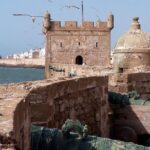
Then you reach Essaouira, another UNESCO World Heritage city. Expect a windswept fishing port, broad beaches, and an ancient walled medina with ramparts built into the cliffs. The feeling here is relaxed, with enough variety to keep you busy without stress: stroll the medina, walk the ramparts, or visit the port to see the daily catch.
If you want a day that feels like vacation instead of a checklist, this is it.
Afous Argan cooperative and the ride back into Marrakech
Day 11 is the journey back to Marrakech with one key cultural stop: Afous Argan. You’ll visit an argan oil cooperative. The itinerary notes this as an opportunity, so you’ll likely see how cooperatives work and what goes into argan oil production. Then you drive back to Marrakech for check-in.
This is also a good day to buy anything you’ve decided you really want after living in Morocco’s souks for days. Your first impulse might be to buy everything. By now, you’ll have taste.
Day 12 departure: smooth airport transfer
On the last day, you get a transfer to Marrakesh Menara Airport up to your departure time, ending the service.
This is simple, but it’s the kind of simplicity you appreciate after long days of driving, walking, and early mornings.
Price and value: what $2,903.64 buys you (and what it doesn’t)
At about $2,903.64 per person for 12 days and 11 nights, the value depends on what you’re expecting.
What you’re clearly paying for:
- A private tour setup, meaning you’re not sharing the experience with random strangers.
- Pickup from the airport and transfers through major regions of the country.
- Breakfast included (listed as 10 breakfasts), plus dinners included twice.
- Guided experiences in major city areas like Marrakech medina and Fez.
- A highlight set that’s expensive on your own time: the Sahara camel ride and desert night, plus the long-distance route through multiple regions.
What you should budget for:
- Lunches are not included.
- Admission tickets are listed as not included for many major stops (mosques/palaces/gardens and a few crafts visits). You’ll want some cash or card readiness for those entry fees.
Bottom line: if you want a guided “best of Morocco” route that reduces decision fatigue, the price starts to make sense fast. If you’re the type who prefers self-driving and picking only a few highlights, you might spend less elsewhere—but you’d be giving up the structure that keeps this itinerary flowing.
Who should book this Morocco route
This tour is a great match if you want:
- A first-time Morocco overview that still includes real highlights (Sahara, imperial cities, and Atlantic UNESCO towns).
- A private, guided pace with enough structure to learn without feeling like a classroom.
- Camel-and-desert experiences, plus medina walking and craft stops.
It’s less ideal if you hate long days of driving or you want very independent travel with minimal guidance.
Booking verdict: should you take it?
I’d recommend booking this tour if you want a “see a lot, learn a lot, sleep in the right places” Morocco plan. The itinerary is built around big, high-impact moments: Marrakech medina culture, Atlas viewpoints, Aït Benhaddou, Erg-Chebbi desert nights (including sunrise), Fez’s maze of history, then the Atlantic coast at Rabat/Casablanca and UNESCO Essaouira.
If you’re sensitive to travel time and walking, go into it with a plan: comfortable shoes, light layers for desert nights, and a budget for museum and palace entries.
If that sounds like your style of trip, this is one of the more efficient ways to cover Morocco end-to-end without turning your vacation into logistics work.
FAQ
What cities and regions are included on this 12-day tour?
You’ll start and finish in Marrakech, and the route also includes the Atlas Mountains, Ouarzazate area, Merzouga and the Sahara Desert, Fez, Chefchaouen, Rabat, Casablanca, El Jadida, Essaouira, and the Asilah area (with a drive through Tetouan and passing by Tangier).
Is airport pickup in Marrakech included?
Yes. Your driver picks you up from Marrakech Menara Airport and transfers you to your hotel/riad in the medina at arrival time. You also get an airport transfer at the end on Day 12.
What meals are included?
Breakfast is included for 10 days, and dinner is included for 2 nights. Lunches are not included.
Is this a private tour?
Yes. It’s listed as a private tour/activity, meaning only your group participates.
Are attraction tickets included?
Admission tickets are listed as not included for several stops such as Koutoubia Mosque, Bahia Palace, El Badi Palace, Jardin Majorelle, and Musée Yves Saint Laurent Marrakech. Some other stops are listed as free.
What’s included in the Sahara Desert experience?
You’ll take a camel ride guided by an experienced camel handler in the Erg-Chebbi area, explore the sand sea, and spend the night under the stars or in a traditional Berber nomad tent. Dinner is served in the tent, and the next day includes a sunrise experience near the camp.
Can I get a refund if I cancel?
No. The experience is non-refundable and cannot be changed for any reason.