REVIEW · FEZ
Cooking Class in Fez with familly
Book on Viator →Operated by Morocco Cooking · Bookable on Viator
Cooking tagines in Fez beats takeout. This small-group class is interesting because you’re not stuck in a kitchen all morning: you shop the market for ingredients first, then cook (and eat) the Moroccan dishes you choose, with a guide like Hannae and her mom making you feel instantly at home. I love the hands-on format and the small group size (max 15), and I also love that you can learn classics like chicken tagines and salads such as zaalouk and bakoula, plus breads like Malaoui and Harsha. The only real drawback to watch for is timing: if communication gets tricky, pickup details can become stressful, so keep your message thread ready and confirm the plan.
This experience runs about 3 hours, and then you’re free for the rest of the day. If you’re short on time but still want something more authentic than a restaurant meal, this is a strong fit—just be ready to be social and cook with others in the group.
In This Review
- Key things I’d bet on before you book
- Fez cooking class: more than a recipe, it’s a local rhythm
- Meeting up in Fez: easy start, but stay ready for timing
- Souk stop with your guide: choosing ingredients is the real lesson
- Cooking station time: tagines, salads, and the back-to-basics flow
- What zaalouk and bakoula teach you
- How tagine flavors work (the practical view)
- Bread baking: Malaoui and Harsha in real life
- The meal you earn: warmth, not a rushed exit
- Price and value: is $52.29 a fair deal?
- Who this cooking class is best for (and who might not love it)
- If you’re easily stressed by communication
- Bringing family: how to make the experience smoother
- How to get the most from your notes (so it isn’t just fun)
- Should you book this Fez cooking class?
- FAQ
- How long is the cooking class in Fez?
- Where does the class start?
- How much does it cost?
- How big is the group?
- Do I need to prepare anything in advance?
- What will we do during the experience?
- What kinds of dishes can I expect to cook?
- Will bread be part of the class?
- Is pickup and confirmation handled automatically?
- What is the cancellation policy?
Key things I’d bet on before you book
- You start with a souk ingredient hunt (not just a recipe rundown)
- Hands-on cooking at your station with notes you can use later
- A mix of dishes: tagines (chicken, vegetables, fish, dried fruit) plus salads like zaalouk and bakoula
- Bread baking included: Malaoui, Harsha, and other local favorites
- Small group feel (maximum 15), so you actually get attention
- You eat what you make in a welcoming, home-style meal setting
Fez cooking class: more than a recipe, it’s a local rhythm
Fez is one of those cities where food is tied to daily life, not just tourism. In this class, that shows up fast. You start by learning ingredients in the market, then you go back and put those choices into practice at your cooking station.
I like that the lesson isn’t only about what to cook. You also get taught how Moroccan home cooking works: how ingredients are combined, how flavors build, and how salads and breads fit alongside a tagine meal. And because the class is small, it’s easier to ask questions when something is unclear.
You can also read our reviews of more cooking classes in Fez
Meeting up in Fez: easy start, but stay ready for timing
You’ll connect with your guide around the activity’s listed starting area in Fez (Cafe Restaurant RCIF on Boulevard Ben Mohammed El Alaoui). The experience also says you’ll meet your guide in the Fez area, then begin from there, and confirmation is sent at booking.
Here’s the practical part: plan to be reachable. One past participant had trouble reaching the provider and ended up waiting without pickup—later they were refunded. That’s not the norm based on the overall rating, but it’s a reminder to confirm the pickup time and keep your phone available close to start time.
If you like clean logistics, this is still simple: you show up, get oriented, and start. You’re not expected to do prep ahead of time.
Souk stop with your guide: choosing ingredients is the real lesson
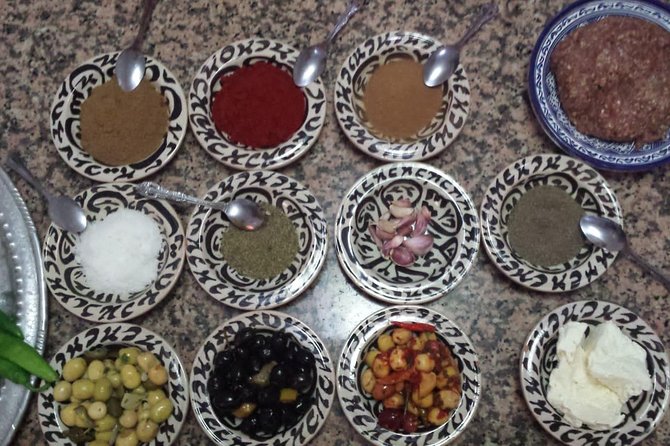
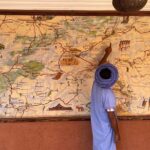
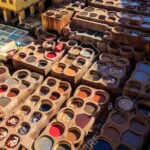
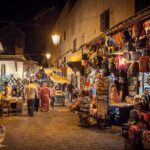
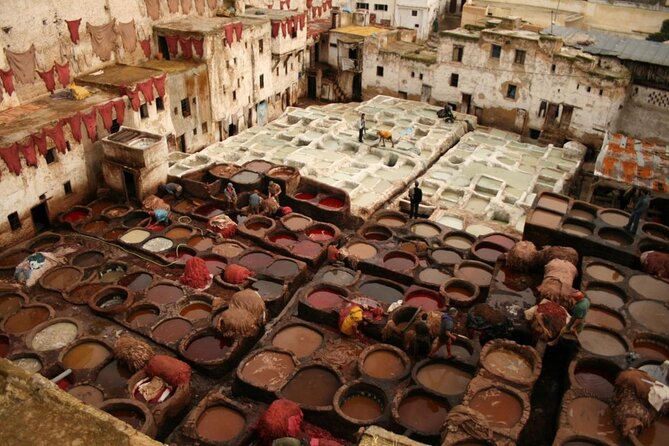
A big chunk of the value here is the market visit. You’ll go to the local souk to see ingredients up close and learn what’s actually on offer in Fez. This is where you start to understand Moroccan cooking beyond the final dish.
You’ll also get some street-food style tasting along the way. That matters because Moroccan meals usually aren’t one isolated plate—they’re a mix of flavors and textures: something warm from the kitchen, something fresh from salads, and something bread-like to scoop it all up.
The market visit is also a chance to ask your guide questions in the moment:
- What’s good right now?
- What pairs well with tagine flavors?
- How do dried fruits fit into savory dishes?
Even if you don’t plan to cook at home immediately, you’ll leave with better instincts for Moroccan ingredients.
Cooking station time: tagines, salads, and the back-to-basics flow
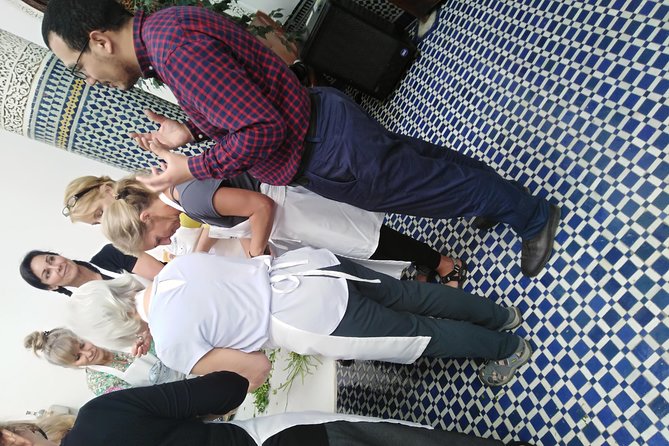
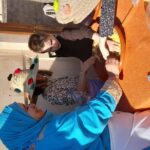
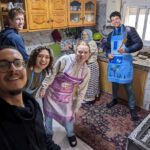
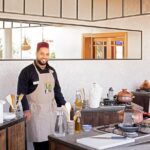
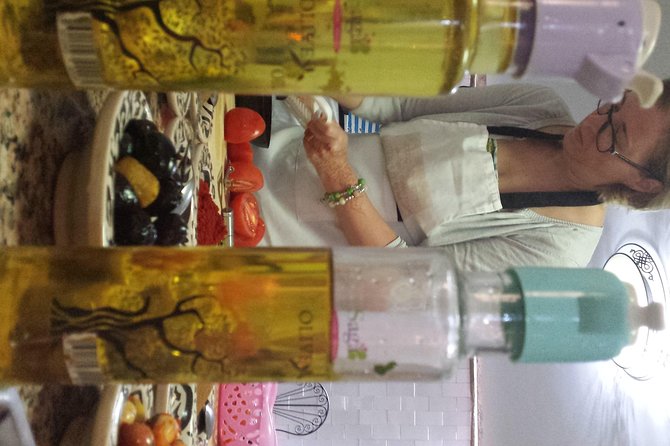
After the market, you return to your cooking area, get a moment to relax, and then put on the apron. The class is hands-on, so you’re not watching from the sidelines.
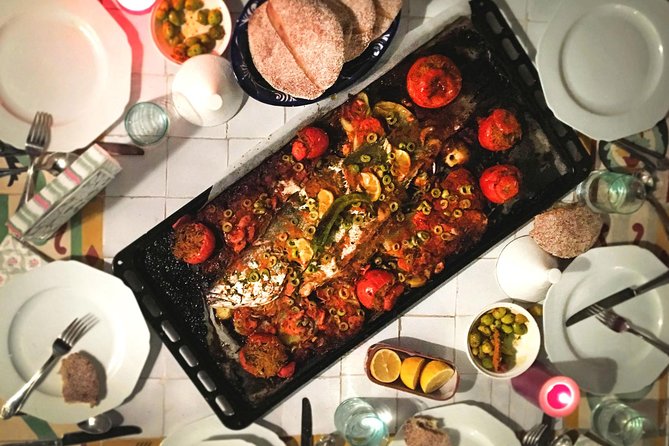
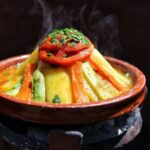
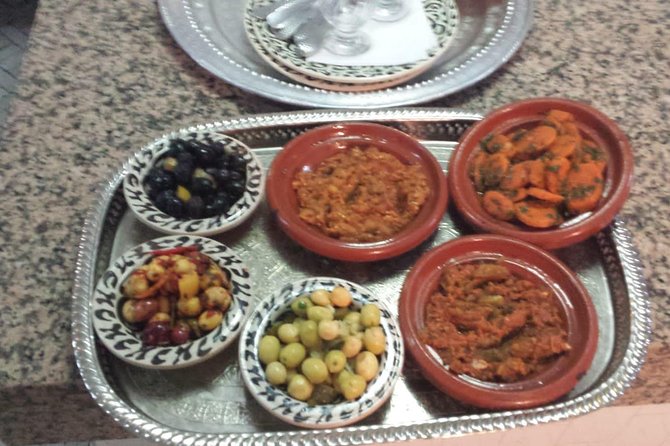
You’ll discuss dish preferences with your chef before you start. The menu options include fragrant tagines with chicken, vegetables, fish, and dried fruits, plus traditional salads like zaalouk and bakoula and a fresh tomato-and-cucumber salad. You also have bread options like Malaoui and Harsha.
One review described the process as starting with chopping veggies, then roasting them on the fire before continuing. That kind of step-by-step rhythm is exactly what makes a class like this click. You see how effort turns into flavor, and you’ll likely remember the sequence because you did it yourself.
What zaalouk and bakoula teach you
Salads can seem simple until you learn the technique. Zaalouk and bakoula are the type of dishes that build flavor through cooking and seasoning, not just chopping. Learning them in the same session as a tagine helps you understand how Moroccan meals balance:
- something slow-cooked and warming
- something tangy or smoky
- something fresh for contrast
- bread to tie it all together
A few more Fez tours and experiences worth a look

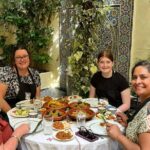

How tagine flavors work (the practical view)
When you cook a tagine in a class, you’re learning the logic behind Moroccan flavor combinations. Even without strict “rules,” you’ll notice patterns: spices plus aromatics, sweet elements from dried fruit, and savory depth from the main ingredient (chicken, vegetables, or fish).
If you want to recreate this later, don’t just copy the final dish—copy the method and the order. That’s why the class encourages you to take notes while you cook.
Bread baking: Malaoui and Harsha in real life
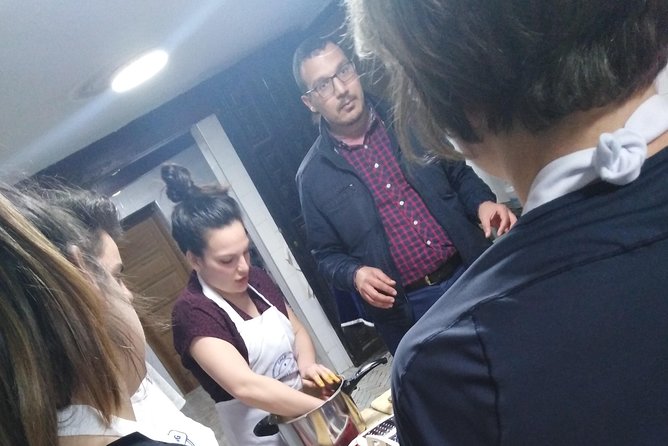
One of the most fun surprises in this experience is that bread isn’t treated like an afterthought. You’ll have the chance to bake breads such as Malaoui and Harsha, plus other varieties depending on what’s planned.
Why this matters: Moroccan meals are often bread-driven. Bread isn’t just for eating; it’s part of how you scoop and serve. When you bake it yourself, you learn texture and handling cues—like how the dough feels and how the baking process changes it.
Also, bread skills are easier to bring home than some other cooking techniques. If you’ve ever tried to recreate dishes from a trip and felt stuck, bread can be a great way to start.
The meal you earn: warmth, not a rushed exit
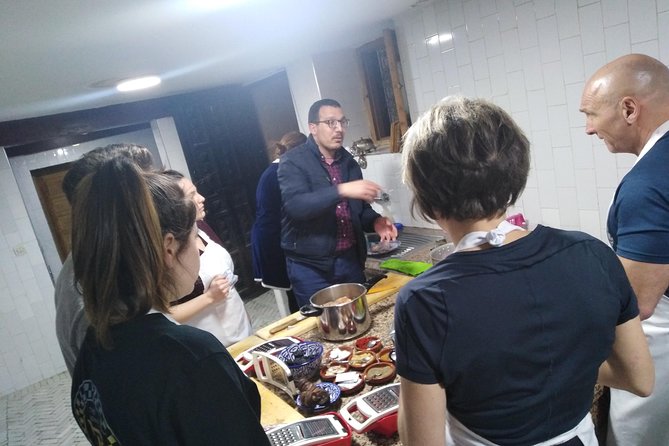
Once cooking finishes, you sit down and enjoy what you made. This is not a quick “taste and go” situation. You’re meant to actually eat as part of the experience.
A past participant highlighted the welcome: tea and sweets, and then a full meal together with the group. They cooked tagine with chicken and meatballs, then enjoyed the food with everyone afterward. Another key detail from that same review: the hosts were genuinely kind and welcoming, which is a big part of why this class feels more like family kitchen time than a factory tour.
If you’re wondering whether the class is worth it compared to a restaurant meal, this is the answer. You’re getting both:
- the skill-building part (market + cooking)
- the satisfaction part (eating your work in a relaxed setting)
And since the class lasts about 3 hours, it’s a good “food anchor” in an otherwise full day in Fez.
Price and value: is $52.29 a fair deal?
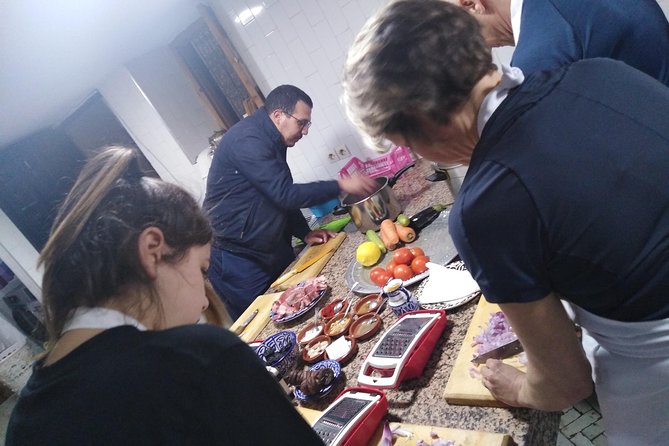
At $52.29 per person for roughly 3 hours, the price feels reasonable when you compare what’s included. You’re not just paying for a cooking demo. You get:
- a market ingredient visit
- hands-on cooking instruction
- bread baking time
- meals at the end (you eat what you cook)
- a small group setting (max 15), which usually means more personal attention
There’s also mention of group discounts, plus a mobile ticket and confirmation at booking. I like that structure because it usually translates into less hassle once you arrive.
The value question comes down to your priorities. If you love cooking or you want a memorable Moroccan skill you can repeat, this class makes sense. If you’re only interested in eating and don’t want to cook, you might be happier with a good local meal and a lighter food tour. But if you want the full “shop, cook, eat” cycle, this is one of those experiences that justifies the cost.
Who this cooking class is best for (and who might not love it)
This is a great pick if you:
- want authentic Moroccan home-style cooking (tagines, salads, breads)
- like small-group experiences where you can actually ask questions
- travel with family and want an activity that doesn’t swallow the whole day
- want something practical you can reproduce later with notes and technique
It’s also smart if you’re already planning to explore Fez and want a calm break afterward. Since you’re free for the rest of the day, you can easily line this up before or after other sightseeing.
If you’re easily stressed by communication
Because one experience had a pickup communication issue, I’d personally do two things: confirm the pickup time the day before and keep a working phone number. This isn’t a dealbreaker, but it’s a wise habit in any city.
Bringing family: how to make the experience smoother
The class mentions this is a cooking class experience in Fez with family. Even without extra family-specific details, you can still plan around the format:
- It’s a small group (max 15), so it’s easier to manage than huge tours.
- It’s only about 3 hours, so you avoid the long “we’re still here?” fatigue.
- You’re cooking in a station setup, so kids (and adults) can stay engaged by following steps.
If you’re traveling with children, consider bringing something simple for comfort (a snack you can keep in your bag) just in case you need it before the meal. Since the class includes a meal at the end, you’re unlikely to be hungry for long, but kids can be unpredictable with timing.
And if your family prefers one dish style, you can discuss preferences beforehand. That choice makes the class feel more tailored and less like a fixed menu.
How to get the most from your notes (so it isn’t just fun)
The class encourages you to take notes to help recreate flavors at home. Don’t write full recipes like a cookbook. Instead, write the steps that matter:
- what you chopped and when
- the order you added vegetables or ingredients
- how long certain steps took (even roughly)
- what spice combinations you remember
- what salad method stood out
Also, write down bread-related details. Bread is where people often get lost when recreating at home because it’s part timing and part feel. If you can remember how it looked or felt, you’ll do better than trying to copy exact measurements.
Should you book this Fez cooking class?
Yes, I think you should book it if you want a hands-on Moroccan food experience that fills more than one need at once: market learning, cooking skills, bread baking, and a meal you enjoy together—without taking over your entire day.
I’d think twice only if you strongly dislike any cooking participation or you’re the type of traveler who can’t be reachable by phone right before start time. For everyone else, this is a practical, friendly way to learn Moroccan flavors the way locals actually experience them: ingredient first, cooking next, then sitting down to eat.
FAQ
How long is the cooking class in Fez?
It lasts about 3 hours.
Where does the class start?
The listed start point is Cafe Restaurant RCIF on Boulevard Ben Mohammed El Alaoui, Fes 30000, Morocco, and the experience says you’ll meet your guide in Fez to begin.
How much does it cost?
The price is $52.29 per person.
How big is the group?
The class has a maximum of 15 travelers.
Do I need to prepare anything in advance?
No—there’s no need to prepare or plan ahead for this class.
What will we do during the experience?
You’ll visit the local market for ingredients, then cook Moroccan dishes at your station, and finally eat the meal you prepared.
What kinds of dishes can I expect to cook?
The class includes options such as tagines with chicken, vegetables, fish, and dried fruits, salads like zaalouk and bakoula, and fresh tomato and cucumber salad.
Will bread be part of the class?
Yes. You’ll have the opportunity to bake breads such as Malaoui and Harsha.
Is pickup and confirmation handled automatically?
Confirmation is received at the time of booking, and the experience ends back at the meeting point.
What is the cancellation policy?
Free cancellation is available up to 24 hours in advance for a full refund.