REVIEW · MARRAKECH
Atlas Mountains Valley Trek – 3 Days
Book on Viator →Operated by Toubkal Guide · Bookable on Viator
A few hours outside Marrakech turns into real mountain life fast. This 3-day Atlas Mountains Valley Trek takes you from Imlil into high passes, valley walks, and remote Berber villages, with meals and transport handled for you. I especially love the mix of valley hiking (streams, cherry and walnut groves) plus Berber culture time with your guide, so it feels more than just walking for walking’s sake. The main drawback is that you’ll be on your feet most days on steep mountain paths, so comfort depends on your hiking comfort level.
The price also feels fair for what’s included: round-trip transport, a local English-speaking guide, gîte lodging, and multiple meals, plus a mule and cook. If you want a simple way to see the Atlas without organizing details yourself, this setup is built for that. Just keep in mind: sleeping bags are not included, and you’ll likely want to budget extra for soft drinks and tips.
In This Review
- Key Things to Know Before You Go
- Atlas Mountains Valley Trek From Marrakech: What You’re Really Getting
- Day 1: From Jemaa el-Fna to Imlil, Past Tamatert, and Over the Tizi ’n Tamatert Col
- Day 2: The Imnane Valley Walk, Berber Villages, and the Overnight in Aït Aïssa
- Day 3: Tizi Oussem to Tizi Mzik (2400m) and Back to Imlil
- Gîtes, Mules, Meals, and the Stuff You Need to Bring Yourself
- Guides and Berber Culture: Why the “Small Group” Feels Personal
- Price and Logistics: Is $255.52 Good Value for a 3-Day Atlas Trek?
- Who This Trek Fits Best (and Who Should Skip It)
- Should You Book This Atlas Mountains Valley Trek?
- FAQ
- What time does the trek start in Marrakech?
- Where do we meet and where do we end?
- How long is the trek overall?
- How much walking is there each day?
- Are meals included?
- Is transport from Marrakech included?
- Is there an English-speaking guide?
- What’s included versus not included?
- What is the maximum group size?
- Do children need to be accompanied?
- Is there a cancellation option with a full refund?
Key Things to Know Before You Go
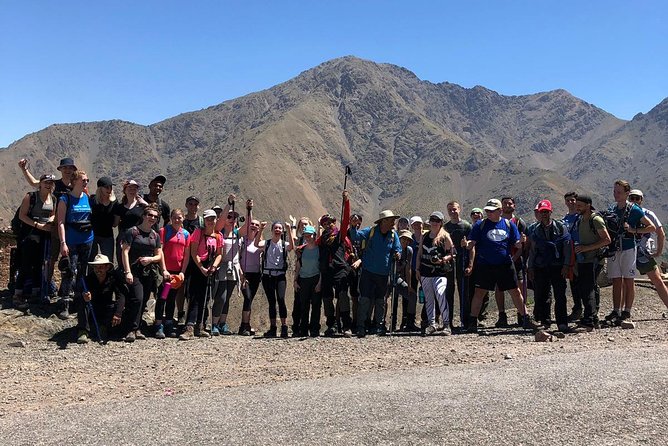
- Small group size (max 15): easier pacing and more chances to talk with your guide in the villages.
- Big elevation moments: you pass high cols and viewpoints, like Tizi ’n Tamatert at 2279m.
- Meals plus a cook: breakfast and dinner are included, so you can focus on the hike.
- Local gîtes for overnights: you’re sleeping in the valley rhythm, not a hotel bubble.
- Entrance fees handled: fewer hassle stops and less fumbling for payments on the road.
Atlas Mountains Valley Trek From Marrakech: What You’re Really Getting
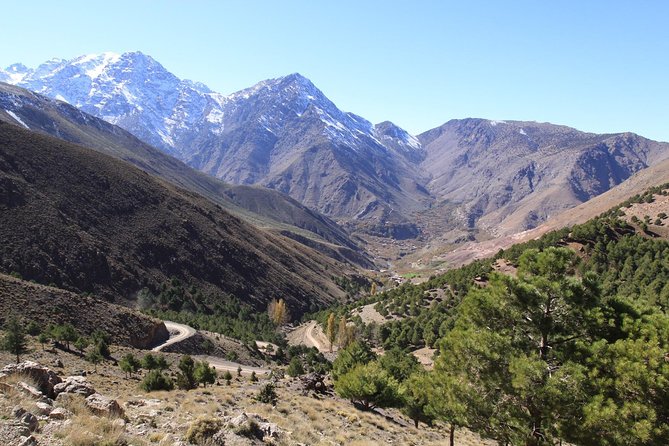
This trek is a classic Atlas experience: you leave Marrakech in the morning, then spend three days moving through mountain valleys toward the Imlil area again. The route is built around walking between villages and high passes, plus time with a guide who can explain what you’re seeing and how people live in these communities.
The value is in the “support layer.” You’re not just dropped at a trailhead. You get round-trip transport from Marrakech, lodging, and meal planning. The tour also includes a mule and a cook, which matters more than it sounds. It means you’re not trying to carry the entire operation on your back. And because meals are included (three lunches, two dinners, two breakfasts), you’re less likely to end up starving mid-hike while everyone scrambles for snacks.
One more practical plus: the tour takes care of entrance fees. In Morocco, those small “pay here” moments can add up, and they can break the flow. Having them handled keeps the day moving.
If you’re hoping for a totally flat stroll, this isn’t it. Walking times run about 4 hours on day 1, around 6–7 hours on day 2, and about 4 hours on day 3. Expect uneven ground, mountain climbs, and some steep segments. Wear proper footwear and plan on taking breaks.
You can also read our reviews of more hiking tours in Marrakech

Day 1: From Jemaa el-Fna to Imlil, Past Tamatert, and Over the Tizi ’n Tamatert Col
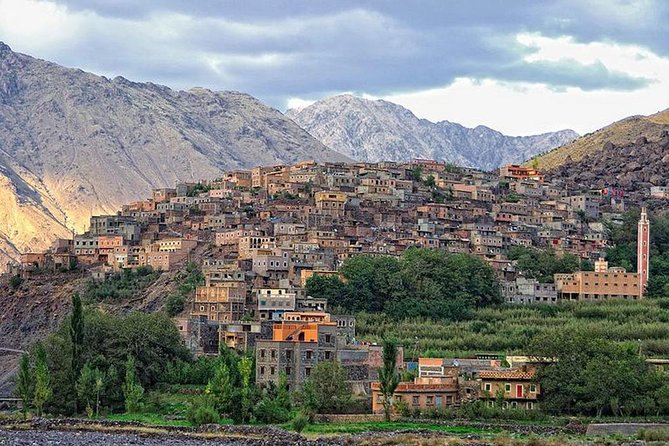
Day 1 starts with a clean, easy meeting point: you pick up at 9:00 am in front of the big post office at Jemaa el-Fna square. From there, it’s about a 1.5-hour transfer to Imlil (at 1740m). The timing is helpful because it gets you into the mountains before the day heats up too much.
Once you start the trek, you’re walking from Imlil toward Tinerhourhine, passing by Tamatert. This day includes the kind of mountain pass moment that makes the Atlas special. You stop for lunch at the col of Tizi ’n Tamatert (2279m). That elevation jump is why the day feels like more than a valley walk. At the col, the air can feel cooler and the views are typically wide-open, the kind that make you understand why people come back to the same valleys year after year.
After lunch, you continue toward Ouanesekra–Tamguist, then arrive at Tinerhourhine (1600m) for the night in a local gîte. It’s about 4 hours walking overall.
Possible drawback: because it’s your first day, you may underestimate how quickly altitude and steep paths add up. I’d treat day 1 as the start of a steady climb, not a casual warm-up. Take small breaths, keep moving at an even pace, and don’t rush the col.
Day 2: The Imnane Valley Walk, Berber Villages, and the Overnight in Aït Aïssa
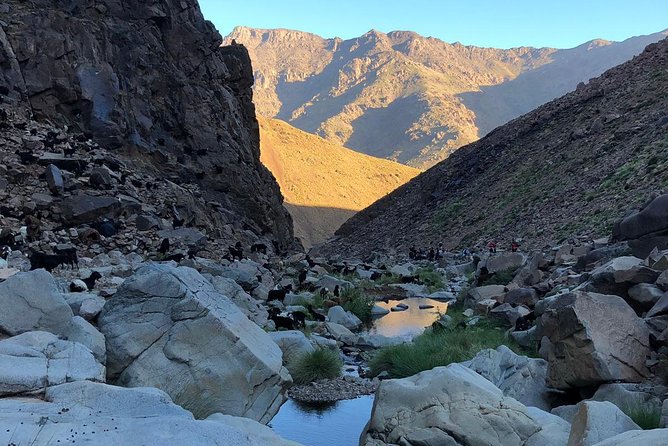
Day 2 is the longer one: around 6 to 7 hours of walking. You depart from Tinerhourhine along the Imnane Valley. The route passes by Ikkiss (1700m), a Berber village stop that adds context to the walk. This is where the guide’s explanations become useful. You’re not only seeing homes and fields; you’re learning how the valley works day-to-day.
You continue to Tizi n’Aguersioual (2000m) for lunch at Matate (2000m). Lunch at a key elevation point helps break the day into two manageable chunks: a morning climb and an afternoon movement through the valley.
After lunch, you keep going to Aït Aïssa (1800m) for your second overnight gîte. The elevation stays more forgiving than the high col you crossed for lunch, but you should still expect rocky, uneven footpaths.
If you care about cultural moments, day 2 is often the best balance of effort and interaction. The overall trek is described as an experience that includes Berber culture with your guide, and the village passing plus valley route is where that shows up in practice. You’ll get a better sense of how daily life fits against farming terraces and mountain travel routes.
A consideration for day 2: plan your energy. If day 1 left you feeling good, you might push harder than you should on day 2. This is the day to stay consistent. You want to finish feeling like you still have something left for day 3.
Day 3: Tizi Oussem to Tizi Mzik (2400m) and Back to Imlil
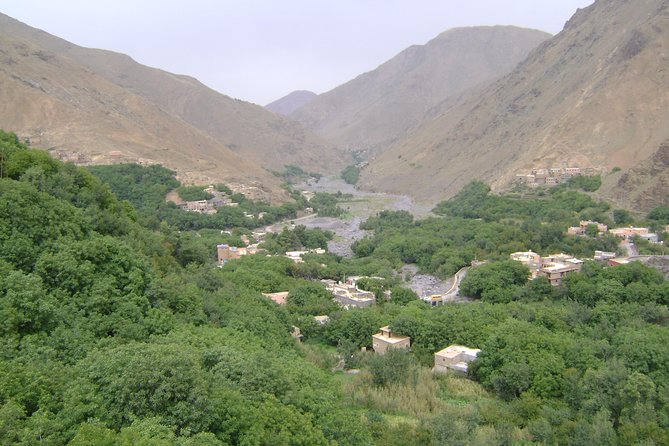
Day 3 is shorter on the clock at about 4 hours walking, but it still includes a real high point. You depart Aït Aïssa and walk toward Tizi Oussem (1900m), passing Tizi Mzik (2400m) and the village of Mzik before returning to Imlil.
That 2400m stop is your reminder that this is an Atlas trek, not a countryside walk. Even when the day is “short,” the mountain doesn’t let you forget where you are. Expect the trail to feel more technical as you near higher ground, and give yourself permission to slow down on steeper sections.
Once you reach Imlil, you transition back to Marrakech and get dropped off at the same meeting location where you started.
If you’re deciding what footwear to bring, day 3 is part of that choice. The return is not a flat downhill to coast on. It’s still mountain terrain, so shoes with traction and good ankle stability are a solid idea.
Gîtes, Mules, Meals, and the Stuff You Need to Bring Yourself
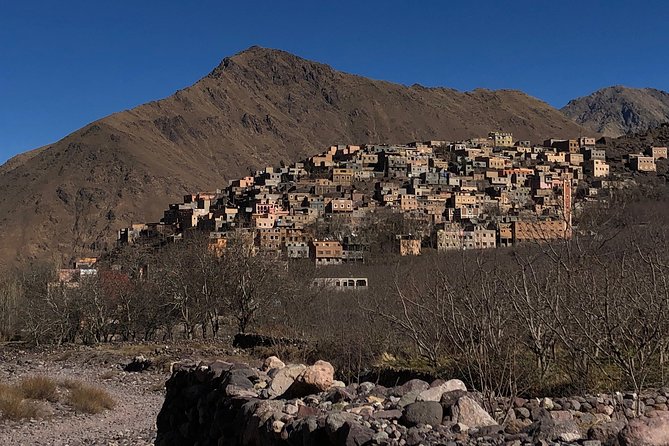
The included lodging is local gîte stays. That usually means basic comfort compared to city hotels, but it also means the experience feels grounded. You’re sleeping in the valley rather than commuting out from a hub every day.
Meals are one of the strongest points. You get three lunches, two dinners, and two breakfasts. The tour also includes a cook, which is a big deal in remote mountain settings. When food is handled, you can actually enjoy the breaks instead of worrying about finding something.
Based on the strong feedback from past participants, the meals are often a highlight. People praise the food as some of the best they had in Morocco, and they specifically call out a cook named Muhammed. Even if the details vary slightly by group, it’s a clear sign the food plan matters here, not just the hiking.
Now, the practical part: sleeping bags are not included. That’s important. If you don’t already have one suitable for cool mountain nights, plan to bring one. Also, soft drinks like mineral water and Fanta are not included, and tipping isn’t included either, so keep some cash set aside.
One more included comfort: there are entrance fees handled and transportation covered. That reduces friction. You spend more time on the trail and less time dealing with payments and logistics.
A few more Marrakech tours and experiences worth a look
Guides and Berber Culture: Why the “Small Group” Feels Personal
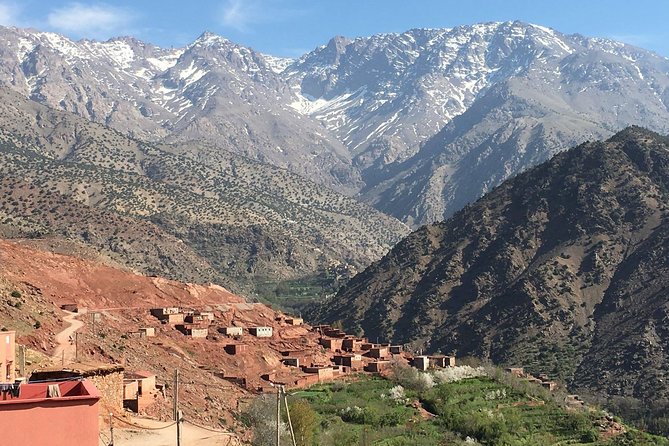
This trek runs with a maximum of 15 travelers, which changes the experience. In a larger group, conversations become background noise. In a small group, you can ask questions at the right moments—like when you’re passing through Berber villages or when the guide points out how the valley’s agriculture connects to the seasons.
The tour includes an English-speaking guide, and the best part is how personal the cultural storytelling can feel. In feedback, guides named Mohammad Sarcosi, Hassan, and Lahcen come up as standout leaders. People also talk about guides being friendly, flexible, and able to share customs and everyday explanations rather than only reciting facts.
If you’re someone who likes to understand what you’re seeing—why a village is placed where it is, what’s grown in the valley, how people move between places—this guide component is worth leaning into. Ask questions. Don’t be shy about stopping and looking. That’s the whole point of a guided valley trek.
Small groups also help with pacing. On day 2, when the walk stretches to about 6–7 hours, it’s easier to keep everyone together and adjust for how the group is doing.
Price and Logistics: Is $255.52 Good Value for a 3-Day Atlas Trek?
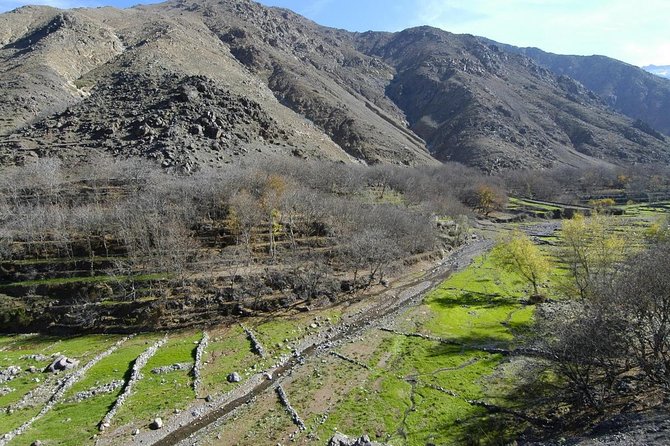
At $255.52 per person for about three days, this trek is trying to be budget-friendly while still including the parts that usually cost extra. The big inclusion list is what matters:
- round-trip transport from Marrakech
- local gîte lodging
- meals (with a cook)
- mule support
- an English-speaking guide
- entrance fees taken care of
You’re basically paying for a turnkey mountain trip. That’s valuable if you’d rather avoid arranging transportation, meals, and lodging on your own in the Atlas. It also helps you avoid the common problem where you plan the hike, then get stuck figuring out logistics when you arrive.
Could it be cheaper if you DIY it? Possibly, but that usually means more effort, more uncertainty, and more decision-making. For many visitors, the trade-off is worth it: spend less time organizing and more time walking and talking with your guide.
One cost consideration: you’ll still want to budget for tips, plus any soft drinks you buy along the way. And remember that sleeping bags are not included—that’s the one “bring your own” item that can affect your real total.
Who This Trek Fits Best (and Who Should Skip It)
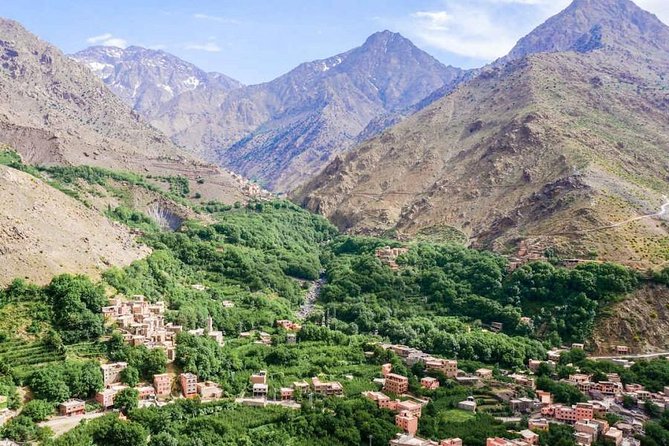
This trek fits best if you want:
- a short, structured Atlas experience (no need for a multi-week plan)
- valley villages plus culture time, not just mountain scenery
- an included meals and lodging setup
- a small group where your guide can interact with you
It may not be the best choice if:
- you have limited hiking comfort or you dislike uneven mountain trails
- you’re not willing to bring a sleeping bag for gîte nights
- you expect a very relaxed, slow pace every day
If you’re a confident walker who enjoys countryside and village life, you’ll probably feel like this hits the right length. Day 1 and 3 are moderate. Day 2 is the effort day.
Should You Book This Atlas Mountains Valley Trek?
I’d say book it if you want a real Atlas taste without building a plan from scratch. The combination of transport + gîtes + meals + guide is what makes this kind of trek work. The small group size keeps it human, and the route through valley groves and Berber village areas gives you more than just scenery.
If you’re sensitive to steep walking or you travel without proper hiking footwear, you might feel the effort more than you want. In that case, consider a gentler option. Also, don’t forget the one key item that isn’t covered: a sleeping bag.
If you want a trek where the “people part” matters as much as the views, this one has strong signals. Guides like Mohammad Sarcosi, Hassan, and Lahcen have left an impression, and the cook Muhammed gets called out for excellent food. That’s a good sign for the overall experience.
FAQ
What time does the trek start in Marrakech?
The pickup is at 9:00 am at the big post office in front of Jemaa el-Fna square in Marrakech.
Where do we meet and where do we end?
You start at Jemaa el-Fna (Marrakech 40000, Morocco) and the activity ends back at the same meeting point area in Marrakech.
How long is the trek overall?
It’s listed as 3 days.
How much walking is there each day?
Day 1 is about 4 hours of walking. Day 2 is about 6 to 7 hours. Day 3 is about 4 hours.
Are meals included?
Yes. The trek includes three lunches, two dinners, and two breakfasts.
Is transport from Marrakech included?
Yes. Round-trip transport between Marrakech and the trail area is included.
Is there an English-speaking guide?
Yes, the tour includes an English speaking guide.
What’s included versus not included?
Included: transport, accommodation, meals, mule, cook, and entrance fees. Not included: sleeping bags, soft drinks, and tip. Travel insurance is also not included.
What is the maximum group size?
The maximum is 15 travelers.
Do children need to be accompanied?
Yes. Children must be accompanied by an adult.
Is there a cancellation option with a full refund?
You can cancel for a full refund if you cancel at least 24 hours before the experience start time.