REVIEW · MARRAKECH
Atlas Mountains Day trip
Book on Viator →Operated by Marrakech Local Guide · Bookable on Viator
Atlas Mountains feel close, not far. This full-day trip takes you from Marrakech into the Ourika Valley for a Berber market morning, a warm mint tea visit in a local home, and a nature walk to the Setti Fadma waterfalls.
What I like most is the mix of hands-on culture plus real time outdoors, and the fact that the pace stays relaxed—your schedule is built around meaningful stops, not constant rushing.
One thing to consider: you’ll be on your feet a lot, and the hike is active even though it’s guided. The physical requirement is listed as moderate, so if you want minimal walking, this may not feel like the right fit.
In This Review
- Key things that make this day trip work
- Why this Ourika Valley trip feels more than sightseeing
- Getting to the Atlas foothills: pickup, start time, and time reality
- The Ourika market at Tnine Ourika: what you’re seeing on market day
- Tafza Berber home stop: mint tea isn’t just a drink
- Argan cooperative in Ourika: how nuts become products the traditional way
- Setti Fadma waterfalls hike: pacing, stacked falls, and macaque chances
- Food and comfort: what’s included and what you should plan for
- Price and value at $69.63 per person
- Guides and language: what you can expect from the day’s human side
- Should you book this Atlas Mountains day trip from Marrakech?
- FAQ
- How long is the Atlas Mountains day trip?
- Do I get picked up from my hotel in Marrakech?
- Is this a private tour?
- What happens at the Berber market stop?
- Do we get mint tea during the day?
- What do we learn at the argan cooperative stop?
- How hard is the waterfalls hike?
- Are entrance fees included?
- What should I bring or plan for during the day?
Key things that make this day trip work
- Hotel pickup and drop-off: makes the day feel simple, especially in Marrakech traffic
- Ourika’s weekly Berber market: see local trade and everyday paperwork on market day
- Mint tea in a Berber home: a short ritual you can actually watch and understand
- Argan oil production stop: get a clear look at how nuts become products through tradition
- Setti Fadma hike: about a one-hour walk each way, with a chance to see Barbary macaques
- Lunch by the river: a Berber meal after the walk, with time to rest and reset
Why this Ourika Valley trip feels more than sightseeing
This isn’t a day built only around photos. It’s structured around places where daily life actually happens—market stalls, a home visit, and the argan women’s cooperative. That’s the main reason it feels memorable: you’re not just passing by; you’re being shown how things work.
I also appreciate that the tour is described as private, meaning it’s centered on your group rather than a crowded cattle line. Even if you’re not seeking cultural depth, the day still delivers: views in the foothills, a guided hike, and a satisfying meal afterward.
The “relaxed pace” matters more than it sounds. When you’re leaving Marrakech and spending hours in transit, the schedule needs breathing room so you don’t feel worn out before the best parts.
A few more Marrakech tours and experiences worth a look
Getting to the Atlas foothills: pickup, start time, and time reality
The day starts at 9:30 am, and the total duration runs about 6 to 10 hours. That wide range usually depends on what pace you keep, how much time you spend at each stop, and how long your hike turns out to be.
Pickup is offered, and the plan is designed around pickup and drop-off at your Marrakech hotel. In practice, that’s a big value add. You can spend your energy on the day instead of coordinating transport, and you’re less likely to lose time searching for meeting points.
Because this is a private tour/activity, the timing feels more controlled. You’re not waiting around for strangers to regroup after shopping, or being moved along before you’re ready to ask questions.
The Ourika market at Tnine Ourika: what you’re seeing on market day
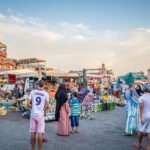
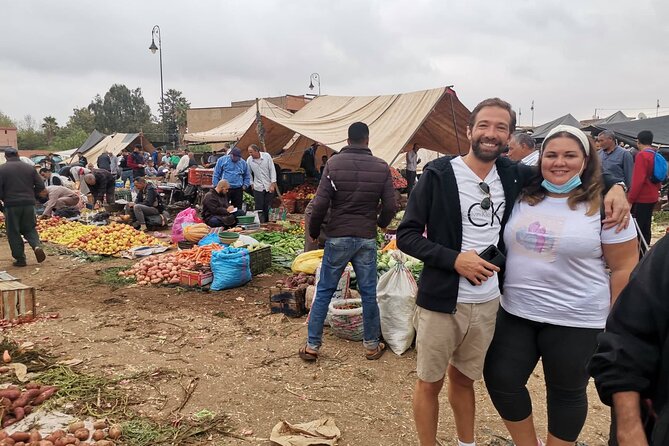
One of the coolest parts of this tour is the market stop. It’s listed at Tnine Ourika, and it happens only on Mondays. On Thursdays and Fridays, the market location changes, but the idea stays the same: a weekly hub where people meet, trade, and handle important business.
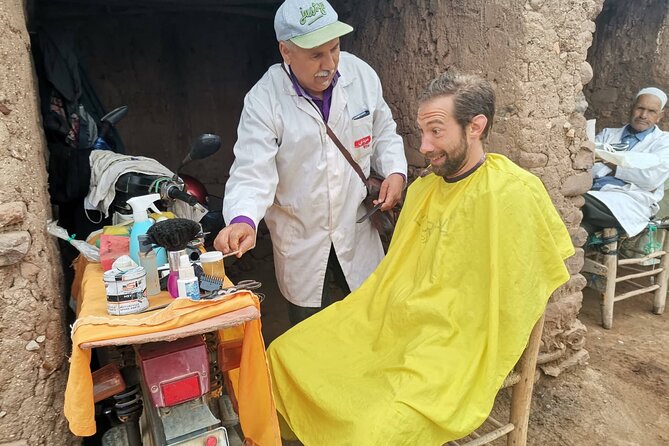
What makes this market visit more than a quick browse is the context. The market is described as having very simple shelters, which keeps you focused on what matters: people meeting friends from other villages, renewing relationships, and doing practical tasks like official paperwork and contract authentication. It also includes everyday services, such as stopping for a barber moment.
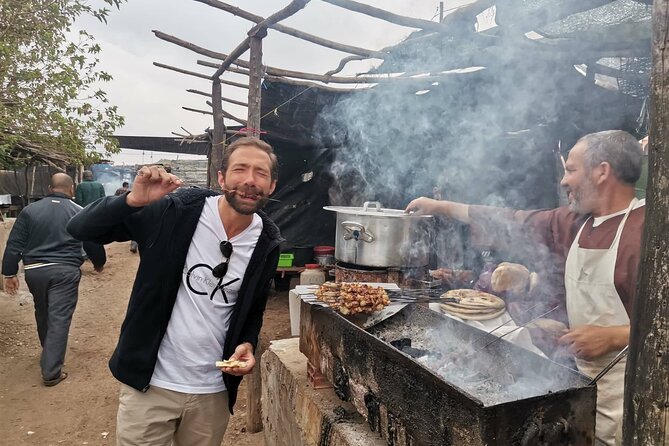
Food is part of the market rhythm too. Lunch here is said to be mainly goat tajine, which is one of those meals that tastes like Morocco rather than like a tourist menu.
Practical note: the market stop is about 45 minutes, so you’ll want to move with intention—look first, then ask your guide what’s worth tasting or learning.
Tafza Berber home stop: mint tea isn’t just a drink
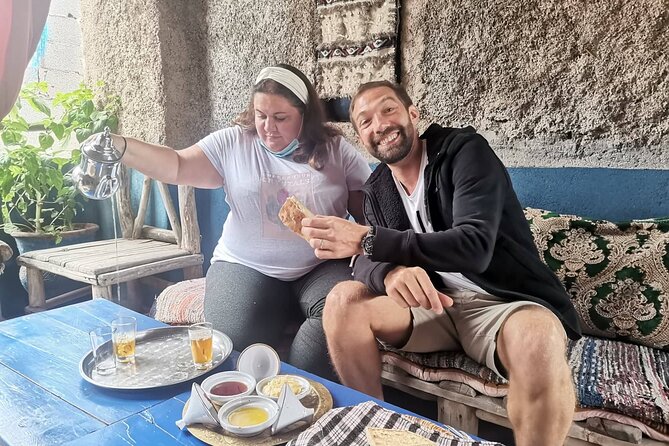
After the market, the tour moves to Tafza: a Berber house visit. This is one of the short stops on paper (around 30 minutes), but it’s a high-impact moment because it’s set up for conversation and demonstration, not just a photo opportunity.
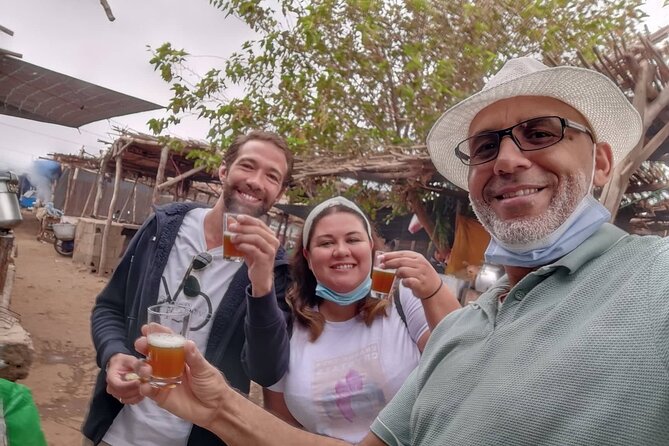
You’re offered a demonstration of the mint tea making ritual and then invited to enjoy tea in a comfortable setting. The guide is expected to share information about Berber daily life, traditions, and culture, which helps you connect what you saw at the market to how people actually live back in the village.
For me, the value here is the small gap between “I’ve learned about a culture” and “I understand how people experience it.” Tea is a simple tradition, but watching it prepared—and being given the chance to ask questions—turns it into a real cultural moment.
If you tend to rush through experiences, slow down here. This stop is short, but it’s the kind you’ll remember later.
Argan cooperative in Ourika: how nuts become products the traditional way
Next up is Ourika, including a stop at the Argan Women Cooperative. The focus is on production—how argan nuts are turned into cosmetic and alimentary (food) oil products using a process described as traditional.
This stop is listed as about 30 minutes, and it’s framed as a learning moment: you’ll get a general introduction on site and details on different products and how they’re used.
There’s also a specific lesson tied to the geography. The argan forest is noted as existing on the west coast, yet knowledge is described as being shared among Berber communities across the country. That kind of “how it spreads” story matters because it’s not just about a product—it’s about cooperation and how skills travel.
One practical advantage: this isn’t a long store stop. You’re learning first, then you can decide what you want to buy (if anything). That’s usually the best way to handle cooperatives: treat it like information, not pressure.

Setti Fadma waterfalls hike: pacing, stacked falls, and macaque chances
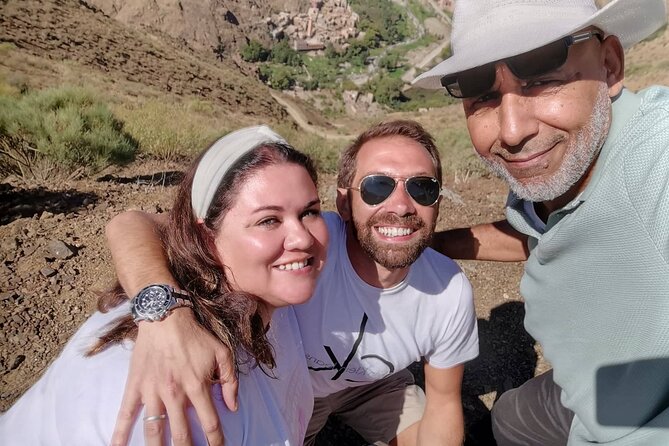
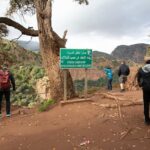
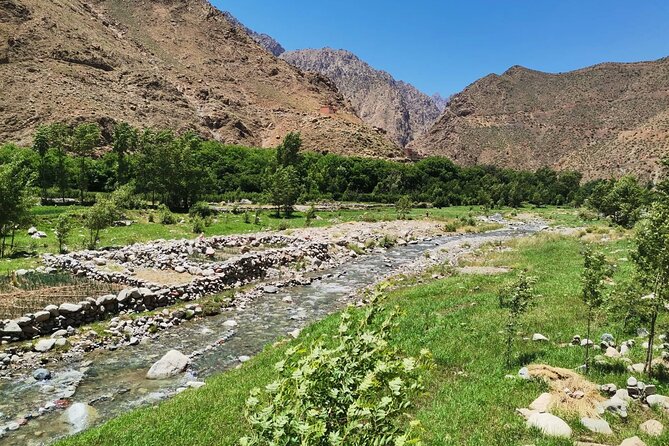
This is the goal of the day: the Setti Fadma water falls area and a guided walk. Once you arrive, you’re introduced to a mountain guide who takes you on a hike of about one hour to and back, depending on fitness and time.
You can go longer. The route is described as having seven mini waterfalls located above each other, so as you head higher, you get more chances to see smaller falls in the same area. That “stacked” layout is why this hike feels like more than one viewpoint—it’s a progression.
There’s also a real wildlife possibility. As you go higher, you may meet the Barbary Macaque, noted as the last wild animal to survive in the Atlas Mountains. You’re not guaranteed to see them, but it’s a fun reason to keep your eyes open on the trail.
After the hike, you eat. The plan is a Berber meal cooked in the area, and you’ll be sitting by the river. This is the part that helps the day feel balanced—exercise first, then comfort.
What to keep in mind: because the hike time can expand, your “6 to 10 hours” day can easily swing toward the longer end if you feel good and want to go higher.
Food and comfort: what’s included and what you should plan for
Food is built into the day in two ways. First, there’s a market lunch option described as mainly goat tajine. Second, after the waterfalls, you’ll have a meal made on site and served by the river.
In terms of basics, bottled water is included. Since the day is described as involving a lot of walking, that inclusion matters. It keeps you from having to scramble for water halfway through.
Entrance fees are handled with flexibility: entrance fees into attraction are excluded so you can choose what you’re interested in. At the same time, the market and the house and the cooperative stops are listed with “admission ticket free” in the stop details, so you may find that many of the core parts of the day don’t require extra payments.
For comfort, I’d treat this day like a short trek day, not a casual stroll: wear sturdy shoes and expect uneven ground and walking time.
Price and value at $69.63 per person
At $69.63 per person, the value comes from the structure: transport out of Marrakech, hotel pickup/drop-off, a guided hike, and a full set of cultural stops that aren’t just “walk by this place.”
You’re paying for three things that are hard to DIY in one day without coordination:
- The sequence (market → home tea → argan production → waterfalls hike)
- The local context your guides provide at each stop
- The practical handling of time so you’re not stuck figuring out how to connect these places on your own
Also, it’s described as private, which usually means better attention and less time wasted. Many day trips in the area are “packed,” where you spend more energy waiting than learning. Here, the pace is framed as relaxed and designed around a single group’s flow.
If your priority is just scenic views with minimal culture, you might feel this is more than you need. But if you want mountains plus human stories, the price feels aligned with what you actually get.
Guides and language: what you can expect from the day’s human side
The experience often centers on guides in a local network, and multiple names show up in the course of real-world operation. Aziz appears again and again, and for the waterfalls section, guides such as Abdul are mentioned. Other names like Kamal, Karim, and Hassan also show up in provided accounts, including situations where a replacement guide helps keep the plan moving.
Language is an important point. English is specifically noted in feedback as working well, which matters because Morocco tours can vary a lot depending on who’s leading. If you’re traveling without French, this is a strong reason to consider this tour.
The other recurring theme is care and warmth. People describe being welcomed and guided through each stop with generosity—especially during the home visit and the hike. That matters because these parts depend on trust and comfort, not just logistics.
Should you book this Atlas Mountains day trip from Marrakech?
Book it if you want a full, balanced day: market life, tea in a Berber home, argan production, and a real hike with waterfall views and a river-side meal. It’s a strong fit if you’re comfortable with moderate walking and you like asking questions rather than just collecting landmarks.
Skip it (or choose a gentler alternative) if you want a mostly low-walking day. The day is built around multiple stops plus a hike, and the “moderate physical fitness” note is there for a reason.
If you’re on the fence, here’s my practical test: ask yourself whether you’d enjoy learning how everyday traditions work—tea rituals, cooperative production, and market rhythms—while also spending time outdoors. If the answer is yes, this is a smart use of a Marrakech day.
FAQ
How long is the Atlas Mountains day trip?
It runs about 6 to 10 hours, starting at 9:30 am. The exact length depends on timing at stops and how long your hike lasts.
Do I get picked up from my hotel in Marrakech?
Pickup is offered, and the tour includes hassle-free pickup and drop-off at your Marrakech hotel.
Is this a private tour?
Yes. It’s listed as private, so only your group participates.
What happens at the Berber market stop?
You visit a weekly Berber market. It’s described as happening at Tnine Ourika on Mondays, and on Thursdays and Fridays the market location changes. The market includes local trade, meeting friends, and handling paperwork.
Do we get mint tea during the day?
Yes. At the Berber home stop in Tafza, you’ll be shown a mint tea making ritual and then invited to enjoy tea.
What do we learn at the argan cooperative stop?
You learn about how argan nuts are turned into cosmetic and food oil products through a traditional process. The stop includes introductions to products and their uses.
How hard is the waterfalls hike?
You’ll do a guided hike to Setti Fadma waterfalls that’s about one hour to and back. The tour notes a moderate physical fitness level because you’ll be walking a lot.
Are entrance fees included?
Entrance fees into attractions are excluded. The core listed stops are marked as ticket-free in the stop details, but any paid attraction fees are not included.
What should I bring or plan for during the day?
Bottled water is included. Since the day involves a lot of walking, wear comfortable shoes and be ready for time on your feet.