REVIEW · ATLAS MOUNTAINS
Atlas Mountains and 4 Valleys Day Trip
Book on GetYourGuide →Operated by Toubkal Ascent · Bookable on GetYourGuide
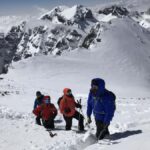
Snowy Atlas peaks can feel close enough to touch. This day trip runs from Marrakesh into High Atlas Berber villages, with an easy-to-follow rhythm: scenic driving, a guided walk in Imlil Valley, and time to look at orchards and terrace farms.
I also like that the trip is not just photo stops. You get a local guide (often Spanish-speaking) to explain how people live in these mountain settlements, plus an included lunch in a local restaurant.
The one thing to think about is the walking. It’s a real trek through mountain villages and paths, and if weather turns rainy you may lose the chance to see the waterfalls. Also, with any day trip through the Atlas, it’s smart to confirm the exact stops you’ll hit on your specific day (a market stop timing, for example, can depend on the day of the week).
In This Review
- Key things I’d circle on your checklist
- The High Atlas in one day: why the structure works
- Getting out of Marrakesh: olive groves and old village roads
- Tnine Ourika: market day energy and hillside agriculture
- Tahnaout and Asni Valley: the drive that keeps delivering views
- Imlil Valley: waterfalls, village lanes, and a guide who can translate life
- Choosing your pace: good for most people, but not for weak legs
- Lunch in Imlil: included, local, and part of the value
- Return drive via the Kik Plateau and Agafay views
- Price and logistics: what $70 really covers
- Who should book this Atlas and 4 Valleys-style day trip
- Should you book? My honest take
- FAQ
- What time is pickup, and where do I meet?
- How long is the trip?
- What languages are the live guides offered in?
- Is lunch included?
- Do I need a local mountain guide?
- Is hotel pickup and drop-off included?
- Will there be a market stop?
- Is there walking during the day trip?
- What if it rains?
- FAQ
- Is travel insurance included?
- Can I cancel for a refund?
- Is this trip private?
- Is there a pay-later option?
Key things I’d circle on your checklist
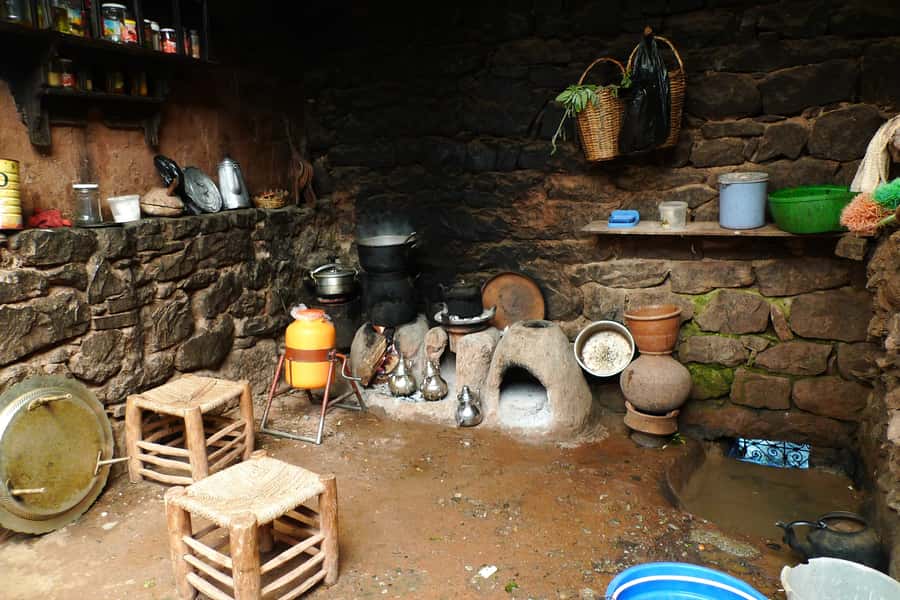
- Imlil Valley walking tour with a local mountain guide and village-to-village context
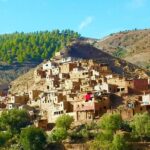
- Berber villages and terrace farming that show how people adapt to harsh slopes
- Tnine Ourika weekly market (especially on Mondays) with fruit orchards and hillside life
- Atlas views plus possible snowy peaks, depending on season and clouds
- Lunch included in the Imlil area, so you don’t have to plan food mid-trek
The High Atlas in one day: why the structure works
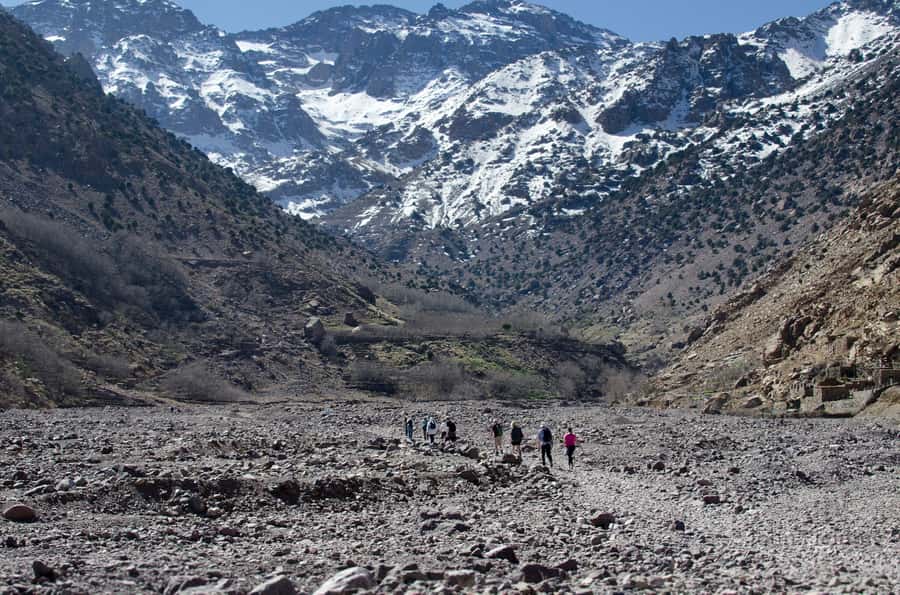
This is a classic Atlas Mountains day trip, but the pacing is what makes it feel worthwhile. You’re not stuck in a long bus loop with a quick look from the roadside. Instead, the day mixes driving with guided time on foot, so you actually understand what you’re seeing.
The core idea is simple: start in the low-to-mid valleys around Marrakesh, then climb into the High Atlas around Imlil. Along the way, you pass cultivated terraces, orchards, and Berber villages that cling to hillsides. The trip then closes with the drive back through high plateau scenery and views toward the Agafay area.
If you like travel that feels local—less “checklist tourism,” more “how people live”—this route fits that mood.
A few more Atlas Mountains tours and experiences worth a look

Getting out of Marrakesh: olive groves and old village roads
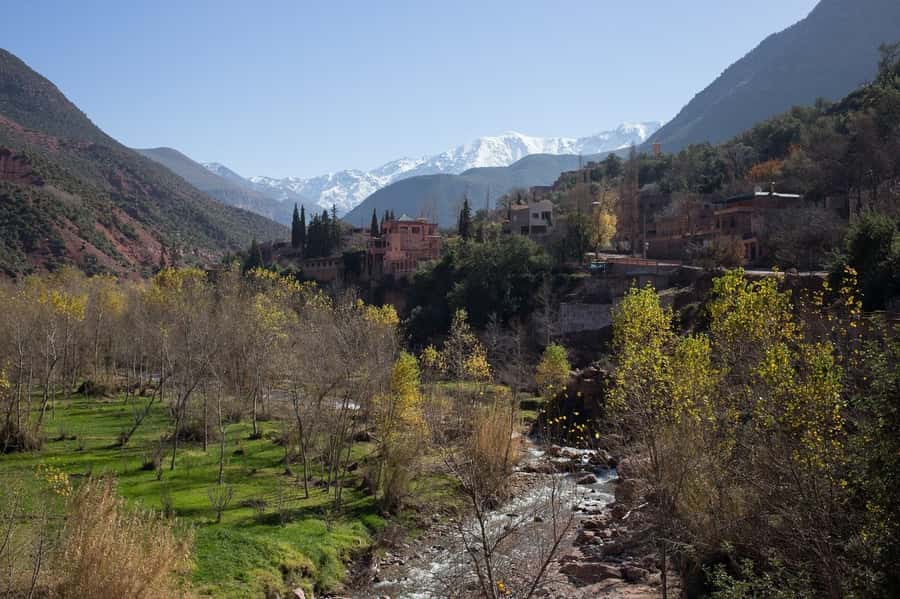
Pickup is around 9:00 AM, with the meeting point outside the main entrance of Hotel Ali near Jmaa El Fna. That timing matters. You want daylight for the best mountain views and enough time before the walking parts.
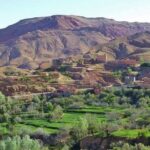
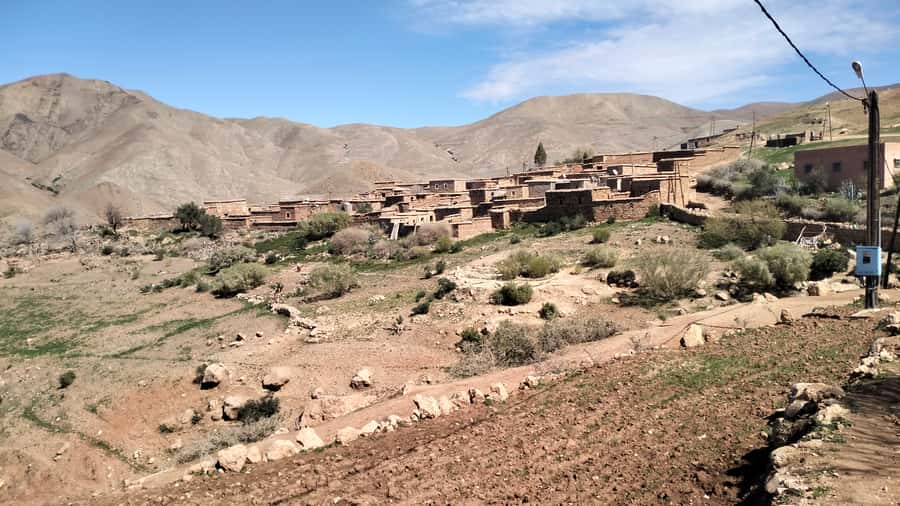
The drive itself is part of the value. You spend about 45 minutes passing olive groves, meadows, and older Berber villages from earlier centuries. That’s not just scenery candy. Seeing the scale of farming land—cut into slopes, maintained year after year—sets the stage for what you’ll hear from your guide later.
On clear days, your eyes keep catching higher peaks as you go. On rough weather days, the same roads still feel dramatic, but your view of the snowy tops may be reduced—so dress for the possibility of cool mountain air even if Marrakesh felt warm.
Tnine Ourika: market day energy and hillside agriculture
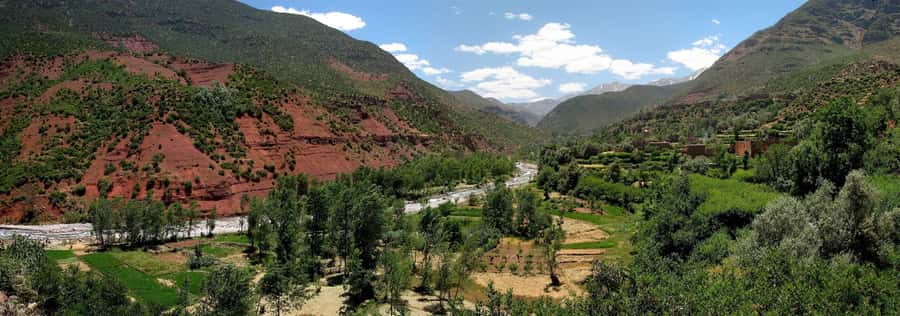
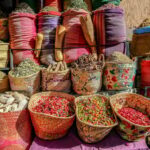
One of the most interesting stops is Tnine Ourika. It’s where the trip connects to the weekly rhythm of mountain life. The tour description notes a lively weekly market on Mondays, drawing people from surrounding villages.
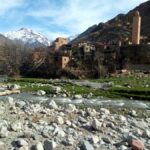
Even if you don’t catch market day, this area is built to show you the mountain farming system. You’ll see fruit orchards, vegetable terraces, and villages perched on hillsides. The pace here is usually less about “rushing through” and more about looking closely at the work behind the view.
A detail worth paying attention to: the sheer effort involved in moving materials and building small houses on steep terrain. That’s the kind of thing a guide helps you understand quickly—why homes are placed where they are, and why terraces matter so much. It also helps explain why life here feels tightly connected to the landscape.
Tahnaout and Asni Valley: the drive that keeps delivering views
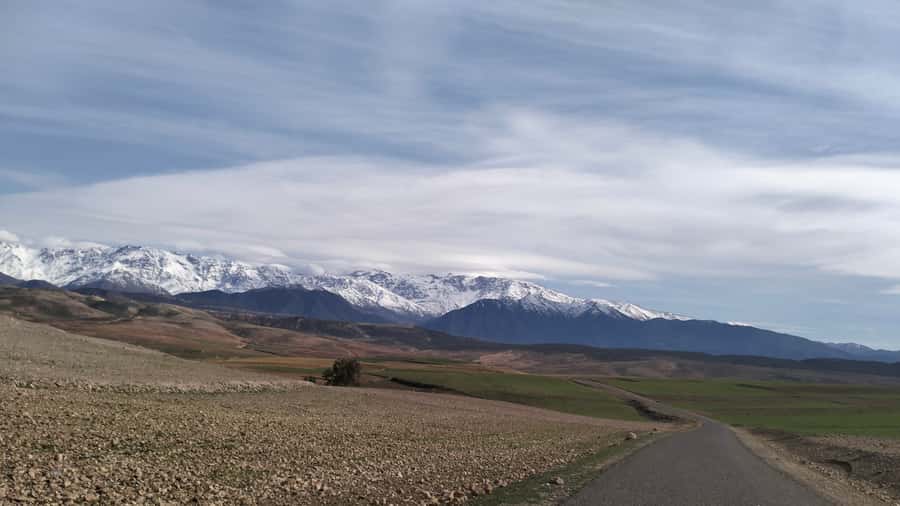
After Tnine Ourika, the route continues through areas like Tahnaout and the Asni Valley, then heads toward the Imlil region. There’s about an hour of driving after leaving this mid-stop zone, and the scenery gradually shifts from valley farms to more obvious High Atlas terrain.
This part of the itinerary is a good “reset.” You get a steady stream of viewpoints without needing to hike between each one. If you’re traveling with anyone who gets tired easily, this is the section where you can breathe, stretch, and enjoy the scenery without feeling like you’re falling behind.
Also, it’s a nice moment to ask your guide questions while you’re still in the car. Local explanations land better when you can immediately match them to what you’re passing—terrace walls, orchard sections, and village placement.
Imlil Valley: waterfalls, village lanes, and a guide who can translate life
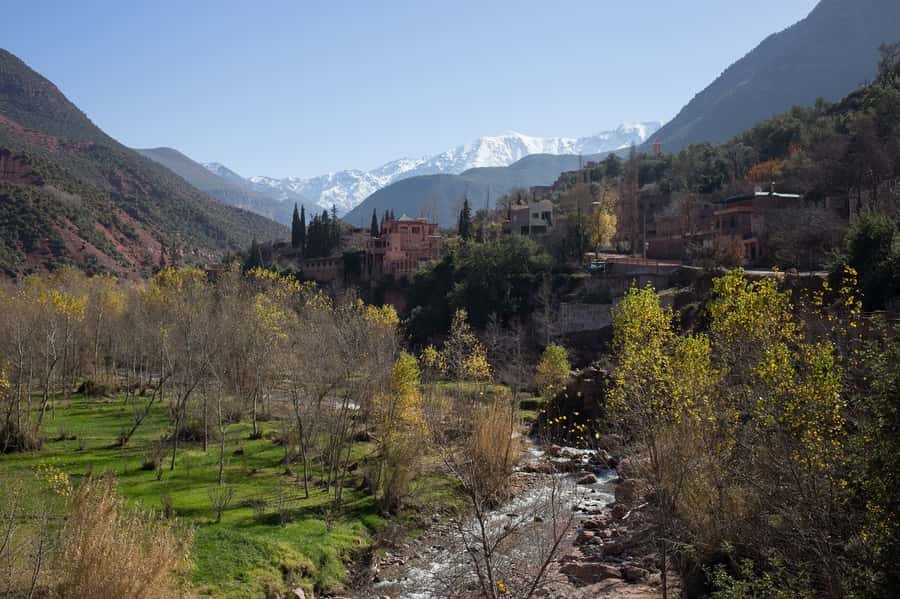
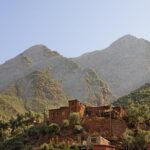
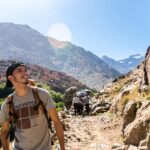
Reaching Imlil Valley is the main event. This is where you meet your local guide for a guided walking tour through Berber villages.
What I like about this walking portion is that it tends to be about more than routes. The point is to walk through the village lanes and see the everyday setting: how homes relate to paths, where work happens, and how the community organizes around the season.
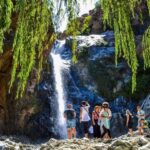
The day can include a chance to see waterfalls, and the guide helps you time your steps to what’s realistically possible. One important consideration from real-world experiences: when rain hits, the waterfall walk may not happen. So if you’re going in shoulder season, don’t plan on waterfalls being guaranteed.
In at least one instance, the Imlil village walk is roughly an hour and a half, with plenty of time to pause and understand what you’re seeing. That length is long enough to feel like you left the road tour behind, but short enough that the day still stays comfortable.
Choosing your pace: good for most people, but not for weak legs
A big theme across the experience is that it’s not a push-your-limits mountain climb, but it is walking on uneven paths.
One review gets right to it: this is not ideal for poor walkers. So if you’re dealing with knee problems, limited mobility, or you generally hate hiking, you should think carefully. You might still enjoy the drive and village viewing, but the walking segments are part of what you’re buying.
That said, the guides often handle the day with flexibility. The tour includes a mountain guide and a driver, and you’re in a private excursion setup with your guide and driver. Private doesn’t automatically mean slow, but it does mean there’s more room for pacing questions.
If you’re not sure, do this simple test before booking: are you comfortable walking for roughly an hour or two on village paths? If yes, you’ll likely find this manageable. If no, consider a lighter half-day alternative.
Lunch in Imlil: included, local, and part of the value
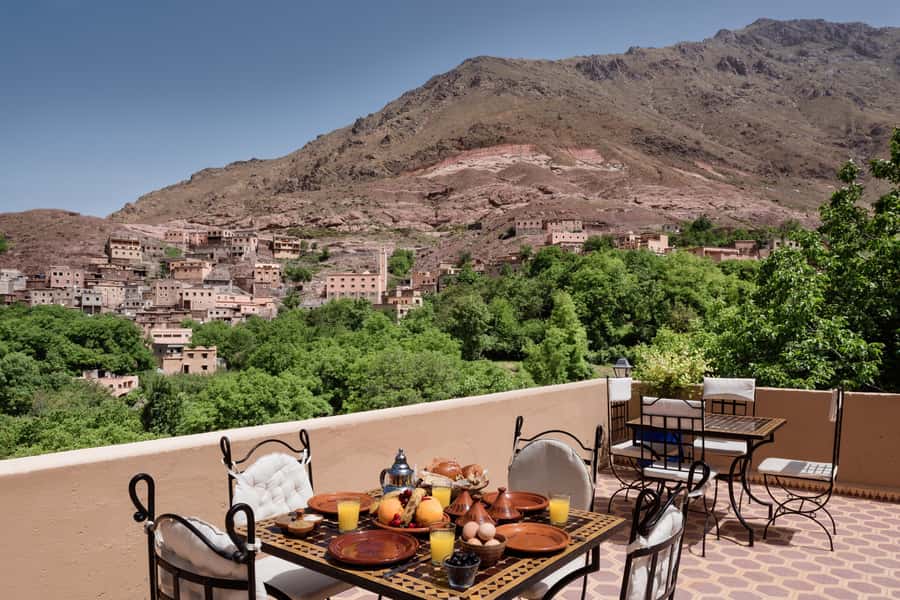
Lunch is included, and that matters on a day trip where time is tight. The included meal is described as a traditional Moroccan lunch in a local setting.
One reason this lands well is that it keeps you off the “where do we eat?” stress. In practical terms, you avoid wasting time hunting food in a mountain village with limited options. In cultural terms, you get one more chance to experience mountain life through taste and routine.
If you care about the meal, this is where it’s worth paying attention. A strong lunch can turn a good day trip into a memorable one, and multiple accounts praise the meal quality in the Imlil area.
If you’re sensitive to spice, it’s still smart to mention preferences to your guide when you sit down. You’ll be eating local food, and local food is exactly what you’re here for—but you can still guide the heat level.
Return drive via the Kik Plateau and Agafay views
The day ends with the return to Marrakesh through the Kik Plateau, with views stretching toward the Atlas Mountains and the Agafay Desert.
This closing stretch is useful because it gives you a final “take it all in” moment. After walking and learning in Imlil, the drive back helps you connect the dots: you see how the roads thread through valleys, where terraces stop, and how the mountain world transitions into drier plateau views.
It also gives you time to reflect on what the guide taught you earlier—especially if you asked questions during the ride. One account even mentions that the guide shared Arabic words during transport, which is a nice touch if you like collecting small bits of language and using them later.
Price and logistics: what $70 really covers
At $70 per person for a 7-hour outing, the value is strongest because key pieces are included: hotel pickup and drop-off, transport, a local mountain guide, a professional driver, and lunch.
When you price these items separately, a day trip starts to look less expensive than it first appears. You’re paying for access—getting from Marrakesh to the High Atlas, plus the local interpretation once you arrive. The included lunch is also a quiet win because it prevents the day from turning into a food hunt.
A couple practical notes to protect your day:
- Confirm your guide language in advance (the tour offers Spanish, English, and French).
- If you care about waterfalls or market timing, ask what you’ll realistically see on your day. One experience described a mismatch in what was expected, which is a good reminder to double-check details.
Who should book this Atlas and 4 Valleys-style day trip
This tour is a great fit if you:
- Want a guided walk in Imlil Valley, not just a scenic drive
- Like learning how people live in Berber villages and work terrace farms
- Enjoy views of the High Atlas, including the possibility of snowy peaks (season and weather matter)
- Appreciate a day that stays mostly on the “real life” side of sightseeing, with an included meal
It’s less ideal if you:
- Struggle with uneven paths and prefer very easy walking
- Need waterfalls to be guaranteed, no matter the weather
- Want a highly flexible itinerary with lots of spare time (this is structured, and the pace is built around the day plan)
Should you book? My honest take
If you want the High Atlas experience without planning every step yourself, booking makes sense. The mix of scenic driving, an Imlil walking tour, and an included lunch gives you enough variety to feel like a real outing rather than a long transit day.
I’d just go in with the right expectations: bring solid shoes, accept that weather can change what you see near the waterfalls, and don’t hesitate to ask your guide to clarify what’s on the schedule for your exact day—especially if market timing matters to you. Do that, and you’ll come away with views plus context, not just a pile of pictures.
FAQ
What time is pickup, and where do I meet?
Pickup is around 9:00 AM. Meet outside the main entrance of Hotel Ali near Jmaa El Fna square.
How long is the trip?
The duration is listed as 7 hours.
What languages are the live guides offered in?
Live tour guidance is available in Spanish, English, and French.
Is lunch included?
Yes. Lunch is included in the price.
Do I need a local mountain guide?
Yes. The trip includes a local mountain guide.
Is hotel pickup and drop-off included?
Yes. Hotel pickup and drop-off are included.
Will there be a market stop?
A weekly market takes place on Mondays in Tnine Ourika. If your day falls on a Monday, you may be able to see it.
Is there walking during the day trip?
Yes. The day includes a guided walking tour in Imlil Valley and additional walking time back toward the village center.
What if it rains?
If conditions are not good (for example, rain), the waterfall part may not be possible.
FAQ
Is travel insurance included?
No. Travel insurance is not included.
Can I cancel for a refund?
Yes. You can cancel up to 24 hours in advance for a full refund.
Is this trip private?
Yes. It is listed as a private excursion with your guide and driver.
Is there a pay-later option?
Yes. You can reserve now and pay later, with the option to book without paying today.