REVIEW · ATLAS MOUNTAINS
Mt Toubkal Ascent Express Trek 2 Days 1 Nights
Book on GetYourGuide →Operated by Marrakech Day Trips - Tours · Bookable on GetYourGuide
Mount Toubkal turns the dial up fast. In just two days you go from Marrakech life to 4167m sunrise views and the Atlas Mountains feeling huge and close at the same time.
I like this trek because it’s built for real walkers, not climbers, and the small group size keeps the day from feeling chaotic.
My second favorite thing is how the route mixes big mountain effort with human moments: the valley scenery around Imlil, the stop near Sidi Chamharouch, and the warm Berber hospitality at the refuge. You also get a guide team that (based on what I’ve learned from how these groups run) tends to keep you moving at a steady, altitude-smart pace—often led by guides with names like Mohamed Boudchichi, Omar, Mustafa, Hassan, Yassine, Kamal, and Mouad.
One drawback to plan for: the second day is long and cold, and winter weather can sometimes mean you won’t get the summit even when you’re ready. That’s not a deal-breaker, but it is the kind of thing you should be mentally prepared for.
In This Review
- Key Things I’d Watch For
- Marrakech to Imlil: How this trek actually starts
- Day 1: Imlil to Toubkal Refuge at 3207m (5–6 hours)
- The Sidi Chamharouch section: Shrine stop, waterfall feel
- Night at the refuge: Berber hospitality and the dorm reality
- Summit morning: Ascend to Jbel Toubkal (4167m) for sunrise
- The long descent back to Imlil and on to Marrakech
- Price and value: What $147 buys you on the mountain
- Gear checklist: What to bring, what to rent in Imlil
- Safety, pace, and summit chances when weather turns
- Who should book this Express Trek (and who shouldn’t)
- Should you book the Mt Toubkal Ascent Express Trek?
- FAQ
- Where does the trek start?
- What’s the duration of the trek?
- How high do you go?
- Is this a technical climb?
- Do I need crampons or an ice axe?
- What’s included in the price?
- What do I need to bring?
- What if I need extra equipment?
- Are porters or a mule included?
- What language will the guide speak?
Key Things I’d Watch For
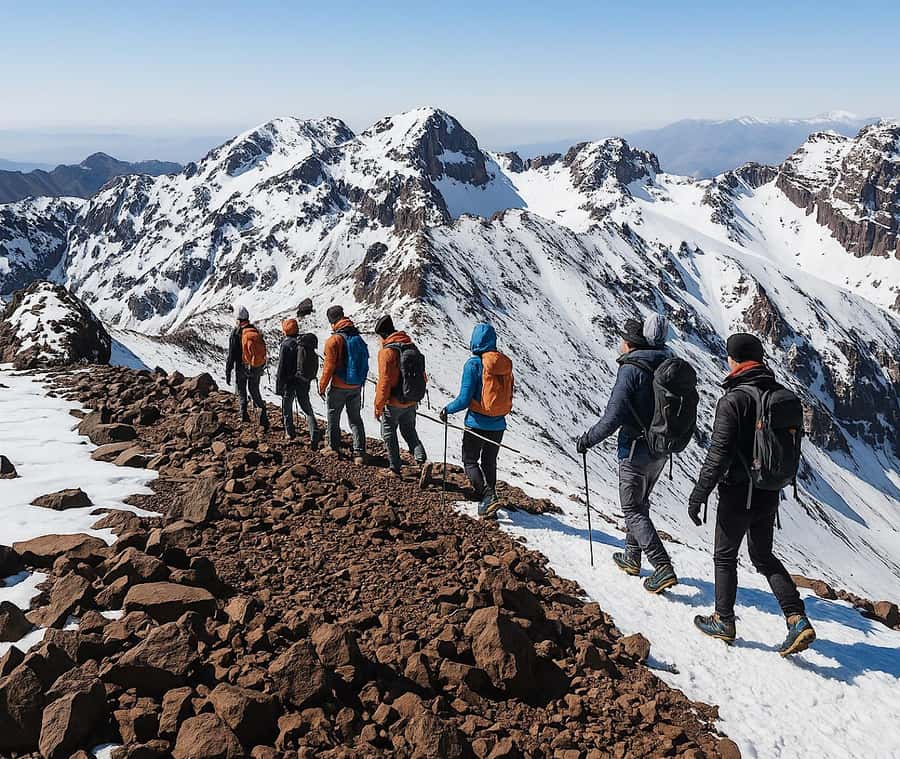
- Sunrise summit timing can feel magical, but it also means an early start and serious cold at altitude
- Small-group support (up to 14) helps on crowded trail sections and during route decisions
- Refuge night is basic—expect shared dorm style and limited comfort, even when you get good food
- Weather can override plans in winter, so think of this as a high-altitude trek first
- Crampons/ice axe may be needed in Nov–Apr, and you may rent them in Imlil
- Extra costs can pop up (mule help, equipment rentals, sometimes extra snacks/water)
Marrakech to Imlil: How this trek actually starts
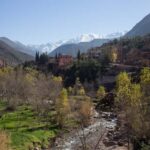
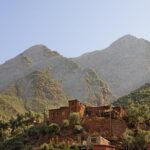
The day begins with hotel pickup in Marrakech, then a drive up toward Imlil Valley. You’re starting at about 1740m, so even before the first big climb, you’re already climbing in altitude terms. It’s a good setup because it gives your body a little time to adjust before the big push.
I like that the trek doesn’t waste your energy on unnecessary staging. You get a local guide and a professional guide working together, plus tea/coffee along the way, so you don’t feel like you’re trekking alone in the mountains with unclear next steps. And the small-group format matters here: you can move as a group without constantly losing people.
Quick consideration: if you’re staying somewhere outside the most convenient pickup spots, double-check your meeting point. On trips like this, one wrong pickup location can create stress before you’ve even found your stride.
You can also read our reviews of more tours and experiences in Atlas Mountains.
Day 1: Imlil to Toubkal Refuge at 3207m (5–6 hours)
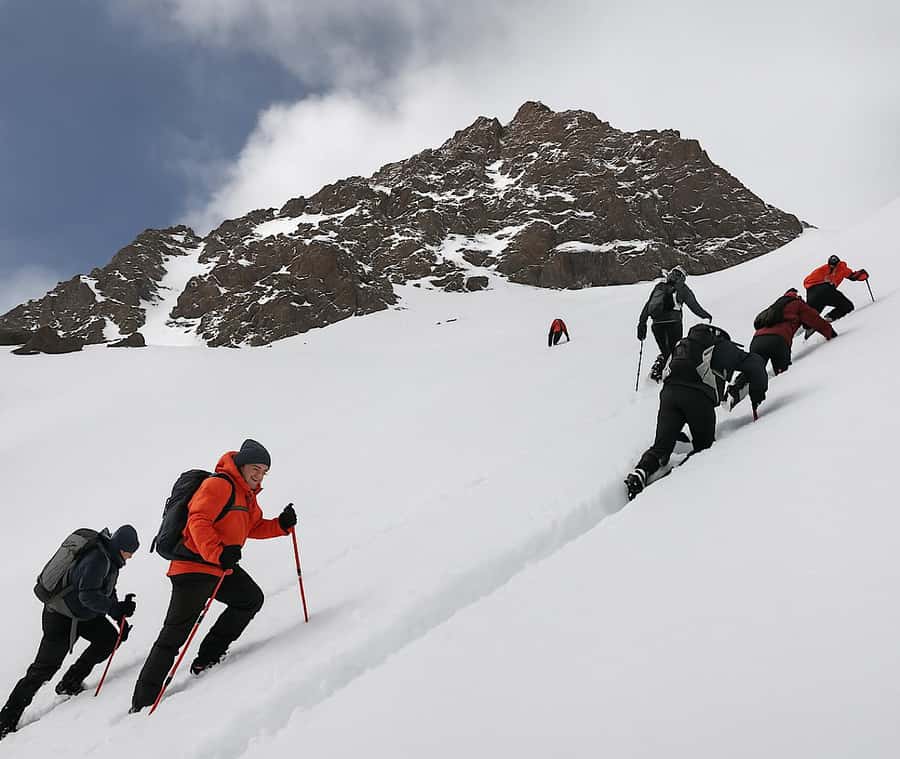
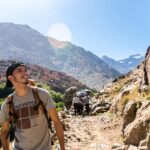
Day 1 is the “find your rhythm” portion. You walk from Imlil toward Toubkal Refuge (about 3207m), typically for around 5–6 hours. This isn’t technical climbing. It’s steady trail walking, and your pace is something the guides actively manage so you don’t burn out early.
What makes this day important isn’t just the elevation gain. It’s that you’re learning how the trek feels: loose rock underfoot, changing weather, and the thin-air reality as you get higher. I’ve found the best way to handle this day is boring-and-effective: slow steps, frequent short breaks, and don’t try to “win the hike” on the first afternoon.
You’ll also spend energy on the emotional side of altitude: even when you feel okay, the mountain asks for patience. That’s why the phrase challenging walk rather than climb is accurate. It’s hard, but it’s meant to be doable for anyone in decent physical condition who shows up prepared.
The Sidi Chamharouch section: Shrine stop, waterfall feel
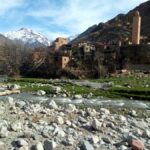
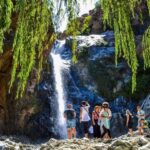
Partway through Day 1, you trek in the valley area near Aït Mizane, then through Aremd, with time near the sanctuary of Sidi Chamharouch and the nearby waterfall. This is one of those stops that breaks up the effort with something memorable and distinctly local.
Even if you only take a few minutes at the shrine area, it helps you reset. You get a chance to look around without feeling like every moment is another kilometer of uphill. The waterfall detail also matters because it’s a sensory contrast—sound and mist in a place that can otherwise feel stark and dry.
Practical tip: keep your camera ready, but don’t keep stopping so often that you lose your rhythm. Think short photos, then back to walking.
Night at the refuge: Berber hospitality and the dorm reality
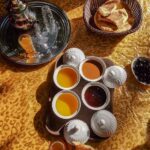
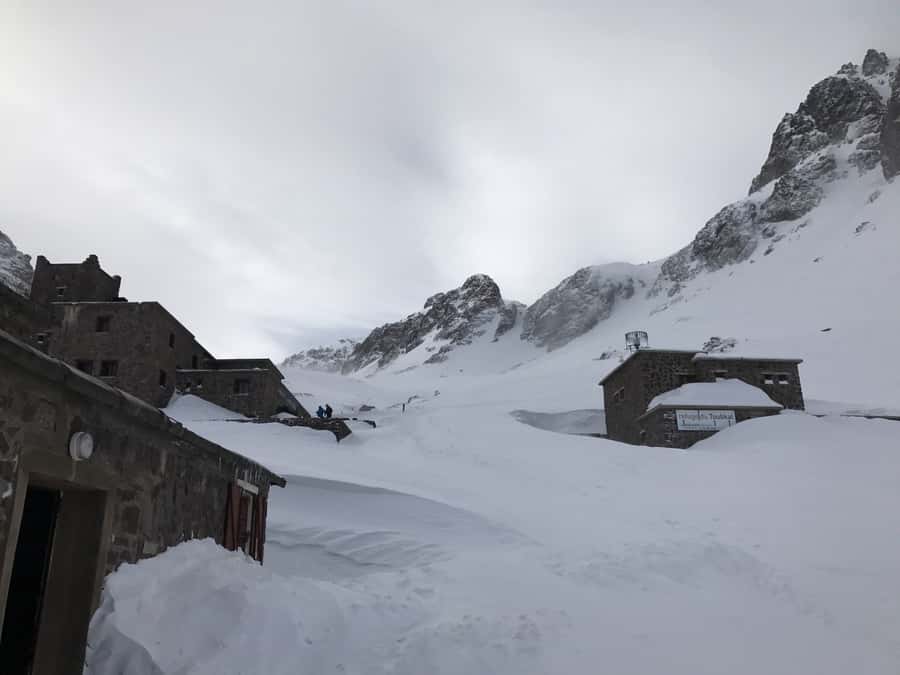
By the time you reach the refuge, you’re done with the day’s biggest “work phase” and ready to switch modes. You’ll sleep at the refuge for the night (meals are included), and you’ll experience Berber hospitality—the kind where warm tea and prepared food are part of the welcome, not a bonus.
Now for the part people underestimate: refuge accommodation is basic. You’ll likely be in shared dorm-style sleeping arrangements with limited comfort, and it’s common not to sleep well—especially if temperatures drop hard. That’s not a warning to avoid the trek. It’s a heads-up so you don’t expect a hotel bed under a mountain sky.
Food quality tends to be a highlight. You’ll get meals as per itinerary plus tea and coffee. One thing to watch: portions may feel limited if you’re a larger eater or if winter logistics reduce supplies. I’d plan on topping up your energy with extra snacks from home or purchased along the way when you can.
Summit morning: Ascend to Jbel Toubkal (4167m) for sunrise
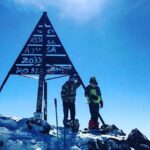
The summit day is the reason people book this trek. You start early to reach the Jbel Toubkal summit at 4167m, and the goal is usually sunrise timing.
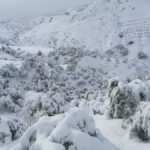
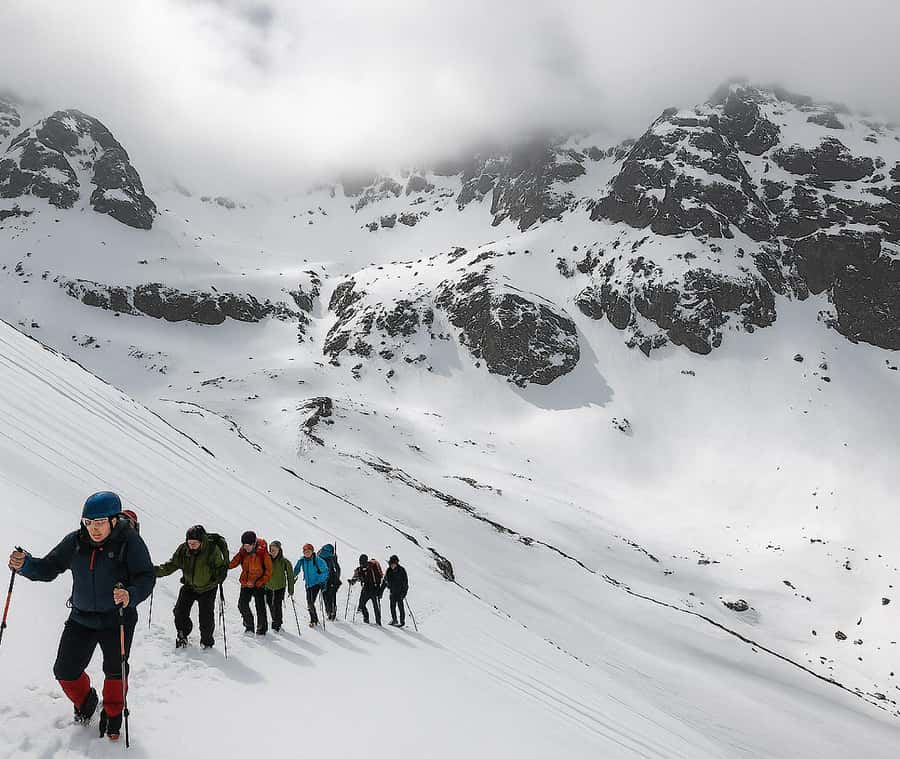
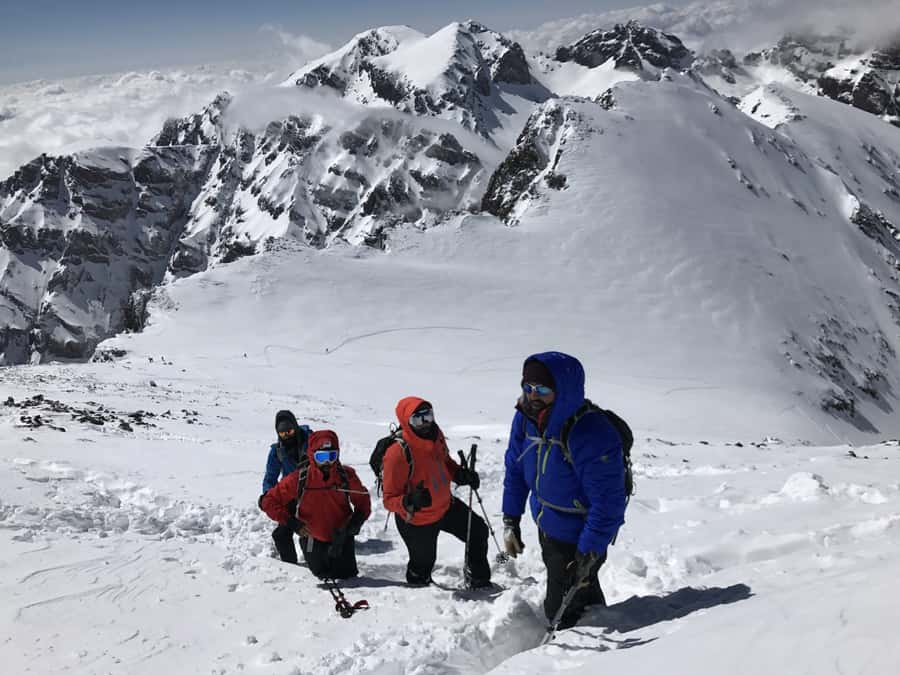
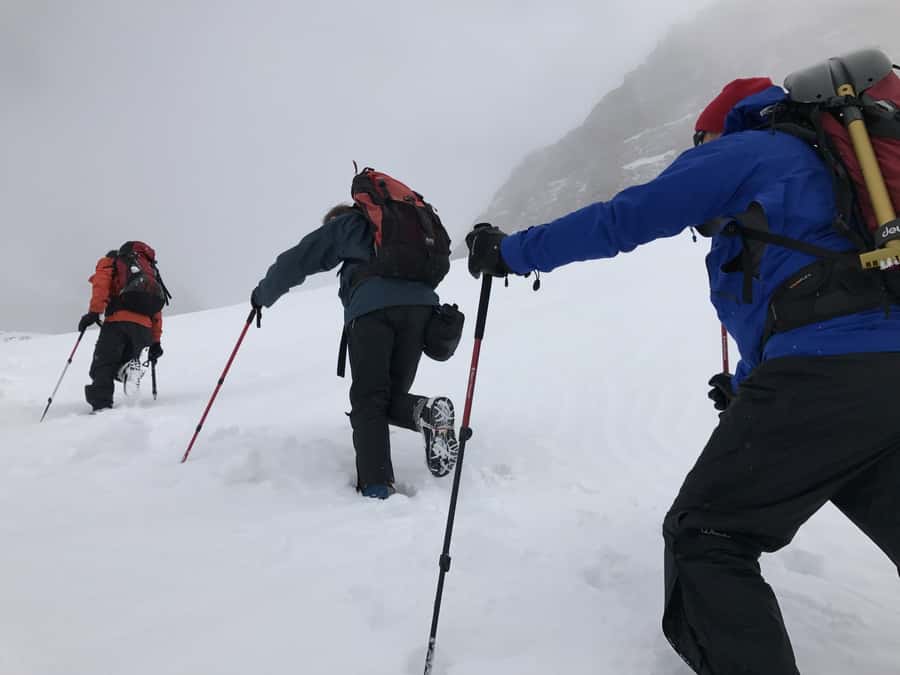
This is where “express” still feels serious. The elevation jump from the refuge to the summit is big, and your body has less oxygen than you’re used to. Even when the route is non-technical, winter conditions can add friction. In Nov–Apr, the trek may involve crampons or holding an ice axe for security, depending on snow and route conditions.
What I’d do if you want the best summit experience:
- Keep your breathing steady and controlled early.
- Use the guide’s pace even if you feel good at first.
- Don’t ignore cold gear. Gloves, hat, and layers matter a lot up top.
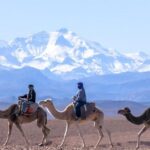
At the top, the payoff is not just a view—it’s a world map in one glance. From the plateau and summit area, you can see the plain of Marrakech, the High Atlas to the north, and the Anti-Atlas and Sahara to the south on clear days. Sunrise adds a second payoff: that first light makes the mountain feel alive and vast.
The long descent back to Imlil and on to Marrakech
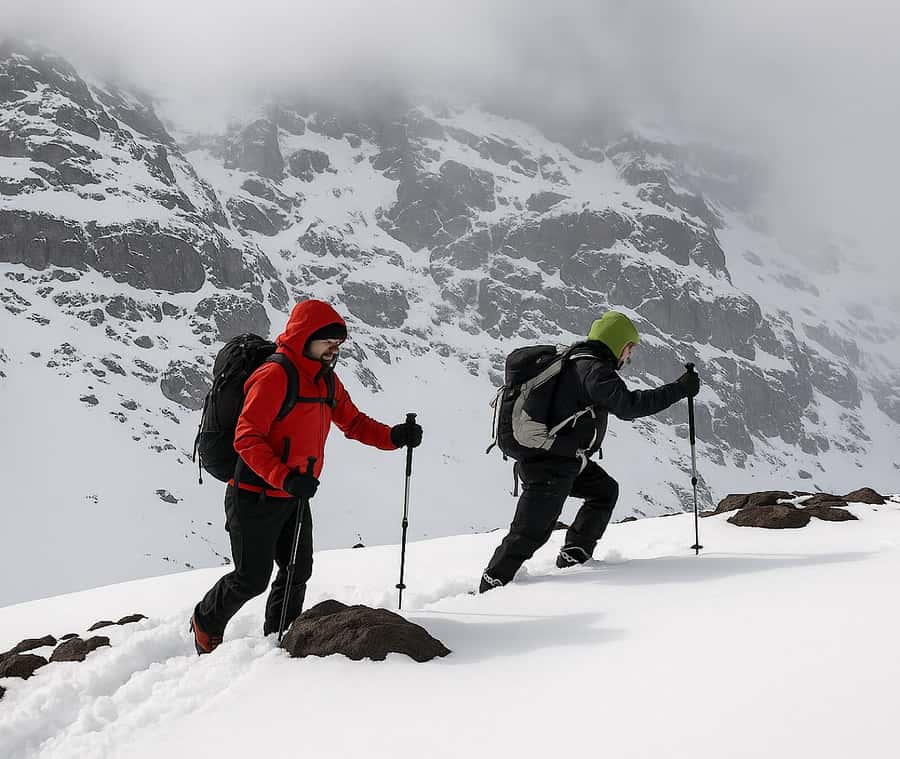
After sunrise and summit time, you descend back down toward Imlil. The walking on Day 2 is long—often described as 10–12 hours total walking time on the full day, depending on snow, pace, and how long you spend at the summit/plateau for photos and safety checks.
This part can feel harder than the ascent for a simple reason: your legs are tired and your ankles still remember every step. Winter makes it worse if the ground is icy or covered with snow. So focus on foot placement. Let your guide handle the safe route choices; don’t rush.
When you reach Imlil, you switch from trekking mode to travel mode with the return drive back to Marrakech. It’s a full day, so plan a low-key night afterward in Marrakech. You’ll sleep well, even if the refuge night wasn’t your best.
Price and value: What $147 buys you on the mountain
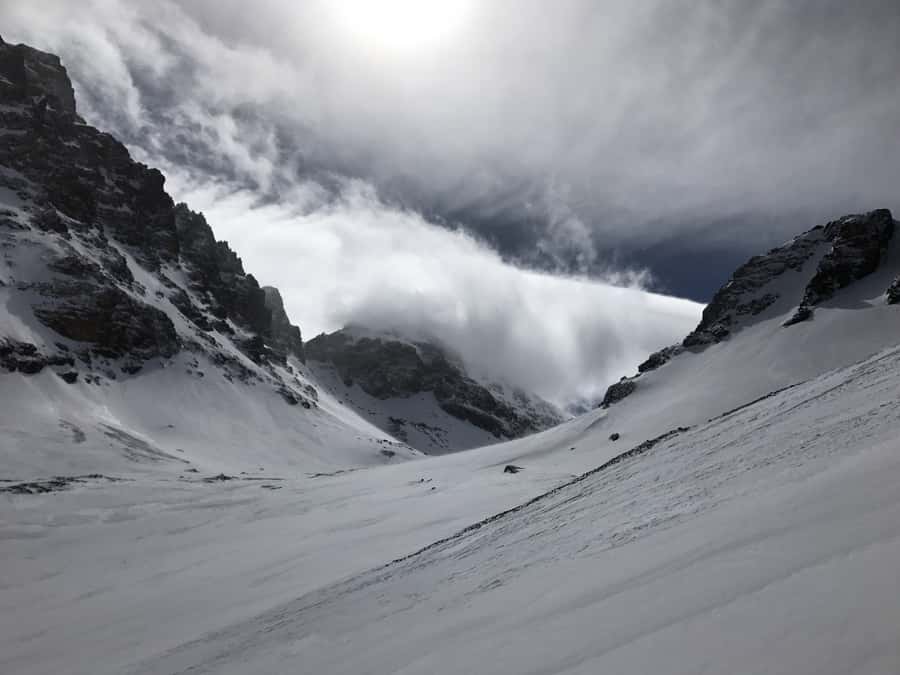
At $147 per person for a 2-day trek, this experience is strong value because it bundles the real costs of a high-altitude trip: pickup and return transport from Marrakech, accommodation at the refuge, meals, and guide support. On top of that, you get tea and coffee included—small, but it keeps the day feeling manageable.
Where the value gets real is in the guide system. A competent guide team helps you avoid the two biggest summit-day problems: going too fast too early and misreading changing conditions. Guides also help interpret route safety, especially in winter when crampons/ice axe use might be required.
One note on budget reality: the tour doesn’t include everything. You may want to rent gear in Imlil (sleeping bag, crampons/ice axes, warm clothes). And if you need mule help, that’s 20 euros extra. I also strongly recommend bringing some cash for small purchases like water/snacks if needed.
Gear checklist: What to bring, what to rent in Imlil
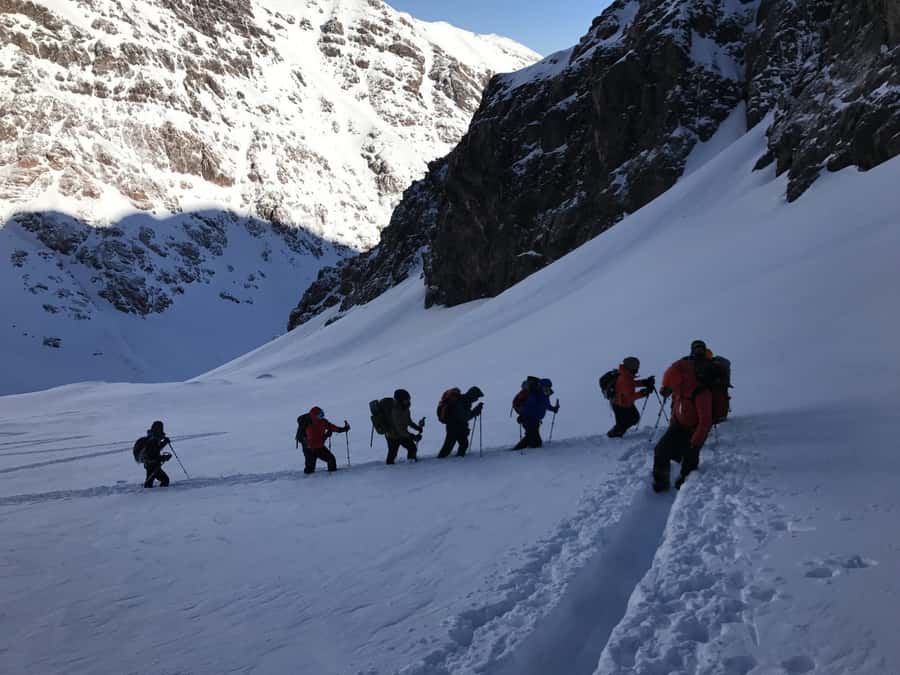
You should come ready for cold and wet weather, not just for walking. The basics included in your plan:
- Comfortable shoes and hiking shoes
- Rain gear
- Towel
- Sleeping bag (with the option to rent in Imlil)
Here’s what I’d add based on how winter treks commonly go:
- Warm layers for the summit morning (you’ll start early and stay exposed)
- Gloves, hat, and head torch so you’re not guessing in pre-dawn darkness
- Sunglasses (sun off snow can be harsh)
- A camera you can actually reach with gloves on
If you’re booking for Nov–Apr, assume the summit day may involve snow security measures. The trek notes you may use crampons/ice axes for safety. If you don’t have them, rentals are available in Imlil.
Also: ports and animals do the hauling, but porters aren’t included. If you bring extra luggage you can’t carry comfortably, you may end up buying mule help. And alcohol and drugs aren’t allowed, so keep it clean for the guides and your own safety.
Safety, pace, and summit chances when weather turns
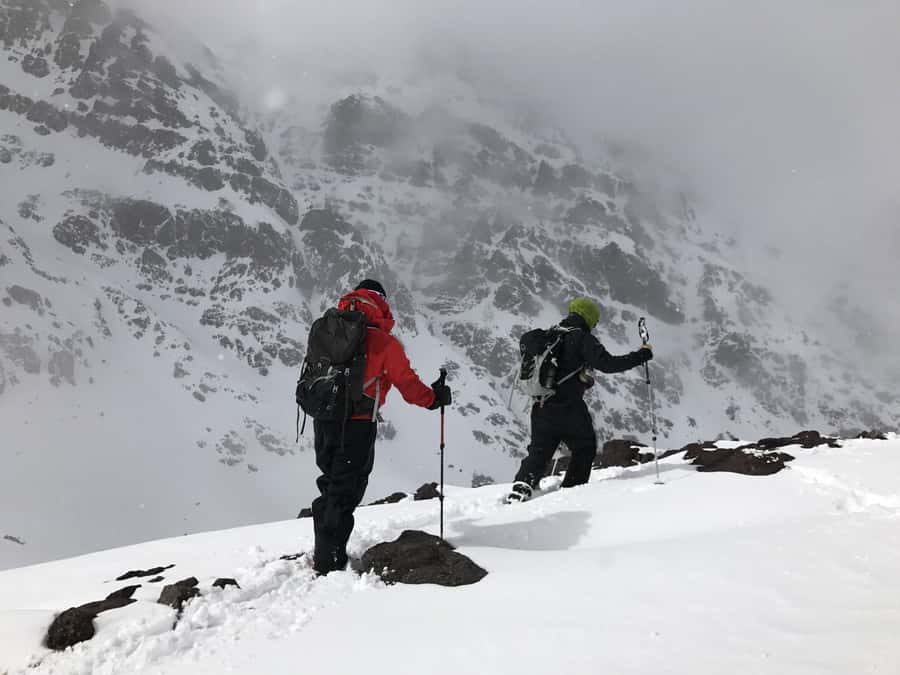
This is a challenging walk rather than a climb, and the route is designed for keen walkers. That said, winter turns the risk level up. Snow slopes and simple scrambling can appear, and altitude effects are real even for fit people—especially because you gain elevation quickly over just two days.
Here’s the key mindset: focus on the trek, not only the summit. Weather can force changes. Sometimes you might not be allowed to proceed to the top because of blizzard conditions or snow safety limits. When that happens, you’re still doing a serious high-altitude outing with guide support and mountain moments worth remembering.
Pace matters. Many guides on this trek time breaks carefully and keep an eye on altitude symptoms, especially for first-time high-altitude hikers. If you feel off—headache, nausea, unusual dizziness—say so early. In a group of up to 14, guides can only help if they know.
Who should book this Express Trek (and who shouldn’t)
This trek suits you if you:
- Are in good physical condition
- Can handle a long summit day
- Have hiking shoes and a willingness to dress warm
- Want a small-group mountain experience with local hospitality
It’s not suitable if you’re pregnant or have mobility impairments. Also, if you know you hate early starts and cold exposure, be honest with yourself. Sunrise summits are beautiful, but they’re cold and demanding.
If it’s your first “4000m-ish” experience, this trek is often a good stepping stone because the route is non-technical. You still learn real altitude discipline without the complexity of climbing technique.
Should you book the Mt Toubkal Ascent Express Trek?
Book it if you want: a guided, efficient 2-day high-altitude experience from Marrakech; a chance at a sunrise summit; and mountain hospitality that feels personal, not industrial.
Hold off if you can’t handle long days, don’t want cold exposure, or you’re not comfortable with the possibility of weather changing the summit plan. Also, if you show up underprepared—thin layers, poor shoes, no gear plan—this trek will punish that quickly.
My practical decision rule: if you can walk for 5–6 hours Day 1, then handle a very long Day 2 in the cold, you’ll get your money’s worth. If not, spend your time in Morocco on something less altitude-heavy and come back when you’re ready to earn a summit view.
FAQ
Where does the trek start?
The tour includes pickup in Marrakech and a drive to Imlil Valley, where the trek begins.
What’s the duration of the trek?
It’s a 2-day experience with 1 night at the refuge.
How high do you go?
You aim for the summit of Mount Toubkal, reaching 4,167m, the highest peak in North Africa.
Is this a technical climb?
No. It’s described as a challenging walk rather than a climb. It can include easy scrambling and, in winter months, snow slopes.
Do I need crampons or an ice axe?
In November to April, the trekking may involve walking in crampons or holding an ice axe for security, depending on conditions.
What’s included in the price?
Included are accommodation as per itinerary, meals as per itinerary, tea and coffee, a local guide and professional guide, hotel pickup and drop-off, and return transport from Marrakech.
What do I need to bring?
Bring comfortable hiking shoes, rain gear, a towel, and a sleeping bag. Sleeping bags may be rented in Imlil.
What if I need extra equipment?
Sleeping bags, warm clothes, and crampons/ice axes can be rented in Imlil.
Are porters or a mule included?
Porters are not included. A mule can be arranged for an additional 20 euros.
What language will the guide speak?
The guide can be English, French, Arabic, Italian, Dutch, Turkish, or Chinese.