REVIEW · MARRAKECH
Atlas Mauntains and 3 Valleys Trek
Book on Viator →Operated by Trek in Atlas · Bookable on Viator
That first step into the High Atlas feels unreal.
This 3-day trek from Marrakech is interesting because you hike under juniper and pine with natural shade breaks, then you spend real time around Berber villages and terraced fields. I love how the allocated guide weaves culture and history into the walk, so the scenery comes with context. I also like the practical side: transport, most meals, and afternoon tea are included. One thing to consider is that some route sections can feel a bit scary on foot, so good shoes and a steady pace matter.
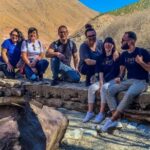
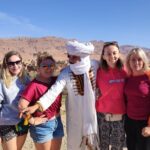
You’ll be with your guide from start to finish, and the group stays small and private, so the pace feels human. Guides I saw highlighted by past groups include Mohammed Larbi, Mohamed, and Hassan, and the common thread is the same: they’re friendly, and they’ll explain what you’re seeing instead of just moving you along. The trip is built for travelers who enjoy walking days and don’t mind swapping city comfort for mountain life and simple, satisfying food.
In This Review
- Key things that make this trek worth it
- First Morning in Marrakech: Pickup and an 8:30 Start
- Three Days on Foot: Juniper Shade, River Noise, Mountain Air
- Day 1 to Day 3: How the Trail Feels and What You’ll See
- Day 1: Settling in and getting your bearings
- Day 2: Gorges, streams, and village moments
- Day 3: Terraced valleys and the walk back down to earth
- Berber Villages Up Close: Culture That Isn’t Just a Photo Stop
- Food and Lodging: Afternoon Tea, Proper Meals, and Real Mountain Comfort
- The $234.84 Question: Is This Trek Good Value?
- What to Pack for High Atlas Walking (So You Don’t Regret It)
- Who This Trek Is Best For (and Who Might Prefer Something Else)
- Should You Book This Atlas Mountains and 3 Valleys Trek?
- FAQ
- What time does the trek start?
- How long is the Atlas Mountains and 3 Valleys Trek?
- What’s included in the price?
- What’s not included?
- Is pickup available from Marrakech?
- Is this a private tour?
Key things that make this trek worth it
- Shade breaks in juniper and pine keep the hike from feeling like nonstop sun.
- Deep gorges and gushing river streams give you dramatic moments on the trail.
- Berber village interaction is part of the experience, not a quick photo stop.
- Terraced valleys with corn, barley, and vegetables show how families farm on steep slopes.
- Afternoon tea and full meals make long walking days easier on your energy.
- Guides like Mohammed Larbi, Mohamed, and Hassan are often praised for warmth and local insight.
First Morning in Marrakech: Pickup and an 8:30 Start
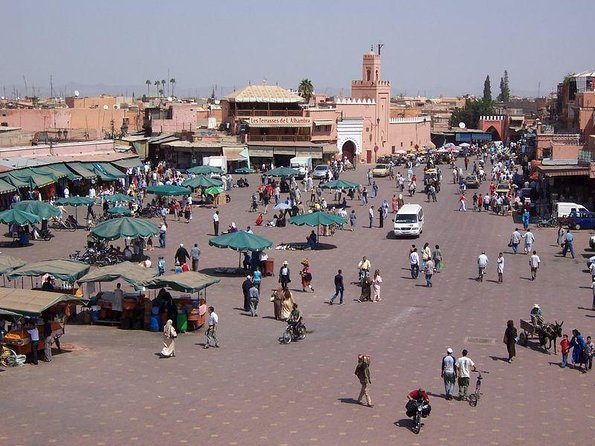
The experience kicks off at 8:30 am, with pickup from Marrakech and transport by air-conditioned minivan. That matters because getting out of the city early gives you more daylight for hiking and less stress about timing.
You’ll use a mobile ticket for the experience, which is a modern touch that keeps things simple. Also, since this is a private tour/activity, it’s only your group. In practice, that usually means fewer awkward slowdowns and more flexibility if someone needs a slower break.
You can also read our reviews of more hiking tours in Marrakech

Three Days on Foot: Juniper Shade, River Noise, Mountain Air
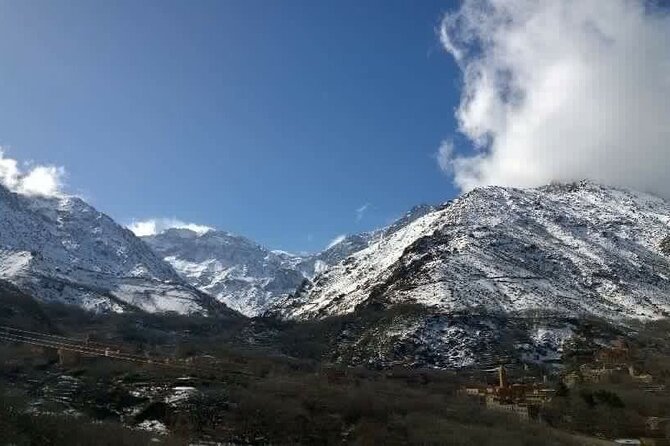
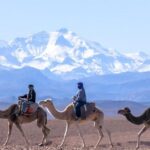
This trek takes you through the High Atlas over 3 days. Expect cool vegetation with juniper and pine trees, which is basically the mountain’s built-in cooling system. Those shade pockets matter when you’re hiking for hours and you want a real rest without stopping completely.
One of the best parts is that the route isn’t just pretty from far away. You’ll walk across areas with deep gorges and river streams, so you hear water before you even see it. That sound pulls you forward in a way that feels more alive than a viewpoint-only day.
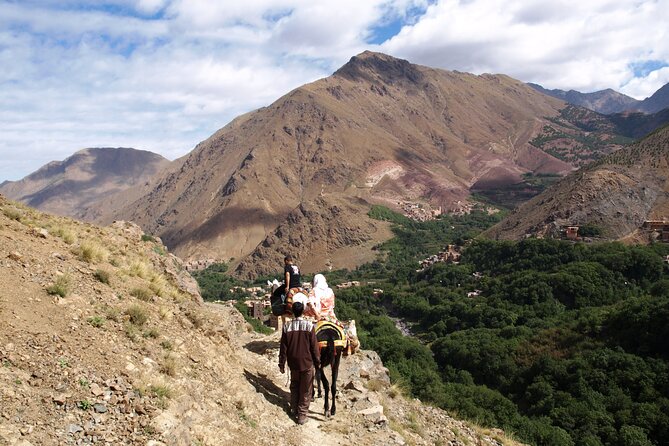
The pacing is guided, and your guide stays with you throughout. That’s important here because trekking routes can include parts that feel exposed or uneven, and past groups noted that some sections can feel a bit scary. In other words: take it seriously, but don’t panic. A good guide keeps you moving safely and helps you choose a comfortable rhythm.
Day 1 to Day 3: How the Trail Feels and What You’ll See
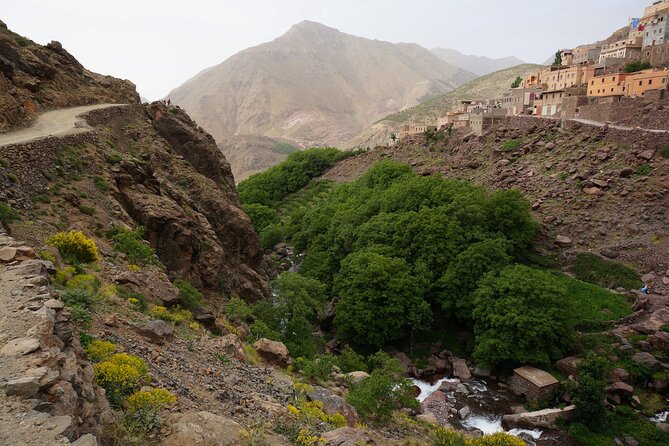
Even without a super-detailed stop list, you can understand the flow of the trek. It’s structured around vegetation, water, villages, and the terraced edges of farming life.
Day 1: Settling in and getting your bearings
Day 1 is about getting into the rhythm. You’ll start hiking through shaded vegetation—think juniper and pine—so you’re not baked under open sky from the beginning. Along the way, you’ll pass natural features tied to daily life: water, paths carved by use, and small farming areas that hint at what’s coming in the valleys.
Afternoon tea is included, and that’s a real quality-of-life detail. When you’ve been walking, tea becomes more than a drink; it’s a reset button for energy and morale.
Day 2: Gorges, streams, and village moments
Day 2 tends to be the day where the scenery turns dramatic. You’ll cross areas with deep gorges and gushing river streams, which is the kind of visual change that makes you stop talking for a minute and just watch the water move.
It’s also where Berber villages and hamlets fit in naturally. This isn’t staged. You’ll pass through communities where people are used to tourists, and they may be happy to talk about their traditions and daily customs. The key is to treat these stops with respect: look, listen, and keep your questions simple and friendly.
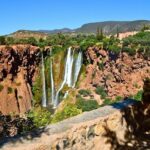
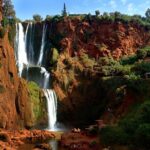
Some past groups also highlighted waterfalls as a standout sight. If your route includes them, they’re one of those moments where the photos almost look too easy. Being close to the sound and mist is the real deal.
Day 3: Terraced valleys and the walk back down to earth
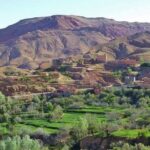
By Day 3, you’ll be thinking more about what you’ve seen than about what’s next. The trek highlights terraced valleys where local families grow crops like corn, barley, and vegetables. Watching farming systems cling to steep slopes gives you a better sense of why these places have stayed livable for generations.
This is also a strong day for quiet appreciation. The guide’s cultural explanations have already given you context, so the final leg feels less like a hike and more like a slow understanding of how the region works.
Berber Villages Up Close: Culture That Isn’t Just a Photo Stop
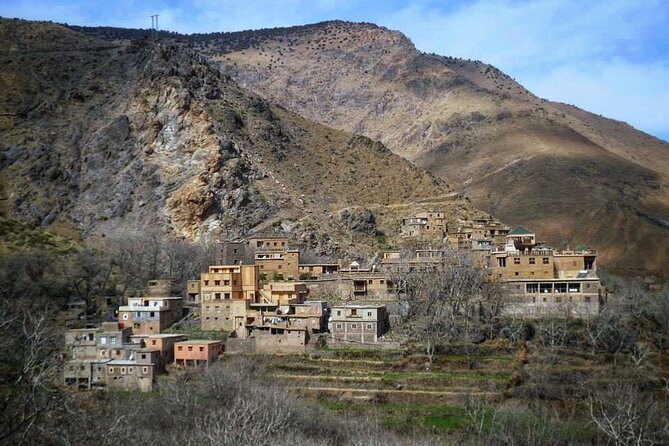
One of the most praised parts of this trek is the Berber village interaction. The goal isn’t just to see buildings from the outside. You’ll spend time around local communities, and your guide can explain the culture and history of the areas you pass through.
Guides named by past groups include Hassan and Mohammed Larbi, and in multiple experiences, they were described as attentive, fun, and genuinely invested in making the trip feel personal. One group even described spending time in Hassan’s home, with family hospitality and home-cooked food. That’s the kind of interaction that can turn a trek into a memory with texture.
What to keep in mind: village time is community time. You’ll get the best experience if you’re calm, patient, and respectful. If you want interaction, ask your guide what’s appropriate and follow their lead.
Food and Lodging: Afternoon Tea, Proper Meals, and Real Mountain Comfort
This trek includes a lot of the stuff that usually ruins a hiking trip when it’s missing. You’ll have breakfast and lunch, plus dinner, and you’ll get coffee and/or tea. There’s also afternoon tea included.
That meal structure is a big deal on a walking itinerary. You’re not guessing when you’ll eat, and you’re not paying for every snack at mountain prices. Past groups specifically mentioned delicious lunch and praised the food as part of the overall experience.
Accommodation is listed as as per itinerary, and some groups highlighted the quality of the houses they stayed in and how family-style comfort made the stay feel real. In plain terms: don’t expect a chain hotel, but do expect basic comfort that works for trekking life.
The $234.84 Question: Is This Trek Good Value?
At $234.84 per person, this trek isn’t the cheapest option, but it’s also not priced like a luxury circuit. For the money, you’re getting guided trekking, private group time, air-conditioned minivan transport, and multiple meals across 3 days.
You’re not just paying for time on a trail. You’re paying for:
- a guide who stays with you the whole way
- cultural context while you walk through villages and valley farms
- included meals and tea (which saves you both money and energy)
What isn’t included is also clear: soft drinks and tip. So if you’re the type who likes soda with lunch, budget a bit extra. And if you want your guide to feel properly appreciated, plan to tip according to how the day goes.
What to Pack for High Atlas Walking (So You Don’t Regret It)
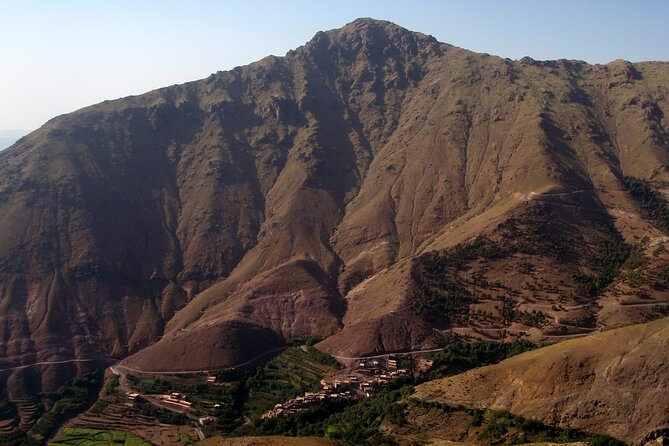
Because the trek includes gorges, rivers, and multi-day hiking, pack for real trail conditions. The listing doesn’t spell out gear needs, so use common sense based on what you’ll be doing.
- Good hiking shoes with grip (mud and uneven ground can happen)
- A light layer for cool mountain air
- A hat or sun protection for exposed moments when shade runs out
- A reusable water bottle (you’ll want it during long stretches)
- Small cash for anything not included, like soft drinks
If you’re worried about the scarier-feeling trail sections, tell your guide early. That’s usually the fastest way to get thoughtful pacing and safer footing.
Who This Trek Is Best For (and Who Might Prefer Something Else)
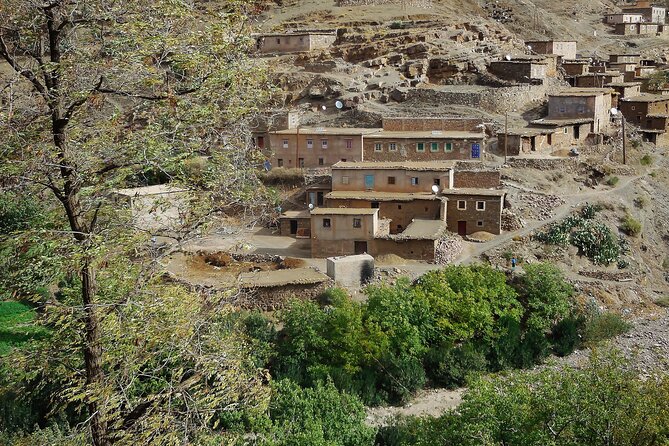
This trek fits travelers who want walking plus culture. If you like hiking but also want to understand where you are—especially around Berber village life and terraced farming—you’ll likely love this.
It’s also a strong pick if you appreciate guides who explain what you’re seeing. Past experiences named Mohamed and Hassan as standout guides, and that matches the tour’s emphasis on cultural and historical insight during the hike.
If you dislike uneven footing, long walking days, or you’re prone to motion discomfort, you might find the route challenging. The guide helps, but the terrain is still the terrain.
Should You Book This Atlas Mountains and 3 Valleys Trek?
If you’re aiming for an Atlas experience that feels more than scenic, book it. This trek has a lot of the right pieces: shade-friendly vegetation, water features like gorges and streams, real village encounters, and included meals that help you keep energy steady. The guide component also seems to be a major driver of satisfaction, with names like Mohammed Larbi, Mohamed, and Hassan repeatedly tied to warm hospitality and solid explanations.
If you want a fully cushy, low-effort vacation, this probably isn’t your match. It’s walking-focused, and some trail sections can feel intense. But if you can handle a hiking day or two, you’ll come away with more than photos. You’ll have stories tied to people, farming, water, and mountain rhythm.
One more practical note: cancellation is free up to 24 hours in advance, so you can book with fewer worries if your plans are still flexible.
FAQ
What time does the trek start?
It starts at 8:30 am.
How long is the Atlas Mountains and 3 Valleys Trek?
It takes about 3 days (with an approximate total duration listed as 3 days 5 hours 7 minutes).
What’s included in the price?
Accommodation as per itinerary, afternoon tea, air-conditioned minivan transport, breakfast, lunch, dinner, and coffee and/or tea are included.
What’s not included?
Soft drinks and tip are not included.
Is pickup available from Marrakech?
Yes. Transport is included, and pickup is offered.
Is this a private tour?
Yes. Only your group will participate, making it a private tour/activity.