REVIEW · MARRAKECH
All Exclusive Day Trip from Marrakech to Ourika Valley
Book on Viator →Operated by Sahara Travel Trips · Bookable on Viator
One trip can cool your mood. Ourika Valley is a lush escape at the foot of the Atlas Mountains, and this day tour packages the best parts into a single, well-paced outing. I especially like how you start with hotel pickup and head north fast, then you spend real time with Berber communities instead of just passing through.
I also like the mix of experiences: mint tea welcome in a Berber home, then a proper hike toward the seven waterfalls at Setti Fatma. The one thing to consider is that the day includes walking on uneven paths, and it’s meant to run in good weather, so plan for a bit of hiking effort even if you keep it casual.
In This Review
- Key highlights worth your attention
- A cool escape from Marrakech: how the Ourika Valley day feels
- From Café de France to the Atlas foothills: your first move of the day
- Tnine Ourika: the Berber tea welcome that changes the whole tone
- Setti Fatma: waterfalls, cliff paths, and a real chance to smell the mountain air
- Beyond the valley: Haouz, Aghmat, Ighref, and the Jebel Yagour viewpoints
- Guides make the difference: safety, humor, and clear explanations
- Price and what you actually get: is $35.32 a good deal?
- Timing and pacing: from 9:00am pickup to a 4:00–5:00pm return
- Who this Ourika day trip is best for (and who should skip it)
- Should you book this day trip?
- FAQ
- What time does the tour start?
- How long is the day trip?
- Where is the meeting point in Marrakech?
- Do I get pickup and drop-off?
- What languages are offered for the guide?
- Is lunch included?
- Is a camel ride included?
- Are drinks included?
- What should I know about weather and cancellations?
- What is the cancellation policy?
Key highlights worth your attention
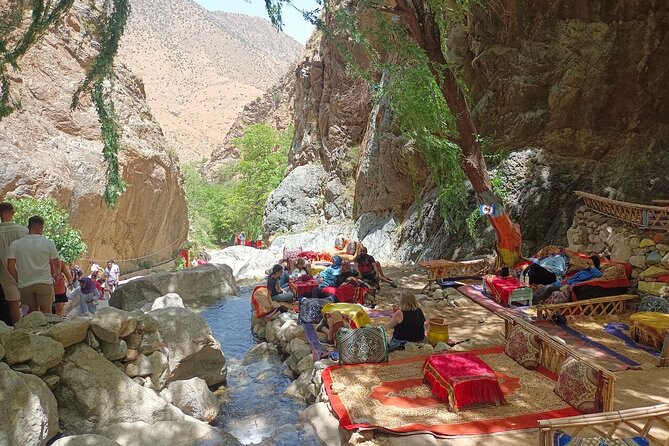
- Berber mint tea moments in a traditional family setting, plus a garden stop for herbal tea time
- Atlas views and waterfall time at Setti Fatma, with a hike to the seven waterfalls
- Jebel Yagour payoff: panoramic viewpoints connected to rock art country
- Aghmat and Haouz plain routing that adds historical context beyond the valley
- Certified guides in English/Spanish/French, including guides like Toufik, Adnan, and Belhadi in some departures
- Pickup and drop-off included, with a small-to-medium group size (up to 54)
A cool escape from Marrakech: how the Ourika Valley day feels
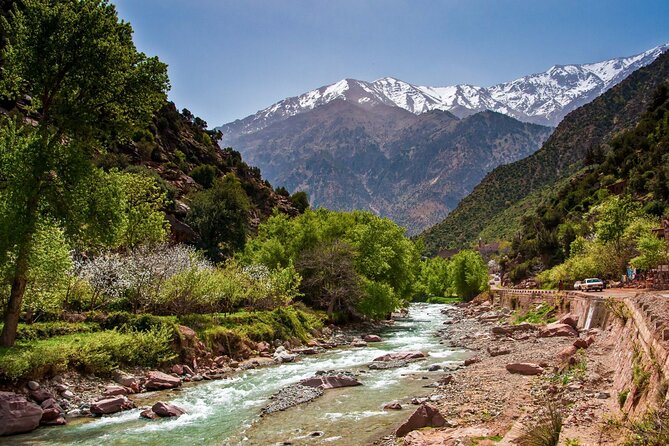
Marrakech has a way of wearing you down with heat, traffic, and noise. This trip gives you a reset. You leave around 9:00am and trade city streets for Atlas foothills—green valleys, rocky slopes, and water moving through the canyon-like terrain.
The driving part matters. The route heads roughly 65 km north of Marrakech, so you get out into the landscape fast enough that the day still feels like a day trip, not a travel slog. And because an air-conditioned vehicle is included, you’re not arriving sweaty and cranky at your first stop.
What makes the day work is that it’s built around stops that actually change what you’re doing. You don’t just look; you drink tea, meet people, walk to waterfalls, and take in viewpoints. That variety is a big part of the value.
A few more Marrakech tours and experiences worth a look
From Café de France to the Atlas foothills: your first move of the day
The tour starts at Café de France on Rue des Banques in central Marrakech (meeting point at 72 Rue des Banques, Marrakech 40000). Pickup is also offered from your hotel or riad, which is a huge practical win in Marrakech—no hunting for buses, no figuring out where the group is meeting.
Right after the 9:00am start, you begin your run toward the Atlas region. There’s a short 30-minute stop at the starting area with an included admission ticket. The exact details of that entry aren’t spelled out, so keep it simple: think of it as a quick organized start before you head out.
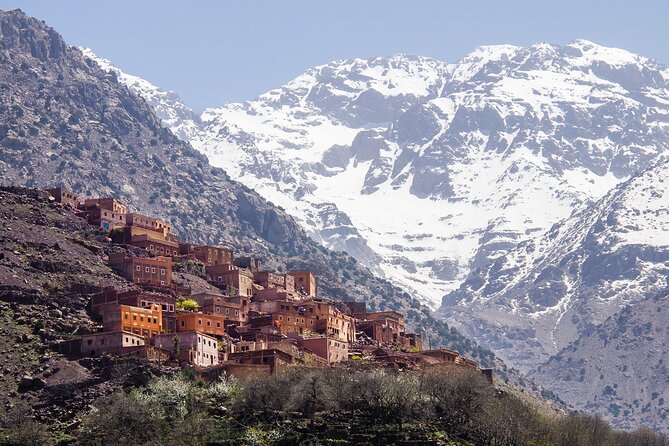
From there, you’re in countryside mode. The Ourika region is known for water and irrigation, and your route reflects that—moving toward places like the Haouz plain and the abandoned settlement of Aghmat (before Islam, founded by Berbers, according to the tour overview). Even if you’re not a history person, it helps to understand why the valley looks the way it does: water in rocky terrain turns “just a drive” into something you can read.
Possible drawback to note: if you’re the kind of traveler who hates early starts or likes to linger over breakfast, this 9:00am departure can feel tight. But it’s also the reason you get to enjoy the valley rather than just rush through it.
Tnine Ourika: the Berber tea welcome that changes the whole tone
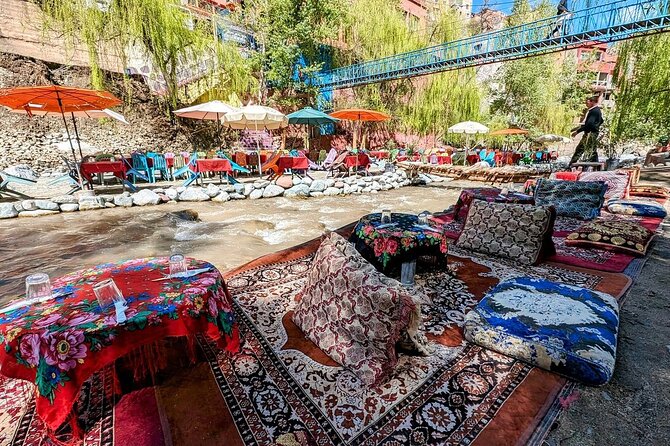
If there’s one stop that sets a warm, human tone for the day, it’s the Tnine Ourika visit. You spend about 30 minutes in the village area and get invited into a traditional house of a Berber family.
You’ll be welcomed with a cup of mint tea, and this is where the tour becomes less touristy and more everyday. The goal here isn’t a performance. It’s conversation and cultural context: how people live, what daily routines look like, and how traditions connect to the mountain environment. In practical terms, this stop is also a break from walking. Even if you’re comfortable on foot, it helps to sit down for a moment, drink something hot, and reset your energy.
A helpful tip: bring patience for slow conversation. Tea time moves at a human pace, not a clock. You can also use that moment to ask your guide a few questions—why the valley grows what it grows, how life changes between seasons, or what you should look for as you move toward Setti Fatma.
Setti Fatma: waterfalls, cliff paths, and a real chance to smell the mountain air
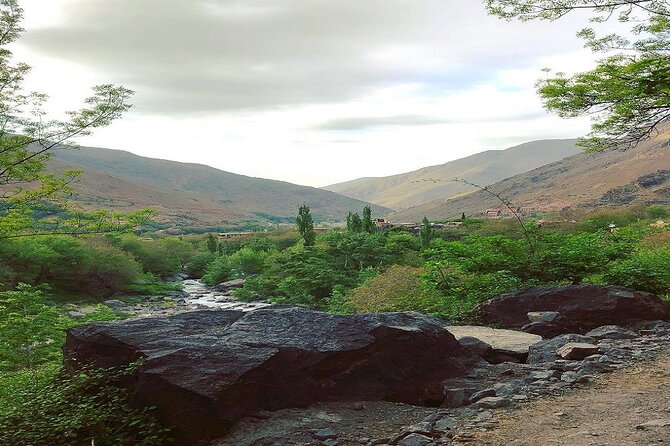
Setti Fatma is the highlight for most people on this route—and the tour gives it a long block of time. You enter the Ourika valley and spend about 4 hours around the waterfall area.
What to expect from the hike: you move through cliffs and green valleys and head toward the seven waterfalls at Setti Fatma. The tour doesn’t market this as a full-day expedition, but it is still a hike. You’ll be on paths that can be uneven. This is one of those experiences where good shoes matter more than fancy gear.
You also pass terraces tied to older agricultural practices. Again, you don’t need a textbook for this to make sense. When you see terraced slopes and irrigation patterns, it becomes obvious that people shaped the land to survive—and that survival is what made the valley fertile.
After the walking, you’ll find a restaurant with mountain views where you can purchase Moroccan dishes. Here’s the value angle: lunch is included in the tour package, but the restaurant stop is where you can also browse what you want to add. Drinks aren’t included, so if you like a cold soda or bottled water on top of lunch, budget for it.
If you’re short on energy, aim for the most comfortable viewpoint along the way and don’t feel like you have to chase every single waterfall from the farthest point. The day is built so you’ll still come away impressed even if you keep the pace realistic.
Beyond the valley: Haouz, Aghmat, Ighref, and the Jebel Yagour viewpoints
This is one of the reasons the tour feels more complete than the typical “only waterfalls” version. The overview explains a routing sequence that adds variety: the Haouz plain, the abandoned settlement of Aghmat, then Ighref as a hike start point toward Jebel Yagour—a peak associated with rock art.
Even without a separate timed stop for each name, the point is what it adds to your day:
- Aghmat helps you place the region in a longer timeline (Berber settlement before Islam).
- Ighref/Jebel Yagour turns the hike day into a viewpoint day, where the scenery isn’t just “pretty valley,” it’s also “look at the people living in the slopes.”
From Jebel Yagour, the promise is panoramic views of little Berber communities and the whitewater flowing down rugged slopes, feeding irrigation in the Ourika valley. The practical takeaway: if your timing is good and the light hits right, those wide views are the kind of photos you’ll actually be proud of back home, not just quick snapshots.
One consideration: because this portion ties to hiking and viewpoints, cloud cover or poor weather can change what you see. The tour states it requires good weather, and that matters more in the mountains than it does in a city museum.


Guides make the difference: safety, humor, and clear explanations
You’ll get a certified guide (English, Spanish, French). That’s the baseline. What elevates this trip is how guides handle the flow: managing a group while still making the day feel personal.
I’ve seen the best versions of this tour run with guides like Toufik, who people describe as both funny and helpful, and with guides such as Adnan who helps you feel safe, which is a big deal when you’re on foot around slopes and water. In some cases, guides like Belhadi are noted for explaining what you’re seeing clearly.
Here’s what you should do before you start walking: take a second to orient yourself with the guide. Ask how long the hike segment is expected to take, where the best stops are for breaks, and what the easiest path back looks like if your legs feel heavy. Doing this early prevents stress later.
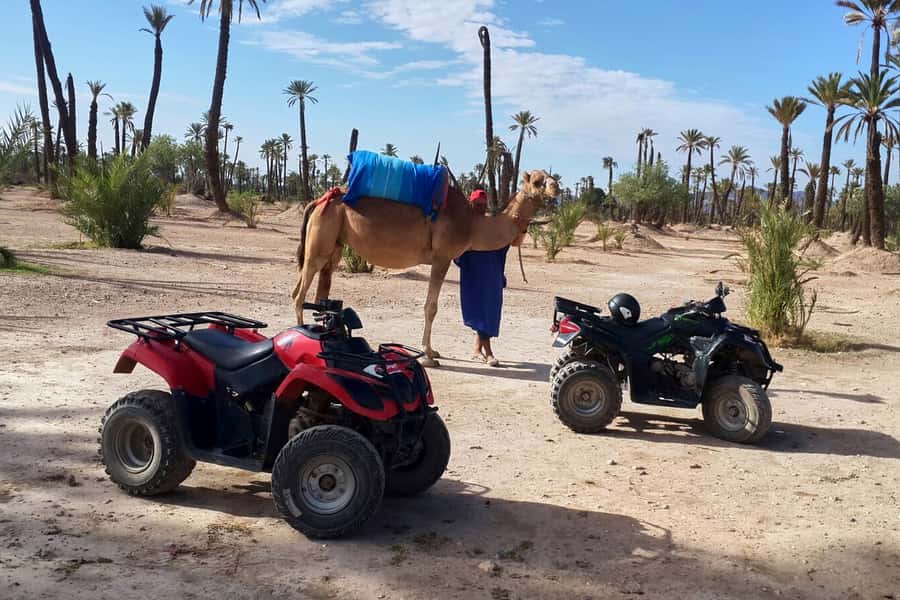
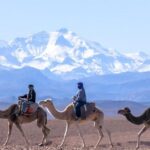
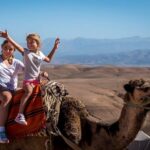
Also: the tour includes a camel ride. Camel rides can be fun, but they can also be dusty and a bit awkward if you’re not used to sitting up high. Wear clothes you don’t mind getting a little dirty, and be ready for short, practical instruction from the staff.
Price and what you actually get: is $35.32 a good deal?
The price is $35.32 per person, and it’s typically booked about 15 days in advance. On paper, that sounds modest—so you should judge it by what’s included.
Here’s the value math that matters:
- Pickup and drop-off from your hotel or riad (huge in Marrakech)
- Air-conditioned vehicle
- Certified guide
- Lunch included
- Mint tea included as part of the Berber welcome experience
- Camel ride included
- Mobile ticket for easy access
What you do not get: drinks and any extra transfers. That’s normal on day trips, but it’s worth planning for. If you like bottled water, juice, or soft drinks, bring cash or plan to buy them at stops.
The biggest hidden cost isn’t the money—it’s your energy. This trip makes room for walking, so factor that into what you pack. Good shoes and a light layer can save you more comfort than spending extra on extras.
Group size is another part of the value. The tour can have up to 54 travelers. That’s not tiny. In a big group, your guide will work harder to keep everyone together, and you’ll spend more time following the schedule than wandering freely. Still, you get a structured day, and at this price point, that structure is a plus.
Timing and pacing: from 9:00am pickup to a 4:00–5:00pm return
The tour lasts about 7 hours. You start at 9:00am and return around 4:00–5:00pm, with drop-off back at your hotel or riad.
That timing is realistic for seeing the valley without turning it into an all-day ordeal. It also means you’re not stuck in the mountains through the late evening when visibility drops.
What I’d do to make the day smoother:
- Eat breakfast but don’t overdo it. You’ll likely have lunch included later, and tea stops come earlier.
- Bring a small bag you can keep with you on the hike.
- Assume you’ll move between sunny spots and shaded paths.
If the weather turns bad, the tour says it requires good weather and offers another date or a full refund. That gives you flexibility, but it also means you shouldn’t schedule a must-do plan right after the trip.
Who this Ourika day trip is best for (and who should skip it)
This is a strong pick if you want:
- A short, structured escape from Marrakech
- Real time in Berber villages, not just photo stops
- A hike that leads to waterfalls
- Guides who explain the route and keep things organized
It may not be ideal if you:
- Hate walking on uneven terrain (Setti Fatma involves hiking)
- Want total freedom to roam without a schedule (this tour runs with timed stops)
- Travel with very specific mobility needs (the day includes hiking segments, even if the pace can vary)
If you like a mix—culture + views + one active stretch—this tour fits nicely.
Should you book this day trip?
I think you should book it if you want a simple way to see why the Ourika Valley is famous: water in mountain country, Berber life tied to the valley, and that satisfying waterfall payoff at Setti Fatma. The included pickup, lunch, mint tea, and camel ride make the price feel fair, not flimsy.
I’d only hesitate if you’re trying to avoid any hiking at all or if you’re traveling during a period where mountain weather is unpredictable. If you’re prepared for walking and you can be flexible with weather, this is one of the better ways to spend a day outside Marrakech.
FAQ
What time does the tour start?
The start time is 9:00am, with pickup from your hotel or riad offered.
How long is the day trip?
The duration is about 7 hours.
Where is the meeting point in Marrakech?
The meeting point is Café de France, 72 Rue des Banques, Marrakech 40000, Morocco.
Do I get pickup and drop-off?
Yes. Pickup / drop-off is included, and you’ll be dropped back at your hotel or riad between 4:00–5:00 PM.
What languages are offered for the guide?
The guide is certified and available in English, Spanish, and French.
Is lunch included?
Yes. Lunch is included in the tour.
Is a camel ride included?
Yes. Camel ride is included.
Are drinks included?
No. Drinks are not included.
What should I know about weather and cancellations?
The experience requires good weather. If canceled due to poor weather, you’ll be offered a different date or a full refund.
What is the cancellation policy?
You can cancel for a full refund up to 24 hours before the experience’s start time. If you cancel less than 24 hours before, the amount paid isn’t refunded.