REVIEW · MARRAKESH
A Day With The Berbers – 3 Valleys Day Trip from Marrakech
Book on GetYourGuide →Operated by Marrakech Day Trips - Tours · Bookable on GetYourGuide
Atlas peaks are closer than you think. This 8-hour 3 Valleys day trip turns Marrakech’s noise into High Atlas mountain air, guided by a local Berber who actually explains what you’re seeing, not just where to stand. You also get hands-on culture time in Imlil Valley, with village stops, terraced fields, and time for views near Toubkal.
I especially like the focus on a local Berber guide (small group, English-speaking option) and the built-in rhythm of short climbs plus breaks. Lunch is also a real feature here, not a quick sandwich stop: a family guesthouse meal with mint tea, and even the bread baked around the fire gets attention. One thing to consider: this day includes walking on rock steps and some rough terrain, and the camel ride is physical enough that you’ll want a decent fitness baseline.
In This Review
- Five things that make this Berbers day trip work
- How this trip avoids the drive-by feeling in the Atlas
- Marrakech pickup to Tahnaout: the mountain-air warm-up
- Asni, souks, and the argan oil co-op: quick stops with real purpose
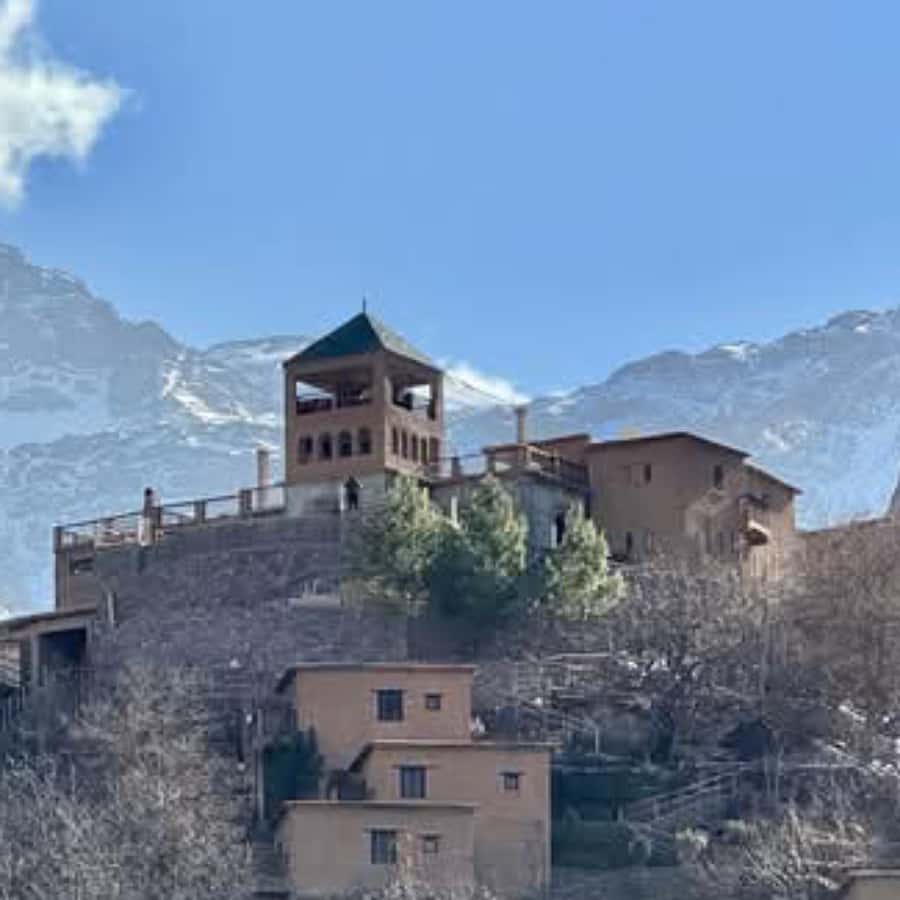
- The drive through Ait Mizan, Targe, and Imoula: where the scenery comes alive
- Imlil arrival: mint tea, village introductions, and a clear game plan
- The trek: choose 1 to 3 hours without losing the day
- Lunch at the family guesthouse: bread from the fire and mountain views
- Camel ride at Moulay Ibrahim River: fun, but go in realistic
- Price and value: why $29 can make sense here
- Who this Berbers day trip fits best
- Logistics you should plan for before you go
- Should you book A Day With The Berbers: 3 Valleys from Marrakech?
- FAQ
- What is the duration of this 3 Valleys day trip?
- How much does it cost per person?
- What time does pickup start from Marrakech?
- What’s included in the price?
- Is lunch included, and what is it like?
- How long is the trek?
- Do I need to speak English during the tour?
- What should I bring for the day in the High Atlas?
- Is the tour suitable for everyone?
- Is alcohol allowed?
- FAQ
- What’s the small group size limit?
- Can I cancel for a full refund?
- What are the pickup and drop-off areas?
Five things that make this Berbers day trip work
- A small group (up to 12) with an English-speaking guide, so questions don’t get lost in the crowd
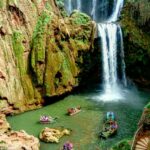
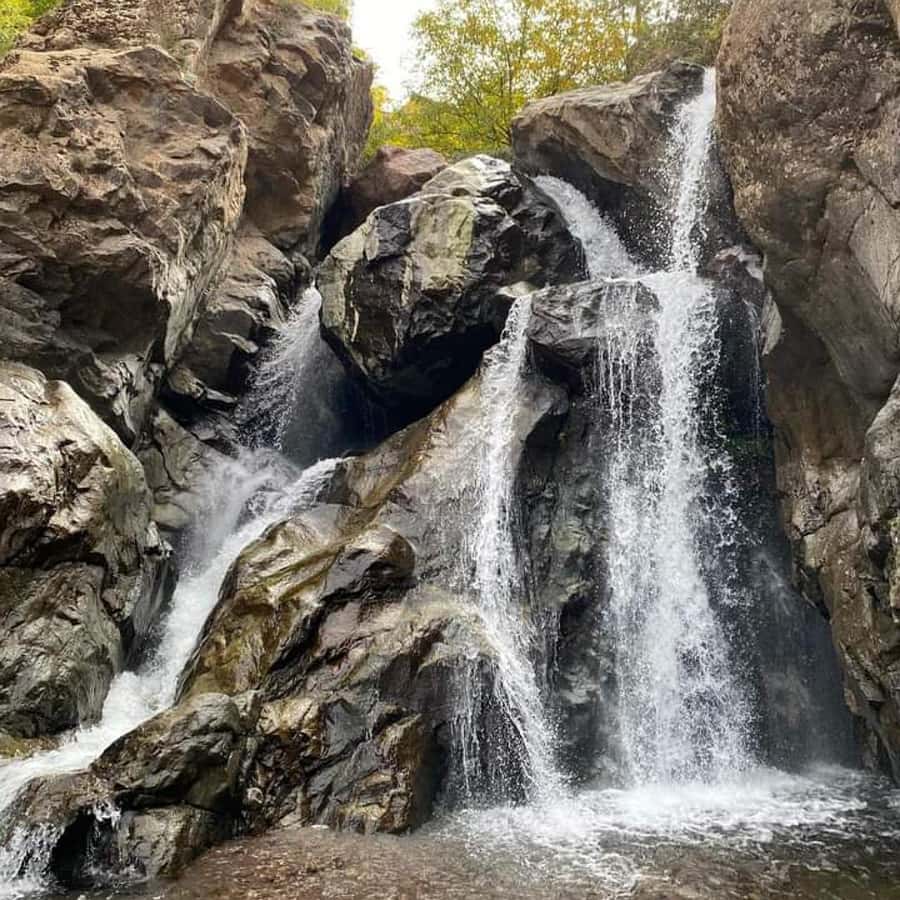
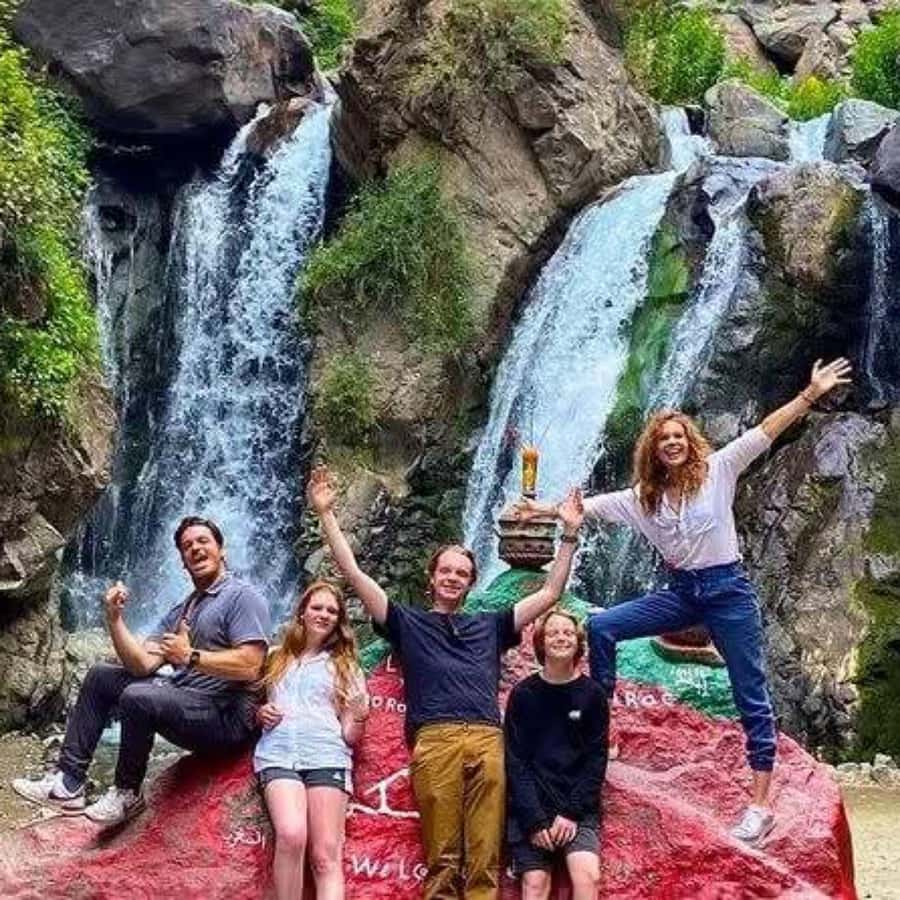
- Imlil Valley + Toubkal National Park scenery with waterfalls, hamlets, and terraced fields along the route
- Real village time in Ait Souka, plus tea breaks where the guide fills in the background
- Trek choice (about 1 to 3 hours) so you can match the hike to your energy
- Camel ride near Moulay Ibrahim River, timed for the return to Marrakech
How this trip avoids the drive-by feeling in the Atlas
Most “valley tours” start with a busload of people and end with photos. This one is structured like a day with a guide: pickup, mountain travel, stops that explain the region, and then time to actually walk in the villages and toward the National Park.
You’ll move from Marrakech to the High Atlas in an air-conditioned 4×4, which matters because the change in temperature is real once you climb. The day also gives you multiple chances to pause—at markets, viewpoints, and tea breaks—so you’re not constantly in transfer mode.
The biggest quality here is the human layer: names like Abderriham Didi (and his driver Oussama) show up in the feedback, along with guides such as Hamza and Rasis. That’s not just nice customer service; it’s how you get context for what you’re seeing—especially in places like Imlil, where the details are easy to miss if you only look at the scenery.
A few more Marrakesh tours and experiences worth a look


Marrakech pickup to Tahnaout: the mountain-air warm-up
You start around 9:00am with pickup options across central areas (HOTEL RACINE MARRAKECH, Hotel Riu Tikida Palmeraie, Jemaa el-Fna area like Bab Aylan, and similar spots). The driver walks to your accommodation to help you navigate the medina’s maze—small detail, big stress-saver.
Then it’s into the 4×4 toward Tahnaout. You’ll get a 45-minute stop that’s part break, part orientation: photo stop, free time, and a coffee/tea moment. There’s also a safety briefing. Practical tip: use this stop to reset your posture and hydration. Once you start walking in rocky sections later, you’ll be glad you started the trek feeling ready instead of rushed.
Even if you’re only in the car for part of the day, this early segment sets the mood. The journey passes through Asni and then climbs into cooler air, and that temperature shift is half the “wait, wow” effect of the High Atlas day.
Asni, souks, and the argan oil co-op: quick stops with real purpose
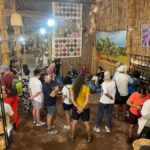
On the way up, you stop at an argan oil co-operative. You’ll see how the product is made—traditional work with a modern organization around it. If you’ve ever wondered why argan oil matters beyond souvenirs, this is where you get the connection to local livelihoods.
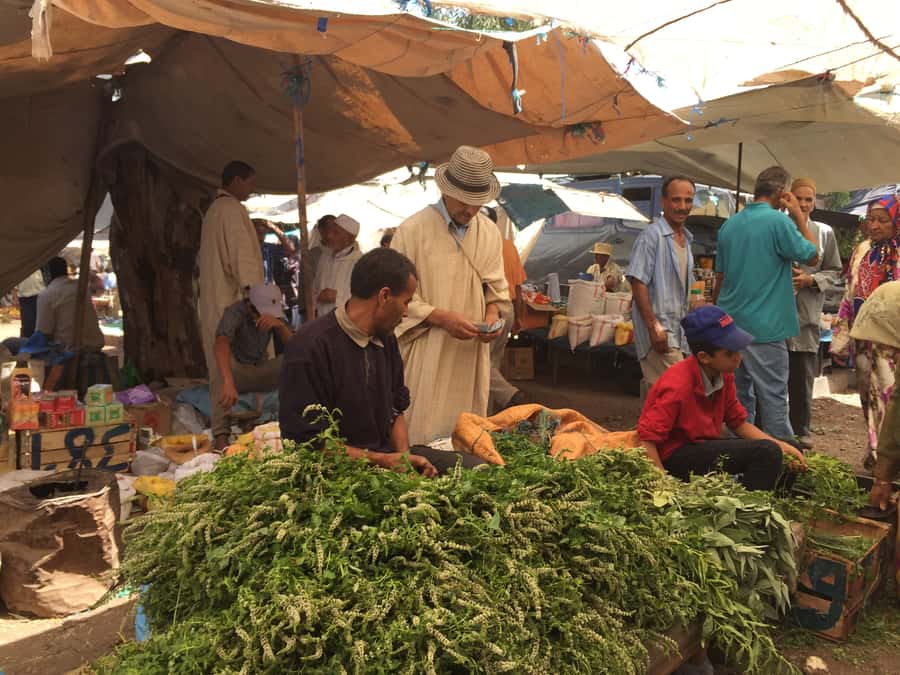
There’s also a traditional souk stop where shopping with Berbers can happen on Tuesday & Saturday only. On other days, you may not catch that specific market rhythm, but the region-based visits still keep the drive from feeling like a straight line to the mountains.
What I like about this setup is the variety: you’re not only seeing landscapes—you’re seeing how the economy and daily life connect to the mountains. You also get off the main road in the 4×4 for your first stronger views of Atlas peaks.
The drive through Ait Mizan, Targe, and Imoula: where the scenery comes alive
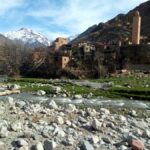
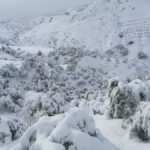
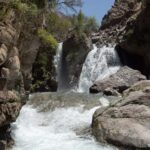
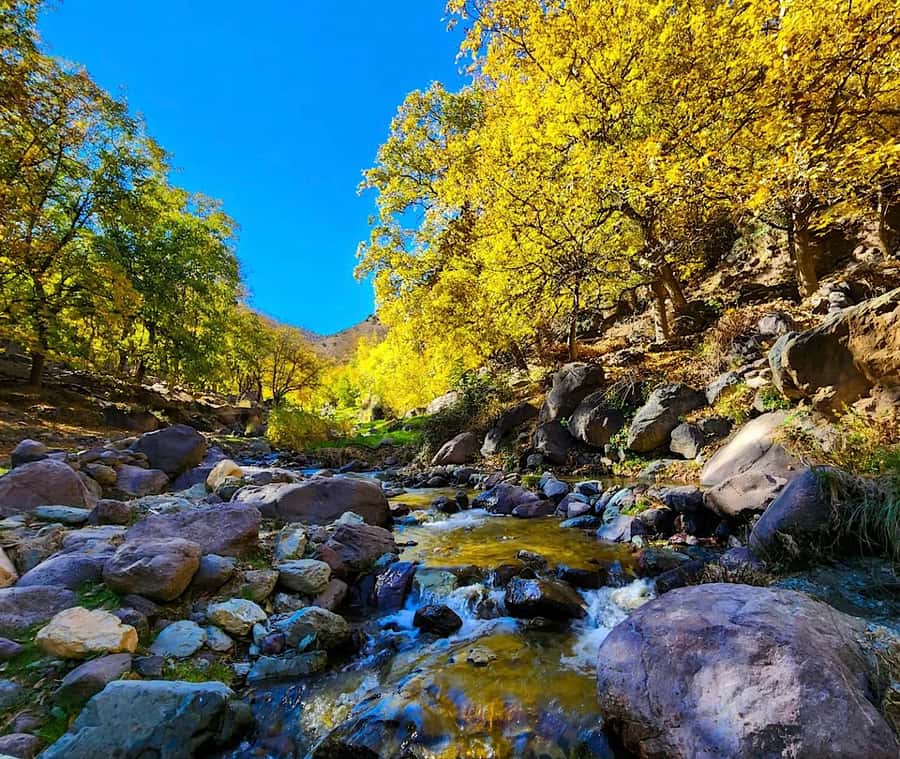
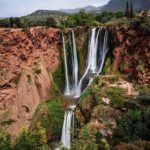
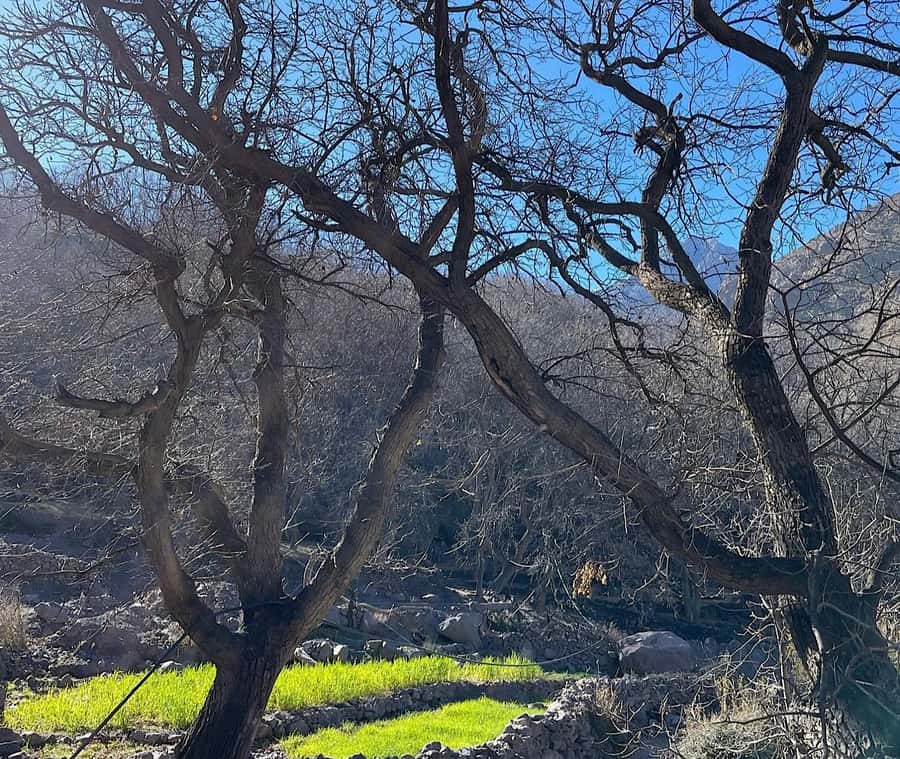
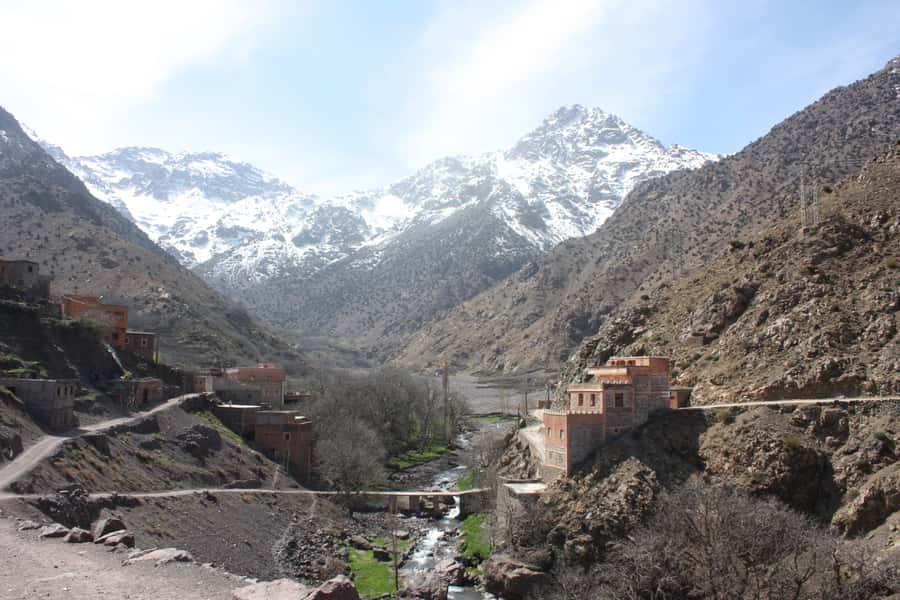
The route toward the Imlil area passes by hamlets named Ait Mizan, Targe, and Imoula, plus you’ll have chances to see waterfalls and ancient irrigated terraces. The terraces are planted with barley, corn, and vegetables, and they sit under cherry and walnut trees.
This is the part you’ll remember because it’s not just “big mountains.” It’s mountains that have been worked for generations—water managed, fields maintained, and communities built around steep terrain. It’s also where the guide’s commentary really matters. Without it, you’d likely treat these as pretty views. With it, you start noticing why the irrigation lines, tree patterns, and hamlet spacing make sense.
A quick reality check: this is a full day. Expect plenty of “stop, look, move” moments. If you’re the type who needs long stretches of time to absorb a view, you’ll still enjoy it—you just have to accept short pauses rather than one long scenic pull-over.
Imlil arrival: mint tea, village introductions, and a clear game plan
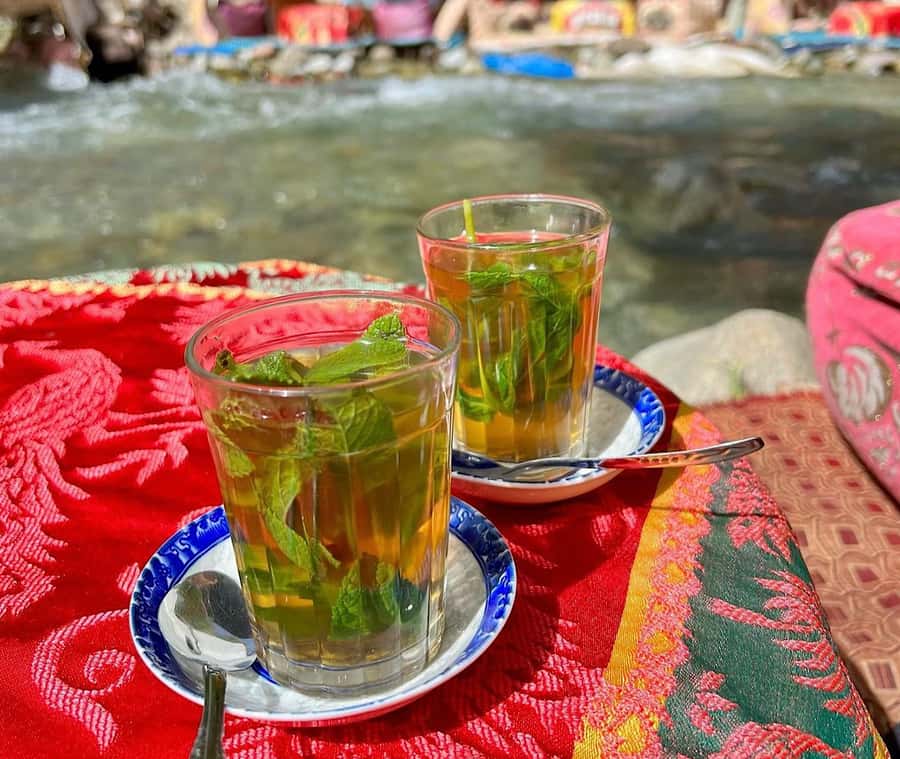
Once you reach Imlil, you’ll be served a glass of mint tea and given a rundown of the day. This is where the guide brings the valley into focus: what you’ll walk through, which parts are easiest to enjoy, and what to watch for as you move.
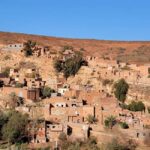
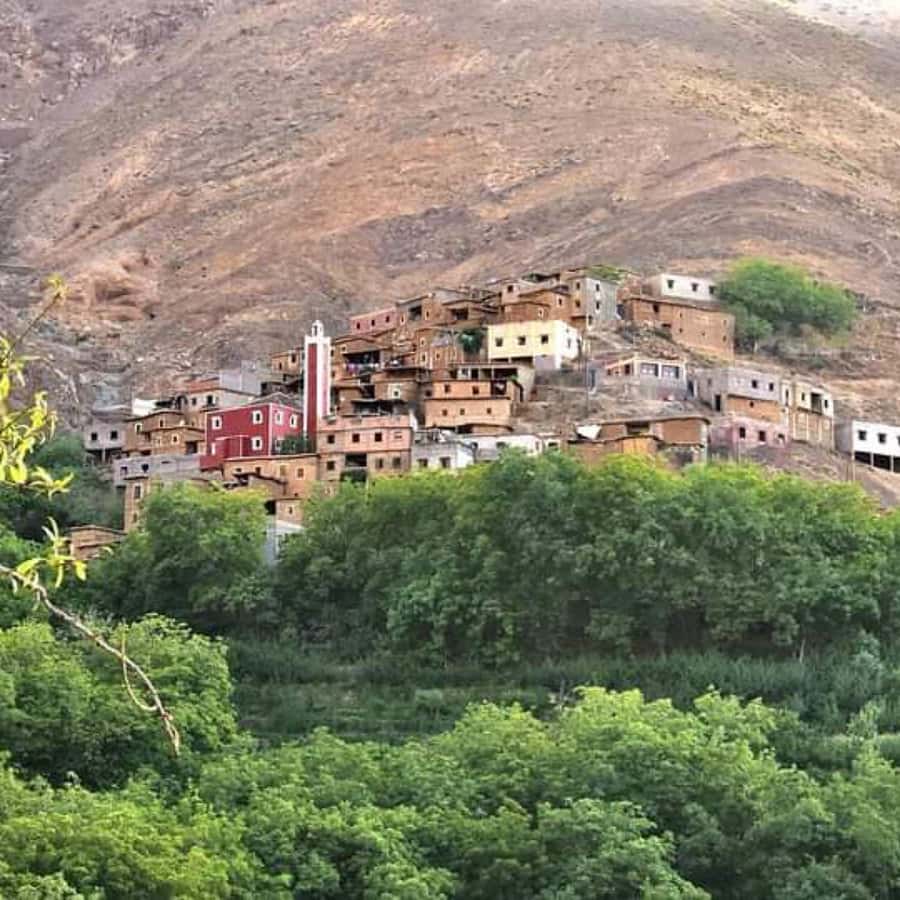
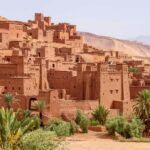
Then it’s time for the village portion. You’ll tour Ait Souka and you’ll likely get a feel for daily routines—homes, routes, and how the village connects to the surrounding mountain life.
This segment is also useful for first-timers to the Atlas because you’ll see how people live where slopes are steep and space is limited. It’s one thing to read about Berber village life; it’s another to step into a place where daily practical choices shape the layout.


The trek: choose 1 to 3 hours without losing the day
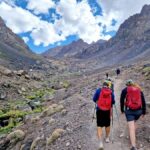
Your trek is about 1 to 3 hours, and you get to decide the length. That’s a big deal. Some day trips sell a “hike” and then pressure you to go longer than you planned. Here, the flexibility means you can match your pace and still enjoy the cultural stops and lunch.
What you should prepare for is the terrain: you’ll walk on steps formed out of rocks, and comfortable shoes (trainers are recommended) make a real difference. Bring warm clothing even in warmer months because mountain temperature can drop quickly, especially if the wind picks up.
If you choose the shorter option, you’ll still get the “High Atlas air + village views” payoff. If you choose longer, you’ll feel rewarded, but don’t treat it like a fitness test. The goal is time with the valley, not bragging rights.
Lunch at the family guesthouse: bread from the fire and mountain views
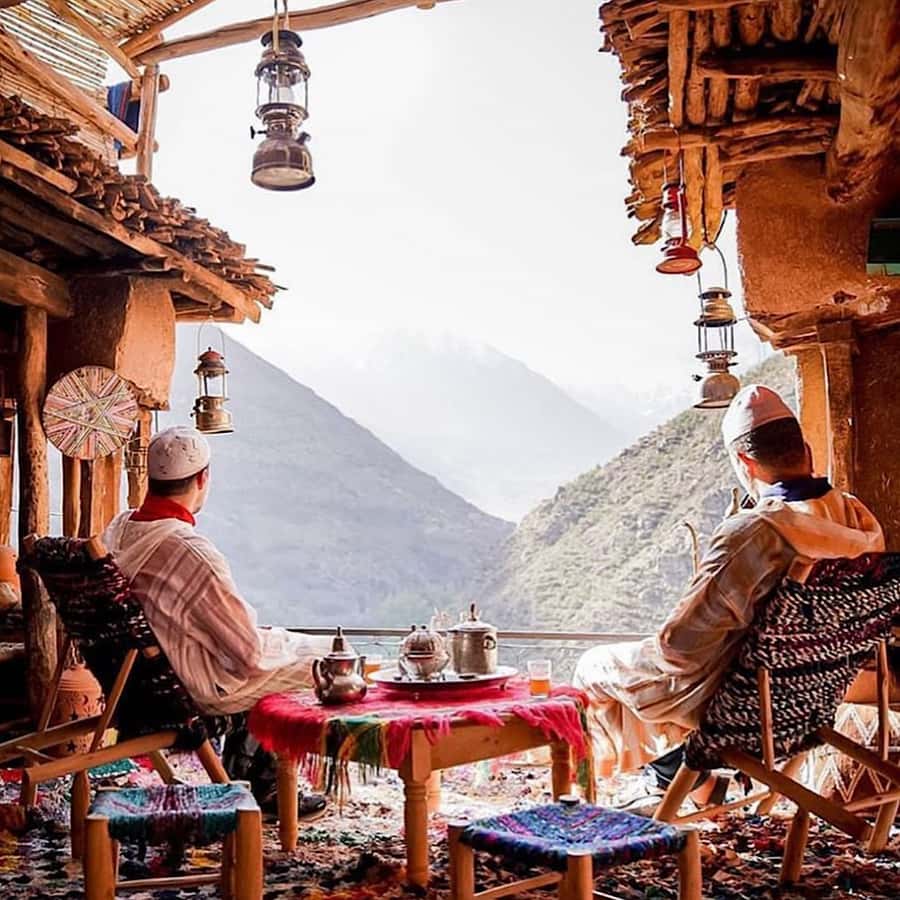
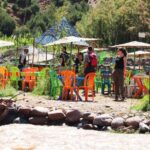
After your walk and village time, the day slows down for lunch at a family-run guesthouse. The bread is cooked fresh around the sides of the fire, and your meal comes with amazing mountain views.
Food is where this tour earns extra points because it’s part of the experience, not an afterthought. In the feedback, you’ll see praise for typical dishes such as a chicken tajine, and the general vibe is that the meal is hearty and genuinely local.
Practical advice: treat lunch as your energy anchor. Even if your trek option is shorter, you’ll still likely have walked a lot of steps. Eat well, drink water, and enjoy the pause. Mountain days often feel longer than expected once you add sun, elevation, and stone steps.
Camel ride at Moulay Ibrahim River: fun, but go in realistic
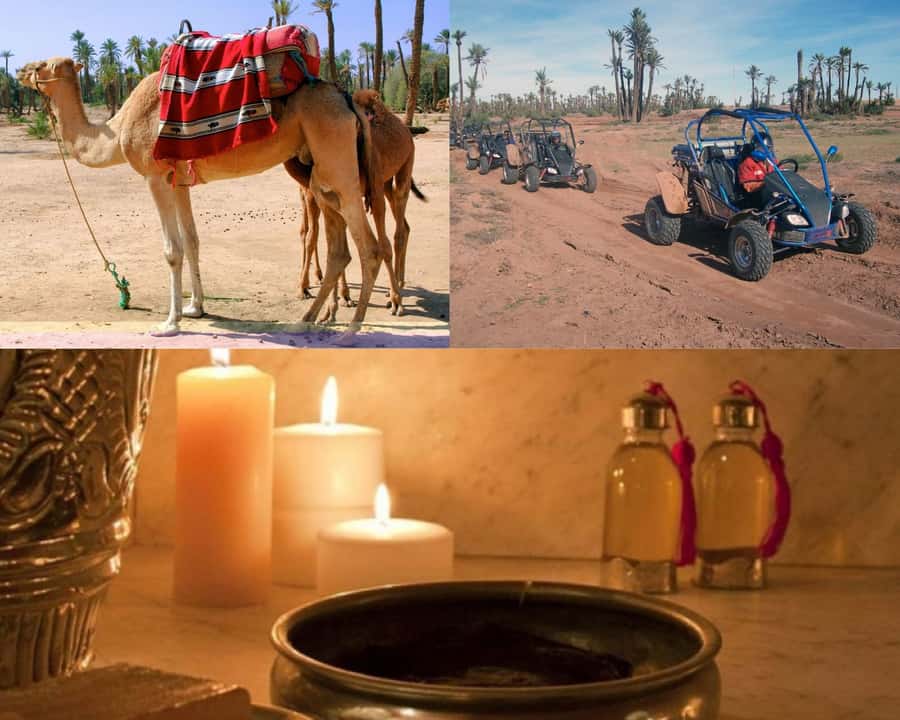
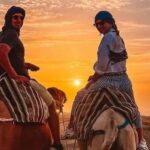
On the return toward Marrakech, you can stop for a short camel ride at Moulay Ibrahim River. The experience is described as camel or mule, so you’ll want to stay flexible depending on what’s arranged that day.
This is one of those “sounds easy” activities that can be surprisingly physical—especially if you’re not used to sitting upright for a moving ride on uneven ground. The upside is the classic Morocco feel: you get the animal, the photo moments, and a strong sense of the place.
If you’re riding, do it with good posture and keep your hands steady. You don’t need to be an athlete, but you should be comfortable with a bumpy ride and basic motion.
Price and value: why $29 can make sense here
At $29 per person for an 8-hour day trip, the value comes from the mix: transport up into the High Atlas region, a guide, a meal, tea/coffee, and a ride.
Most cheap day trips end up cutting costs by skipping the human part or the food part. Here, the tour is clearly built to include guide-led storytelling and a real lunch stop. The small group size (limited to 12) also helps. Larger groups may reduce the “you get questions answered” feel, and that matters when the day’s value is tied to understanding what you’re seeing.
One more practical point: you’re not just paying for a view. You’re paying for the logistics of getting from Marrakech to Imlil, plus the mini stops along the way (argan co-operative, Tahnaout break, village visit) that turn a scenic drive into an actual day.
Who this Berbers day trip fits best
This is a strong match if you want:
- Culture with walking, not just sightseeing from a vehicle
- A small group and a guide who explains Berber life and the valley’s landmarks
- Choice in hiking time (1–3 hours), plus breaks and tea stops
- A day built around Imlil Valley and High Atlas scenery with a real lunch
It’s less suitable if you:
- Want minimal walking. The rocky steps and some uphill sections can add up.
- Are pregnant, since it’s not listed as suitable for pregnant women.
- Are hoping for a fully relaxed, no-schedule day. This is structured, and you’ll move through several stops.
Also note the rule: no alcohol and no drugs.
Logistics you should plan for before you go
This day works best if you pack for cold air, even if Marrakech feels warm. Bring:
- Warm clothing
- Sunglasses
- Camera
- Comfortable shoes (trainers recommended)
If you get car-sick easily, it can help to sit toward the front in the 4×4. The itinerary includes multiple stops and turns on mountain roads, so the ride can feel active.
Finally, keep expectations realistic about timing: pickup starts around 9:00am, and you’ll return to your accommodation after the camel stop. This is an 8-hour day, not a half-day drift.
Should you book A Day With The Berbers: 3 Valleys from Marrakech?
If you want a day that feels like it’s led by local knowledge—especially around Imlil Valley and the approach to Toubkal National Park—this is a good booking. The trek flexibility (1 to 3 hours), the small group size, and the fact that lunch is treated as part of the experience all add up.
I’d book it if you’re comfortable walking on rocky steps and you like cultural context as much as photos. I’d skip it if you’re looking for a mostly flat, low-effort outing, or if you’re pregnant.
If your priority is a one-day change of scenery with a guide you can talk to, this delivers.
FAQ
What is the duration of this 3 Valleys day trip?
The tour lasts 8 hours.
How much does it cost per person?
The price listed is $29 per person.
What time does pickup start from Marrakech?
Your adventure starts at 9am from your accommodation in Marrakech.
What’s included in the price?
Transport from your accommodation, an English-speaking guide (and other languages can be catered for), lunch, mint tea/coffee, and a camel ride are included.
Is lunch included, and what is it like?
Yes. You stop at a family-run guesthouse for lunch, and the bread is cooked fresh around the fire, served with mountain views.
How long is the trek?
The trek is about 1 to 3 hours, and you can decide the length.
Do I need to speak English during the tour?
An English-speaking guide is included, and other languages such as Spanish, French, and Arabic can be catered for.
What should I bring for the day in the High Atlas?
Bring warm clothing, sunglasses, and a camera. Comfortable shoes or trainers are recommended because there will be walking on rocky steps.
Is the tour suitable for everyone?
It is not suitable for pregnant women.
Is alcohol allowed?
Alcohol and drugs are not allowed.
FAQ
What’s the small group size limit?
The group is limited to 12 participants.
Can I cancel for a full refund?
Yes. You can cancel up to 24 hours in advance for a full refund.
What are the pickup and drop-off areas?
Pickup and drop-off include options such as HOTEL RACINE MARRAKECH, Hotel Riu Tikida Palmeraie, Jemaa el-Fna area (including Bab Aylan), with the tour ending at those listed drop-off locations.