REVIEW · MARRAKECH
4-Days Adventures from Marrakech to Fez via Gorges & Desert
Book on Viator →Operated by Marrakech desert tour · Bookable on Viator
Crossing Morocco like this feels fast and personal. In four days, you go from Marrakech to Fez through the High Atlas and end up on the dunes of Erg Chebbi, with a real overnight desert camp and camel ride. I like that it’s a guided, structured trip—you’re not just hopping between cities on your own—and you still get plenty of genuine stops along the way, from Ait Ben Haddou to the gorges.
My favorite part is the day rhythm: big scenery breaks (Tizi-n-Tichka pass, UNESCO kasbahs, Todra Gorge walks) plus the desert night where you actually slow down and look at the stars. The main consideration is pace. This is a lot of driving in a short time, and lunch and drinks cost extra, so you’ll want to budget and stay flexible on meal timing.
In This Review
- Key highlights at a glance
- Marrakech to Tizi-n-Tichka and Ait Ben Haddou’s UNESCO kasbah
- Ouarzazate stops that feel like Morocco’s film set—without the theme-park vibe
- Dades Gorges at sunset: the best kind of tired
- Erg Chebbi: camel ride, mint tea, and a Berber tent night
- Sunrise behind the Algerian border and the drive into Fez
- Price and logistics: what $350 buys (and what it doesn’t)
- Group size, vehicle time, and packing for real walking
- Who this Marrakech-to-Fez adventure suits best
- Should you book this Marrakech to Fez tour?
- FAQ
- Is pickup included?
- How long is the tour?
- What does the price include?
- Are meals beyond breakfast and dinner included?
- Do I need to pay entrance fees?
- What desert experience is included?
- Are there any special fitness or walking requirements?
- How big are the groups?
- Is it good for kids?
- What should I wear?
Key highlights at a glance
- Tizi-n-Tichka views on the way out of Marrakech, including a mint tea stop at altitude
- Ait Ben Haddou UNESCO kasbah and Ouarzazate’s film-favorite sites
- Dades Gorges sunset dinner and an easy, scenic walk through the canyon
- Todra Gorge with time to stretch your legs in a dramatic rock corridor
- Erg Chebbi desert camp night in a Berber tent, with mint tea and stargazing
- English-speaking professional driver roles highlighted by names like Mohammed, Mustafa, Hassan, and Dissou/Driss
Marrakech to Tizi-n-Tichka and Ait Ben Haddou’s UNESCO kasbah
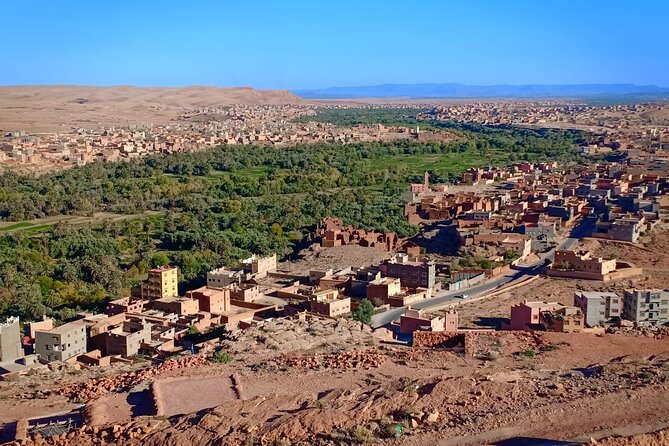
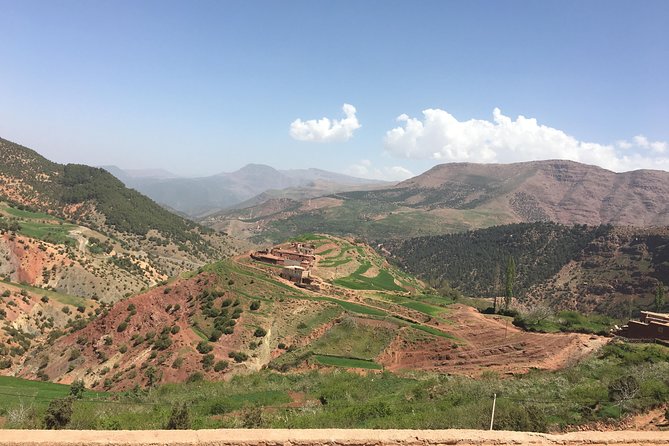
If you’re the type who likes seeing Morocco’s “in-between” places, the first push out of Marrakech is a good start. You ride through the High Atlas via the Tizi-n-Tichka pass, a road that climbs from the plains up to about 2,260m above sea level. That altitude shift matters. The air feels different, the views open up, and the villages along the route make the drive feel like more than transit.
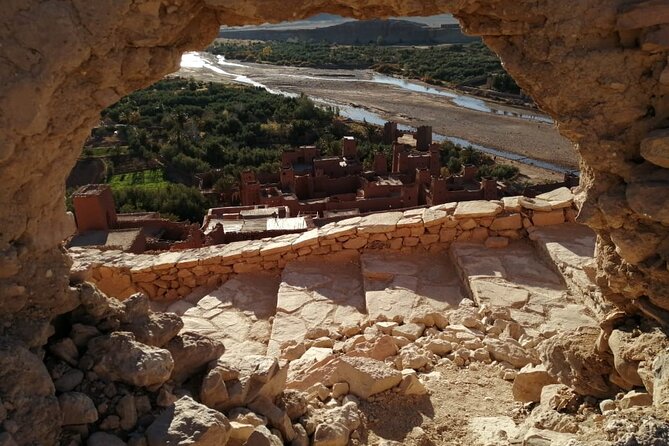
A practical touch here: you can stop on the pass for mint tea. It’s a small thing, but it helps break up the day and gives you a moment to take pictures without feeling rushed. Then the trip turns toward one of Morocco’s most famous movie-and-myth locations: Ait Ben Haddou, a UNESCO World Heritage kasbah.
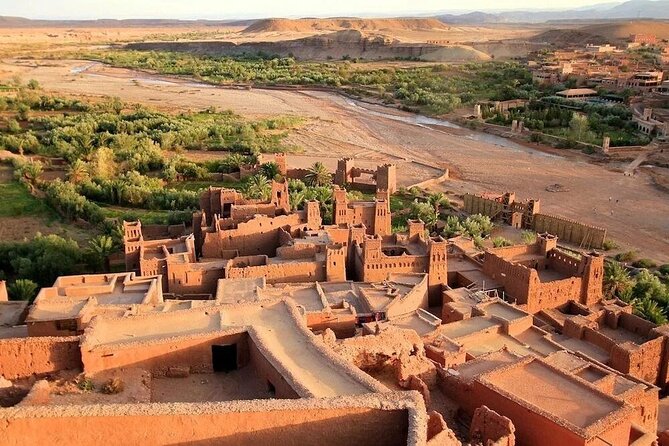
This is the kind of place where the details are the point. You’re looking at earthen architecture designed to last, set into the contours of the land. Even if you only have a couple of hours, it’s enough time to walk the area and understand why filmmakers keep coming back to this look. One warning I’d give you: bring comfortable shoes and don’t over-plan your photo stops—some sections are uneven.
You can also read our reviews of more tours and experiences in Marrakech.
Ouarzazate stops that feel like Morocco’s film set—without the theme-park vibe
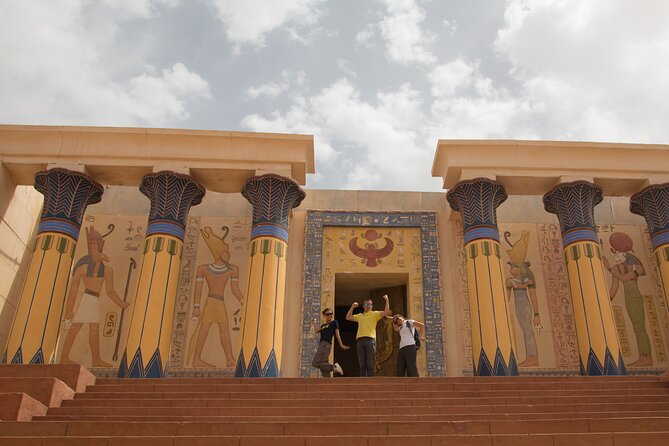
From the pass, the route continues toward Ouarzazate, which many people know as a hub for film productions. Here, you’ll visit the Kasbah of Taourirt, plus Atlas Studios. This is one of the tour’s best “surprise” value moments: it gives you a sense of how Morocco’s scenery gets used on screen—then lets you see the real place behind the camera work.
You should know the Atlas Studios entrance fee isn’t included (listed as about 8 Euros). That’s not a deal-breaker, but it is the kind of cost that can catch you off guard if you assume everything is covered. If you’re the type who dislikes paying for extras, ask at booking whether you want to skip that stop or plan your budget.
You’ll also pass through the Valley of Roses. Even if you’re visiting outside peak rose season, the stop helps you understand the regional identity—this area is tied to agriculture and seasonal rhythms, not just scenery. Then you roll into the Dades Valley with the goal of being in position for sunset.
Accommodation on this first night is an auberge in the Dades area (like Auberge Panorama or similar). Expect “simple and comfortable,” not luxury hotel polish. You’re here to wake up and see gorges, not to sit in a spa.
Dades Gorges at sunset: the best kind of tired
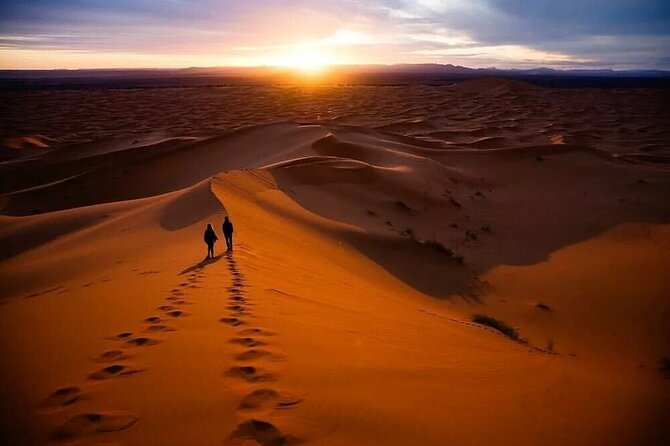
Day two starts with Dades Gorges on foot. The tour includes a walk through the gorge area in the morning, which is a smart choice. Walking earlier tends to mean less heat and fewer timing problems, and it also makes the gorge feel real—not like a photo stop.
After that, you head toward Todra Gorges, with a scenic route described as the road of the 1000 Kasbahs, passing through places like Tineghier village and historical kasbahs. This portion is less about one single “must-see” and more about stacking viewpoints and cultural textures—villages, old stone structures, and the feeling of moving through lived-in regions.
You arrive at Todra in time for lunch (lunch itself isn’t included), then take a walk in the gorge. Todra’s appeal is its tight, tall rock walls, where the canyon narrows and the light changes fast. If you’ve never walked in a canyon like this, it’s one of those spots where you feel the scale in your body.
By the time you roll toward Merzouga, you’re building toward the desert night. You typically arrive before sunset, which matters because desert experiences are all about timing: light first, then activities.
Dinner is included with the desert-area accommodation (like Ksar Merzouga or similar). This is one of the days where you’ll be glad dinner is handled, because you’ll likely be ready to eat and reset.
Erg Chebbi: camel ride, mint tea, and a Berber tent night
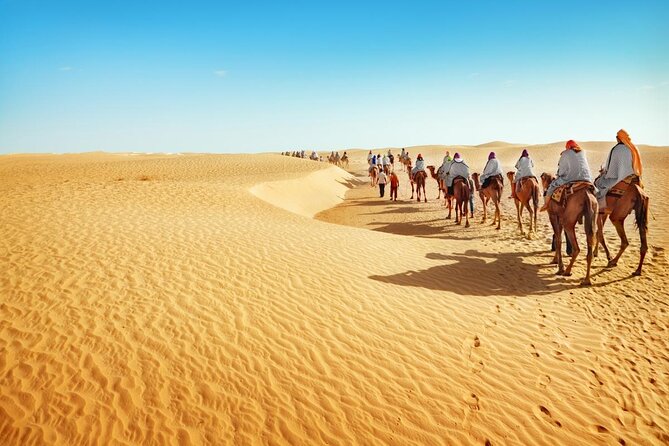
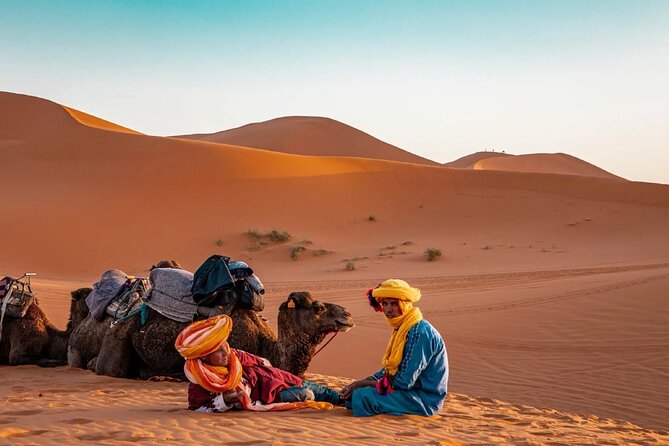
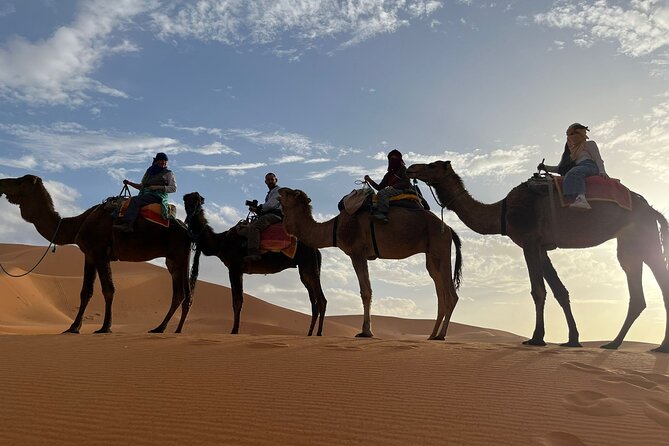
The heart of this route is the Erg Chebbi desert experience, and the tour does it in the classic, practical way: after breakfast and a bit of desert-region touring, you head out with camels for dunes at sunset.
Before the camel ride, you pass through desert villages and make stops with cultural flavor, including El Khamlia (where you can listen to Saharan music) and a visit to Rissani, described as the first capital of the Alaouite dynasty. You’ll also have time around the market and a chance to try local food in the area—one specific item noted is Pizza Berber. That’s exactly the kind of stop that makes a “desert tour” feel like a region, not a set.
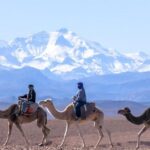
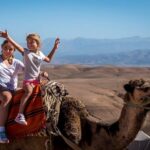
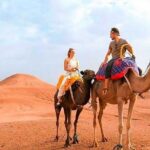
Then it’s back to Merzouga for mint tea while your camels and guide are ready. The camel ride itself is built around the dunes and the sunset view. After about an hour, you reach the desert camp, where you sleep in a Berber tent.
A few practical notes that help you enjoy this more:
- You’re sleeping in a tent as part of the package, so don’t expect hotel bedding quality.
- The camp includes dinner, plus mint tea after your arrival, and there’s time to watch the stars.
- This isn’t a “party camp.” It’s more about calm, sky time, and the slow pace you don’t get in big cities.
Entertainment is intentionally simple. One of the best parts is that the night is structured enough to feel safe and organized, but open enough that you can just stare at the sky without a schedule chasing you.
Sunrise behind the Algerian border and the drive into Fez
Day four begins early—because desert mornings are a different planet. You take a walk over the sand dunes to watch the sunrise, described as happening just behind the Algerian border, about 50km from Merzouga. That detail is useful because it gives you a sense of why the sunrise point feels special: you’re not just watching from the edge of town.
After sunrise, you return by camel to the hotel for a shower and some relaxation. Then the long but interesting drive to Fez starts.
The route uses Ziz Valley and runs through Berber villages, then transitions into the Middle Atlas Mountain area, including a stop through the Cedars Forest region. This is a good arc for your brain. After sand and stone walls, the trees and mountain air make Fez feel less like an arrival and more like the next chapter.
You typically reach Fez in the afternoon and are returned to your accommodations. That timing is helpful because it gives you daylight for orientation.
Price and logistics: what $350 buys (and what it doesn’t)
At $350 per person for roughly 4 days, this tour sits in a “good value for the effort” zone, especially because it’s not only transportation. You’re also getting:
- Hotel pickup and drop-off
- Air-conditioned minibus transport
- A professional driver who speaks English
- 3 breakfasts and 3 dinners
- 3 nights accommodation
- The overnight desert camp experience (Berber tent) and camel ride
- Local taxes
What you don’t get matters more than the headline price. Lunch isn’t included, and drinks aren’t included, so budget for meals beyond breakfast and dinner. Also, entrance fees aren’t included, with one specific example given for Atlas Studios (about 8 Euros). If you’re traveling with a tight food budget, this tour can still work—it just needs a plan.
In terms of comfort, you’re riding in an air-conditioned vehicle and sleeping in established lodging and a desert camp. This isn’t “boutique luxury.” It’s travel comfort aimed at making the long distances manageable without you doing the admin.
One more value point from the way the trip is run: the driver-guide role is emphasized. Names like Mohammed, Mustafa, Hassan, and Dissou/Driss come up in connection with clear explanations and a worry-free, organized flow. I look for that because on long Morocco routes, good communication prevents stress.
Group size, vehicle time, and packing for real walking
This is a small-group tour with a maximum of 17 travelers. That upper limit matters because it affects how often you wait, how crowded stops feel, and how smoothly the guide can manage pacing. Even with a group this size, Morocco driving can still be long, so expect “tired muscles” more than “tired hotel.”
The trip also requires a moderate physical fitness level and includes walks in canyon areas like Dades Gorges and Todra Gorges. You’ll want comfortable walking shoes, and casual clothing works fine.
For packing, focus on practical needs implied by what you do here:
- Comfortable footwear for uneven ground in kasbah areas and gorge walks
- A layer for mornings and nights (especially for the desert tent night—temps can change quickly)
- Sun protection for pass viewpoints and dunes
- A way to keep valuables secure during stops
One caution I’d keep in mind: while the operation is generally described as smoothly handled, one traveler noted a mid-trip change of vehicle/driver experience. That doesn’t mean it will happen to you, but it’s a reminder to stay flexible on timing and don’t assume the exact same vehicle will carry you from start to finish.
Who this Marrakech-to-Fez adventure suits best
This tour is a strong match if you want Morocco’s “big hits” without planning every leg yourself. You get Marrakech to Fez in four days, plus a route that strings together UNESCO-worthy kasbah drama, canyon walking, and a real desert night.
It’s especially good for:
- First-timers who want classic highlights in a single sweep
- People who prefer guided driving over sorting buses and transfers
- Travelers who enjoy sunrise and sunset timing and don’t mind early mornings
- Anyone who likes their culture stops practical (music at El Khamlia, market time in Rissani) rather than purely scenic
If you’re sensitive to long travel days, you might find the schedule a bit full. This is best approached as an energetic “see and feel” trip, not a slow vacation.
Should you book this Marrakech to Fez tour?
I’d book it if you want the complete arc—High Atlas passes, Ait Ben Haddou, Dades and Todra gorges, then Erg Chebbi at sunset and sunrise—with meals and lodging mostly handled. The price works when you factor in transport, an English-speaking driver, and the desert tent night with camel ride.
I’d think twice if you’re trying to keep costs extremely tight, because lunch, drinks, and some entrance fees are extra. And if you hate early starts or long driving stretches, choose a slower option.
If you do book, go in with the right mindset: wear shoes you can trust, plan to budget for lunches and drinks, and treat the canyon walks and desert camp as the real point—not just the travel time between them.
FAQ
Is pickup included?
Yes. The tour includes hotel pickup and drop-off in Marrakech and return to your Fez accommodation.
How long is the tour?
It’s listed as approximately 4 days.
What does the price include?
It includes 3 nights accommodation, local taxes, a professional English-speaking driver, transport by air-conditioned minibus, 3 breakfasts, and 3 dinners.
Are meals beyond breakfast and dinner included?
No. Lunch and drinks are not included.
Do I need to pay entrance fees?
Yes. Entrance fees are not included, and Atlas Studios has a listed fee of about 8 Euros.
What desert experience is included?
You get an overnight tent stay in the Sahara Desert (Berber tent) and a camel ride as part of the desert experience.
Are there any special fitness or walking requirements?
Yes. The tour requires moderate physical fitness because it includes walks in gorge areas.
How big are the groups?
The tour has a maximum of 17 travelers.
Is it good for kids?
There is a child rate only when sharing with 2 paying adults, and children must be accompanied by an adult.
What should I wear?
Dress code is casual, and comfortable walking shoes are recommended.