REVIEW · ESSAOUIRA
Essaouira: HOW TO BE A REAL MOROCCAN CHEF
Book on GetYourGuide →Operated by MOGA ACTIVITIES · Bookable on GetYourGuide
Tagine lessons beat restaurant guesswork. This small-group Essaouira class with Abdou turns Moroccan cooking into something you can actually repeat at home, from spice talk to hands-on tagine assembly. I especially like the warm, in-home hospitality (mint tea, sweets, and a communal feast) and the practical way you learn by chopping, layering, and cooking with guidance. One thing to consider: if you choose chicken, it may involve fresh slaughter you can watch in the market, which won’t suit everyone.
You’ll meet your chef in a cozy local house kitchen, start with fragrant mint tea, and get pulled into the real flavors behind cumin, paprika, saffron, and the rest of the spice cabinet. You’ll also get time to ask questions and adjust seasoning as you go, not just follow a script. With a cap of 10 people and English or French instruction, it’s designed so you don’t get lost in the group.
In This Review
- Key moments you’ll remember
- A home kitchen in Essaouira: meet Abdou and start with mint tea
- Spice cabinet time: cumin, paprika, saffron, and how to think like a cook
- Hands-on tagine cooking: prep, layer, and cook the real way
- What you might cook: tagine choice, plus possible pastilla or couscous
- While it cooks: tea, sweets, and the social side of Moroccan meals
- Dinner at the communal table: big portions and take-home confidence
- How the class handles dietary needs (and why that matters)
- A quick reality check: the chicken question
- Price and what you’re really paying for at $45 per person
- Who this cooking class suits best
- Book it or skip it? My honest call
- FAQ
- How long is the cooking class?
- What does the class include?
- How many people are in the group?
- What languages are used?
- What will I cook?
- Can I cancel or pay later?
Key moments you’ll remember
- Mint tea and Moroccan sweets while the tagines cook, so waiting feels like part of the meal
- Spice cabinet time with real explanations of what goes in and why
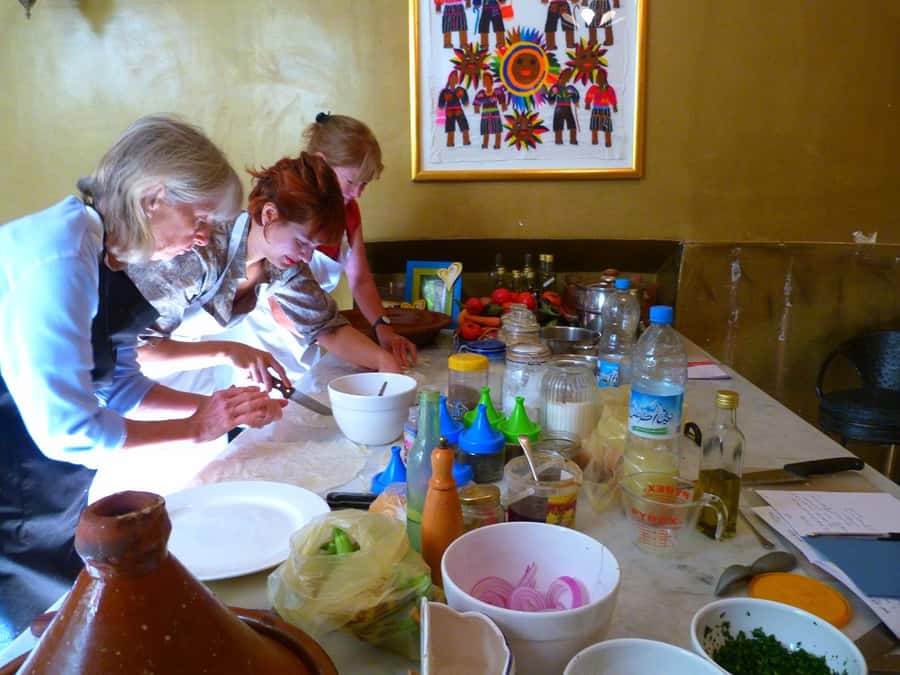
- Knife skills + traditional layering for tagine cooking, not a passive demo
- Small-group attention (including support for dietary restrictions)
- A communal feast at the end, with big, satisfying portions
A home kitchen in Essaouira: meet Abdou and start with mint tea
This experience is built around simple Moroccan hospitality: you’re not herded through a factory-style cooking room. You’ll begin around a welcoming table with mint tea served steaming and fragrant, often paired with homemade sweets. It sets the tone fast—casual, friendly, and actually interactive.
The chef who runs the class, often identified as Abdou (and in a few cases other hosts appear alongside), teaches in a way that feels like you’ve been invited to help cook dinner at someone’s home. Expect a mix of instruction and conversation: about food, spices, Essaouira, and culture in everyday terms rather than classroom facts.
You can also read our reviews of more tours and experiences in Essaouira.



Spice cabinet time: cumin, paprika, saffron, and how to think like a cook
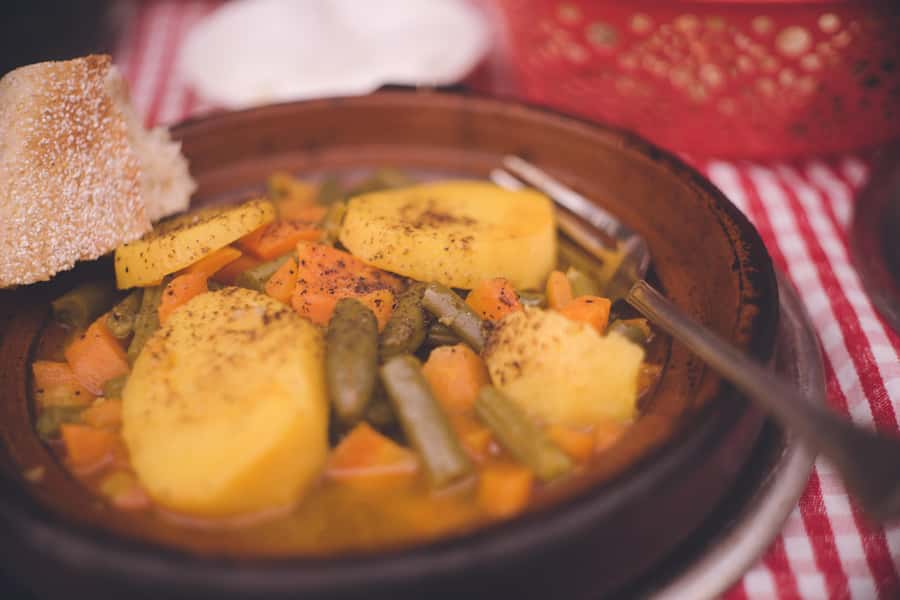
After tea, you shift from tasting to understanding. You’ll explore the spice cabinet and learn what spices do for flavor, not just which ones to sprinkle. Cumin, paprika, and saffron get named specifically, along with other spices you’ll likely use in your chosen dish.
This is one of the best parts because it changes how you cook later. Instead of guessing, you learn the logic: which spices bring warmth, which add color, and how blends work together. Even if you don’t memorize every ingredient on your first try, you’ll start tasting patterns you can repeat.
Hands-on tagine cooking: prep, layer, and cook the real way
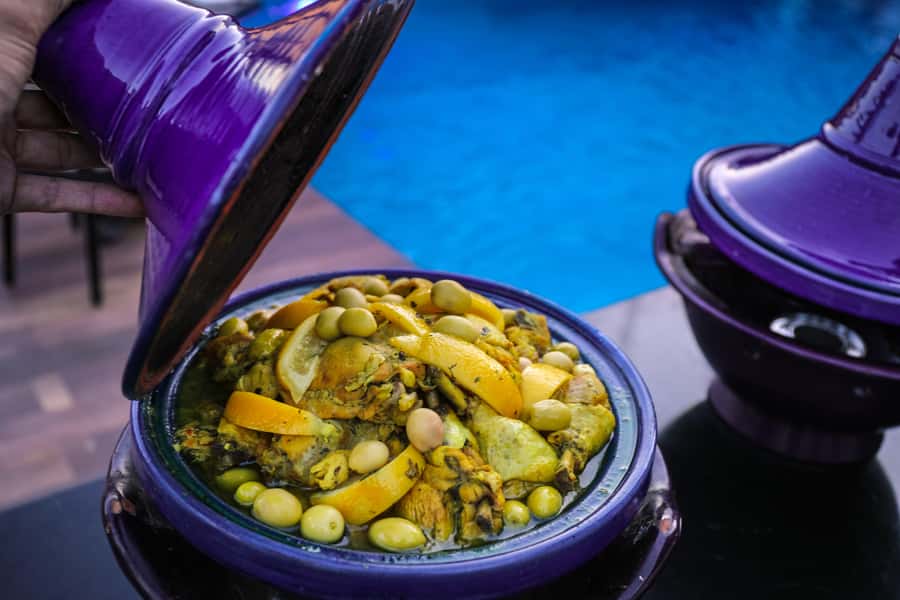
The heart of the class is tagine cooking, and it’s hands-on from start to finish. You’ll get essential knife skills, then move into traditional techniques where the method matters as much as the ingredient list. You’ll learn how to layer spices, meats, and vegetables to build flavor in the tagine-style way.
A lot of classes stop at assembling. Here, the experience keeps going: you assemble, then place it to cook while you keep participating—tea gets poured, sweets get served, and you stay part of the flow instead of watching from the sidelines.
Small touches make it feel authentic. One review mentions learning to cut and layer tagine in a traditional manner, and another highlights the chef’s simple, effective approach that takes you from ingredient prep to cooking on the stove. That progression is what helps you leave with confidence, not just a full plate.
What you might cook: tagine choice, plus possible pastilla or couscous
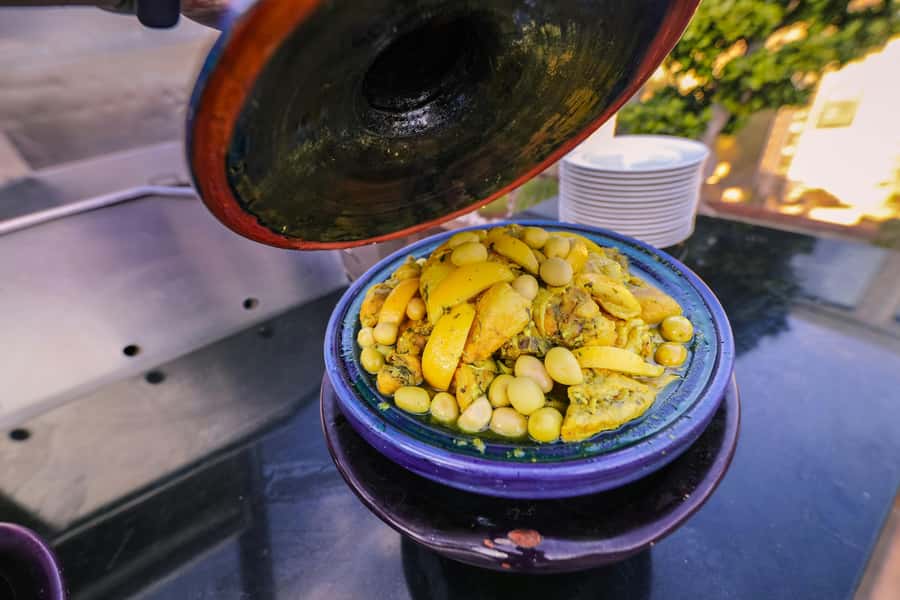
You’ll be able to choose what you want to make—many people pick a specific tagine flavor in advance. Chicken and lamb show up in multiple accounts, and fish tagine is also mentioned. That choice matters because the prep differs: spice balance, vegetable pairing, and the overall flavor direction all shift.
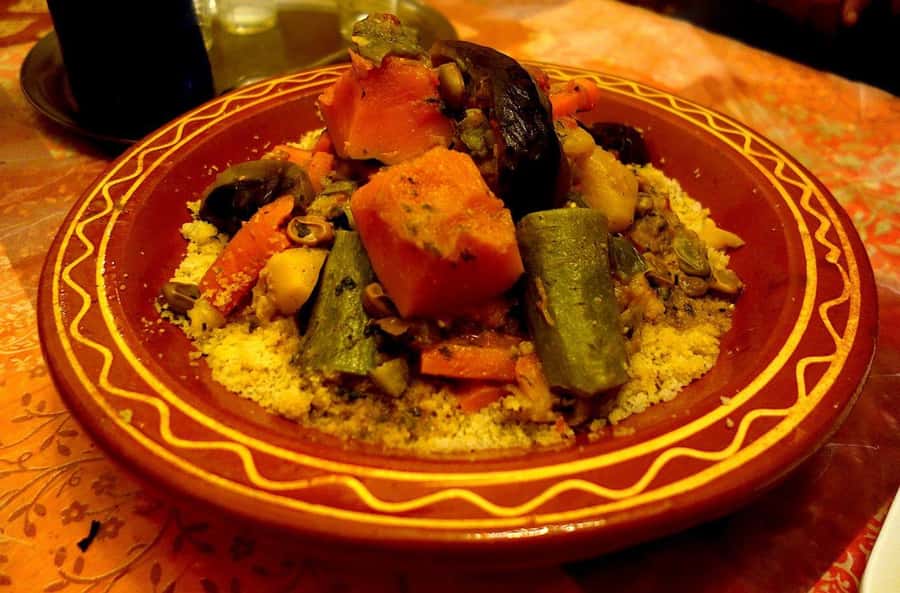
Beyond tagine, the class format also points toward other Moroccan dishes you might make, such as pastilla (a savory pastry) or couscous. You shouldn’t count on making every dish every time, but the structure is built to cover more than one classic flavor route, so you leave with a wider sense of Moroccan cooking.
While it cooks: tea, sweets, and the social side of Moroccan meals
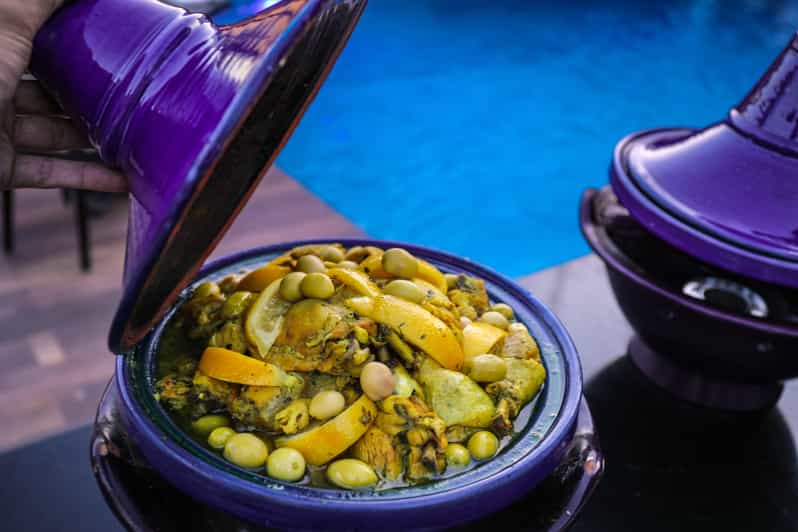
Waiting for tagine to cook is usually boring in a restaurant. Here it turns into a mini moment of Moroccan rhythm. Mint tea and Moroccan sweets often arrive while you’re working through the next steps, and the group gets to slow down and enjoy the experience.
Some sessions also bring in music and playful cultural touches, including traditional instruments and singing. It’s not about turning cooking into a show—it’s more like you’re watching how Moroccans relax around food, turning dinner prep into social time.



Dinner at the communal table: big portions and take-home confidence
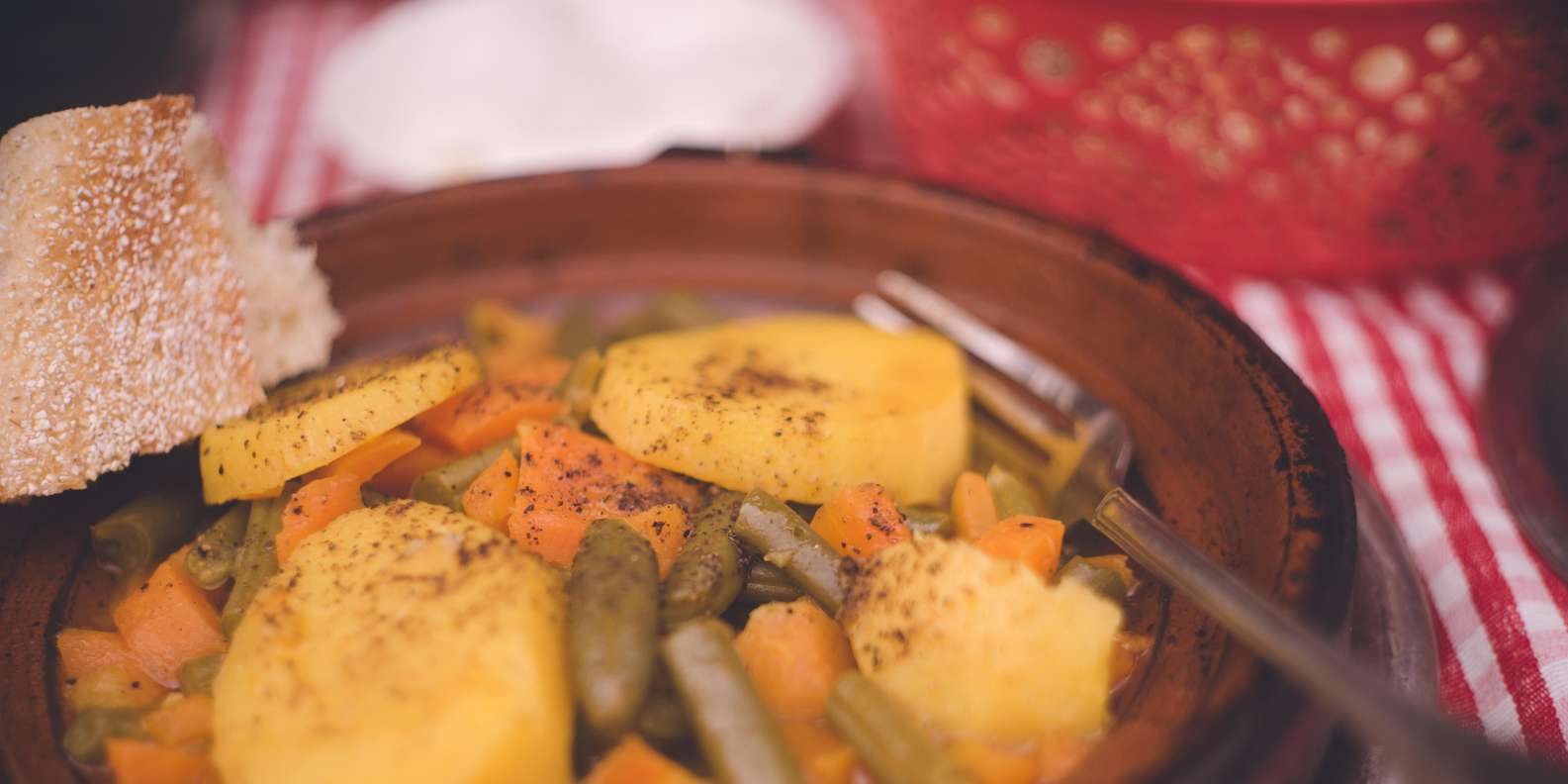
When it’s time to eat, you sit down with what you made. The meal is communal, which changes the experience from chef-performer to shared dinner. Multiple people mention that portions are large enough to keep you full for the rest of the day—so plan your schedule accordingly.
This is also where the value becomes obvious. You’re not just tasting Moroccan flavors; you’re tasting the choices you made: spice amounts, layering order, cooking method. A few reviews also mention takeaway containers, so if you want leftovers for later, you’re not stuck with nothing but crumbs.
How the class handles dietary needs (and why that matters)
This is one of those details that can make or break a class. At least one participant noted the chef was sensitive to dietary restrictions and provided options so everyone had their own personal tajin. That’s a big deal because tagines can be customized, but many cooking classes don’t adjust for real needs.
If you have dietary limits, tell the organizer ahead of time. With a small group and a chef teaching from a home kitchen, you’re more likely to get actual accommodations rather than a generic substitute.
A quick reality check: the chicken question
One review includes a caution: if you choose chicken, it may be freshly slaughtered in the market while you watch. That’s a cultural practice some Moroccan food experiences include, and it can be meaningful to the cooking story—but it’s also the kind of thing you should consider before booking.
If you’d rather avoid seeing that, choose your dish accordingly and mention your preference when you confirm.
Price and what you’re really paying for at $45 per person
At $45 per person for about 3 hours, you’re paying for more than ingredients. You’re paying for a chef-host (often Abdou), hands-on coaching, and a full meal that includes tea and Moroccan sweets.
The value shows up in the structure:
- Small group (up to 10) means you get attention while chopping, seasoning, and assembling.
- Hands-on cooking means you’re practicing core skills you can reuse.
- All-inclusive covers ingredients, utensils, and the tea/spice exploration experience.
If you were trying to recreate this on your own, you’d spend time figuring out spice ratios and tagine technique—and you’d still be missing the confidence boost you get by cooking alongside someone who does it daily.
Who this cooking class suits best
This is a great fit if you want more than a meal. You’ll likely enjoy it if you:
- want a true hands-on cooking experience rather than a demo,
- like learning spices and technique you can repeat at home,
- enjoy small-group, conversational travel,
- want an easy, memorable cultural activity in Essaouira.
It’s especially good early in your trip, because the chef’s restaurant and food tips can steer you toward better meals afterward. Families have also joined successfully, with the host showing patience and including kids in the process when appropriate.
Book it or skip it? My honest call
I’d book this if your goal is practical Moroccan cooking, not just photos of food. The combination of in-home hospitality, spice explanations, and hands-on tagine building is exactly what makes a cooking class worth your time and money.
I’d think twice only if you’re strongly uncomfortable with the market-meat aspect some choices may involve (like chicken slaughter), or if you prefer purely modern, standardized settings with zero surprises. For most people, though, this is one of the most memorable ways to understand Moroccan food because you leave with skills, not just flavors.
FAQ
How long is the cooking class?
The class lasts 3 hours.
What does the class include?
You get a chef-led, hands-on cooking session with mint tea, utensils, ingredients, spice exploration, cooking techniques, and a communal feast of the dishes you prepare.
How many people are in the group?
It’s a small group limited to 10 participants.
What languages are used?
The instructor teaches in English and French.
What will I cook?
You’ll master tagine and may also prepare other Moroccan dishes such as pastilla or couscous, depending on what’s offered and what you choose.
Can I cancel or pay later?
You can reserve now and pay later, and you can cancel up to 24 hours in advance for a full refund.