REVIEW · FEZ
4 Days 3 Nights Private Desert Tour From Fes To Marrakech By Historical Kasbahs
Book on Viator →Operated by DesertTrips · Bookable on Viator
A desert night is the big prize, but the real win is the variety—cedar forests, gorges, palm oases, then deep sand dunes on the way to Marrakech. This private Fez-to-Marrakech drive is built around long scenic days with frequent stops, and it includes camel time plus 3 breakfasts and 3 dinners.
I especially like two things: the route takes you through places you’d usually need separate trips for, and you’re not locked into a frantic schedule since you can go at your own pace with your driver and guide. One thing to consider: lunches and drinks aren’t included, so you’ll need to budget for food breaks across multiple days.
In This Review
- Key things that make this tour worth your attention
- Why this Fez-to-Marrakech desert route feels efficient
- Ifrane and the cedar forest: tidy streets, big tree energy
- The long push to the Ziz Valley palm oases
- Erg Chebbi camel ride and the nomad-style camp night
- Sunrise in the dunes: why morning time matters here
- Rissani souk, Erfoud fossils, and Todra’s dramatic cliffs
- Dades Valley: mud kasbahs and monkey fingers rock
- Rose towns, Skoura palms, and Ait Benhaddou’s big entrance
- Price and value: what you’re really paying for
- Guides and communication: why it affects the whole trip
- What to expect day by day (and how to pace yourself)
- Who should book this private desert tour
- Should you book it? My straight answer
- FAQ
- How long is the tour?
- What route does the tour take?
- Is pickup in Fez and drop-off in Marrakech included?
- What’s included in the price?
- Are lunches included?
- Where will I ride a camel?
- Do I get to see Ait Benhaddou?
- What’s the deal with the desert camp night?
- What’s the cancellation policy?
- Can I travel with a service animal?
Key things that make this tour worth your attention
- Private transport with pickup and drop-off between Fez and Marrakech, so you don’t have to piece together connections
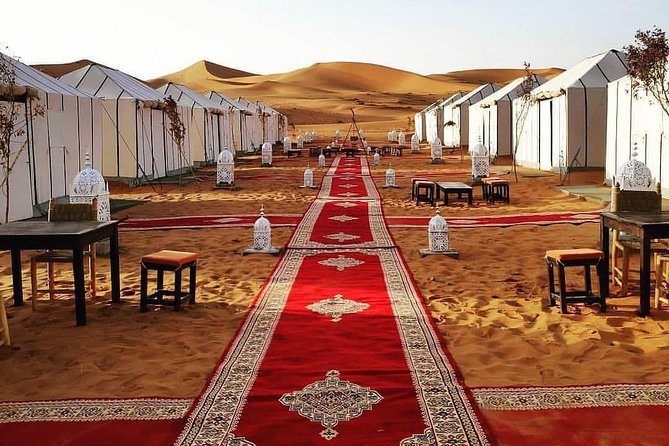
- Camel ride at Erg Chebbi plus sunset over the dunes and a night sleeping in tents like nomads use
- Early desert mornings geared for sunrise, with stops at places like the lake of Merzouga and nomad life
- Gorges day-trip style through Todra Gorge and Dades Valley, including mud kasbahs and rock formations locals call monkey fingers
- Kasbah payoff on the final stretch, including Ait Benhaddou (UNESCO) before you roll into Marrakech
Why this Fez-to-Marrakech desert route feels efficient
This tour is a classic “southbound corridor” itinerary, but it doesn’t feel like a rushed checklist. You’re moving from Fes into the Middle Atlas, down through mountain passes and cedar forests, then into oasis country and finally the Sahara, before finishing at Morocco’s most famous city.
What makes it feel efficient for your time is the pacing. You get pickup in Fez and drop-off in Marrakech, and most days include multiple stops that break up the drive. That matters because the distance is real. The tour also promises you can take your time with the driver and guide rather than being herded.
The other quiet advantage: being private. Your group stays together, and the schedule can be adjusted to your day. That’s huge if you want more photos at a viewpoint or you prefer fewer quick stops.
You can also read our reviews of more private tours in Fez

Ifrane and the cedar forest: tidy streets, big tree energy
You typically start around 8 AM with a drive through the Middle Atlas. The first stop is Ifrane, the neat mountain town often called Switzerland of Morocco for its clean, alpine-style vibe. It’s a good first “reset” after Fez because the air and feel change fast once you’re up in the mountains.
Then comes one of the most charming nature stops on the whole route: the cedar forest in North Africa, where you may also spot Barbary macaques. The tour includes a chance for photos and even feeding the monkeys, which is exactly the kind of short detour that breaks up the day without eating your time.
Small caution: Ifrane and the cedar forest can be busy with cars and people during peak times. If you’re trying to avoid crowds, you’ll be happier if your group is ready to move quickly at the stops.
The long push to the Ziz Valley palm oases
After lunch in Midelt, the route heads south via Talghomt Pass. This section is all about views and changing terrain, and it’s paced so you can take in the “in-between” country instead of just passing through.
You then reach the Ziz Valley region. Expect a stop for a panoramic view of hidden oases filled with palm groves. This is the tour’s first real hint that you’re leaving the mountains behind for desert-edge scenery.
Practical note: plan for warmth building as you go south. Even if the morning in the mountains feels cool, the day can swing toward heat by the time you’re closer to Merzouga.
Erg Chebbi camel ride and the nomad-style camp night
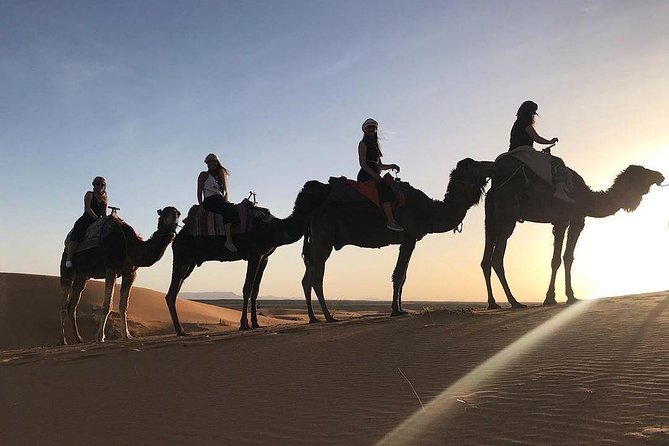
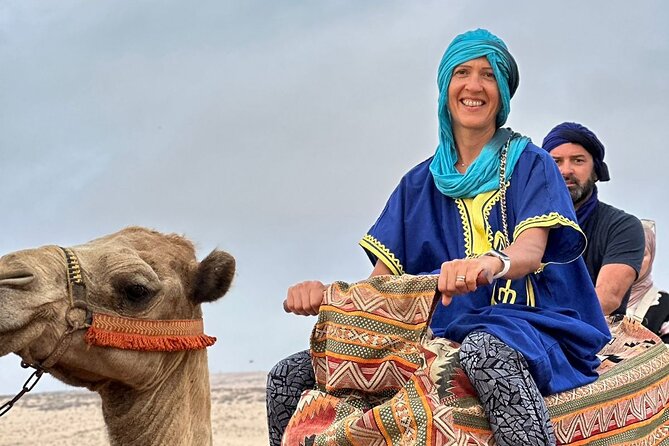
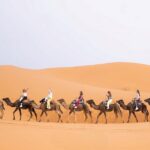
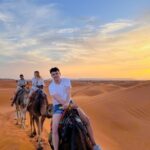
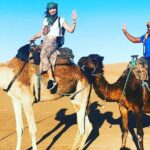
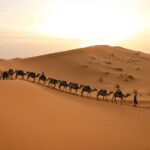
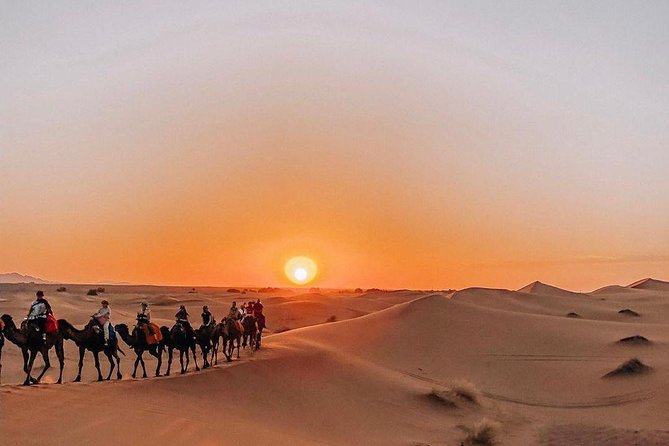
Arriving in the Sahara region is the point where this tour stops feeling like driving and starts feeling like the story. Your camels wait, and your first desert experience is a camel ride across the high dunes of Erg Chebbi.
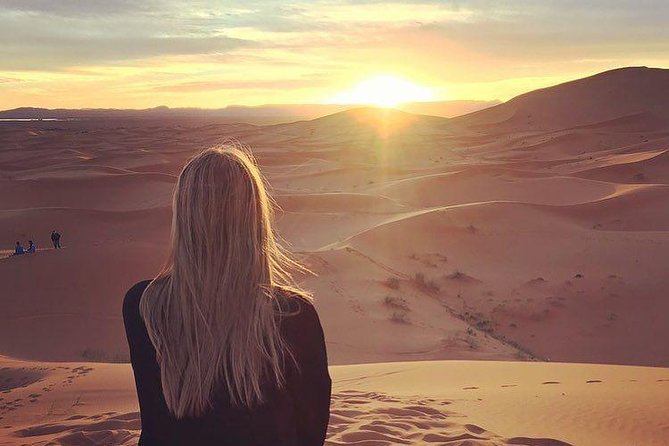
Sunset is a key moment here. You’ll see that color shift from the top of a high dune, which is one of those things that’s almost impossible to replicate anywhere else in Morocco. After that, it’s onward toward your camp for the night.
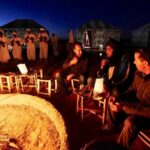
The tour includes dinner and the camp stay is described as tents like the nomads use. After dinner, you get Berber music played by nomads around a fire under a starry sky—exactly the kind of cultural moment that makes the desert night more than just a photo stop.
One consideration: desert nights can be chilly. Your camp setup is traditional, and the “comfortable enough” feeling depends on the season. Bring a warm layer even if your daytime clothing is light.
Sunrise in the dunes: why morning time matters here
Day two starts with a reminder that early morning is a must. The idea is simple: if you’re going to the Sahara, you want the dunes at their best light, and sunrise is the payoff.
After breakfast, the tour includes a desert excursion to explore different parts of the Sahara. You’ll see the lake of Merzouga, described as home to exotic birds. Then you head toward a more traditional nomad life setting where you can sip tea and see how they live with animals.
You also travel along the route where the Paris Dakar rally used to race. That gives the day a “follow the tracks” vibe—less romantic, more real Morocco road-history. From there, you stop at Mifis mines, once exploited by France, which adds an interesting human-and-industrial layer to a place people often think of as untouched.
The itinerary also includes time at Khamlia village. The details aren’t spelled out here, so keep your expectations flexible, but it’s a named stop that breaks the day into more than just sand and dunes.
You can also read our reviews of more historical tours in Fez


Rissani souk, Erfoud fossils, and Todra’s dramatic cliffs
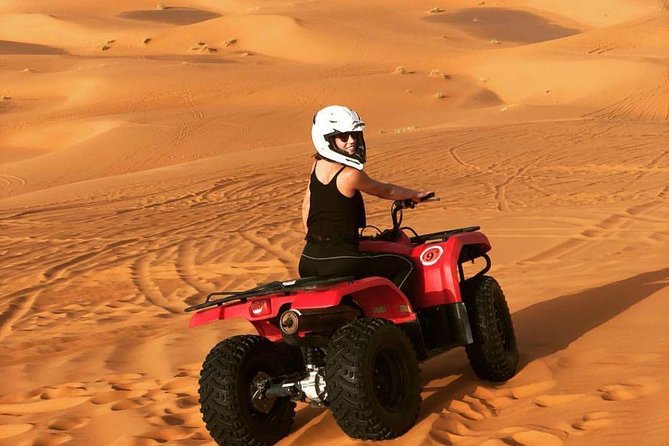
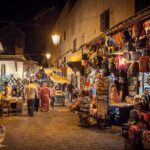
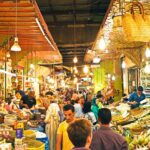
Leaving the desert on day three doesn’t mean you lose the “wow.” You head to Rissani, a former major stopping place on the caravan route. If the day matches, you may get a souk visit on market days: Tuesdays, Thursdays, and Sundays. The souk is described as the largest one in the region, which is why timing matters.
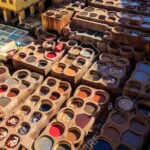
Next is Erfoud, known for fossils. You’ll pass through stalls selling crystals and precious stones, plus fossils. There’s also a workshop using Marmar that’s open to visitors, which can be a nice add-on if you like seeing how local materials become souvenir objects.
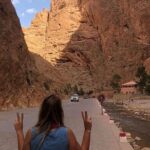
Then the tour pushes into the gorges. Todra Gorge is the headline: a narrow vertical passage with cliffs around 300 meters high on each side. It’s one of those places where the scale hits you in the face as you walk in—stone walls that feel too tall to be real.
The plan includes lunch in the Todra area, which is one of the few meals explicitly mentioned as part of the day. After Todra, you continue into Dades Valley.
Dades Valley: mud kasbahs and monkey fingers rock
Dades Gorge is where you feel the transition from dramatic desert edges into valley life. The tour points out rock formations locally called monkey fingers. It’s a memorable shape-name that helps you understand why people stop and stare here.
You’ll also see mud kasbahs, which are a big deal in this part of Morocco. These aren’t just pretty backdrops; mud architecture is part of how communities built for the climate and time periods they lived in.
Your overnight on day three is in a hotel overlooking the valley. That’s a good setup because it gives you a calm, real rest after a day of cliffs and stone roads. And from a practical standpoint, the view helps you reset mentally before the kasbah-heavy final day.
Rose towns, Skoura palms, and Ait Benhaddou’s big entrance
Day four is the “kasbah and wow views” finale. You travel toward El Kalaa Mgouna, often called Rose town. The tour mentions a spring picking season with over 400 tonnes of rose petals, processed into rosewater and exported for perfume industries. The rose festival is held every May.
Even if you’re not in May, the stop is still framed around the rose identity of the area. You’ll also pass Skoura on the way to the kasbahs of southern Morocco. Skoura is described as surrounded by thousands of palm groves, with beautiful kasbahs in the area.
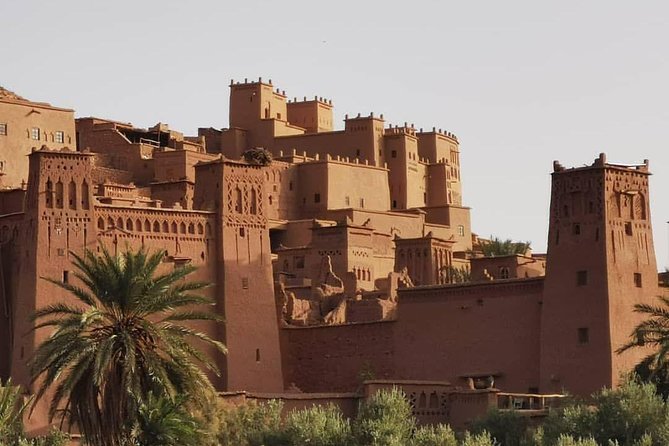
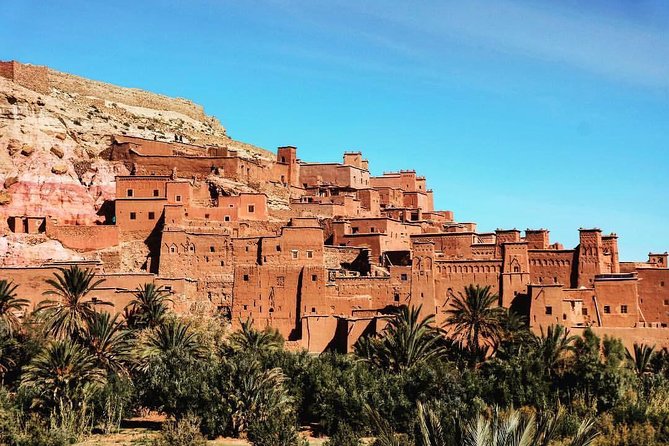
Then comes the main event: Ait Benhaddou, described as the most famous filmed and photographed kasbah in Morocco and a UNESCO World Heritage site. You get free time to visit, plus lunch in the village.
This is where the tour shifts from natural scenery to cultural landmarks. The kasbah feels like a living set. And because you’re finishing the drive from the High Atlas mountains (listed with a high point of 2260), you arrive in Marrakech with a strong sense of accomplishment.
Price and value: what you’re really paying for
At $994.99 per person, this isn’t a budget tour. But it can still feel like good value if you want a private, door-to-door style experience across a lot of ground.
Here’s what your price covers:
- Private transportation with fuel and a driver guide
- Pickup in Fez and drop-off in Marrakech
- A camel ride in the desert
- 3 breakfasts and 3 dinners included
- Core desert and major sightseeing stops across the route
What’s not included is lunches and drinks. That’s the biggest extra cost you’ll likely carry. If you’re budgeting, plan for multiple days where you’ll stop for lunch on the go rather than having it quietly built in.
So the value equation is mostly about: can you justify paying for private transport + a desert night + meals (breakfast and dinner) instead of assembling separate bookings? If you’d otherwise need a separate desert camp night, a guide for the gorges, and transport between regions, this package starts to make sense fast.
Guides and communication: why it affects the whole trip
This is one of those tours where your guide truly shapes the experience. Your driver guide handles timing, the flow of stops, and the feel of the day. In the past, people have praised the professionalism and humor of specific drivers and guides such as Hssaine, Yidir, Khalil, Soufiene, and others working with the operator.
What you should take from that: ask who will be driving you when you confirm. If your communication is good from day one, everything feels easier—especially when you’re making multiple cross-country stops over four days.
Also, since the itinerary has named stops, your guide’s knowledge of what to prioritize can help you avoid time-sinks. You’ll get more out of each stop when you know what to look for.
What to expect day by day (and how to pace yourself)
This trip is four days with a desert night and a lot of driving, but it’s broken into clear chapters.
- Day 1: Ifrane and cedar forest, then south to Merzouga for camel ride, dunes at sunset, and a camp dinner with Berber music.
- Day 2: desert sunrise focus, lake of Merzouga, tea with nomads, Paris Dakar rally route, Mifis mines, and a stop in Khamlia village.
- Day 3: Rissani souk option depending on day, fossils and workshops in Erfoud, Todra Gorge cliffs with lunch, then Dades Valley mud kasbahs and monkey fingers rock.
- Day 4: Rose town and Skoura palms/kasbahs, Ait Benhaddou UNESCO visit with lunch, then High Atlas views before arriving in Marrakech in the evening.
To make this comfortable, keep one simple rule: dress in layers. Mountain mornings, hot afternoons, and desert nights can all happen in the same 24-hour period.
Who should book this private desert tour
This tour fits you best if:
- You want a private experience from Fez to Marrakech with a desert night
- You like variety—nature stops, gorges, kasbahs, then Marrakech
- You prefer a driver guide to handle the logistics while you focus on sights
It’s also a good match for first-time Morocco visitors who want to see a lot without switching companies or arranging separate transfers.
One more match check: if you hate long drives, this may feel like work between the big moments. But the route is structured with multiple stops so the time doesn’t just disappear.
Should you book it? My straight answer
Book it if you want one trip to cover cedar forest, Sahara dunes, dramatic gorges, and kasbah icons like Ait Benhaddou—without the headache of planning the connections. The included meals (breakfast and dinner), the private transport, and the camel ride + desert night give you a lot of “setup handled” value.
Skip or reconsider if lunches and drinks would stretch your budget, or if you strongly prefer to spend only a day or two on the road. This itinerary is for people who enjoy the journey, not just the destination.
If you do book, I’d plan your money for lunch each day and pack for temperature swings. Then lean into the stops: in a route this long, the best memories usually come from the roadside moments as much as the main landmarks.
FAQ
How long is the tour?
It runs about 4 days (3 nights).
What route does the tour take?
It’s a Fez to Marrakech route with a Sahara desert camp night along the way.
Is pickup in Fez and drop-off in Marrakech included?
Yes. Pickup is offered, and drop-off in Marrakech is included.
What’s included in the price?
Included items are camel ride, driver guide, private transportation, fuel for the vehicle, 3 breakfasts, and 3 dinners.
Are lunches included?
No. Drinks and lunches are not included.
Where will I ride a camel?
The camel ride is in the Sahara desert area around Erg Chebbi dunes.
Do I get to see Ait Benhaddou?
Yes. There’s free time to visit Ait Benhaddou, described as a UNESCO World Heritage site.
What’s the deal with the desert camp night?
You sleep in tents like the nomads use, and after dinner you’ll enjoy Berber music around a fire under the stars.
What’s the cancellation policy?
Free cancellation is available up to 24 hours in advance for a full refund.
Can I travel with a service animal?
Yes. Service animals are allowed.