REVIEW · MARRAKECH
3 Days Shared Sahara Desert Tour From Marrakech
Book on Viator →Operated by Shared Desert Tours · Bookable on Viator
Three days turns Marrakech into Sahara quiet. This tour strings together big Morocco moments: the Atlas Mountains, the UNESCO Ait Benhaddou kasbah, and then camel time into the Erg Chebbi dunes. I like that it’s run with an air-conditioned vehicle and an English driver-guide, so you’re not left guessing. One thing to plan for: lunches and water aren’t included, and some stop fees are also extra.
What I really like is how it balances comfort with true desert atmosphere. You’ll have an included hotel night, then a second night in a Bedouin camp, with dinners and breakfasts taken care of. I also appreciate the small-group feel, with a cap around 15–17 people, which usually means less crowding and more room to ask questions. A minor consideration: it’s a shared tour, so the pace is efficient rather than slow and flexible.
The driving days are part of the fun here. You’ll cross high passes like Tizi n’Tichka, see palm groves and fossil areas, and get to experience desert silence—then wake up for sunrise before heading back toward Marrakech.
In This Review
- Key things that make this tour worth your time
- Day 1: Marrakech to the Atlas Pass and Ait Benhaddou’s kasbah wall
- Day 1 also matters because it sets up the desert feeling
- Day 2: Dadès Valley, Todgha Gorges, and Merzouga’s road-to-dunes build-up
- Camel ride to camp: the part you’ll remember
- Day 3: Sunrise in the dunes, shower time, and the return via palms and film land
- Price and what you truly get for $122.13
- The guides: why names like Abdul and Moha matter
- Who this shared Sahara tour is best for
- Should you book this 3-day shared Sahara trip from Marrakech?
- FAQ
- How long is the 3-day shared Sahara desert tour from Marrakech?
- Does the tour offer pickup from Marrakech?
- What’s included in the price?
- Are lunches and water included?
- Which nights will I sleep on this tour?
- What are some major stops on the route?
- How many people are in the group?
Key things that make this tour worth your time
- Ait Benhaddou kasbah: a standout fortified place you’ll recognize from major films
- Tizi n’Tichka pass: real high-mountain road scenery on the way out
- Todgha and Dadès Valley: gorges, palms, and viewpoints that break up the long drive
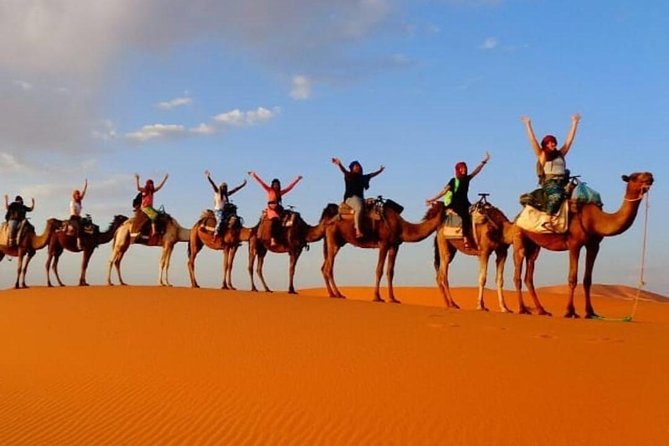
- Erg Chebbi camel ride + Bedouin camp: the “Sahara part” you came for
- Small group size (about 15–17 max): easier conversations and less pushing
- Atlas Film Studio exterior stop: a quick film-world detour without adding much time
Day 1: Marrakech to the Atlas Pass and Ait Benhaddou’s kasbah wall
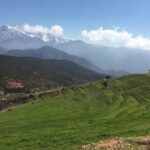
Day 1 is all about momentum. You leave Marrakech behind and start climbing into the Atlas Mountains, crossing the famous Tizi n’Tichka area (about 2,260 meters high). Even if you’ve seen mountain roads on other trips, this stretch has that “wow, we’re really going somewhere” feeling. The air cools as you gain altitude, and you’ll notice the change in the terrain as the drive shifts from city rhythm to mountain scale.
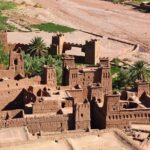
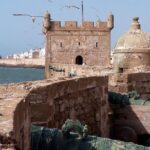
At some point around the middle of the journey, you arrive at Ksar of Ait-Ben-Haddou. This is a UNESCO-listed fortified village, and it’s the kind of place where the architecture looks dramatic even before you learn its story. Think thick walls, layered homes, and a setting that has served as a movie backdrop for titles like Lawrence of Arabia, Gladiator, and Kingdom of Heaven. If you’re a photo person, you’ll end up taking pictures from more than one angle because the kasbah shape changes as the light moves.
After that, the day continues toward Ouarzazate for the Taourirt kasbah stop, then along the “Road of a Thousand Kasbahs” route through the Skoura area. The practical value of this day is that you get a range of Morocco textures in one sweep: mountains, kasbah architecture, and the road culture that connects the regions.
What to watch: this is a long driving day, and you’ll likely want water handy (the tour doesn’t include water). Also, you should expect that some on-site fees may not be included, so your guide may point out what’s paid versus free.
A few more Marrakech tours and experiences worth a look
Day 1 also matters because it sets up the desert feeling
A Sahara trip doesn’t feel real until you’ve built up contrast. The kasbah and mountain scenery do that job. By the time you’re heading toward the desert side of Morocco, you’ve already seen fortified settlements and changed landscapes, so the dunes feel like the next chapter—not just another stop.
Day 2: Dadès Valley, Todgha Gorges, and Merzouga’s road-to-dunes build-up
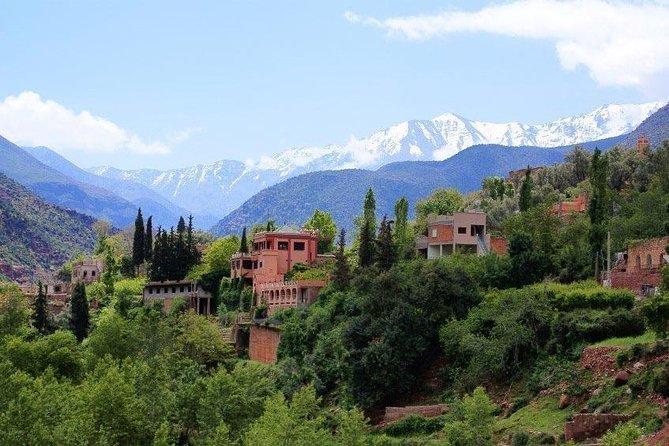
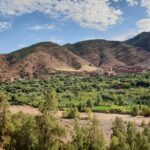
Breakfast starts Day 2, then you head into the Dadès Valley area. The route gives you a change of pace: less of the steep mountain vibe and more of the valley views, with stops that help you break up the trip toward Merzouga.
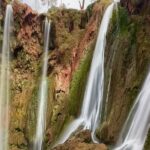
One of the first standout natural stops is the Todgha Gorges. You’ll have time for a visit and a Berber excursion walking tour. This is one of those places where the rock walls make the sky feel smaller. It’s also a good chance to slow down, stretch your legs, and get that “standing inside the geology” feeling without requiring serious hiking planning.
From there, the road keeps turning. You pass through the Jorf palm grove, known for producing some of the best dates. It’s a small detail, but it adds context: the desert isn’t just sand and emptiness. There’s agriculture, there are livelihoods, and the landscape has systems that make survival possible.
You’ll also stop for lunch before reaching Erfoud, a village known for fossil fragments. Even if you don’t spend a lot of time there, it’s a useful mental bookmark. Fossils remind you this region didn’t always look like it does now.
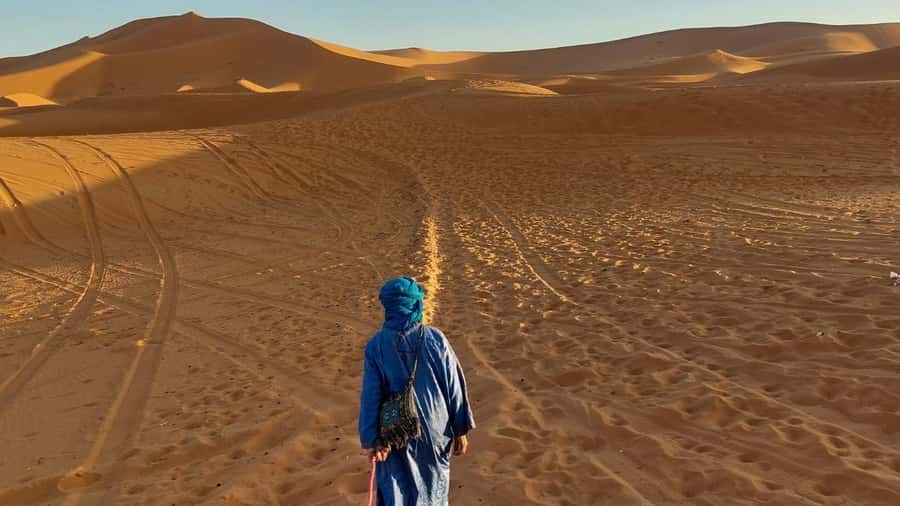
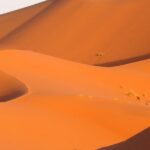
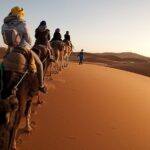
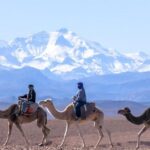
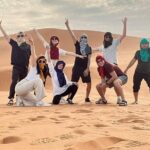
Then you arrive in Merzouga, and the tour shifts gears. You swap vehicles for camels and ride out into the desert toward your camp near Erg Chebbi.
What to watch: if you’re sensitive to long days, Day 2 is the one where your schedule stacks up. You’ll be moving steadily from gorge to palm grove to fossil area to dunes. Bring comfortable layers and plan for dust.
Camel ride to camp: the part you’ll remember
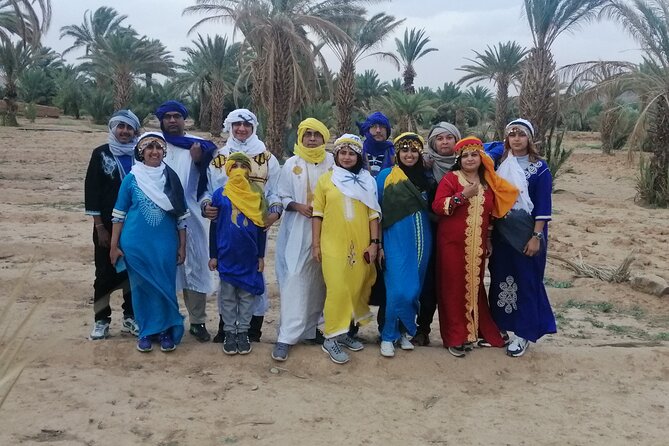
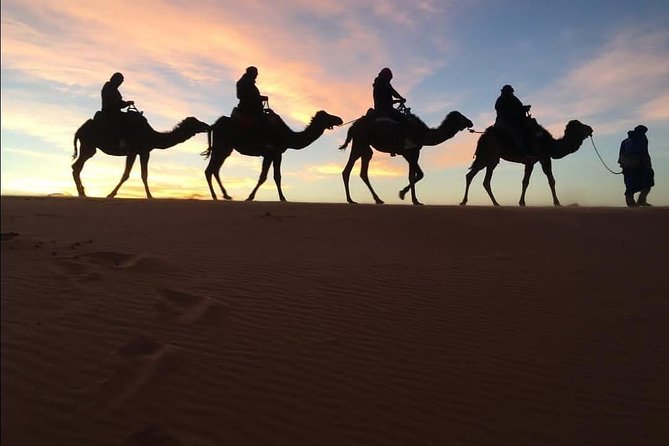
The camel ride is the signature transition. It’s not just transportation—it’s the ceremony of arriving. As you move deeper toward the dunes, the pace changes and the world gets quieter. By the time you reach camp, the contrast is striking: your phone signal may fade, the air cools after sunset, and you’re surrounded by desert space rather than road noise.
At camp, you get dinner in the evening, and it’s described as one of the more authentic desert experiences in Morocco. In practical terms, this means you’re not just sleeping in the desert; you’re eating and spending time where the desert becomes the main character.
Bedouin camp practical note: you’ll want to dress for temperature swings. The desert can cool down fast at night, and camps can be basic compared to city hotels.
Day 3: Sunrise in the dunes, shower time, and the return via palms and film land
Day 3 starts with one of the easiest reasons to book: sunrise. The idea is simple and effective. You wake up to a quiet dune moment before you head back. Sunrise here isn’t a flashy theme—it’s an atmosphere shift. Light spreads across the sand, shadows sharpen, and the colors move in a way you just can’t replicate indoors.
After sunrise, you ride the camels back and transfer to a hotel so you can shower and have breakfast. The exact order can vary depending on the camp setup, but the important thing is that you get proper downtime before the long ride back.
Then you head through the Tafilalet palm grove and stop in Rissani, the town linked with the Alaouite dynasty. You’ll also move through acacia-covered plateaus, which gives the return route some variety beyond just “drive, then drive.”
There’s also a short detour to Atlas Film Studio, where you’ll visit outside for about 30 minutes. You won’t be touring sets all day, but it’s a neat connection back to the movie-spotting vibe that started on Day 1 with Ait Benhaddou.
Finally, you head toward Marrakech, crossing back through mountainous passages on the way.
What to watch: on the return day, it’s easy to overdo it after you’ve been in “desert mode.” Plan to keep energy up with water (not included), and snack if you’re the type who gets hungry between included meals.
Price and what you truly get for $122.13
At about $122.13 per person for roughly three days, this shared tour is aiming at solid value. The biggest value anchors are the inclusions:
- transportation in an air-conditioned vehicle
- pickup offered
- an English driver-guide
- 1 night in a hotel
- 1 night in a desert camp (camel ride included)
- 2 breakfasts and 2 dinners
That’s a lot of logistics bundled into one price. You’re not separately booking vehicle transfers, overnight stays, and the core desert components.
Now the trade-offs. The tour price doesn’t include:
- lunches
- water
- “all fees and taxes”
- and any admissions tied to stops (some items may be free, like Todgha and the exterior film studio stop, but not everything is guaranteed free)
So the real “cost check” for you is simple: budget for lunches and plan to buy water along the route. If you’re used to paying for meals and drinks on the road anyway, this tour won’t feel stingy—it’ll feel like the big things are already handled.
Also, a maximum group size around 15–17 helps keep this from feeling like a cattle-train situation. That matters, because the desert is already limiting in many ways; fewer people makes it easier to enjoy it.
The guides: why names like Abdul and Moha matter
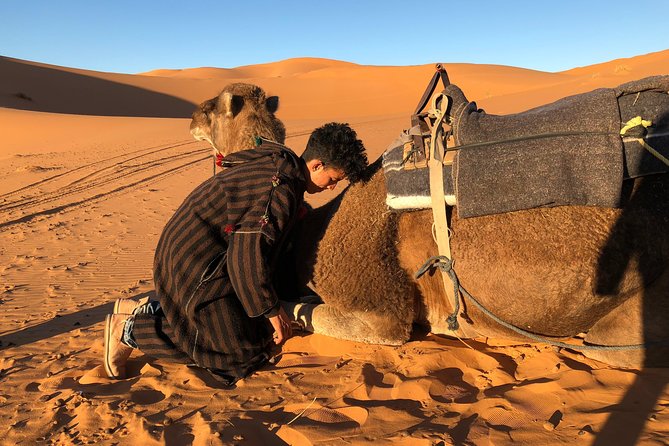
Service quality is often the difference between a trip that feels smooth and one that feels like you’re being hurried. In this case, the driver-guide names Abdul and Moha come up in accounts, and they’re described as accommodating and dedicated. I take that as a signal you’re more likely to get clear explanations, friendly direction, and better handling of the day’s long transitions—from Kasbah roads to Merzouga camels.
Even if you don’t memorize every stop fact, a good guide helps you understand what you’re seeing as you drive through Morocco’s changing regions.
Who this shared Sahara tour is best for
You’ll likely love this tour if:
- you want Sahara dunes plus major sights in a tight 3-day window
- you prefer a shared setup with a smaller cap instead of huge bus groups
- you like practical comfort: air-conditioned transport, hotel bed, and included meals
- you want the “core desert experience” without needing to plan hotel transfers and camel logistics yourself
You might want a different option if:
- you hate long driving days and prefer slow travel with lots of free time
- you’re counting every extra cost carefully, because lunches, water, and some fees are not included
- you want fully flexible stop times (this trip is structured for a specific route)
Should you book this 3-day shared Sahara trip from Marrakech?
If you’re looking for a first Sahara visit that still feels organized and not stressful, I’d lean yes. This tour is built around the right ingredients: a major kasbah stop at Ait Benhaddou, dramatic gorge scenery at Todgha, and then the real deal with a camel ride to Erg Chebbi plus a Bedouin night under the stars.
The key decision for you is how you handle extras. If you’re okay budgeting for lunches and water, and you don’t mind paying a little more for on-site items that aren’t included, the price feels fair for what you get. If you want everything fully packaged with zero extra spending beyond the base rate, you may feel boxed in.
Overall: this is a strong value way to do the Sahara in three days while still seeing enough of Morocco to make the journey worth it, not just the dunes.
FAQ
How long is the 3-day shared Sahara desert tour from Marrakech?
The tour runs for about 3 days.
Does the tour offer pickup from Marrakech?
Yes, pickup is offered.
What’s included in the price?
Included are air-conditioned transportation, transportation during the 3 days, an English driver-guide, camel ride, 1 night in a hotel, 2nd night in a desert camp, and 2 dinners plus 2 breakfasts.
Are lunches and water included?
No. Lunches and water are not included.
Which nights will I sleep on this tour?
You’ll have one night in a hotel and one night in a desert camp.
What are some major stops on the route?
You’ll visit Ait Benhaddou (including the kasbah area), Taourirt Kasbah in Ouarzazate, Todgha Gorges, Merzouga/Erg Chebbi area for the camel and desert camp, and you’ll also have an exterior visit at Atlas Film Studio.
How many people are in the group?
The tour is small group with a maximum of 17 travelers, and it’s described as keeping the experience personal with around 15 travelers.