REVIEW · MARRAKECH
3 Days: Private Desert Tour from Marrakech to Merzouga via Atlas & Camel Trek
Book on Viator →Operated by Morocco Getaways · Bookable on Viator
Crossing from city chaos to Sahara calm feels unreal.
This private desert tour strings together Morocco’s biggest visual hits: the mountain pass drive over Tizi n Tichka and the overnight camel trek toward Erg Chebbi’s dunes. I really like that it’s paced for real viewing time, not just photo stops, and you get proper nights in both traditional riads and desert camp-style tents. One thing to keep in mind: the price is for the tour itself, but entrance fees and extra meals/snacks aren’t included, so your final budget can creep up if you add lots of on-the-go extras.
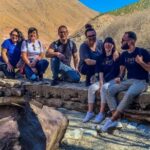
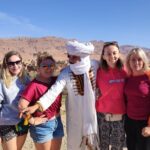
The best part is the human side. Guides like Mouad, Ahmed, and Aziz show up as consistently strong points: helpful, patient with walking, and comfortable sharing how life works in the south, not just what to photograph. My one caution is physical timing—this is a driving-heavy route plus gorges and camel time—so plan for uneven ground, sun, and getting in and out of vehicles a lot over three days.
In This Review
- Key Things You’ll Notice
- Marrakech Start: Your Morocco Route Begins With Real Contrast
- Crossing the High Atlas: Tizi n Tichka and the Road to Ouarzazate-Style Morocco
- Aït Benhaddou and Taourirt Kasbah: Kasbahs That Still Feel Alive
- Rose Valley and Dades: Where Green Shows Up in an Earthy World
- Todrha Gorges: The Canyon Stop That Makes Every Other Drive Feel Worth It
- Erfoud and the Ziz River Area: Fossils and the South’s French-Era Edge
- Erg Chebbi: Camel Trek Time and the Kind of Night You Don’t Rush
- Sunrise and the Return: Rissani and the Calm After the Dunes
- The Oued Draa Stop: Trilobite Fossil Country on Your Way Back
- Price and Value: Does $483.17 Per Person Make Sense?
- Who This Tour Fits Best (and Who Should Skip)
- Should You Book It?
- FAQ
- How long is the tour?
- Is this a private tour?
- What does the desert part include?
- What’s included in the price, and what’s not?
- What is the highest point on the route?
- What happens if weather is poor?
Key Things You’ll Notice
- Tizi n Tichka: that big High Atlas summit view drive that sets the tone fast
- UNESCO kasbahs: Aït Benhaddou plus Taourirt Kasbah stops that feel like movie sets you can actually walk
- Rose Valley timing: passes through a region known for rose water and the Kelaat Mgouna rose season
- Todrha Gorges scale: limestone canyon cliffs carved by the river system
- Erg Chebbi camp night: starlit desert tents, plus a camel trek you’ll remember long after the drive
- Guide service quality: praised for being attentive, knowledgeable, and genuinely kind (including helping with walking)
Marrakech Start: Your Morocco Route Begins With Real Contrast
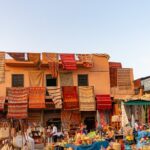
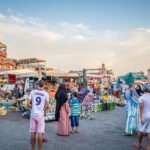
Most desert tours feel like they start with a long car ride. This one starts with a better idea: you begin in Marrakech, then unwind your way out of the city’s noise toward the High Atlas and the south. Even before the dunes, the route gives you that steady “layer by layer” feeling—markets and gardens, then fortress towns, then oasis valleys, then stone gorges, and finally sand.
You’ll be picked up for the trip, and because it’s private, you’re not stuck in a speed-run where someone else’s needs set the pace. That matters on a route like this: Morocco’s best moments often come from small delays—someone wants a better view, you pause to read a sign, the light changes, and the guide adjusts without making it feel awkward.
If you want the trip to feel calm and guided, this format helps. If you want a strictly timed itinerary with zero flexibility, tell your guide your preferences early and stick to clear expectations.
You can also read our reviews of more private tours in Marrakech

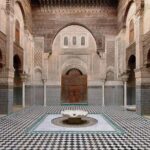

Crossing the High Atlas: Tizi n Tichka and the Road to Ouarzazate-Style Morocco
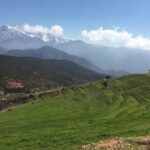
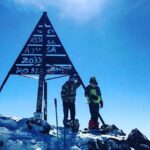
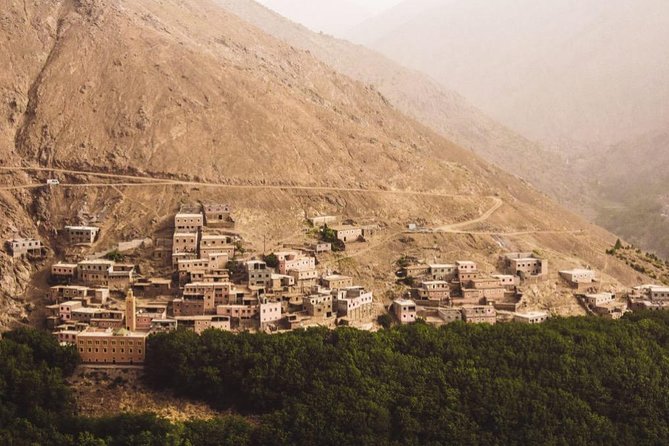
The High Atlas crossing is where your body starts to understand the geography. The Tizi n Tichka pass sits at about 2,260 meters (7,410 ft). You’re up high enough to feel the air shift, and the views at the summit give you that “now we’re really leaving the map” moment.
This stop is short—think quick viewing time more than a long hike—but that’s honestly the right style for a three-day route. You want to see it, feel it, then keep moving toward the kasbah region while you still have energy.
A practical note: expect roadside dust, sun, and frequent getting in and out for views. If you’re the type who burns easily or gets headaches with bright glare, bring sunglasses and something to cover your head.
Aït Benhaddou and Taourirt Kasbah: Kasbahs That Still Feel Alive
Two kasbah stops are doing the heavy lifting here.
Aït Benhaddou is UNESCO-protected and is also one of Morocco’s most famous cinematic locations. You may recognize it from major films, but the magic on-site is simpler than that: it’s a maze of winding streets and fortified buildings that you can walk through at your own pace. The “fortified granary” area at the top gives you one of those valley-overlook views that makes the place click.
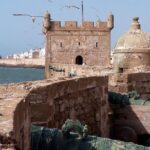
Then there’s Taourirt Kasbah, another fortress with a different vibe. It’s described as having almost 300 rooms, with passageways and steps that make you feel like you could wander for a while. It was owned by the el Glaoui clan, and the story behind it helps you understand why southern caravan routes mattered so much.
The value here isn’t just “seeing a UNESCO site.” It’s learning how these strongholds worked: built for protection, built for control of movement, and built to last. When your guide connects the architecture to the geography, it turns a photo stop into something you understand.
Possible drawback: both kasbah areas involve uneven walking. If your mobility is limited, you’ll want to ask your guide about the easiest walking routes and which areas are worth skipping.
Rose Valley and Dades: Where Green Shows Up in an Earthy World
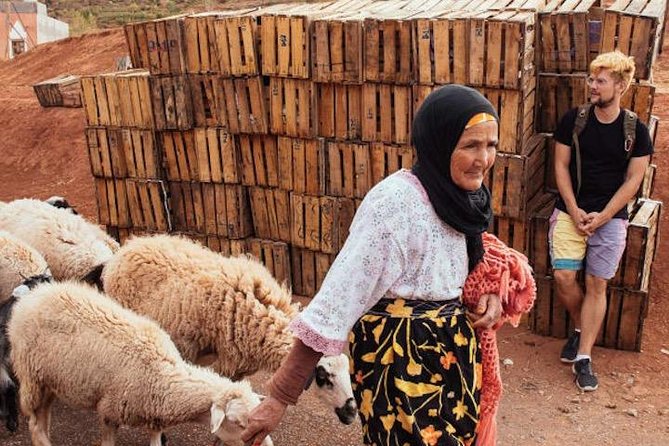
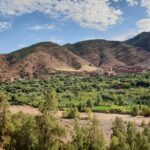
After the kasbah-heavy start, the trip turns to valleys and agriculture, which is a nice reset for your eyes. Vallee Des Roses is especially interesting because the region grows roses for rose water, a by-product of distilling rose oil from fresh petals. Rose water shows up in Moroccan life for cosmetics and cooking, so this isn’t just a pretty drive.
You’ll also learn why timing matters in this area. The rose harvest is so important locally that a festival is held each year in Kelaat Mgouna. Even if you’re not there during bloom, the route connects you to the idea that seasons shape daily life in southern Morocco.
Then you reach Boumalne Dades in the Dades Valley, where the environment shifts again. You get palm groves and oases supported by the Dades River system, plus the contrast of green life against the earthen rock formations. It’s a change of texture you can feel, not just see.
This day tends to run long in the sense of “hours on the road,” but it doesn’t feel empty because each stop gives you a different kind of scenery: stone fortresses, then agricultural valley color, then a valley-wide view.
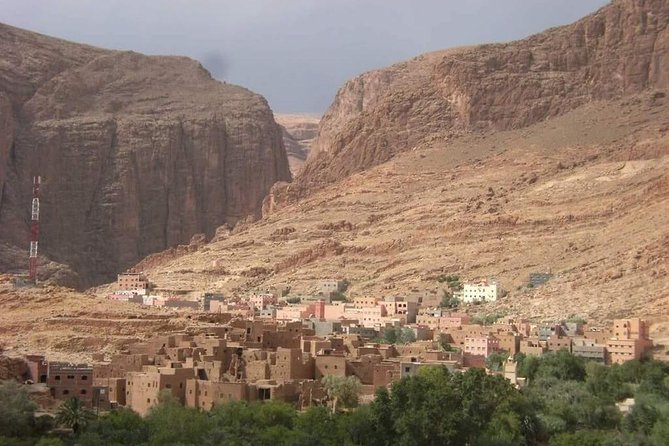
Todrha Gorges: The Canyon Stop That Makes Every Other Drive Feel Worth It
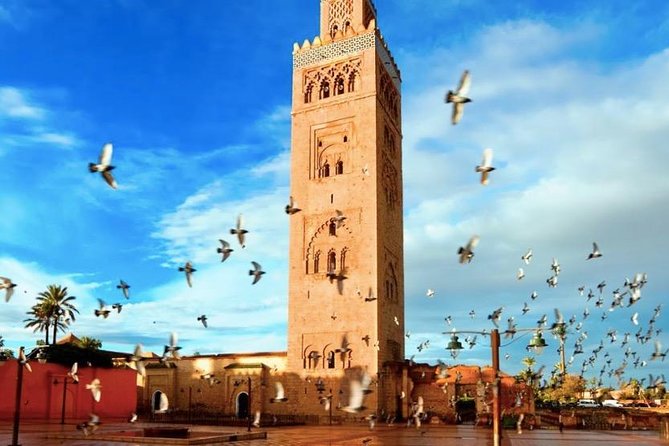
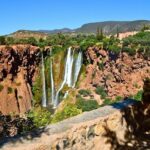
Todrha Gorges are a standout. The cliffs can be up to 400 meters (1,312 ft) high, and the gorge is carved by the Todgha and Dades river systems. You’re walking in limestone canyon territory with a sense of scale that’s hard to get from viewpoints alone.
A good guide makes a difference here. When someone explains how the river carved the canyon and why the walls rise so dramatically, you stop thinking of it as a “pretty stop” and start seeing it as geology in action.
Practical tip: wear shoes with good grip. Gorge paths can be uneven and dusty, especially if you’re visiting in hot weather.
You can also read our reviews of more hiking tours in Marrakech
Erfoud and the Ziz River Area: Fossils and the South’s French-Era Edge
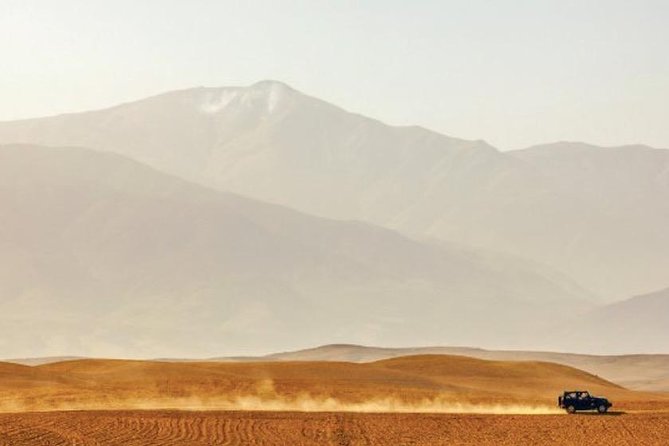
After the gorge, you move toward Erfoud, described as being on the Ziz River but with a different character than many older Moroccan villages. The settlement was built in the early 1900s by the French as an administrative headquarters, with buildings made using red sand mixed with lime.
This stop matters because it adds a “recent history layer” to the trip. You’re not only moving through old caravan routes and fortified kasbahs—you’re also seeing how the south changed under different rule and infrastructure.
Erfoud also connects to two big local industries:
- Fossils found in the region, tied to when the Sahara was submerged long ago
- Marble, with red, brown, and black varieties
If you like science-y travel details, this is one of those stops where the guide’s explanations can make the area click. If you don’t care about fossils, you can still enjoy the atmosphere of a working town rather than another museum-like stop.
Erg Chebbi: Camel Trek Time and the Kind of Night You Don’t Rush
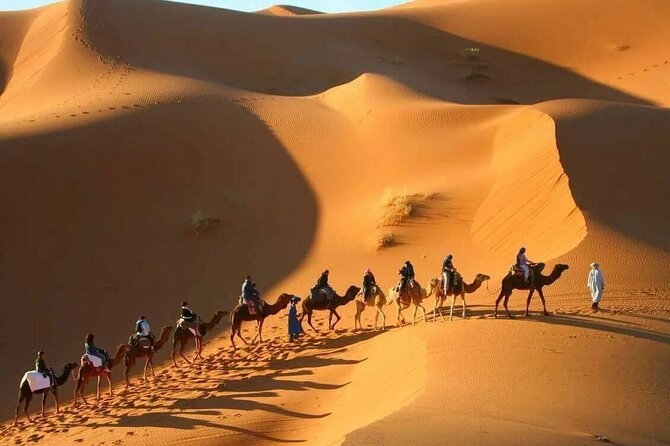
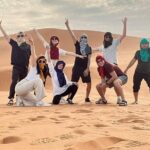
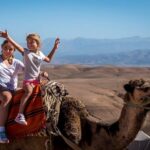
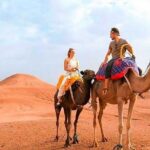
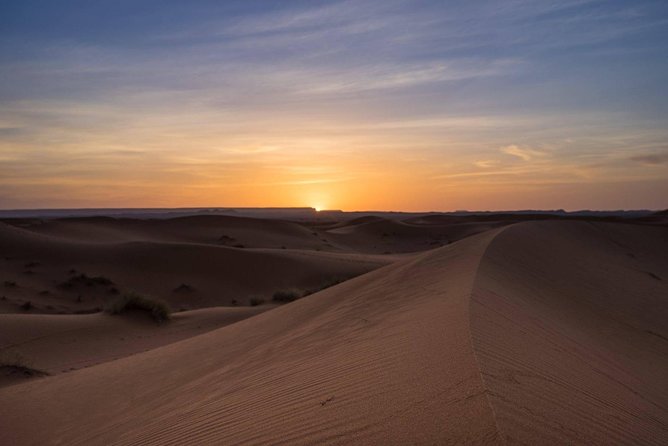
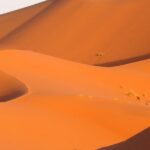
Erg Chebbi is the star of the route. These are windblown dunes (an erg), and this area has sweeping sand that reaches around 525 feet in height. It’s also a film location, but the real hook is simpler: the dunes are big enough that they feel like an ocean.
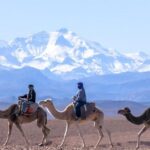
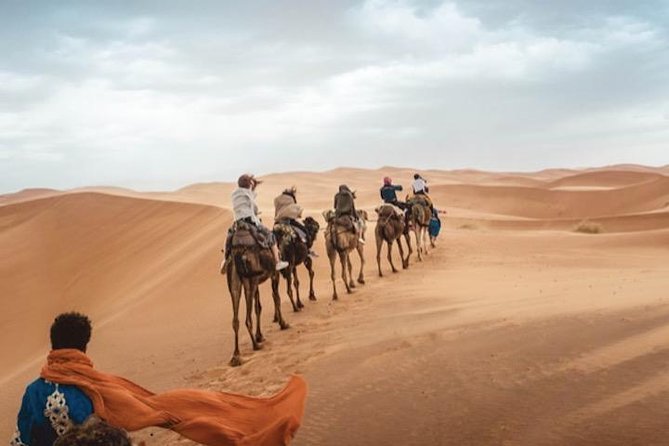
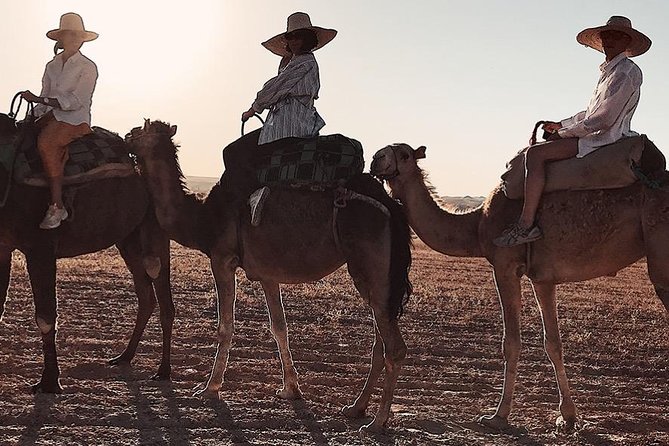
You’ll get an overnight experience here with dinner and breakfast, and the trip includes the camel trek with an overnight in a nomad desert bivouac. This is the moment most people choose a tour like this for, so it pays to treat it with care.
Here’s what I think makes this part work for you:
- Camels move slow enough for the desert to sink in
- The night in the desert camp is timed for views and stargazing, not only sleeping
- You’re far from the city lights, so the sky becomes the main event
If you’re lucky with the sky, you’ll get that starlit feel people talk about. You can also expect a camp atmosphere where fire and music show up as part of the experience.
What to consider: dress for temperature change. Desert nights can feel chilly even when daytime is hot, and you’ll want warm layers plus something to protect from sand if the wind picks up.
Sunrise and the Return: Rissani and the Calm After the Dunes
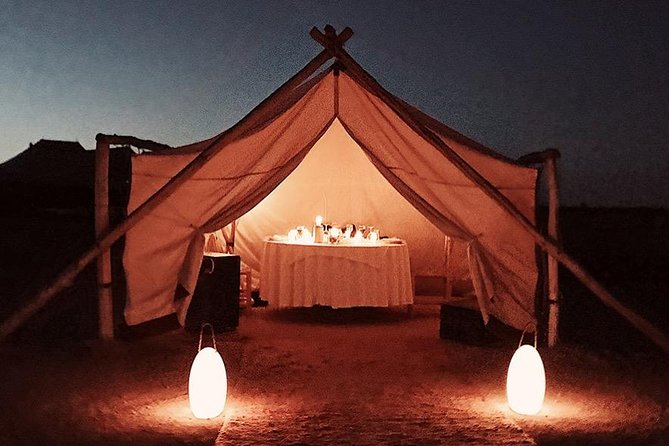
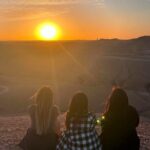
Day three starts early, with time for desert sunrise. You’ll wake up, catch the sunrise, then have a leisure breakfast and shower after you come back to the car. After that, the camel ride aspect shifts to returning to the vehicle while the driver is waiting.
That routine is a smart design. It prevents the usual “you rode a camel, now you freeze forever” problem. You get the best of the dunes experience, then regain comfort before the driving restarts.
Then you head toward Rissani, an ancient town near the Erg Chebbi area. It’s described as once tied to the Alawite dynasty, near Moulay er Rachid. It’s also known for early Moroccan architectural styles and notable palaces and temples.
This is a good moment to see that the desert isn’t a sealed theme park. It’s adjacent to real towns and history.
The Oued Draa Stop: Trilobite Fossil Country on Your Way Back
On the way back, the route includes Oued Draa, described as an oasis on the southeast edge of the Anti-Atlas Mountains. The standout detail here is for fossil hunters: the basin around Alnif is one of the best-known places in Morocco for collecting prehistoric trilobites.
Even if fossils aren’t your thing, this stop still helps you understand Morocco’s scale. You’re moving between mountain pass heights, stone canyons, oasis agriculture, and then to places where ancient ocean life shows up in the sand.
Price and Value: Does $483.17 Per Person Make Sense?
At $483.17 per person for an approx. 3-day private experience, you’re paying for four main things:
- Time on the road with the right stops
This route includes the High Atlas pass, UNESCO kasbah touring, gorge walking, and proper desert overnight time. You’re not just buying one attraction.
- Private guiding and transport
Private usually means less waiting, better pacing, and fewer compromises. You’ll feel it most during kasbah and gorge time, where “how long you stay” matters.
- Two lodging styles
You get sleep in authentic riads earlier and then a starlit desert camp night later.
- Camel trek with overnight bivouac
This is the part that’s hard to replace with cheaper “short desert” tours.
What’s not included is also important for value math. Entrance fees, flights, travel insurance, and extra drinks/snacks/additional meals aren’t included. So if you like to pay as you go for every little thing, your total cost can rise.
That said, if you plan your meals, budget entrance fees, and keep drinks/snacks controlled, the price can feel fair for a private, multi-region route that stays meaningful instead of rushing.
Who This Tour Fits Best (and Who Should Skip)
This tour fits you well if you want:
- A private route out of Marrakech with a guide who helps you understand what you’re seeing
- Classic southern highlights in a tight timeframe
- The real desert night experience, not just a quick camel photo moment
It’s less ideal if:
- You hate early starts (sunrise morning is included)
- You need a very gentle pace with minimal walking on uneven ground
- You dislike long driving days in hot or dusty conditions
If you’re traveling as a couple or small family group and you want flexibility, this kind of private format is a strong match.
Should You Book It?
I’d book it if your goal is a true “southern Morocco arc” from Marrakech to Erg Chebbi with the camel trek + bivouac night as the center. The guide quality stands out in the details people talk about: being attentive, helpful, and professional, plus making sure you don’t get stuck when walking is tricky.
Skip or ask questions first if you’re sensitive to heat and uneven ground, or if you expect everything to be fully paid for (entrance fees and many personal expenses are not included). If you can plan for those, you’ll likely find the route is a smart way to see a lot of Morocco without feeling like you’re rushing a checklist.
FAQ
How long is the tour?
It’s listed as 3 days (about 3D/2N), traveling from Marrakech toward the Erg Chebbi area and back.
Is this a private tour?
Yes. It’s private, meaning only your group participates.
What does the desert part include?
You’ll ride camels and have an overnight in a nomad desert bivouac with dinner and breakfast. You’ll also have time for desert sunrise, followed by breakfast and a shower after returning.
What’s included in the price, and what’s not?
Pickup is offered, and the experience includes the tour itself plus the multi-day route with accommodation in riads and the desert camp setup. Not included: entrance fees, flights, personal travel insurance, and extra drinks/snacks/additional meals.
What is the highest point on the route?
The tour crosses the Tizi n Tichka pass, listed at about 2,260 meters (7,410 ft).
What happens if weather is poor?
This experience requires good weather. If it’s canceled due to poor weather, you’ll be offered a different date or a full refund.