REVIEW · MARRAKECH
3 Days Homestay with Last Berber Nomads in The Atlas Mountains
Book on Viator →Operated by Adrar Travel · Bookable on Viator
Trade Marrakech heat for tent life in the Atlas. This 3-day private escape mixes big nature moments with a rare, hands-on homestay-style look at Amazigh nomad life in the High Atlas. I love the guided time at Ouzoud Waterfalls—including a local-guided hike, a boat ride, and a chance to spot Barbary apes—plus the way you get to do real daily tasks at Tamda Plateau rather than just watch from the sidelines.
Here’s the one trade-off: you’ll do long drives and sleep in tents, so bring a little patience and moderate fitness. Also, day 2 activities can vary based on what you’re interested in and whether you’re male or female. If you want a comfy hotel bubble with short days and soft beds, this won’t fit your style.
In This Review
- Key things to know before you go
- Why this Atlas homestay beats the usual Morocco checklist
- Day 1: Ouzoud waterfalls, Azilal prep, and arriving at Tamda Plateau
- Ouzoud Cascades: a proper waterfall day
- Azilal: the practical “we’re heading to the mountains” stop
- The drive to Tamda Plateau: meet the family, set the tent, start helping
- Day 2: daily nomad tasks in the High Atlas (and why it’s more meaningful than you think)
- Day 3: Ait Bouguemez villages, Imi-n-Ifri natural bridge, and back to Marrakech
- Morning farewell and a different route home
- Imi-n-Ifri: walk the natural bridge area and take your time
- Drop-off in Marrakech
- Price and value: what $476.93 buys over 3 days
- Guide quality and the support you hope for in remote places
- What camping with Berber nomads means in real life
- Packing and comfort tips that match this exact schedule
- Who should book this tour, and who should choose something else
- Should you book it?
- FAQ
- What time is pickup in Marrakech?
- Is this tour private?
- How physically demanding is it?
- What are the main places you visit during the 3 days?
- Are any ticket admissions included?
- Can I cancel for free?
Key things to know before you go
- Private group setup: only your group travels together, so the pace is easier to manage.
- Ouzoud has structure: you get a 2-hour local-guided waterfall hike plus a handmade boat stop.
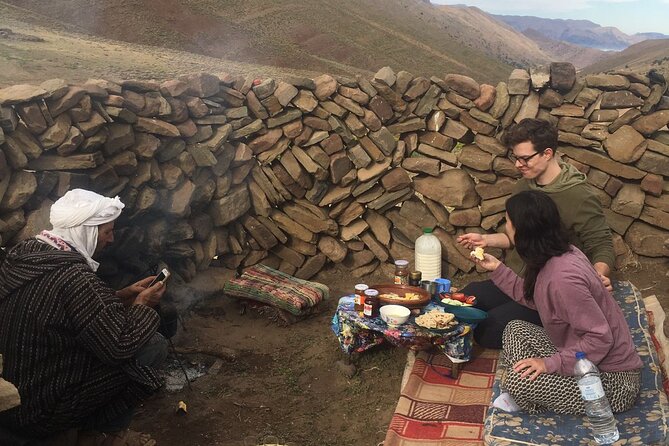
- Tamda Plateau homestay feel: you meet the nomad family and set your tent close to theirs.
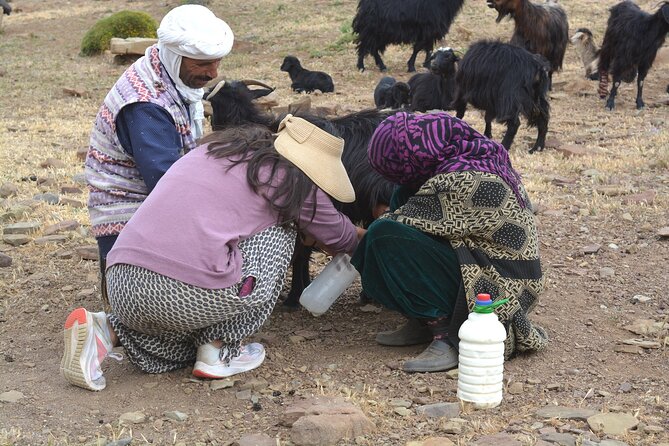
- Day 2 is work-in-a-friendly-way: tasks like fetching water, collecting wood, or tending goats/camels may be part of your day.
- Return route is different: day 3 doesn’t just copy day 1; it loops via Ait Bouguemez and Imi-n-Ifri.
Why this Atlas homestay beats the usual Morocco checklist
This trip is built for people who like Morocco beyond the medina photos. You start in Marrakech, then trade city heat for cooler High Atlas air and a slower rhythm. The big “wow” isn’t a single monument—it’s living a few days at the edge of traditional life.
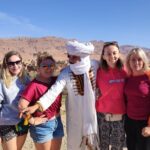
The first reason I’d pick it: you’re not only seeing scenery. At Tamda Plateau, you meet the family hosting you, set up your tent, and join day-to-day activities. That’s what makes it different from a typical “drive, stop, take pictures, leave” tour.
The second reason: the outdoors are real here. Ouzoud is a full outing, with a local guide for a waterfall hike and a boat option to feel the mist. Then you wrap the trip with Ait Bouguemez-area village views and Imi-n-Ifri’s natural bridge walk. It’s not just one nature stop—it’s a sequence.
A few more Marrakech tours and experiences worth a look

Day 1: Ouzoud waterfalls, Azilal prep, and arriving at Tamda Plateau
Ouzoud Cascades: a proper waterfall day
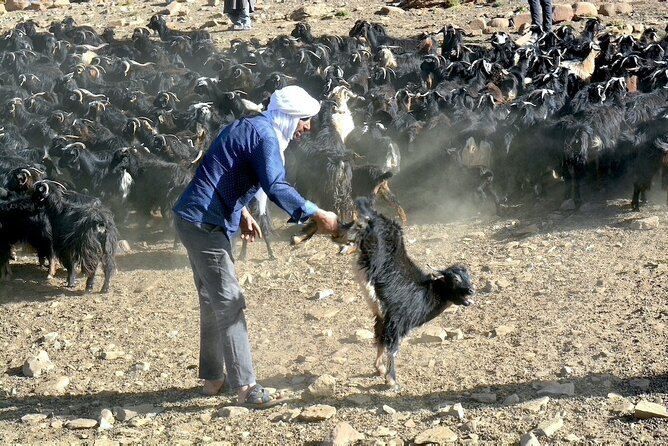
You get picked up around 08:00 from your riad, then head toward Cascades d’Ouzoud, Morocco’s biggest waterfalls. The schedule isn’t rushed. After you reach the falls, there’s time to enjoy the breeze and take in the view.
What I like is that you don’t just wander alone. You’re invited for a 2-hour hike with a local guide to explore the falls. That’s the kind of time that turns into real understanding—names, routes, and small details you’d miss without someone showing you where to go.
You’ll also have the option to take a handmade boat, and it’s a classic moment for spotting Barbary apes (monkeys) around the area. Expect it to feel lively, but still rooted in a local setting rather than a staged attraction.
Possible drawback? Ouzoud is a long day starting from Marrakech, and you’ll be on your feet during the hike. Wear solid shoes and plan for a bit of walking even if the pace stays friendly.
Azilal: the practical “we’re heading to the mountains” stop
After the Ouzoud break, the next stop is Azilal. You’ll get a chance to collect what you need for the next nights before the drive into the Atlas. It’s only about an hour, but that small stop matters because conditions shift fast once you leave the main road.
Lunch is planned at a local restaurant here. (The exact style isn’t specified, so I’d treat this as your “fuel up and relax” moment rather than something you must optimize.)
The drive to Tamda Plateau: meet the family, set the tent, start helping
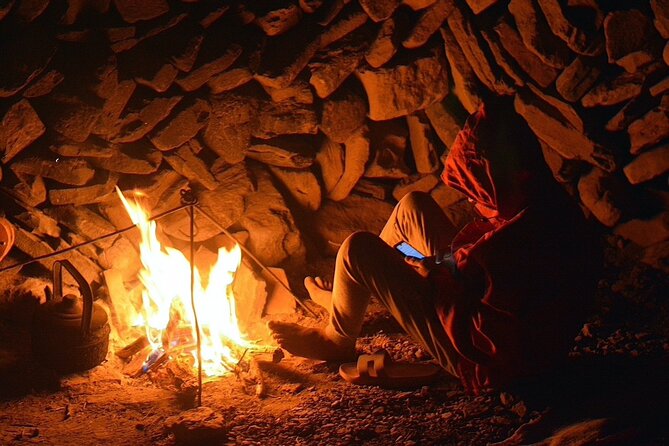
From Azilal, it’s about 2 hours to Tamda Plateau, just before Ait Bouguemez Valley. This is where the trip changes gears. You arrive at the nomad camp for the summer months, meet your hosted Amazigh family, and set up your tent near theirs.
You’re not just dropping in for a photo. The idea is that you begin participating in nomad activities right away. Even if you’re only doing smaller tasks at first, the effect is important: you start learning by doing.



Day 2: daily nomad tasks in the High Atlas (and why it’s more meaningful than you think)
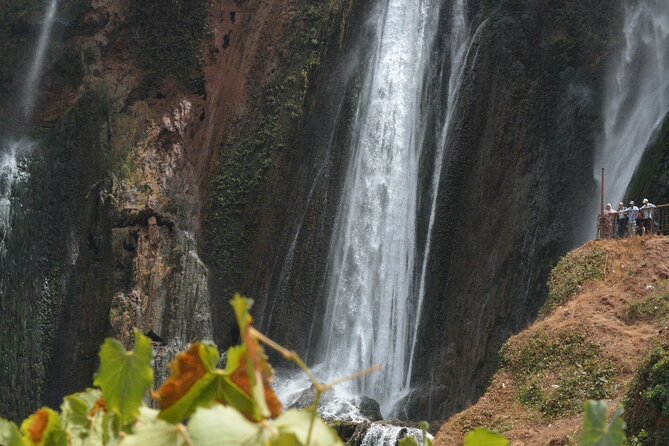
Day 2 is the heart of the experience. The tour sets expectations upfront: what you do will depend on your interests, and activities can vary based on whether you’re male or female.
The listed tasks are classic nomad work—things like:
- bringing water from its source
- collecting wood for the fire
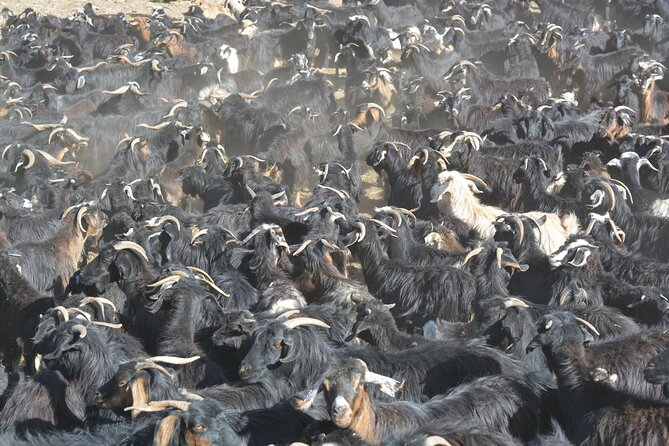
- tending grazing goats or camels
I actually like that the day is described in practical terms. It keeps it honest. This isn’t presented as a “performance.” It’s about how a family moves through the day and how the environment shapes daily life.
One more thing I’d underline: you’re not expected to be an expert. The value is in your willingness to help and ask questions when you can. If you’re the type who enjoys learning through simple tasks—carrying water, walking to work areas, observing how people organize their time—you’ll get a lot out of this day.
Potential consideration: if you’re used to low-activity vacations, this may feel like more of a real day than you expected. It’s not a hiking trip; it’s everyday living in a mountain setting. Bring a good attitude and expect things to be less comfortable than home.
Day 3: Ait Bouguemez villages, Imi-n-Ifri natural bridge, and back to Marrakech
Morning farewell and a different route home
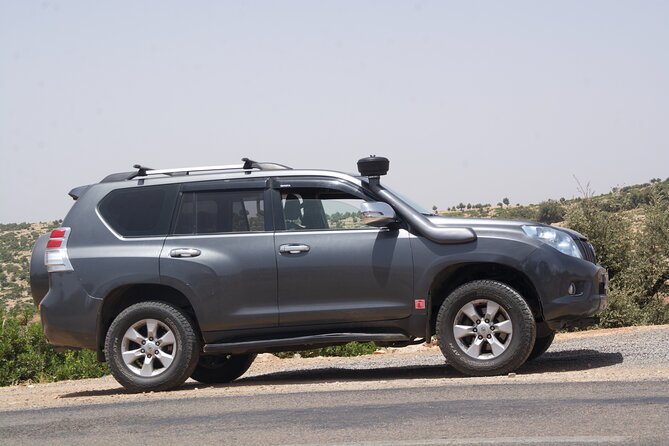
After breakfast, you say goodbye and start the return to Marrakech. This is built as a “new route” day, not a repeat. You’ll travel via Ait Bouguemez and Imi N Ifri, then continue on to Marrakech.
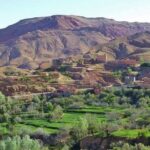
Along the way, you’ll admire Berber villages. That word matters here—this is village life you pass through on the road, not an attraction with a ticket booth.
Time on the road can feel long on day 3, but the upside is you don’t feel stuck doing the exact same drive again.
Imi-n-Ifri: walk the natural bridge area and take your time
Next up is Imi-n-Ifri Natural Bridge. You’ll walk about 45 minutes to explore the site. The plan includes time to see the natural structure and take in the area around it.
Lunch is included in Imi-n-Ifri as part of the day’s flow. Again, details on what’s served aren’t given, but it’s positioned as a reset point before the final stretch.
Drop-off in Marrakech
You’ll finish by returning to Marrakech and getting dropped off at your hotel or riad. The day is designed to keep the final transfer simple—no extra maze of meeting points once you’re back.
Price and value: what $476.93 buys over 3 days
At $476.93 per person for a 3-day private experience, the price looks “mid-range” only if you compare it to standard day tours. Compared to what you get here, it feels more like paying for access and transportation across tough terrain.
Here’s what’s likely driving value:
- Pickup from your riad and a full loop from Marrakech into the Atlas
- Ouzoud Falls with a local-guided hike and boat time
- A night (or nights) of camping-style nomad hosting at Tamda Plateau
- Guided exploration around Imi-n-Ifri (including the walk)
- Private touring so your group isn’t squeezed into a larger shared schedule
Also, the “private” part matters. You can keep your pace, ask questions, and focus on the experience instead of managing crowd logistics.
What I’d watch: the itinerary involves a lot of moving parts—multiple stops and long drive legs. If you’re the type who wants downtime every hour, this isn’t a light, relaxed weekend plan. For many people, that’s exactly the point, though: you’re trading comfort for a more grounded view of how life works outside Marrakech.
Guide quality and the support you hope for in remote places
The people behind the scenes seem to get high marks in the feedback you shared. Several guide names show up with consistent praise: Aziz, Hassan, Idrisse, Hammou, and support tied to hosts like Said and an Ibrahim mentioned for bridging communication.
From that pattern, I’d take away two practical expectations:
1) You should get warm, attentive guiding rather than a “checklist only” style.
2) You’ll likely have someone who can handle questions, answer calmly, and keep your group engaged.
One review also highlights help being ready 24/7, and that’s the kind of thing that matters when you’re far from a hotel desk. You don’t need constant attention, but you do want confidence that issues will be handled quickly if they pop up.
What camping with Berber nomads means in real life
This is not glamping. The wording points to setting up your own tent near the nomads’ area. That can be a highlight if you like being outdoors, but it also means you should plan for:
- basic sleeping conditions
- outdoor sounds at night
- a day rhythm tied to water, wood, and animal care
What helps is knowing the trip’s fitness level is listed as moderate. That suggests you don’t need technical hiking ability, but you should be comfortable walking and staying active.
If you’re sensitive to cold or you don’t pack for changing mountain temperatures, you’ll feel it. I’d bring layered clothing and anything you need for a decent night in a tent.
Packing and comfort tips that match this exact schedule
Because this trip mixes waterfall walking, village viewpoints, and a 45-minute natural bridge walk, pack like you’ll be outside all day.
Practical basics:
- sturdy shoes for uneven paths (Ouzoud hike and Imi-n-Ifri walk)
- a day layer plus a warmer layer for mountain air
- a small day bag for water and snacks during stops
Also, bring a respectful mindset. This kind of homestay works best when you treat the family’s time as the center of the trip, not your own schedule.
Who should book this tour, and who should choose something else
This tour is a great fit if you:
- want real cultural contact and hands-on daily tasks, not just sightseeing
- enjoy cooler mountain air and multi-stop nature days
- are comfortable with tents and active walking
- value a private group pace
It may be a poor match if you:
- need hotel-level comfort every night
- dislike long drive days
- expect a light itinerary with minimal physical effort
One last reality check: the trip can be life-changing for people who like simplicity. If you want Morocco to stay polished and predictable, you’ll feel more stress than joy.
Should you book it?
I’d book this if your dream Morocco moment includes meeting people, helping out in small ways, and trading a normal tour schedule for a mountain homestay rhythm. The strongest part is the combo: Ouzoud for nature wow, then Tamda Plateau for everyday Amazigh nomad life, then Ait Bouguemez and Imi-n-Ifri to round it out.
Don’t book it on autopilot if you hate tents or you’re not ready for a full day’s movement between stops. But if you can handle active walking and you want an authentic Atlas experience, this one has the ingredients.
FAQ
What time is pickup in Marrakech?
Pickup starts at 08:00 from your riad.
Is this tour private?
Yes. It’s a private tour/activity, so only your group participates.
How physically demanding is it?
The tour notes a moderate physical fitness level. You’ll do walking such as a 2-hour hike at Ouzoud and about a 45-minute walk at Imi-n-Ifri.
What are the main places you visit during the 3 days?
You go to Ouzoud Waterfalls, Azilal, the Tamda Plateau nomad camp in the High Atlas, Ait Bouguemez Valley, Imi-n-Ifri Natural Bridge, and then back to Marrakech.
Are any ticket admissions included?
Some admissions are listed as free (including Ouzoud and Azilal), while other parts are listed as admission ticket included (including the nomad camp portion and Imi-n-Ifri).
Can I cancel for free?
Yes, free cancellation is available up to 24 hours before the experience start time for a full refund.