REVIEW · MARRAKECH
3 Days Sahara Desert Trips From Marrakesh
Book on Viator →Operated by Sahara Desert Trips & Morocco Travels · Bookable on Viator
Three days, and the Sahara still surprises me. This private route strings together Atlas passes, desert dunes, and canyon walking, with smooth hotel pickup and a real Berber camp night.
I especially like the easy Marrakech logistics: you’re picked up in the morning and dropped back at the end, in an air-conditioned vehicle. I also like the mix of stops that feel purposeful, not random: Ait Ben Haddou, Todra Gorge hiking, then the Erg Chebbi dune experience with a camel ride and camp.
One thing to consider: this is a long road trip. Lunches are on your own, and most of your day is spent traveling between big scenery hits—great if you like road-trip days, annoying if you want constant walking.
In This Review
- Key things to know before you go
- How the 8:00am start sets the tone for your first day
- Ait Ben Haddou kasbah and Ouarzazate film studios: what to look for
- Todra Gorge hiking: where your “real” walking happens
- Erg Chebbi dunes: camel ride, sunset photos, and camp night
- Sunrise in the dunes, shower break, then the long scenic road toward Fes
- Price and value: what you’re really paying $620.35 for
- Guides and the “comfort factor” on a long road trip
- Who should book this Sahara trip (and who might not love it)
- Should you book this 3-day Sahara Desert trip from Marrakech?
- FAQ
- How long is the Sahara Desert trip from Marrakech?
- What time does the tour start in Marrakech?
- Is hotel pickup included?
- What’s included in the price?
- Are lunches included?
- What desert experience do I get?
- Can I cancel for a full refund?
Key things to know before you go
- Hotel pickup and drop-off in Marrakech keeps the start stress-free.
- Ait Ben Haddou + Ouarzazate gives you Morocco’s famous set-piece vibe before the wilderness.
- Todra Gorge hiking is the day you stretch your legs inside dramatic canyon walls.
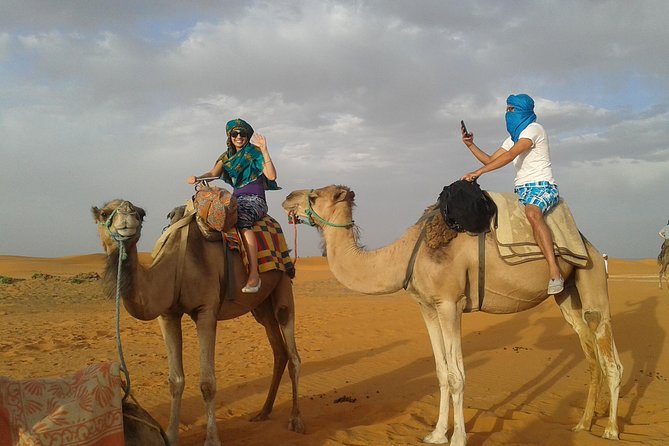
- Erg Chebbi camel trek to a Berber camp is the core experience, with sunset photos built in.
- Sunrise on the dunes + breakfast adds the best light of the whole trip.
- Cedar forests and Ifrane stops help you break up the driving on the way toward Fes.
How the 8:00am start sets the tone for your first day
The tour kicks off at 8:00am from your Marrakech pickup point. That early start matters because you’ll beat some of the busiest daytime driving and get your first major scenery stop before the day gets heavy.
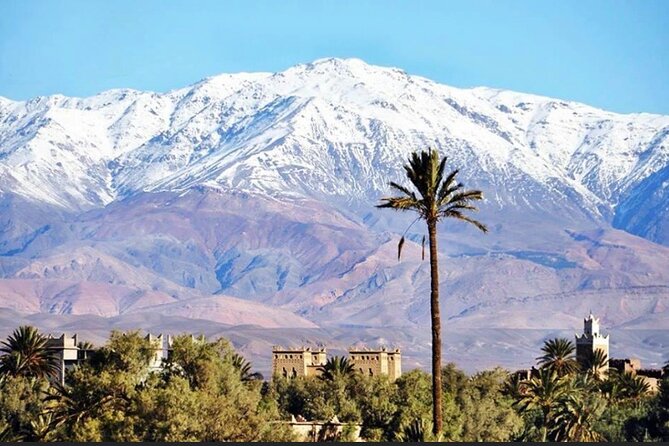
On day 1, you’re traveling over the High Atlas Mountains, with a pass at about 2260 meters. Expect a lot of window time—mountain views, changing terrain, and those “wait, Morocco has this too?” moments.
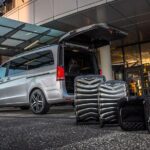
Also, you’ll be in an air-conditioned vehicle, which helps a lot when you’re sitting through long stretches. Morocco road trips can be comfortable; it’s just that you’ll mostly be a passenger.
A few more Marrakech tours and experiences worth a look
Ait Ben Haddou kasbah and Ouarzazate film studios: what to look for
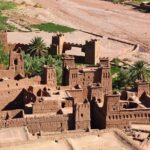
Day 1’s first big stop is the Ksar of Ait-Ben-Haddou. This is one of those places where it’s helpful to slow down and look at the shapes: the earthen architecture, the layered walls, and the way the whole kasbah sits like it grew from the hillside. You’ll also have time for pictures, but don’t treat it like a quick stop sign—walk a bit and notice the details.
Lunch is included? Not here. You’ll stop for lunch at your own expense in a local restaurant. That’s common on these routes, and it’s worth planning your expectations: you’ll get fed, but you won’t be handed a preset meal package.
After that, you continue toward Ouarzazate. You’ll make a stop near the Atlas Film Studios area for photos, then continue to the city center for a panoramic view of the Kasbah of Taourirt. The film-studio stop can feel touristy on paper, but the panoramic viewpoint is the payoff. From there, you get a better sense of why Ouarzazate is a magnet for filmmakers—and for travelers who like cinematic views.
Finally, you’ll head to Kalaa M’gouna or Boumalne du Dades for dinner and the night. That choice of overnight location helps break up the drive so day 2 can focus on Todra and the dunes.
Todra Gorge hiking: where your “real” walking happens
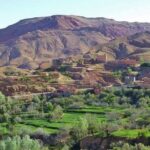
Day 2 starts with breakfast, then you head toward Tineghir. Along the way, you’ll pass through Boumalne du Dades and stop for a panoramic view of the Dades Valley. This is one of those stretches where a short viewpoint stop is actually useful—because it gives you context before the canyon day.
Then you continue toward Todragorges via Imider and Tineghir, with stops for photos and viewpoints. You’re building a visual story: valleys first, then canyon walls.
Once you reach Todra Gorge, you’ll do a hike on foot. The gorge is famous for its tight, dramatic canyon feel, and the best part is that you’re not just looking—you’re moving through the space. Even if you don’t consider yourself a hiker, this is the day where your legs get involved in a meaningful way.
Lunch again is at your own expense. You’ll have a break for lunch around Tinejdad, then continue toward Erfoud.
One more nice touch: in Erfoud you visit a local fossil craft workshop. It’s brief compared to the gorge and dunes, but it adds a practical, hands-on slice of what people do in this region.
Erg Chebbi dunes: camel ride, sunset photos, and camp night
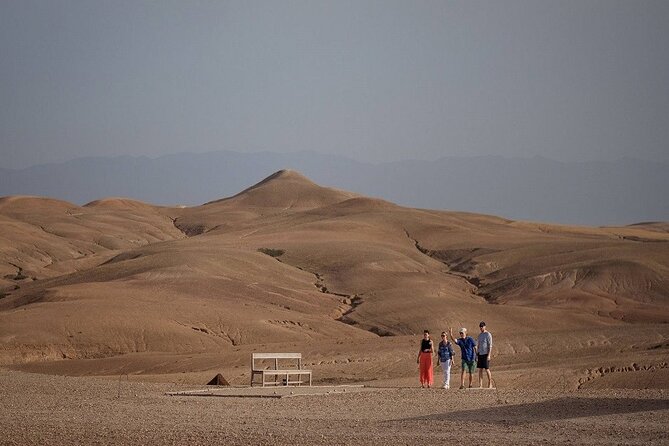
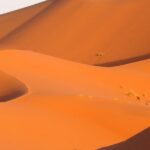
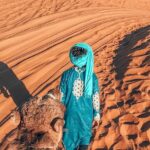
Erg Chebbi is the emotional core of this trip. After Erfoud, you drive into the dune area known as the Merzouga dunes. You’ll arrive at your hotel first, then get ready for the camel trek.
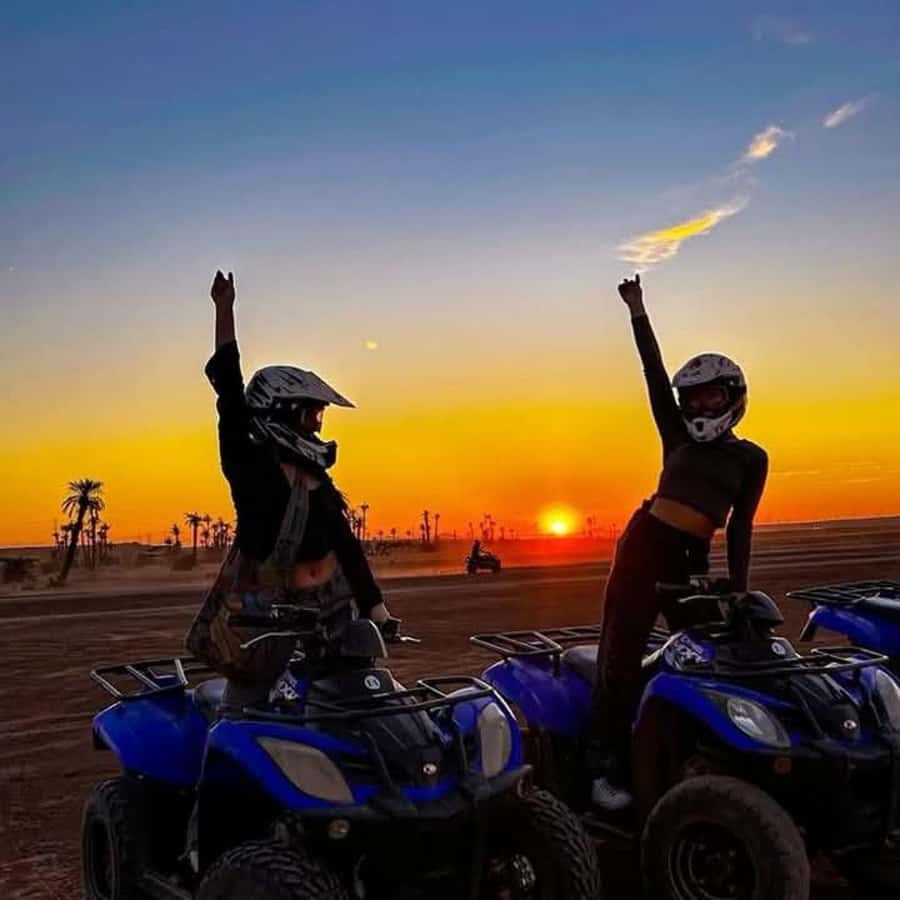
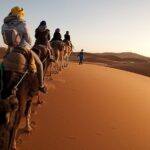
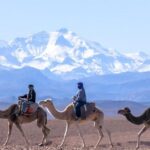
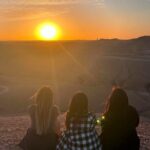
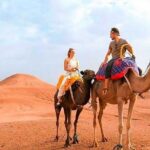
The camel ride is about 1.5 hours. This is long enough that you’ll feel like you crossed into the desert—not just took a quick ride for a photo. It also means the timing matters, especially for the sunset portion. If you’re chasing golden-hour photos, you’ll be in the right place.
After the trek, you reach your Berber camp for the night. The tour highlights a lively evening with your guides, and that aligns with how these camps tend to work: you’re not just sleeping in a tent, you’re part of an evening routine. I’d treat this as your chance to slow down. Put your phone away for a few minutes and watch the sky change—desert light shifts fast.
Dinner is included on this night (the package includes two dinners total across the trip). Drinks are not included, so if you like water or something fizzy with your meal, plan on paying extra.
Sunrise in the dunes, shower break, then the long scenic road toward Fes
Day 3 begins early so you can do sunrise on the top of the dune. This is the kind of “worth the early wake-up” moment that doesn’t sound special until you’re standing in it. The sky lightens, shadows stretch, and the dunes look totally different than they did the day before.
After sunrise, you’ll have breakfast. Then you ride your camel back to the hotel. There’s also a shower after the trek, which is a big quality-of-life detail. Sand stays on you; a proper wash makes the rest of the day feel normal again.
Then the road trip resumes, this time with a focus on scattering scenic stops through the drive. You head toward Errachidia via Erfoud and Aoufous, then you’ll stop for a panoramic view of the oasis of Aoufous in the Tafilalte region.
Continuing on, you cross the pass of Tizi N’talghamt toward Midelt, with a lunch break on the way (again, lunch is not included). After lunch, you head toward Fes.
Along the route, you may stop at the cedar forest near Azrou, with a possibility to see Barbary apes (monkeys). You could get lucky here. Don’t count on it as a guaranteed wildlife moment, but it’s a great add-on when conditions allow.
There’s also an Ifrane option, sometimes described as Switzerland of Morocco by the tour route itself. The day 3 stop notes Ifrane National Park with free admission. So if you’re into cool air, tidy streets, or just a break from desert heat, this is one of the calmer parts of the final driving day.
By the end, the activity is set to finish back at the meeting point. At the same time, the day 3 itinerary clearly mentions driving toward Fes. In practice, you’ll want to confirm the exact drop-off location when you book so your last day ends where you expect.
Price and value: what you’re really paying $620.35 for
The price is $620.35 per person for an approximately 3-day private desert trip. Is it cheap? No. But it’s also not just “a camel and a tent.”
Here’s what your money covers:
- Air-conditioned vehicle for the long Marrakech-to-desert drive
- Breakfast (3) during the trip
- Dinner (2) during the camp and overnight portion
- Hotel pickup and drop-off in Marrakech
- A structured route with scenic stops like Ait Ben Haddou, Todra Gorge, and Erg Chebbi
What you need to budget for:
- Lunches (not included)
- Drinks
- Tipping
So the value question becomes: do you want someone else handling the driving, timing, and route stops while you enjoy the sights? If yes, this price starts to make sense. You’re paying for convenience plus an itinerary that hits the highlights without you navigating logistics in a new country.
One more factor: you’re on a private tour, meaning it’s your group only. That usually improves the vibe—less waiting, more flexible stop time, and easier communication if you have questions about what you’re seeing.
Guides and the “comfort factor” on a long road trip
A Sahara route is only as good as its people. On this style of trip, the driver and guide are the ones who make the long distances feel manageable.
In the trip stories shared from this route, guides like Mouad, Ahmed, Hicham, and Brahim show up with consistent praise: being punctual, speaking good English, and adjusting to what the group wants to see and how long to linger. Names like Youssef and drivers like Ali also appear frequently—again tied to responsiveness and keeping things smooth.
Even without naming every person, the lesson for you is practical: if you care about comfort and clarity, a private setup usually gives you more control. Ask questions early, tell the guide what pace you want, and you’ll get more out of those stops.
Who should book this Sahara trip (and who might not love it)
This trip fits best if you:
- Want a big Morocco sampler in 3 days: Atlas scenery, kasbah architecture, canyon hiking, and desert dunes
- Like the idea of a private car plan where someone else handles driving and timing
- Are excited by the camp experience and don’t mind an early morning sunrise routine
You might want to think twice if you:
- Prefer short driving days and lots of walking every day
- Hate paying for lunches and drinks out of pocket
- Want a more flexible, free-form desert stay rather than a set 1.5-hour camel trek schedule
Should you book this 3-day Sahara Desert trip from Marrakech?
If you’re the type of traveler who wants maximum variety without planning every step, I’d lean yes. The route hits high-value moments—Ait Ben Haddou, the Todra Gorge hike, and the Erg Chebbi camel-and-camp night—while still keeping things comfortable with breakfast, dinners, and an air-conditioned vehicle.
Book it if you’re okay with a lot of time in the car and you’re happy to spend your day with planned stops instead of spontaneous detours. Don’t book it if your ideal desert trip is slow, long, and unstructured.
FAQ
How long is the Sahara Desert trip from Marrakech?
It’s listed as a 3-day trip (approx.). The schedule includes Ait Ben Haddou and Ouarzazate on day 1, Todra Gorge and Erg Chebbi on day 2, and sunrise plus the drive toward Fes on day 3.
What time does the tour start in Marrakech?
The start time is 8:00am.
Is hotel pickup included?
Yes. Pickup is offered, and the tour is designed to collect you from your Marrakech hotel.
What’s included in the price?
Included features are an air-conditioned vehicle, breakfast (3), and dinner (2). Pickup and drop-off in Marrakech are included.
Are lunches included?
No. Lunches are not included, and you’ll have lunch breaks where you pay at your own expense.
What desert experience do I get?
You’ll ride a camel (about 1.5 hours) to the dunes area and then go to a Berber camp for the night. The tour also includes an early sunrise experience on the dunes with breakfast.
Can I cancel for a full refund?
Yes, you can cancel up to 24 hours in advance of the experience for a full refund.