REVIEW · MARRAKECH
3 Days Desert Tour From Marrakech To the Desert of Merzouga with a Camel Trek
Book on Viator →Operated by Marrakech unique activities · Bookable on Viator
Three days, one jaw-drop desert. This trip takes you from Marrakech over the High Atlas to Merzouga, then trades the road for dunes, with camel time, Berber dinner, and the kind of sunrise-and-sunset colors that stick in your head. You also get classic stops like Ait Ben Haddou and Toudra Gorge along the way.
What I like most is the balance: a cultural hit early (Ait Ben Haddou) plus the real desert pacing in the middle (camel ride, dinner, and sleeping in a nomad-style camp). I also like that the desert camp comes off more comfortable than you might expect, with well-arranged tents that work as a warm refuge when the desert cools down. One consideration: you’ll spend a lot of time in the shared van, and since lunch isn’t included, plan for lunch stops along the drive.
In This Review
- Key points before you go
- High Atlas to Ait Ben Haddou: the morning that sets the tone
- Dades Valley overnight: Berber dinner and a real rest break
- Toudra Gorge and Merzouga dunes: where the vehicles stop and the fun starts
- Desert camp comfort: the big reason this trip feels worth it
- Optional sunrise on Day 3, then the long return through the Atlas
- Price and value: what $188 really buys you
- Practical logistics that affect your enjoyment
- Who should book this Marrakech to Merzouga camel trek
- Should you book this tour?
- FAQ
- What time does the tour start, and where does it meet?
- Is pickup from Marrakech included?
- How much does the tour cost?
- What’s included in the price?
- Is lunch included?
- How long is the camel ride?
- Where will I sleep during the trip?
- Can I see sunrise in the desert?
- How big is the group?
- What is the cancellation window for a full refund?
Key points before you go
- A High Atlas drive with major photo stops (including Ait Ben Haddou)
- Merzouga dunes plus a one-hour traditional camel ride
- Sunset/dinner timing built around the desert so your evening has a plan
- Two different sleeping styles: Dades hotel night, then a nomad-tent night in the Sahara
- Small group size (max 17) which usually makes the day feel less chaotic
- Meals are mostly handled (breakfasts and dinners included, but not lunch)
High Atlas to Ait Ben Haddou: the morning that sets the tone
The day starts with pickup from your Marrakech hotel or riad, and you’ll head out at 9:00 am from the Jemaa el-Fna area. The drive pushes you up and over the Tizi Ntichka pass, and the rhythm is simple: keep moving, stop when the views and places are worth it, then back on the road.
Your first big “wow” stop is Kasbah Ait Ben Haddou, a World Heritage site with that classic southern Morocco look—mud-brick buildings stacked like a fortress on the hillside. This is one of those places where it helps to slow down, look at how the kasbah spreads across the slope, and notice how the architecture is built for defense and climate. It’s not just a photo stop; it’s a clear window into how people lived in these regions long before modern roads.
After lunch (not included), the route turns toward the Roses Valley and continues on to Dades. If you’re the type who likes your first desert trip to feel well-paced—some culture first, then scenery—it works. If you hate car time, accept that Day 1 has plenty of it.
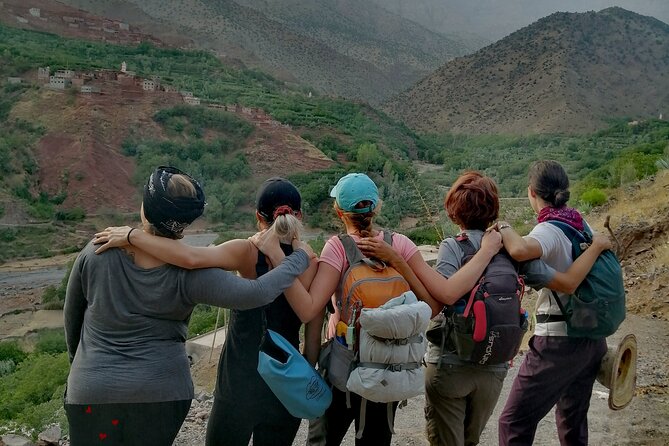
You can also read our reviews of more hiking tours in Marrakech
Dades Valley overnight: Berber dinner and a real rest break
Dades is where the trip eases into night. You’ll arrive, then get a local dinner featuring Berber dishes, followed by time to enjoy the valley view. This matters because it’s the first night where you’re not chasing dunes or squeezing in another stop. The goal is to give you a proper break before the desert day.
The practical payoff: you’re better rested when you switch from road travel to sand travel the next day. Also, the dinner inclusion is a nice value move. You’re not hunting for food after a long drive, and you get a meal that fits the region you’re in.
If you’re picky about timing, keep in mind dinner happens after you arrive in Dades—so build your evening into “relax mode,” not “let’s keep exploring late” mode. The day is built for comfort, not hustle.
Toudra Gorge and Merzouga dunes: where the vehicles stop and the fun starts
Day 2 is the shift day. After breakfast, you’ll head toward Toudra Gorge, known for its tall limestone cliffs and dramatic rock walls. Even if you’re not climbing, it’s a powerful place to stand and look up. It’s one of those stops that makes you understand why people travel on purpose—this isn’t random sightseeing.
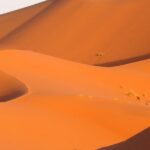
Once you’ve had your gorge time and the day has built momentum, you push onward toward the dunes of Merzouga. This is where the Sahara energy kicks in. The villages here often mark the start of desert life in a way that feels immediate: you stop thinking in terms of roads and start thinking in terms of sand, direction, and light.
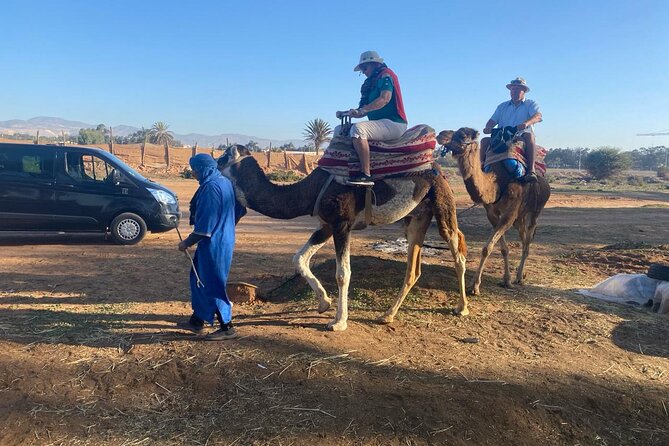
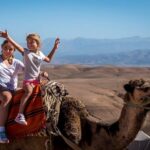
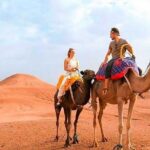
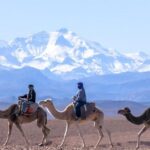
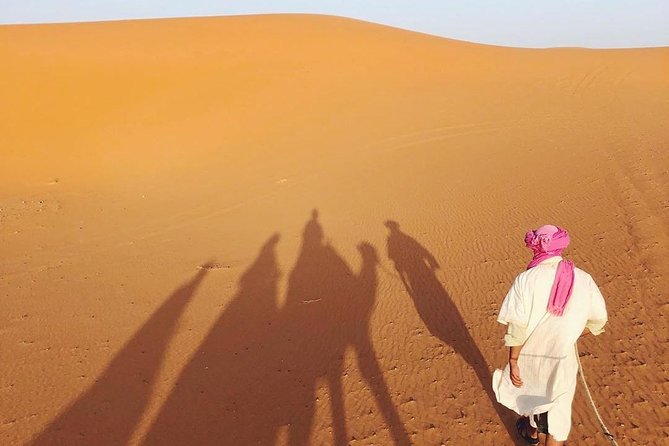
Then comes the highlight: camels replace vehicles, and you get a one-hour traditional camel ride. This isn’t a “ride for photos and done” thing. It’s long enough to feel the steady sway, to get comfortable in the saddle, and to understand why camel treks are part of the Merzouga experience.
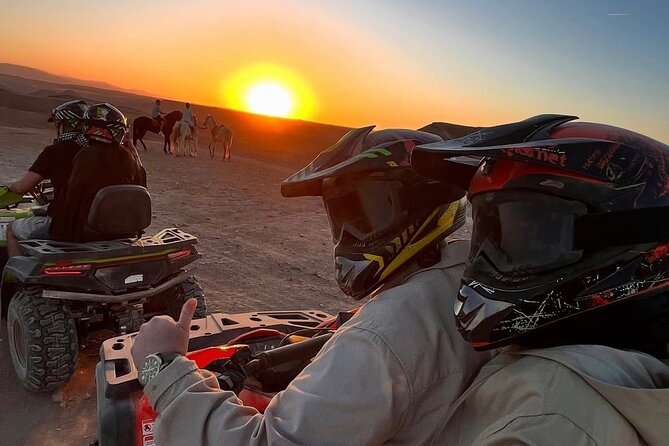
The timing is also smart. You cross the dunes to appreciate sunset and the way dune colors shift as the light changes. That’s the moment people remember, because the sand looks different every few minutes.
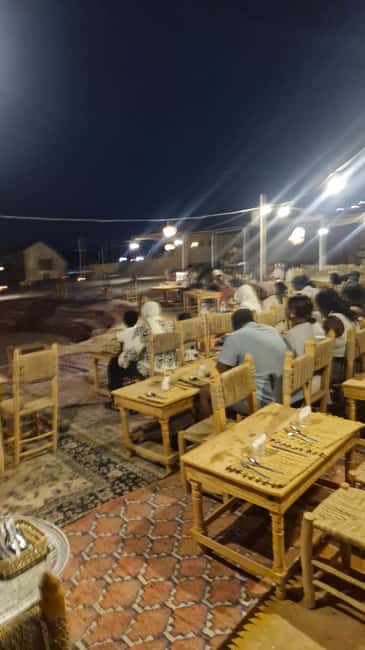
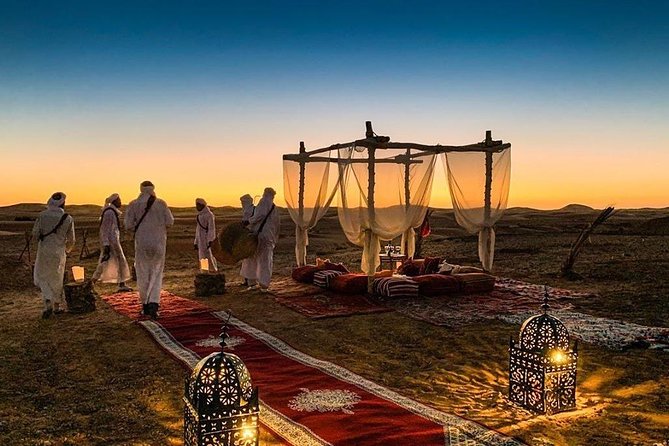
Dinner and night follow in a more authentic style. You’ll have a local dinner with Berber rhythm, then sleep in a nomad tent while you watch the stars. That’s the part that turns a “tour day” into a memory.
Desert camp comfort: the big reason this trip feels worth it
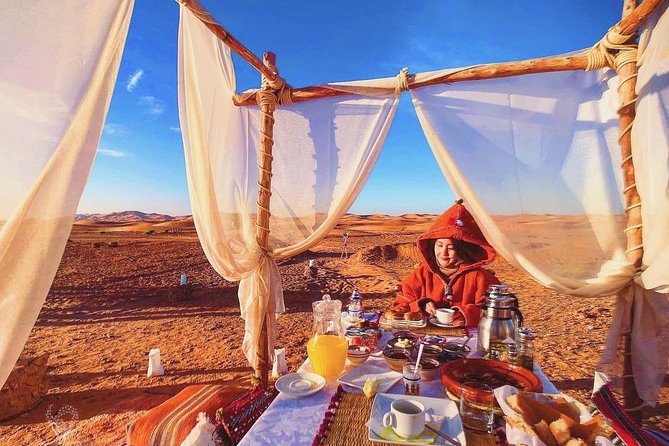
A lot of desert trips sell the stars and leave out the practical comfort. Here, the desert camp is the surprise win.
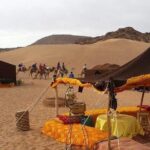
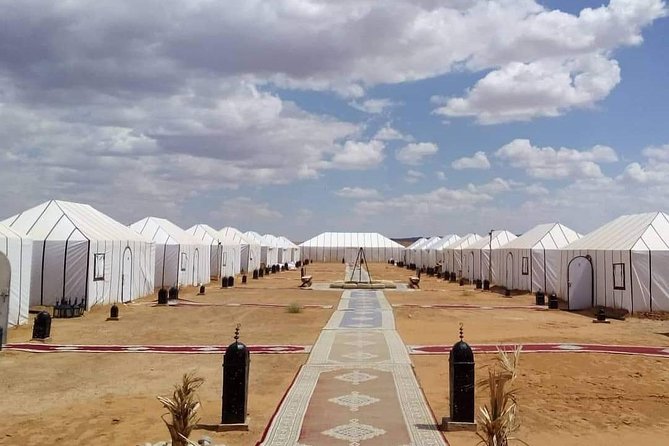
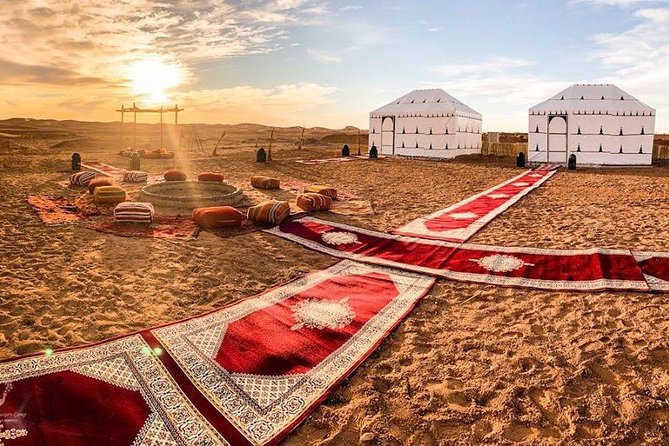
From the way the camp is described, the tents are cozy and well-appointed, giving you a warm refuge from the cooler desert night air. That matters because your desert evening isn’t just “sit there and hope you’re warm.” If you’ve ever been on an outdoor trip where you underestimated temperature changes, you know how quickly that can ruin the vibe.
What you’ll likely enjoy most is the flow: arrive after camel time, eat something hearty, then take a breath and look up. The camp setup is meant to make the night feel organized without turning it into a sterile hotel experience.
Tip you’ll appreciate in practice: pack layers. Even if the day is warm, the desert night can feel chilly, and having a warm layer makes the stars-and-silence part genuinely enjoyable.
Optional sunrise on Day 3, then the long return through the Atlas
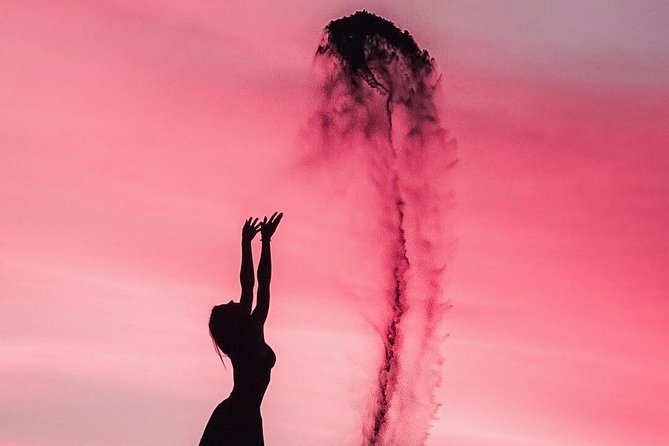
On Day 3 you have a good option: you may choose to view sunrise early. The description of the early light is the classic desert effect—brilliant colors, shifting shades, and that first break of daylight across sand. If you’re up for it, this is the best way to end a desert trip, because it gives you another view beyond sunset.
After that, you’ll have traditional breakfast, then head back. The plan includes going by Draa valley and the Berber village of Agdez before returning to Marrakech through the Atlas chain.
This part is a steady unwind. You’re not doing another big activity; you’re transitioning back to city life. By the time you arrive back, you’ll feel the contrast: dunes and starlight on one side, Marrakech energy on the other.
Also note the tour ends at the same meeting point area (back at Jemaa el-Fna), which keeps logistics simpler when you’re tired.
A few more Marrakech tours and experiences worth a look
Price and value: what $188 really buys you

At $188 per person for about 3 days, the value comes from how much the tour covers without nickel-and-diming you at every turn.
Here’s what’s included:
- Shared transportation
- Pickup offered in Marrakech
- Two nights accommodation: one in Dades Georg, one in the Sahara Desert
- Camel ride
- Breakfast (2) and dinner (2)
- Mobile ticket
What’s not included:
- Lunch (so expect to pay for it during travel stops)
So the money mostly goes toward: moving you across Morocco, handling overnight stays, and providing the desert core experience (camel trek + nomad-tent night + dinner). That’s why this can feel good value compared to DIY planning, especially if you don’t want to coordinate transport, lodging, and the camel/sand logistics yourself.
The other value factor is group size. With a max of 17 travelers, you’re likely to feel like you’re on a real group outing rather than a massive tour bus situation.
Practical logistics that affect your enjoyment
A few details make a real difference in how the trip feels day to day.
- Start early at 9:00 am. Don’t plan to linger late the night before in Marrakech.
- Shared transport means you may have pickup routing and a bit of waiting. That’s normal, but it’s why the plan stays structured with scheduled stops.
- Admission ticket listed as free for the Ait Ben Haddou stop. That’s one less cost surprise.
- Mobile ticket means you’ll likely have an easier check-in day than with paper-only systems.
- Timing for meals is built in. Breakfast happens before the driving push; dinner anchors the evening after the day’s main sights.
If you’re the kind of person who hates surprises, mentally budget for lunch each day and keep snacks handy for the long drive stretches.
Who should book this Marrakech to Merzouga camel trek
This tour fits best if you want:
- A classic Marrakech-to-desert route with major stops like Ait Ben Haddou and Toudra Gorge
- The full Merzouga experience: dunes at sunset, a one-hour camel ride, and a nomad-tent night
- More comfort than a “bare minimum” desert camp (cozy tents and an organized camp setup)
It’s also a good choice if you like your trip to be “hands-off” for lodging and meals. You get two breakfasts and two dinners, plus an included dinner with Berber rhythm.
If you’re extremely sensitive to car time, this might feel like a lot. Day 1 and the return day both rely on driving across wide distances. But the stops give those hours meaning, not just sitting.
Should you book this tour?
Yes—if your goal is a well-structured desert trip that pairs the iconic sights with the real desert moments, this is an easy one to recommend. The standout is the blend: cultural stops before the desert, then dunes plus camel time, then a camp setup that’s comfortable enough to enjoy the night instead of merely surviving it.
Before you book, make sure you’re okay with shared van travel and that you’re ready for lunch not being included. If you can handle those two points, you’ll likely love how smoothly the days connect—from High Atlas passes to Morocco’s desert glow.
FAQ
What time does the tour start, and where does it meet?
It starts at 9:00 am and the meeting point is Jemaa el-Fna, Marrakech 40000, Morocco.
Is pickup from Marrakech included?
Pickup is offered, and you’ll be picked up from your Marrakech hotel or riad.
How much does the tour cost?
The price is $188.00 per person.
What’s included in the price?
The tour includes shared transportation, two nights accommodation (one in Dades Georg and one in the Sahara Desert), camel ride, 2 breakfasts, and 2 dinners.
Is lunch included?
No. Lunch is not included, so you’ll need to budget for it during the travel day.
How long is the camel ride?
You’ll have a one-hour traditional camel ride in the Merzouga area.
Where will I sleep during the trip?
You’ll sleep for one night in Dades and one night in a nomad tent in the Sahara Desert.
Can I see sunrise in the desert?
You may choose to view the sunrise early in the morning on Day 3.
How big is the group?
The tour has a maximum of 17 travelers.
What is the cancellation window for a full refund?
You can cancel up to 3 days in advance of the experience for a full refund. If you cancel less than 3 days before the start time, the amount paid is not refunded.