REVIEW · MARRAKECH
3 Days Deep Merzouga Desert Tour from Marrakech
Book on Viator →Operated by Imperial Trail Tours · Bookable on Viator
This desert loop is a real change of pace. You’ll trade Marrakech streets for Atlas passes, UNESCO sights, and then the big, quiet edge of the Erg Chebbi dunes. It’s a classic Morocco route, but run in a way that keeps you moving without making you do the planning math.
I like how the itinerary strings together the day-to-day variety: mountain villages and Ait Benhaddou on Day 1, then the drive south through gorges and oases on Day 2, ending with sleep in Berber nomad tents. I also really appreciate the human factor, since guides such as Ali, Mohammed, and Hicham (and drivers like Jamal) are repeatedly praised for making the long road feel shorter with clear explanations and steady attention.
One thing to consider: you’ll spend serious time in the vehicle. This is not a quick hop to the dunes. If you hate long driving days, it may feel like a lot before the magic night arrives.
In This Review
- Key highlights worth your attention
- Atlas Pass to UNESCO Ait Benhaddou: what Day 1 feels like
- Todra Gorges to Merzouga: the long drive that actually makes sense
- Erg Chebbi at golden hour: sunset photos, sandboarding, and the sunrise moment
- Berber camp night: tents, drums music, and comfort choices
- Price and value: where the $98.72 really goes
- Timing and logistics: meeting point, luggage, and the road hours
- Who should book this desert tour, and who might not love it
- Smart prep tips for a smoother desert experience
- Should you book this Marrakech to Merzouga 3-day tour?
- FAQ
- FAQ
- What time does the tour start in Marrakech?
- What’s included in the price for the desert camp part?
- Is lunch included during the 3 days?
- Are entrance fees included for the sights?
- What happens to my luggage during the camel and camp night?
- Can I cancel for a full refund?
Key highlights worth your attention
- Tizi-n-Tichka Atlas Pass views and High Atlas Berber villages on Day 1
- UNESCO Ait Benhaddou stop with time to walk and photograph
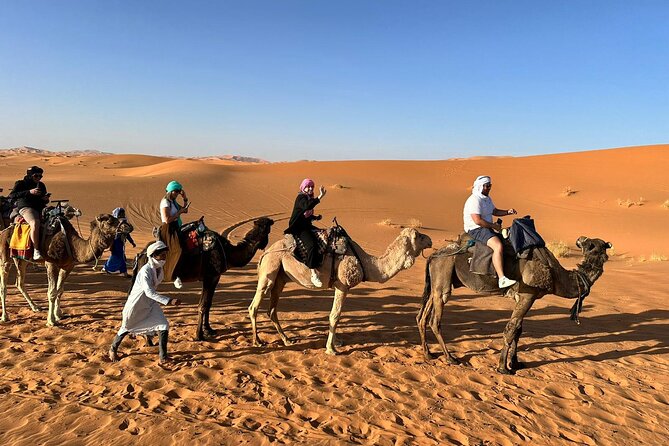
- Erg Chebbi camel rides at both sunset and sunrise, plus sandboarding
- Berber nomad camp at night with drums music and that open-sky feeling
- Luggage handling: you switch to a small night bag in Merzouga, then your main bags stay put
Atlas Pass to UNESCO Ait Benhaddou: what Day 1 feels like
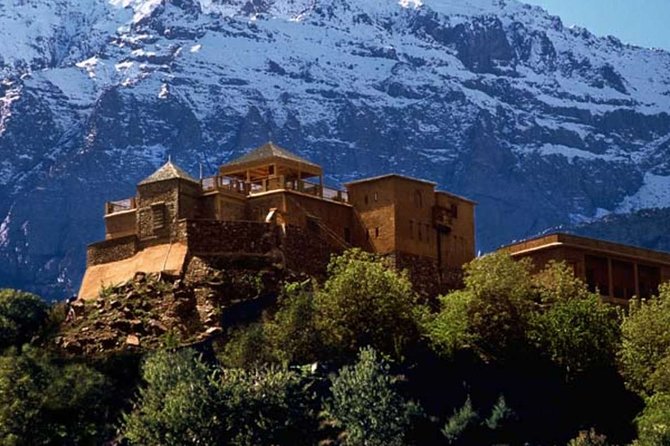
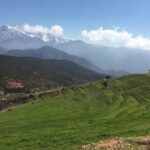
Day 1 starts early from the Hotel Restaurant Café de France area in Marrakech (meet around 7:30 am). You’ll head out toward the High Atlas using the Tizi-n-Tichka pass, which is one of those roads where the scenery keeps changing every few minutes. Expect wide viewpoints, switchbacks, and small chances to step out for photos when the schedule allows.
You’ll also pass traditional High Atlas Berber villages. The idea here isn’t to treat everything like a quick photo stop. It’s more like getting your bearings for how people live up in the mountains, before you go chasing sand and stars.
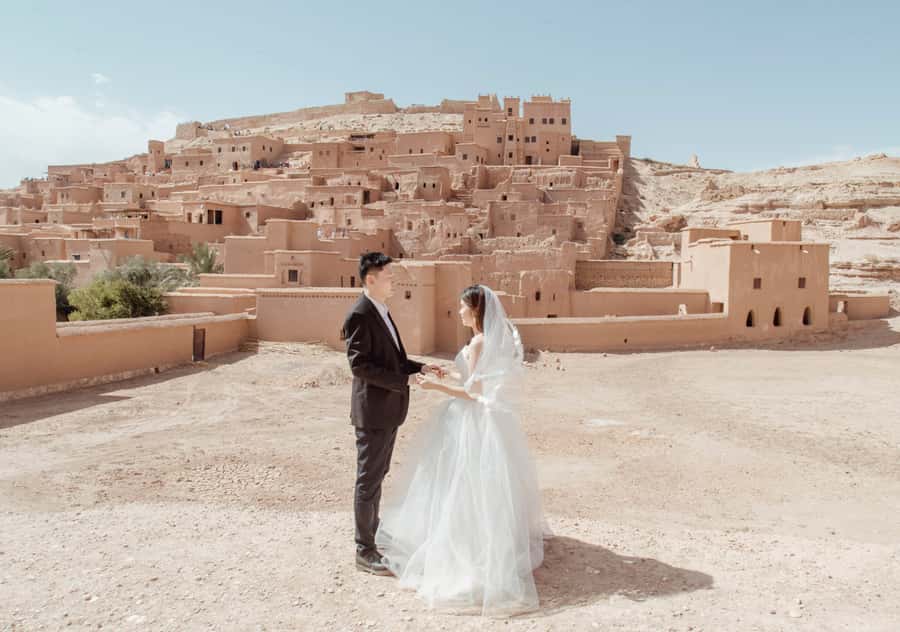
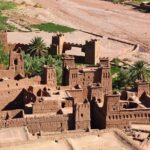
Next comes Kasbah Ait Benhaddou, a UNESCO World Heritage site. This is the part of Morocco that feels built for slow looking: old earthen structures, twisting alleys, and angles that make your camera work harder than you do. The tour includes the stop and timing to visit, but lunch is not included, so plan to pay for your own meal there.
After Ait Benhaddou, the itinerary continues toward Ouarzazate for a stop in a supermarket area, then down to Tinghir for the night. You’ll sleep in a hotel with dinner and breakfast included. In other words, Day 1 is your setup day: mountain drama, then a proper meal and a bed.
A few more Marrakech tours and experiences worth a look
Todra Gorges to Merzouga: the long drive that actually makes sense
Day 2 is where the route starts “loading” the desert into your day. After breakfast, you set off for Erg Chebbi / Merzouga and follow a string of places that slowly shift the scenery from mountains to oasis to sand.
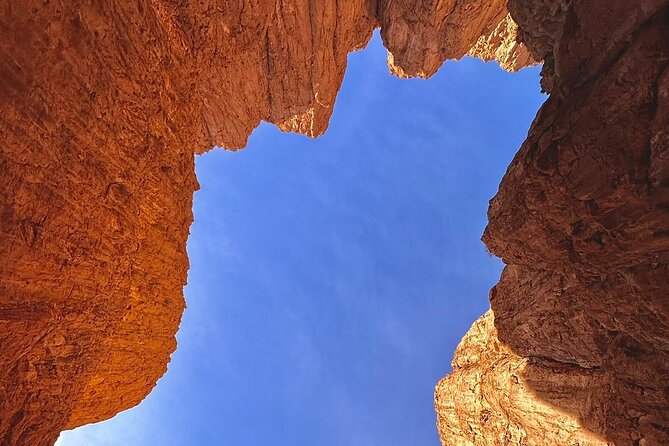
The first big highlight on the drive is Todrain Gorges (often spelled Todra Gorges). Even if you’re not trekking, seeing the gorge walls from the road gives you a strong sense of Morocco’s geology. Then you move through oasis country—stretches where green shows up like an interruption in the story—plus towns such as Tinjdad, Jorf, and Erfoud.
As you pass Erfoud, the route reaches the beginning of the Saharan oasis region of Tafilalet. That’s a key emotional moment. You can feel the trip turning from road trip into frontier travel. And because it’s a group tour, you’re not trying to figure out directions or timing yourself.
When you reach Merzouga, the plan is practical: you get to a hotel first, then you relax briefly. After that, you split your luggage. You’ll bring only what you need for the night in your desert camp (a small bag), while the rest stays at the hotel. This makes the camel and dune time easier, and it also cuts down on hauling your whole suitcase on sand.
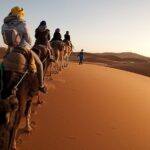
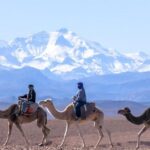
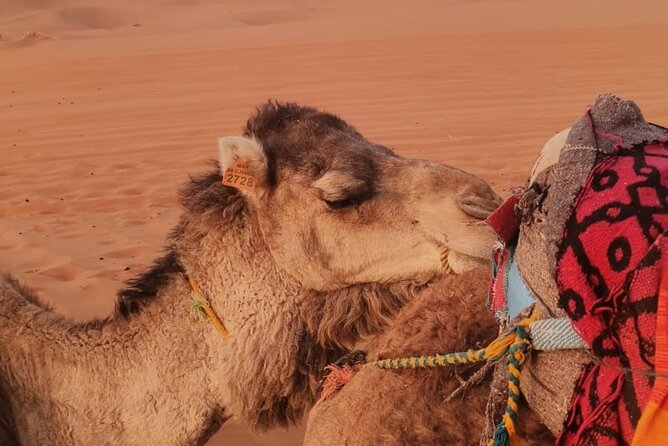
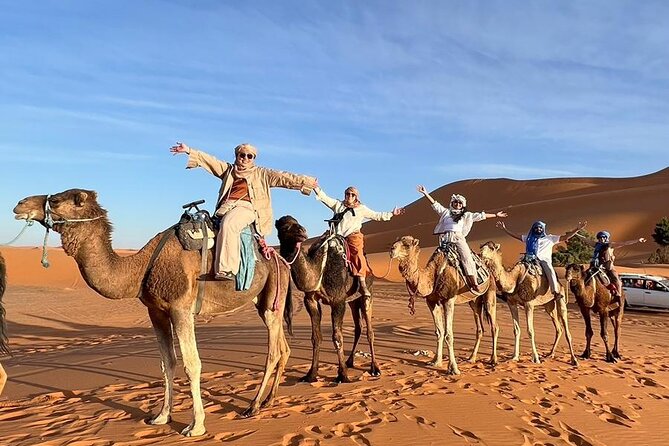
Then comes the camel segment into the dunes. You’ll ride to your Erg Chebbi area and get your sunset photos, then the walking time begins when you reach camp. In the camp area, you’ll also head to the sand dunes for sandboarding and sunset watching. After that, it’s night in Berber nomad tents with drums music.
Erg Chebbi at golden hour: sunset photos, sandboarding, and the sunrise moment
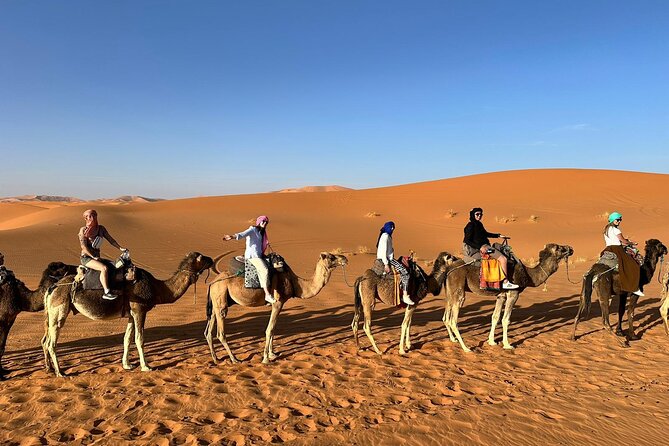
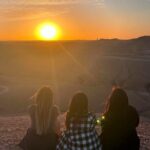
Erg Chebbi is the star because it’s dramatic without being complicated. The dunes can look like they’re moving even when you’re standing still, and the color changes fast when the sun drops or rises.
On this tour, you get both sides of the day:
- Camel ride for sunset
- Wake up early for sunrise, then ride again back through the dunes
That’s not just romantic. It’s a smart way to catch the best light and make the effort worth it. If you’ve only ever seen dunes in one photo session, this gives you the second chapter.
When you reach camp, the itinerary calls for walking to the highest dunes for sandboarding and sunset viewing. Sandboarding is included, so you can go straight into it without guessing rental rules. Just keep your expectations realistic: this is usually first-timers’ territory, so go easy and have fun rather than trying to invent a pro run.
Then there’s the morning. The tour wakes you up to catch sunrise in the dunes, which means the stars-and-sun transition is part of the experience, not a bonus you have to chase on your own. After breakfast, you ride back to Merzouga.
One more practical detail: Day 3 includes a shower in camp before you start heading back toward Marrakech. That helps a lot with comfort after sand in your clothes and hair.
Berber camp night: tents, drums music, and comfort choices
Staying in Berber nomad tents is the heart of why people book this route. You’re not just visiting the desert for a few hours. You’re sleeping in it—under a sky that feels huge when you’re far from city lights.
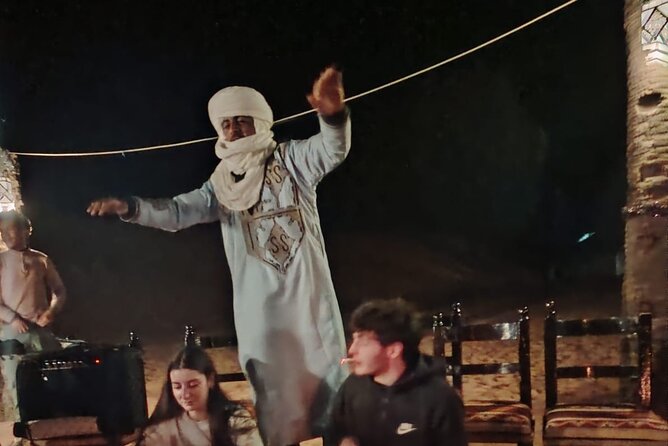
The included entertainment is simple and effective: drums music in the camp area. That matters because it sets the mood when the day ends. It’s not about a scripted show; it’s more about the atmosphere shifting from travel-time to night-time living.
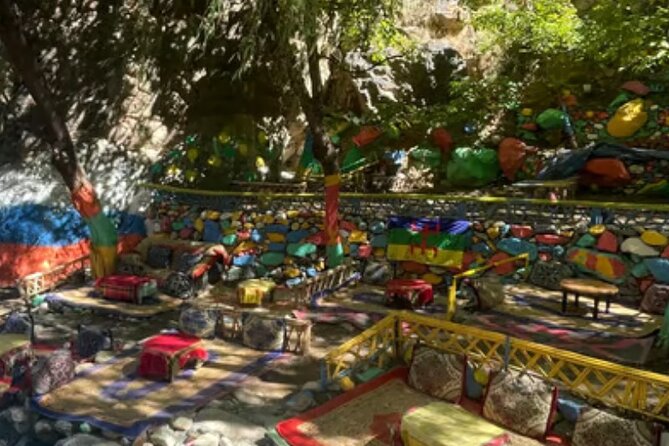
Tent comfort can vary depending on what you choose. The tour data mentions nomad tents at a campsite, and one common upgrade people mention is opting for a private tent. Some travelers report those setups include a private bathroom, which is a big deal after a day of sand and long driving. If you’re someone who hates shared facilities, it’s worth asking what your specific tent category includes.
Either way, bring your own mindset for camp life. This is not a luxury resort night. What you’re paying for is the setting, the timing, and the chance to experience the desert at night.
Price and value: where the $98.72 really goes
The listed price is $98.72 per person for a 3-day group tour, booked on average about 205 days ahead. For a route that includes multi-day transport, two hotel nights (with breakfast and dinner), camel rides at both sunset and sunrise, sandboarding, and a desert night in tents, it’s strong value—especially if you’re traveling on a budget.
What’s included:
- Camel rides for sunset and sunrise (one camel per person for each segment)
- 2 nights accommodations
- Sandboarding
- Comfortable vehicle with a professional driver (fuel included)
- 2 dinners and 2 breakfasts
What’s not included:
- Lunches
- Drinks
- Gratuities (you can give, and the amount is up to you)
- Personal expenses
- Some monument entrance fees; Tinghir entrance fee is specifically listed as not included
For me, the value equation is simple. If you’d have to book transport to the desert, camel time, and a night in dunes separately, the cost usually climbs fast. Here, you’re buying one package where the big logistics are bundled.
One note: the tour focuses on set stops. If you’re watching your budget, keep an eye on meal choices during non-included lunch windows. There’s a pattern in some group tours where you get limited restaurant options, and prices can be higher than you’d like. You can prevent sticker shock by bringing a snack from the morning or carrying a small water plan, then eating flexibly at lunch when you get the choice.
Timing and logistics: meeting point, luggage, and the road hours
You’re starting from Marrakech at 7:30 am at the Hôtel Restaurant Café de France area (Rue des Banques). The tour ends around 7:30 pm to 8:00 pm, with drop-off at your hotel or the nearest accessible point to your riad near Hôtel Tazi.
Those times matter. Day 1 and Day 2 involve long stretches in the vehicle. In practical terms, that means:
- Bring a layer. Morning air up in the Atlas can feel cooler than Marrakech heat.
- Plan for breaks, not nonstop sightseeing.
- Know that your schedule is shared with the whole group.
Luggage handling is one of the most helpful logistics pieces in the plan. In Merzouga, you’ll move what you need into a small bag for the desert night, while the rest of your luggage stays at the hotel. It’s a smart system that stops you from dragging everything onto camels and into camp.
Group size is capped at 100 travelers. That’s large enough that you’ll likely feel movement through the route rather than total personal attention, but it should still be organized.
Also, you’ll receive a mobile ticket, and confirmation comes at booking time. That reduces the stress of last-minute paperwork.
Who should book this desert tour, and who might not love it
This is a great fit if you:
- Want a structured 3-day plan without sorting transport between stops
- Care about Erg Chebbi sunset and sunrise timing
- Like the mix of Atlas Mountains + UNESCO + Sahara camp
- Want an efficient desert experience with camel rides and sandboarding included
It’s less ideal if you:
- Strongly dislike long driving days
- Need a flexible, choose-your-own-adventure style lunch or restaurant plan
- Expect a high-end camp setup in the style of a resort
If you’re traveling solo, it’s still worth considering because the group format can make the logistics easier and the pace more predictable. If you’re with family, the camel and sandboarding parts may need some extra patience, but the overall flow is organized and guided.
Smart prep tips for a smoother desert experience
A few things help you enjoy the desert more and stress less:
- Pack a small night bag. You’ll need basics for camp, and you’ll leave the rest behind at the hotel in Merzouga.
- Bring layers for early mornings. Sunrise in the dunes can be cool, even when the days are warm.
- Wear shoes you can walk in on sand. You’ll be on foot at camp and up toward dunes.
- Keep some cash for meals and any entrance fees that aren’t included. Lunch is not included, and some site fees may come up.
- Decide your comfort level about camp facilities. If shared facilities feel like a deal-breaker, ask about private tent options.
And one more practical point: because the schedule is tight, do your best to be on time at the meeting point in Marrakech and ready when the group moves.
Should you book this Marrakech to Merzouga 3-day tour?
If your goal is to see a lot of Morocco in a single, well-timed loop—mountains, Ait Benhaddou, then dunes—you’ll probably love this tour. The big win is that the effort is matched by the payoff: camel rides at both sunset and sunrise, sandboarding on Erg Chebbi, and a full night in Berber tents with drums music.
Book it if you’re happy with group pacing and you don’t mind the long road hours. Skip it if you want a relaxed, slow itinerary with lots of free time and total independence over meal stops.
FAQ
FAQ
What time does the tour start in Marrakech?
The start time is 7:30 am, with pickup at the Hôtel Restaurant Café de France area on Rue des Banques.
What’s included in the price for the desert camp part?
Included are camel rides for sunset and sunrise, sandboarding, 2 nights accommodations, plus breakfast (2) and dinner (2). A comfortable shared vehicle with a professional driver and fuel is also included.
Is lunch included during the 3 days?
No. Lunch is not included. You’ll have lunch stops during the route, including near Ait Benhaddou, but you’ll pay for meals.
Are entrance fees included for the sights?
Not all fees are included. Monument entrance fees are not included, and the Tinghir entrance fee is specifically listed as not included.
What happens to my luggage during the camel and camp night?
In Merzouga, you’ll take only a small bag for the night with the essentials, while the rest of your luggage is left at the hotel before you head out to the camp area.
Can I cancel for a full refund?
Yes. Free cancellation is available if you cancel at least 24 hours before the experience start time for a full refund.