REVIEW · MARRAKESH
Marrakech to Fes: Quad, Dinner, Camel, 3-Day Desert Tour
Book on GetYourGuide →Operated by Marrakech City Life SARL · Bookable on GetYourGuide
Desert light is the real souvenir. This Marrakech to Fes route stitches together High Atlas passes and the Erg Chebbi dunes, so you get culture stops in the daytime and real desert magic at night. I love the camel rides timed for sunset and sunrise, plus the Berber camp evening with music and a traditional dinner. I also like how the trip gives you a clear plan (with frequent stops) instead of leaving you to figure things out. One drawback to plan for: you’ll spend long hours in the van, so it may not suit people with back issues or motion sickness.
For me, the best part is the effort put into making the drive feel manageable. You get hotel or riad pickup and drop-off, an A/C van with Wi‑Fi onboard, and luggage service—small comforts that matter when you’re bouncing across Morocco for three days. That said, the ride can feel tight depending on the group size, so it helps to dress for comfort and don’t expect long stretches without stops.
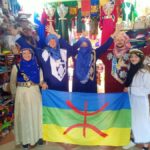
Pack for temperature swings. Nights in the desert can get cold (especially in winter), and even where there’s no heating you’ll be happier with layers than with one thin outfit; bring warm socks and a hat. I’d also keep sunglasses, sunscreen, and comfortable shoes on your packing list, plus a power bank for all the photos you’ll want to take. You might even get a hand with desert scarves from your guide when the wind picks up.
In This Review
- Key highlights you’ll actually feel during the trip
- High Atlas to the Sahara: why this route works
- The morning drive: Marrakech pickup, Jemaa el Fnaa, and your first taste of Morocco
- Tizi n’Tichka Pass and Aït Benhaddou: the star stop you’ll remember
- Ouarzazate, Rose Valley, and the road to Dades/Tinghir
- Todgha Gorge: where the cliffs make walking feel different
- Merzouga and Erg Chebbi: sunset camel rides are the main event
- Desert night reality check: heat, cold, and what comfort options change
- Quad bike add-on: how it fits (and how to plan for it)
- Sunrise camel ride: the quieter ending that sticks
- Leaving Merzouga: Ziz Valley, Errachidia, Midelt, and arriving in Fes
- Price and value: what you get for a big distance
- Who should book this tour (and who should think twice)
- Practical tips that make a big difference
- Final call: should you book this Marrakech to Fes desert tour?
- FAQ
- What does the tour include?
- How many nights are included on the trip?
- Are camel rides included?
- Is sandboarding included?
- Is lunch included?
- Is the ATV quad included?
- Is there Wi‑Fi on the transport?
- Is a local guide included for Kasbah Aït Benhaddou?
- What should I bring for the desert?
- Is the tour suitable for motion sickness or back problems?
Key highlights you’ll actually feel during the trip
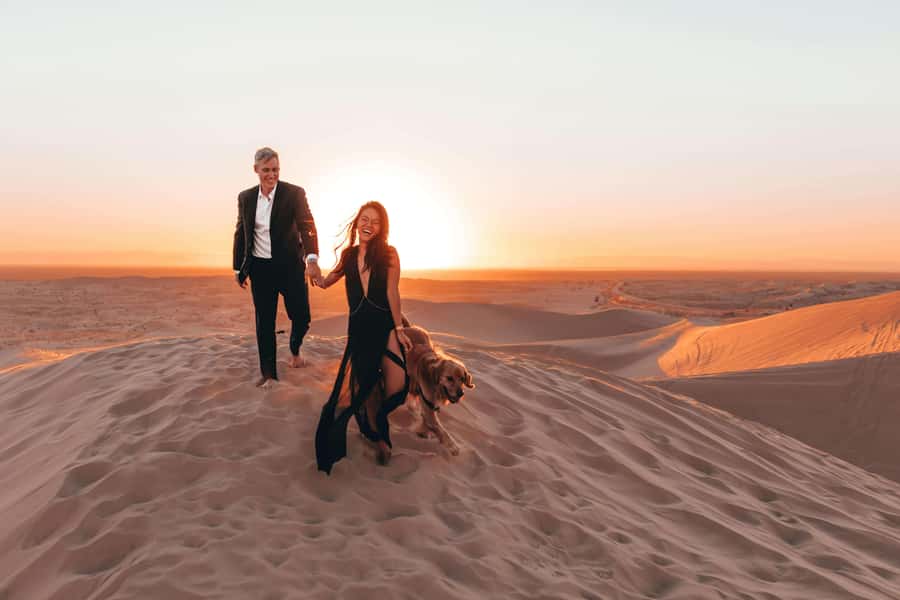
- Camel rides timed for sunset and sunrise with enough time to really watch the light change over Erg Chebbi
- Berber camp dinner and music with camp activities and stargazing at night
- Aït Benhaddou stop at a UNESCO World Heritage site, with time to walk and shop on your own
- Todgha Gorge and Tinghir for dramatic rock walls, plus a chance to swim before the Sahara
- Optional ATV quad add-on available with locals, typically at extra cost
- Smooth logistics for a big route: pickup/drop-off, A/C van with Wi‑Fi, luggage service, and included breakfasts/dinners
High Atlas to the Sahara: why this route works
This is one of those trips where the route itself is part of the story. You start in Marrakech, then the plan pushes you out of the city and over the High Atlas via Tizi n’Tichka Pass, where photo stops and viewpoints make the long drive feel earned. Expect brief breaks for coffee and sightseeing, not nonstop highway time.
Then, the tour shifts from mountains to desert-adjacent terrain, and the mood changes without you having to do anything. That’s where having a driver-guide and a scheduled timeline helps: they keep the day moving so you arrive at key places in the right light (especially for desert activities).
If you care about value, this setup is practical. Instead of paying for separate guides and transfers, you’re getting transportation, key stops, two breakfasts, two dinners, and the signature desert rides in one package. It’s also small-group focused, which usually means fewer people to manage around each stop than big bus tours.
A few more Marrakesh tours and experiences worth a look
The morning drive: Marrakech pickup, Jemaa el Fnaa, and your first taste of Morocco
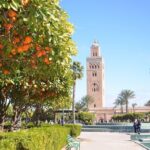
Most people start feeling Morocco through small details first. After pickup in Marrakech, the route includes a quick pass by Jemaa el Fnaa (about 20 minutes). It’s not a full city tour, but it’s a helpful orientation moment—like you’re checking in with the old city before leaving it behind.
From there, the van journey builds. You’ll get A/C and Wi‑Fi onboard, which sounds like a nice-to-have until you’re staring at your phone during a long day and realize you actually need it. I also appreciate that your stops are planned—meaning you’re not constantly asking where to get water or when you’ll stretch your legs.
Tizi n’Tichka Pass and Aït Benhaddou: the star stop you’ll remember
Tizi n’Tichka is one of the most scenic ways out of Marrakech, and this tour uses it well. You’ll have a scheduled break time plus a photo stop, and you’ll even get a coffee moment along the way. On this kind of route, those stops are what prevent the drive from feeling like punishment.
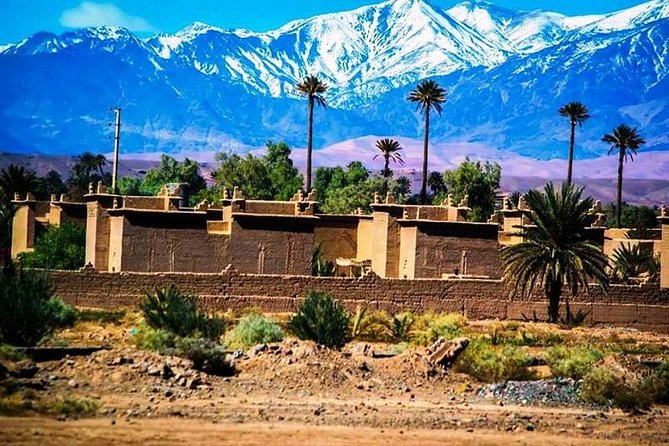
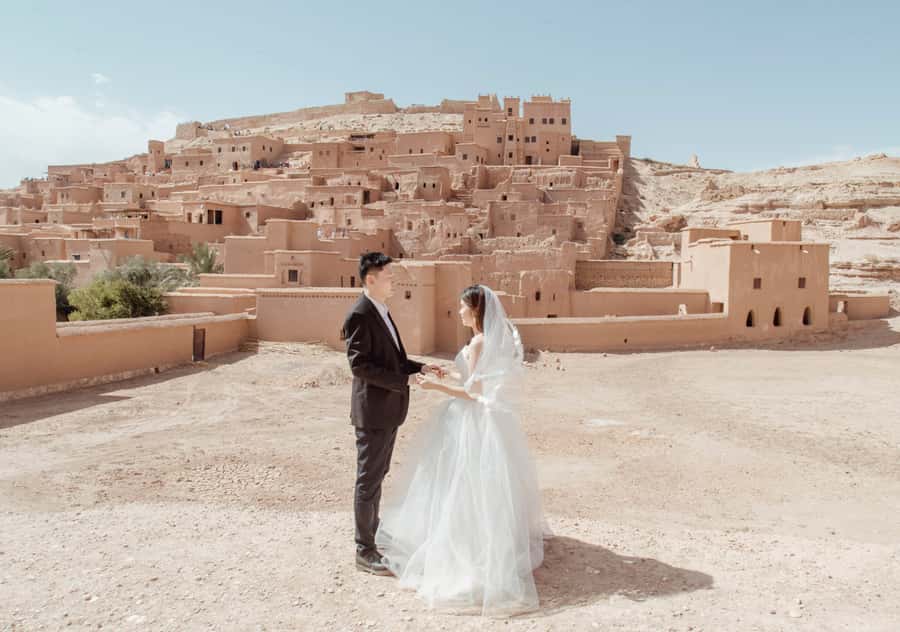
Then comes Ksar Aït Benhaddou, a UNESCO World Heritage site and a place with a reputation for good reason. You’ll have time for a visit with guided context, plus free time to wander and shop. The payoff here is walking through a place designed to impress—tight lanes, old defensive layout, and that “film set” vibe you’ve probably seen in movies.
A small practical note: the tour does not include a separate local guide inside Aït Benhaddou. You might still get guided time through the visit, but if you want extra depth from a local expert, you may need to pay for that option separately on the day.
Ouarzazate, Rose Valley, and the road to Dades/Tinghir
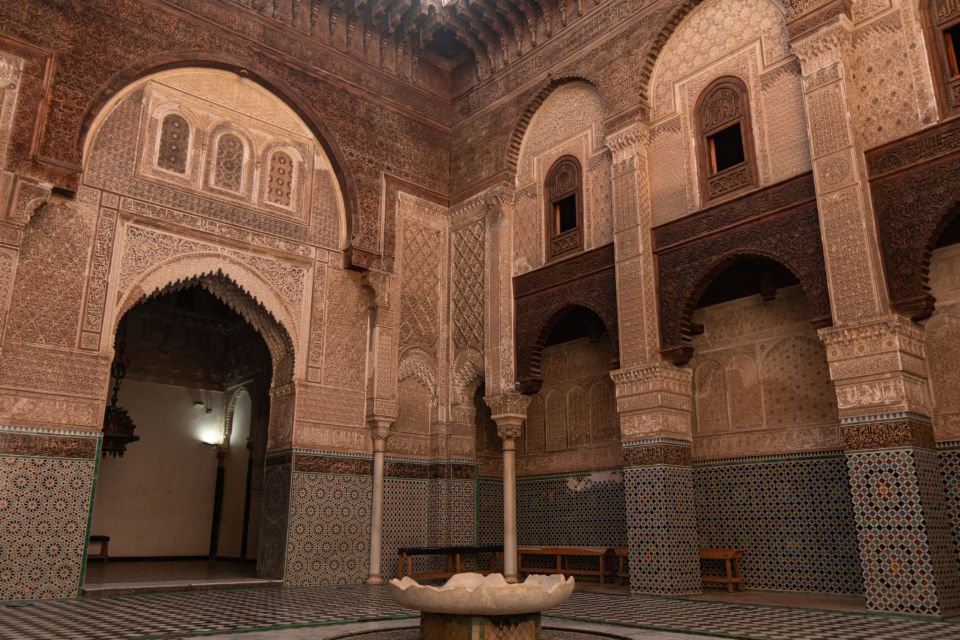
After Aït Benhaddou, the route continues toward Ouarzazate, including time to explore the region described as the film city. Even if you’re not a movie buff, this is a chance to see how Morocco’s southern landscapes have become a stage for cinema—desert edges, rocky hills, and the dramatic sky that makes everything look cinematic.
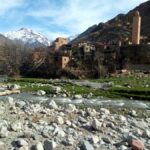
The tour then heads through the Rose Valley area before reaching Tinghir for an overnight. This matters because Tinghir and the Todgha area are where the trip starts adding nature drama, not just history stops.
And yes, the itinerary gives you a real chunk of time in Tinghir: breakfast, dinner, and even a chance for swimming before you move on to the gorge the next day. That’s a smart inclusion. By the time you reach Todgha, you don’t want to feel like you’ve been sitting in a van all week.
Todgha Gorge: where the cliffs make walking feel different
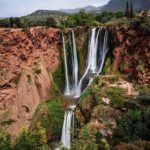
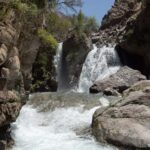
Todgha Gorge is one of those stops where the scale is hard to grasp until you stand close. You’ll have a photo stop, a guided tour, and time to walk. The cliffs here are described as huge—about 300 meters—and they create that canyon effect where sound and light bounce off the rock walls.
This part of the tour is also well-paced. You get the walk time instead of rushing past photos. If you like short hikes, uneven paths, and being close to dramatic terrain, you’ll probably enjoy Todgha more than the average “stop for 15 minutes” attraction.
The only drawback is physical. Even if the walking isn’t extreme, you’ll want comfortable shoes because the ground can be rough. Also, weather matters: gorge areas can feel cooler than the desert, but you can still get sun exposure during daytime.
A few more Marrakesh tours and experiences worth a look

Merzouga and Erg Chebbi: sunset camel rides are the main event
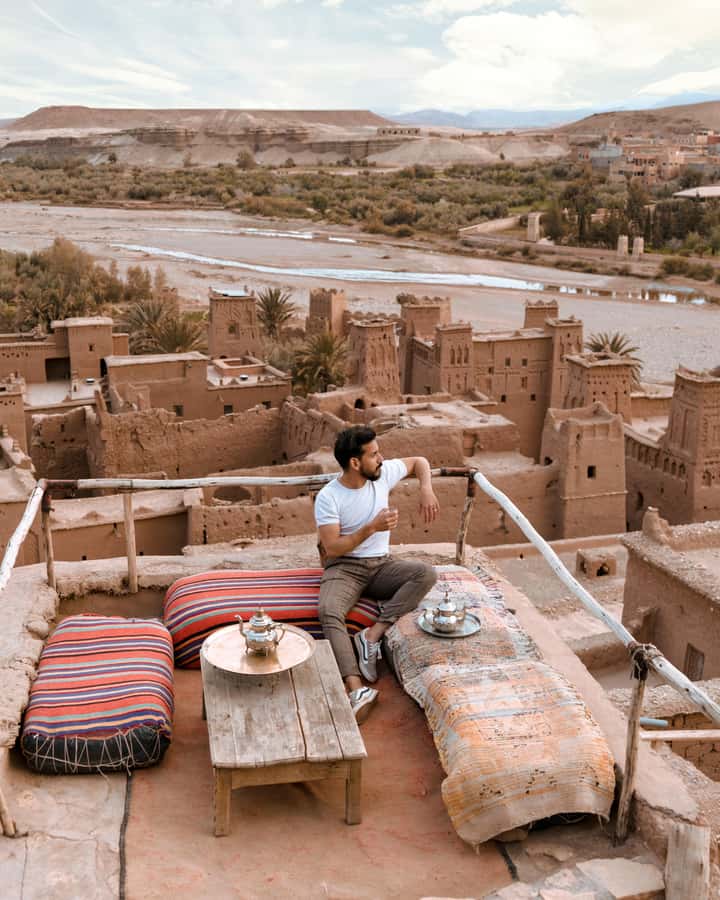
This is the heart of the itinerary. You’ll reach Merzouga, then head into the Erg Chebbi dunes with time built around the light.
Your included activities in the desert area are designed to hit the big hits in the right order:
- photo stops to get oriented
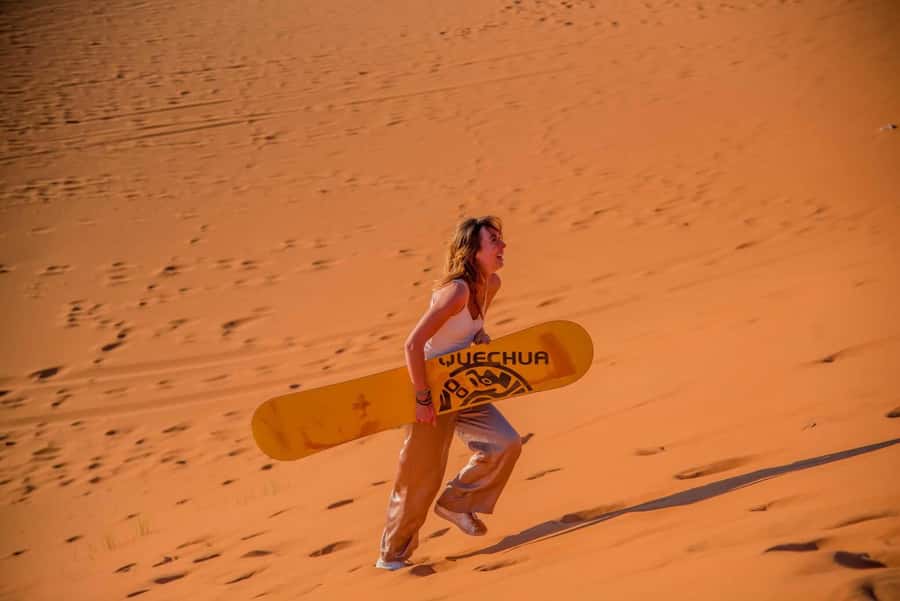
- sandboarding
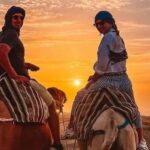
- camel rides timed for sunset
- camp activities and sunset viewing
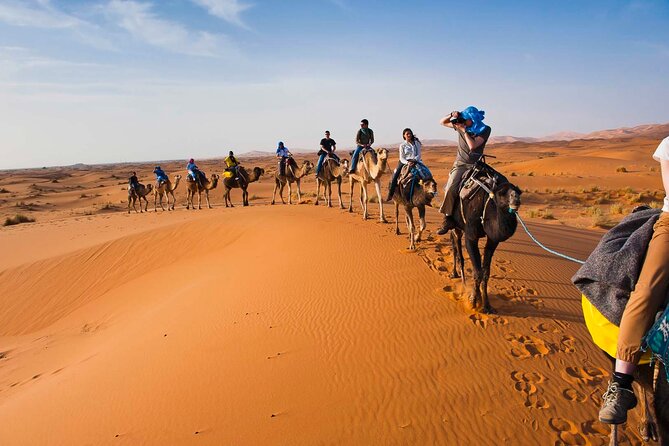
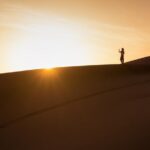
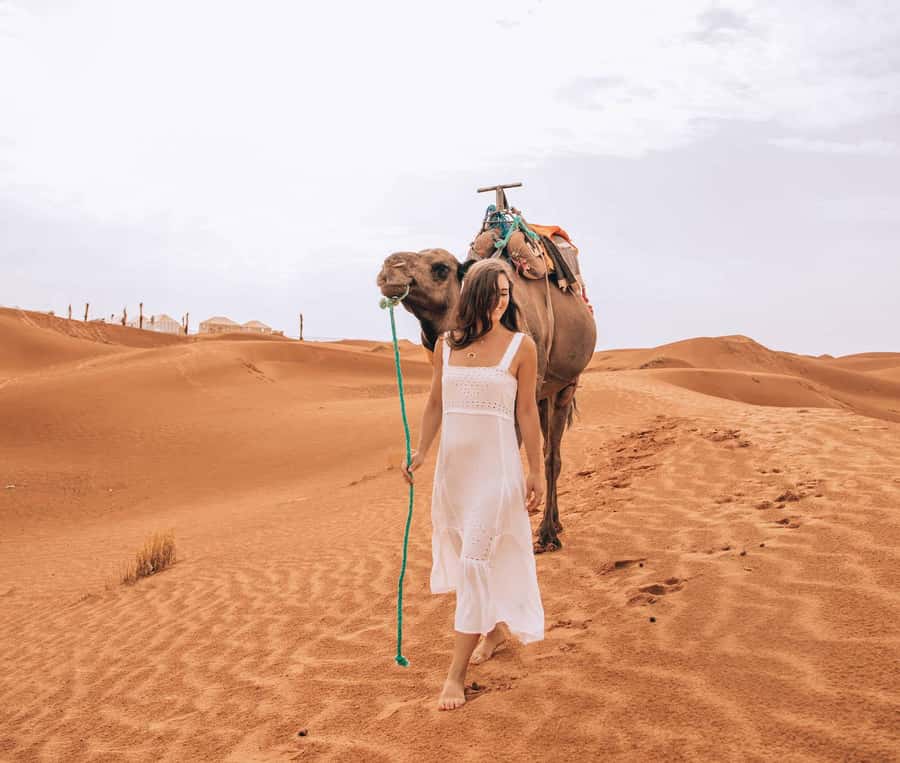
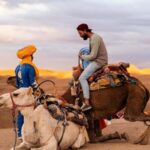
That camel ride is one of the experiences most people remember most clearly. You’ll see the dunes from up close, and when the ride is timed for sunset, the color shift turns into a full show. In real-life timing, some people find their camel ride lasts longer than expected, which is a good surprise if you were picturing a quick photo run.
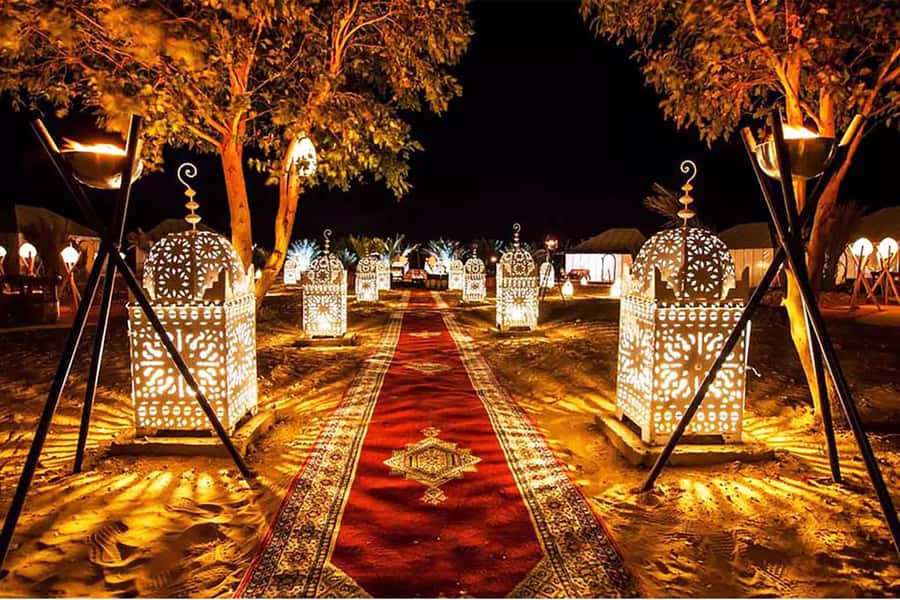
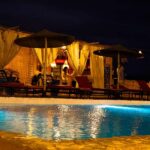
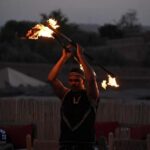
From the camp side, you’re not just sleeping on sand. The tour includes a traditional Moroccan dinner, plus Berber drumming and music, and there’s also a traditional dance show listed as part of the evening program. The whole point is to make the desert night feel like a cultural evening, not just a bed with darkness nearby.
Desert night reality check: heat, cold, and what comfort options change
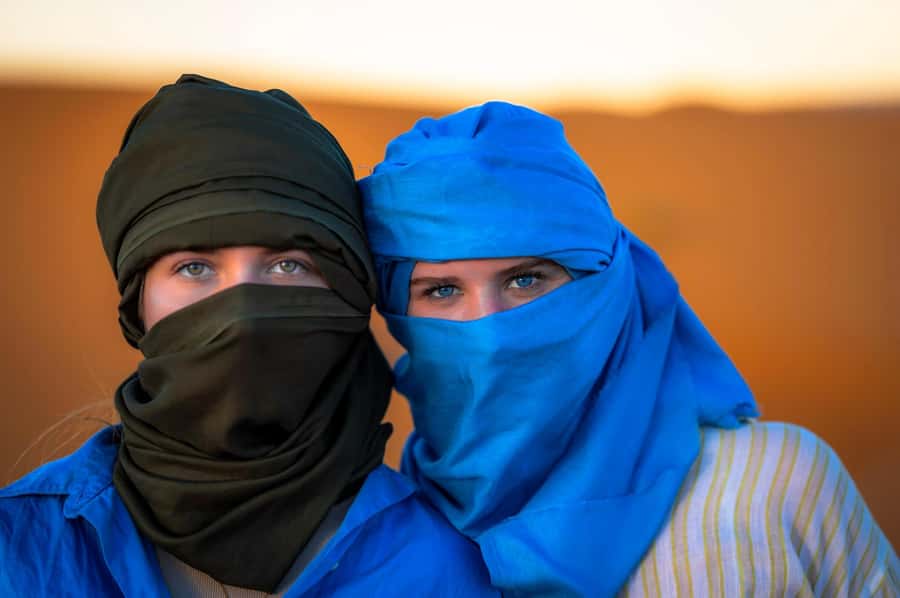
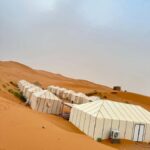
Your desert camp stay is included at Erg Chebbi, but comfort can vary based on the option you choose. The general instruction you should follow is simple: bring warm layers. Desert nights can cool down fast, and in some camp setups there may not be heat, meaning you’ll rely on blankets and your own clothing.
A luxury camp option is described in the experience details and supported by real feedback, and people who choose that version often mention better bathroom comforts (like private facilities). Standard options tend to be more basic, and you might find shared bathrooms and less sleep comfort when temperatures drop.
Even if you’re staying in a simpler setup, the experience is still the point. The desert sky can be a standout, and the camp program usually includes enough structure—dinner, drumming, and activities—to keep the evening moving.
Quad bike add-on: how it fits (and how to plan for it)
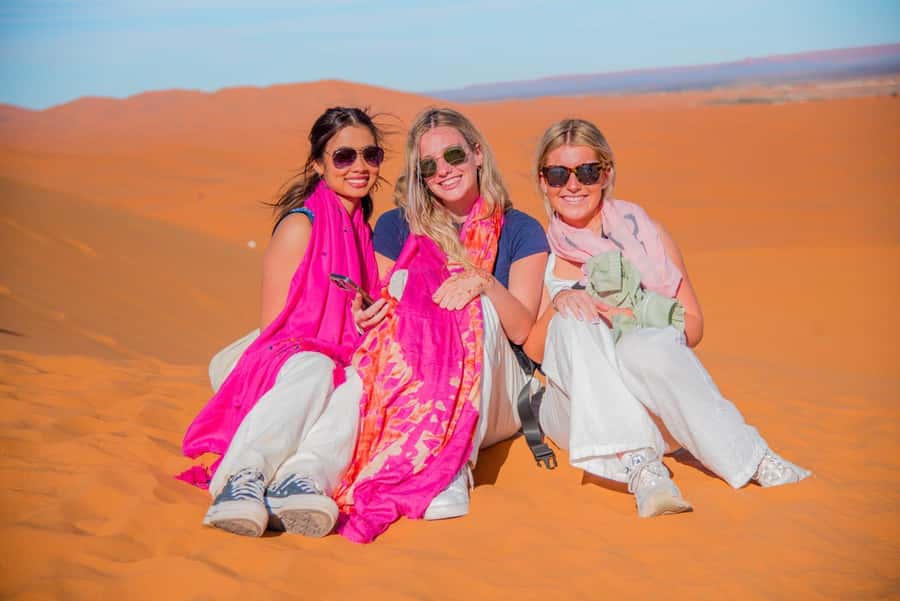
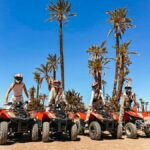
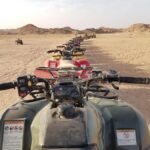
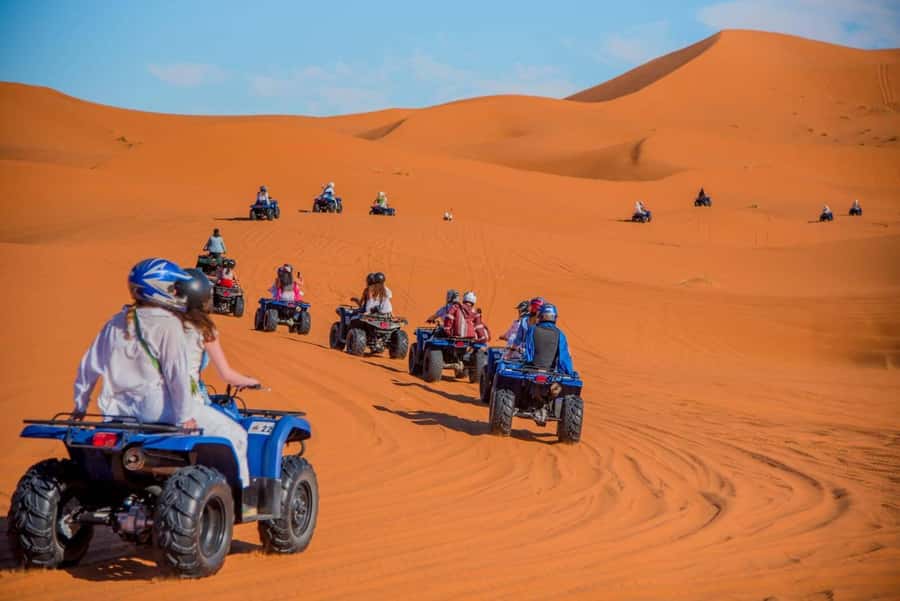
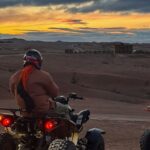
About the quad: the tour information makes it clear that ATV quad and buggy are available to rent with locals, but they are not included in the base package. So treat quad riding as an optional upgrade, not part of the core inclusions.
If you do add it, I’d time it around the dunes when you want speed and bigger views. Some people strongly recommend doing quad riding on the last desert day for the best lighting and coverage, and it makes sense: quad bikes let you cover more dune area than walking or camel-only routes.
The practical advice is to ask what’s included in the rental (helmet handling, duration, and where you ride). Since this part is run locally, details can vary by camp and day.
Sunrise camel ride: the quieter ending that sticks
The desert doesn’t end when the sun goes down. You’ll have sunrise activity, including another camel ride, plus scenic views on the way and a sunrise viewing moment.
This is a good time to slow down. Sunset is dramatic, but sunrise feels personal: fewer distractions, cooler air, and the light coming in gently instead of exploding. If you’re thinking you’ll be too tired after a night out under the stars, this is one of the moments where it’s actually worth setting an alarm.
Leaving Merzouga: Ziz Valley, Errachidia, Midelt, and arriving in Fes
After the desert, the tour turns into a long-but-varied scenic return. You’ll make a stop at Ziz canyon national park for a photo break, then pass through Errachidia for another quick break.
From there, the route goes toward Midelt for lunch and sightseeing/free time. Midelt helps reset the temperature mood: it’s greener than the desert edge in feel, and it’s a chance to eat a proper meal and stretch without sand in your shoes.
Then you’ll hit the Monkey Forest near Azrou, described as a cedar forest stop with wildlife viewing time. This is usually a fun change from rock-and-dune scenery. Just keep expectations realistic: it’s a short stop, so you won’t build a full wildlife day around it, but you can still get a quick look at the monkeys if conditions cooperate.
Finally, you arrive in Fes in the evening, with hotel or riad drop-off included.
Price and value: what you get for a big distance
No price is listed here, so I’ll judge value by what’s included in the experience.
You’re paying for:
- Marrakech pickup and Fes drop-off
- an A/C van with Wi‑Fi
- a driver-guide plus organized stops
- one night in an air-conditioned room with private bathroom
- one night in an Erg Chebbi desert camp
- two breakfasts and two dinners
- camel rides at sunrise and sunset
- sandboarding
- luggage service
- Berber drumming and music at camp
Not included:
- lunch
- a local guide fee at Aït Benhaddou
- quad/big ATV rentals (available locally)
That’s why this tour often feels like good value: it stacks the big-ticket items (desert transport + desert lodging + camel rides + camp dinner + sandboarding) into one plan. The tradeoff is that you’re also committing to a lot of driving time, so your comfort depends on your attitude and your packing.
Who should book this tour (and who should think twice)
This is a strong fit if you want to:
- see multiple regions fast (Atlas mountains, gorges, oasis edge, Sahara dunes)
- experience Erg Chebbi with both sunset and sunrise camel rides
- get camp culture with drumming, music, and dinner
- avoid the hassle of organizing transfers across long distances
Think twice if:
- you have back problems or motion sickness, because the van days are long
- you’re very sensitive to temperature swings (desert nights can be cold without heating, especially in winter)
- you expect a totally private desert camp experience (this kind of route commonly brings multiple groups through the same general area)
If you’re traveling with family, the structure can be a plus because you have clear daily rhythms. If you’re going solo, it can be a social way to do the route without renting a car.
Practical tips that make a big difference
Here’s what I’d take from the real-world details and pack habits:
- Bring warm layers for desert nights, even in seasons when Marrakech feels warm
- Wear comfortable shoes for gorge walks and walking near camp
- Add sunscreen, sunglasses, and a sun hat for strong desert sun
- Carry cash since lunch isn’t included and some optional activities cost extra
- Pack a power bank; you’ll take photos and you might want to keep devices charged
- If the wind kicks up, accept the scarf help from your guide—it’s practical, not just cute
Also, plan your expectations for the first and second days: you’re going from Marrakech to the Sahara by car. The scenery and stops help, but you still need a travel mindset where long drives are part of the deal, not a surprise.
Final call: should you book this Marrakech to Fes desert tour?
I’d book it if you want the full Morocco sampler in three days: Atlas scenery, UNESCO Kasbah walking, Todgha Gorge, and a true Sahara overnight with sunset and sunrise camel rides. The inclusions are strong, and the route is built around key timing, not just checkboxes.
I wouldn’t book it if you hate long van rides, you can’t handle cold nights in basic camp conditions, or you need a private, slow-paced experience. In that case, you’d likely feel rushed or uncomfortable.
If you’re on the fence, go back to one question: are you okay with the drive being part of the adventure? If the answer is yes, this is the kind of trip that leaves you with memories tied to light on sand—sunset orange, sunrise gold, and the quiet between.
FAQ
What does the tour include?
It includes Marrakech hotel or riad pickup and Fes drop-off, A/C transportation with Wi‑Fi onboard, a driver-guide, one night in an air-conditioned room with a private bathroom, one night at a desert camp near Erg Chebbi (depending on your option), 2 breakfasts, 2 dinners, camel rides at sunrise and sunset, sandboarding, Berber drumming and music, and luggage service.
How many nights are included on the trip?
You’ll have 2 nights total: one air-conditioned accommodation night and one desert camp night in Erg Chebbi.
Are camel rides included?
Yes. The itinerary includes camel rides at sunset and at sunrise.
Is sandboarding included?
Yes. Sandboarding is listed as an included desert activity.
Is lunch included?
No. Lunch is not included.
Is the ATV quad included?
No. ATV quad and buggy are available to rent with the locals, but they are not included.
Is there Wi‑Fi on the transport?
Yes. The van includes Wi‑Fi onboard.
Is a local guide included for Kasbah Aït Benhaddou?
No. A local guide in Kasbah Aït Ben Haddou is listed as not included.
What should I bring for the desert?
Bring comfortable shoes, warm clothing, sunglasses, sun hat, camera, sunscreen, cash, and a power bank.
Is the tour suitable for motion sickness or back problems?
The tour information notes that long hours of driving may not be suitable for people with back problems or motion sickness.