REVIEW · FEZ
3 Days 2 Nights Desert Trip From Fez to Marrakech in Group
Book on Viator →Operated by Merzouga desert experience · Bookable on Viator
Camel sunset starts early in Morocco. This 3 Days 2 Nights route turns a long drive into a proper desert storyline, starting with a climb out of Fez and ending in Marrakech. You’ll ride camels over the Erg Chebbi dunes, sleep in a desert camp, then continue through Todgha Gorge and UNESCO kasbah country toward the movie-set sights of Ouarzazate.
Two things I really like here are the built-in “scene changes” each day and the fact that your meals are mostly handled. The camel sunset plus Berber dinner under the stars is the kind of moment you remember for years, and the mix of Todgha Gorge, an argan oil cooperative, and the Kasbah of Aït Ben Haddou gives you variety beyond just sand.
One consideration: this is a road trip. You’ll spend serious time in a minivan, so if you get car-sick or want lots of downtime, plan for it—and pack your patience.
In This Review
- Quick hits for this Fes to Marrakech desert ride
- From Fez up through Ifrane and Midelt to Merzouga: the route that sets the mood
- Getting on a camel at Merzouga: sunset time and what to expect
- Erg Chebbi desert camp night: the star show, Berber dinner, and camp basics
- Day 2 sunrise on the dunes, Todgha Gorge walking, and Dades Valley views
- Ouarzazate to Aït Ben Haddou: kasbahs, Atlas Studios, and the UNESCO moment
- Sandboarding and argan oil: the extras that add real flavor
- Value for $221: half-board, transport, and what you’re really paying for
- Driving time: the main drawback and how to handle it
- Who should book this Fes to Marrakech desert tour?
- Should you book this Fes to Marrakech desert tour?
- FAQ
- What’s the starting time for the tour?
- How long is the trip?
- How many nights do you sleep on this tour?
- Is pickup offered?
- What’s included in the price?
- Are lunch and drinks included?
- Is there a group limit?
- What should I wear for the camel ride?
- Is the tour refundable?
- Is the trip suitable for children or pregnant travelers?
Quick hits for this Fes to Marrakech desert ride
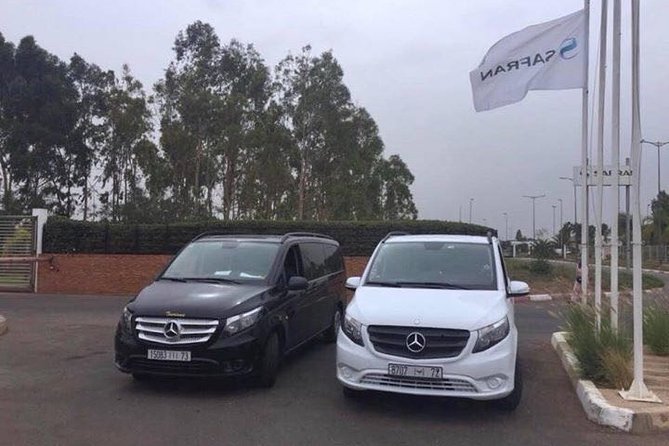
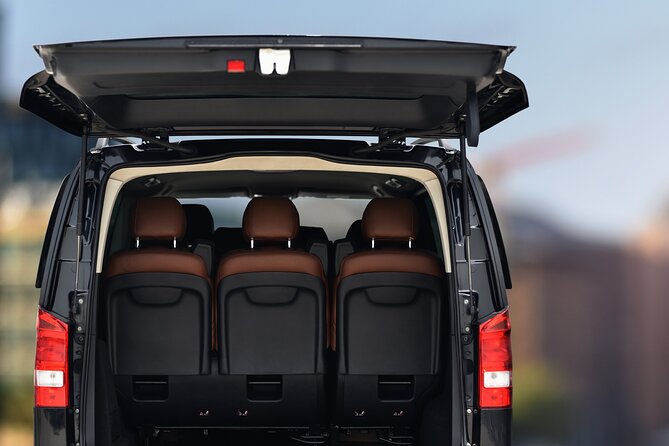
- Small group feel (max 17 travelers) on an air-conditioned minivan
- Erg Chebbi camel sunset plus sandboarding included at the dunes
- Todgha Gorge walk and scenic valley driving toward Ouarzazate
- UNESCO Kasbah of Aït Ben Haddou as the big Day 3 cultural stop
- Most meals included: 2 breakfasts and 2 dinners (lunch/drinks extra)
- Real driver energy matters—names like Said Erfoud, Zaki, Hassan, and RedWan show up again and again in feedback
From Fez up through Ifrane and Midelt to Merzouga: the route that sets the mood
The day starts at 8:00 am in Fez, and right away the scenery starts doing its job. You’ll leave the city behind and head toward the Middle Atlas, passing through Ifrane—that French-built winter resort meant to feel like a Swiss village. It’s odd in a funny way, like Morocco briefly borrowed a European costume. Then you’ll keep climbing.
Next comes Midelt, known for fossils and rocks, where your lunch break helps break up the long drive. Midelt is one of those spots where the landscape looks more “geology first” than “tourist card,” and it’s a good pause before the scenery starts getting more dramatic.
After lunch, the route continues with stops to take in the Ziz Gorge and palm oasis views. This part matters because it changes how you’ll appreciate the dunes later. If you arrive in Merzouga expecting instant desert spectacle, you’ll miss the slow build that makes Erg Chebbi feel bigger.
By the time you reach Merzouga, there’s often a short breather with mint tea at a traditional kasbah—helpful if you want something warm/sweet before you start camel trekking. From there, it’s off to the dunes.
A few more Fez tours and experiences worth a look
Getting on a camel at Merzouga: sunset time and what to expect
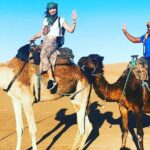
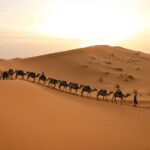
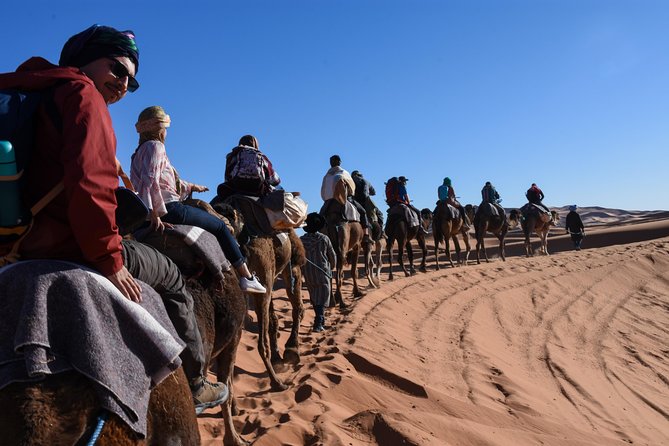
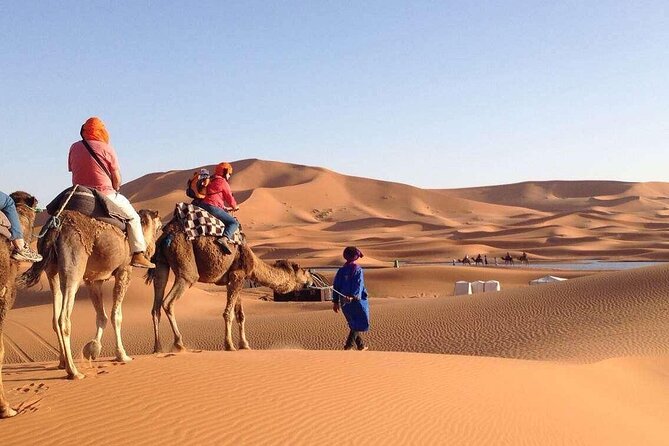
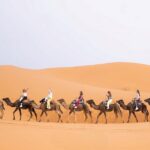
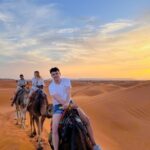
Camel time is a core part of this trip, and it’s not rushed. The plan includes trekking across the golden dunes in the late-day light, so you can watch the dunes change as the sun drops.
Expect a ride that takes you to your first night’s accommodation at the desert camp. The schedule mentions about one hour of camel trekking before reaching the camp after sunset. That means you’re not just doing a quick photo moment—you’re actually transitioning into the desert rhythm.
A practical note: this isn’t a gentle stroll. Your comfort depends on clothing. The tour recommends pants for the camel ride, and you’ll be happier if you also bring a scarf or hat and sun cream. Even if the desert night cools down, the sun can still be strong during the ride and stops.
Erg Chebbi desert camp night: the star show, Berber dinner, and camp basics
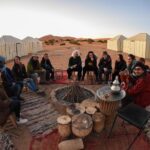
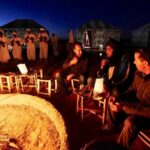
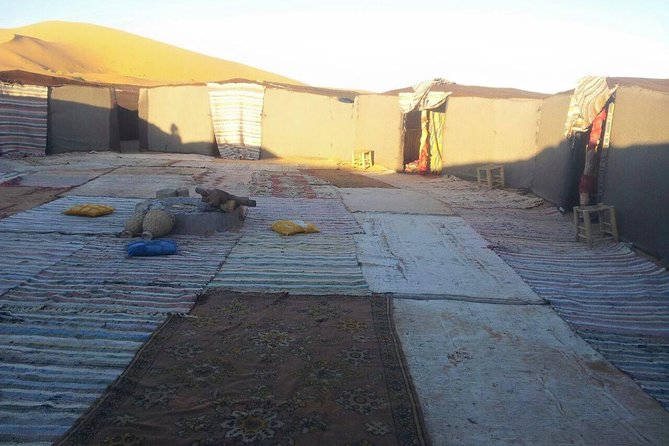
Once you reach camp, the whole vibe shifts from “drive day” to “desert night.” The experience is built around a Berber dinner under the stars and time for traditional Saharan music. This is where the trip stops feeling like transportation and starts feeling like an event.
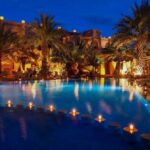
Clean and organized camp setups are a recurring praise point in feedback. People have specifically mentioned camps that felt very well run and tidy, and one guest even highlighted comfort details like a queen-size bed and a private toilet/bathroom—which is not what most people expect when they picture “just sleeping outside.” So if you worry about roughing it, take comfort: the camp standard can be surprisingly solid.
Also, remember the desert has its own schedule. The camp night isn’t about packed activities every hour. It’s more about settling in, eating well, then letting the sky do its thing. Bring a light layer if you run cold at night, and plan to relax rather than keep chasing “one more stop.”
Day 2 sunrise on the dunes, Todgha Gorge walking, and Dades Valley views
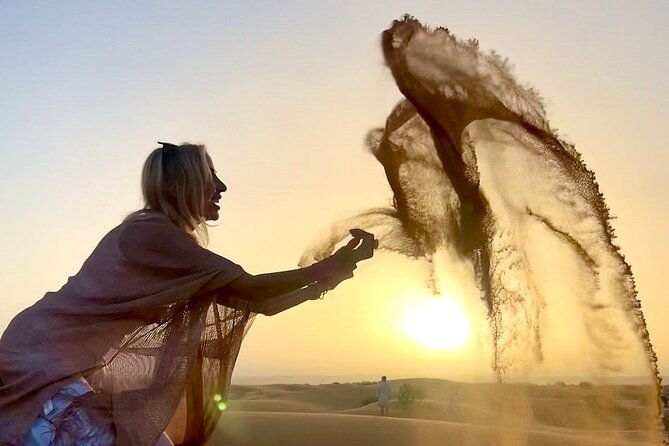
Day 2 starts early. You’ll wake up for sunrise on the dunes. That timing is key: sunrise light is gentler than midday glare and it makes the dune texture pop. After sunrise, you’ll freshen up, have breakfast, and then return to the vehicle by camel.
Then the route shifts into canyon and valley country.
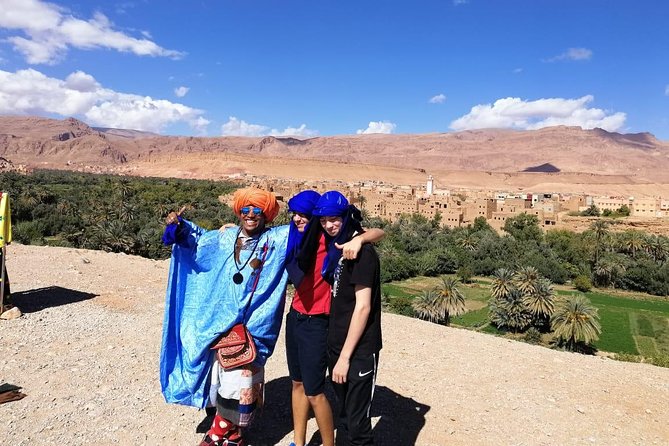
A big stop is Todra Gorge (Gargantas del Todra). This is the narrow canyon-style walk where you get tall rock walls and a sense of scale that photos usually don’t fully capture. The tour builds in time for a walk around the gorge, so you’re not only looking from a viewpoint—you’re moving through the space.
From there, you continue toward Dades Valley, with scenic stops along the way. The drive itself is part of the experience here. It’s not just a “get there” day; it’s about collecting different kinds of views—gorges, valleys, and the shifting texture of the terrain.
Then you reach Ouarzazate late afternoon, where you’ll have dinner and overnight at the hotel. The order is smart: you get the active canyon block mid-day, then you end in a more restful setting so you can handle Day 3 without feeling wrecked.
Ouarzazate to Aït Ben Haddou: kasbahs, Atlas Studios, and the UNESCO moment
Day 3 is where the trip becomes more cultural and cinematic.
Start with Ouarzazate, often called Morocco’s cinema capital. You’ll visit sights including the Kasbah of Taourirte and a stop at Atlas Studios movie sites. Even if movies aren’t your thing, it’s a neat bridge between “desert reality” and “how the world imagines deserts.” You’ll see how Morocco turns landscapes into film sets—and how those settings connect back to the country’s real architecture.
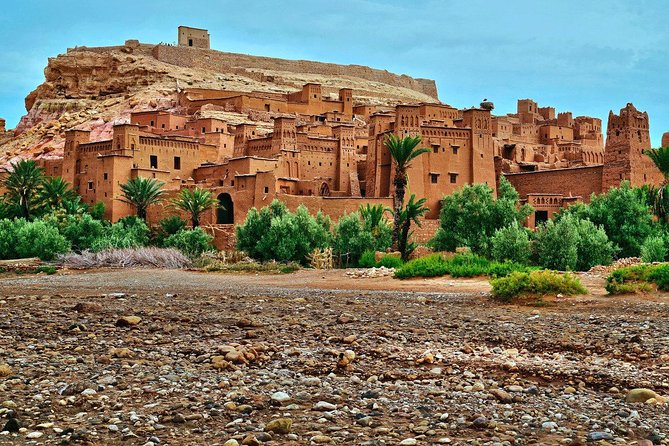
Then it’s on to Aït Ben Haddou for lunch and the highlight visit: the well-known historical kasbah recognized as a UNESCO World Heritage Site. This is one of those stops where slow walking helps. The kasbah’s beauty is in the details—how the structure clings to the hillside, how it feels like a fortified village rather than a single monument.
After lunch, you head through the High Atlas area, passing small villages and stopping for picture moments around waterfalls and scenic viewpoints. These are the kinds of stops that can be quick—just enough to stretch your legs and grab a few frames without derailing the schedule.
You’ll arrive in Marrakech in the afternoon, around 5:00 pm, and you’ll be dropped off at your accommodation.


Sandboarding and argan oil: the extras that add real flavor
This trip includes both sandboarding and a tour of an argan oil cooperative. Even though the main headline is the camel and dunes, these stops are what make the day feel grounded in real local life.
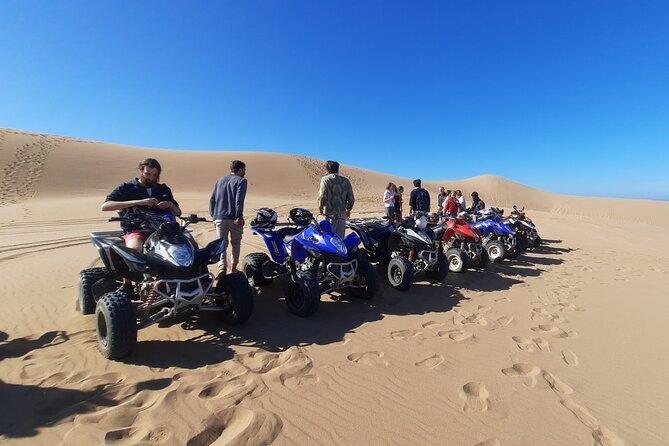
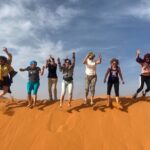
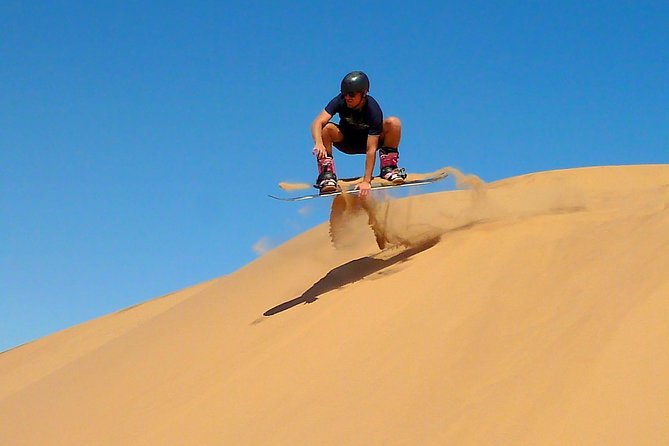
Sandboarding is the easy win here. The dunes aren’t only for looking—they’re for sliding. If you’ve never tried it, this is the time. You don’t need skill. You need willingness to fall into the sand like everyone else, then laugh it off and try again.
The argan oil stop adds a different kind of education. Argan oil is one of Morocco’s most recognized products, and a cooperative visit is a practical way to understand how it’s made and why it matters to local communities. It’s also a nice break from constant walking and driving, so you’re not only “on the move” the whole time.
Value for $221: half-board, transport, and what you’re really paying for
At $221 per person, the value comes from bundling the things that normally cost money or eat time.
You’re getting:
- Professional driver and an air-conditioned vehicle
- Camel ride and sandboarding
- Accommodation for 2 nights
- 2 breakfasts and 2 dinners (half-board)
Lunch and drinks are not included, so you’ll still want to budget for that. But compared to piecing together transport, desert camp sleeping, and the dune activities separately, the package price is doing a lot of work for you.
The strongest value argument is the schedule itself: the tour covers a full corridor—Fez to Merzouga desert dunes, then canyon country, then Ouarzazate, then UNESCO kasbah sights, then Marrakech. If you try to DIY it, you’ll spend time arranging connections and negotiating—here, the flow is handled.
And it’s not just about logistics. The driving time is long, but the smaller group size (max 17) makes it feel less chaotic than big-bus desert tours.
Driving time: the main drawback and how to handle it
The biggest downside to expect is exactly what one comment pointed out: there’s a lot of driving. You’ll spend many hours in the minivan moving between stop clusters. That can feel tiring if you came to Morocco thinking every hour would be a new walk.
There’s also a second, smaller concern some people raised: guides can sometimes share less detail than you might want. The good news is that this route often has standout leaders, including drivers and guides named like Zaki, Hassan, Said Erfoud, and RedWan, who were praised for friendly energy and keeping the group on track.
My practical advice: treat the van time like a chance to rest. Bring a water bottle (if allowed for your preferences), keep a light snack for yourself since lunch isn’t included, and be ready to enjoy the scenery outside. If you’re someone who needs constant narration to stay engaged, you’ll want to ask questions early in the day.
Who should book this Fes to Marrakech desert tour?
This is a great match if you want:
- One trip that links multiple Morocco highlights without complex planning
- A desert camp night with camel sunset, Berber music, and a star-filled evening
- Enough structure to feel taken care of, but not so much that you’re slammed every minute
It’s also ideal if you like the idea of a small group. With max 17 travelers and minivan transport, you’ll usually get a more personal feel than you would on huge tours.
It may be less ideal if:
- You hate long road days and want mostly walking time
- You’re traveling with someone who struggles with sitting for hours
- You’re expecting a light schedule with tons of free time
If you’re traveling with kids, check the rule about child rates and ensure you have the right adult coverage. If you’re pregnant, the tour notes it’s not recommended for more than 7 months.
Should you book this Fes to Marrakech desert tour?
If you want the classic Fez-to-Marrakech desert storyline—camel sunset at Erg Chebbi, a real canyon walk at Todgha, the kasbah power of Aït Ben Haddou, and the cinema stop energy of Ouarzazate—this is a strong choice. The best part is the balance: you get desert magic plus cultural stops, and your meals are mostly covered with the half-board setup.
Book it if you’re okay with the big tradeoff: long driving days. If you can handle that, you’ll come away with a trip that feels like a full route experience rather than a single “one-night desert moment.”
FAQ
What’s the starting time for the tour?
The tour starts at 8:00 am.
How long is the trip?
It runs for about 3 days (3 days total, with 2 nights).
How many nights do you sleep on this tour?
You spend 2 nights away from your starting city: one in the desert camp near the dunes and one in Ouarzazate.
Is pickup offered?
Pickup is offered.
What’s included in the price?
Included are a professional driver and air-conditioned vehicle, sandboarding and camel ride, accommodation, plus 2 breakfasts and 2 dinners.
Are lunch and drinks included?
No. Lunch and drinks are not included.
Is there a group limit?
Yes. The tour has a maximum of 17 travelers.
What should I wear for the camel ride?
Pants are recommended for the camel ride. Sun protection like sun cream and a scarf or hat is also recommended.
Is the tour refundable?
No. The experience is non-refundable and cannot be changed for any reason.
Is the trip suitable for children or pregnant travelers?
Children must be accompanied by an adult, and the child rate applies only when sharing with 2 paying adults. It is not recommended for pregnant women more than 7 months.