REVIEW · MARRAKECH
3 Days 2 nighs tour from Marrakech to Merzouga Desert
Book on Viator →Operated by Mission Travel Morocco · Bookable on Viator
Desert magic starts with an early pickup. This 3-day route from Marrakech to Merzouga strings together Atlas Mountains views, UNESCO sights, and a proper night in a Bedouin-style camp. It’s the kind of trip where the drive is part of the experience, not just the boring in-between.
Two things I really like: you get round-trip hotel/riad transfers, so you’re not wrestling taxis all day, and you also get camel riding plus dinner in the desert camp—so the “Sahara moment” feels built-in, not optional. The pace is tight, though, with long car hours and a pretty early wake-up for sunrise on Day 3.
If you want a slow, lazy vacation, this probably won’t match your style. But if you’re cool with a packed route and want real variety in just 2 nights, it’s a strong deal.
In This Review
- Key highlights from this Marrakech to Merzouga experience
- Why This Marrakech-to-Merzouga Route Feels Worth It
- Day 1: Tizi n Tichka to Ait Ben Haddou, Film Studios, and Dades Valley
- Day 2: Todra Gorge to Erg Chebbi, Berber Tea, and Camel Time at Sunset
- Day 3: Sunrise in the Dunes, Breakfast in Merzouga, and the Long Ride Back
- Price and Logistics: How $91.75 Makes Sense (and Where It Doesn’t)
- Guides, Group Size, and the Pace You’re Signing Up For
- Accommodation and Meals: Basic, Included, and Good Enough for the Desert Night
- What to Pack for Camel Riding, Dunes, and Early Mornings
- Who This Tour Fits Best (and Who Might Prefer Another Plan)
- Should You Book This Marrakech to Merzouga Tour?
- FAQ
- How long is the Marrakech to Merzouga desert tour?
- What is the start time for pickup in Marrakech?
- Is pickup from my riad or hotel included?
- Are camel rides included?
- What sights do we visit?
- What meals are included, and what’s not?
- How big is the group?
- Is there free cancellation?
Key highlights from this Marrakech to Merzouga experience
- Ait Ben Haddou (UNESCO) day: mud-brick kasbahs and big-picture photo stops on the way up from Marrakech.
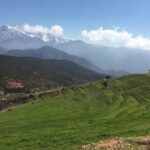
- Tizi n Tichka crossing: panoramic views and Berber village scenery built into the drive.
- Todra Gorge time: a classic Morocco canyon stop between mountain roads and desert roads.
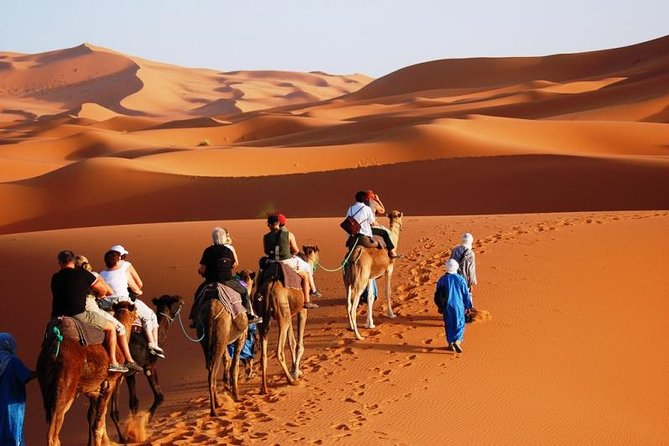
- Erg Chebbi at sunset: a camel ride into the dunes timed for the dramatic light.
- Bedouin camp night: Berber tea, dinner, and music around the campfire.
- Small group size (max 16): easier to manage than huge tour buses.
Why This Marrakech-to-Merzouga Route Feels Worth It
This tour hits a sweet spot. In three days, you go from Marrakech bustle to Atlas Mountain roads, then into the palmier towns and caravan-era routes that lead to the Sahara. The “value” part isn’t just the price tag—it’s that the major wow-moments are scheduled instead of left to chance.
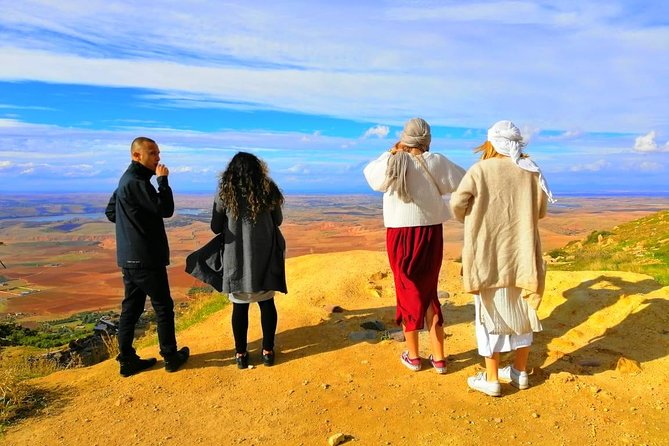
The drive is long, yes. But Morocco’s interior doesn’t look the same twice. You’ll see Berber villages, kasbahs, and valley roads that gradually change texture—until you reach the Erg Chebbi dunes, where the horizon finally opens up and you feel the scale.
Also, this is one of those tours where logistics don’t eat your day. Pickup is from your riad or hotel, and the tour includes accommodation and transfers, which means you don’t have to stitch together separate bookings. If you’ve ever tried to organize desert transport on your own, you already know why that matters.
A few more Marrakech tours and experiences worth a look
Day 1: Tizi n Tichka to Ait Ben Haddou, Film Studios, and Dades Valley
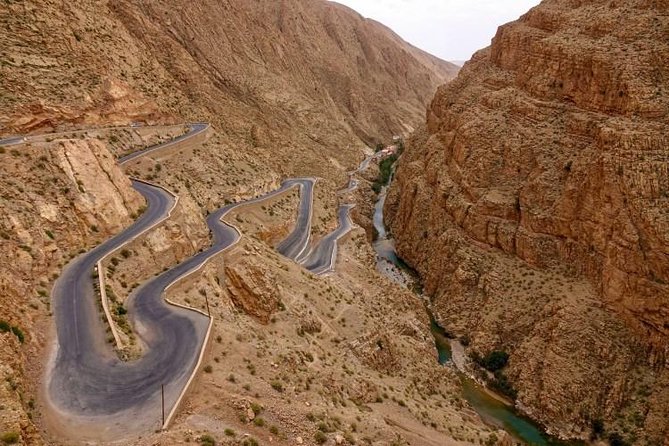
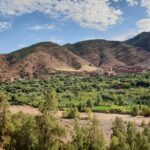
Day 1 starts early, with pickup around 7:00–7:30 am from your place in Marrakech. Then you’re on the road for about two hours toward the mountains, crossing Tizi n Tichka. This part matters because it sets the tone: it’s not just traveling to the next stop, it’s watching the scenery shift as you climb.
Along the way, the schedule includes photo stops and even a breakfast break. That’s a small detail, but it’s a big quality-of-life upgrade when you’re leaving Marrakech so early. You’ll also get views of Berber villages and the look of older kasbahs—some dating back to the 17th century in the areas you pass.
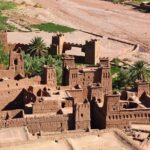
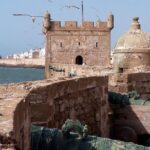
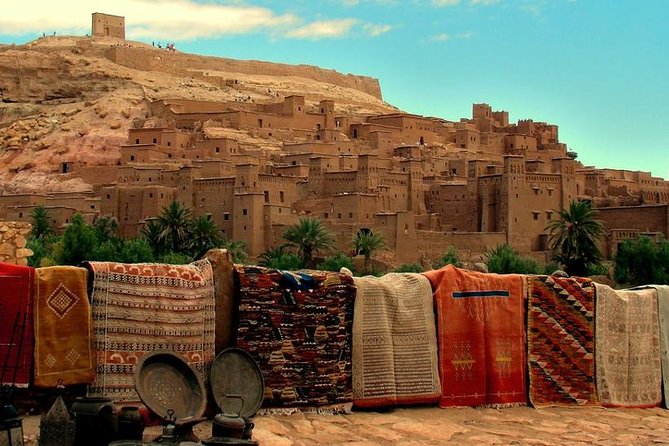
Next comes Ourzazate and the UNESCO-protected Ait Ben Haddou Kasbah. This is one of Morocco’s most recognizable kasbah scenes, and it’s often where the trip clicks for first-timers. You’ll have lunch there and enough time to explore at a comfortable tourist pace rather than racing through.
After Ait Ben Haddou, there’s a visit to the Atlas Film Studios. If you’ve watched Moroccan and international productions that used this region, you’ll appreciate seeing how the desert and kasbah world gets used for film sets. Even if you don’t, it’s a quick change of atmosphere before you continue.
Then you continue toward the Skoura area, which overlooks other kasbahs, and you move into Dades Valley for the night. You’re not staying in the desert yet, but you’re already far from the city vibe. Day 1 ends with a hotel in Dades Valley—usually the “rest your legs” moment before the big desert day.
Possible drawback on Day 1: this is a lot of driving in one shot. If you’re prone to car-sickness or you hate sitting for hours, bring something for comfort and keep your expectations realistic: the main product here is scenery plus major stops, not a slow wandering day.
Day 2: Todra Gorge to Erg Chebbi, Berber Tea, and Camel Time at Sunset
Day 2 is where the trip starts feeling more alive, because you shift from mountains and historic stops to canyon scenery and then toward the dunes.
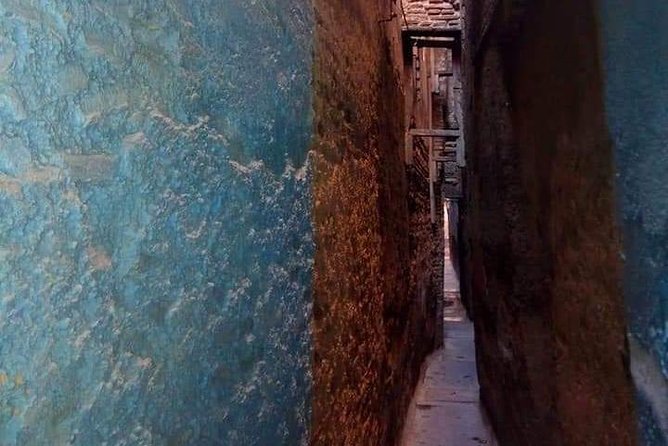
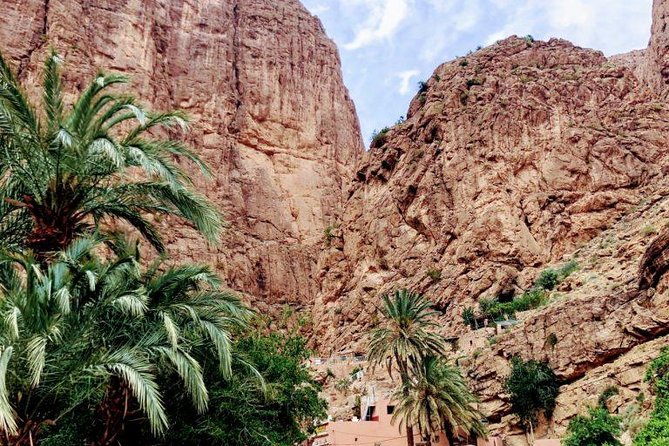
After breakfast, you drive to Tinghir and explore Todra Gorge. This canyon is famous for its dramatic rock walls and tight passage feel. It’s a nice contrast to the kasbah architecture of Day 1 and the open-horizon idea of the Sahara. If you like natural “wow” that isn’t just a photo spot, Todra delivers.
Then you head through Tinjdad for lunch. After that, you pass through Arfoud and Rissani as you work your way toward Merzouga, which is your door to Erg Chebbi—known for some of the tallest sand dunes in Morocco.
You typically arrive at the hotel in Merzouga late afternoon or early evening. This window matters. You’re not dumped into the desert immediately. You get some downtime and you’ll have Berber tea, which is more than a drink stop—it’s your first proper intro to how people slow things down once you reach the edge of the dunes.
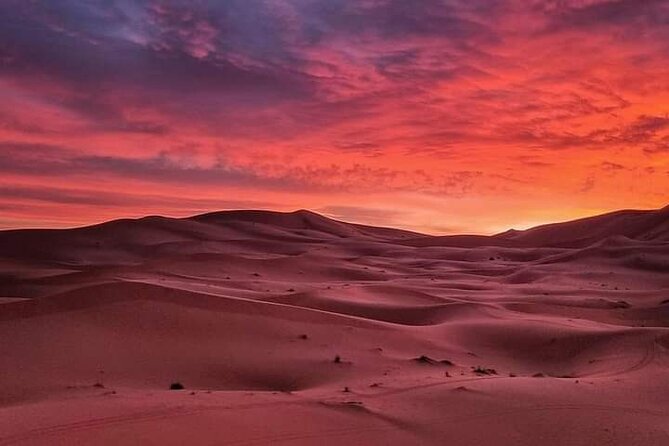
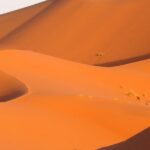
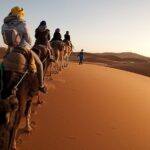
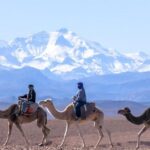
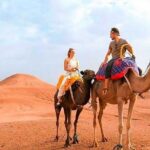
Around 5:30 pm, you start the camel ride—about one and a half hours through the dunes. That timing is key. You’re heading in toward that late-day light when the dunes look sculpted instead of flat sand.
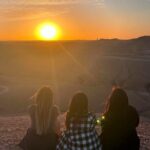
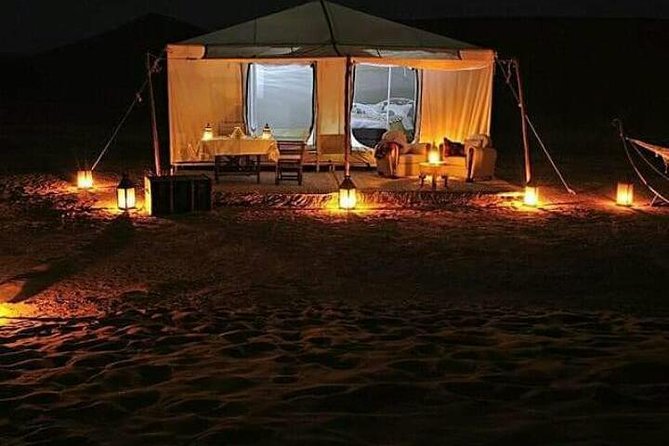
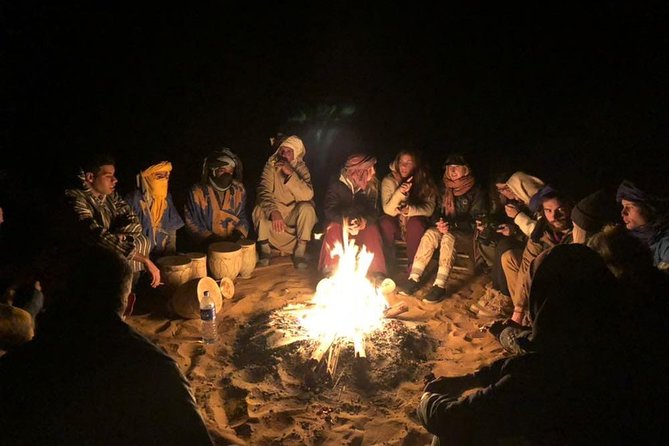
At the camp, you’ll arrive at Berber tents, have time to relax, and drink Berber tea with nomads. Then you head back out to watch sunset over the dunes. This is the part that many people remember years later—not because it’s fancy, but because it’s a total change of scale. Dinner follows at the camp, and there’s music around the campfire.
One consideration for Day 2: expect “camp comfort” to be basic. One review mentions food and accommodation are basic, while another notes comfortable beds. So: don’t plan for luxury, but do plan for a real desert night that’s more about the experience than hotel styling.
Day 3: Sunrise in the Dunes, Breakfast in Merzouga, and the Long Ride Back
On Day 3, you wake up early for sunrise. Then you ride the camels back toward Merzouga for breakfast. It’s a clean sequence: sunrise, camel ride, then the more normal rhythm of shower and breakfast.
Once you reach the hotel, you can shower—another detail worth caring about on a desert trip where sand tends to find everything. After breakfast, you start the drive back to Marrakech, passing through Alnif, Nkob, and Agdaz.
That return day is about distance. It’s not a day for stopping at a dozen new attractions; it’s the “get you back safely” segment after you’ve seen the desert. If you treat Day 3 like a travel day, it lands better.
If you’re thinking about energy levels: this tour is exciting, but it’s not a couch-to-spa kind of break. You’ll be up early and you’ll do camel time. Plan your rest accordingly.
Price and Logistics: How $91.75 Makes Sense (and Where It Doesn’t)
At about $91.75 per person, the value here is mostly in what’s included, not in what’s optional. You’re paying for:
- Hotel pickup and round-trip transfers
- Accommodation for two nights
- Breakfast and dinner included
- Camel safari into the desert
- The big sight stops that would otherwise require separate planning
That’s the math that makes sense for many budgets. You’re basically buying one package that moves you across Morocco’s most different zones.
What’s not included is also important. Lunch is not included, and drinks are not included. One reviewer mentioned lunch could be bought along the way for roughly 10–12 euros, which can help you rough-plan your spending. Another note: because lunch is on you, you’ll want to carry some cash just in case.
There’s also a practical note from a review that a guide asked for 25 dirhams and that a second guide was present. I can’t say that’s a standard practice for everyone on every departure, but it’s a reminder to confirm what you’re paying for during the day. If something feels unclear, ask directly—quickly, politely, and right then.
Guides, Group Size, and the Pace You’re Signing Up For
This tour runs with a group of up to 16 travelers, which is generally a comfortable size. Big groups can feel like cattle. Smaller groups tend to allow better attention and easier communication.
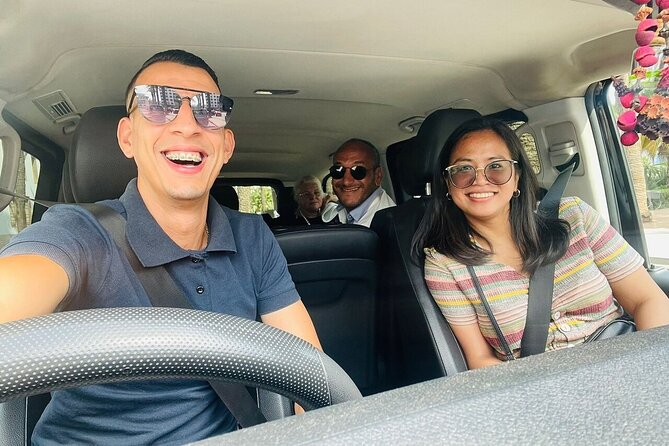
Reviews strongly highlight the human side: names like Walid, Habib, and a driver named Yassine come up as friendly and attentive. One review specifically praises how the staff checked in on everyone. That matters because the desert part can feel like a big unknown if you’re nervous about camel riding or timing.
The tour also starts at an early hour (again, around 7:00–7:30 am). So your “day” starts fast. If you like slow mornings, you’ll have to adjust. On the upside, the schedule is built to get you to the key sights without waiting around all day.
Accommodation and Meals: Basic, Included, and Good Enough for the Desert Night
Let’s talk expectations. Several reviews call the accommodation and food basic. That’s not a deal-breaker if you’re doing this for the desert and the route, not for room service and cushy linens.
The important part is that breakfast and dinner are included—so you don’t end up paying for every meal during the two-night stretch. Dinner is at the desert camp on Day 2, with that campfire music moment baked into the evening. Breakfast is provided on all three mornings, and on Day 3 you also get a chance to eat back in Merzouga after the sunrise/camel ride cycle.
One review also mentions comfortable beds. That’s a helpful detail, because on these tours the sleeping setup can vary. You should still treat it as practical lodging, not a spa resort.
For drinks, assume it’s on your own. If you’re particular about bottled water or tea/coffee preferences, keep that in mind.
What to Pack for Camel Riding, Dunes, and Early Mornings
The tour details don’t list a packing checklist, so I’ll keep this practical and general. Since you’ll be:
- on a camel ride into Erg Chebbi
- outdoors at sunset and sunrise
- on a long drive day that includes photo stops
…pack for movement and quick weather changes.
Bring:
- Comfortable clothes for camel time and long sitting in a vehicle
- Layers you can add or remove for early morning and cool night air
- A hat/sunglasses for the dunes and bright desert light
- Something to protect your belongings from sand during the camel segment
Also, bring a small amount of cash for lunch since it isn’t included.
Who This Tour Fits Best (and Who Might Prefer Another Plan)
This tour fits best if you:
- want a classic Marrakech to Merzouga route without handling complicated transport
- like seeing both architecture (kasbahs) and natural stops (gorge and dunes)
- enjoy the idea of camping in the desert as a once-in-a-lifetime experience, even if it’s not luxury
It’s less ideal if you:
- hate long car days and early starts
- need high-end comfort and lots of free time at each location
- are looking for a fully flexible schedule rather than a set 3-day itinerary
Should You Book This Marrakech to Merzouga Tour?
I’d book it if your goal is to check the big boxes: Ait Ben Haddou, Todra Gorge, and the Erg Chebbi sunset + camel ride + Bedouin camp dinner. The inclusion of accommodation, transfers, and major meals makes the price feel fair, especially when you’re doing this from Marrakech and don’t want to plan every leg yourself.
Skip it only if you want a relaxed, slow trip with lots of downtime. This is a “see a lot, do the desert properly” kind of tour.
If you do book, do two smart things: carry some cash for lunch, and ask early in the day if anything about extra payments feels unclear—so there are no surprises.
FAQ
How long is the Marrakech to Merzouga desert tour?
It runs for 3 days (about 3 days, 2 nights), going from Marrakech to Merzouga and returning by the end of Day 3.
What is the start time for pickup in Marrakech?
The tour starts with pickup around 7:30 am (early in the morning).
Is pickup from my riad or hotel included?
Yes. Round-trip transfers from your riad or hotel in Marrakech are included.
Are camel rides included?
Yes. You take a camel safari into the desert (about one and a half hours) on Day 2, and you ride back on Day 3.
What sights do we visit?
You visit Ait Ben Haddou Kasbah, Atlas Film Studios, Todra Gorge, and you spend time in the Erg Chebbi dunes in Merzouga.
What meals are included, and what’s not?
Breakfast is included for 3 mornings, and dinner is included for 2 nights. Lunch and drinks are not included.
How big is the group?
The group size is capped at 16 travelers.
Is there free cancellation?
Yes. You can cancel for a full refund up to 24 hours before the experience’s start time.