REVIEW · MARRAKECH
3-Day Tour to Merzouga Erg Chebbi visiting villages & Camel trek
Book on Viator →Operated by Sahara Morocco Adventure · Bookable on Viator
That first switch from Morocco city life to desert quiet hits hard. You’ll ride out of Marrakech, stop at Tizi n-Tichka for big mountain views, and then move into Erg Chebbi country for a real camel trek and overnight under desert skies.
I especially like that the trip is planned end-to-end, with an air-conditioned minivan, set stops for sights, and your desert camp handled too. Two more things I like: you get time for a meaningful hike at Todra Gorge, and you also see classic southern stops like Ait Benhaddou and Skoura oasis instead of only riding straight to the dunes.
One consideration: the desert mornings and nights can be chilly, and camp electricity can be spotty (fine, just don’t plan on charging everything like it’s a hotel lobby).
In This Review
- Key things to know before you go
- Marrakech to the High Atlas: where the trip really starts
- Kasbahs, Skoura oasis, and the Dades River run
- Tizi n-Tichka: the view stop that’s worth dressing for
- El Kelaa M’gouna and Boumalne Dades: quick windows into local life
- Tinghir and Todra Gorge: where the hike is the point
- Rissani to Merzouga: arriving at the edge of the dunes
- Erg Chebbi camel trek and the desert camp reality check
- Day 3: the long drive back to Marrakech
- Price and value: does $127.76 per person make sense?
- Who this tour is best for (and who should consider alternatives)
- Should you book it? My decision guide
- FAQ
- What’s included in the camel ride?
- Where do I start and end the tour?
- Are meals included?
- Are monument entrance fees included?
- Is the tour comfortable for long drives?
- Can I get a full refund if plans change?
Key things to know before you go
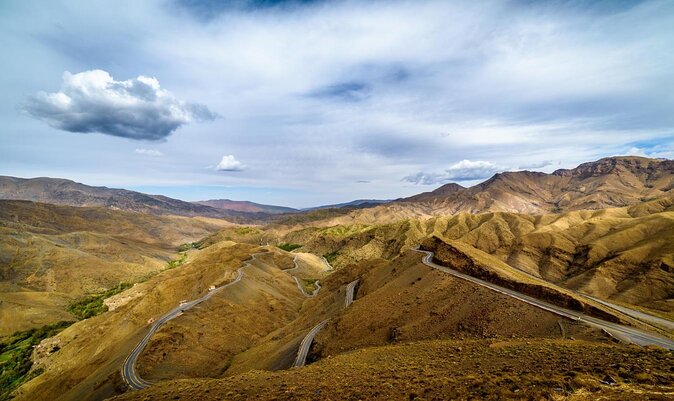
- Tizi n-Tichka Pass photo stop: a straightforward win for mountain views and quick pictures before you drop toward the desert.
- UNESCO Kasbah of Ait Benhaddou: an early highlight that helps you understand how people built and traded in this region.
- Todra Gorge hike: you’ll get to walk near the deep orange limestone canyon where the High Atlas cuts right through.
- One camel per person + desert camp: the camel experience is built into the overnight plan, not tacked on as a quick add-on.
- Included meals, but not lunch: dinners and breakfasts are covered; lunches are on you.
- Cold at night: bring warm layers, because “desert cool” is still cold when the sun goes down.
Marrakech to the High Atlas: where the trip really starts
This tour feels like a long, cinematic drive first, then it turns into a hands-on desert experience. You start in Marrakech near the central area, with pickup that’s close to the main action, so you’re not wasting precious time crossing town before the adventure even begins.
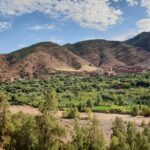
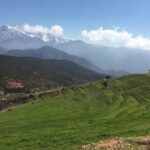
From there, the first big draw is the High Atlas route. You’ll cross the Tizi n-Tichka mountain pass, and it’s one of those stops where the scenery does the talking. You’ll also pass rural areas with Berber villages tucked along the route, where shepherd life and flocks are part of the rhythm of the region. Even from the road, you get the sense that this landscape has been lived in for a long time.
Then the day pivots toward southern Morocco’s famous fortified architecture with a visit to the Kasbah of Ait Benhaddou (UNESCO). This place matters because it isn’t just a postcard. It’s a site where commerce and community once overlapped—trade routes, travelers, and local life all meeting in one compact, walled setting. You’ll have time to soak it in at a laid-back pace before continuing onward.
Practical note: you’ll likely have a lunch break in the Ouarzazate area where meals are your responsibility. That’s normal on group tours, but it’s still worth budgeting so you don’t end up hunting for food while everyone else is moving on.
You can also read our reviews of more hiking tours in Marrakech
Kasbahs, Skoura oasis, and the Dades River run
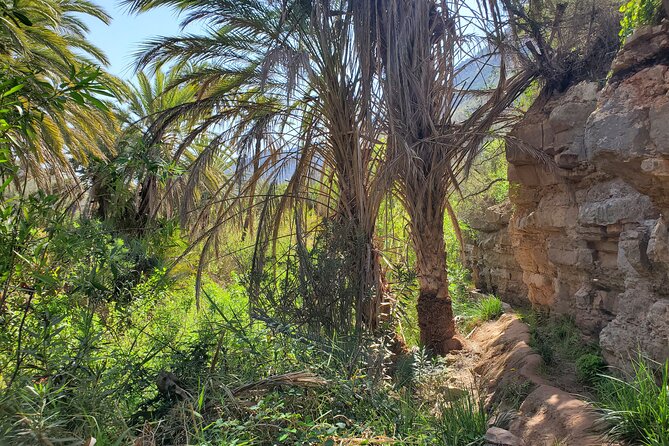
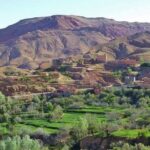
After Ait Benhaddou, the route keeps giving. You’ll head toward Ouarzazate and then swing into the Skoura oasis, where the contrast is instant: lush palm trees appear like an oasis mirage against dry terrain. It’s a small scene, but it helps you understand why oases mattered so much in Morocco—water meant agriculture, shelter, and travel.
Next comes the drive through deeper gorges and older ruins tucked along the route. You’ll also track the Dades River corridor as you move along. The value here is timing: you’re not stuck staring out one long straight road. Instead, you get a chain of visual “chapters,” each one showing a different side of southern Morocco.
By evening, you reach Tinghir area, where your included dinner and overnight are set (the hotel listed is Hotel Saghro Tinghir). Expect a solid dinner and a chance to reset because the next day becomes more active, with hiking and a camel trek building toward the desert camp.
Tizi n-Tichka: the view stop that’s worth dressing for
The Tizi n-Tichka pass is included as a dedicated stop, and it’s exactly the kind of moment that makes this tour feel like more than a bus ride. It’s a short window, but it can produce some of the best photos of the whole experience.
Two tips make it easier. First, bring a layer even in warmer months—mountain air changes fast. Second, keep your camera ready because the best viewpoints happen as the road opens up and the valley drops away. You’ll also appreciate this stop later, because it sets your mental picture of where you are in Morocco: High Atlas to the edge of the desert.
The timing is straightforward: you’re moving with the group, so you’ll want to be ready the moment the minivan pulls over. No long wandering, no “we’ll see later,” just grab the views while they’re there.
El Kelaa M’gouna and Boumalne Dades: quick windows into local life
Day 1 also includes shorter stops—El Kelaa M’gouna and Boumalne Dades among them. These are not long museum-style visits. Think of them as “glance-and-go” breaks where you see the region’s everyday rhythm.
Even with a brief stop, El Kelaa M’gouna can feel like a useful reset. You’re traveling through smaller towns that support the surrounding countryside, and it helps break the monotony that sometimes hits long road trips. Boumalne Dades also gives you a sense of where the Dades Valley vibe begins—more canyon, more layers of rock, and more of that mountain-to-desert transition you came to experience.
If you like tours that mix major sights with real-life sidetracks, these smaller stops help. If you only want the big-ticket highlights, you might treat these as stretch breaks.
Tinghir and Todra Gorge: where the hike is the point
Day 2 is where the tour shifts gears. After breakfast back at your hotel, you head toward Tinghir and then on to the Todra Gorge. This is the walking portion that actually stretches your legs and gives you something to do besides sightseeing from the road.
You’ll stroll through the oasis area first, which sets up the gorge perfectly. Then you reach the canyon, where the orange limestone walls rise sharply and the gorge narrows into a dramatic crevasse. It’s the kind of place that changes as you move—one second it feels like a narrow corridor, the next you look up and see scale that makes the hike feel worthwhile.
A local guide is included for the gorge. That matters because you’ll get context that you’d miss if you just walked in on your own. You’ll also get a better sense of why the Todra area is so tied to settlement and daily life—water and rock shape everything here.
Lunch is your choice during the day (own expense), so you can pick something quick and local in the area. Just keep an eye on timing so you don’t slow the group down.
A few more Marrakech tours and experiences worth a look
Rissani to Merzouga: arriving at the edge of the dunes
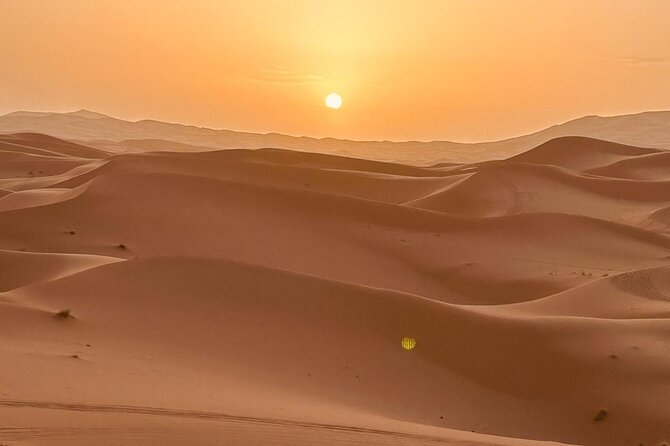
After the gorge, the route continues to Rissani, which is described as a key historic town and tied to the ruling royal family’s lineage. It’s also linked to the Tafilalt region and its older role as a regional center. Even though you’re not spending the whole day there, it gives the trip a “who lived here and why” layer beyond scenery.
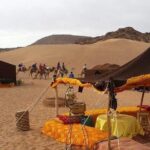
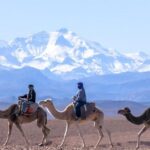
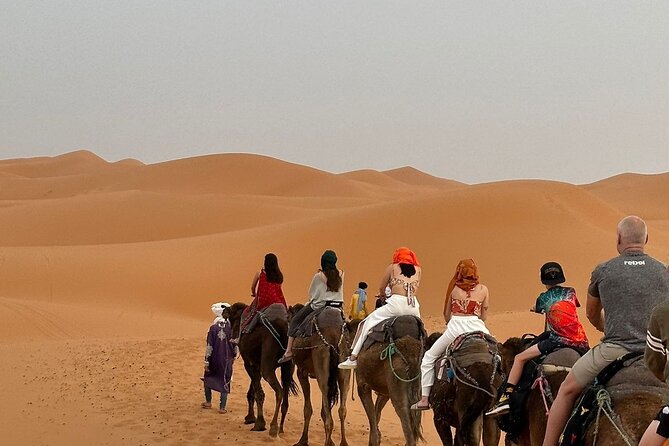
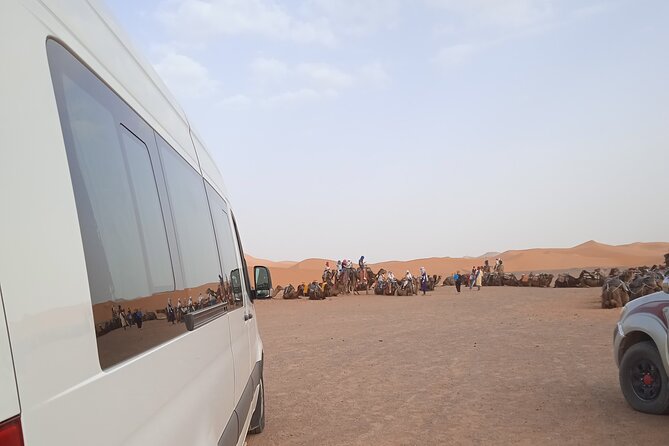
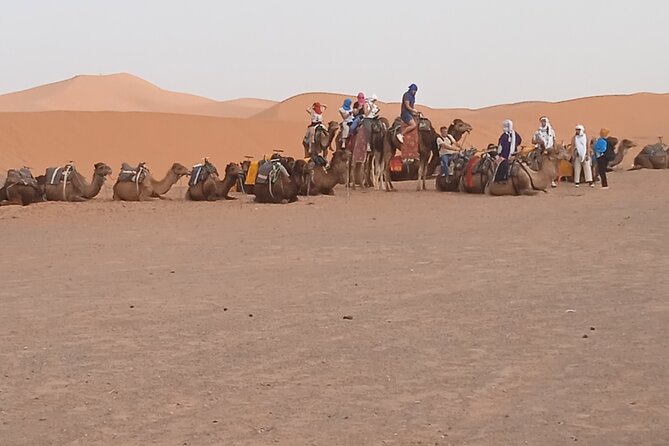
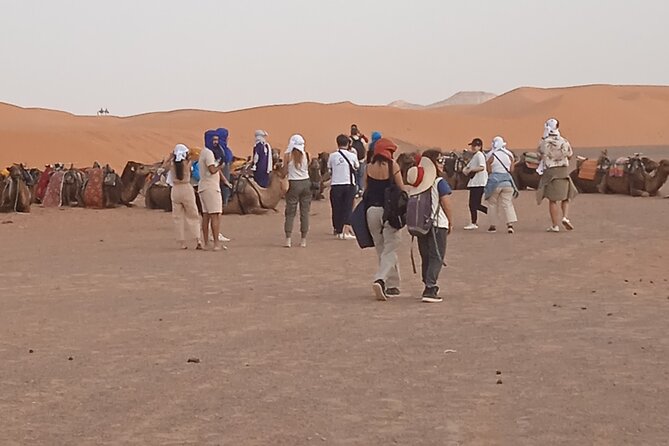
From Rissani you roll into Merzouga, a small village right on the border of the Sahara. This is the moment where the tour stops feeling like Morocco road travel and starts feeling like desert travel. You meet your camel caravan and set off toward Erg Chebbi and your camp in the heart of the dunes.
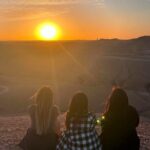
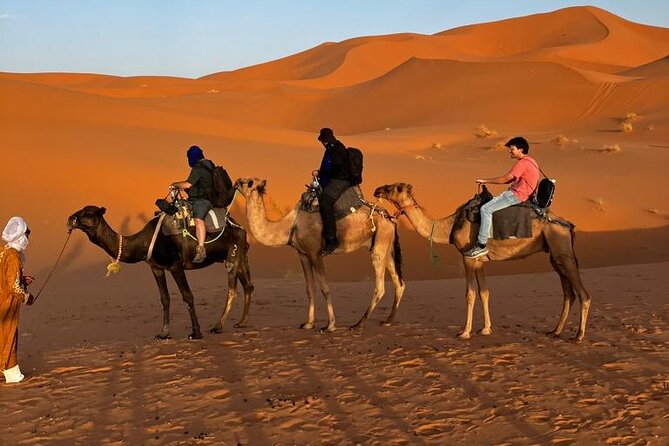
This is also the part that’s easiest to mess up if it’s not managed well. Here, the good sign is that the camel ride is clearly integrated into the overnight plan, so you’re not rushed or left hanging. You’ll ride with the light changing as afternoon turns into golden hour, then dinner and stargazing take over.
Erg Chebbi camel trek and the desert camp reality check
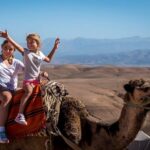
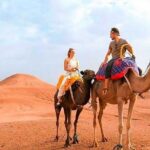
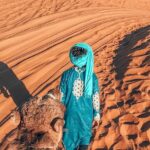
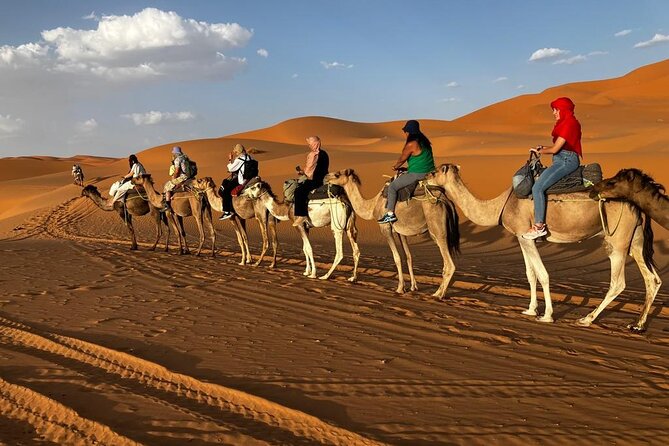
The camel trek is the heart of the story. Since the tour includes one camel per person, you’re not stuck waiting while others ride. You’ll move at a pace that feels human, not fast—perfect if you want to take in the dunes and not turn your trip into a sore-back contest.
For many people, the best part isn’t even the dunes themselves. It’s that moment when you can feel the desert quiet settling in. You’ll have traditional music included in the camp evening, and then dinner and a night under the stars.
Now for the practical part, because desert comfort is not automatic. The camp you stay in (in Merzouga) is described as having bathrooms and showers, which is a huge deal. One recent review also noted that electricity can be spotty but adequate. So plan like a realist: charge what you need when you can, and don’t expect perfect power on demand.
And please, pack for temperature swings. Warm clothes for evenings and mornings aren’t optional. Desert nights can surprise you fast.
If you’re wondering about fun extras: one review specifically called out that the return ride back included ATVs and that it was terrific. Since that detail isn’t listed as a guaranteed inclusion, just treat it as a possible add-on depending on how your day is running.
Day 3: the long drive back to Marrakech
Day 3 is mostly travel. You head back from Merzouga to Marrakech with a drive time listed at about 9 hours. This means you’ll want a relaxed morning at camp rather than trying to squeeze in extra activities.
The upside is that the desert part already took care of the “experience” portion. You’re returning with the big memories already made—dunes, camel trek, gorge hike, and the southern kasbah stops.
If you get carsick easily, consider how the first two days already involve plenty of road movement. The tour does use an air-conditioned vehicle, which helps comfort, but it’s still a long day.
Price and value: does $127.76 per person make sense?
At $127.76 per person for a 3-day package, this is priced like a mid-range group desert tour. The value isn’t just the camel trek. It’s the combination of things most independent travelers would otherwise have to plan and pay for separately.
Here’s what you’re getting for the money:
- Round-trip transport from Marrakech (with pickup near the city center)
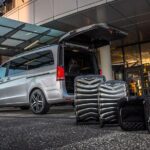
- Air-conditioned vehicle for the road segments
- Accommodation included (hotel in the Tinghir area and a desert camp in Merzouga)
- Two dinners and two breakfasts included
- Todra Gorge local guide
- Camel ride with one camel per person
What’s not included matters too:
- Lunches
- Tips
- Monument entrance fees
- A local guide in Ait Benhaddou village (so you may see additional fees depending on what’s arranged during your visit)
If you’re the type who hates logistics—where to sleep, how to get there, how to connect the desert—this price starts looking fair. You pay for planning and coordination, not just transportation.
Also, this is booked well in advance (about 195 days on average). That usually means two things: demand is real, and the schedule tends to be reliable once you book.
Who this tour is best for (and who should consider alternatives)
This works really well for:
- First-timers to southern Morocco who want a solid route without building it yourself
- Travelers who enjoy a mix of major highlights and real stops along the way
- People who want a group guide to handle timing and interpretation, especially for Todra Gorge and historical sites
You might want a different option if:
- You only want the desert and don’t care about the Atlas pass, kasbahs, and gorge hike
- You’re very sensitive to long drive days (Day 3 alone is about 9 hours)
- You expect a luxury camp. The camp has practical comforts like showers, but you should still expect desert conditions like spotty electricity and temperature drops
Should you book it? My decision guide
I’d book this tour if you want a classic Moroccan desert circuit with enough structure to make it easy. The mix is strong: Tizi n-Tichka for views, Ait Benhaddou for history, Todra Gorge for a real hike, then Erg Chebbi for the camel trek and desert night.
You should think twice if you’re chasing maximum comfort or if you dislike cold mornings. Bring warm layers, accept that power may not be constant, and budget for lunches and any entrance fees you encounter.
If that sounds like you, this is a straightforward, good-value way to see a big chunk of southern Morocco without turning your vacation into a routing project.
FAQ
What’s included in the camel ride?
The tour includes a camel ride with one camel for each participant during the trek toward Erg Chebbi and the desert camp.
Where do I start and end the tour?
You start at Hôtel Restaurant Café de France near Jamaa el-Fna in Marrakech and end at Hôtel Tazi in Marrakech.
Are meals included?
Yes. Breakfast (2) and Dinner (2) are included. Lunches are not included.
Are monument entrance fees included?
No. monument entrance fees are not included, and the local guide in Ait Benhaddou village is also not included.
Is the tour comfortable for long drives?
You travel in an air-conditioned vehicle, but there are long road segments, including a drive back to Marrakech of about 9 hours on Day 3.
Can I get a full refund if plans change?
Yes. You can cancel for a full refund up to 24 hours in advance of the experience start time.
If you want, tell me your travel month and whether you’d rather prioritize more desert time or more Atlas highlights, and I can suggest how to pack and what day-to-day pace to expect.