REVIEW · MARRAKECH
3 Day Tour Marrakech to Merzouga Desert
Book on Viator →Operated by Sahara Travel Trips · Bookable on Viator
The desert hits fast on this 3-day ride. From the High Atlas pass at Tizi n’Tichka to the UNESCO kasbah at Ait Ben Haddou, this route stacks big sights in one smooth-running plan before you reach Erg Chebbi for camel time at sunset. I also love how you pass through Dades and Todra canyons and palm-filled areas, so each day feels like a new chapter instead of repeat scenery.
The trade-off is road time. You’ll spend long stretches in the air-conditioned minibus, and there can be stops tied to shops where you may feel pushed to buy items like carpets—so bring a clear budget mindset. Still, it’s one of the easiest ways to get from Marrakech to the Sahara without cobbling together separate tours for every leg.
In This Review
- Key things that make this trip tick
- How this Marrakech to Merzouga tour fits into 3 days
- Day 1 over the High Atlas: Tizi n’Tichka, Ait Ben Haddou, and Dades Gorge
- Tizi n’Tichka pass stop (about 15 minutes)
- Ait Ben Haddou UNESCO kasbah (about 2 hours)
- El Kelaa M’gouna and the Roses Valley stop (about 15 minutes)
- Dades Valley and arrival in Boumalne Dades (with dinner + breakfast)
- Day 2: Tinghir palms, Todra Canyon walking time, then Merzouga dunes
- Tinghir stop (about 15 minutes)
- Todra River and short walk (about 30 minutes)
- Merzouga arrival and camel prep (about 20 minutes)
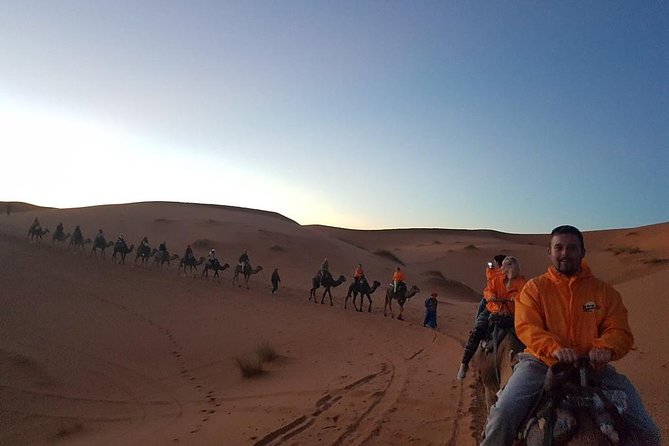
- Erg Chebbi dunes trek and sunset camp night
- Camel rides at sunset and sunrise: what to plan for
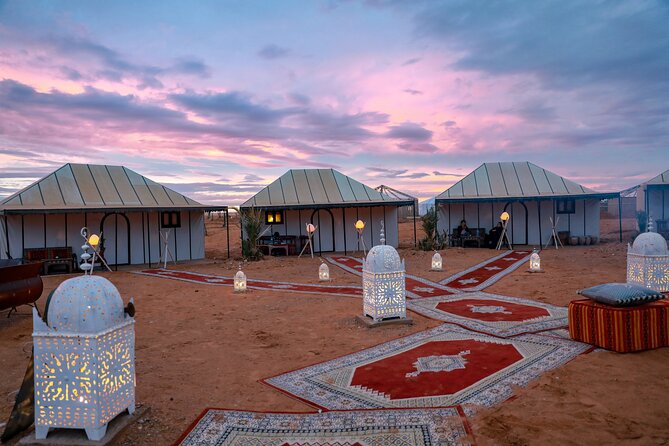
- Dinner, tents, and the desert camp experience you can actually use
- Day 3: sunrise, breakfast, and the long return over Tizi n’Tichka
- Price and value: is about $117.80 per person a fair deal?
- The best-fit traveler (and the one thing to watch)
- Should you book this Marrakech to Merzouga desert tour?
- FAQ
- What time does the tour start, and where do I meet?
- Does the price include accommodation?
- Are camel rides included?
- Is sandboarding included?
- What meals are included, and is lunch included?
- How big is the group?
- What entrance fees are included?
- Is there a cancellation policy if weather is bad?
Key things that make this trip tick
- Tizi n’Tichka pass crossing: the High Atlas gateway at 2260 m, plus included admission for the stop
- UNESCO kasbah at Ait Ben Haddou: a film-famous setting you’ll actually walk through
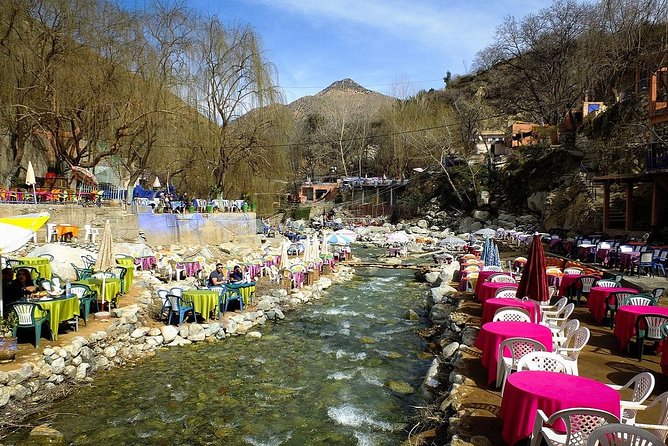
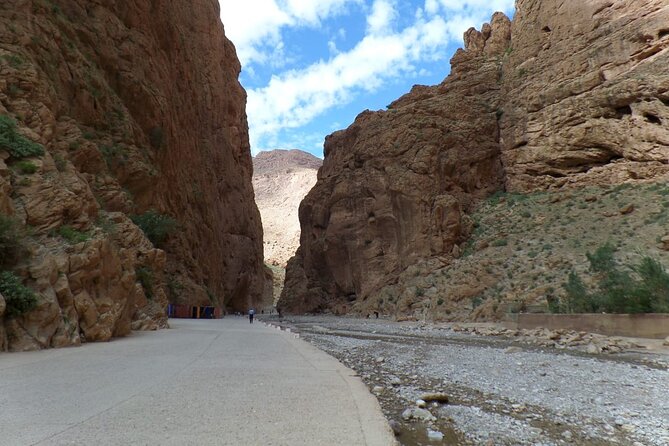
- Dades Gorge and Todra Gorge: two canyon stops with time to take photos and stretch your legs
- Erg Chebbi dunes for sunset and sunrise: camel rides timed for the classic desert light
- Sandboarding included: you get more than photos from the dunes
- Nomadic-style desert camp night: dinner by the fire with Berber drumming and stargazing
How this Marrakech to Merzouga tour fits into 3 days
This is a group shared desert tour that runs daily out of Marrakech and targets the classic Sahara area around Merzouga, specifically the Erg Chebbi sand dunes. The rhythm is simple: drive scenic routes through the High Atlas and valleys, then spend a full night in the desert camp before heading back.
Because it’s a group trip, you’re not making your own decisions every step of the way. That matters when you’re working with limited time. At roughly 3 days, it’s a good fit if you want the essentials—kasbah, canyons, and dunes—without turning the whole week into transit.
One practical note: the tour notes a maximum of 34 travelers, and transport is by air-conditioned minibus (8-seat or 17-seat). That size usually keeps the day moving, but it also means you should expect “bus day” moments, especially on Day 1 and Day 2.
A few more Marrakech tours and experiences worth a look
Day 1 over the High Atlas: Tizi n’Tichka, Ait Ben Haddou, and Dades Gorge
Day 1 starts early, with pickup around 7:00 am from Café de France in Marrakech (72 Rue des Banques). Then it’s straight into the big driving day.
Tizi n’Tichka pass stop (about 15 minutes)
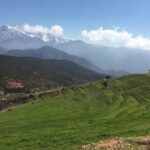
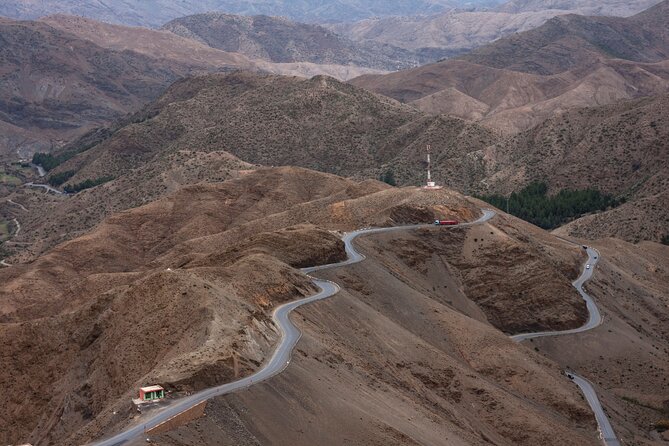
You cross the High Atlas Mountains via Tizi N’Tichka, listed at 2260 m altitude. This stop is short, but it’s the kind of pause that helps you understand what you’re traveling through: steep roads, mountain air, and those wide “how big is this place” views.
The tour includes an admission ticket for this stop, which is a small but real convenience. If you’re trying to keep your spending predictable, that’s one less line item to handle.
Ait Ben Haddou UNESCO kasbah (about 2 hours)
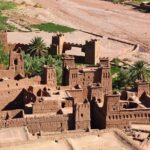
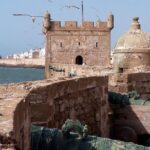
Next comes Ksar Ait Ben Haddou, a UNESCO World Heritage site. This is also where Morocco’s film connections show up: it’s been used in major productions like Gladiator, Prince of Persia, and Game of Thrones.
What I like about this stop is timing and duration: about 2 hours gives you time to wander and take it in without feeling rushed. You’re not just driving past. You’re actually in the kasbah area long enough to notice the layout and how the place has held onto its identity over centuries.
Admission here is listed as free, which helps the value math.
El Kelaa M’gouna and the Roses Valley stop (about 15 minutes)
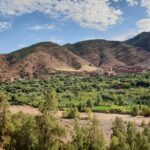
After the kasbah, you drive across El Kelaa M’gouna, with a stop tied to the Roses Valley and the road of Thousand Kasbah. This is one of those quick visual breaks that’s more about atmosphere than a deep visit.
If you’re the type who likes a smooth flow—big sight, then a scenic break, then the next big sight—this segment works.
Dades Valley and arrival in Boumalne Dades (with dinner + breakfast)
By the time you reach Boumalne Dades, the plan shifts from lookout spots to the valley experience. The itinerary mentions panoramic views tied to the Dades Valley and the famous monkey fingers mountains photo points.
Then you settle into Dades Gorge for your night. The tour includes breakfast and dinner here, which is key. Desert days get long, and having one of your meals already handled keeps you from hunting for food with everyone else after a drive.
The listed hotel is Le Vieux Chateau de Dades or similar, so expect a real bed and a proper hotel setup for the first night.
Day 2: Tinghir palms, Todra Canyon walking time, then Merzouga dunes
Day 2 is where the trip starts to feel like it’s turning toward the Sahara in a more physical way: oases, canyon walls, and then finally the sand.
Tinghir stop (about 15 minutes)
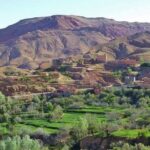
From Dades, you head toward Tinghir and the Todrá Gorge area, about 45 km away. The stop is brief, but it’s aimed at giving you that oasis feeling—plus those palm groves that make the desert edge seem even more dramatic.
This is one of the moments where the change in terrain becomes obvious. You go from mountain valley travel to the kind of place where greenery looks almost unreal against the bigger arid backdrop.
Todra River and short walk (about 30 minutes)
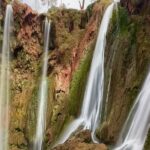
At Todra Gorge, you get to see one of the most spectacular canyon systems in the region, with a short walk listed at about 30 minutes. This is the “stretch your legs” segment of the day.
It’s not a long hike, but it’s enough time to walk into the gorge area and get the scale of the canyon walls. If you like photos, this is where you’ll want to slow down and actually look up.
Admission here is listed as free in the itinerary.
Merzouga arrival and camel prep (about 20 minutes)
After Todra, the drive continues toward the Erg Chebbi dunes. When you reach Merzouga, you’ll go to the hotel to prepare your backpack for the camel ride (the itinerary notes the camel ride is about 60 minutes).
This matters because it changes how you pack. You’ll likely want a small, easy-to-carry day kit and keep essentials accessible without overloading. If you bring a massive backpack, it becomes a burden fast.
Erg Chebbi dunes trek and sunset camp night
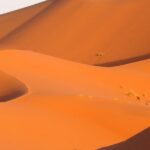
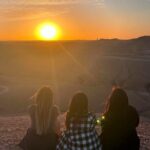
Then comes the signature moment: you head onto the dunes just in time for sunset. The itinerary describes a sand trek, arrival at the camp, and time for traditional Moroccan dinner.
At the camp, you’ll sleep in nomadic-style tents, with tajine and other traditional Moroccan food served by a fire camp. There’s also drumming by local Berbers, plus time to climb the dunes and enjoy one of the strongest selling points of Merzouga: a night sky full of stars.
The “you get more than one experience” part here is important. This is not just a camel photo at the edge of the dunes. It’s a whole evening built around the desert rhythm.
Camel rides at sunset and sunrise: what to plan for
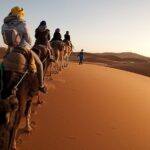
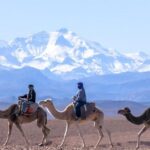
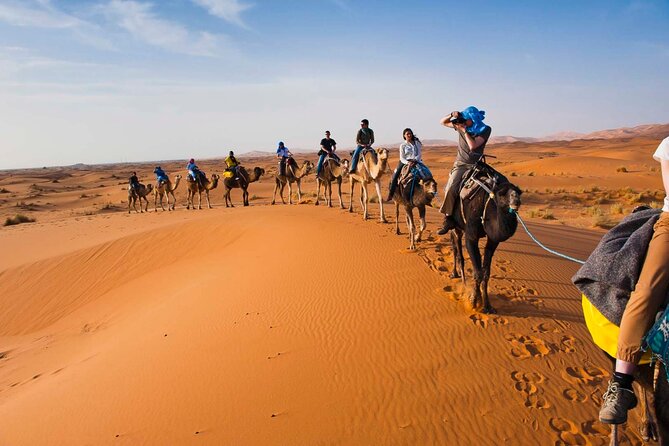
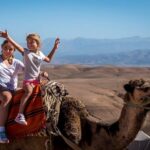
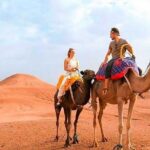
Camel rides are included twice: once around sunset (Day 2) and again for sunrise (Day 3). The itinerary also mentions an early wake-up on Day 3 to watch sunrise while riding camels.
If you’ve never done a camel ride before, it’s worth knowing the basic vibe: it’s part transport, part experience. You’re not moving across the world like a safari show. You’re riding slowly enough to notice the shift in wind and the way the dunes move through your viewpoint.
The timing also means you’ll trade comfort for magic light. That’s the deal with desert trips. You’re going for the colors and the atmosphere, not speed.
Dinner, tents, and the desert camp experience you can actually use
The desert camp is included on Day 2, and the tour lists dinner and breakfast as part of the overall package (with Dinner (2) and Breakfast (2)).
That combination is a real value point. Many “desert nights” end up being half-board at best, and you’re left figuring out meals on your own. Here, at least the main meals are already planned, so you can focus on the night itself.
You can also expect camp-style entertainment. The itinerary calls out local Berbers playing drums during the evening. Then there’s the practical fun: time to climb dunes and sandboard.
The camp experience is the part you remember later. It’s also the part where the group’s mood matters. If you go in calm and ready for a simple, communal evening, it tends to feel like the best kind of effort.
Day 3: sunrise, breakfast, and the long return over Tizi n’Tichka
Day 3 is shorter and more “get back safely” than “add new sights,” but it still starts in a classic way. The plan is an early wake-up to watch the sunrise while riding camels, followed by breakfast at the camp.
After breakfast, you drive back toward Marrakech via Ouarzazate or El Kelaa M’gouna for lunch. The itinerary then notes you’ll cross Tizi N’Tichka pass again in the afternoon and continue on to Marrakech.
A key detail: it says No accommodation on this day. So you’re not spending another night out there—you’re finishing the circuit and moving back to city life.
The drop-off is listed as returning you to your accommodation, airport, or bus/train station, while the activity also notes the end back at the meeting point. In plain terms: the operator intends to get you back where you need to be, but it’s smart to double-check what your exact drop-off option is when you confirm.
Price and value: is about $117.80 per person a fair deal?
At $117.80 per person, this tour’s value depends on how you price the “big included items” versus paying them separately.
Here’s what you’re getting that usually costs real money when booked separately:
- 2 nights of food coverage (breakfast twice, dinner twice)
- Hotel night in Boumalne Dades
- Desert camp night in Merzouga
- Camel ride(s) for sunset and sunrise
- Sandboarding
- Air-conditioned transport by minibus
- Local guide
- Pickup and drop-off
You’re also getting admission coverage for key stops: Tizi n’Tichka admission included, and Ait Ben Haddou free in the itinerary’s plan.
What’s not included is also clear: drinks during the trip and lunch during the trip. So if you’re someone who drinks bottled water and sodas regularly, budget for that. If you bring snacks and treat lunch as a lighter meal, you’ll feel less pressure.
The other “value” factor is time. A good chunk of the cost is basically paying for organization and getting you to where you’d otherwise struggle to reach on your own. For many people, that’s exactly why they book.
The best-fit traveler (and the one thing to watch)
This tour is a strong match if you want a structured route with major highlights: Atlas Mountains, Ait Ben Haddou, Dades and Todra canyons, and Erg Chebbi dunes with a real desert night.
It’s also a good choice if you prefer group travel logistics. Your transport, guiding, and lodging are already set, and the group size cap helps keep things from turning into chaos.
The consideration I’d flag is twofold:
- Expect long driving hours. Even with comfort in the minibus, you’ll sit a lot. If you hate being in transit, you’ll feel it.
- Shop stops can feel sales-heavy. The itinerary includes segments where a local guide takes you to shop stops. You can still enjoy the day, but don’t let random purchasing pressure hijack your budget. If you don’t want carpets or souvenirs, you can politely slow down and treat these as quick breaks rather than obligations.
If you’re flexible and you plan your day around the drive, the payoff is worth it.
Should you book this Marrakech to Merzouga desert tour?
I’d book it if your priority is a classic Marrakech-to-Erg Chebbi route with the main highlights packed in: Ait Ben Haddou, Todra, Dades, and a proper Erg Chebbi camp night with sunset/sunrise camel rides and sandboarding. At roughly $117.80, it’s hard to beat when you add up lodging and the desert activities that get expensive when purchased one-by-one.
I wouldn’t book it if you dislike long road days or if you want a totally no-pressure itinerary. The trip is built around driving between regions, and shop stops can add friction for some people.
If you book, do one thing that pays off immediately: set your expectations before Day 1. Decide you’re here for the big route and the desert night, not for relaxed pacing in every single hour.
FAQ
What time does the tour start, and where do I meet?
Pickup starts at 7:00 am at Café de France, 72 Rue des Banques, Marrakech 40000. The tour also indicates it ends back at the meeting point, with drop-off listed for your accommodation or transport hub.
Does the price include accommodation?
Yes. It includes one night in Boumalne Dades (hotel listed as Le Vieux Chateau de Dades or similar) and one night in a desert camp in Merzouga (palais des dunes or similar).
Are camel rides included?
Yes. Camel rides are included for sunset and sunrise in Merzouga.
Is sandboarding included?
Yes. Sand boarding is included in the experience.
What meals are included, and is lunch included?
The tour includes breakfast (2) and dinner (2). Lunch is not included during the trip.
How big is the group?
The tour notes a maximum of 34 travelers. Transport is by air-conditioned minibus, listed as 8 seats or 17 seats.
What entrance fees are included?
Admission is included for the Tizi N’Tichka stop, and Ait Ben Haddou is listed as free in the itinerary plan. Other stops are marked as free where listed.
Is there a cancellation policy if weather is bad?
Yes. The experience requires good weather. If it’s canceled due to poor weather, you’ll be offered a different date or a full refund. Free cancellation is available up to 24 hours in advance for a full refund.