REVIEW · MARRAKECH
3-Day Shared Tour to Merzouga: Sahara Magic & Camel Trek
Book on Viator →Operated by Sahara cruiser · Bookable on Viator
The Sahara hits hard when you see it in person. This 3-day shared trip stacks High Atlas views, UNESCO kasbahs, and Erg Chebbi dunes into one smooth plan.
I love the balance here: real culture stops (like Ait Ben Haddou and Todra Gorge) plus the physical payoff of riding camels and watching the desert change color. I also like how the trip keeps the group small (up to 18), which makes it easier to get help when you need it, especially on a long day of driving.
One consideration: the days are long road time, and Day 2 is especially hefty. If you hate being in a vehicle for hours, you may find the schedule a lot—even though the scenery helps.
In This Review
- Key highlights you’ll feel right away
- From Marrakech to Merzouga: what this trip is really about
- High Atlas first: Tizi n’Tichka Pass viewpoint and road vibes
- Ait Ben Haddou and Dades Valley: UNESCO kasbahs plus dramatic rock shapes
- Todra Gorge walk and the long push to Merzouga
- Camel trek into Erg Chebbi dunes: the part you’ll remember
- Berber camp night: starry sky, dinner, and a calm reset
- Day 3 return toward Marrakech: what to expect on the way back
- Price and value: why $127.96 feels fair for this route
- Guides, group size, and the human side (what matters most)
- Who this tour suits best (and who should think twice)
- Should you book Sahara Magic & Camel Trek?
- FAQ
- FAQ
- What time does the tour start in Marrakech?
- How many people are in the group?
- What meals are included?
- Are admission tickets included?
- Is bottled water included?
- What happens if weather is bad?
Key highlights you’ll feel right away
- Tizi n’Tichka Pass panoramas early on, with a planned viewpoint stop and photo breaks
- Ait Ben Haddou UNESCO kasbahs plus time to explore before heading to the Dades Valley
- Todra Gorge walk through towering limestone walls, not just a drive-by stop
- Camel trek into Erg Chebbi dunes followed by a night in a traditional Berber camp
- Friendly guides and drivers (often including Moha, Mohamed, Houssine, or Isham) who help the trip feel personal
- Shared-tour pace that still leaves time for viewpoints, pauses, and the big moments (sunset and camp night)
From Marrakech to Merzouga: what this trip is really about
This isn’t a stay-in-one-place desert tour. It’s a guided route across Morocco, where each day changes the “feel” of your trip—mountains first, then fortified towns, then canyon walls, and finally the open dunes of Merzouga.
At a price of about $127.96 per person for a ~3-day shared experience, the value comes from the mix of included transport, meals (breakfast and dinner on the 2nd and 3rd days), and the big included moments like the gorge walk and the camel trek. You’re paying for time and logistics—not just admissions.
The small-group cap (maximum 18) also matters more than you’d think. You move more like a team than a crowd, and it’s easier for your guide and driver to manage timing when people want a quick stop for photos or photos turn into mini-conversations.
You can also read our reviews of more hiking tours in Marrakech
High Atlas first: Tizi n’Tichka Pass viewpoint and road vibes
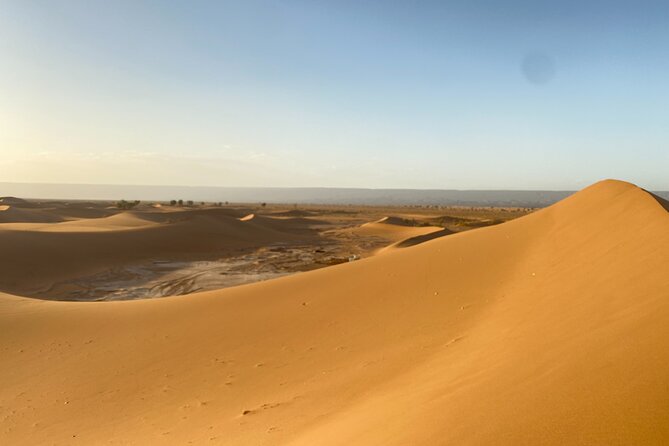
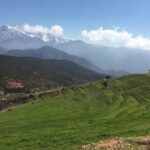
Your first day starts by crossing the High Atlas Mountains via the Tizi n’Tichka Pass. This is the part of Morocco where roads start climbing fast and the scenery keeps widening in layers—rugged ridges, terraced slopes, and Berber villages clinging to hillsides.
You also get a short, dedicated viewpoint stop (about 20 minutes, with the admission ticket included). That matters because the drive alone can blur together; this pause helps you actually absorb what you’re seeing instead of just passing it.
Practical note: that early start means you’ll want to be ready before pickup. The tour runs with an opening window where pickup starts between 7:00 AM and 7:30 AM (local time), and it returns you back to the meeting point at the end of the experience.
Ait Ben Haddou and Dades Valley: UNESCO kasbahs plus dramatic rock shapes
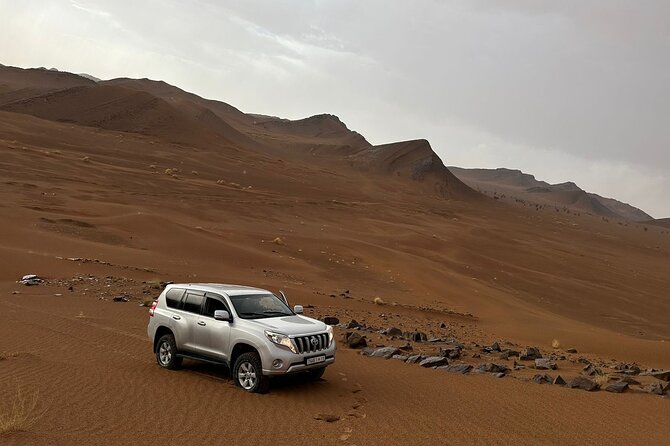
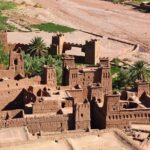
As you move down from the Atlas, you reach Ait Ben Haddou, a UNESCO World Heritage site famous for its earthen kasbahs. The best part of this stop is the way you can walk around and understand why this area works so well on film sets: thick walls, clay texture, and a layout that makes everything feel old in a real, physical way.
Admission there is listed as free for this stop, so you’re not scrambling with extra costs once you arrive. You’ll typically get time to explore before continuing on toward the Dades Valley, nicknamed the Valley of a Thousand Kasbahs.
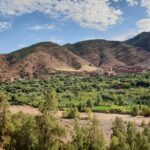
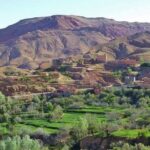
Dades Valley is where the scenery shifts toward dramatic rock formations and pockets of greenery near river life. It’s a nice contrast after the high-mountain feel: you’re seeing how Morocco can hold different “worlds” along one route.
Todra Gorge walk and the long push to Merzouga
Day 2 is the day of “vertical drama,” then a gradual shift to desert. First up is the Todra Gorge, reached after the Dades Valley.
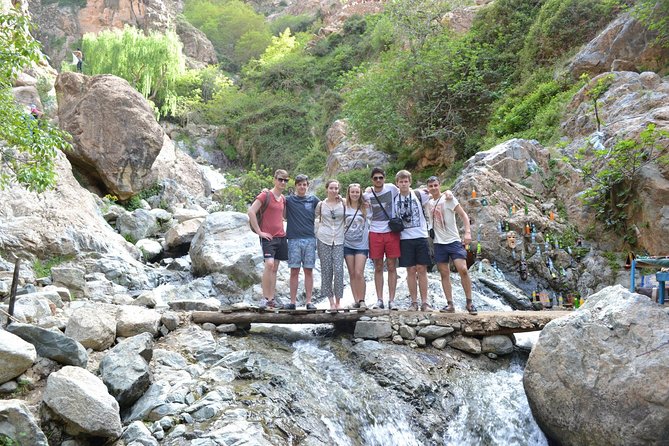
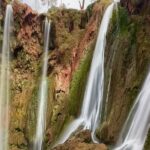
You’ll have a walk inside the gorge with time to explore the towering limestone walls, plus a short stop for an old village visit. Admission for this portion is included, and the timing here is set up so you don’t just stand at one point and hope for good views—you actually move through the space.
Then the journey continues toward Merzouga, the gateway to Erg Chebbi dunes. The whole section takes about 9 hours on Day 2, and it’s worth understanding what you’re paying for. Long driving isn’t fun, but this is the stretch that turns the trip from “pretty stops” into the real desert experience.
As you approach the dunes, the air and the horizon change. That’s when the camel portion starts to feel like the next logical step instead of a random activity tacked on.
Camel trek into Erg Chebbi dunes: the part you’ll remember
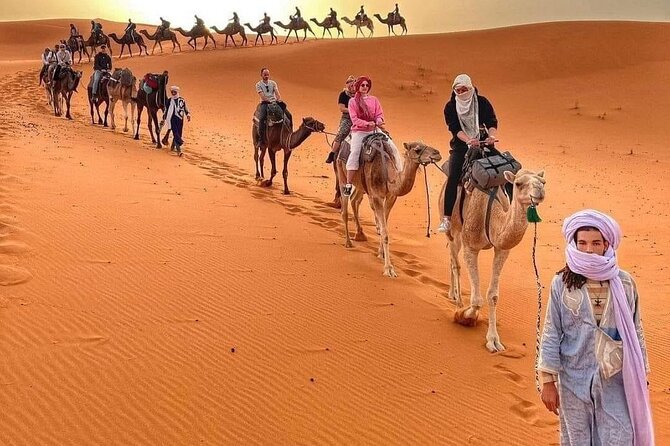
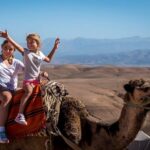
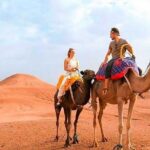
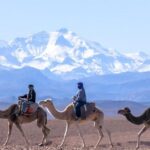
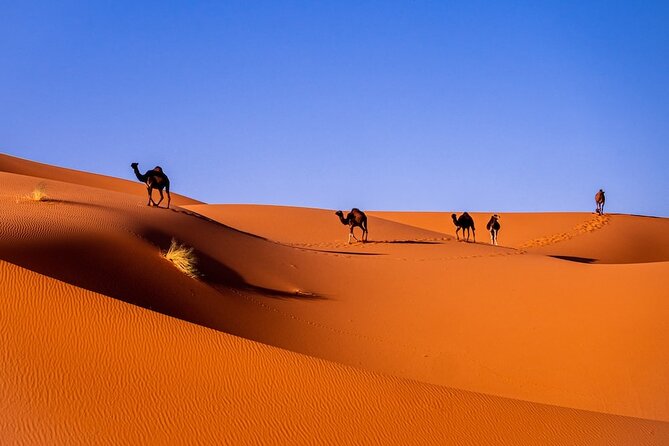
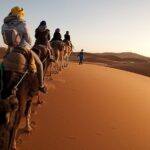
Once you’re in Merzouga, you switch from vehicle travel to camel riding for a trek into the desert. The point isn’t speed. It’s pace—moving slowly over sand where each step changes how the dunes look and how the sky sits above you.
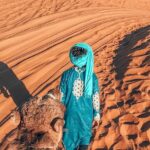
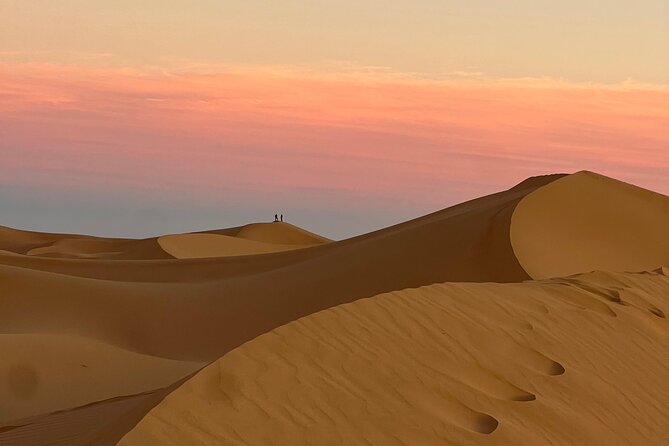
The dunes here are known for those big, orange tones that make photographs look more dramatic than they do on normal days. In real life, it’s the color shift and the scale that hit hardest. You’re inside something vast, and the route keeps you pointed toward deeper dune areas.
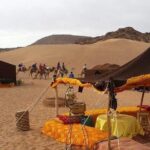
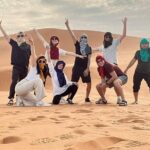
After the camel trek, you reach a traditional Berber camp. This is where the trip shifts from daytime sightseeing to desert stillness—no traffic, no buildings, just sand, people, and night falling in a way you can feel.
A few more Marrakech tours and experiences worth a look
Berber camp night: starry sky, dinner, and a calm reset
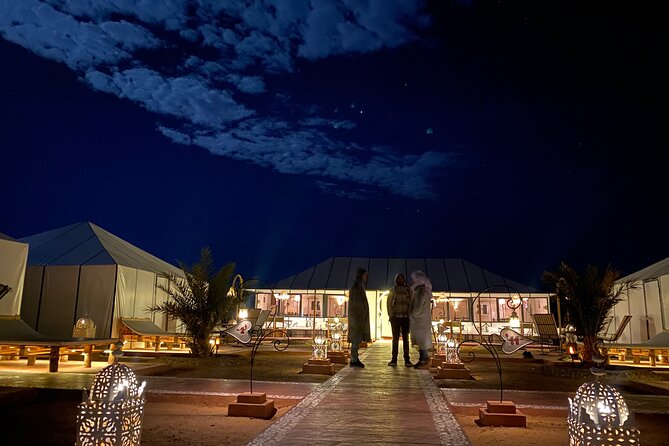
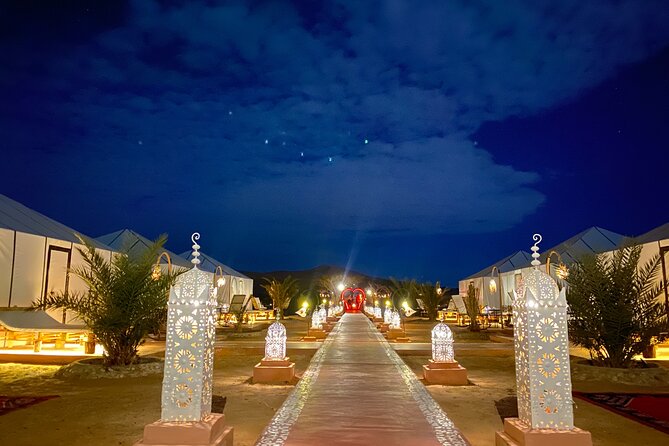
The camp experience is built around the simple idea of being present after a full day. Dinner is included (listed as dinner for 2 nights/days—Day 2 and Day 3), so you’re not hunting for food after you’ve already been on the move.
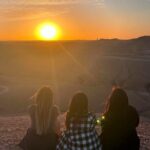
The tour overview also promises that the evening includes sunset across the dunes with golden light, then the night under a star-filled sky. Even if you’ve seen desert photos before, this is still the part where the landscape (literal, open sand and sky) does something to your mood. The dunes soften, shadows stretch, and the night gets quiet fast.
One more thing I like about this setup: camp night is not just a show. It’s a chance to reset after the long drive. You get that “I’m far from the city” feeling, without having to plan logistics of your own.
Day 3 return toward Marrakech: what to expect on the way back
On Day 3, you start the road back to Marrakech. You’ll make stops for lunch and café breaks, but the food costs there aren’t listed as included.
Since breakfast is included for the second and third days, you’re covered for the morning meal. After that, think of the return day as your travel cooldown—less walking, more seeing the route unwind behind you.
You’ll end the experience back at the meeting point in Marrakech, so you don’t have to worry about finding a separate transport option or where your driver drops you.
Price and value: why $127.96 feels fair for this route
Let’s talk money without fluff. At roughly $127.96 per person, you’re paying for:
- Air-conditioned vehicle transport across multiple regions
- Included guided moments: Atlas viewpoint, Todra Gorge access and walk
- A camel trek and a night in a Berber camp
- Included meals: breakfast on the second and third days, plus dinner on two nights/days
What you don’t get is also clear. Bottled water isn’t included, and alcoholic beverages aren’t included. That can add up if you arrive without a plan, especially because you’ll be traveling all day.
So the value question becomes: do you want someone to handle the route, timing, and key experiences end-to-end? If yes, this price is in the “worth it” zone for a 3-day Merzouga trip. If you only care about the dunes and would rather take faster, customized transport, then a shared tour might feel slower than you’d like.
Guides, group size, and the human side (what matters most)
One theme you can rely on with this tour format is that the guide and driver shape the whole vibe. This kind of route can feel like a checklist, or it can feel like a story.
In the feedback associated with this experience, guides like Moha and Mohamed get praised for being friendly and making people feel at home. Drivers such as Houssine and Isham are also repeatedly mentioned for being helpful and sociable.
It’s not just personality, either. One practical perk is good communication. A guide who speaks strong English helps when you need clarity on timing, photo stops, or where to go when the group moves.
The group size limit—maximum 18—also makes the experience easier to manage. A smaller shared group means fewer people blocking your view at viewpoints and less chaos when you’re getting everyone aligned for the next jump.
Who this tour suits best (and who should think twice)
This shared Sahara Magic & Camel Trek option is a strong match if you:
- Want to see Merzouga and Erg Chebbi without planning your own desert transport
- Like a route that includes culture stops like Ait Ben Haddou and Todra Gorge
- Don’t mind a long day of driving as long as the big moments are included
Think twice if you:
- Really dislike long vehicle time (Day 2 can be a full grind at ~9 hours)
- Need lots of free, unstructured time at each stop
- Are very sensitive to schedule changes, since this experience requires good weather
Should you book Sahara Magic & Camel Trek?
I’d book it if you want a first-time Merzouga desert trip that doesn’t feel like guesswork. The included pieces—camel trek, camp night, gorge walk, key viewpoint timing—do the heavy lifting, and the route gives you a taste of multiple regions without making you manage tickets and transport.
I’d skip it if you’re mainly chasing comfort and minimal driving. A shared 3-day route is always a trade: you get the highlights, but you also accept a set rhythm and long road stretches.
FAQ
FAQ
What time does the tour start in Marrakech?
Pickup starts in the 7:00 AM–7:30 AM window (local time). Your experience is scheduled around that morning departure.
How many people are in the group?
This is a shared tour with a maximum of 18 travelers.
What meals are included?
Breakfast is included for the second and third days, and dinner is included for two nights/days. Lunch and café stops on the return day are not listed as included.
Are admission tickets included?
Admission tickets are included for the Atlas Mountains viewpoint and for Todra Gorge. The stop at Ait Ben Haddou lists admission as free.
Is bottled water included?
No. Bottled water is not included, and you’ll also need to plan for drinks since alcoholic beverages aren’t included either.
What happens if weather is bad?
The experience requires good weather. If it’s canceled due to poor weather, you’ll be offered a different date or a full refund.
If you want, tell me your travel month and your tolerance for long driving, and I’ll help you decide if this 3-day shared format is the best fit for your style.